Baba Ramdev: yogi, tycoon, and "medicine killer"—how the guru challenged Big Pharma and nearly became a government minister (14 photos)
Is it possible to build a multi-billion-dollar business empire by preaching renunciation of worldly goods? Swami Ramdev has proven it's possible in modern India. This man combines the image of a holy hermit with an aggressive entrepreneur. He declared war on global pharmaceutical giants and launched the Patanjali brand. He has become an icon of economic nationalism. But behind the façade of triumph lies a dangerous game: pseudoscience, lawsuits, and political manipulation. We tell the whole story—from Himalayan caves to the Supreme Court. 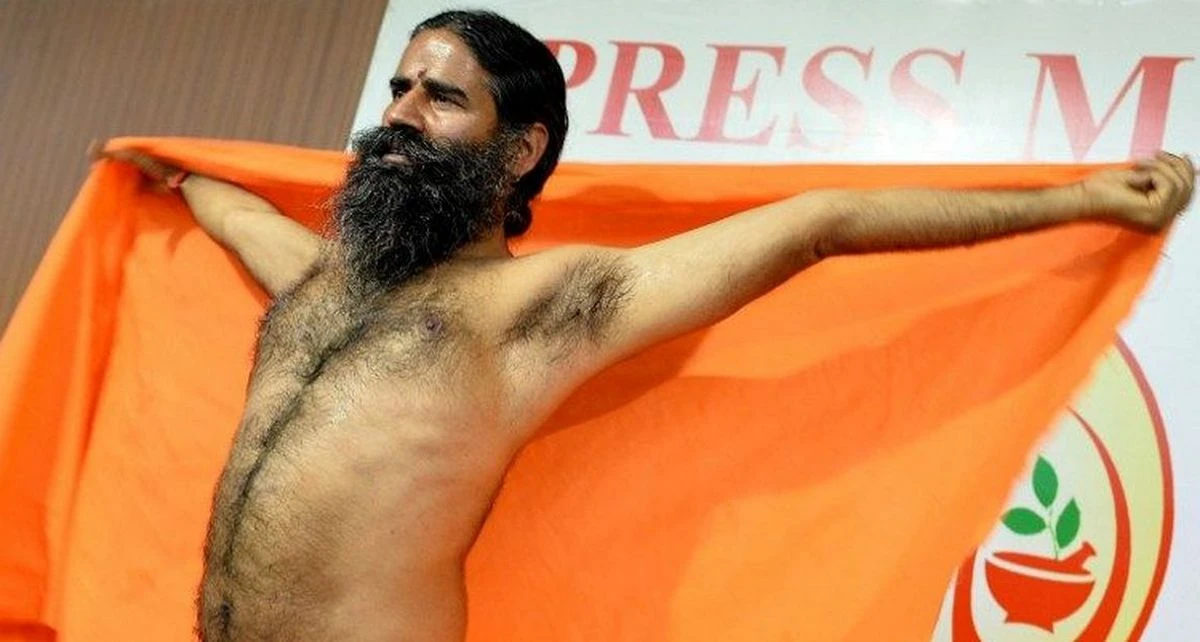
From the Cave to TV Screens
The future world-shaker was born in 1965. His birthplace is the village of Mahendragarh in Haryana. His birth name was Ramkishen Yadav. At 16, he ran away from home to an ashram and took monastic vows. Then he went into the Himalayan caves. For years, he practiced hatha yoga and strict asceticism. 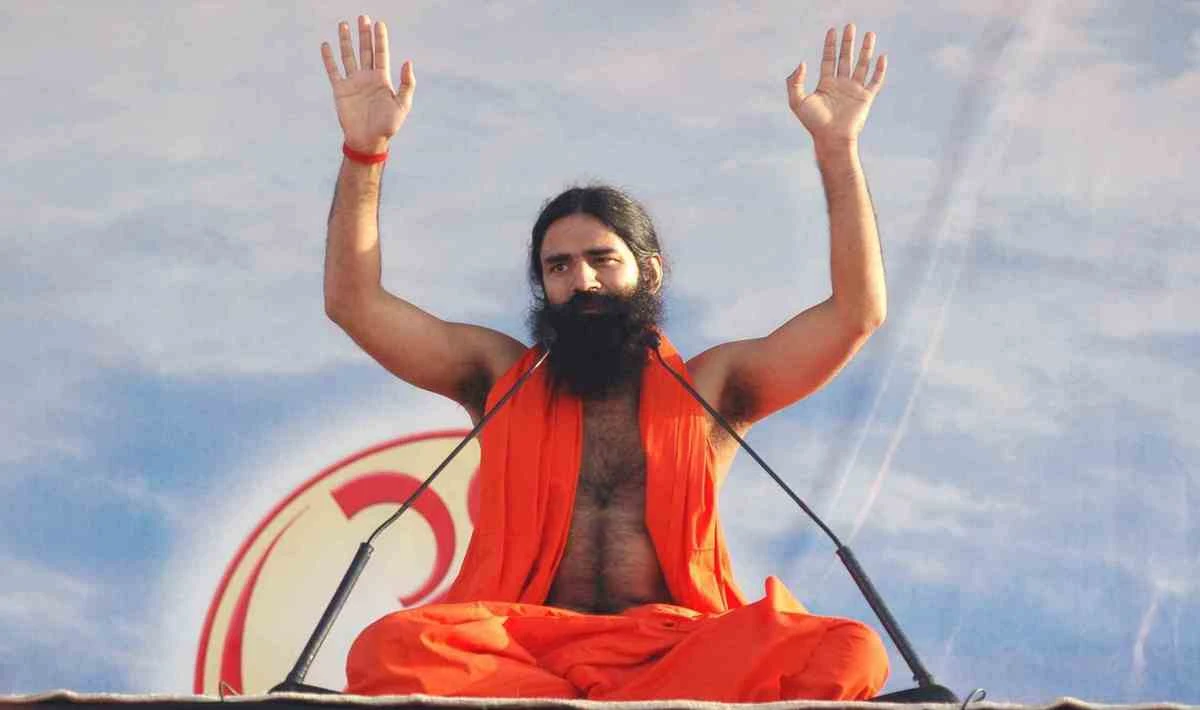
Ramkishen Yadav, aka Swami Ramdev – from Himalayan caves to television screens across India
The hermit's life changed dramatically in the mid-1990s. The young yogi realized that television was the best ashram of the modern era. His broadcasts featuring pranayama (breathing exercises) instantly attracted tens of millions of viewers. In 1995, he, along with Acharya Balkrishna and Acharya Karamvir, founded the Divya Yoga Mandir Trust. This charitable foundation became the first organizational pillar of the future empire. 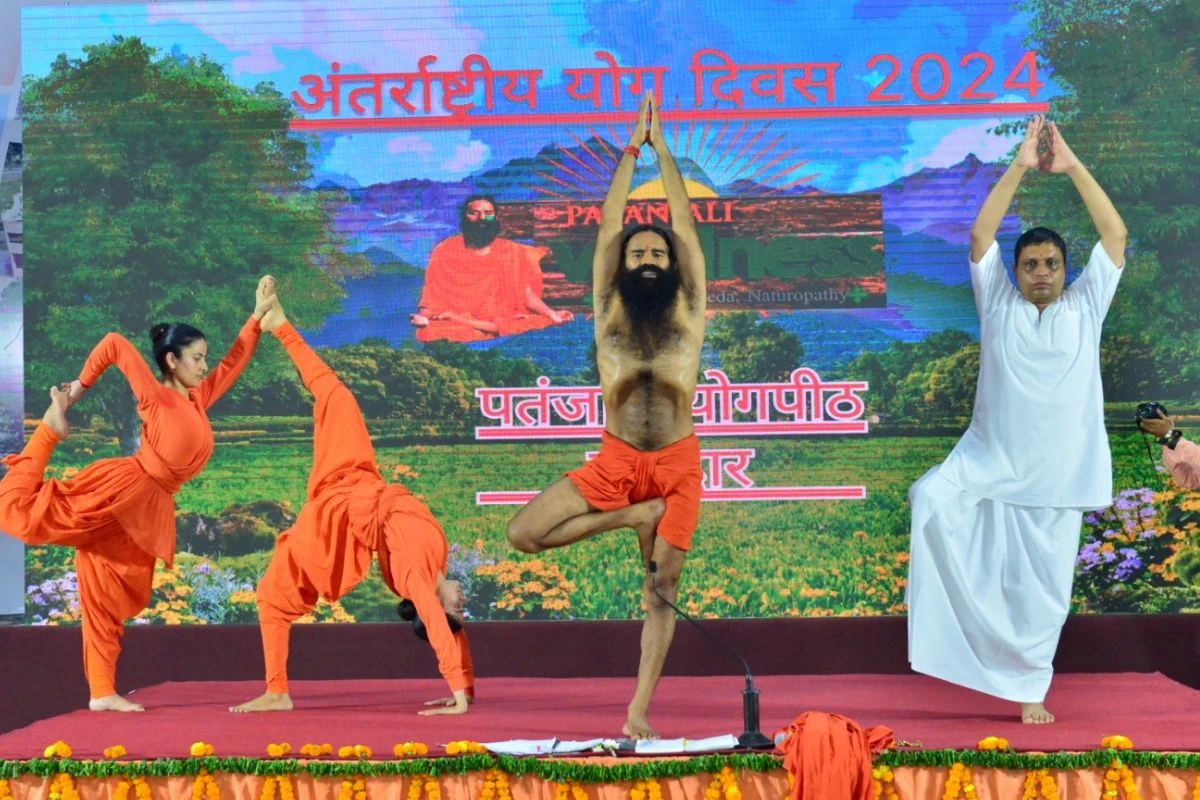
Ramdev teaches a yoga class—tens of thousands of people attended his sessions
By 2006, Ramdev was filling stadiums. Thousands of people were synchronously rotating their stomachs, performing kapalabhati. From an unknown monk, Swami Ramdev—or Baba Ramdev, as Yadav began calling himself—quickly became India's leading guru. But he was little interested in mere popularity. He was laying the groundwork for something much greater than a new school of wellness.
The Birth of Patanjali: A War with Transnational Giants
The main plot twist is the pharmaceutical war. In 2006, Baba Ramdev, together with Acharya Balkrishna, officially registered Patanjali Ayurved. It immediately launched an open challenge to the transnational giants: GlaxoSmithKline, Colgate, and Nestlé. The slogan "Forget Western drugs—return to herbs" made the yogi an idol in nationalist India. 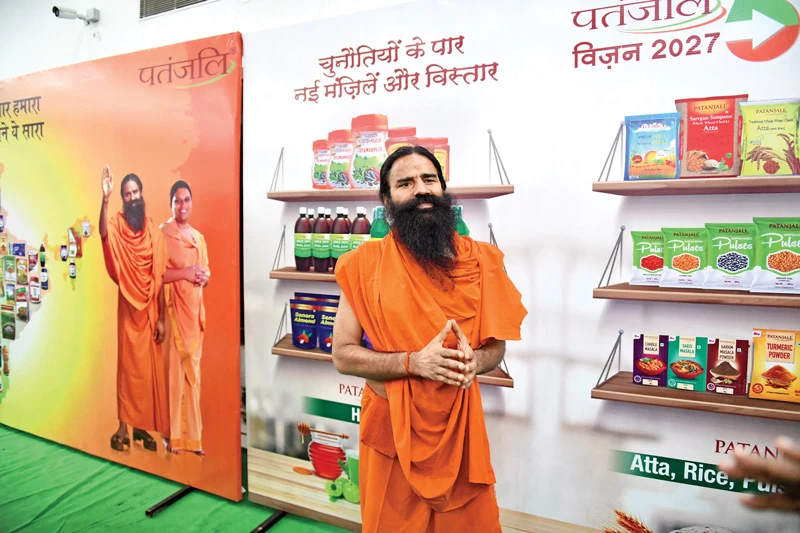
Baba Ramdev at a Patanjali presentation – the company positioned itself as an alternative to Western brands
By 2016, Patanjali was valued at $4 billion. The company outsold global competitors in sales of traditional ghee and Ayurvedic toothpastes. Ramdev became an icon of swadeshi – economic nationalism. Millions of Indians felt they were performing a patriotic duty by purchasing his products. According to the 2023–2024 financial year, the group's revenue was INR 9,335 crore – approximately $1.1 billion. This represents a 23% increase year-on-year. 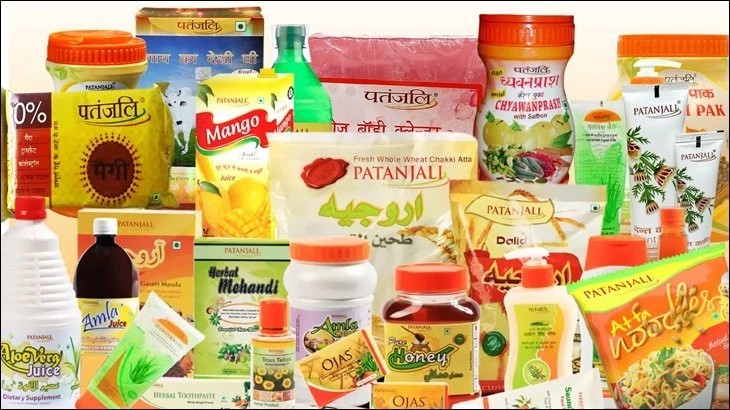
Patanjali Ayurved Products – Food, Medicines, Dietary Supplements, and Cosmetics
Millions of Indians consciously rejected Colgate, Nestlé, and GlaxoSmithKline. By buying Dant Kanti toothpaste or Patanjali ghee, they supported traditional medicine. They felt part of a movement for independence from the West. In 2016, journalist Priyanka Pathak-Narain wrote a biography of the guru for Juggernaut. In her words:
"He is such a remarkable figure, and yet so little understood." Sitting at the intersection of business, religion, and politics, he is the ideal lens through which to study modern India." 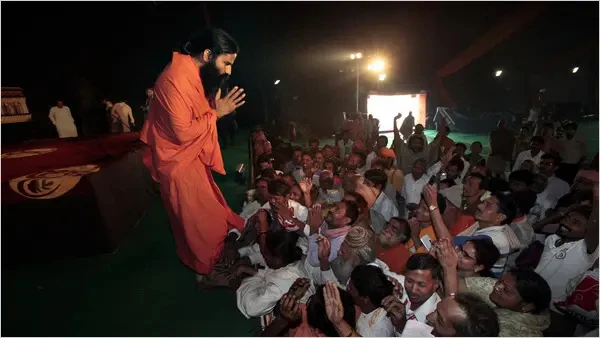
The guru has a huge following, including many nationalist Indians.
Coronavirus, Coronadil, and 2.5 million packages sold
The most famous scandal is the Coronadil story. On June 23, 2020, Ramdev unveiled a herbal concoction with the bold claim that it was the world's first cure for coronavirus. The company claimed that the drug had been clinically tested and provided a 100% cure within 3-4 days. The Ministry of AYUSH immediately issued a ban on the advertising—the agency itself was unaware of the claimed properties. In four months, 2.5 million packs were sold, worth Rs 250 crore. 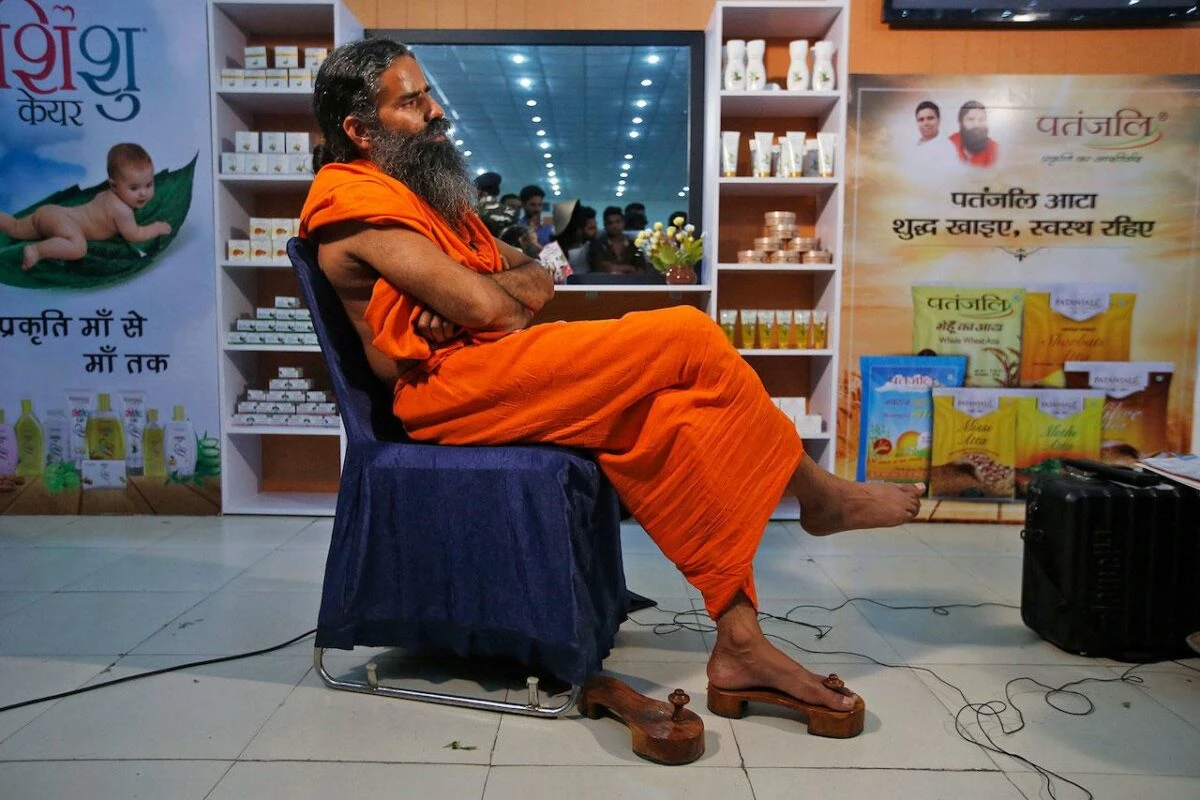
Coronadil was sold in Patanjali stores during the pandemic as a folk remedy.
On February 19, 2021, Ramdev relaunched the product, this time as "the first evidence-based treatment for COVID-19." Health Minister Harsh Vardhan and Minister Nitin Gadkari attended the launch. The Indian Medical Association (IMA) immediately demanded an apology. It filed a defamation suit for Rs 1,000 crore and went to court. Meanwhile, the guru publicly called evidence-based medicine "useless" and claimed that modern drugs had killed millions of people. 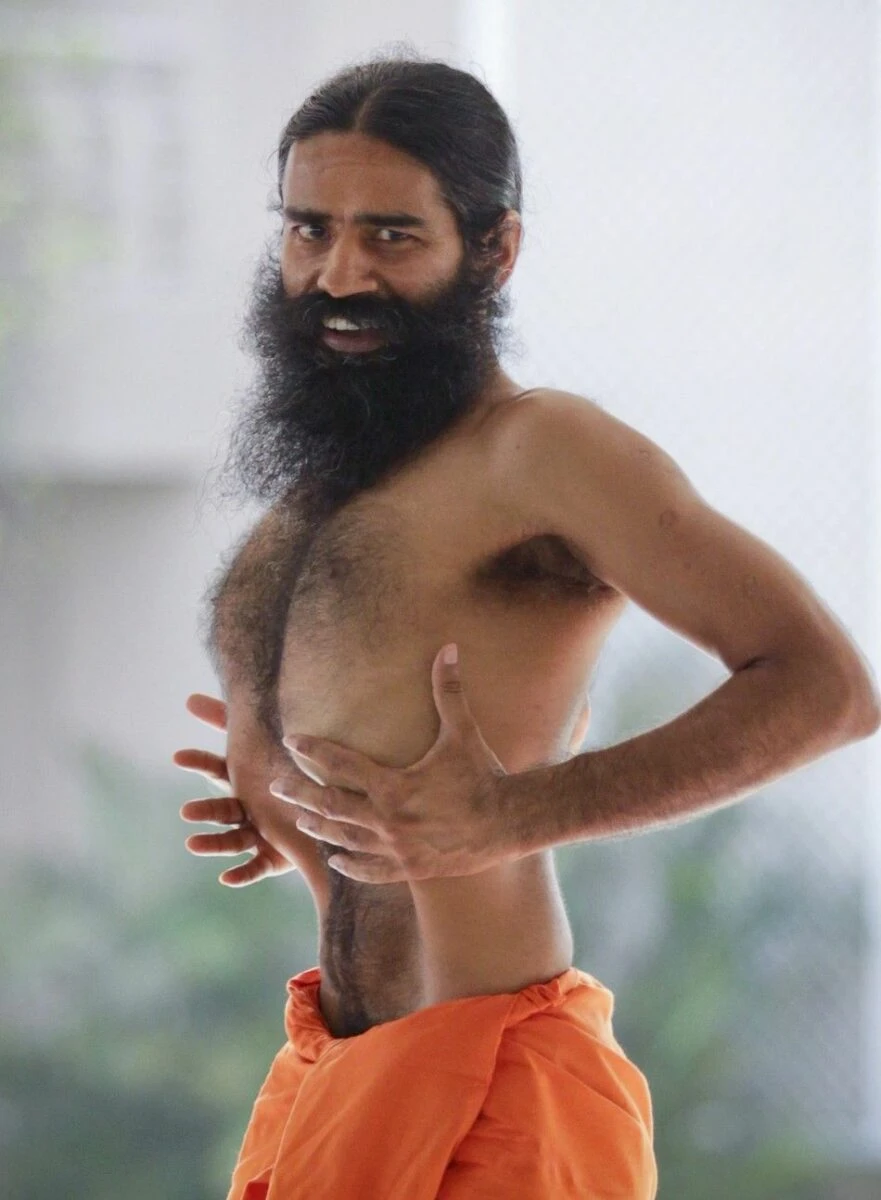
Ramdev demonstrates Nauli Kriya, an abdominal cleansing technique he popularized throughout India.
Ramdev has faced numerous lawsuits for other dubious claims. He preached that Ayurveda cures cancer, diabetes, and HIV. Having earned the reputation of a spiritual mentor and ascetic, the guru was extremely persuasive to ordinary citizens.
The Supreme Court and the Price of Apology
In 2022, the IMA filed a petition in the Supreme Court against Patanjali for systematically discrediting evidence-based medicine and false advertising. On November 21, 2023, the company gave the court a written undertaking to stop the misleading advertising. However, in February 2024, the court found that Patanjali continued to place exactly the same ads in leading Indian newspapers. 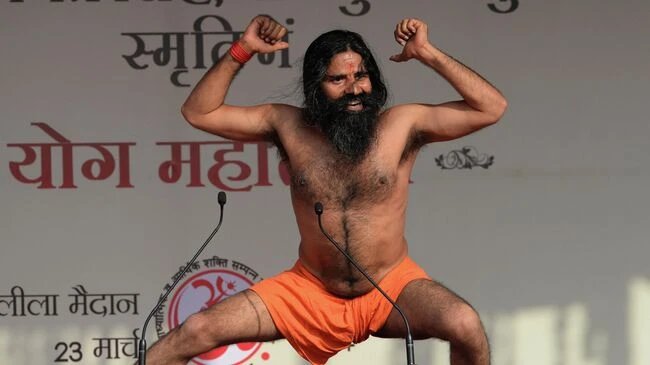
Swami Ramdev's speech – even amid scandals, he maintained an audience of millions
On February 27, 2024, the court initiated contempt proceedings. Ramdev immediately convened a press conference and declared that evidence-based medicine was waging "false campaigns" against him. In April 2024, the court twice rejected the "unconditional apologies" of Ramdev and Balkrishna. Partly due to suspicions of falsifying airline tickets attached to the affidavits, Uttarakhand authorities suspended the production licenses of 14 Patanjali products by May 2024. Finally, on August 13, 2024, the Supreme Court dismissed the case. The court accepted the final apology but sternly warned: any future violation would result in severe consequences.
Political Armor and Religious Scandals
What saved Baba Ramdev from actual prison? Powerful political armor. The yogi is a close associate of Prime Minister Narendra Modi. His rhetoric has always aligned with the line of the ruling BJP party. There were rumors of him being offered the post of Minister of Yoga and Traditional Medicine (AYUSH). In 2011, Ramdev declared an indefinite hunger strike, demanding the death penalty for officials accused of corruption. The protest was short-lived and had no consequences. Critics immediately accused the guru of exploiting societal pain points. 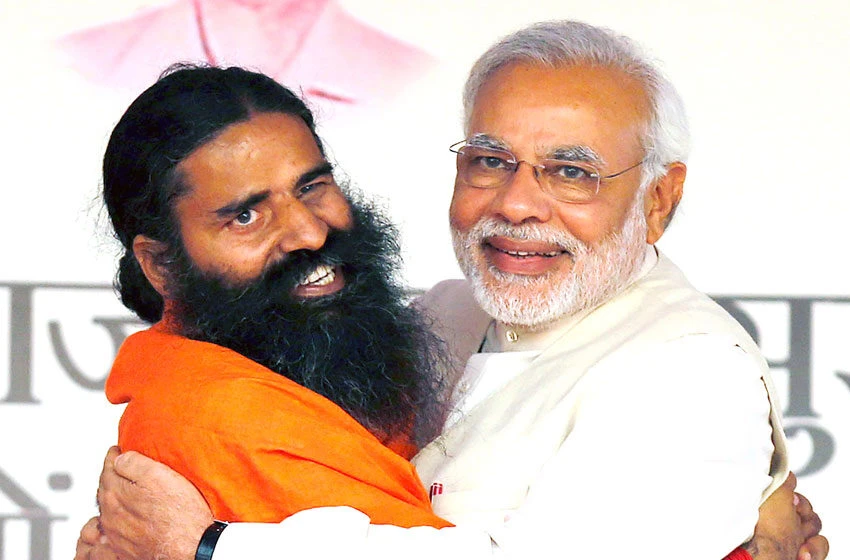
Narendra Modi and Baba Ramdev: Their Closeness Became a Political Shield for the Guru in Court Cases
Closeness to power has not protected Ramdev from reputational crises. In 2021, a court reprimanded Ramdev for remarks he made against Muslims who criticized the government during the pandemic. The guru was forced to issue a public apology. In 2023, the Rajasthan High Court ordered him to appear for police questioning in a case involving anti-Muslim remarks at a religious gathering in Barmer. 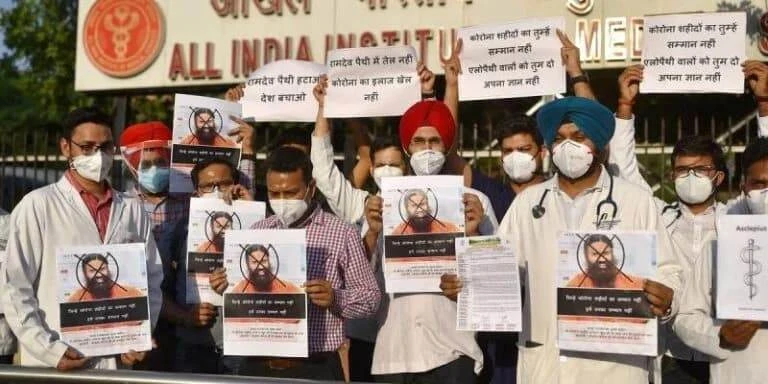
Protesters accuse him of charlatanism—the guru has not only fans, but also principled opponents
In April 2025, the Delhi High Court ordered Patanjali to remove a video in which Ramdev alluded to "Sharbat jihad" by Rooh Afza's manufacturer, Hamdard. The court called the video's content "shocking the conscience of the court" and "indefensible."
The richest beggar on the planet
The billionaire yogi remains a paradox. He teaches yoga for free at 4 a.m. on his TV channel. He sleeps on the hard floor of an ashram in Hardwar. But he owns a fleet of private jets and real estate in Mumbai. He claims that money is merely "energy for service." Critics call him the richest beggar on the planet. 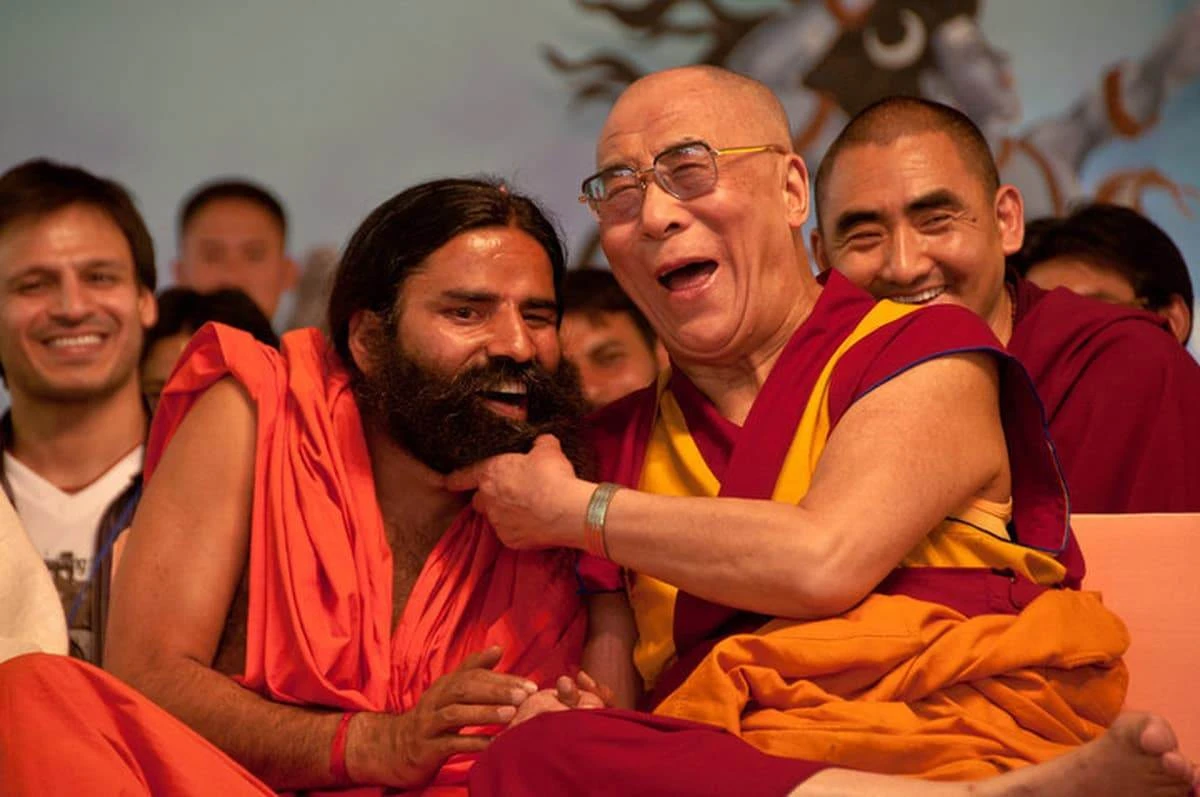
Swami Ramdev and the Dalai Lama – the guru skillfully combines the image of a spiritual leader with business ambitions
Officially, Ramdev does not own any businesses. Acharya Balkrishna, a close friend from his time at the Khanpur Gurukul ashram, is the CEO and 94% owner of Patanjali. His net worth has been estimated at between $3.5 billion and $6.3 billion over the years. 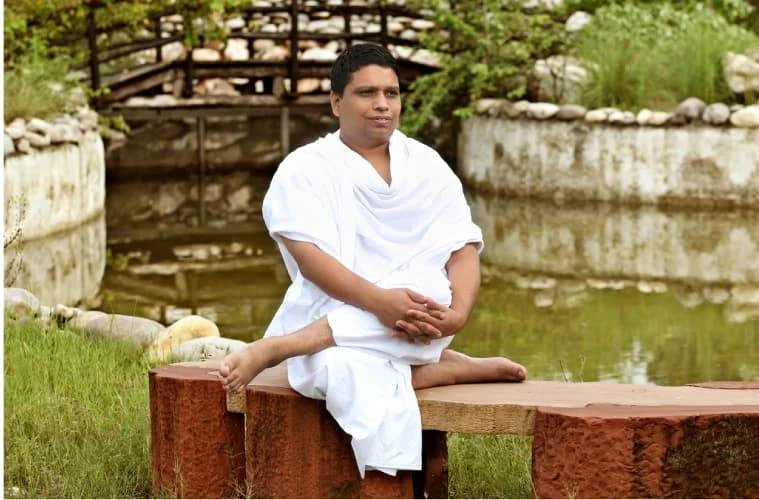
Acharya Balkrishna is the official owner of 94% of Patanjali and one of the richest men in India.
Ramdev himself does not hold any shares in the company. His personal wealth is estimated at approximately 1,600 crore rupees, which comes from income from yoga camps, royalties, and real estate. Ramdev explains his involvement in the business as follows:
"Yogis in Indian culture have always guided society in the right direction and dedicated their lives to its welfare. That's why I, as a yogi, also run the company. It's my important responsibility to this country. I run Patanjali not as a CEO, but rather as a guru runs an ashram. It's not a corporation. Patanjali is a spiritual organization."
Insurance from a "spiritual organization"
In 2025, Patanjali expanded beyond consumer goods. The group acquired a controlling stake in Magma General Insurance for 4,500 crore rupees. The "spiritual organization" now also insures citizens. Critics consider Ramdev a shrewd entrepreneur who has built a business empire on the faith of hundreds of millions of people—caught between ancient traditions and aggressive marketing. 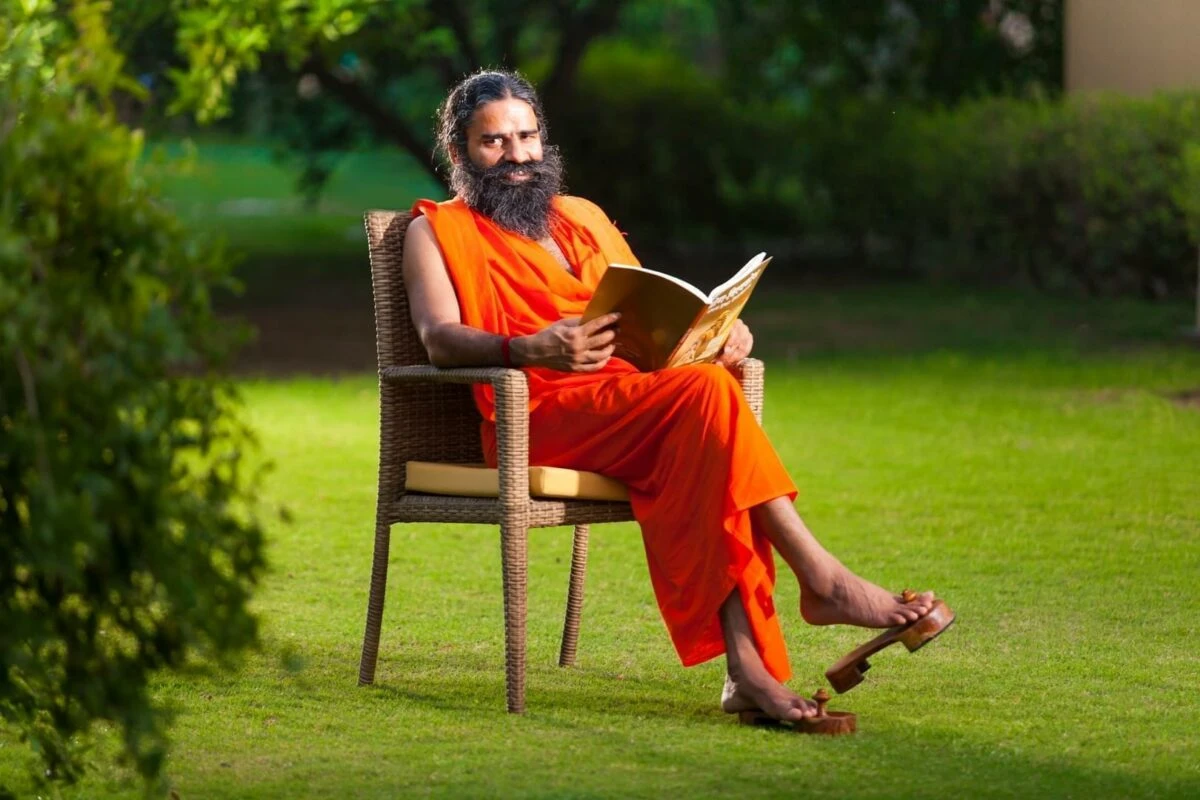
Baba Ramdev—the perfect paradox of modern India
Who is Baba Ramdev really—a sincere folk healer who has restored Indians' pride in their ancient culture, or a calculating manipulator who has built a multi-billion-dollar business by denying evidence-based medicine? Share your thoughts in the comments below.