Movie special effects: how the Indiana Jones films were made (34 photos)
Even today, it's hard to find a film whose spirit of adventure is as adventurous and captivating as the classic Indiana Jones trilogy. All three films are imbued with the magic of travel, ancient artifacts, and new discoveries. In this article, we'll pay tribute to the genius of Steven Spielberg and George Lucas by looking back at the making of Raiders of the Lost Ark, Temple of Doom, and The Last Crusade. 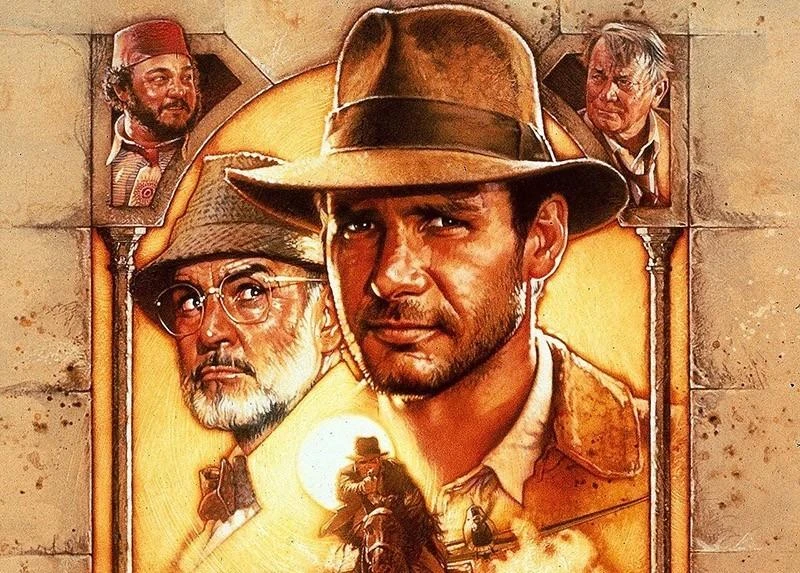
"Indiana Jones and the Raiders of the Lost Ark" 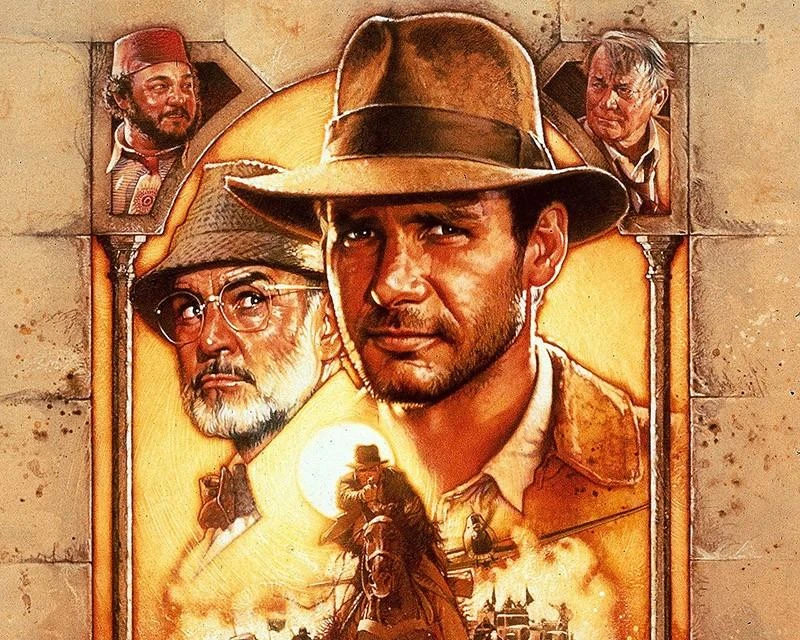
The idea of making a large-scale film about the adventures of an archaeologist occurred to George Lucas even before the filming of Star Wars. However, the Hollywood film guru initially became fascinated with the space saga, which he became mired in for a long time. There wasn't enough energy to make an adventure film about Indiana Smith (the main character got his name from George Lucas's dog), so the "Star Wars" director entrusted the project to his friend Steven Spielberg, who was deeply distressed by the failure of the little-known comedy "1941." 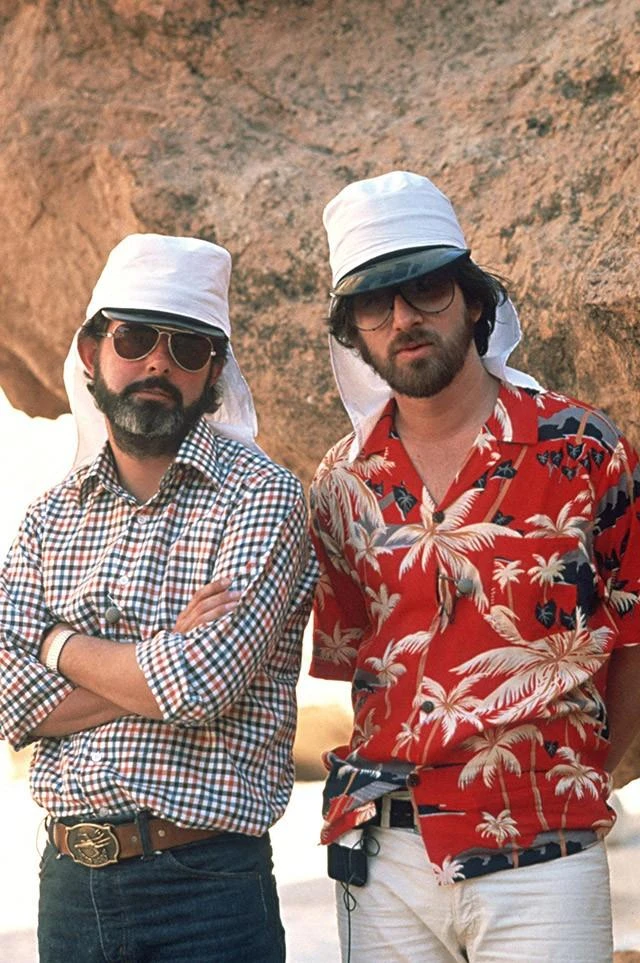
George Lucas and Steven Spielberg 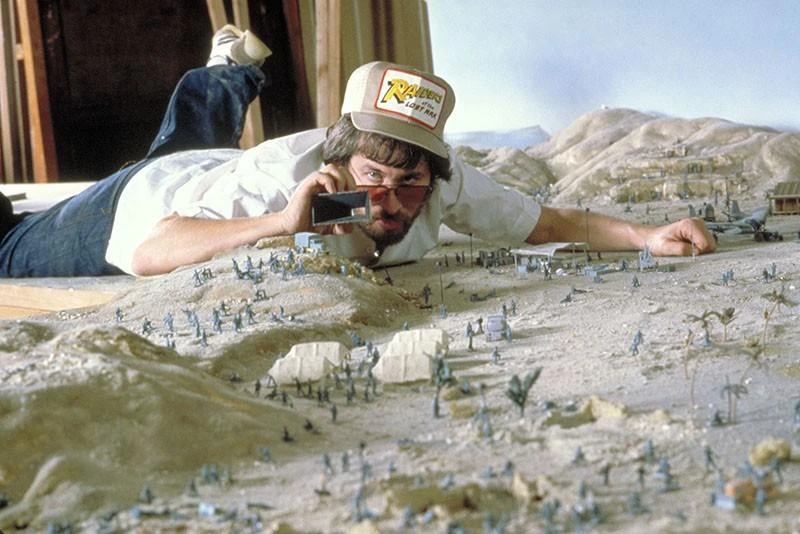
During the script development process, the main character's surname was changed to the now familiar "Jones," since Spielberg, for some reason, couldn't stand the name Smith. 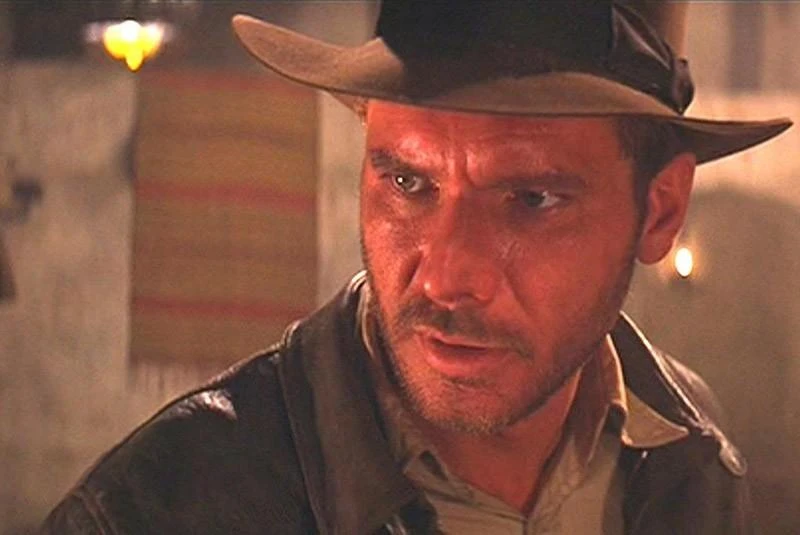
There were almost no questions about who would play the heroic archaeologist—Steven could only see Harrison Ford in his role. Of course, there were auditions for other actors, but in the end, the role went to the Millennium Falcon pilot.
"Indiana Jones" has many connections with "Star Wars." Not only the names of George Lucas and Harrison Ford, but also other "little things." For example, the film was shot at the same Elstree Studios near London where the famous space opera was filmed (and where the necessary connections were made). The sandy Egypt scene was actually filmed in Tunisia, where, again, George Lucas managed to get to know the local administration. The film "Raiders of the Lost Ark" literally followed in the footsteps of Luke Skywalker! 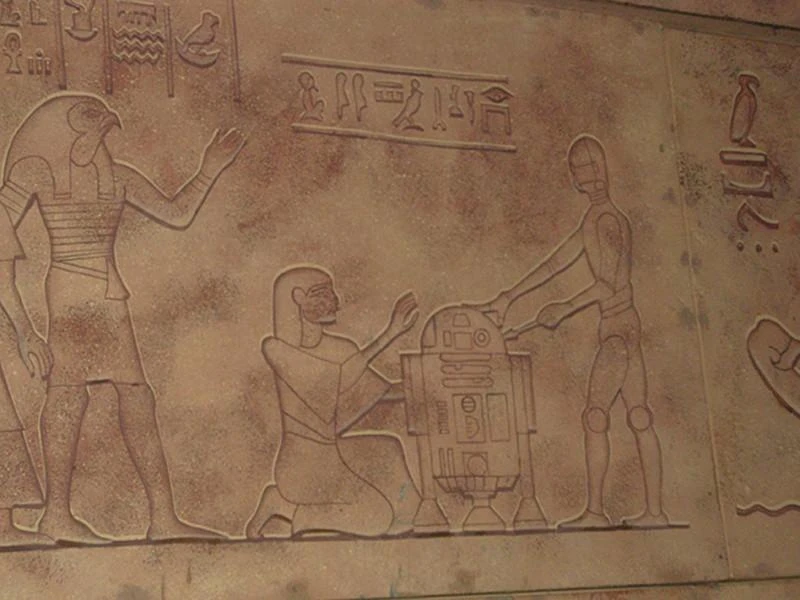
If you look closely, even in the Well of Souls set, you can see images of the robots C3PO and R2D2 on the hieroglyph-covered walls. 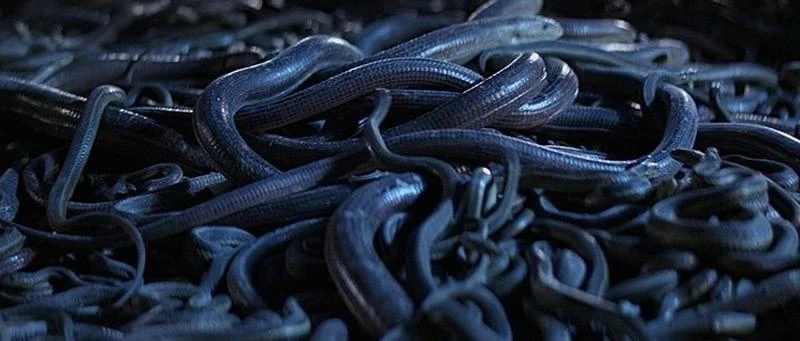
Incidentally, the Well of Souls scene proved one of the most challenging for the crew. First, they had to build a suitable set, and then fill it with snakes. The filmmakers bought seven thousand snakes from English pet stores, but that wasn't enough. They had to be "diluted" with pieces of hose. 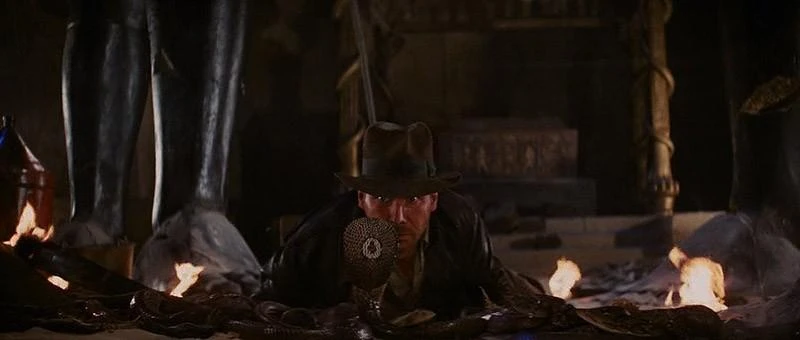
In the scene of Indiana Jones' confrontation with the cobra, Harrison Ford was separated from the snake by a glass partition, the reflections of which are clearly visible in the film. Only 22 years later, in a digital re-release, were these reflections retouched. 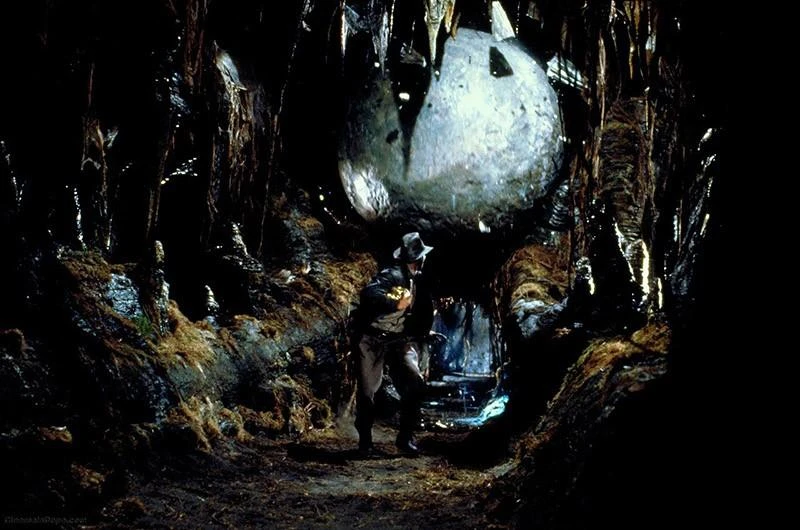
However, in another scene, the actor could have actually been injured, as he was working without a protective partition, and it was decided not to use stuntmen. This is the scene at the very beginning of the film, when the archaeologist runs from a giant boulder. The stone was made of fiberglass and turned out to be quite heavy—about a hundred kilograms. Yet, Harrison Ford was unharmed during the filming of this scene, though, like most of the crew, he suffered from the 120-degree heat and dysentery. 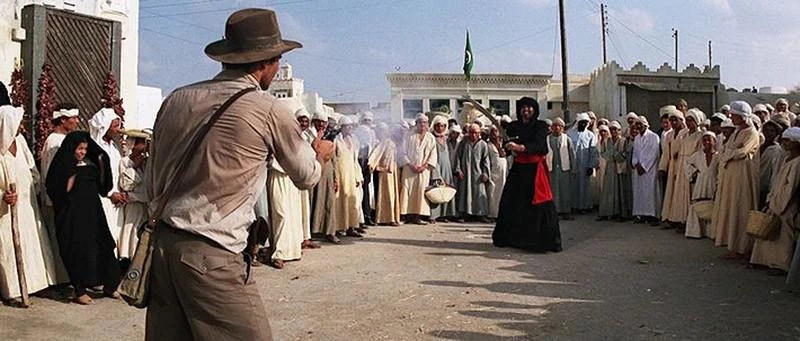
You probably remember the scene in which Indiana Jones is challenged to a fight by one of the cameo villains. The brave archaeologist avoided the fight and shot the villain with a revolver. In fact, the original plan was for a spectacular scene with a staged fight. The archaeologist was supposed to use a whip to fight the saber-wielding Arab, but Harrison Ford was so tormented by his damned dysentery that he asked to settle the matter with a pistol. Thus was born one of the most memorable moments of the first part of the saga. 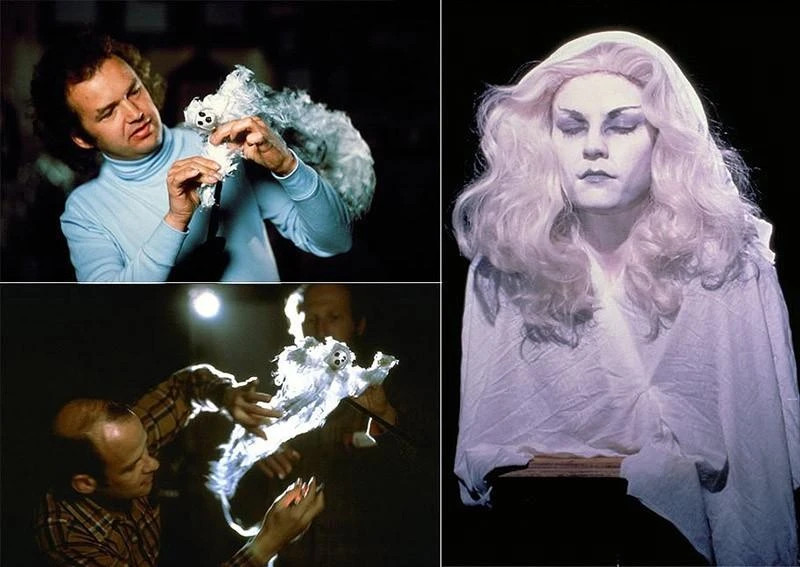
George Lucas's Industrial Light & Magic studio, which had gained considerable experience during the filming of Star Wars, was, of course, responsible for the visual effects. Interestingly, all the "grown-up" special effects (except for small details like the plane flying against the map) were concentrated in the film's finale. 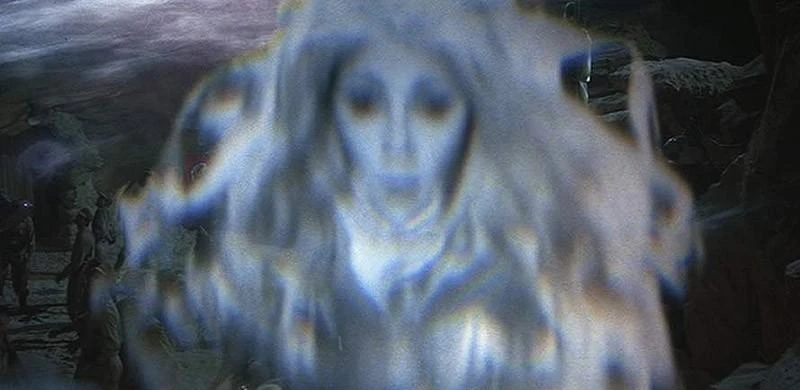
When the Nazis open the ark, spirits emerge from the sarcophagus, literally burning the bad guys to death. To create the scene, the artists filmed the actress, whose face flickers among the spirits, and also placed several models in an aquarium filled with water, shot from different angles. The water created an airy, swaying ethereal effect, while the actress added a touch of personality. The desired "otherworldly" shots were then layered onto the film, creating the impression of interaction with the actors. 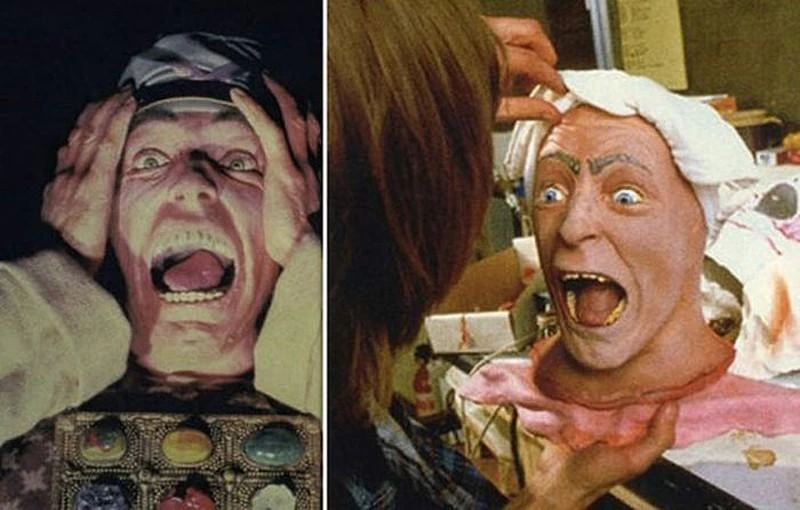
The most emotional schoolchildren were shocked by the images of the main antagonists' deaths. The exploding heads, drying and melting in the blink of an eye, could have given anyone a heart attack, especially when watching a film that didn't foreshadow anything like that! 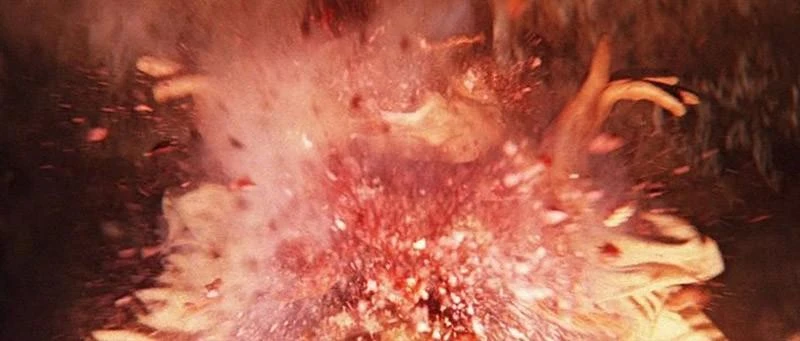
The easiest thing to do was blow up the head. To do this, they had to make a plaster cast of it, stuff the dummy with meat and explosive cartridges, and then detonate the whole thing. 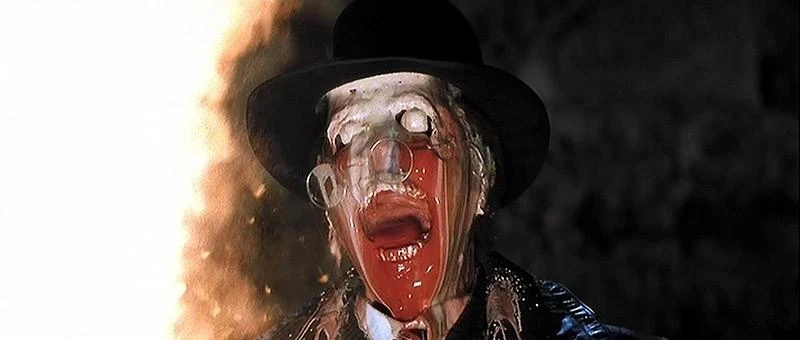
The hardest part was drying the head. To do this, eight assistants had to successively activate a kind of vacuum cleaner, sucking air out of membranes located inside the dummy. 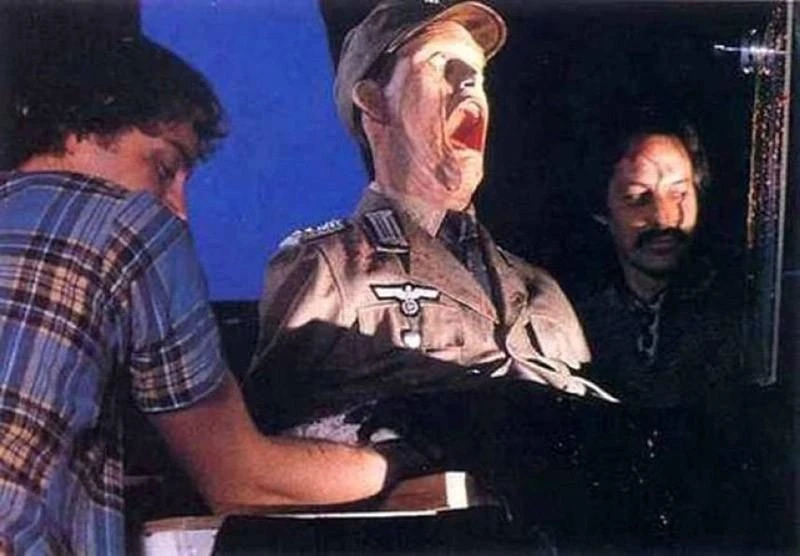
The third head was cast from wax and filled with gelatin. Its melting was ensured by exposure to a powerful infrared lamp. 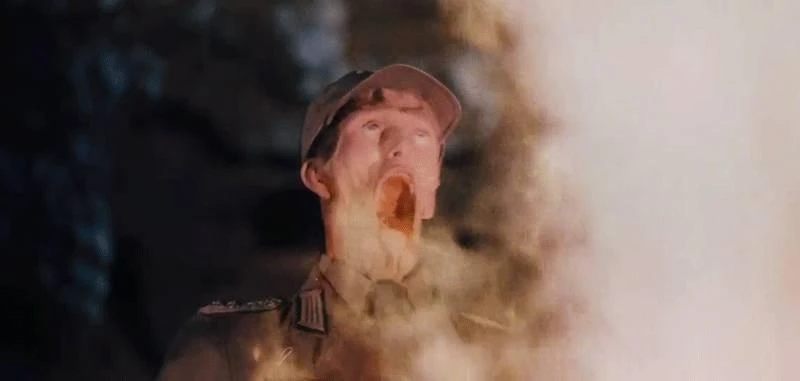
The entire process was filmed at a slower and then faster speed. The result was incredibly impressive for the early 1980s!
The film crew's efforts were immediately recognized by audiences. The film instantly became a cult classic, grossing nearly $400 million (over $1 billion adjusted for inflation), more than 20 times its budget. Indiana Jones and the Raiders of the Lost Ark launched an entire film universe. A sequel was inevitable.
Indiana Jones and the Temple of Doom 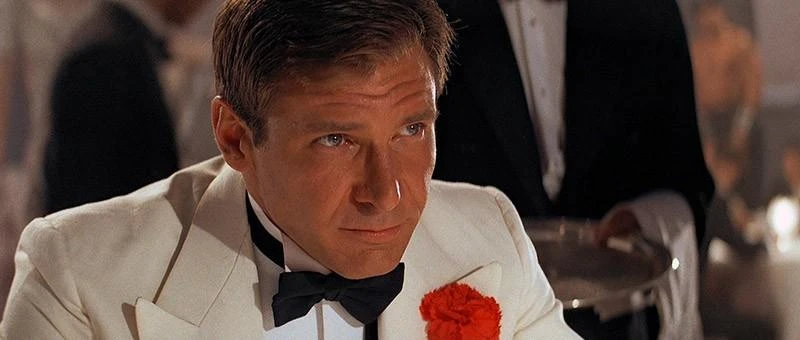
The budget for the film about the archaeologist's new adventures increased by half. This time, the main action took place in India. The Indian government, however, refused to allow filming due to "offensive" content, so in addition to studios in the US and England, location shooting had to be done in China and Sri Lanka. The screenwriters drew inspiration from a Rudyard Kipling ballad and an old film about a Hindu man rescuing a British officer from the hands of Kali worshippers. 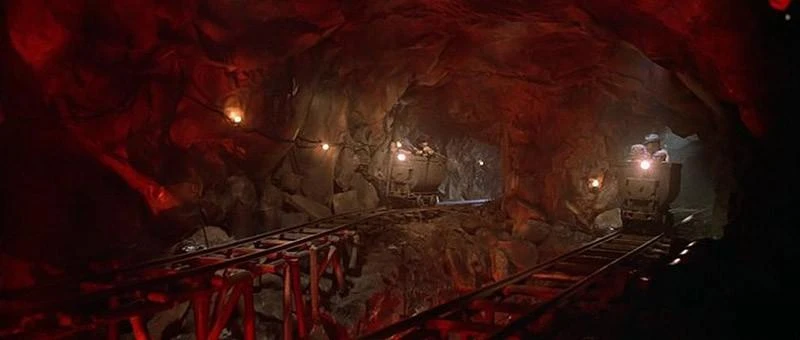
Harrison Ford once again had bad luck with filming and the injuries that accompanied it. First, he injured his back and even had to undergo emergency surgery. Then, he was injured while filming a fight with a bear (interestingly, this scene was never included in the final version of the film). After that, all of the actor's stunts were performed by a stuntman—he is the one we see during Indiana Jones's fight with the Indian on the conveyor belt, the minecart chase, and so on. The actor only appeared in close-ups.
It's worth noting that most of the action scenes in "Temple of Doom" were conceived for "The Ark," but for various reasons, they were never included in the first film. The second episode was essentially a collection of old tricks, around which the plot and script were built.
Take the mine cart chase, which became the most spectacular scene in "Temple of Doom." It was filmed over a long period of time, intensely, and in various locations. Several full-size mine carts were built, equipped with electric motors and capable of reaching speeds of up to 10 mph. They moved along rails in tunnels built at Elstree Studios. The effect of rapid movement was achieved by slowing down the footage and then playing it back at the normal speed of 24 frames per second. The artificial catacombs themselves were quite small, so the cameraman had to film them from different angles and with different lighting to create the illusion of length.
To film the long shots of the chase, miniature mine carts manufactured in the USA were used. They were sent along a constructed landscape model, after which all that remained was to combine the resulting footage with close-up shots and overlay the sound recorded at Disneyland in the United States. 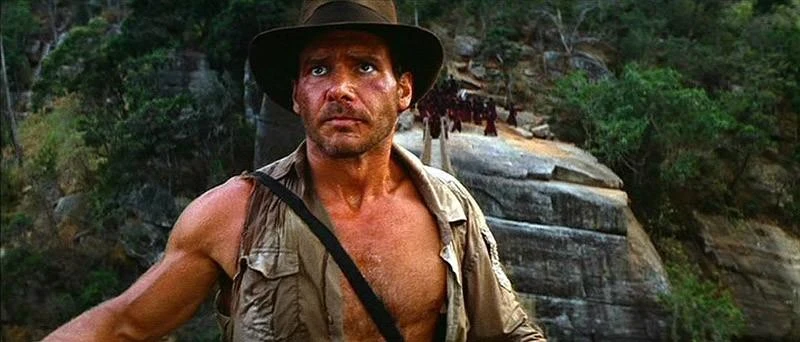
The suspension bridge was filmed in Sri Lanka. It was built specifically for the film crew from thick metal cables by British engineers who were constructing a nearby hydroelectric power station. 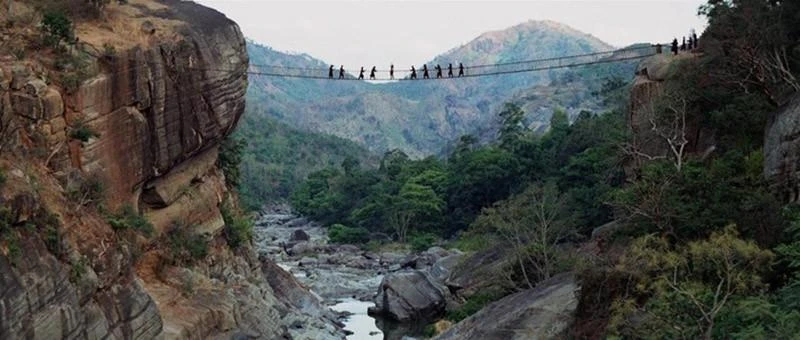
Both Spielberg and the cinematographer were terrified of the bridge and never walked out into its center. If the director needed to cross to the other side, he preferred to take a two-and-a-half-kilometer detour. The cameraman filmed most of the scenes from either one end of the bridge or the other. 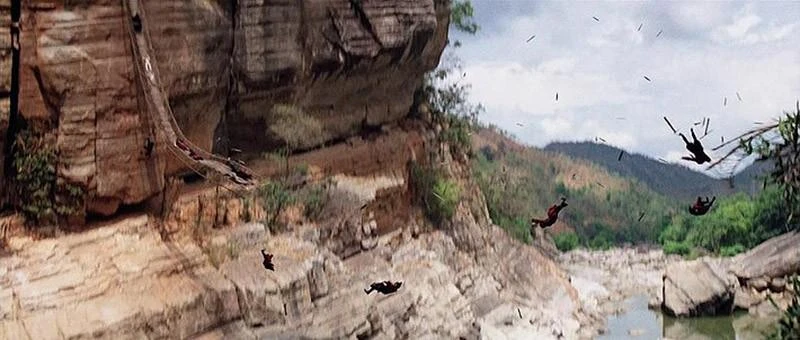
The bridge was torn in two using remotely controlled explosives. The ones falling from the structure weren't stuntmen, but rather dummies equipped with mechanisms with moving legs and arms. As soon as the explosives were triggered, the dummies fell, and during their flight, the mechanisms were activated. This crucial scene was filmed by as many as eight cameras. 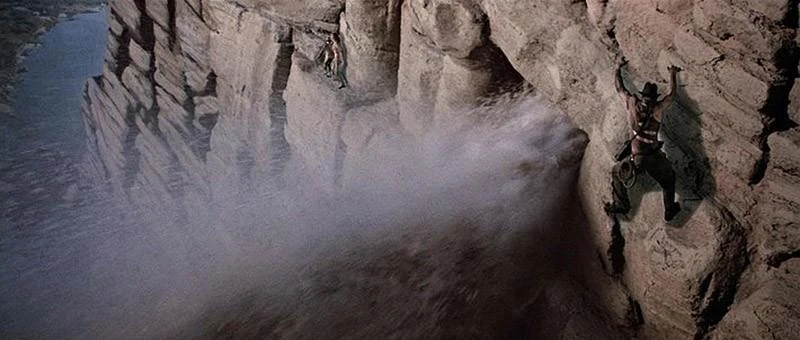
However, most of the most spectacular scenes were still shot in a British studio. For example, the fight between Indiana Jones and the main villain on the suspended bridge was filmed at a low altitude on a specially constructed wall simulating a cliff. Then all that remained was to combine the filmed footage with a wide shot of the real cliff. The scene with the stream of water gushing from the cliff and the main characters frozen on the narrow platform was shot in the same way.
https://www.youtube.com/watch?v=aHpmEUrcRnU
There are even fewer special effects as such in "Temple of Doom" than in the previous installment. Moreover, they looked quite organic and were intended to enhance the film's viewing experience, not to dazzle viewers with computer-generated lightning bolts or transformations. Remember one of the final scenes, in which Mola Ram falls off the remains of a bridge and into a chasm filled with alligators? The camera follows the priest's falling body, showing how it bounces off the cliff. At the time, this was one of the most complex special effects Industrial Light & Magic was capable of. 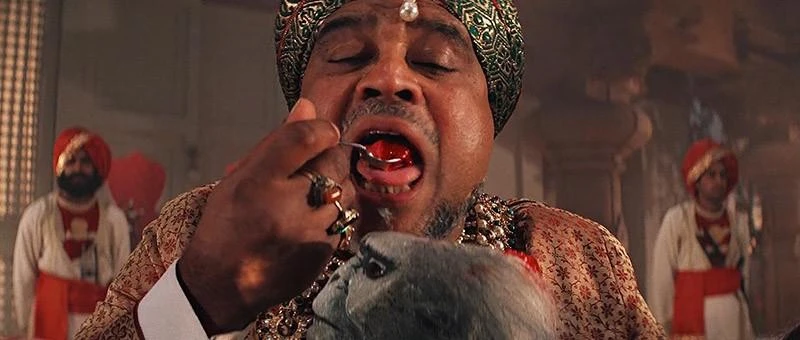
In most cases, they tried to make do with simple and always effective props. Like, for example, in the scene where frozen monkey brains are eaten. Of course, there were no brains or heads; instead, the filmmakers used mock-up monkey heads stuffed with custard and raspberry jam.
Indiana Jones and the Temple of Doom's box office performance fell slightly short of its predecessor, and reviews weren't as favorable. Many accused the film of being too dark and even veering into horror. Nevertheless, the film won an Oscar for visual effects, raised money for the next film, and all that was left was to pull themselves together and come up with something that would be every bit as good as The Ark.
"Indiana Jones and the Last Crusade" 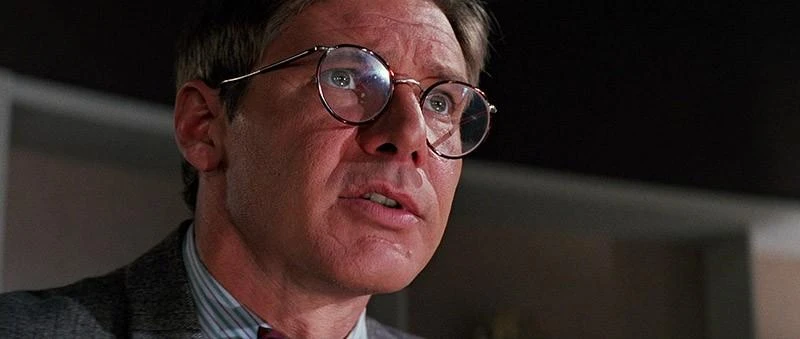
Steven Spielberg and George Lucas listened to the feedback from audiences and film critics. They decided to make "Crusade" as lighthearted, adventurous, comedic, and daring as the first part of the Indiana Jones trilogy. 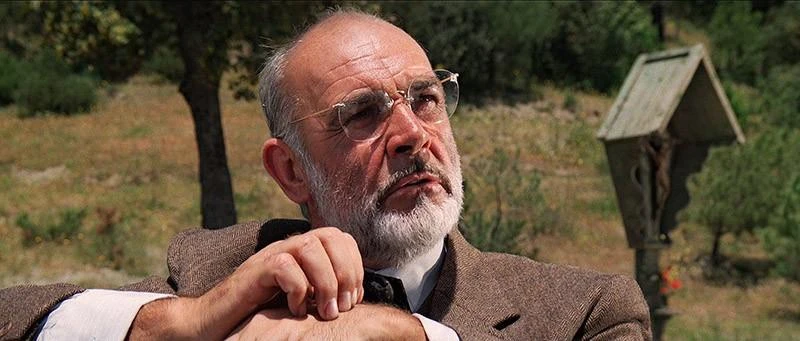
An archaeologist once again battles the Nazis and is busy searching for a Christian artifact—the Holy Grail. To give the film additional gravitas, Sean Connery, already a household name by then, was cast, not least for his portrayal of James Bond. "I know only one person in the world who could play Indiana Jones's father. Of course, it's James Bond! And the first and greatest James Bond!" Spielberg later recalled. 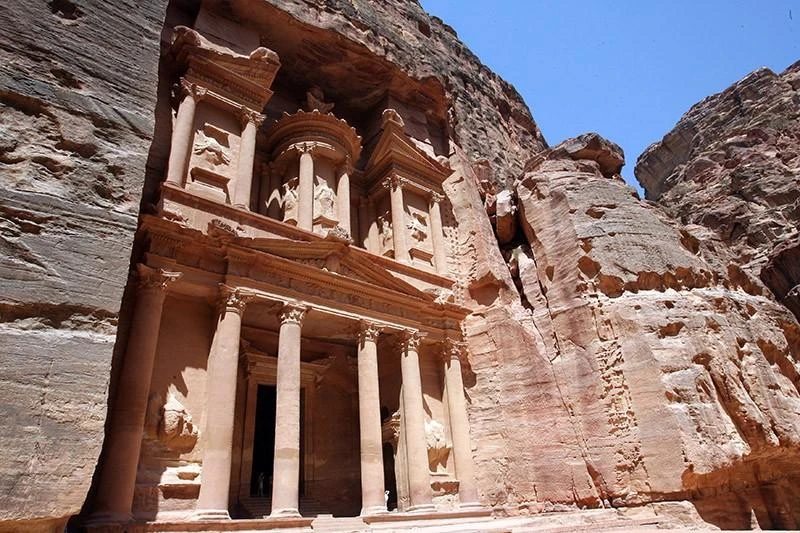
Most of the studio filming, as on the previous two shoots, took place in Elstree, England, but locations were scouted in Jordan, the United States, Spain, Italy, and Turkey. A suitable structure for the Grail Temple, for example, was found in the Jordanian city of Petra. 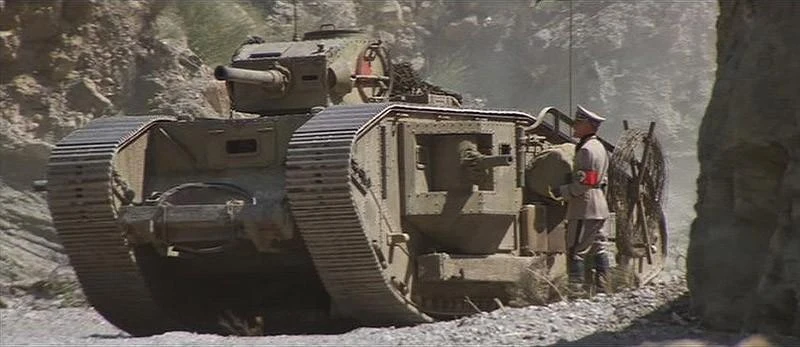
One of the most memorable action scenes was the tank chase. The filmmakers built the beast themselves, modeled after the 36-ton British Mark VII tank from World War I. The steel replica took almost four months to build, differing from the original in that it had a turret with a gun. It was a functioning tank, built on a tractor platform and powered by two Range Rover engines. 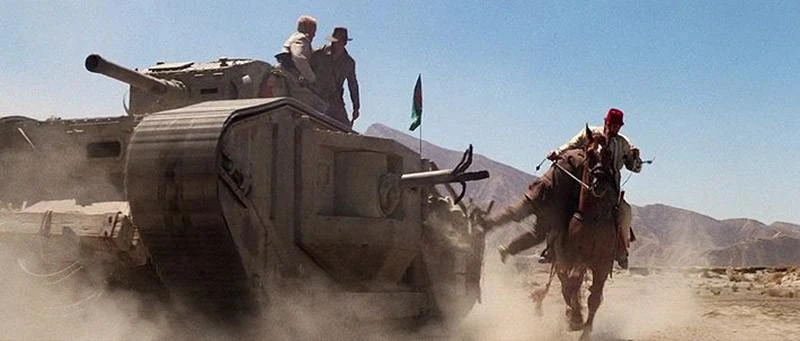
Special effects specialist Brian Liss piloted the tank, sitting inside the tank, which lacked suspension and any effective ventilation. Steven Spielberg recalls that during breaks between takes, Brian, exiting the tank, couldn't lift a cup of tea to his mouth because his hands were shaking so much from the vibrations.
Another tank was constructed of aluminum and fitted with plastic tracks. It couldn't move independently; it was pulled by a truck. The mockup was used for close-up shots of tank fights, while the actual model was used for wide shots. 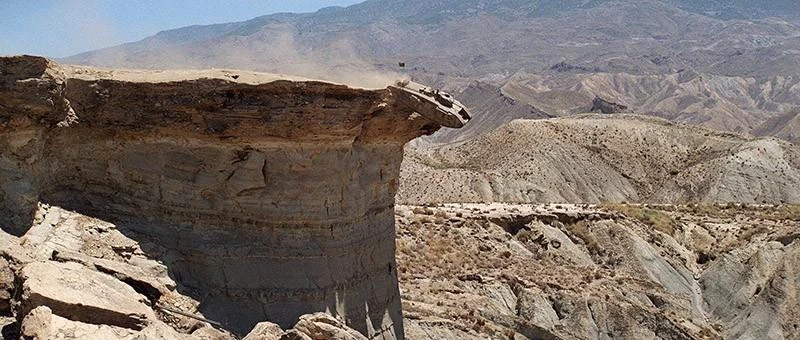
The third model was miniature and used in the scene where the tank falls. For this, a 1:4 scale model was created and dropped from a ledge approximately 15 meters high.
The scene with the invisible bridge over the abyss was done without special effects. First, the gorge set was created, after which the artist painted the bridge so that from a certain angle it blended completely with the rocks and the void beneath the archaeologist's feet. As soon as the camera shifts from this point, the perspective changes, and the audience clearly sees the bridge. 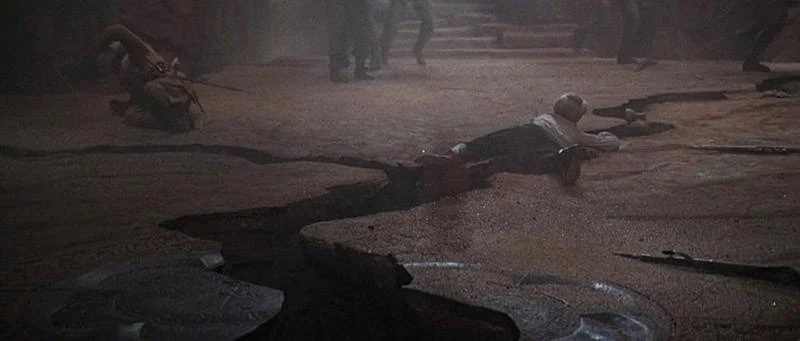
The earthquake, of course, was fake. Filming took place in a studio with a temple set, five hydraulic systems, and a dozen gimbals. At the right moment, these would move, simulating an earthquake and creating cracks. Between takes, the platforms were leveled, covered with sand, and ready for action within 20 minutes. 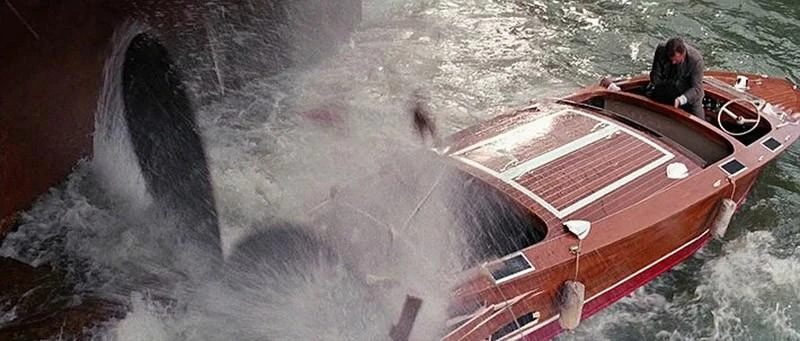
Spielberg approached the boat chase sequence with great creativity. At the very end, Harrison Ford's character finds himself on a motorboat that gets caught in a ship's propeller. The scene was filmed entirely in a studio in England, in an artificial lake. Where the giant propeller was located, the "pool" was five meters deep, while under the boat itself, there was only about a meter of water. For added effect, the boat, elongated and mounted on underwater rails, was pulled under the rotating propeller blades using a winch. To make it seem as if the film's characters were about to be crushed by the propeller, long focal length lenses were used during filming. 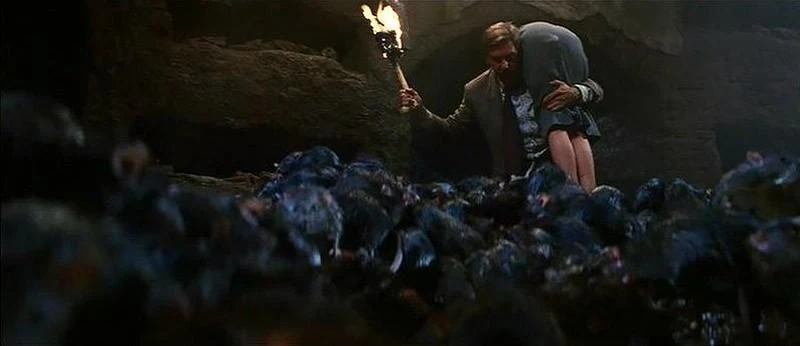
As in the previous two Indiana Jones films, "Crusade" featured animals. Instead of snakes and spiders, rats took on the role of reptiles. Around two thousand rodents were raised in nurseries specifically for the filmmakers' needs. Incidentally, in the film, we actually hear the squeaks of chickens, not rats, only reproduced in a higher pitch. Steven Spielberg likes to emphasize that he didn't intend to set real animals on fire; in the film, it's mechanical puppets that perish in the flames. 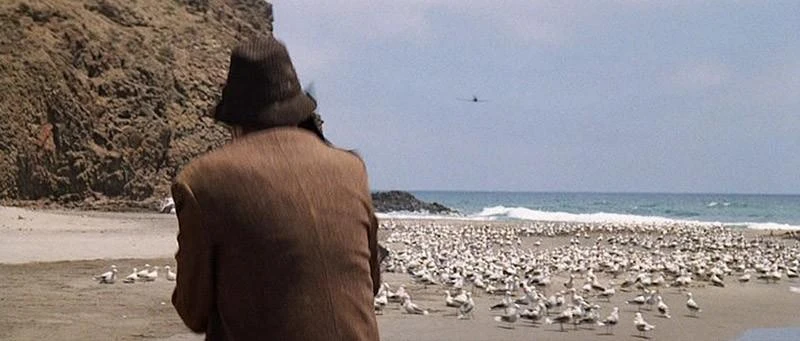
But the most difficult part wasn't the rats, but the seagulls that Sean Connery's character uses an umbrella to chase from the shore straight toward a German plane. The birds were completely untrainable and refused to take off, preferring to yell at the crew. Ultimately, fake seagulls were placed on the shore instead of real ones, and the shots of the supposedly taking off seagulls actually showed white doves.
"Indiana Jones and the Last Crusade" is a rare example of a sequel that's every bit as good as the first film. The film appeared on numerous lists, became one of America's favorite films, and deservedly earned box office success comparable to that of "The Ark."
It took Steven Spielberg and George Lucas nearly 20 years to release the fourth installment. "Indiana Jones and the Kingdom of the Crystal Skull" was released in 2008, but failed to replicate the success of the trilogy.