Astronauts wear Prada: NASA will send the Artemis IV crew to conquer the Moon in lingerie from the fashion house (5 photos)
The luxury brand previously unveiled spacesuits for astronauts. 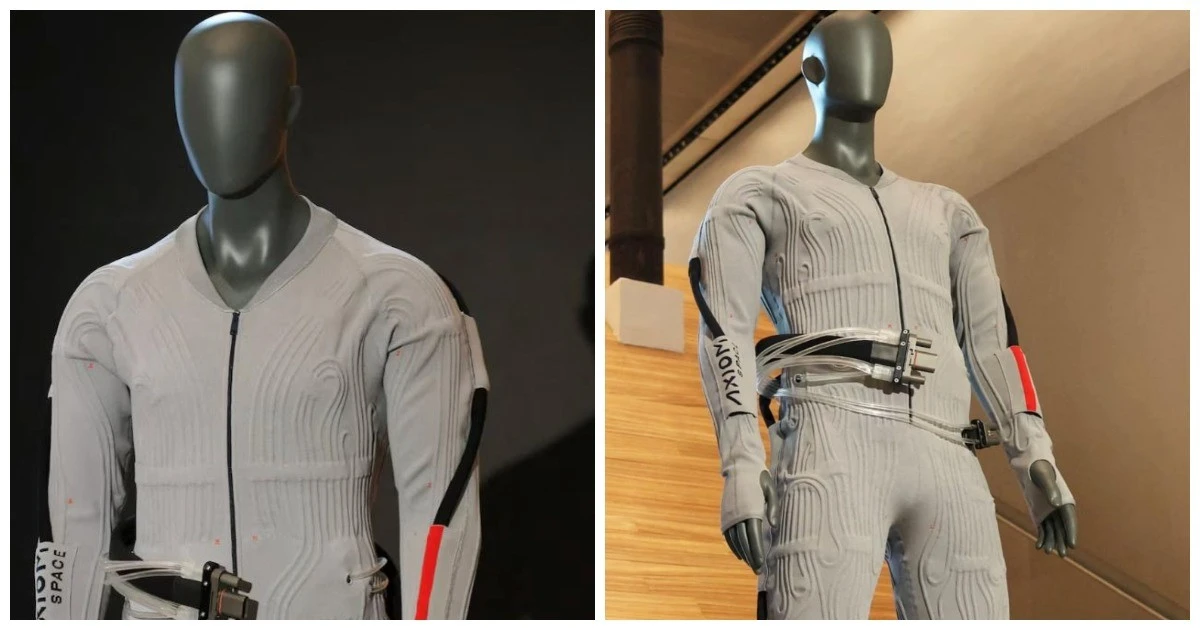
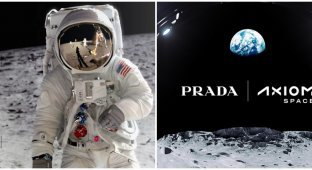
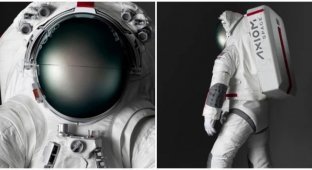
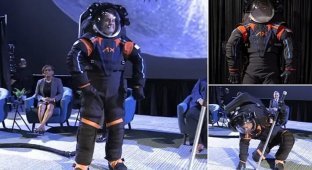
Italian fashion house Prada unveiled a special undersuit (LCVG) in New York for astronauts who will land on the moon as part of the Artemis 4 mission.
The so-called undersuit was developed in collaboration with Axiom Space, a company specializing in space infrastructure. As the company's CEO, Jonathan Sirtan, explained at the presentation, such things rarely turn out beautiful, calling the development a remarkable engineering solution that, in addition to aesthetics, ensures the astronaut's safety.
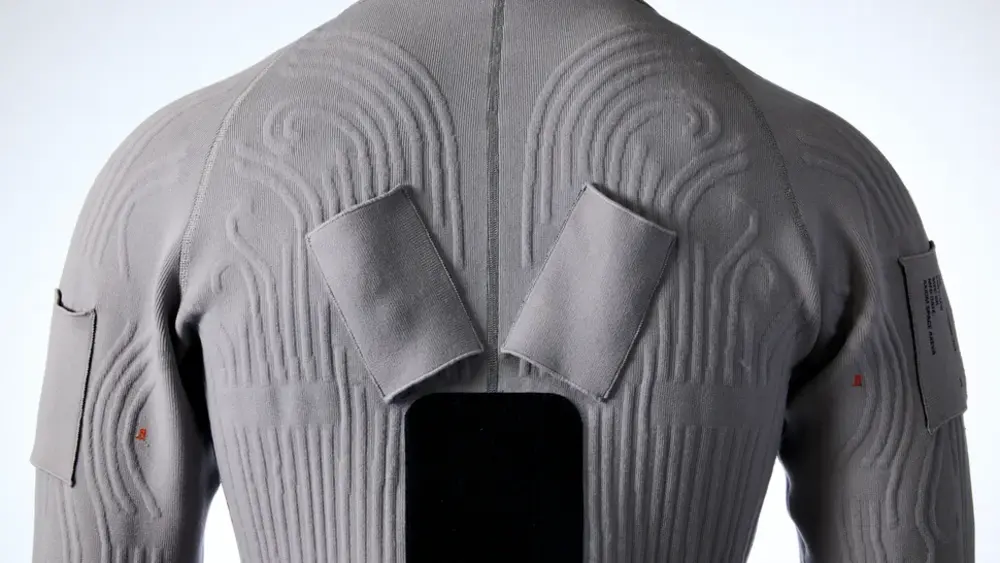
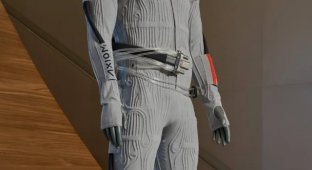
According to media reports, the LCVG resembles sportswear with a V-neck, sleeves with thumbholes, stylish stilettos, and Prada's signature red stripe. 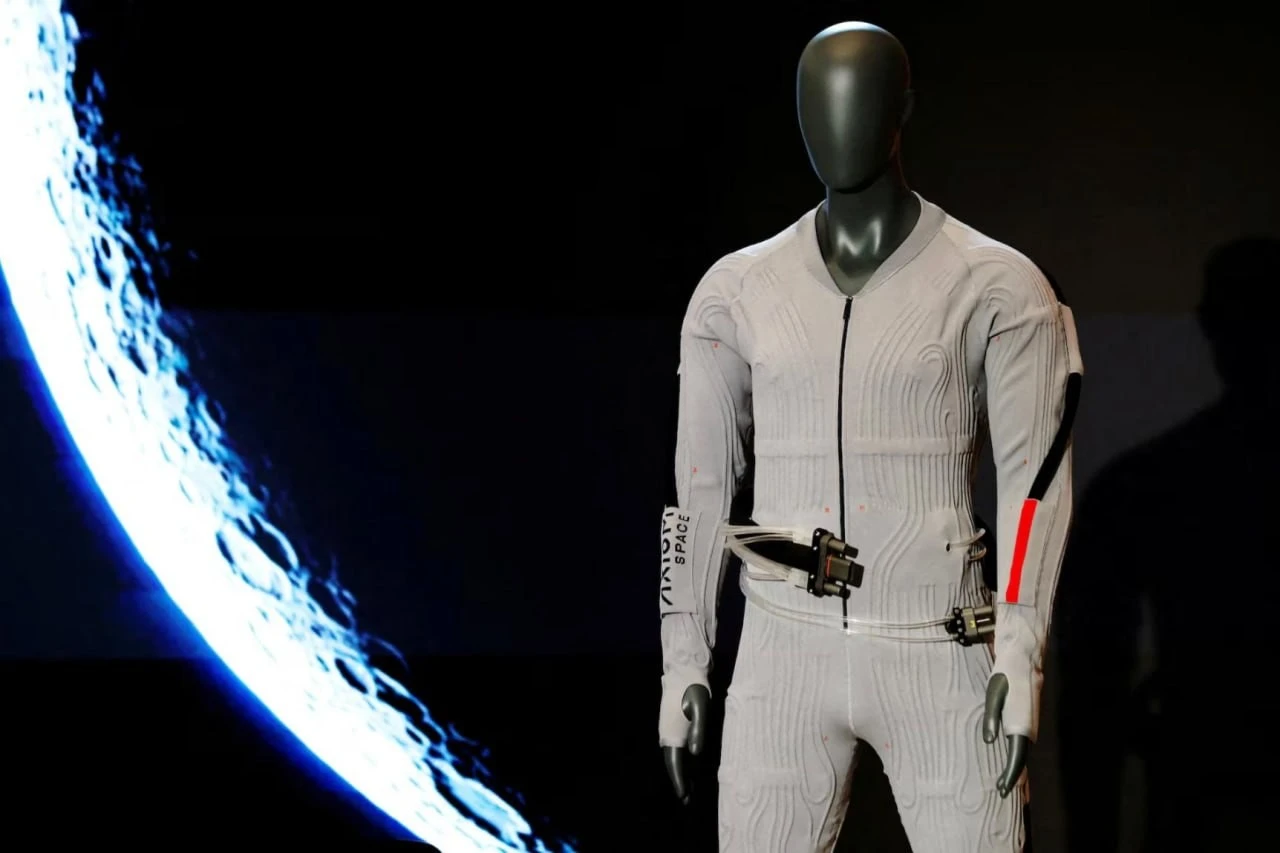
Functionally, the undersuit is equipped with ventilation tubes sewn directly into the fabric. These tubes will provide cooling and air circulation during the astronaut's spacewalk. It is noted that this is a significant improvement over previous models, where the tubes were hand-woven into the mesh.
In addition to the plastic tubes for cooling liquid, larger black tubes are sewn into the suit. These are used to supply air. Sirtan explained that the cool air will first be directed at the astronaut's face and then distributed throughout the body, removing exhaled carbon dioxide and delivering a new supply of oxygen upon inhalation. 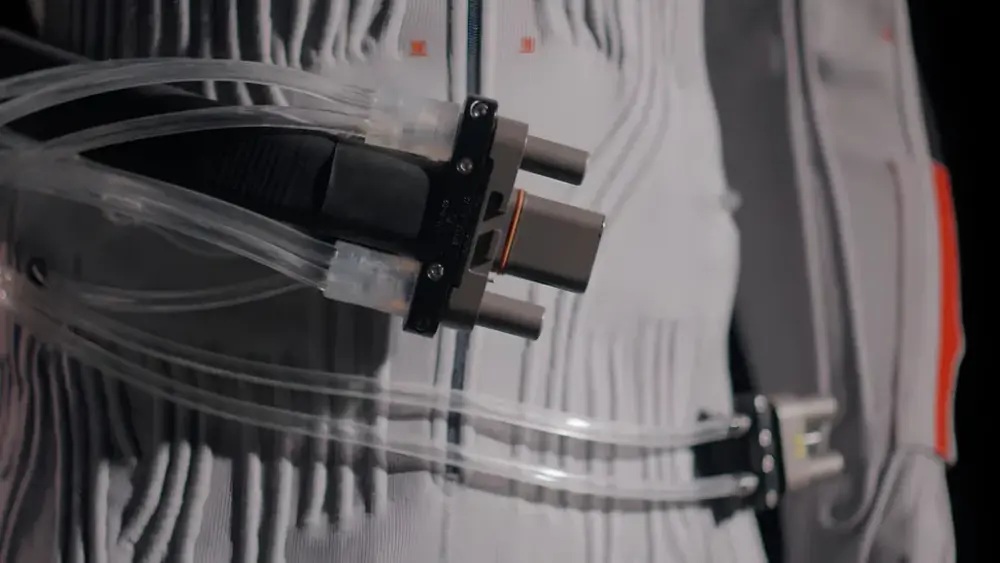
Media outlets, citing experts, report that many luxury brands have long drawn inspiration from space travel. As for Prada, they've been busy with spacesuits and undersuits to gain access to wealthy tourists seriously considering space tourism, which is being actively promoted by Jeff Bezos's Blue Origin and Elon Musk's SpaceX. Secondly, Prada wants the brand to be associated with the most cutting-edge and avant-garde. 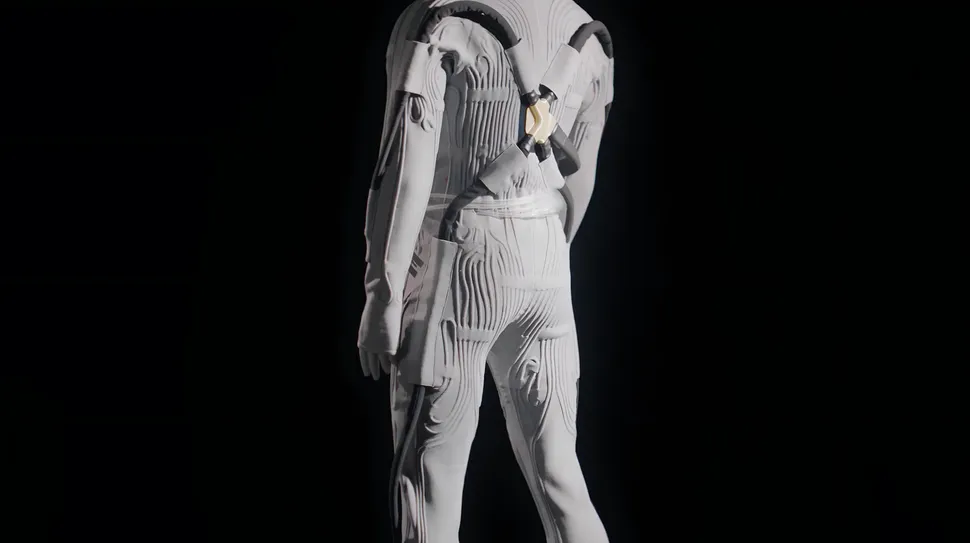
The fashionable undersuit has reportedly only just been unveiled and hasn't undergone any testing yet. Testing of the equipment will be conducted on the ISS and in NASA's special hydrolaboratory.