Ship Eater: The Tragedies and Mysteries of the Goodwin Sands (14 photos)
A few sandbanks about ten kilometers from the town of Deal in East Kent are one of Britain's most dangerous places. More than two thousand ships have met their demise here, and dozens more still lie beneath the waves, holding the secrets of centuries. 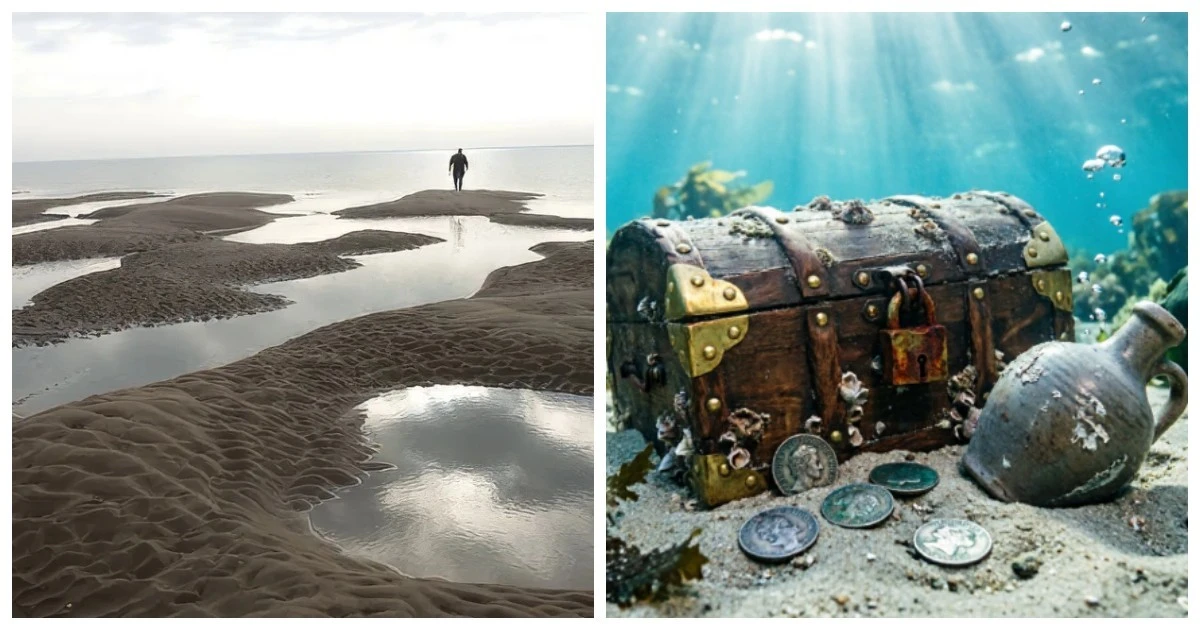
Imagine a trap you can't escape. The Goodwin Sands are located right in the middle of the English Channel, in the narrow Strait of Dover—one of the busiest shipping routes in the world. 16 kilometers long and 5 kilometers wide—enough to welcome "guests" for centuries. 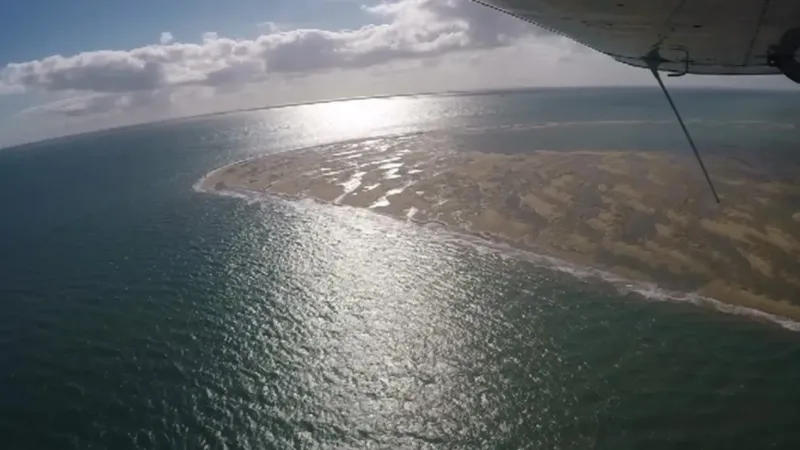
Since 1298, after the first documented shipwreck, these sands have earned the ominous nickname "Sir Goodwin the Ship Eater." According to Lloyd's insurance company, the value of ships lost here over 200 years has exceeded half a billion dollars, and the death toll has reached 50,000.
But the most terrifying thing isn't even the numbers. The most terrifying thing is how it happens. 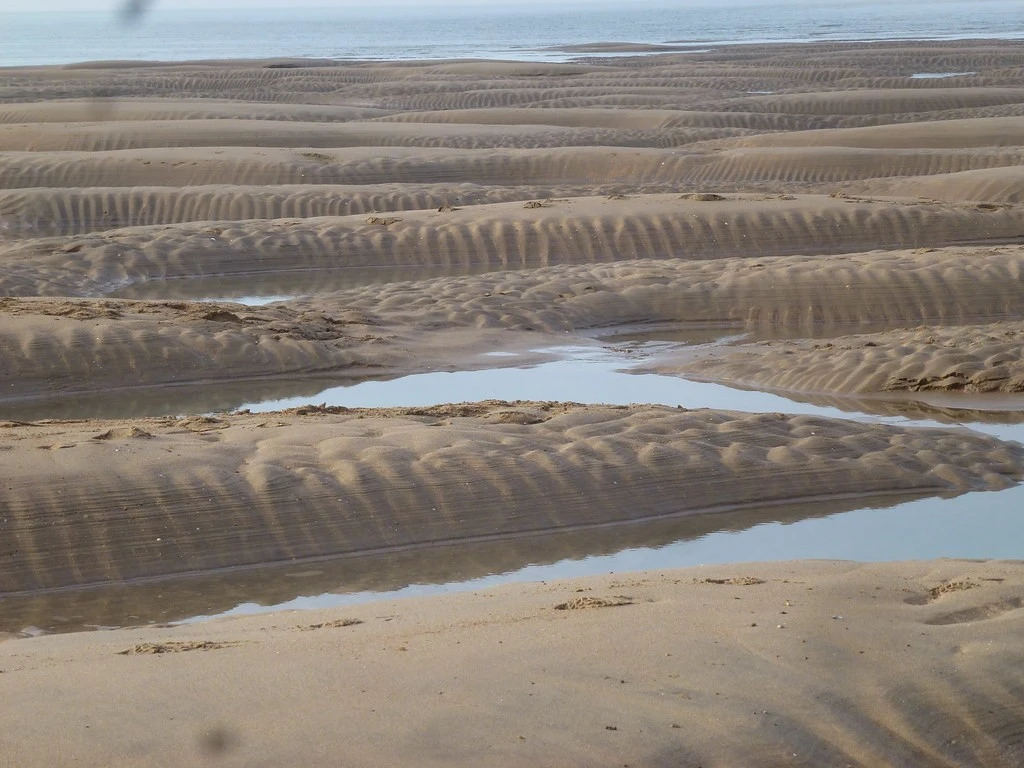
The Goodwin Sands are more than just a sandbar. They're a living, breathing chaos. They're usually hidden under 8-15 meters of water. But when the tide recedes, about a tenth of the sandbank's surface is exposed. And at these moments, the sand becomes hard enough to walk on. This creates a monstrous illusion of safety. 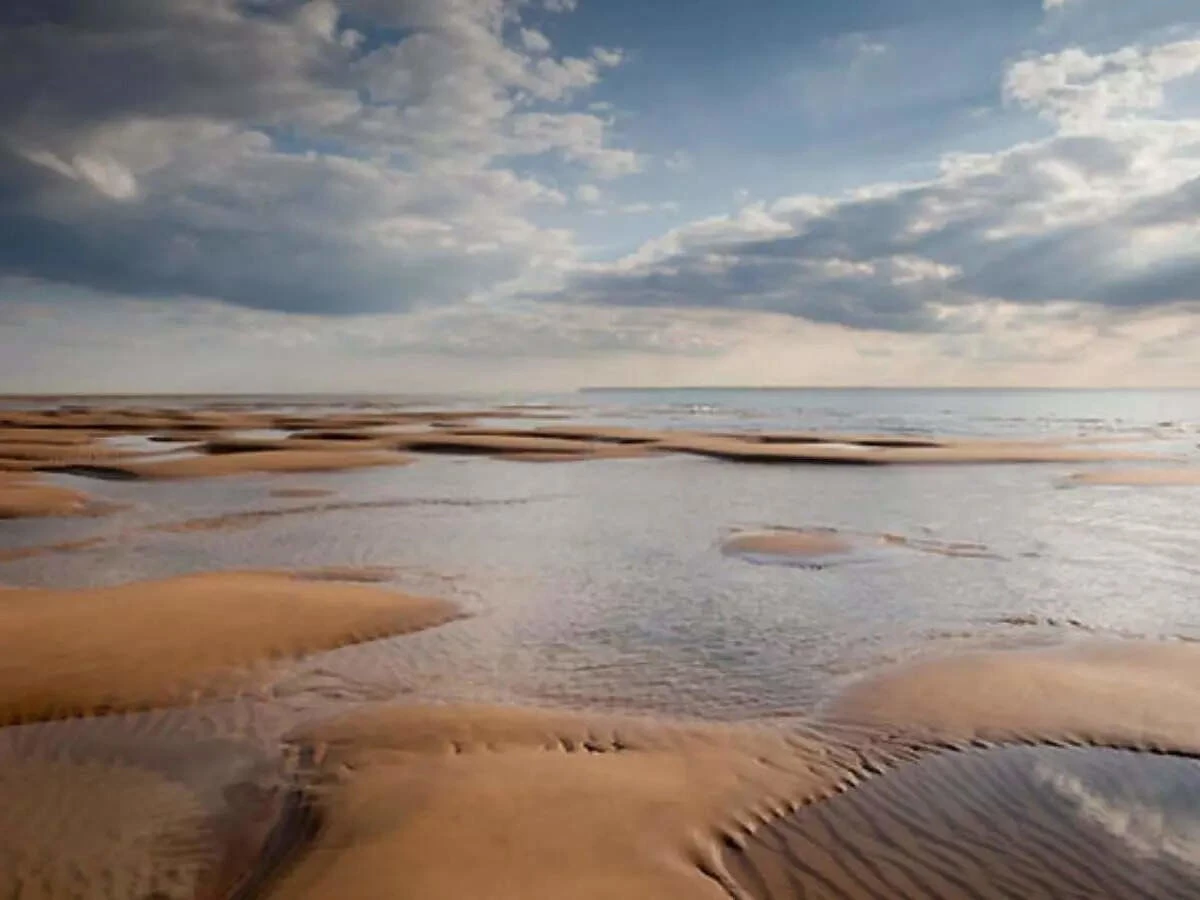
A ship hits the sand in a storm and begins to disintegrate. Survivors who reach solid ground light fires to attract attention. If help doesn't arrive within a few hours, the tide returns. The sand turns into a quicksand, swallowing everything: debris, bodies, hopes. 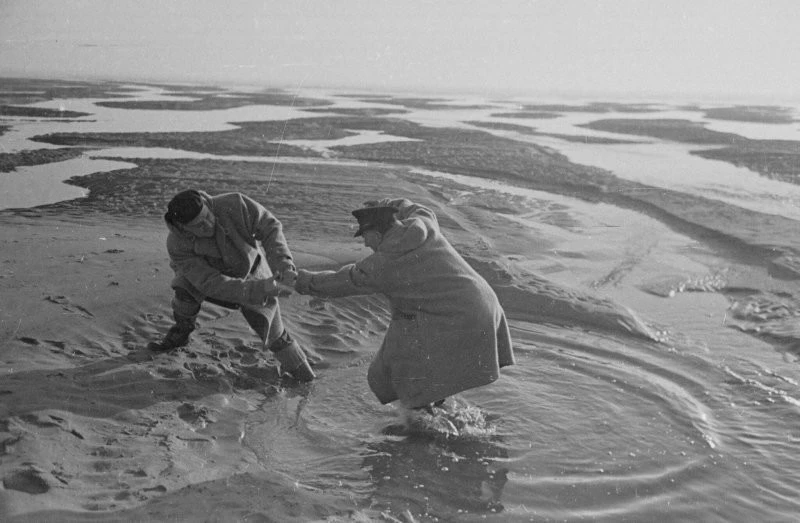
The most terrifying chapter in the history of the Goodwin Sands was written in a single night. In 1703, a storm so powerful that it is still considered one of the most destructive in British history struck the south of England. That night, 13 warships and 40 merchant vessels perished on the shoals. More than 2,168 people went to the bottom. 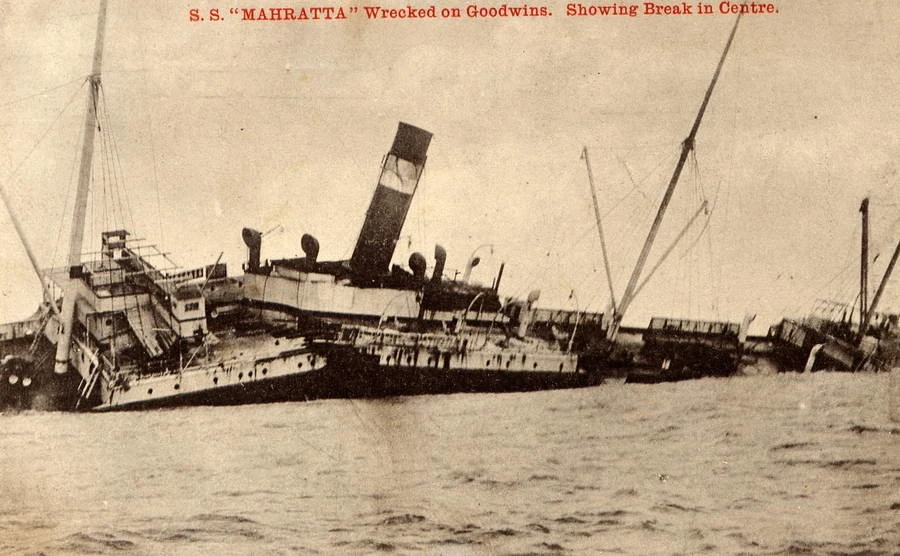
The sinking of the SS Mahratta on the Goodwin Shoals in 1909.
One of the lost ships was HMS Stirling Castle, a 70-gun ship of the line built in Deptford in 1679. Its wreck was only discovered in 1979 by local divers. 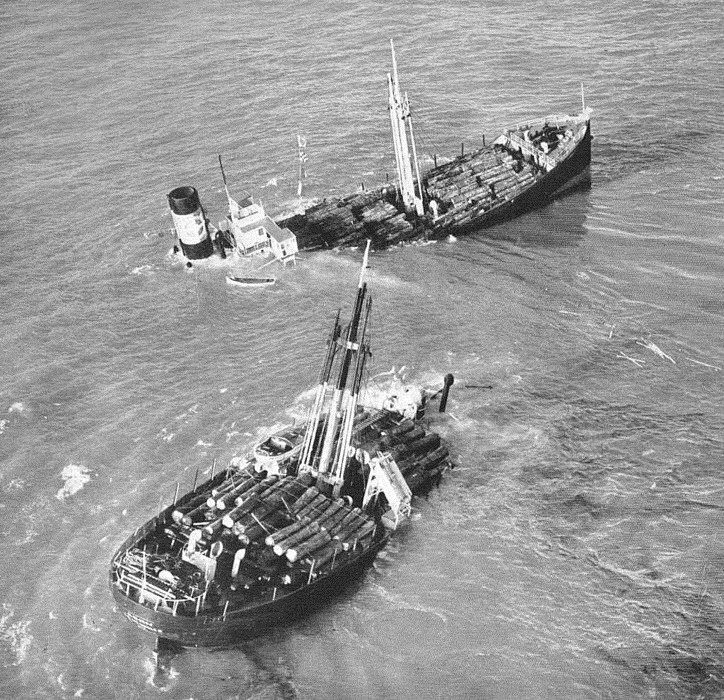
The Admiral Gardner, an East India Company ship, sank in January 1809 with a cargo of 48 tons of company coins. It lay on the seabed for nearly two centuries until it was discovered in 1984. About a million coins were recovered. Today, the site is a protected area with a 300-meter exclusion zone. 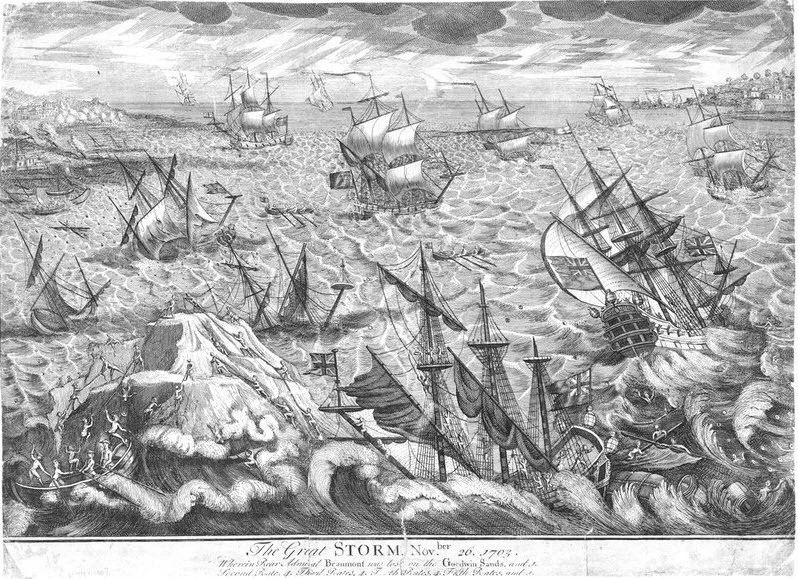
The Great Storm of November 26, 1703
The Dutch ship Rooswijk sank in 1740, taking the lives of nearly 250 people. In 2017, a large-scale archaeological excavation began—a project of Historic England and the Dutch government. Silver bars, coins, leather shoes, glass bottles, pewter spoons, and even a mysterious sealed chest, which remains unopened, were recovered from the seabed. 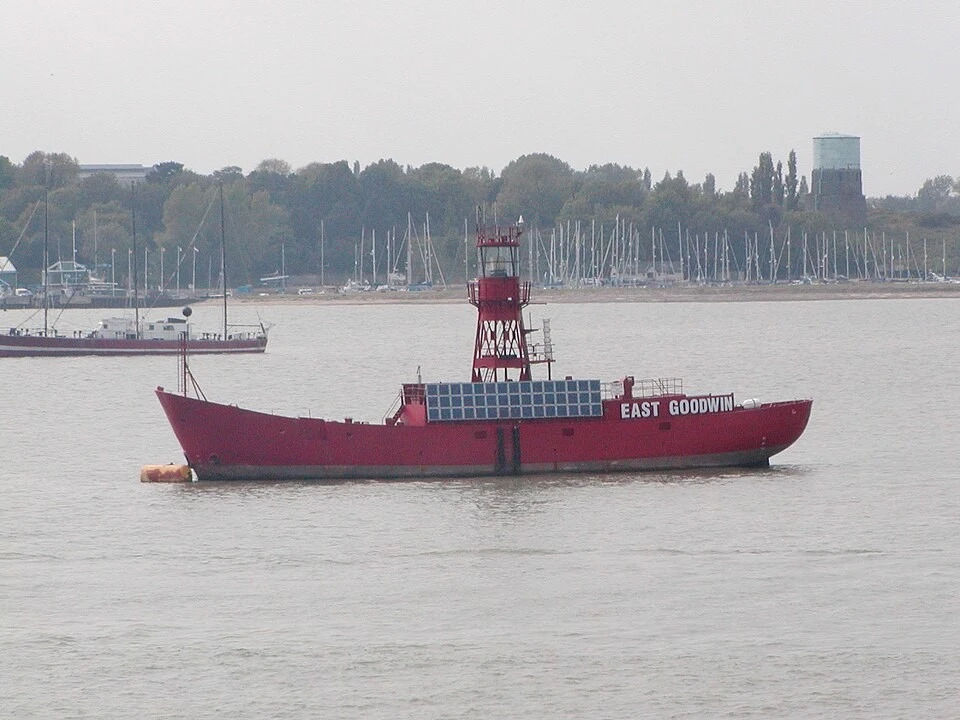
East Goodwin Lightship
During World War II, an unusual incident occurred over the Goodwin Sands. A B-17 Flying Fortress, a US heavy bomber, was shot down by anti-aircraft fire on December 1, 1943, and crashed on the sandbank. Miraculously, the entire crew of 10 survived. 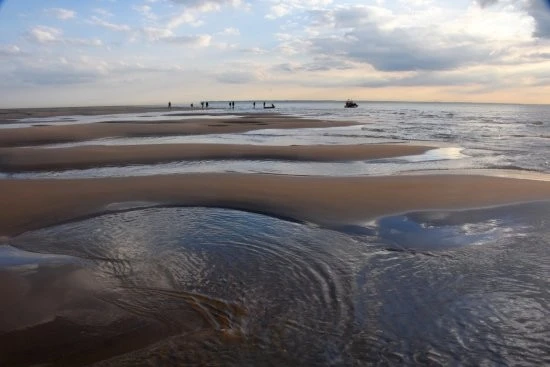
Today, this is the only known wreck of a B-17 Flying Fortress in the UK. During low tides, its remains, along with the wreckage of 10 ships and another aircraft, can be seen with one's own eyes. 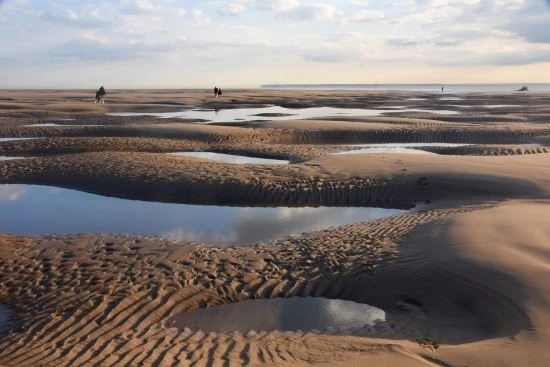
Modern navigation technologies—GPS and detailed channel mapping—have virtually eliminated major disasters. The last serious incident occurred in 1954, when the South Goodwin Lightship broke loose from its moorings during a storm and capsized. Six crew members died. 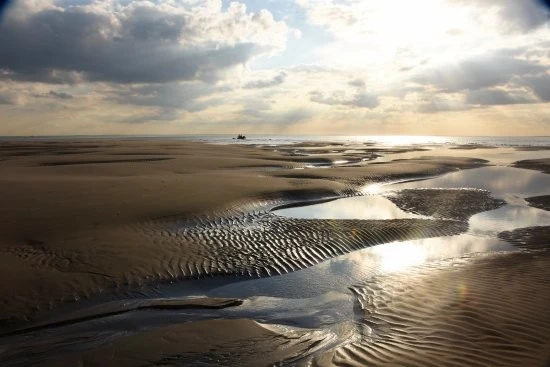
However, right now, in 2026, a historic change is taking place. For decades, the eastern end of the Goodwin Sands was guarded by the East Goodwin Lightvessel, a floating lighthouse warning captains of mortal danger. It will be removed forever on August 14, 2026. 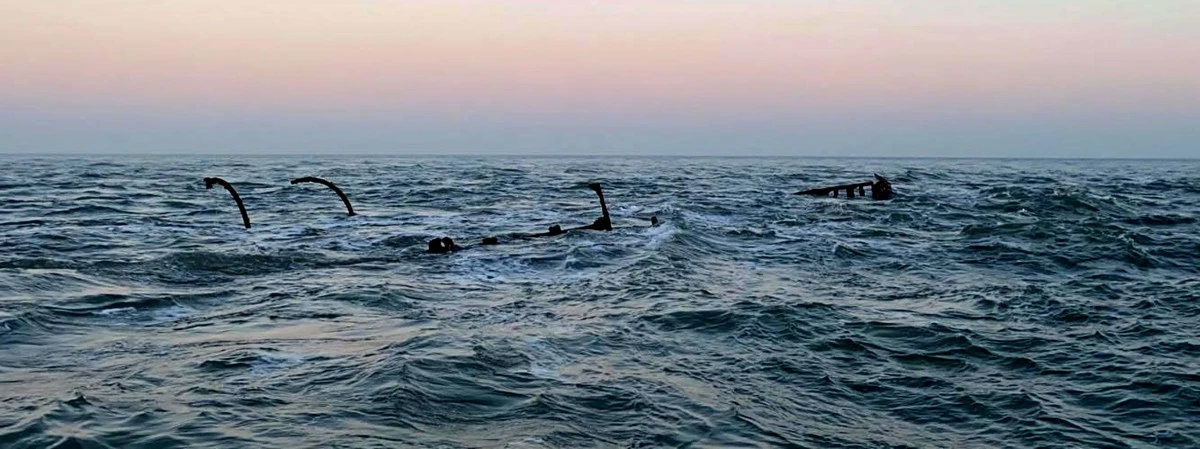
This is an official notice from Trinity House, the organization responsible for the UK's lighthouses. Technology has advanced, and centuries-old traditions are giving way to progress. Ships no longer need the light of the lightvessel. It will be replaced by modern navigation systems. 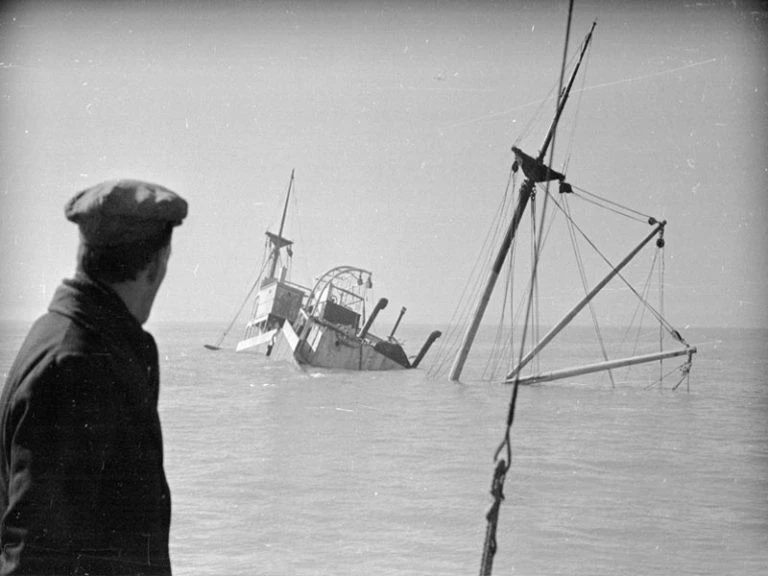
The Goodwin Sands are more than just a geographical location. They are a reminder of how fragile human life was (and remains) in the face of the sea. 50,000 victims, 2,000 ships, hundreds of tons of treasure, and nameless skeletons still lie on the seabed, covered in sand.