An underground church, a book without a letter, and other oddities: 10 interesting people, things, phenomena, and facts (11 photos)
Beneath the mountains of Colombia, at a depth of 180 meters, stands a temple. Its walls are not stone or ice, but salt. Thousands of tons of hand-carved salt. It's quiet, cold, and smells of minerals. This is the Salt Cathedral of Zipaquirá—one of the most incredible religious buildings on the planet. 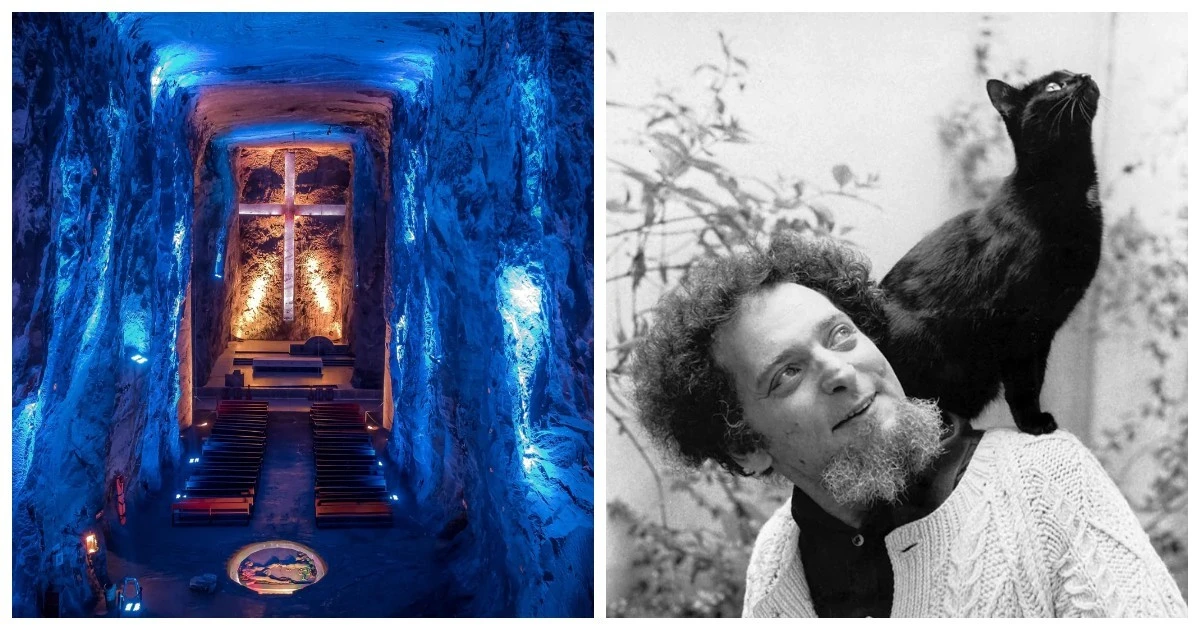
Now imagine: the French writer Georges Perec wrote the entire novel "Divergence" without using the letter "E" once. The letter that appears more often in French than any other. A full 300 pages without this vowel. And this isn't a trick, it's a literary feat. An underground cathedral. A novel without an "E." What do they have in common? Both are unique. Today's collection features people who aren't afraid of risk, animals whose existence is hard to believe, and things that make virtually no sense.
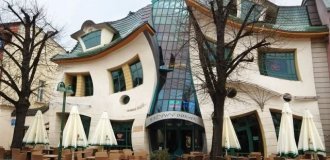
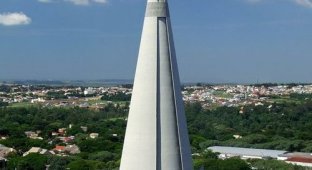
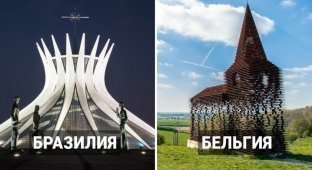
1. "Church Without Shadows" 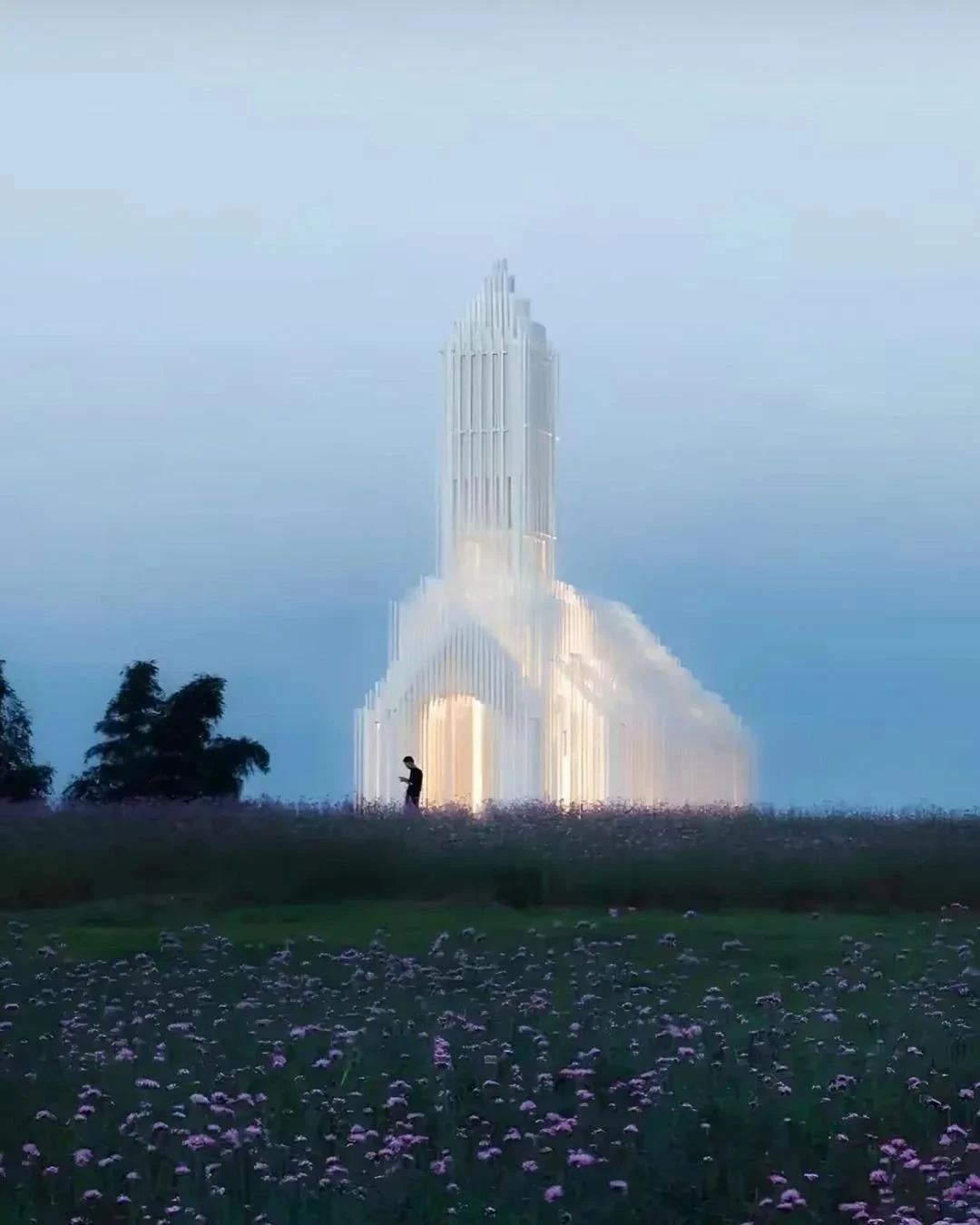
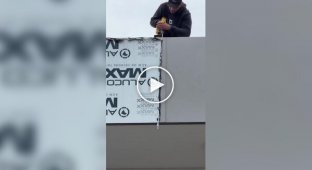
An amazing architectural structure in China, located in Chengdu (Sichuan Province) in the Sino-French Agricultural Science and Technology Park.
2. Emperor Caligula expressed his intention to appoint his favorite horse, Incitatus, as consul—the highest elected office in Rome after the emperor. 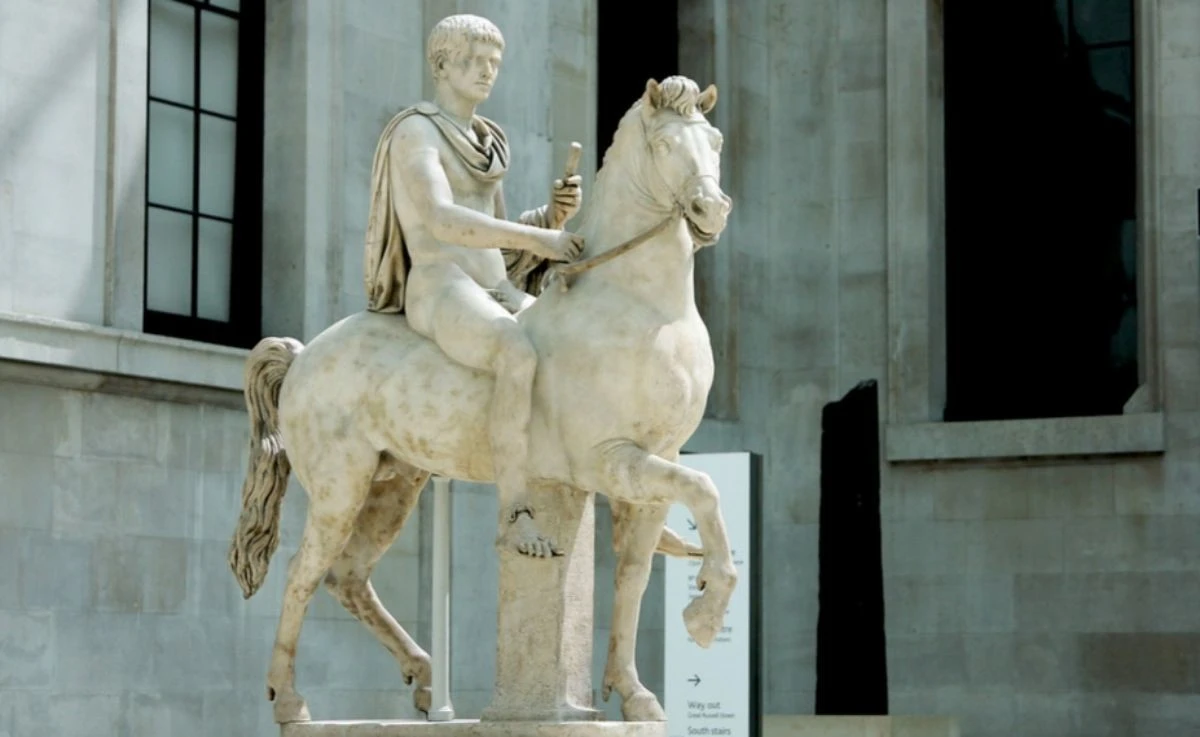
Caligula appointed Incitatus as a priest in his cult (the emperor declared himself a living god). The horse had a marble stable, an ivory manger, purple blankets, and a necklace of precious stones. Incitatus had his own palace, complete with servants and furniture, where dinner parties were held in his name.
Incitatus' political career ended with the death of Caligula: he was removed from the Senate early, his salary cut, and declared unfit for office due to property qualifications. His horse was stripped of all honors and transferred to an ordinary stable.
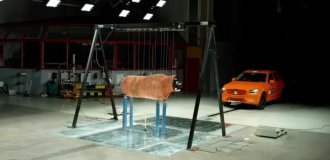
3. The armor of 19-year-old Anthony Fravot, a French soldier killed by a cannonball at the Battle of Waterloo in 1815. 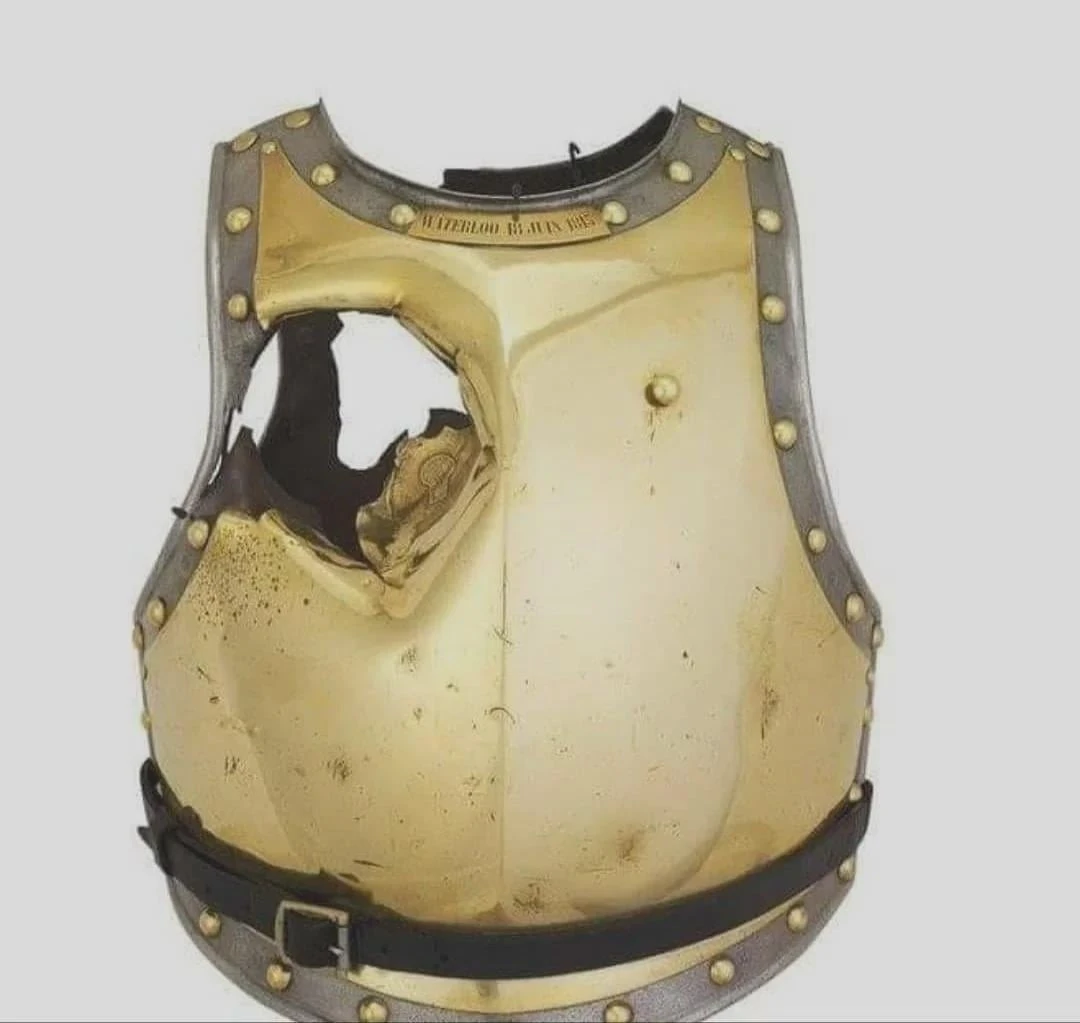
4. Photographer and zoologist Dolph Walker, caught off guard. 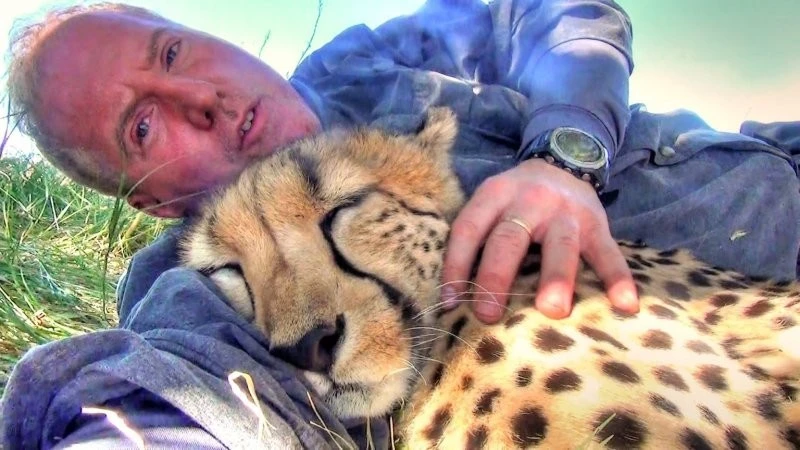
One day, he decided to take a nap in an African reserve and woke up to find a cheetah named Eden sleeping next to him. The animal grew up in a local breeding facility and occasionally visited the sanctuary to see the people who raised it.
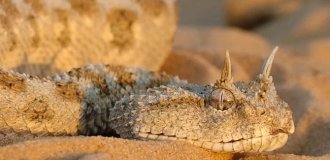
5. The "Shocking Pink Dragon Centipede" secretes hydrogen cyanide (prussic acid) 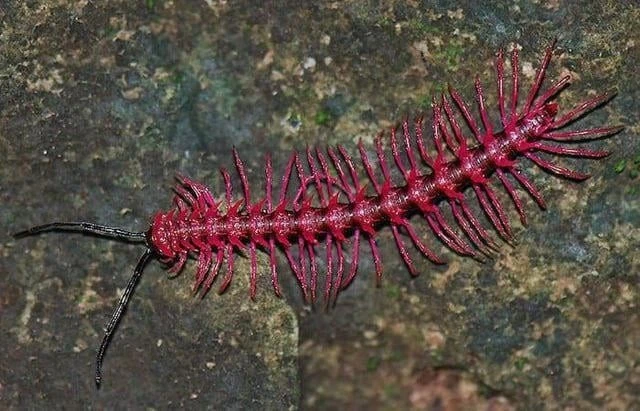
This defense mechanism allows it to repel predators with a distinct almond aroma.
6. In 1972, the remote Chinese village of Gaoliang was completely cut off from the rest of the world. 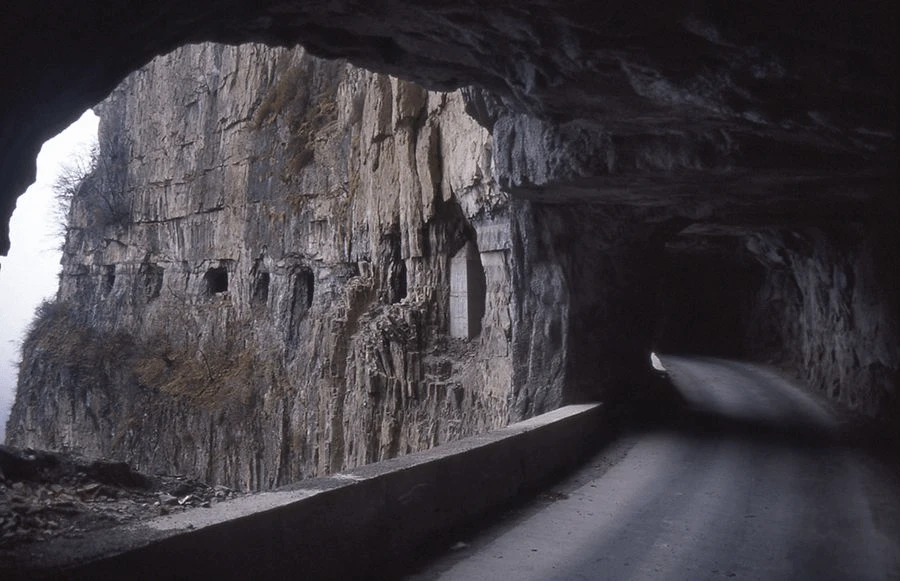
The Gaoliang Council of Elders decided that life could no longer continue. The authorities ignored the residents' appeals, so the villagers took matters into their own hands and began building a tunnel. Thirteen of the bravest and strongest men in the village used shovels, chisels, and hammers to cut through the rock. The work was incredibly difficult. Sometimes, just three meters of rock required three to four days of intense labor.
Construction lasted five years, and a tunnel approximately one kilometer long was eventually completed. After its installation, it became possible to reach the village by car, and the village itself became a popular tourist destination thanks to the tenacity of its residents.
7. Theresa Kachindamoto, community and cultural leader in Malawi 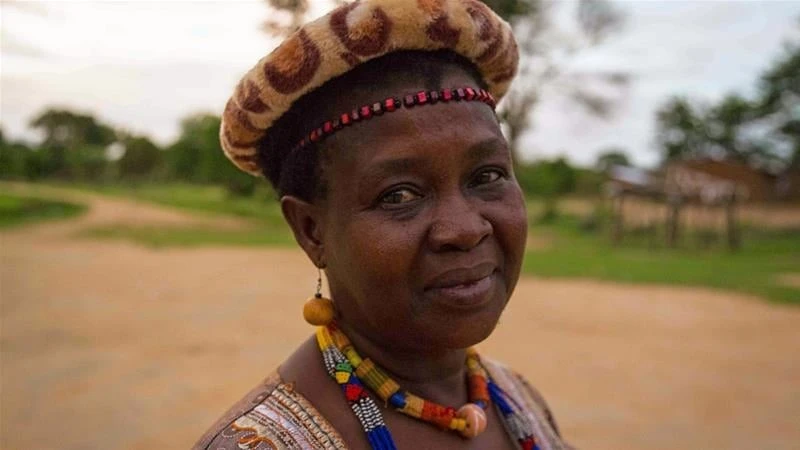
This woman used her local influence to end over 3,500 child marriages, return girls to school, and push the country to raise the legal age of marriage to 18.
8. In 1969, French writer Georges Perec wrote an entire novel, "Divergence," without using the letter "E" (the most common letter in French). 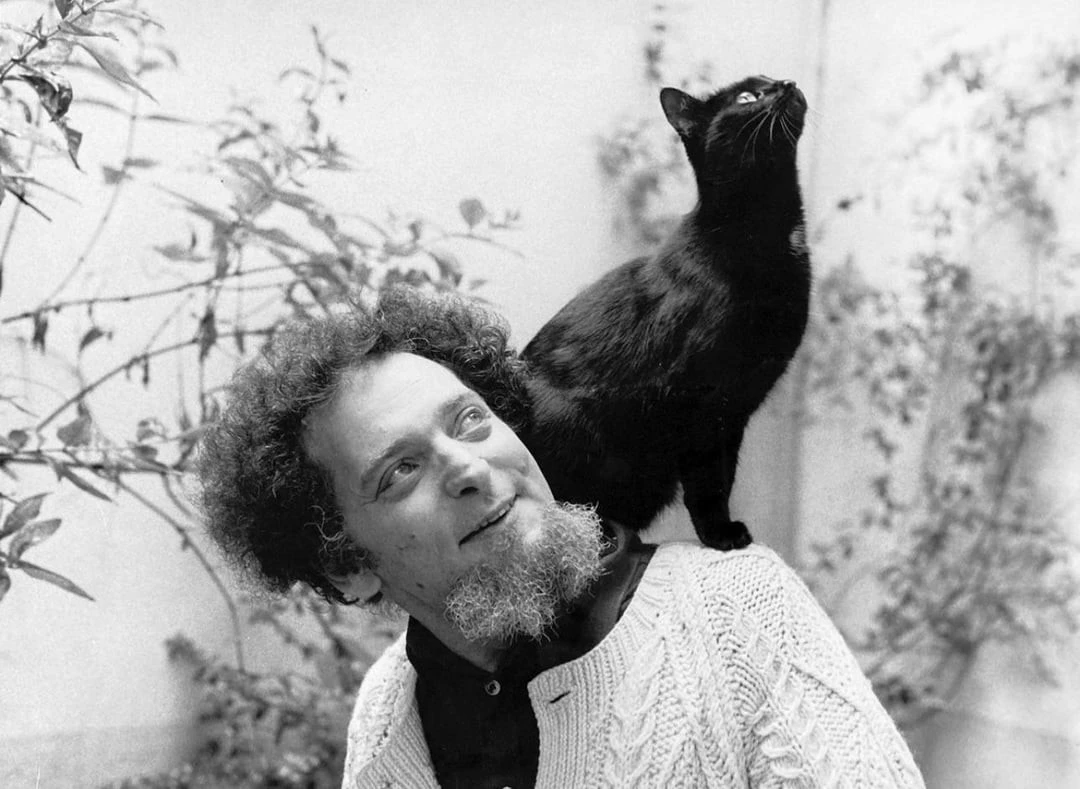
The disappearance of the letter is used as a key, mysterious plot point.
9. Ambrotype - glass negative of a girl with luxurious, very long hair, 1885 
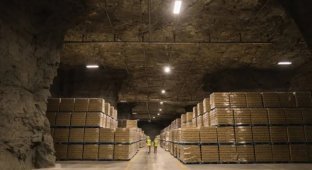
10. 180 meters beneath the mountains of Colombia lies the Zipaquirá Salt Cathedral - a massive church carved entirely from solid salt deep within an active salt mine. 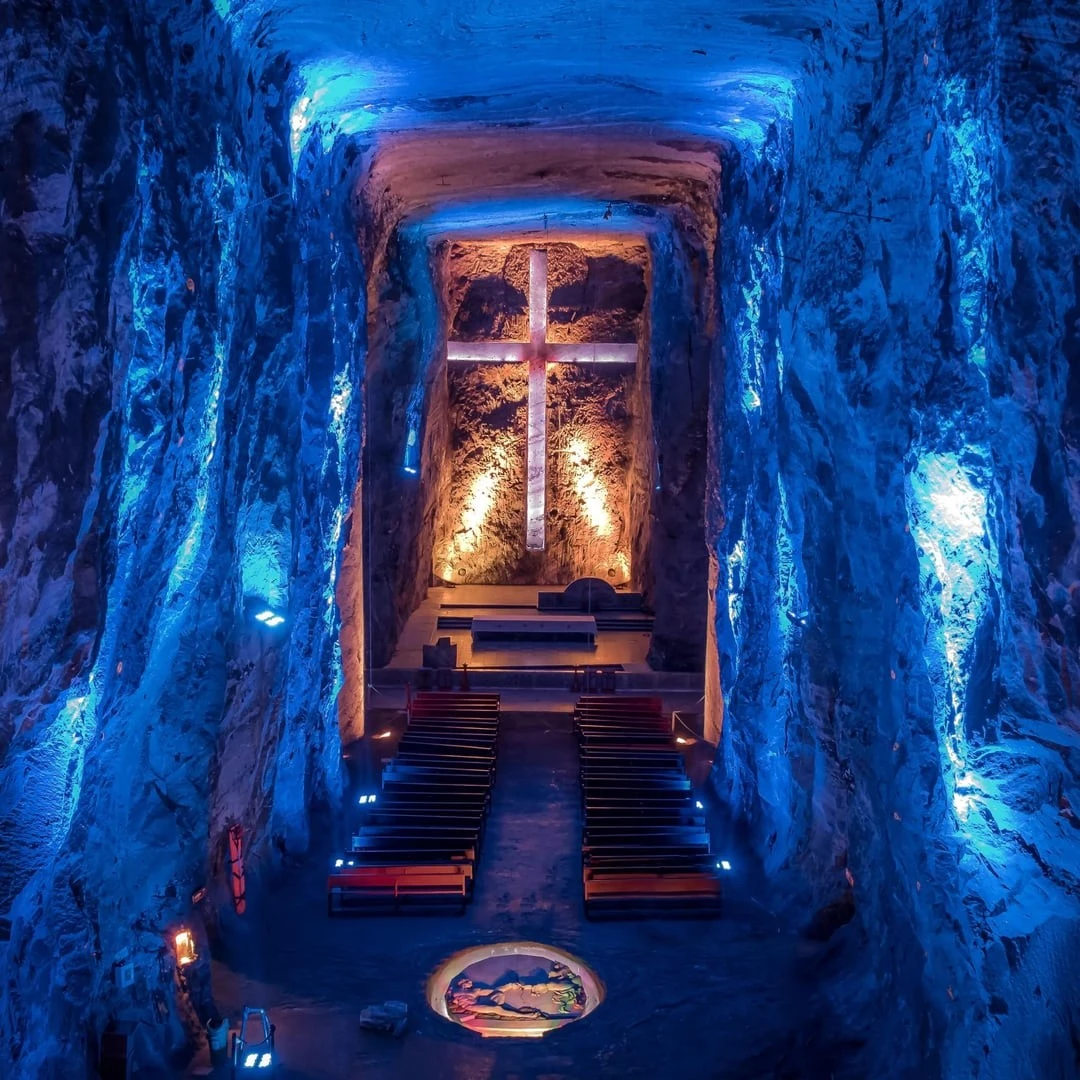
It is a fully functioning Catholic church. Masses are held there on Sundays, attended by up to 3,000 people. However, it has no bishop, so technically it does not have the official status of a cathedral in the eyes of the Catholic Church.
It is noteworthy that the idea of creating a sanctuary in a mine came not from the architects, but from the miners themselves, who, back in the 1930s, carved a small altar in the salt tunnels for prayer before the dangerous work.