What a Safe Kitchen Looks Like: Rules Chefs Follow, but You Don't (13 photos)
The chicken is ready. You remove it from the heat and set it on the table to cool while everyone gathers. You set the table, call the kids, and slice the bread. Twenty minutes pass, half an hour, 40 minutes. It looks fine. It smells good. But in those 40 minutes, something has happened to the chicken that's invisible to the naked eye. Professional chefs know this from their first year of culinary school—and that's why their kitchens are set up completely differently than ours. 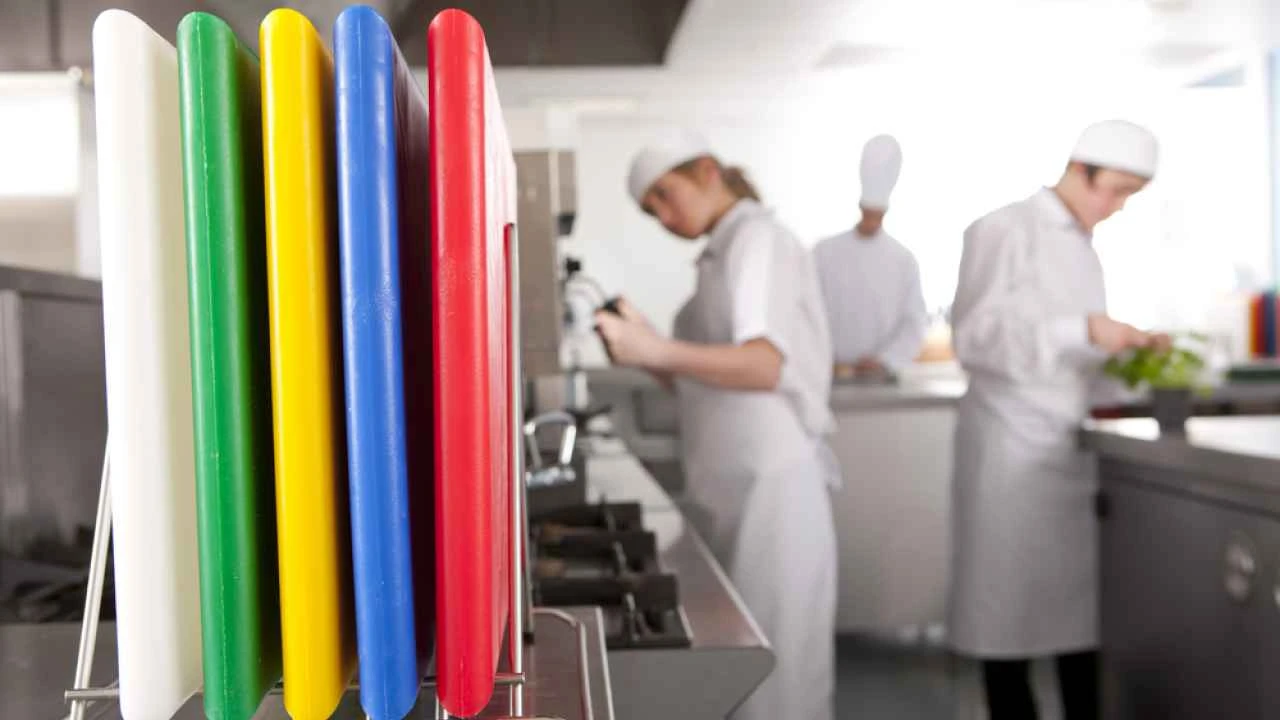
Danger Zone: The Range No One Remembers
In food safety, there's the concept of a "temperature danger zone"—a range from 5°C to 60°C. Within this range, pathogenic bacteria reproduce most actively. At 37°C—their ideal environment—the number of cells doubles every 20 minutes. This means that in 6 hours, a single bacterium produces over 16 million offspring. 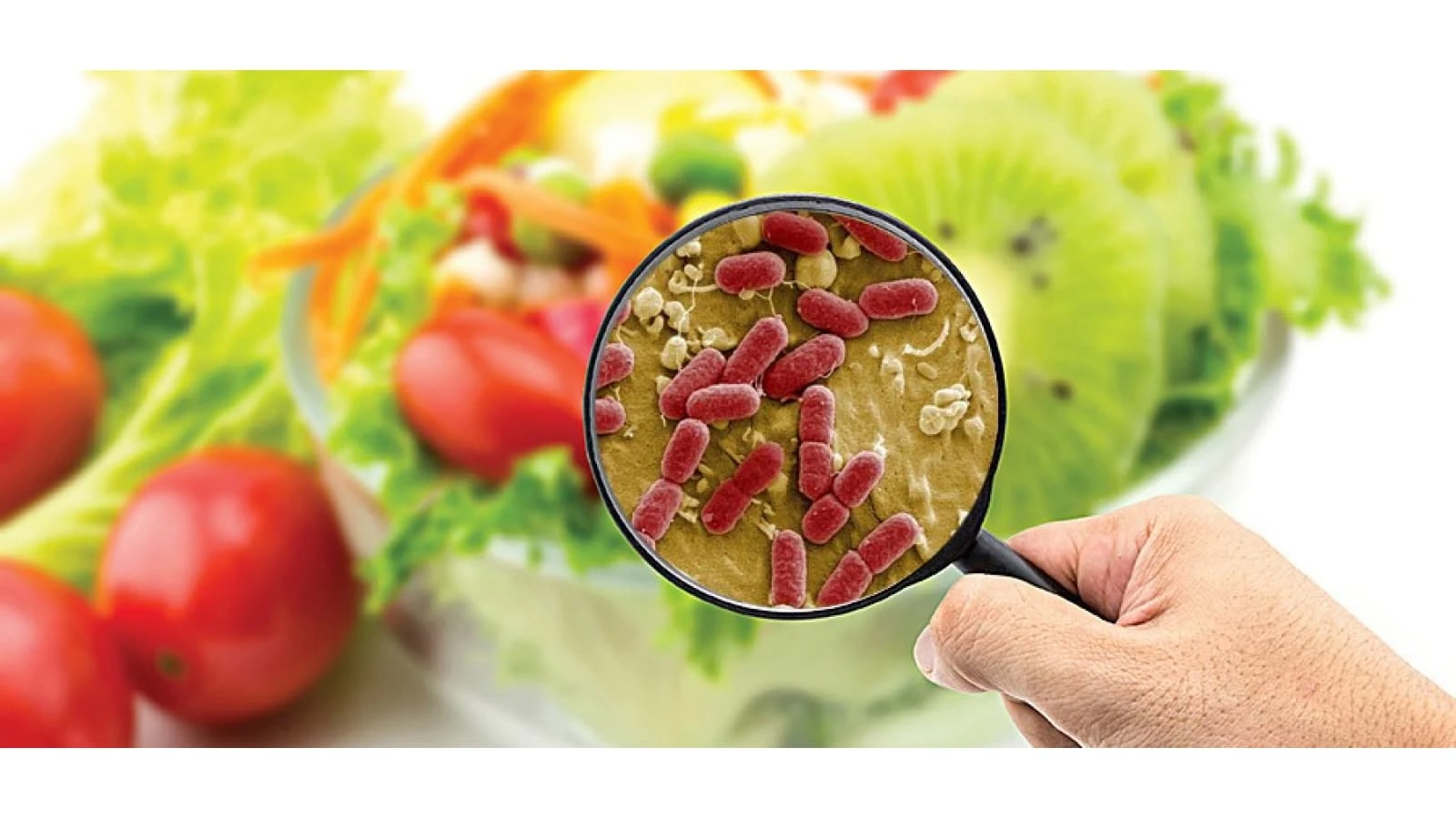
Bacteria double every 20 minutes. In half an hour, one cell produces eight—and the food becomes dangerous.
Now, a home comparison: room temperature—usually 20–25°C—is right in the middle of this zone. Not near the edge, not "almost safe"—in the very center. When you leave food to cool on the counter, you keep it right there. 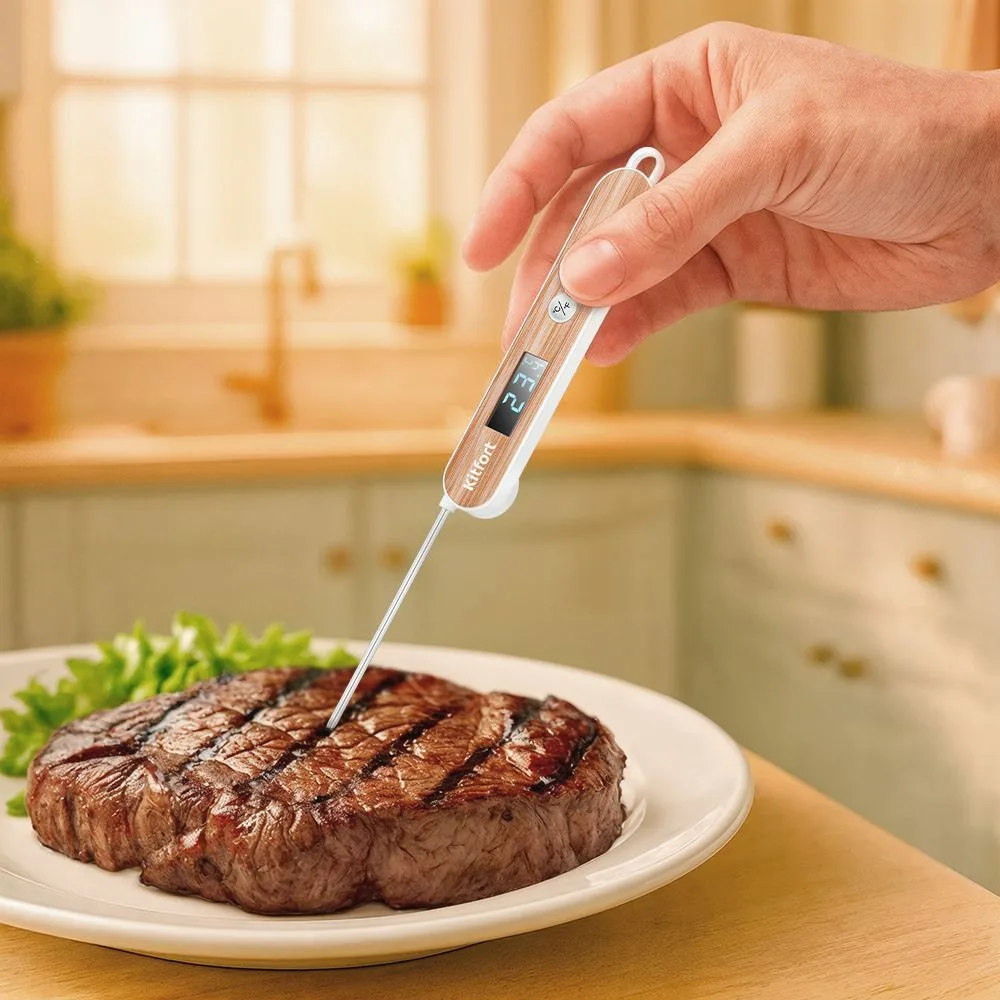
A kitchen thermometer is a standard tool in professional kitchens. Almost no one uses it at home.
Professional chefs work according to the HACCP (Hazard Analysis and Critical Control Points) system. One of the basic principles of the system is to minimize the time food spends in the hazard zone. In a restaurant kitchen, this is not a recommendation, but a mandatory standard.
The Two-Hour Rule: Why "Looks Normal" Means Nothing
The food safety standard is simple: cooked food should not sit at room temperature for longer than two hours. Not "it's better to remove it," not "it would be better"—two hours is the limit. In hot weather, when the kitchen temperature is above 32°C, the limit is reduced to one hour. 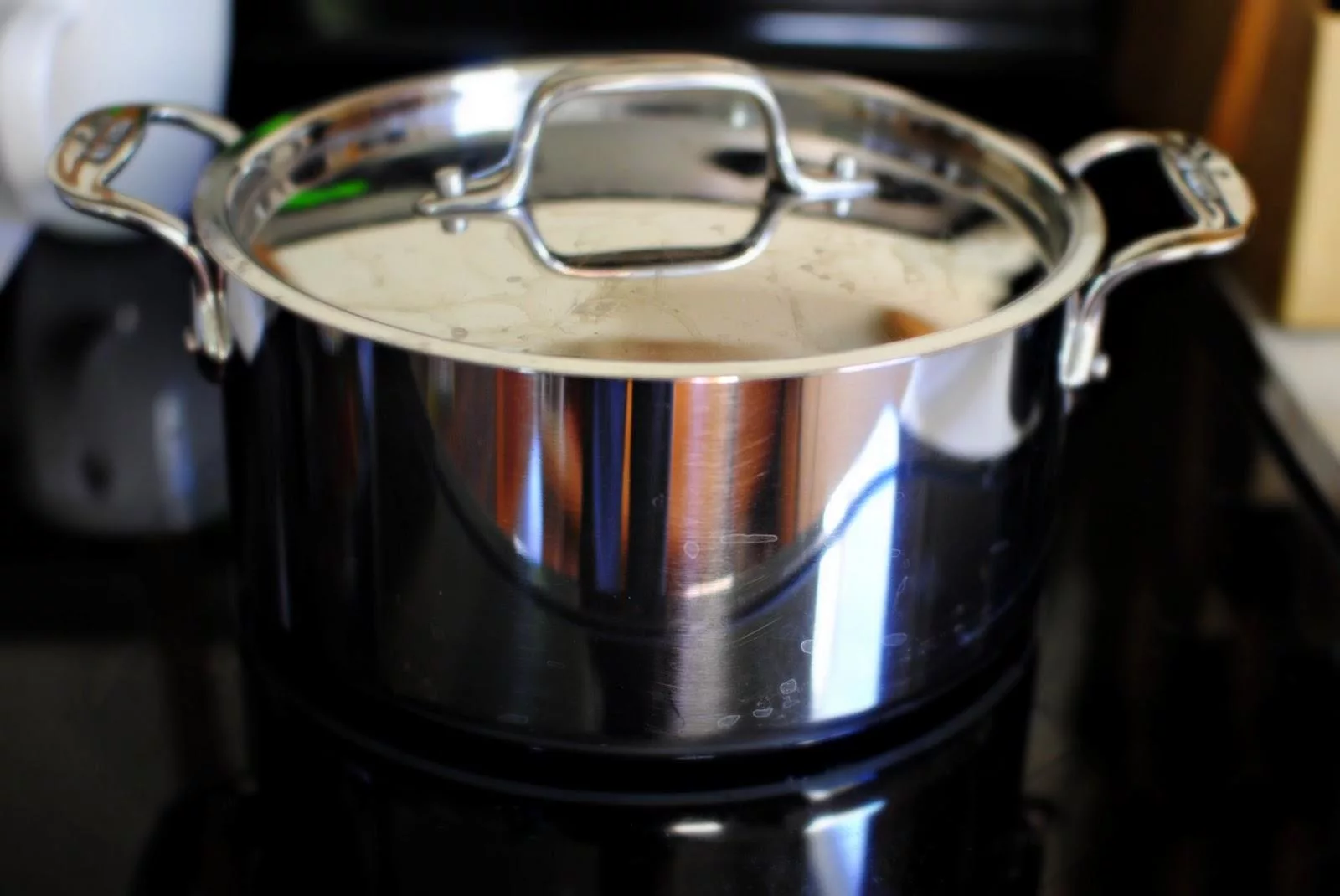
Soup on the stove "simmering until morning" is a classic home cooking tradition and a classic way to get food poisoning.
The most inconvenient thing about this is that the bacteria don't warn you of their presence. Food in which salmonella or E. coli has already multiplied to dangerous levels looks, smells, and tastes completely normal. There are no visible signs. It's only a few hours later—and then in a completely different context—that you realize something is wrong.
Therefore, relying on "it looks normal" when deciding whether to put food in the refrigerator doesn't work. The clock works.
Why the Refrigerator Won't Save You
A common misconception: the refrigerator kills bacteria. No, it only slows their growth. At temperatures around 4°C, most pathogens are almost completely stopped from developing, but they are not killed. This is an important distinction: food in the refrigerator is not safe indefinitely. 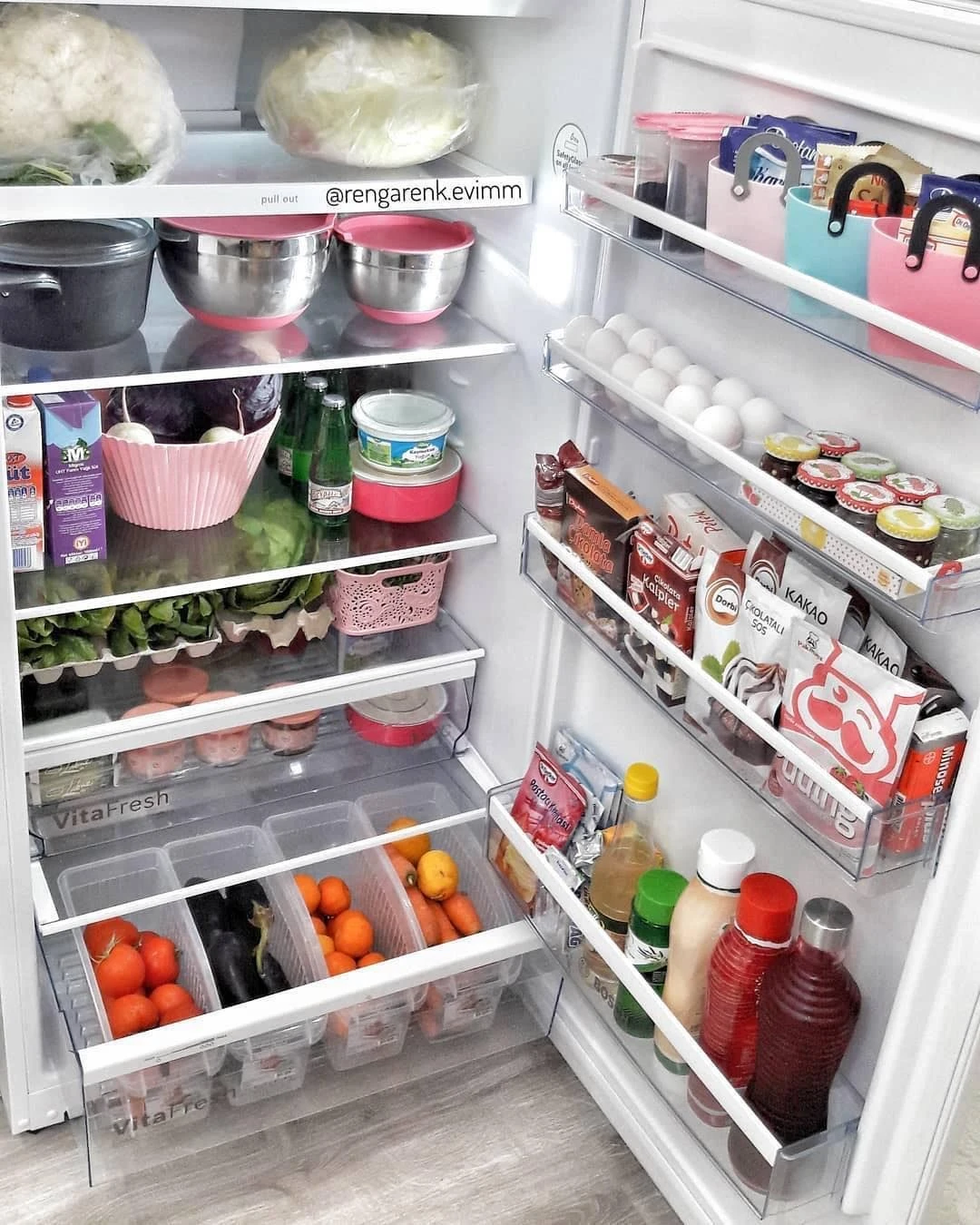
Where things are stored in the refrigerator is not a matter of convenience. Each zone has its own temperature.
Three more points that almost everyone violates. First: hot foods should not be placed directly in the refrigerator. A large, hot pan raises the internal temperature and causes nearby foods—meat, milk, prepared meals—to temporarily enter the danger zone. Correct: let the food cool to room temperature, but no longer than two hours, and then put it away. It's easier to store it in small containers; they cool faster. 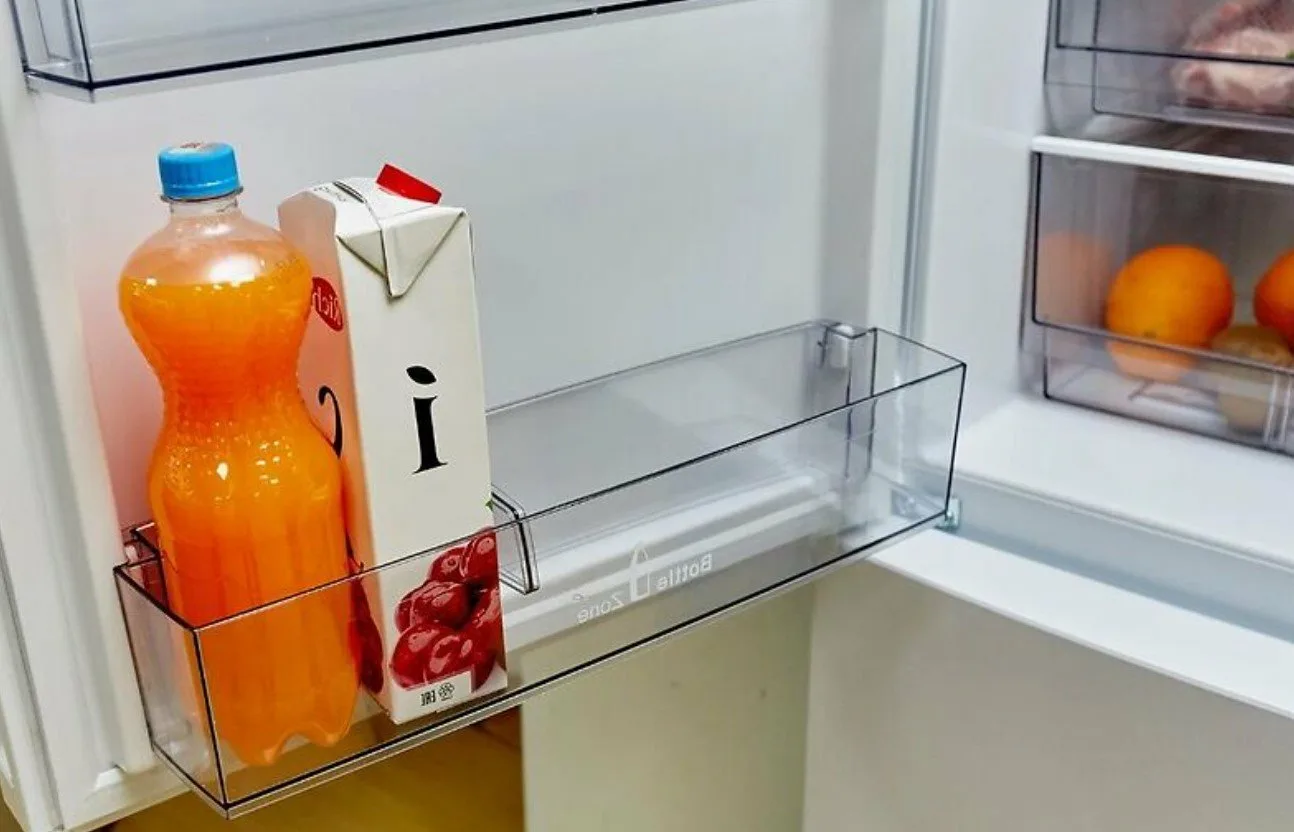
The refrigerator door reaches a temperature of 7–10°C. Milk and eggs shouldn't be stored there.
Second: the refrigerator door is the warmest place. The temperature there reaches 7–10°C, and even higher if opened frequently. Manufacturers often install convenient egg trays there, but eggs shouldn't be stored there. The door is suitable for sauces, drinks, and canned goods.
Third: store raw meat and fish only on the bottom shelf. It's the coldest there, and most importantly, the juices from the raw meat won't drip onto the cooked food stored below.
Cross-contamination: The Invisible Route of Bacteria
Cross-contamination is the transfer of bacteria from raw foods to cooked foods through surfaces. You cut raw chicken on a cutting board, wiped it with a towel, then wiped your hands with the same towel, then picked up a cucumber with the same hands. The chicken and cucumber never touched. But the bacteria are already on the cucumber. 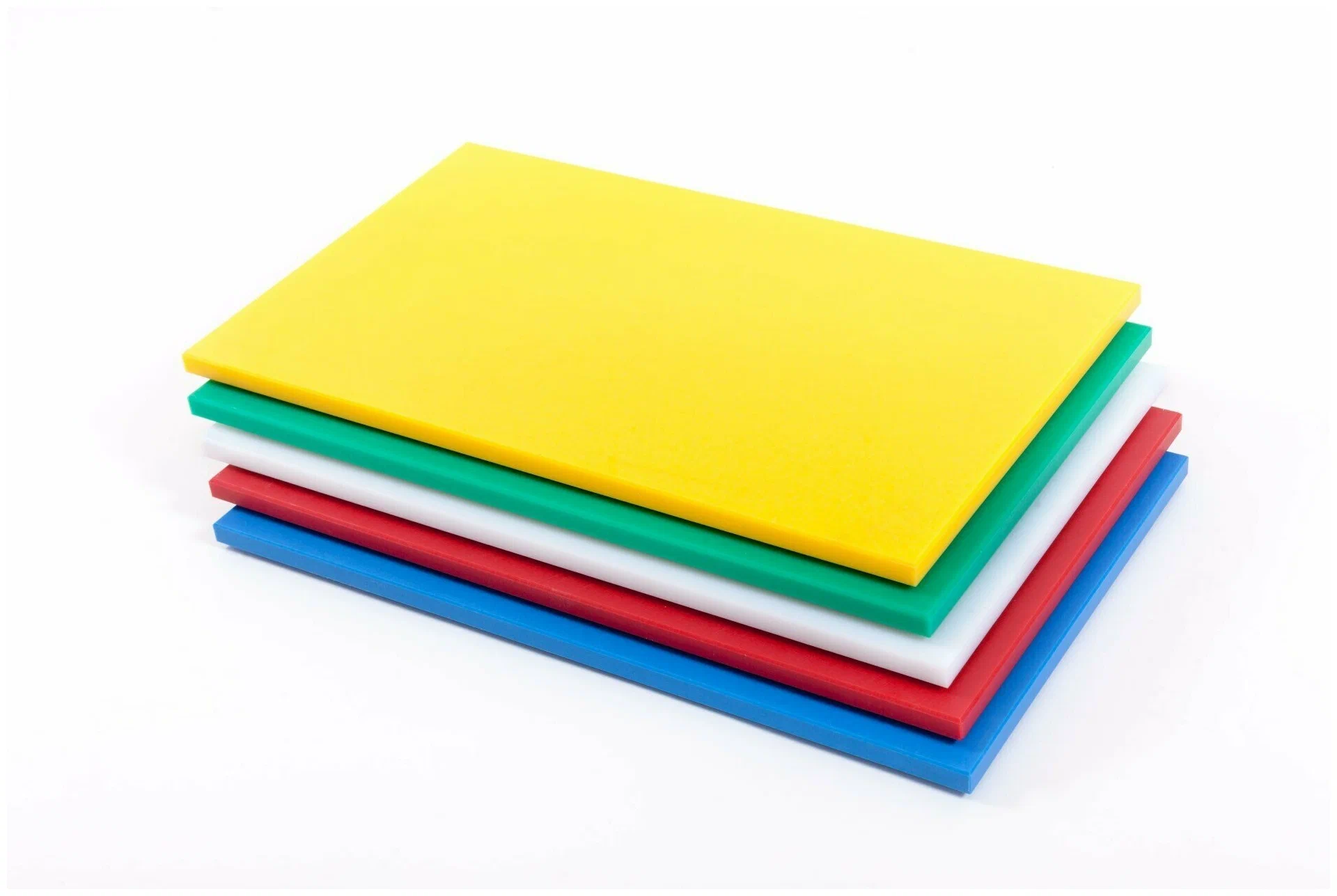
Red is for raw meat, yellow is for poultry, blue is for fish, and green is for vegetables. This isn't a design, it's a system.
In professional kitchens, there's a color system for this, based on the HACCP standard. Red cutting boards are for raw meat, yellow for poultry, blue for fish, green for fresh vegetables and herbs, and white for bread and dairy products. Knives are marked the same way. This isn't a whim or perfectionism. Color makes contamination physically impossible, even if the chef works quickly and doesn't think carefully about every move. 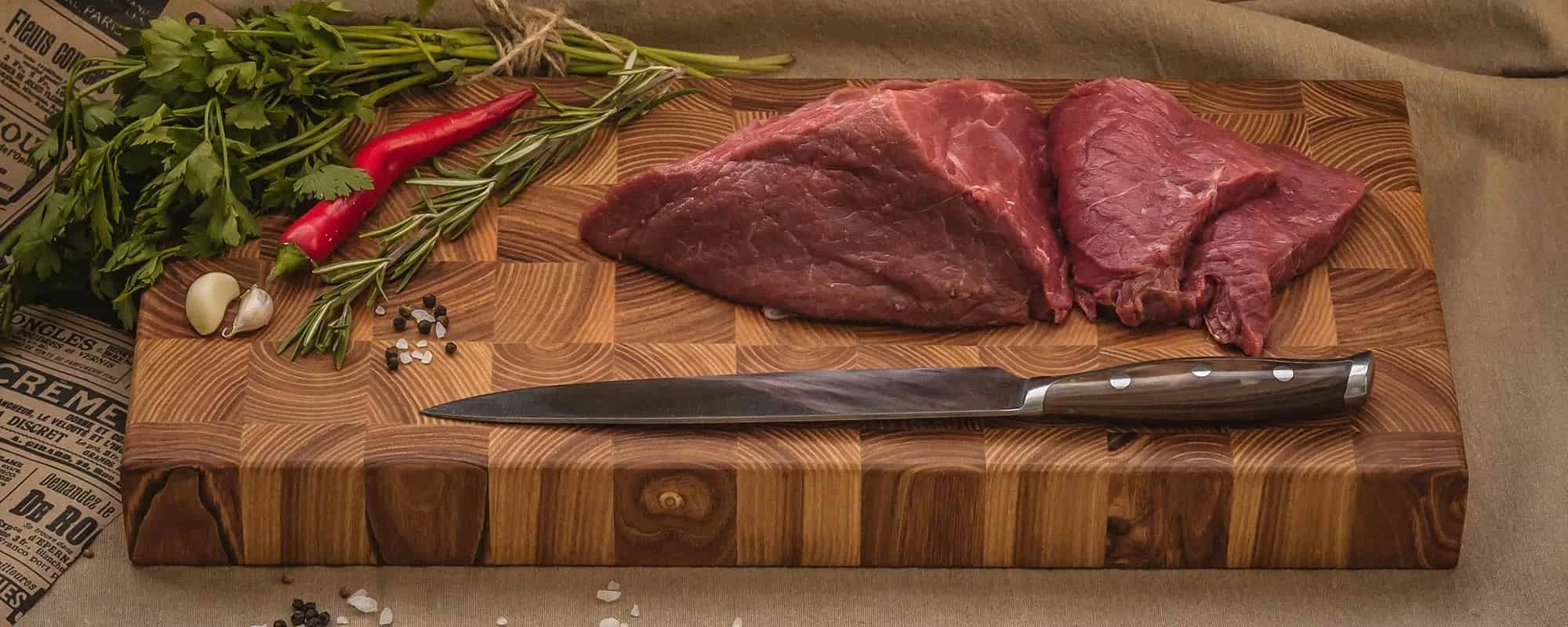
After handling raw meat, the cutting board and knife should be washed with soap—or, better yet, replaced with new ones.
At home, two cutting boards are sufficient—one for raw meat and fish, and one for everything else. This eliminates the most common route of contamination. 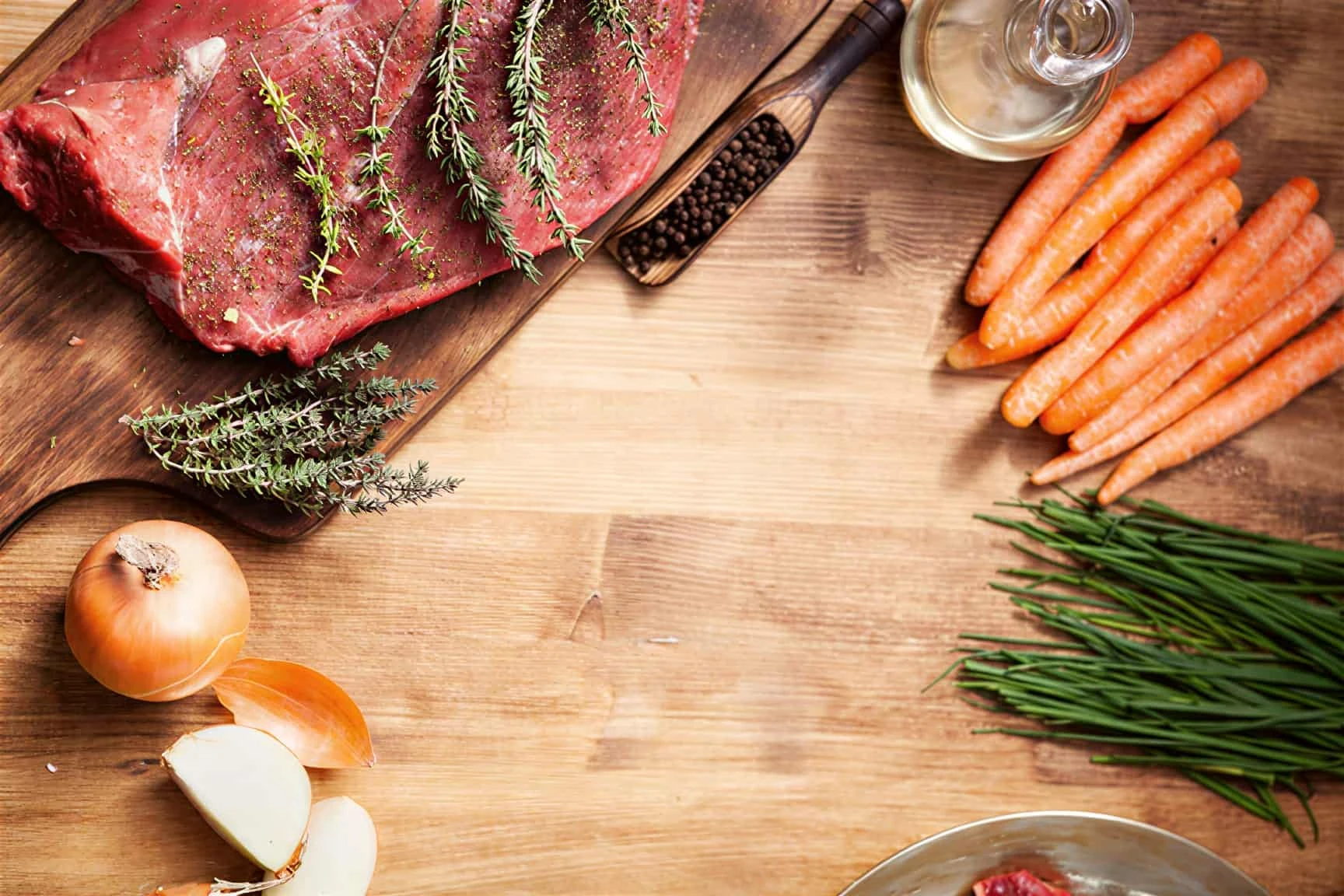
Raw meat and cooked foods should not share the same surface—even temporarily.
Wash your hands properly—or not at all
Twenty seconds with soap is exactly how long it takes to mechanically remove bacteria from the skin. This has been established, among other things, by the World Health Organization. A quick rinse under cold water without soap does almost nothing. Water removes some of the dirt, but leaves the bacteria alone: they cling to the skin with a film of oil. Soap breaks down this film—and only then are the bacteria washed away. 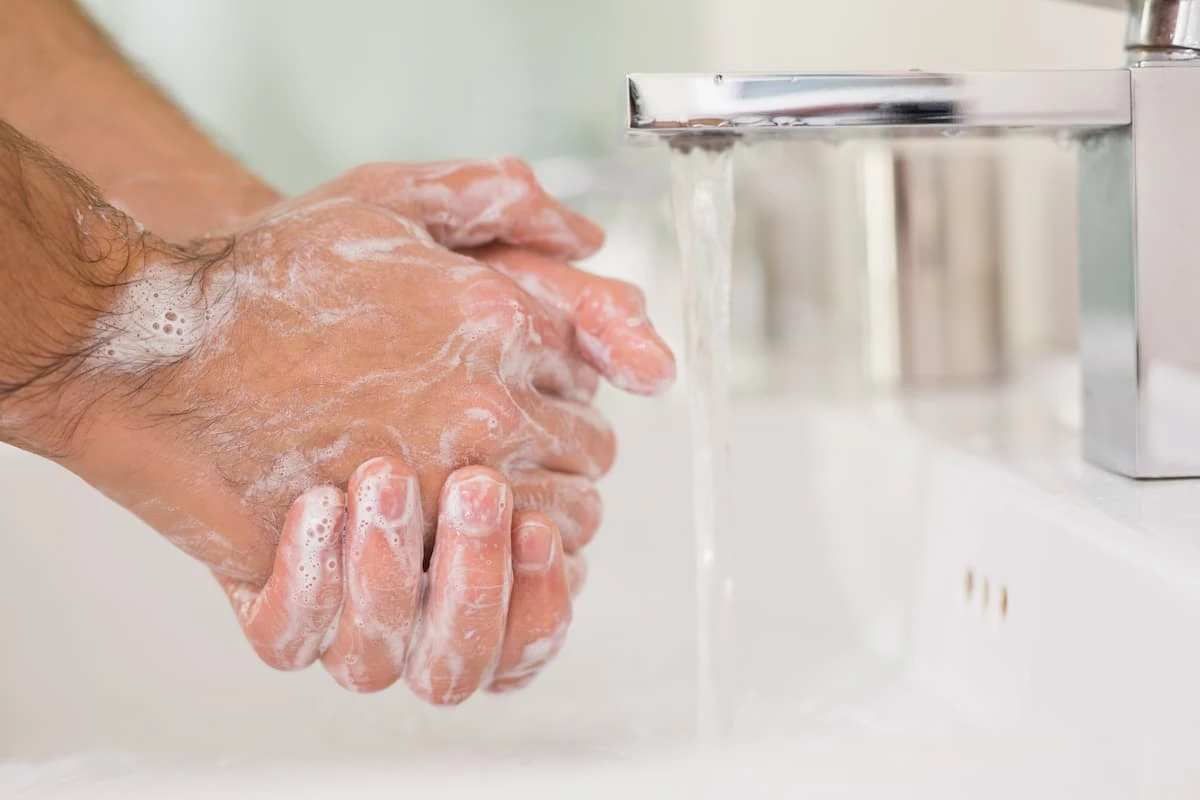
20 seconds with soap is the minimum. Pay special attention to fingertips, the space between them, and nails.
When is it essential to wash your hands in the kitchen: before cooking, after handling raw meat, fish, or eggs, after using your phone, and after touching your face or hair. The last two points may seem strange, but a phone screen carries, on average, more bacteria than a toilet seat. And after touching your face, your hands transfer skin bacteria directly to your food. 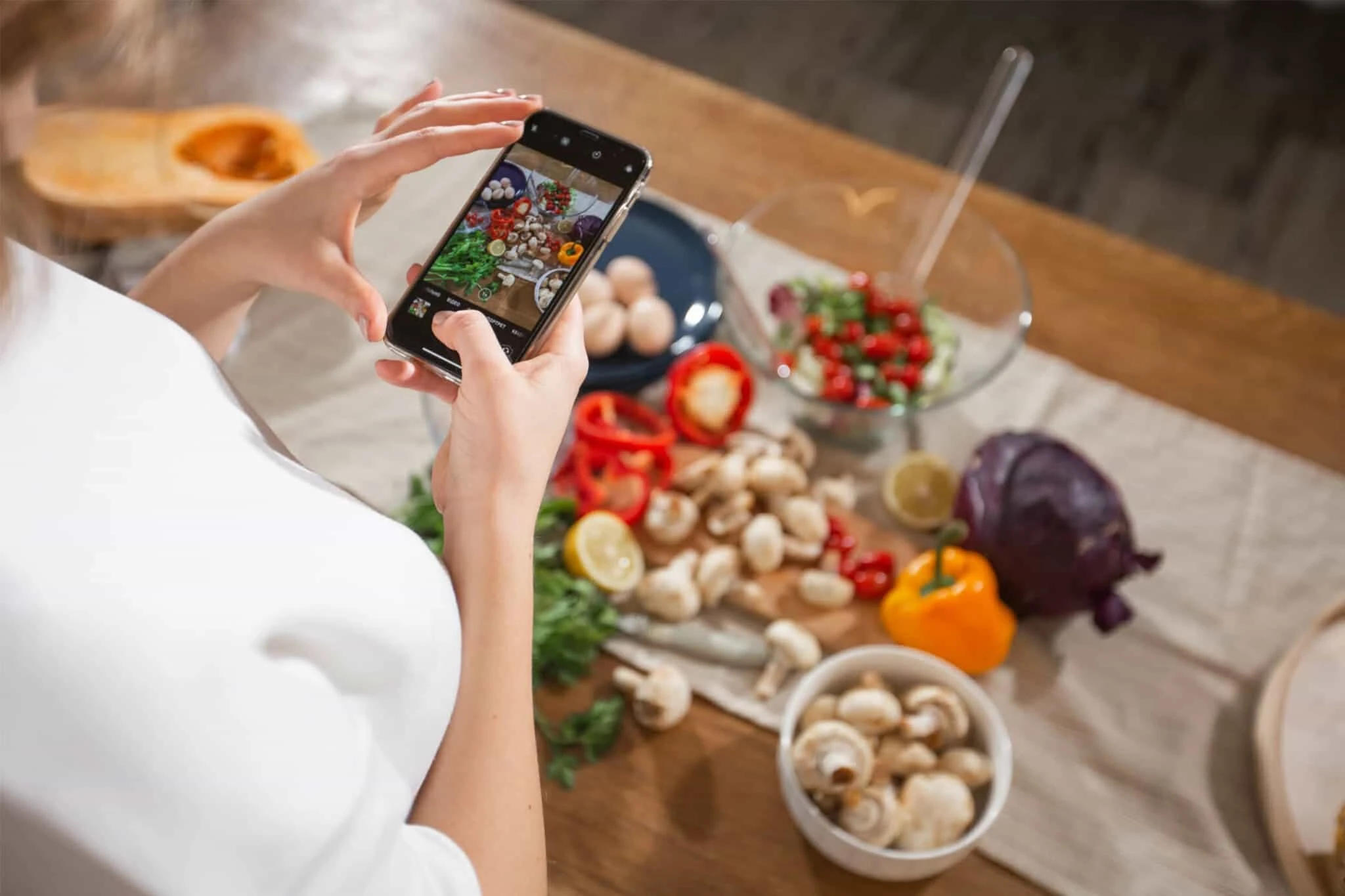
A phone in the kitchen is a potential source of contamination. Wash your hands after using it.
Antibacterial soap doesn't offer any significant advantage in this scenario: regular soap, when used correctly, removes over 90% of bacteria. The duration and intensity of rubbing are important, not the soap's composition.
What to take home
No one is suggesting setting up a restaurant-style kitchen at home, with labeled utensils and thermometers on every shelf. But most food poisonings occur not from spoiled store-bought food, but at home. Because of a few common actions: letting food cool on the counter for too long, cutting on the same board, and quickly rinsing your hands. 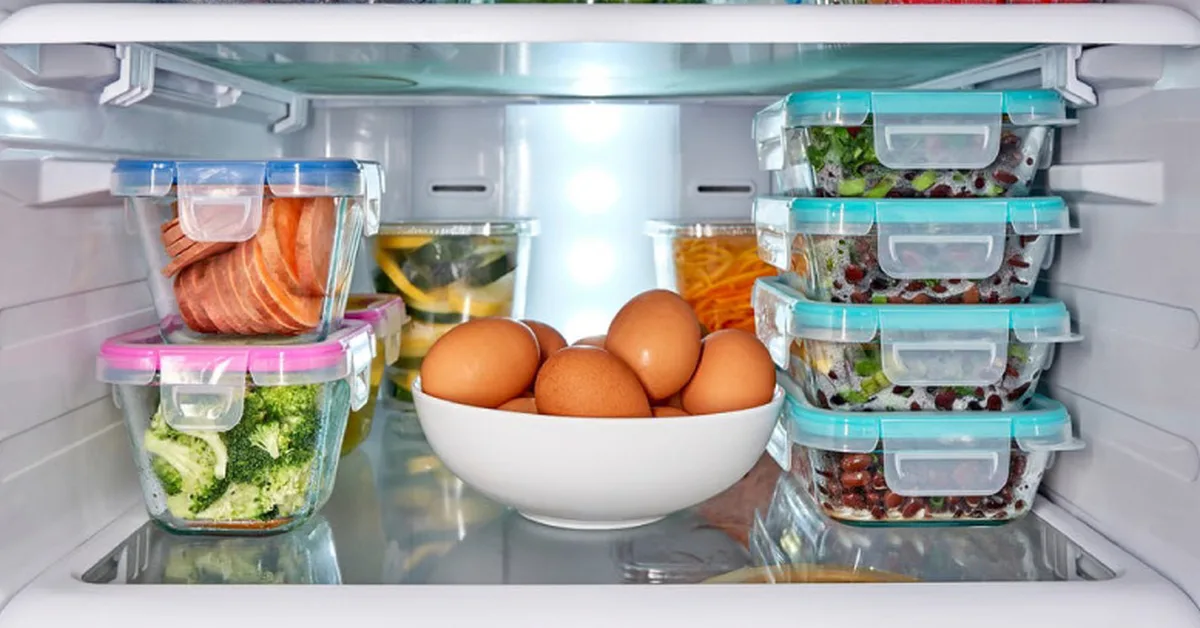
Small containers instead of one large pot – food cools faster and gets put away in the refrigerator on time.
Understanding where exactly the invisible happens is half the battle. Two boards instead of one, a two-hour timer, and meat on the bottom shelf. This is enough to eliminate the most common hazards without overhauling your entire household. 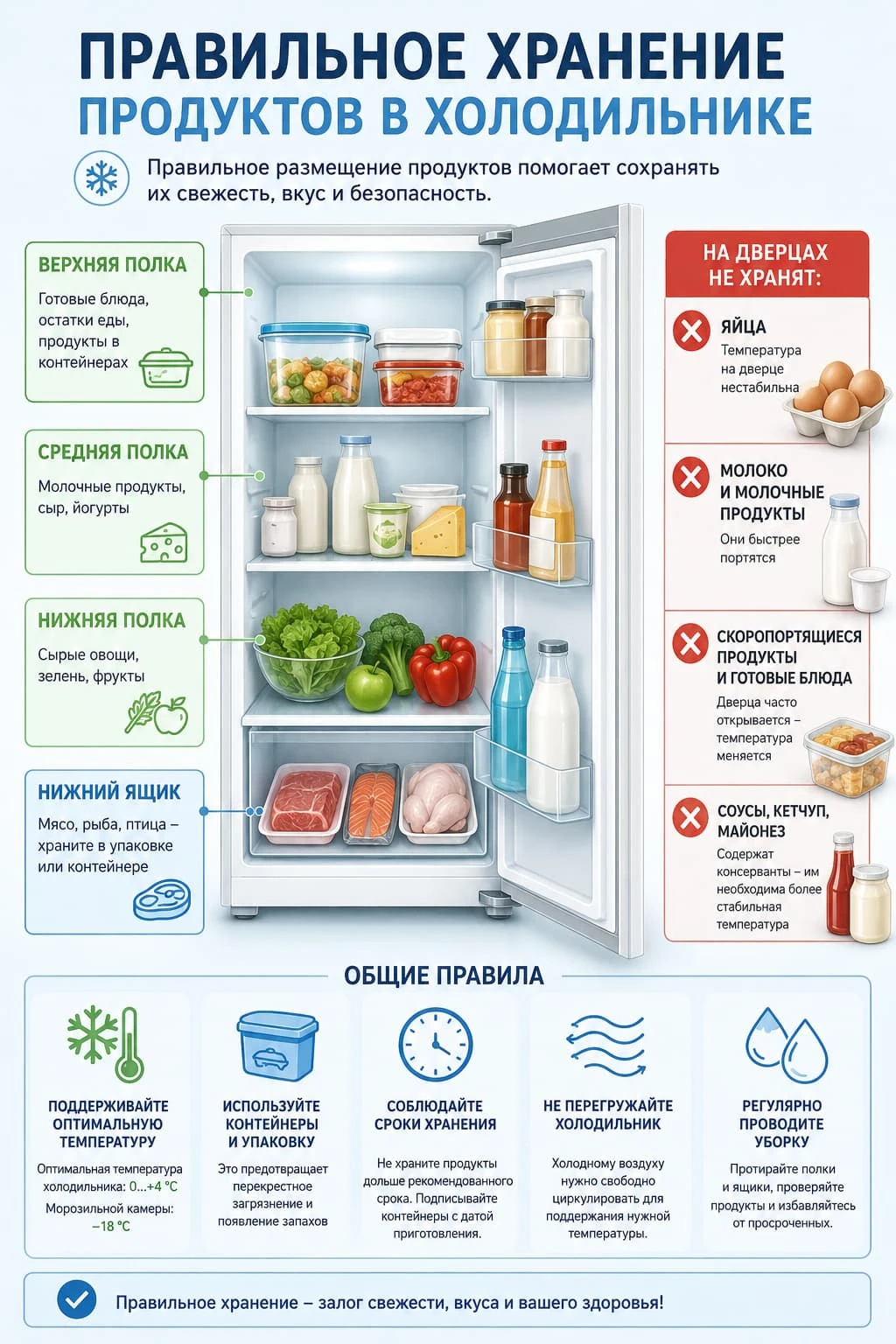
Meat on the bottom shelf, prepared foods higher up in closed containers. A single change minimizes the risk of contamination inside the refrigerator.
Do you have just one cutting board or several in your kitchen? And honestly: how often does food sit on the stove for more than two hours?