The consequences will reach us too: volcanoes are awakening one after another in Africa (6 photos)
The Dark Continent is more than just savannas, deserts, and ancient civilizations. Beneath its surface, processes are taking place that could directly impact the safety of millions of people and extend far beyond the region. Africa is bursting at the seams, and scientists are closely monitoring what's happening beneath the surface. 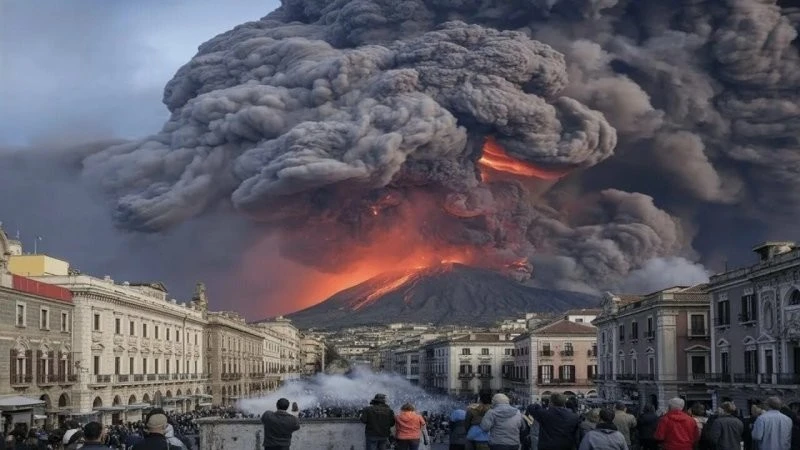
An erupting volcano has seriously alarmed scientists.
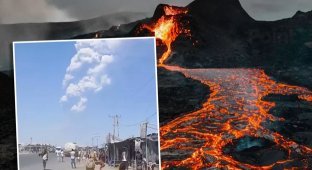
First, residents of Ethiopia heard a loud explosion; some thought neighboring Eritrea had started a war, and then everything went dark. In a matter of seconds, the wind carried black flakes toward the Arabian Peninsula, Yemen, Oman, and even India. People panicked, but scientists immediately realized it was a volcanic eruption.
The first suspect was Ertale, the most famous fire giant in Ethiopia's Afar region. It had been seething with molten lava for years. However, experts immediately ruled it out as too quiet.
The shield volcano Haili Gubbi had been peacefully dormant for 12,000 years. It turned out that it had awakened and miraculously killed no one. But seismologists are still in a panic, as, according to their predictions, the African monster had merely stretched after awakening. 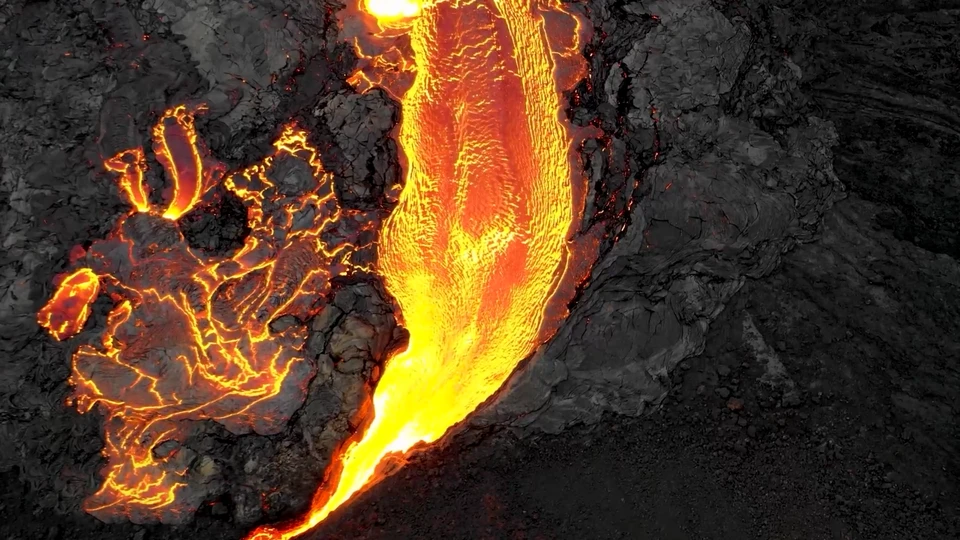
"It's already evening in Eswatini, and I've just arrived at the start of the trail to the largest monolithic rock in Africa – Sibebe. Only the famous Uluru in central Australia is larger. Well, I still have about four kilometers to go. The sun is setting. The surroundings are simply incredible. And I'm curious to know what this Sibebe monolith is," said program host Alexey Korzin.
Sibebe isn't just a hill; it's a huge granite boulder, the second-largest monolith in the world. Because of its surface, polished by rain and wind, Sibebe is often called Bald Mountain.
But what does all this beauty have to do with the African Armageddon that so frightens scientists? It's simple: Sibebe is the result of volcanic activity and the movement of two tectonic plates.
And although Bald Mountain was formed from molten magma some 3 billion years ago, what's happening on the Dark Continent today is quite capable of wreaking havoc in our time, not in the distant future. 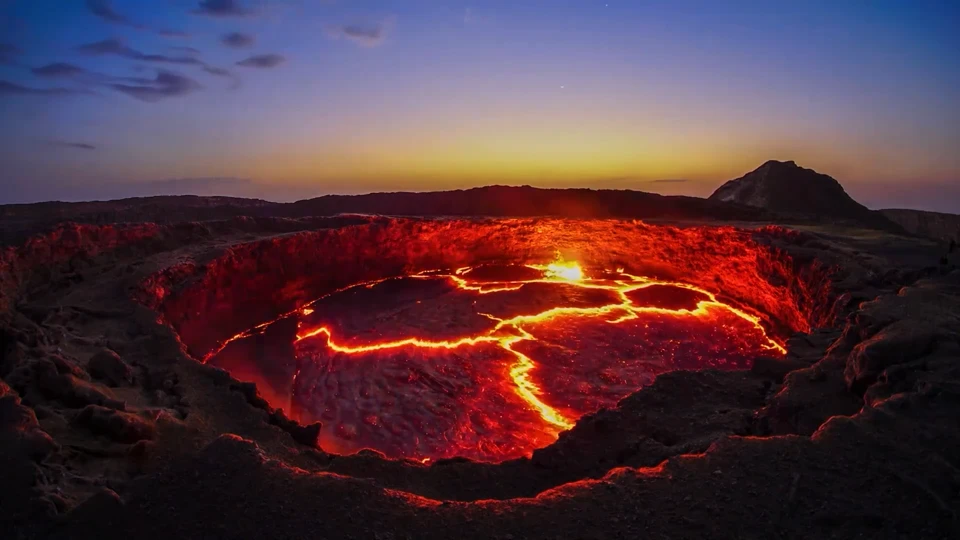
Why Congo Lives Under the Threat of Lava Every Day
It's no secret that a vast rift and fault system splits the Dark Continent in half. As a bonus, there are over 100 volcanoes, the most famous of which is the legendary Mount Kilimanjaro, standing at 5,895 meters. Fortunately, it's dormant.
The Democratic Republic of the Congo is home to two ominous fiery twins. Nyiragongo and Nyamlagira are a pair of volcanoes that remain active and regularly shake Africa. 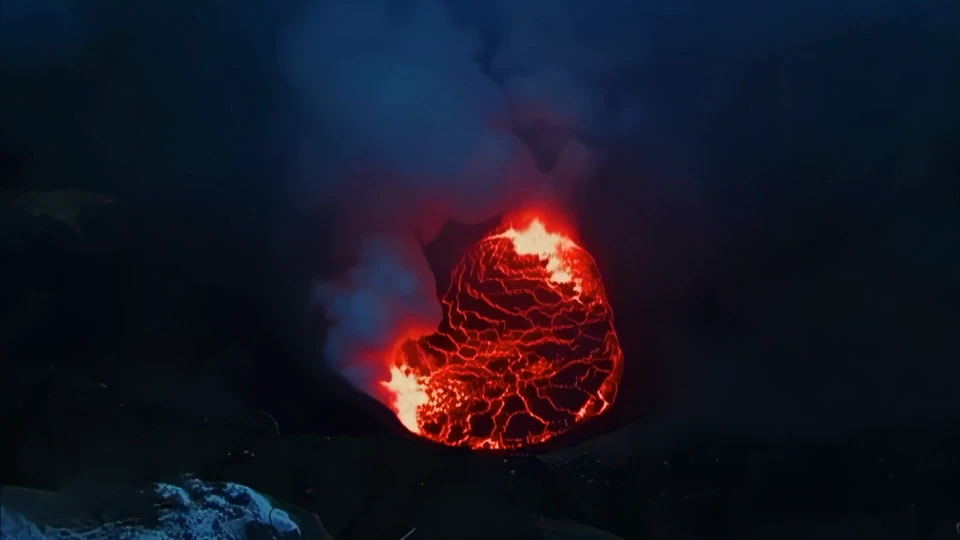
"As for both volcanoes, their lavas are quite fluid and contain little silicic rock. Therefore, during an eruption, the lava itself can move, depending on the slope, at speeds of about 100 kilometers per hour, and perhaps even more," explained Stanislav Zavatsky, a PhD geologist and technical scientist.
Nyiragongo's older twin, while not quite 4,000 meters tall, has erupted 34 times over the past 143 years, or three to four times per year. In 2002, the fiery mountain nearly obliterated the city of Goma in the Congo. 250 people died then, and 12 years later, Nyiragongo awoke again and nearly buried the entire country.
A miracle saved the day: the scorching lava lake magically didn't overflow the crater. Several villages, one city district, more than 30 dead, dozens injured, and 20,000 evacuees. But will we be so lucky next time?
"We're fleeing toward Rwanda or west, to safer areas. Anything to avoid staying in this hell," complained local resident Lunia Munsense.
Nyamlagira is the younger of the two sinister twins, shorter in stature but even more ferocious in character. In 2011, it ejected so many millions of tons of lava that fiery fountains shot 400 meters from its crater. 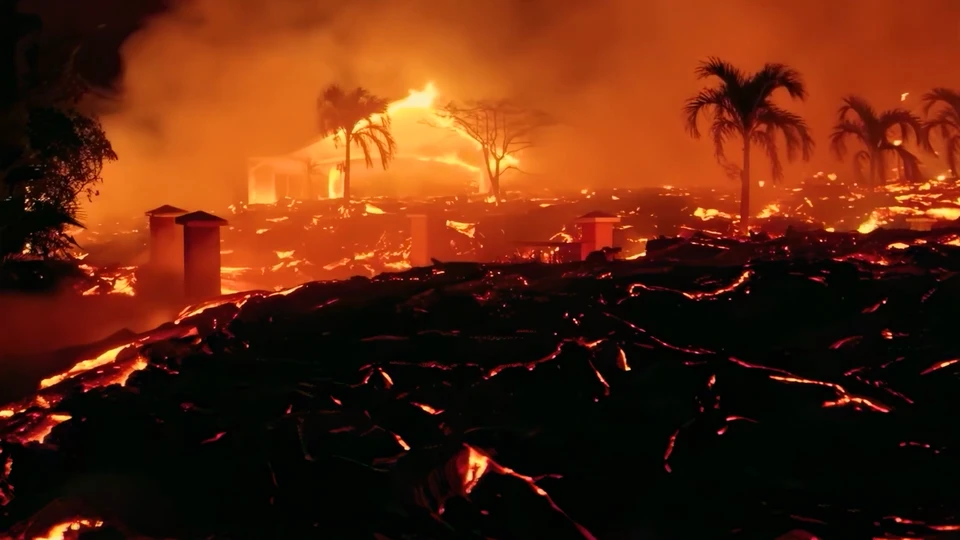
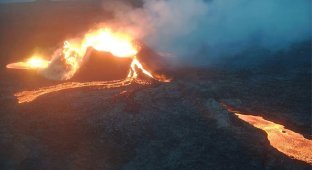
But the most interesting thing is that Nyamlagira is erupting right now. And it's not the first day or even the first month; the mountain hasn't calmed down for almost two years.
"In the first 24 hours, the lava flow advanced a full 5 kilometers. Soon, two main flows formed. The northern one moved more slowly and by August 4th had reached a length of approximately 6,100 meters. The western flow emerged a little later but proved to be more rapid," noted volcanologist Dario Tedesco.
Lava rivers have already scorched part of Virunga National Park. People in the surrounding villages are praying to all the gods for the volcano to go back to sleep. But it's not sleeping. Why are the fiery mountains of the Dark Continent suddenly so violent?
Africa is literally being torn apart
Seismologists believe that activity in the Afar Basin is to blame. It's even the fire giant, which had been peacefully dormant for thousands of years, that has awakened.
"The Afar Basin is located at the junction of the Somali, Arabian, and African continental plates. They naturally push, resist, and clash with each other, and this naturally reverberates throughout the Afar Basin," explained geologist Zawacki.
Now imagine: like three girls over hot steam, each pulling on a blanket, it bursts at the seams, and where the pressure is weak, steam immediately escapes. That's how things are in Africa now. 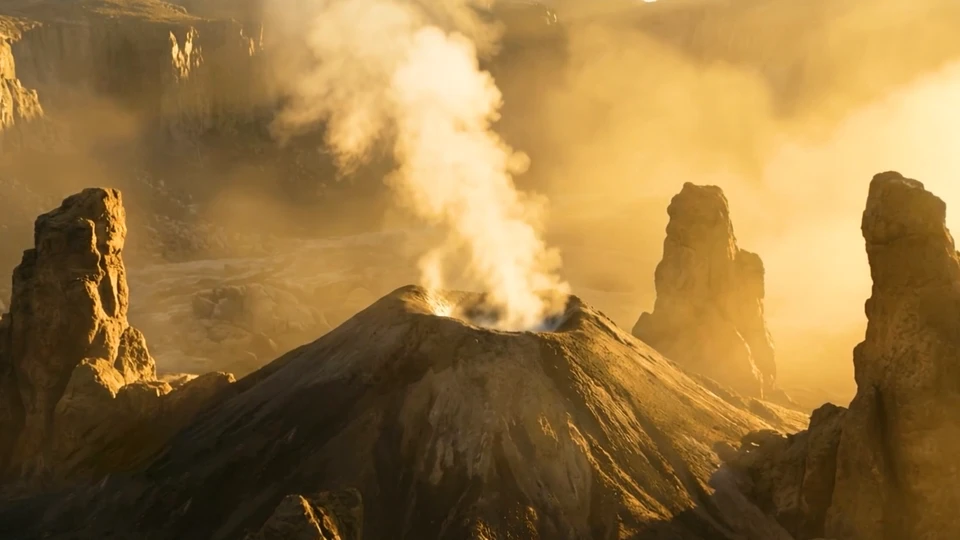
Could the inhabitants be affected by the division of the African continent and the volcanoes erupting on it? Unfortunately, yes.
Firstly, volcanic ash knows no boundaries, so the winds could easily carry it to us and beyond, causing cold spells and crop failures.
Secondly, massive sulfur dioxide emissions will change our planet's climate beyond recognition.
You'll agree, this African gift doesn't seem like a particularly tempting prospect.