The elephant shrew: not a rodent, but a relative of the elephant (8 photos)
When scientists first began describing and systematizing nature, they called the elephant shrew "elephantine shrew" because of its cute, flexible snout, and nothing more. Back in the distant 18th century, they couldn't even imagine that THIS was actually related to elephants. 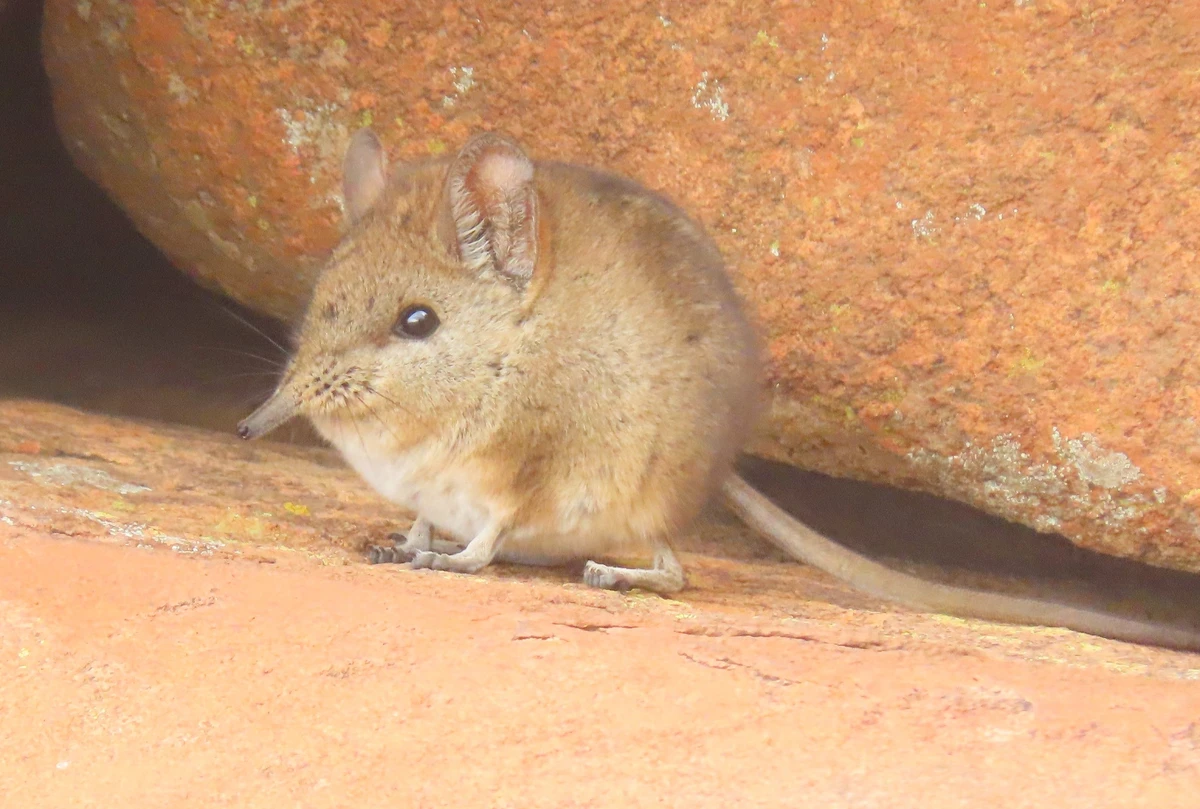
Some kind of elephantine ball...
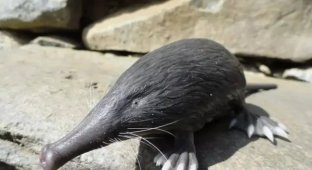
For most of history, we believed that elephant shrews belonged to the order Insectivora and were related to hedgehogs, moles, and shrews. Well, it's no surprise, just look at them: the same rounded body the length of a human palm, beady eyes, and a long, mobile nose. Their faces are also crowned with long vibrissae—sensitive hairs that act as tactile organs. 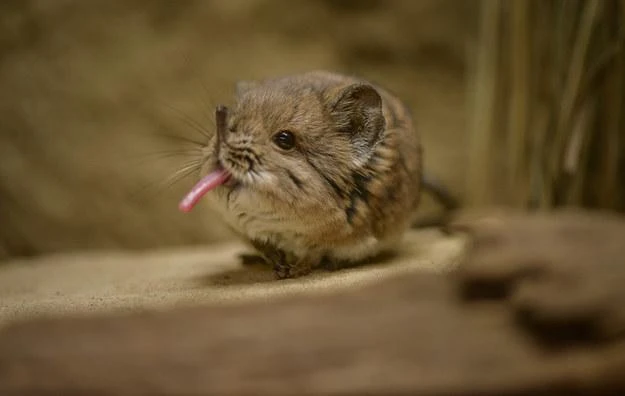
Who gave them a gummy worm instead of a tongue?
Similarities are also observed in behavior. Like insectivores, elephant shrews are solitary micropredators that track arthropods primarily by their sense of smell. Only they don't live on the forest floor, but roam savannas and deserts right under the blazing sun. At first glance, it seems completely absurd. A shrewd elephant can be seen hundreds of meters away, and yet it's slowly roasting in the sun's heat. It's insane, no matter what you say! 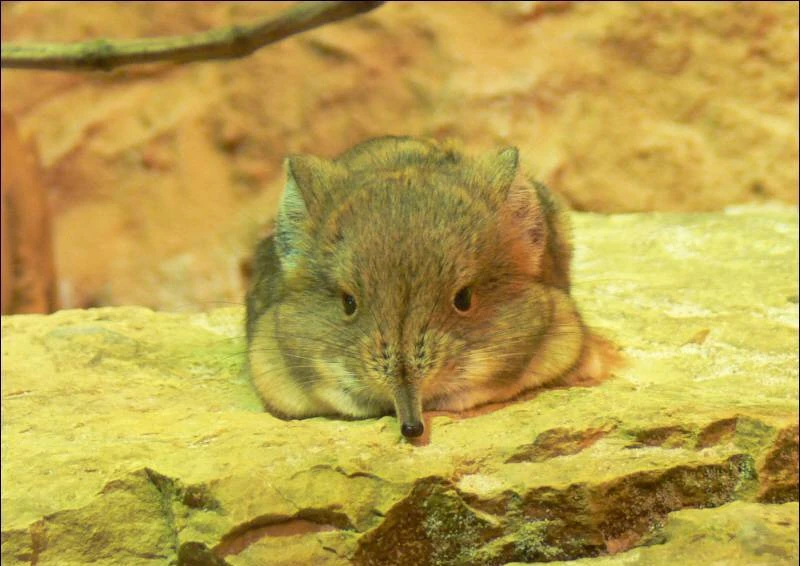
Oh no, your shrewd elephant melted in the heat!
But in reality, it's a very cunning and elegant plan. By hunting in the thick of the heat, the elephant shrew escapes its pursuers, such as predatory reptiles and mammals, as they've all overheated and collapsed in the shade. Only birds of prey can cause problems for the elephant shrew while hunting. 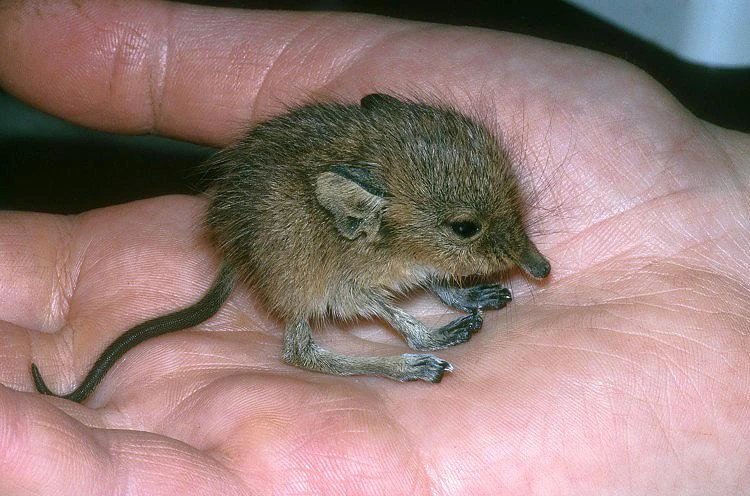
Don't lose it, and don't break it...
But this behavior was considered merely an adaptation to a desert lifestyle. Therefore, no one really questioned which group of animals the elephant shrews belong to. No one, that is, except biologists studying comparative anatomy. These extremely meticulous people gradually began to draw public attention to minor discrepancies in the body structure of elephant shrews and insectivores: differences in the number of vertebrae, the structure of the placenta, and the ankles. 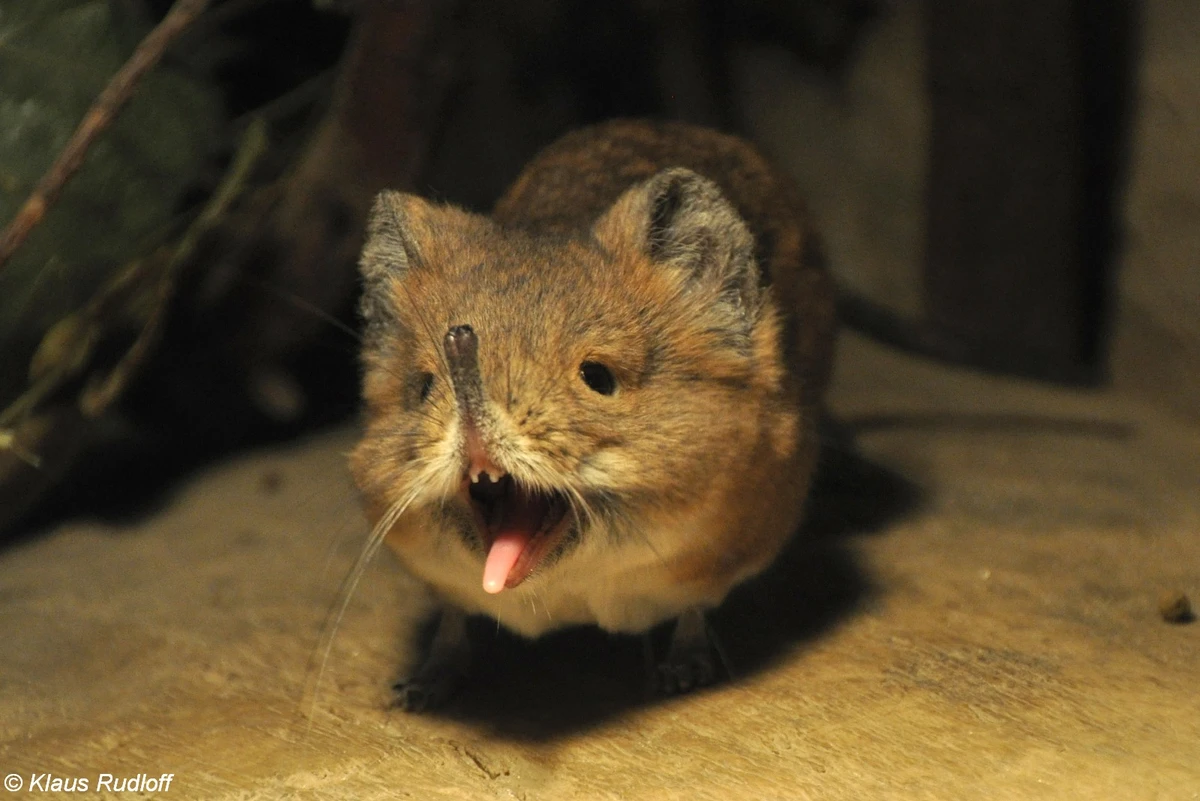
They also have a very late teething period. Just like elephants.
A little later, physiologists joined in and discovered that the elephant shrews' metabolism was abnormally low. Or rather, the animals themselves were fine, their metabolic rate was normal; it was just that their supposed relatives had accelerated their metabolism to the maximum. A shrew, for example, needs to eat approximately 300% of its body weight per day. If it doesn't eat for at least 5-6 hours, the animal will die of starvation. It's different with elephant shrews. They ate 30% of their body weight in a day—and then they're off to bed. 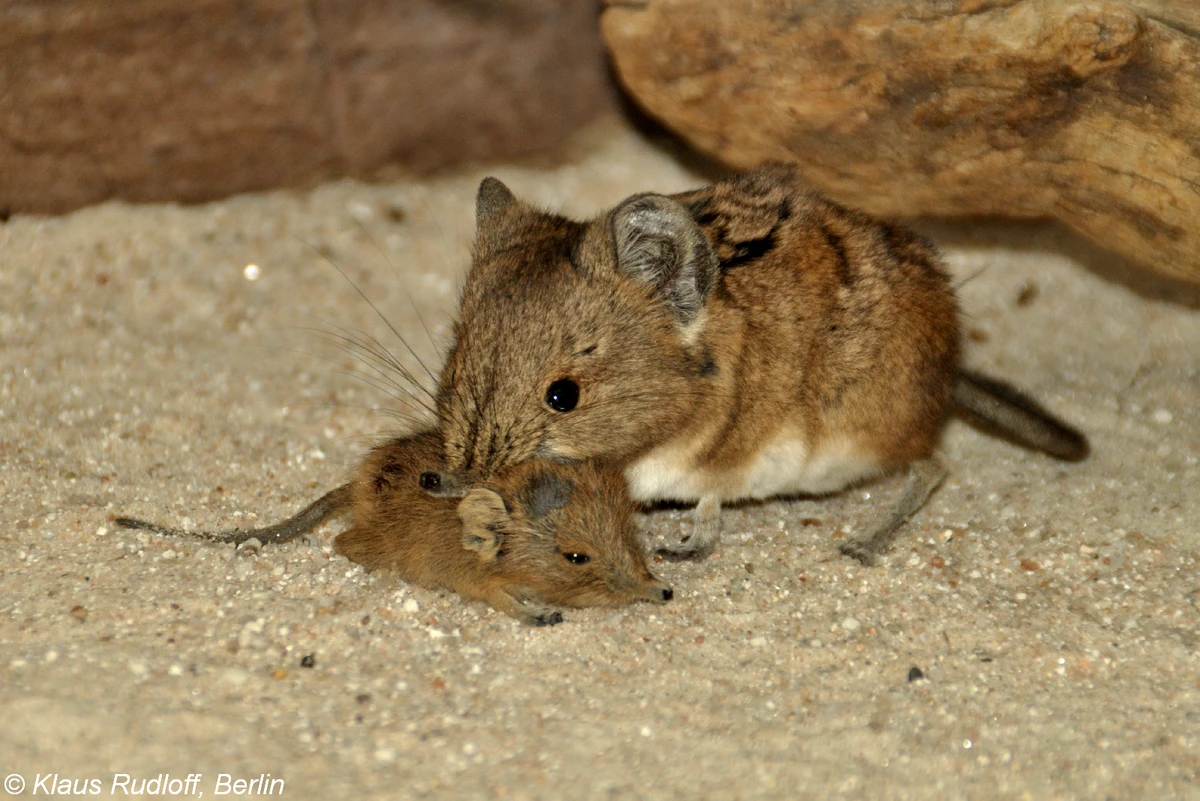
"You'll be my pillow today." "Okay..."
But the final nail in the coffin of the old theory came from geneticists and molecular biologists. In the 1990s, they combed through the genomes of elephants, tenrecs, golden moles, and elephant shrews and discovered a surprising number of similarities, leading to the unexpected conclusion: they were all related. The new group of animals was named Afrotheria. 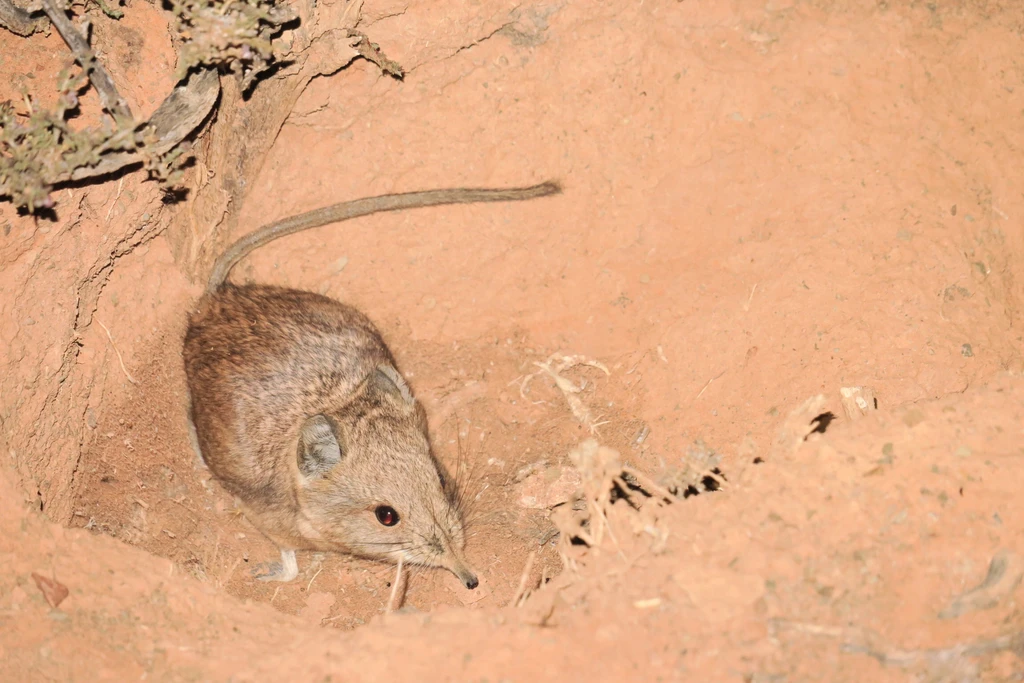
A elephant shrew in its natural habitat.
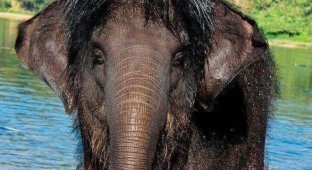
Afrotheria have very few external similarities, as the group occupied very different ecological niches, but genetics still reveals their common kinship. For example, elephant shrews and elephants share a very similar anti-cancer immunity, significantly superior to humans. However, trunks are not a common trait—they acquired them in different ways. 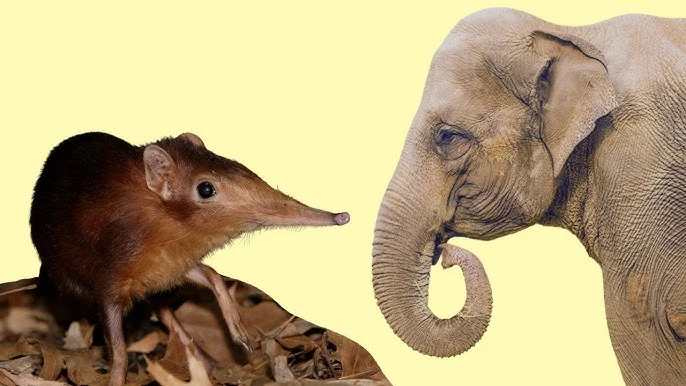
When you and your brother have gone their separate ways, but still treat each other well.
And their behavior is very different: elephant shrews don't gather in herds led by a matriarch, but live quietly in pairs in the same territory. Moreover, outside the mating season, the male and female don't cross paths and barely interact with each other. It's a shame, because I'd love to see herds of majestic short-eared elephant shrews led by an elderly matriarch aged 3 or even 4 years!