Pyrenean Desman: It Looks Like an Evolutionary Mistake, But It's the Perfect Aquatic Predator! (10 photos)
Meet the weirdo in the photo—the Pyrenean desman. 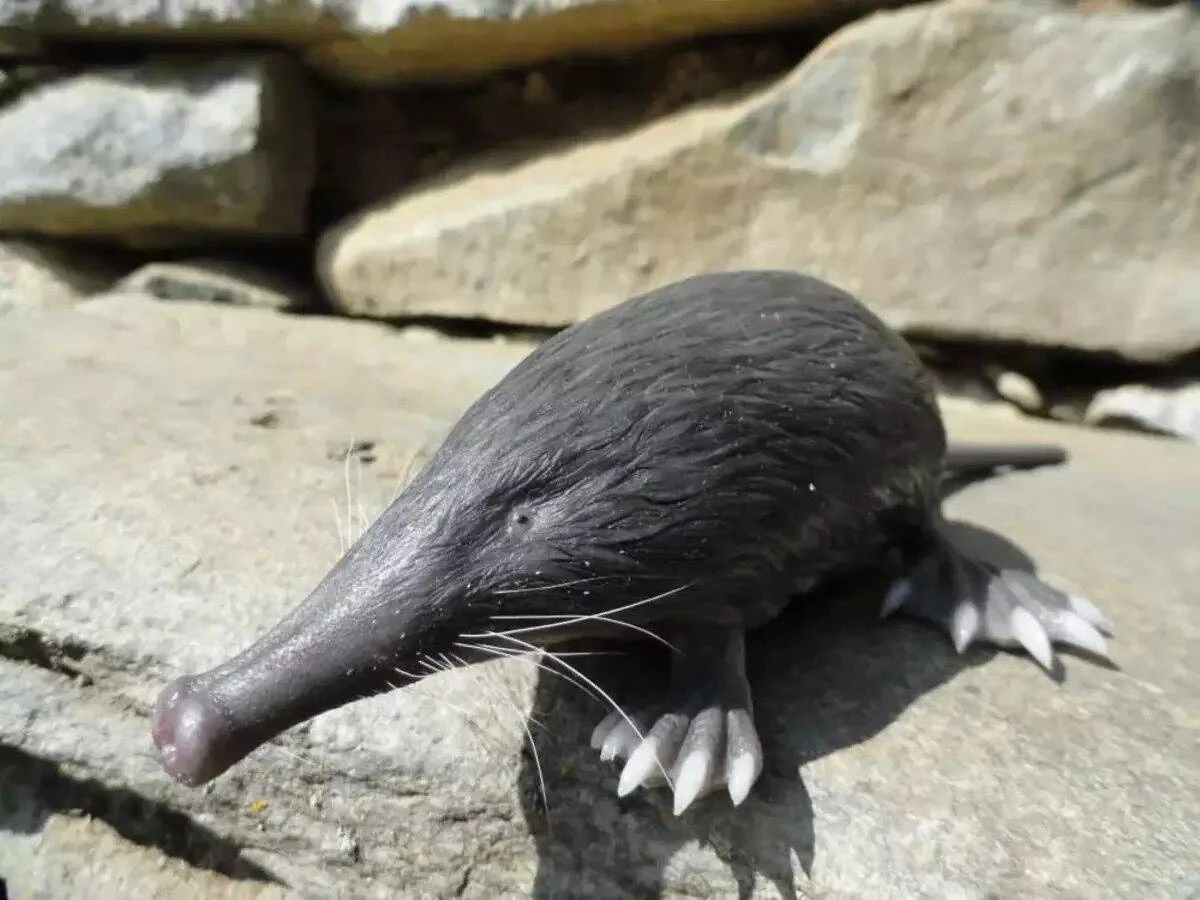
Just don't laugh, please, or he'll get offended.
Unlike more standard moles, the Pyrenean desman is both semi-subterranean and semi-aquatic. Moreover, the animal is perfectly adapted to both habitats! 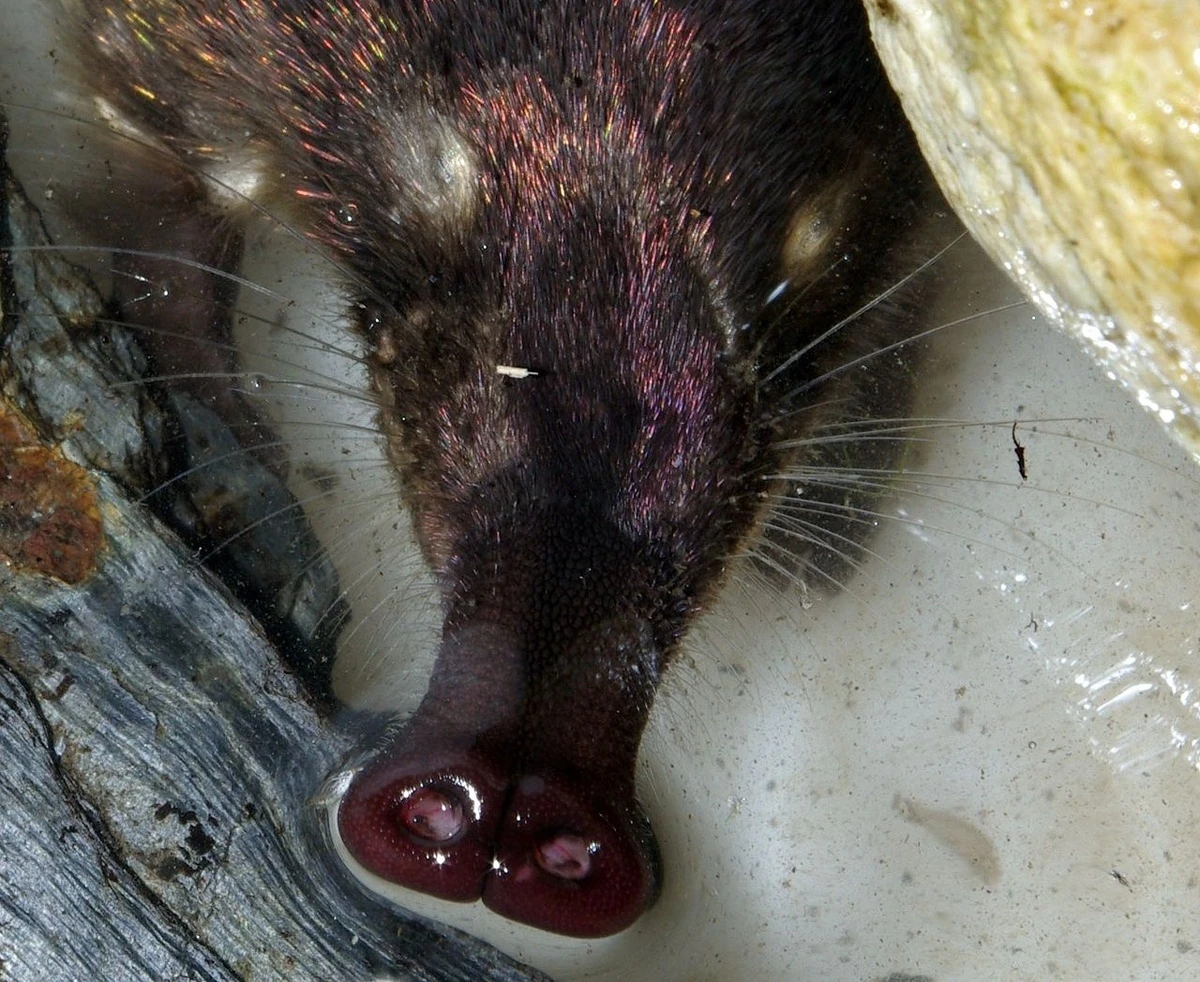
And even its nose It's designed like a scuba diver's snorkel.
On the surface, the desman looks hilariously funny, and isn't impressive at all... or anything! This round little creature weighs as much as half a cup of sunflower seeds and is only 25 centimeters long. Half of that length is its tail, and a quarter of the remaining length is its flexible trunk. On land, the little animal waddles slowly and awkwardly, or even just sits and grooms itself. But if we startle it, it'll dash into the water, and amazing things will happen to it. Metamorphoses. 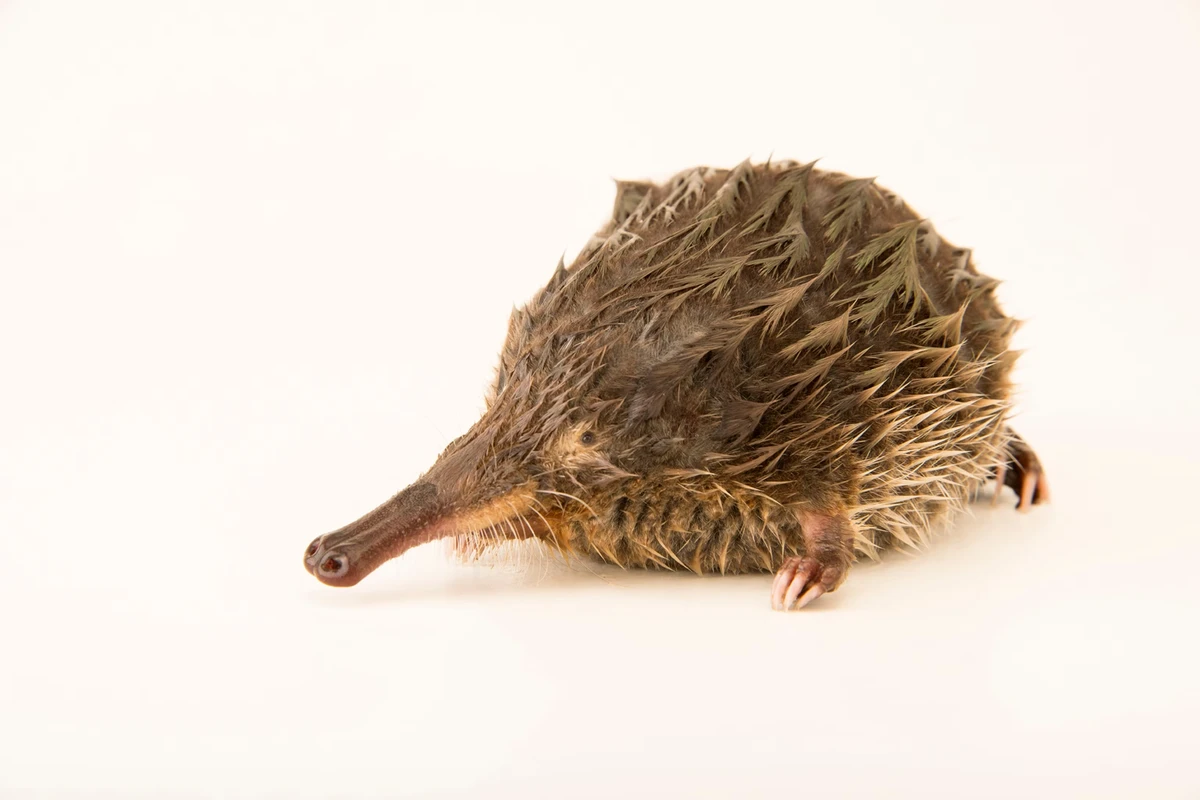
Meet the Pyrenean Smeshariki!
The rounded body will become more elongated and graceful, the thick tail will turn into an excellent rudder, making it easy to maneuver, and webbing will appear between the toes of the clawed feet—perfect for swimming. And the claws themselves are far from useless: they are very useful for clinging to rocks and driftwood to anchor oneself in the fast-flowing mountain rivers of the Iberian Peninsula. (Spain). 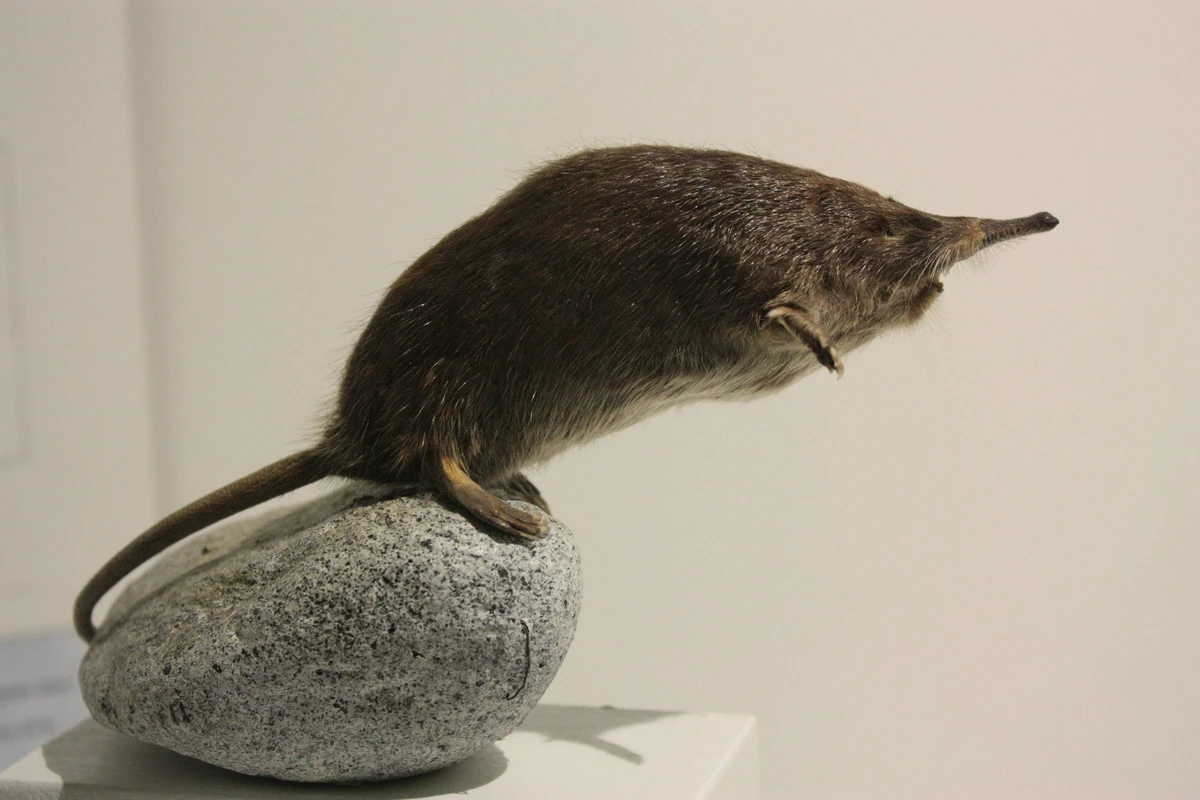
A graceful desman makes a graceful dive into the water!
If we continue digging for the poor creature, it will rush to one of its burrows, where it can hide from the prying attention of humans and predators. Desmans are very well-equipped with their shelters. The entrance to a long, narrow tunnel is often hidden underwater and practically invisible from the surface. And at the other end lies a cozy, moss- and fur-lined chamber, which the desman dug with its own clawed paws. Or, alternatively, it may have privatized an abandoned one and converted it into its own. needs. 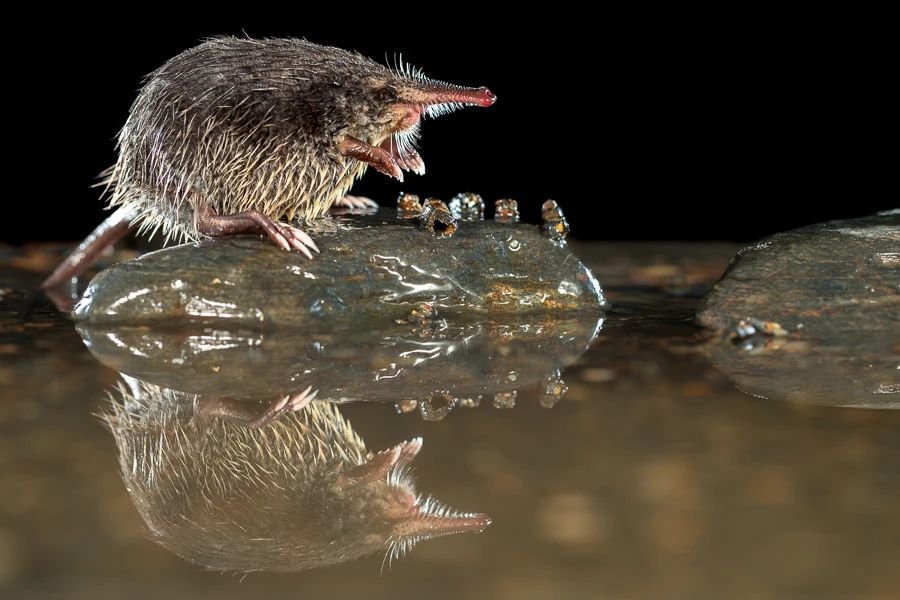
— Behold my treasures! — But they're just stones!
A desman's hunting grounds can have up to seven such burrows, all well-equipped. After all, the water mole spends up to 12 hours a day underground. It prefers to emerge only at night, so as not to attract the attention of predators. Moreover, pitch darkness is no obstacle. This small predator doesn't rely on sight—it's nearly blind—or even smell. It relies on touch, like any other sense of touch. mole. 
A respectable nose for a respectable gentleman!
The long, flexible, and oh-so-amusing proboscis-like nose is covered with hundreds of sensitive vibrissae. At the base of each vibrissa lies a bundle of nerves that perfectly detect pressure on the hair and transmit signals to the tiny brain. And at the very tip of the nose are the microscopic Eimer's organs—the most sensitive tactile organs ever created by vertebrates. Animals. 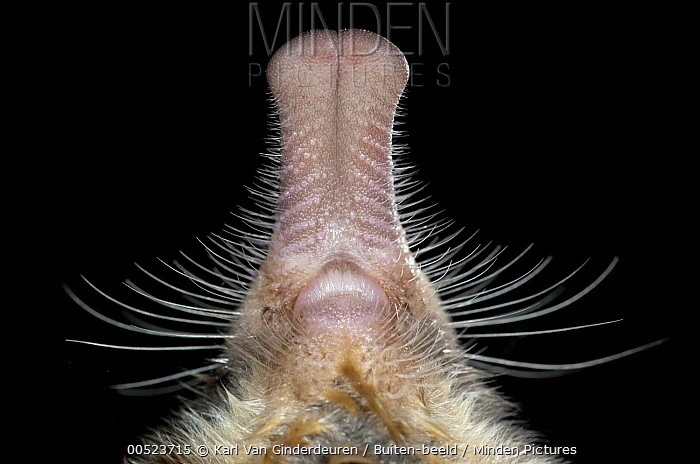
So this is what the perfect nose is like...
And this entire complex sensory system works perfectly underwater. With its help, desmans sense the water current and can identify large objects by its movement without touching them. This miracle nose also helps them locate prey—the larvae of aquatic insects. And it's impossible for a desman to return home empty-handed. After all, if you need to eat 50% of your body weight daily, every hunt has to be worthwhile. Successful. 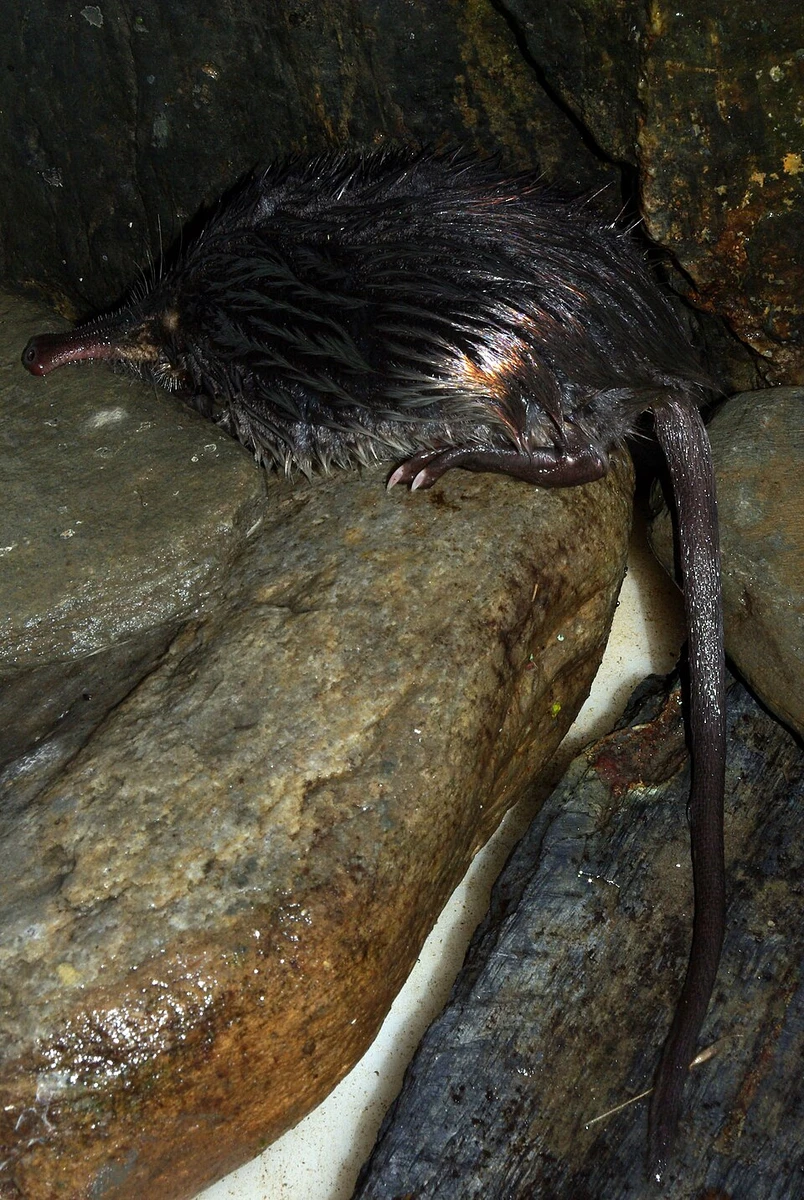
The desman's fur doesn't shine for nothing. It's covered in water-repellent oil!
And yet, despite their excellent hunting skills, these animals are teetering on the brink of extinction. After all, no matter how good a hunter you are, you can't feed yourself if there's no food around at all. Aquatic insect larvae are very sensitive to water composition and quickly disappear from it when it gets polluted. And then, too, disappear Desmans. 
Caddisfly larvae are the desman's favorite prey. But finding them isn't easy—the insects build their own sheaths from pebbles and aquatic plant clippings.
Even a six-month mating season—from January to June—and high fertility—a female can produce five offspring in just a few weeks—don't save them. After all, what's the point of rapid reproduction if there aren't any babies? Feed him? 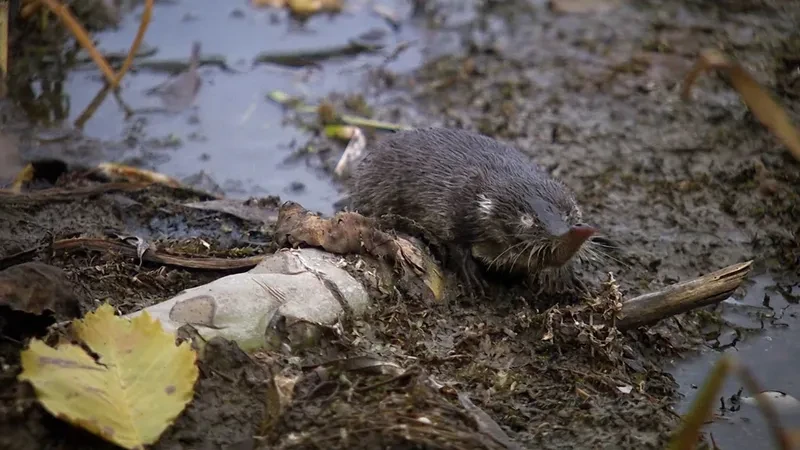
What's wrong with my swamp? I've lived here my whole life, and I recommend you do too!
And they don't really have anywhere to live. After all, deforestation and plowing up meadows lead to the degradation of the shoreline, and the desmans' secluded nests are destroyed, while the compacted soil becomes soft and crumbly, unsuitable for digging. What's doubly unpleasant is that artificially stabilizing the banks with stones and concrete only makes the situation worse. After all, moles haven't yet learned to dig through concrete. Even special ones like desmans.