Giant Sloths with the Mentality of Excavators and 600-Meter Tunnels, the Exact Origin of Which Scientists Still Can't Explain (10 photos)
Hidden in the northern part of South America, beneath the hills of Brazil and Argentina, lies something that doesn't fit into any geology textbook. 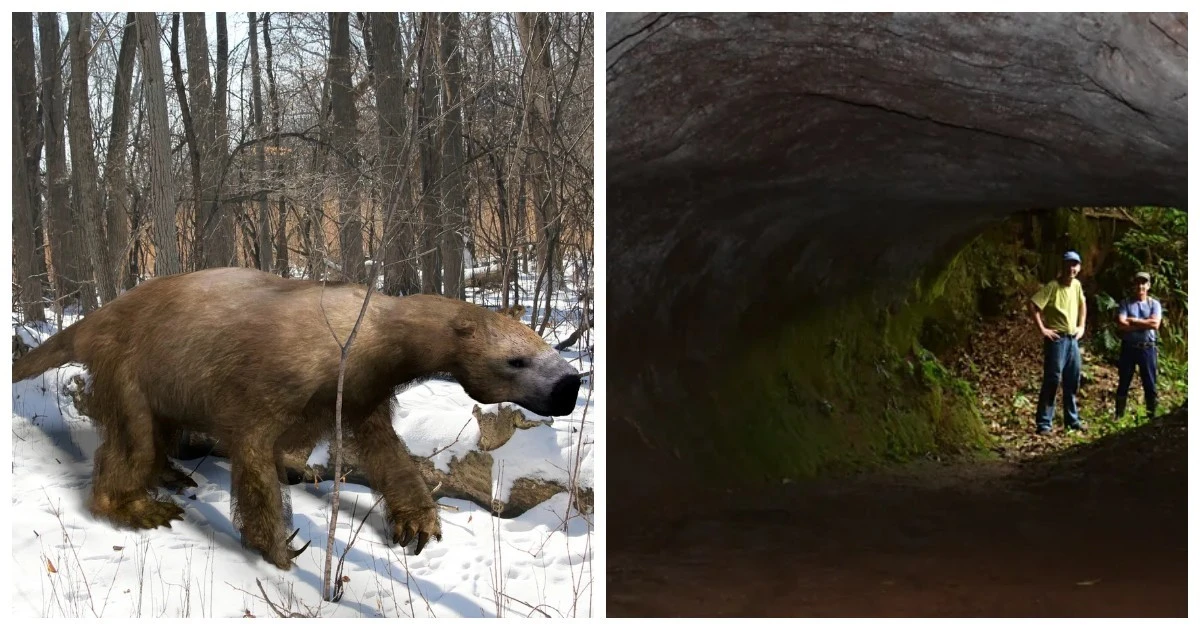
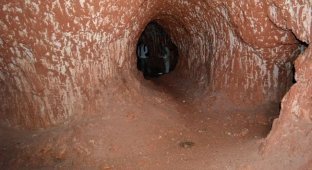
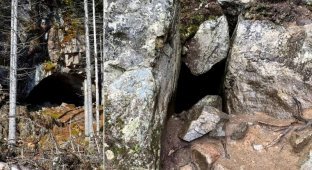
These are hundreds of gigantic tunnels, so vast that an adult can walk through them without bending over. But they weren't dug by humans. And they weren't created by nature. 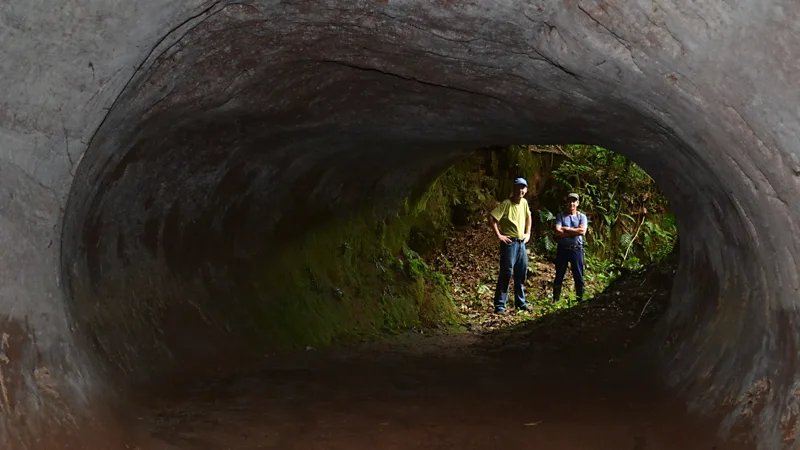
The walls and ceilings contain irrefutable evidence: enormous parallel scratches that could only have been made by the claws of a monstrous creature. 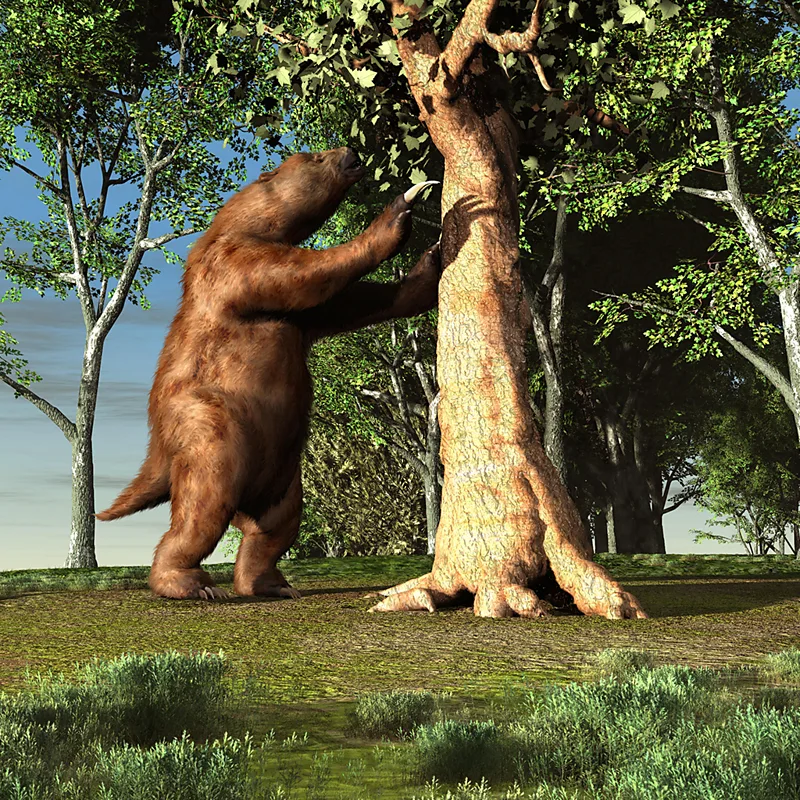
Geologists call these underground chambers paleontology. And the leading theory about their origin is that they were excavated by an extinct species of giant ground sloth. 
The term was coined by Brazilian professor Heinrich Frank of the Federal University of Rio Grande do Sul. In the early 2000s, he accidentally stumbled upon one such tunnel at a construction site in the city of Novo Hamburgo. Until then, there had been virtually no scientific literature on them. 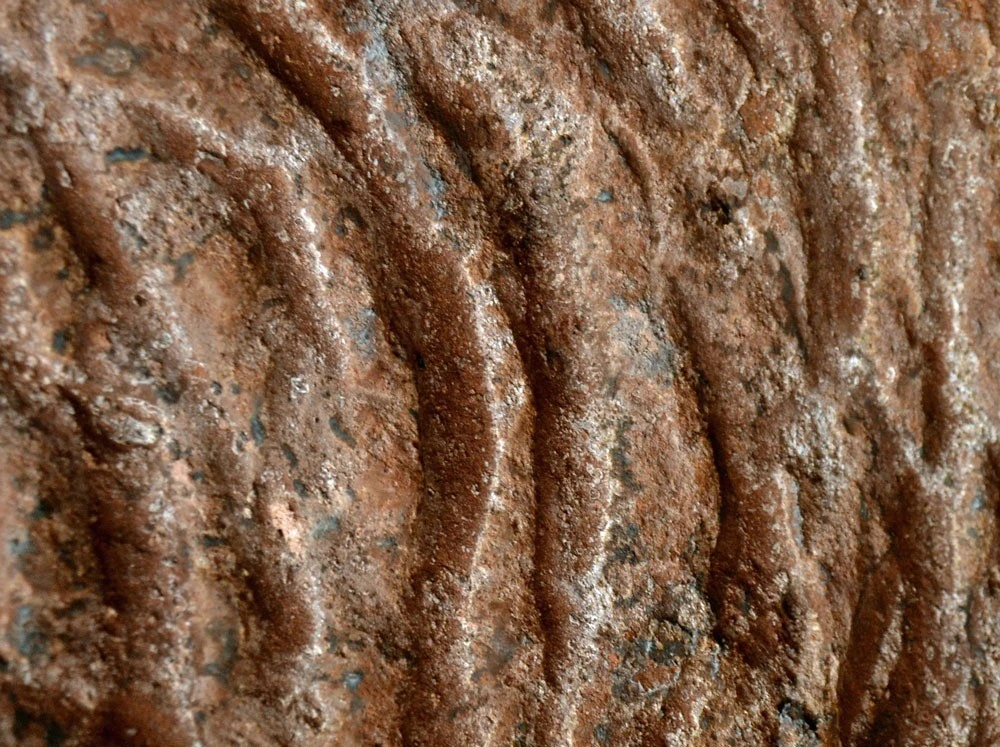
But since that first discovery, Frank and his colleagues have discovered more than 1,500 tunnels in the state of Rio Grande do Sul alone. Some stretch for hundreds of meters, branching off in different directions like underground highways. 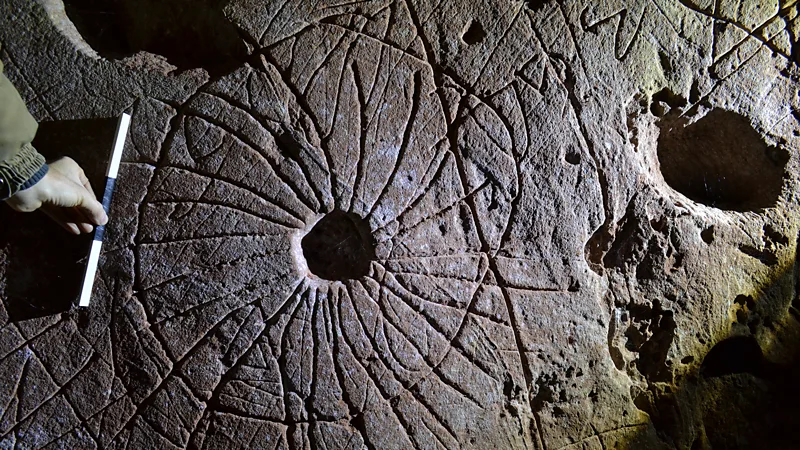
The largest measured tunnel reaches 600 meters in length, two meters in height, and between one and one and a half meters in width. Carving it out of the rock required the movement of approximately 4,000 tons of earth and rock. Clearly, this was the work of not just one individual, or even two, but several generations. 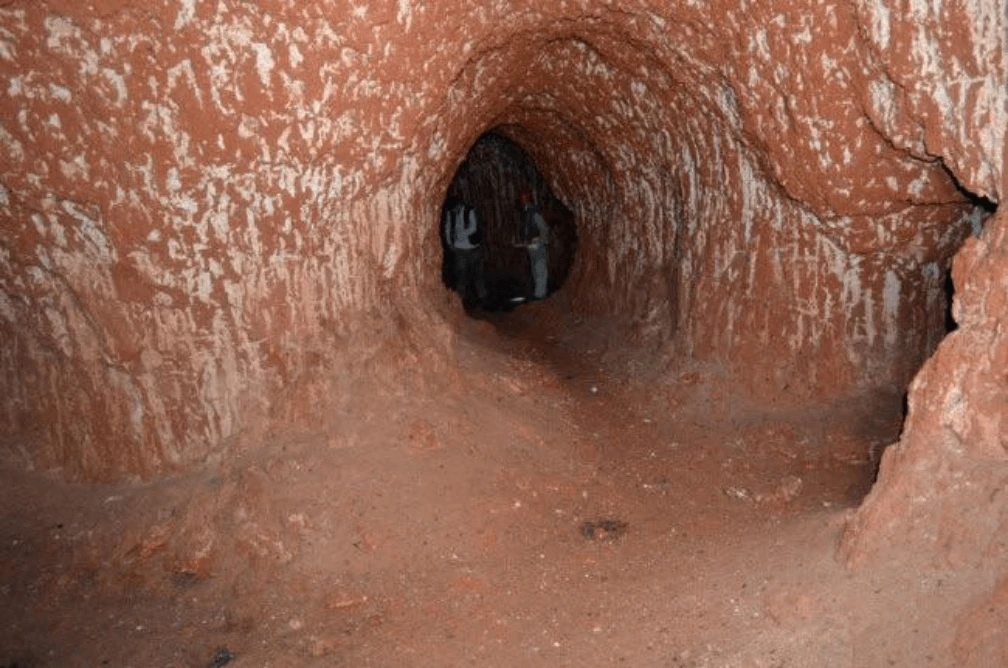
Frank believes the tunnels were dug by giant ground sloths of the genus Megatherium (or related species), about the size of modern elephants. They were among the largest land mammals in Earth's history, second only to mammoths. They lived about 10,000 years ago and then went extinct. 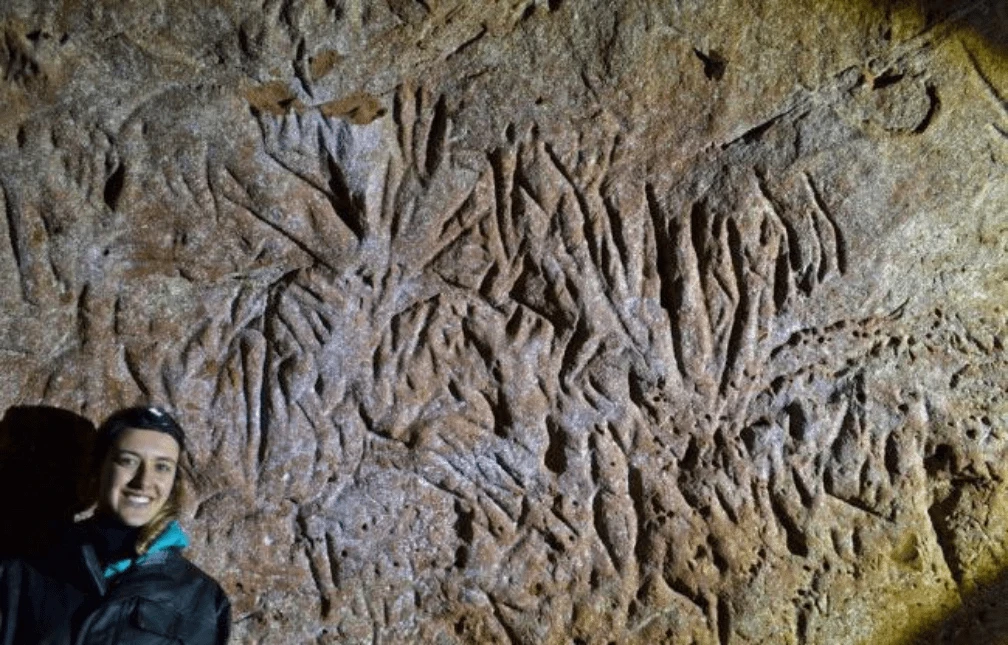
However, there is an alternative theory. Some scientists believe that the tunnels were built by extinct giant armadillos. They were smaller, but also capable of digging. 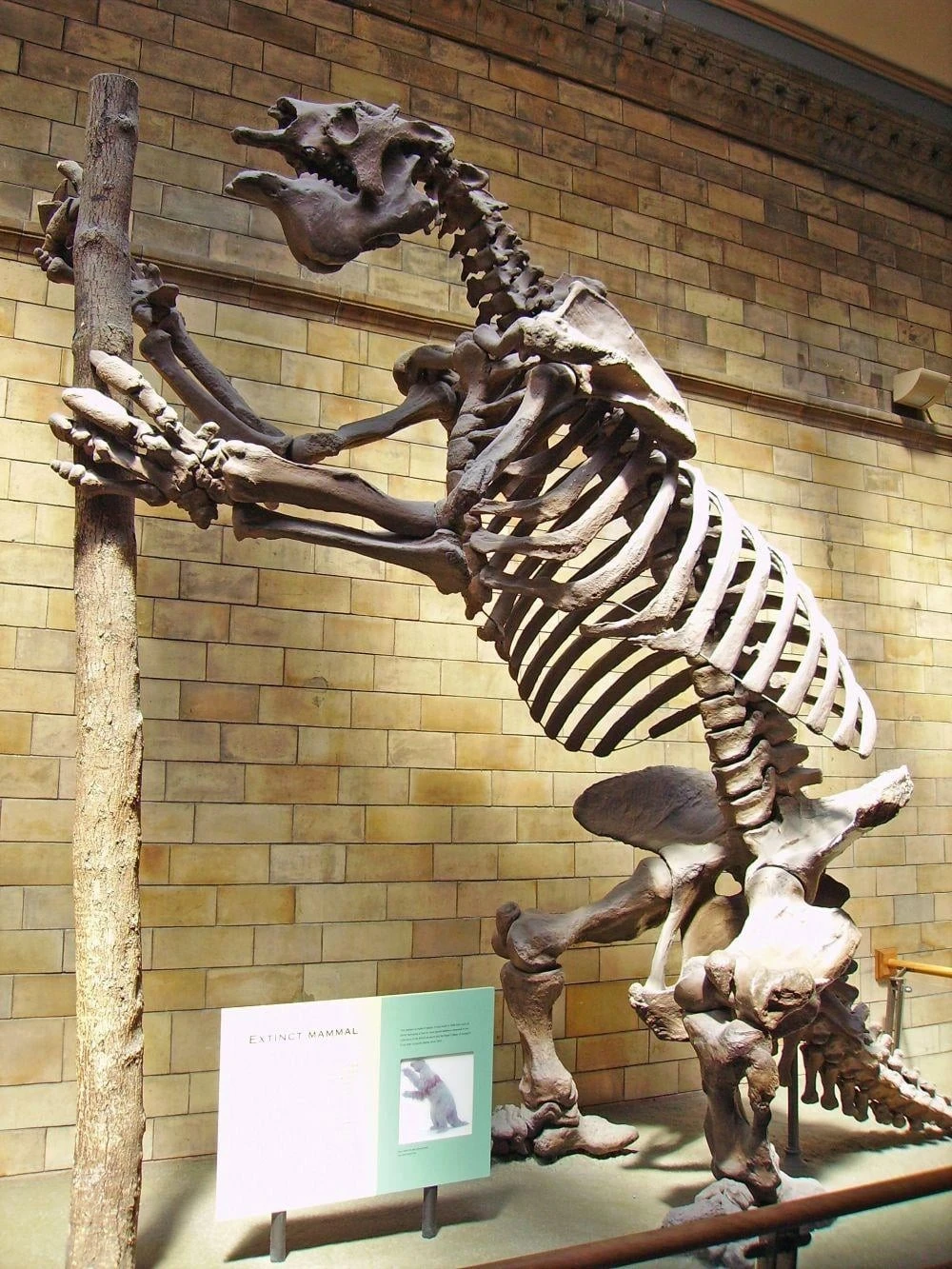
Whoever built them, Frank and his team still can't explain why tunnels of such size were needed. Refuge from predators? Shelter from the elements? Sharpening claws? The geography also remains a mystery. Paleonores are found only in southern Brazil (Rio Grande do Sul, Santa Catarina) and Argentina. In northern Brazil and other South American countries, there are only a few. And in North America, where giant sloths also lived, none have yet been found.
Hundreds of questions still surround the paleonores. Who built them? Why? How and when exactly? 
Since 2025, paleonore research has reached a new level. An article about the "Paleonores" project was recently published in the scientific journal Nature. Scientists have officially identified two new ichnotaxa (types of fossil traces of life)—Megaichnus minor and Megaichnus major—based on the size of the tunnels. The geographic range has also expanded.
In 2025–2026, new paleontological sites were discovered in Argentina, and the largest complex ever discovered, over 600 meters long, was discovered in the Amazon. Today, these tunnels are no longer just a geological curiosity, but an important tool for reconstructing the behavior of Pleistocene megafauna. But the main question that continues to plague scientists—why these gigantic creatures expended such enormous effort digging tunnels far larger than themselves—remains unanswered.