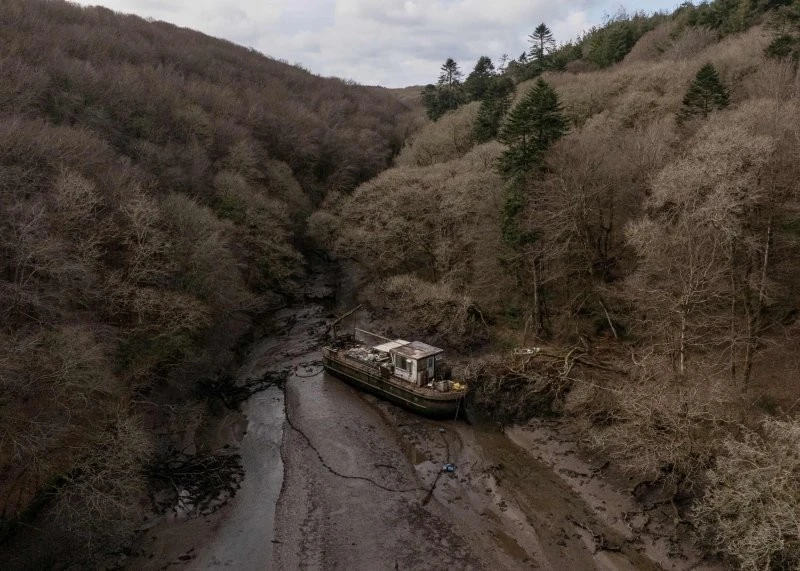
A Briton has set himself the task of removing 166 yachts that are poisoning the water (5 photos)
Marine engineer Steve Green single-handedly cleans the backwaters of the Helford and Fal rivers in Cornwall, UK. 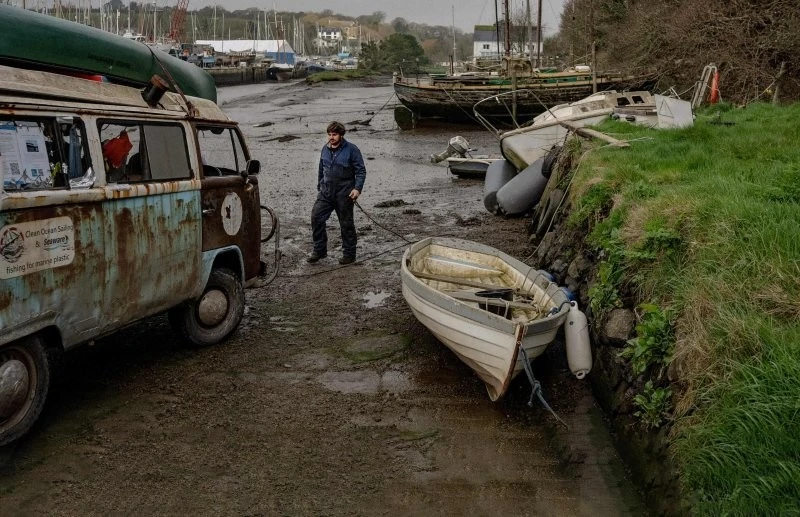
The UK faces a problem with abandoned yachts due to the mass production of fiberglass pleasure boats. Yachts built in the 1960s and 1970s have reached the end of their useful lives. These vessels are simply abandoned, where they decompose and release fiberglass fragments into the water, causing serious harm to marine life. Furthermore, abandoned yachts pollute the water with resin-based paint and petroleum products.
Working on just one yacht takes several days. Green cleans the vessel of silt and debris, then finds a suitable place to load it onto a trailer. 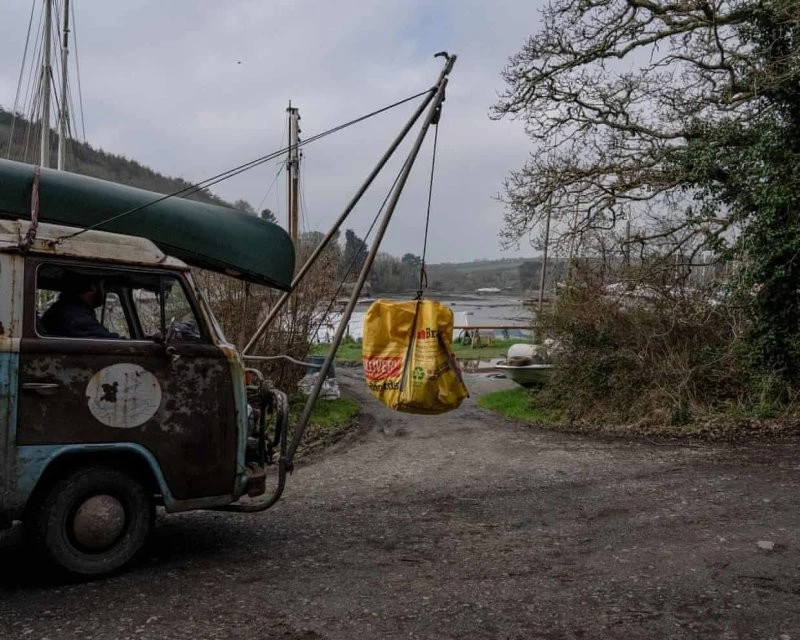
Furthermore, there is a disposal fee. This is one reason why owners abandon their vessels: they don't want to pay or take on the responsibility of disposal.
For example, Green has already paid £1,200 (over 122,000 rubles) for a 22-foot yacht, the Hurley, which has also attracted the attention of the police, who have raised questions about it. Recycling larger yachts can cost up to £3,000. 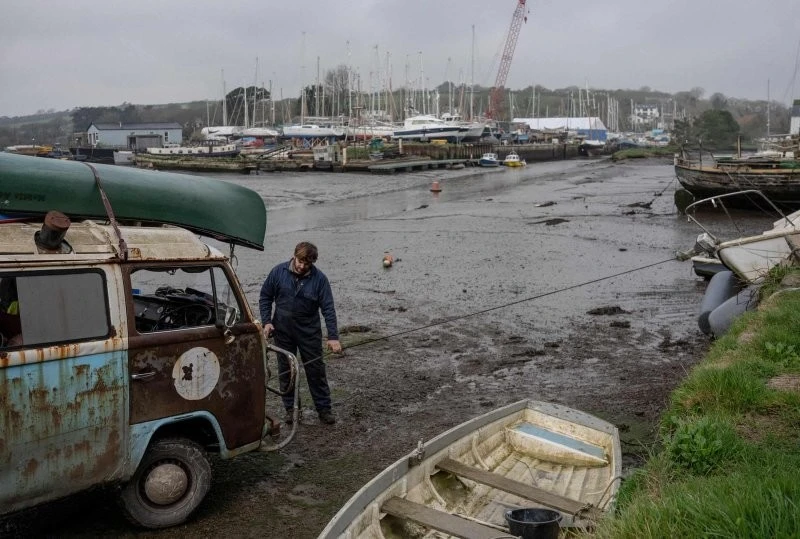
Steve Green and his wife run Clean Ocean Sailing, an organization that relies solely on small charitable grants, crowdfunding, and volunteers. Last year, Green spent £8,000 on credit cards when grants weren't enough to recycle all the abandoned yachts.
"I have to find a balance between not going too broke and jeopardizing my children's lives, and wanting to preserve the environment for their future," Green said. 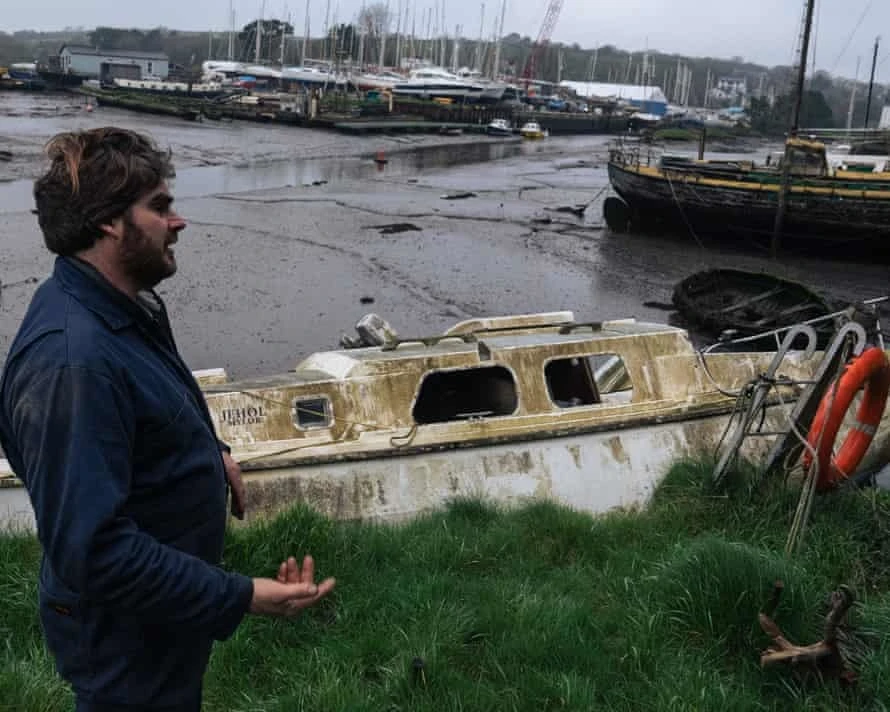
He advocates for his homeland to follow the example of France, where boat manufacturers pay an environmental tax on every boat sold. This tax is levied in addition to the annual tax on boat owners, who are easily traceable since boats must be registered, and is used to fund 35 free boat recycling centers across the country.