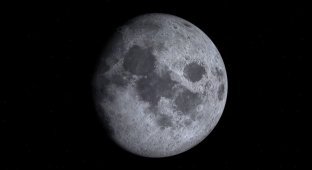
NASA published the first-ever photo of a solar eclipse beyond Earth (4 photos + 1 video)
The astronauts also recreated the famous 1968 photo taken by their colleague during the Apollo 8 mission. 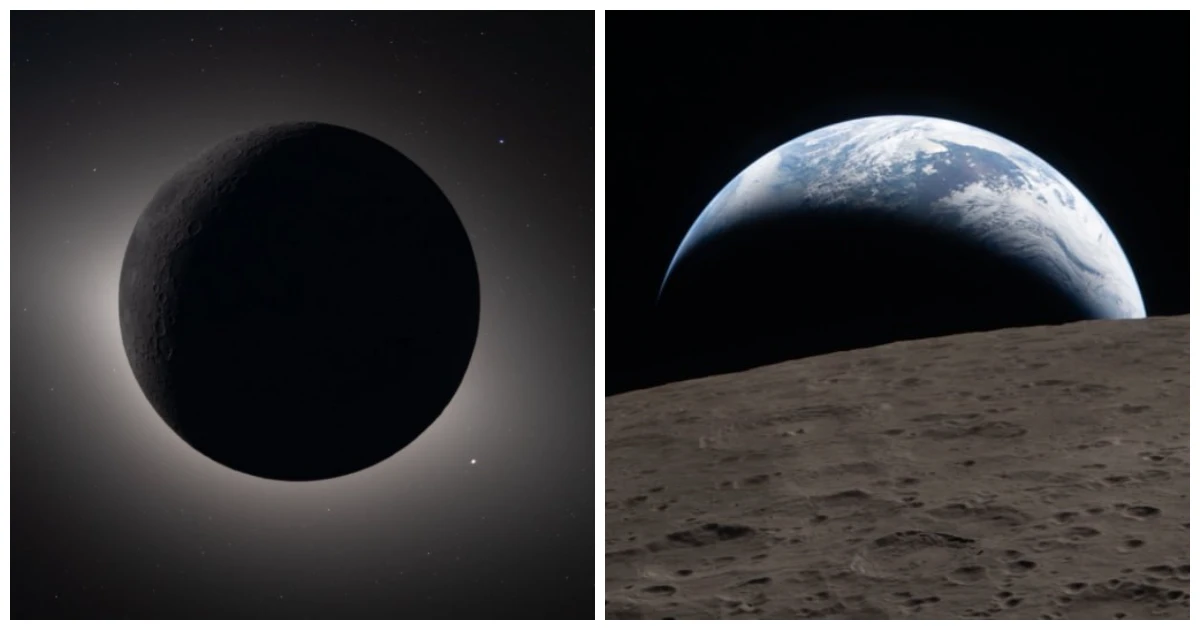
The US National Aeronautics and Space Administration (NASA) has published several more historic photos. The astronauts captured the first-ever total solar eclipse beyond Earth and also captured a photo of the far side of the Moon with Earth receding beyond the lunar horizon. This photograph is a modern version of the legendary "Earthrise" photograph taken by astronaut William Allison Anderson aboard Apollo 8 in 1968.
The Artemis 2 astronauts captured this image of the eclipse on April 6, when the Orion spacecraft was on the far side of the Moon. The eclipse was reportedly unique, as none of the Apollo missions observed such a phenomenon from lunar orbit due to the peculiarities of their trajectories and flight schedules at the time.
"A total eclipse beyond Earth. From lunar orbit, the Moon eclipses the Sun, revealing a spectacle few in human history have ever seen," NASA captioned the image. 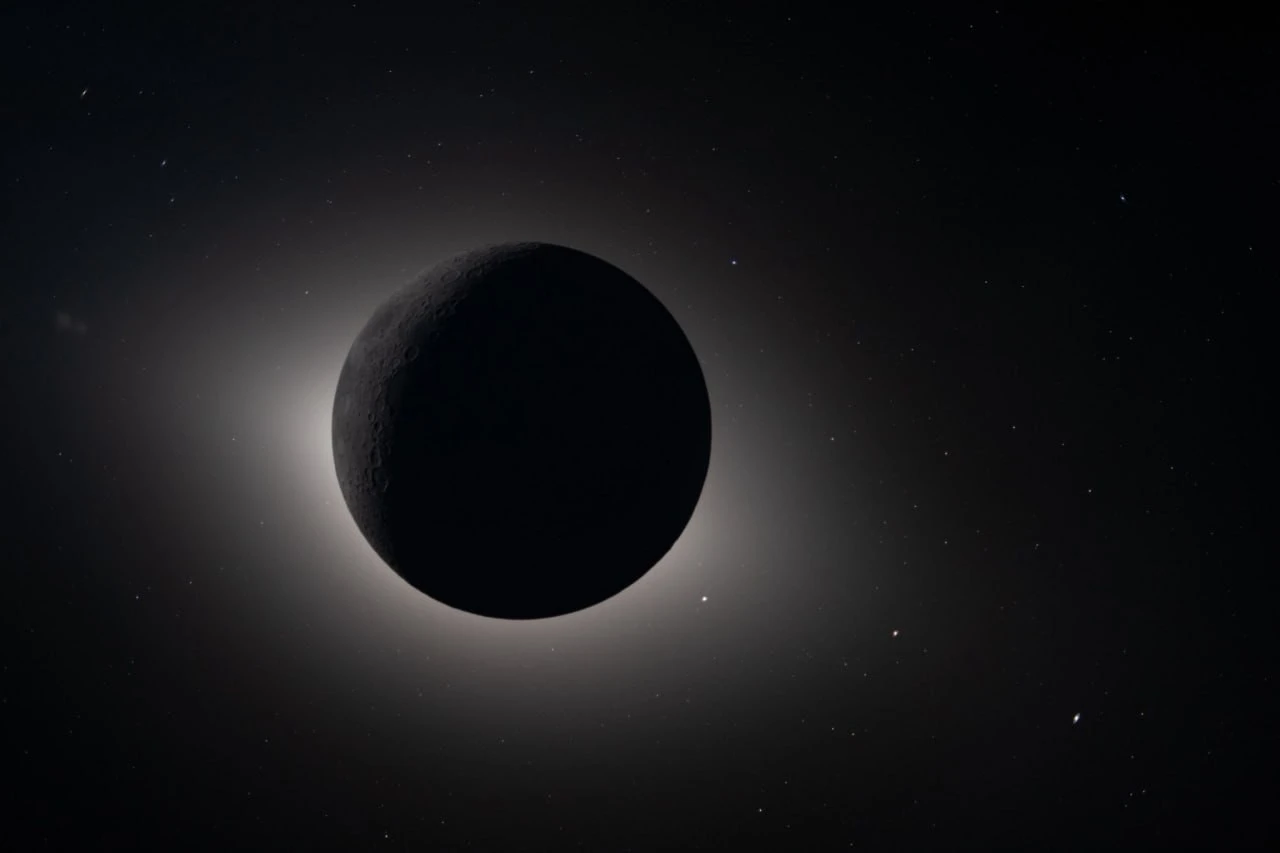
"The Sun has gone behind the Moon, but the corona is still visible—it's bright and creates an almost complete halo around the lunar disk. And from Earth's side, the Earth's reflection is already visible. Literally a few seconds after the Sun disappeared, the Earth's bright glow became noticeable. The Moon hangs before us like a black ball—not just black, but gray, fading to black. Stars and planets are visible behind it," astronaut Victor Glover said of the eclipse.
It was also reported that the Artemis II astronauts broke the distance-from-Earth record for the first time in 55 years. The previous record was set by the Apollo 13 crew in 1970. Back then, the spacecraft carrying the astronauts traveled approximately 400,000 kilometers from Earth, while Orion will travel more than 6,000 kilometers farther.
"Artemis II astronauts have broken the record for the farthest distance from Earth..." This record was set during the Apollo 13 mission, when the crew traveled more than 400,000 kilometers from Earth," NASA said in a statement. 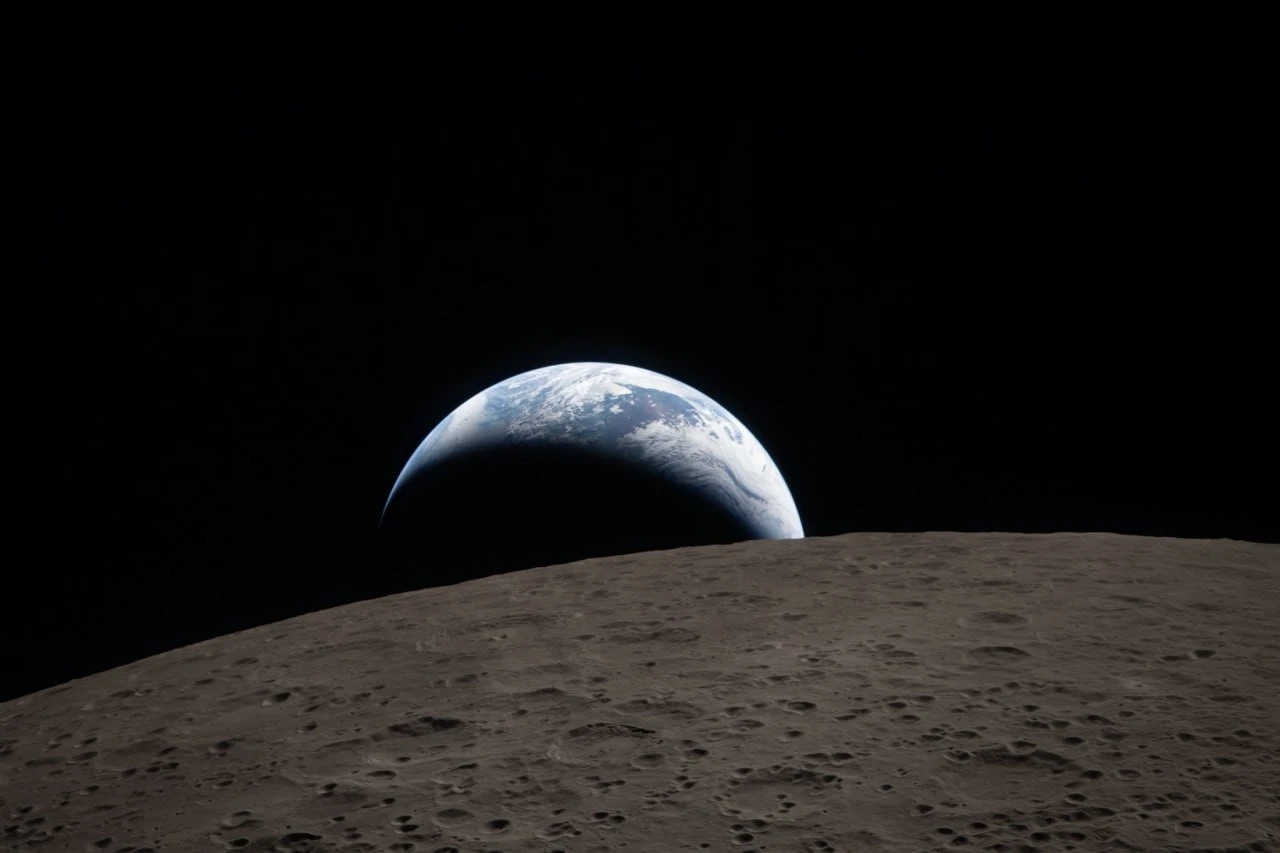
"Humanity on the other side. The first photo from the far side of the Moon," NASA captioned the image.
The Orion rocket launched from Cape Canaveral, Florida, on April 1. This is the first human flight beyond low-Earth orbit in 50 years. The four-person crew will orbit the far side of the Moon and return to Earth, splashing down in the ocean. The Artemis 2 mission is considered a training mission for the Artemis 3 mission, which will see astronauts set foot on the surface of the moon.
The astronauts are expected to return to Earth on April 11. The crew includes NASA astronauts Reed Wiseman, Victor Glover, and Christina Koch, as well as Canadian Space Agency astronaut Jeremy Hansen. 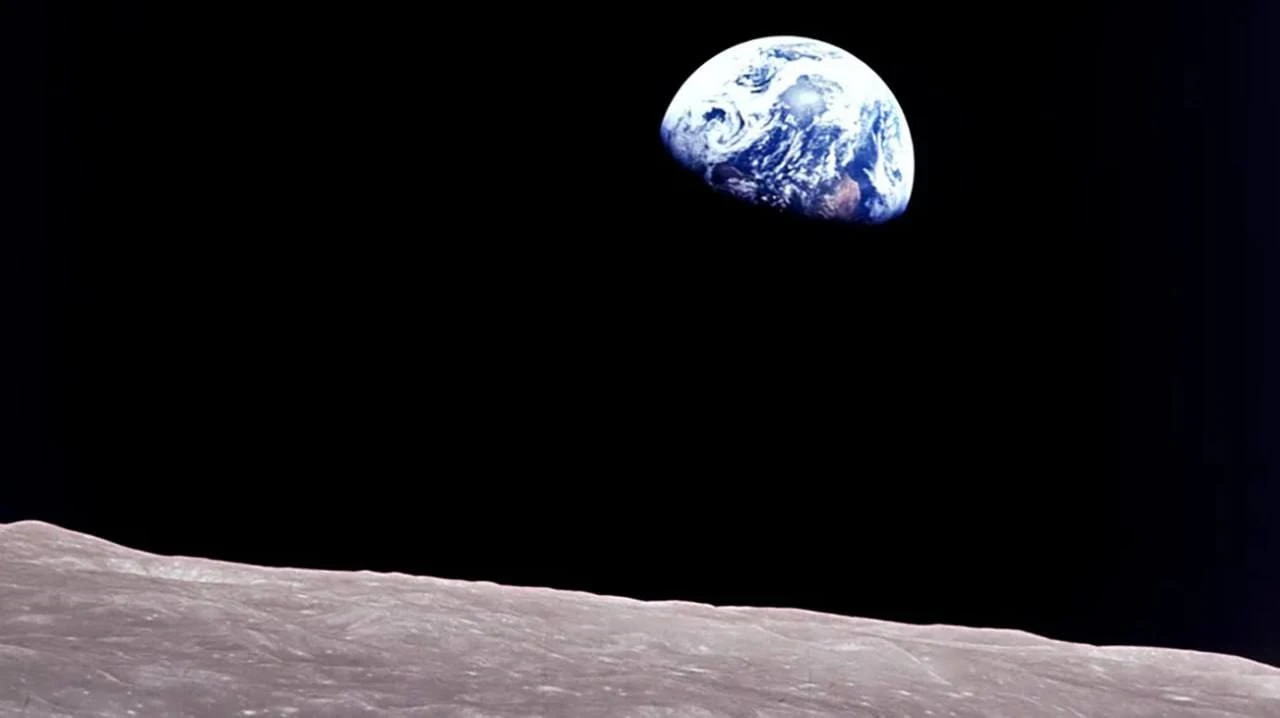
"Earthrise." It was this 1968 image that the Artemis 2 astronauts attempted to replicate.
The astronauts also obtained the most detailed image of the Moon to date. Using the Takahashi TSA-120 telescope, they captured nearly a thousand frames, which they later combined into a single three-dimensional image. </...>