45,000 tons of plastic: engineers are trying to clean up the ocean trash (5 photos)
It's been a while since we started Saturday with news from the ocean. While we're talking about high technology and digital immortality, the reality seems more prosaic. After all, Homo sapiens is the greatest "bastard" in the history of Earth. 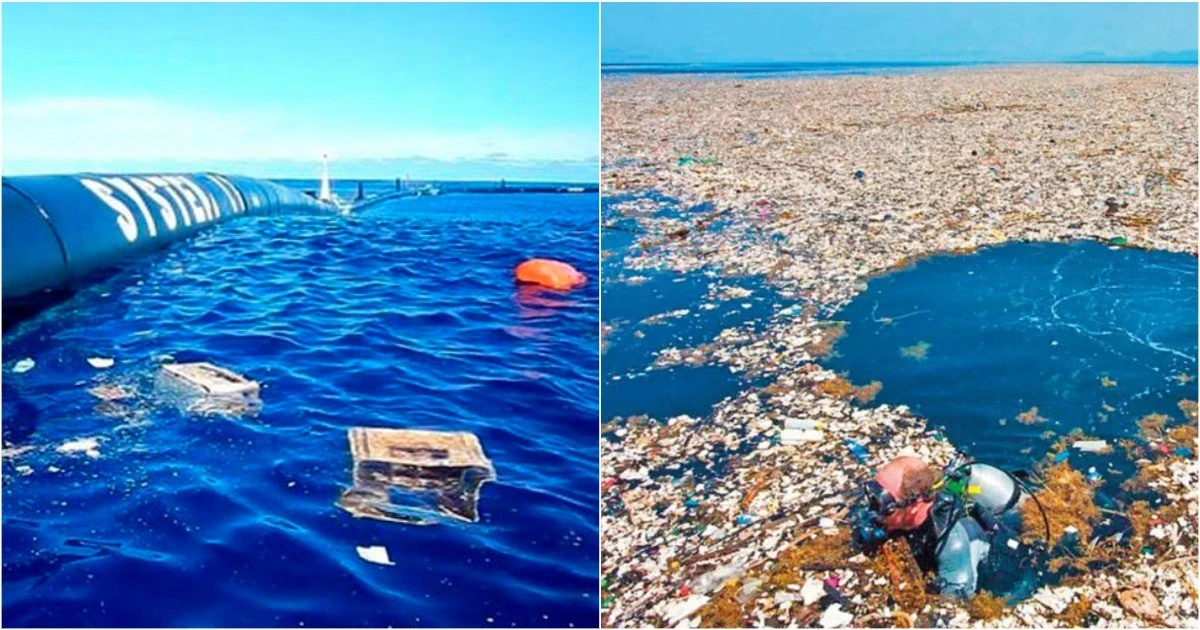
And this week, the startup The Ocean Cleanup presented its latest report on the progress of its efforts to clear away the debris that humans have been consigning "out of sight" for decades.
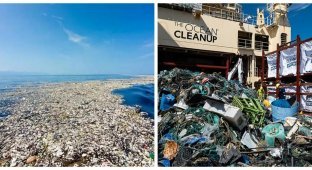
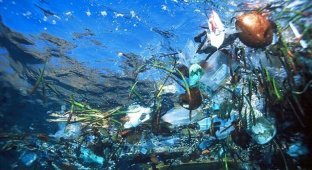
Between California and Hawaii, a monument to our consumer genius drifts – the Great Pacific Garbage Patch. It's not an island on which to plant a flag, but a gigantic suspended mass of plastic three times the size of France. 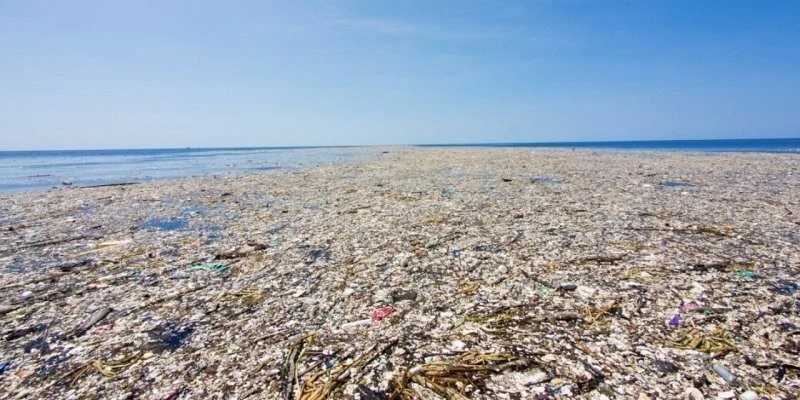
Engineers reported that over 23 expeditions, they managed to recover 45,000 tons of waste from the water. This number sounds impressive until you put it into context. To put it into perspective, approximately 10-12 million tons of plastic end up in the ocean every year. So, by heroically catching 45,000 tons, we've only scratched the surface of our own waste production.
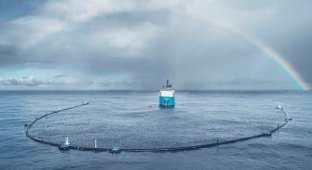
To fish toothbrushes and old flip-flops out of the open ocean, they had to build System 03—a structure of two-kilometer-long barriers that are towed by ships. It's like trying to clean a swimming pool with a tea strainer, but it's the best we have right now. 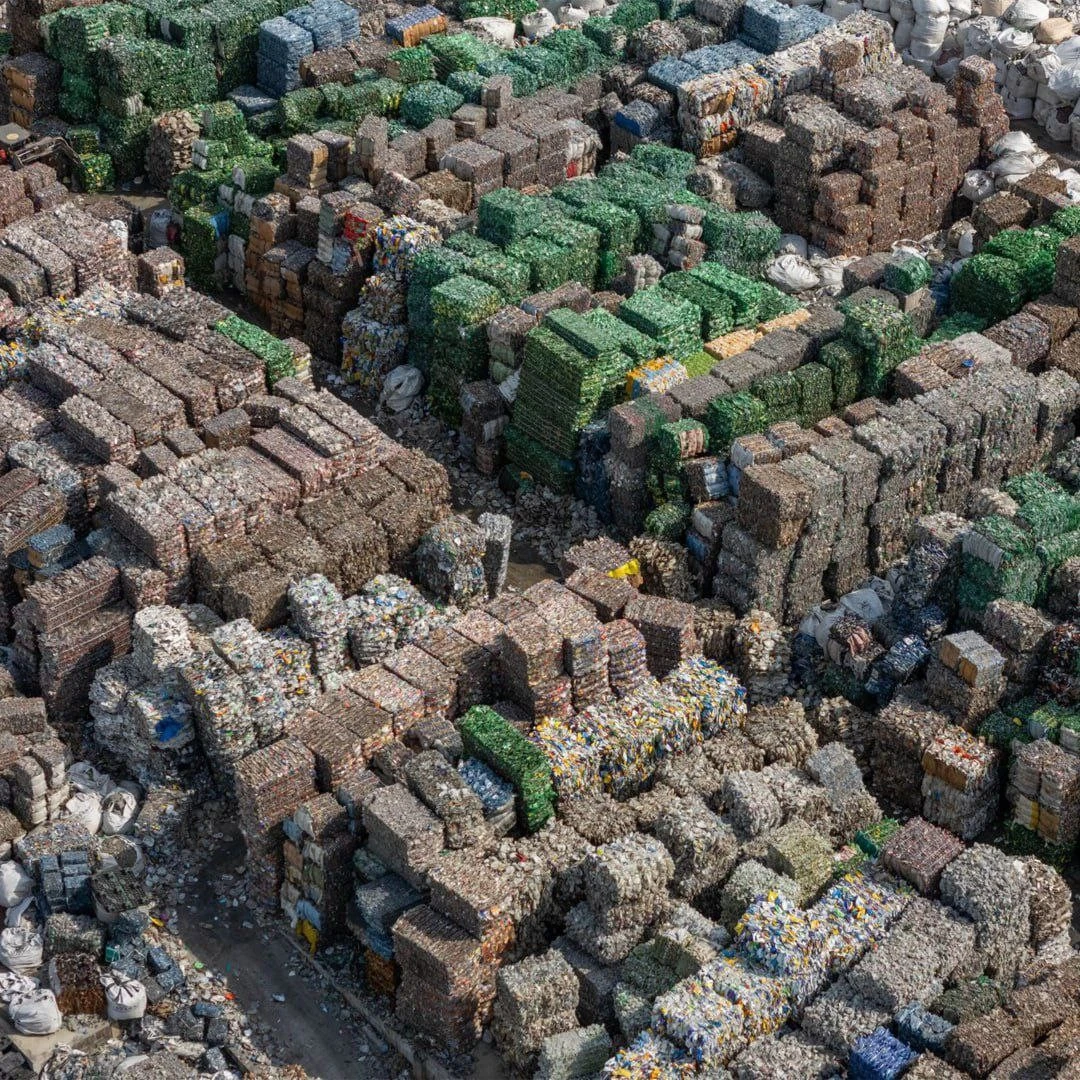
In addition to the ocean "vacuum," the team launched river interceptors. It turned out that 80% of all ocean trash comes from just 1,000 rivers worldwide. Currently, the startup intercepts 2 to 5% of this flow. Success? Absolutely. But this also means that the remaining 95% of plastic continues its unimpeded journey to fish and birds. 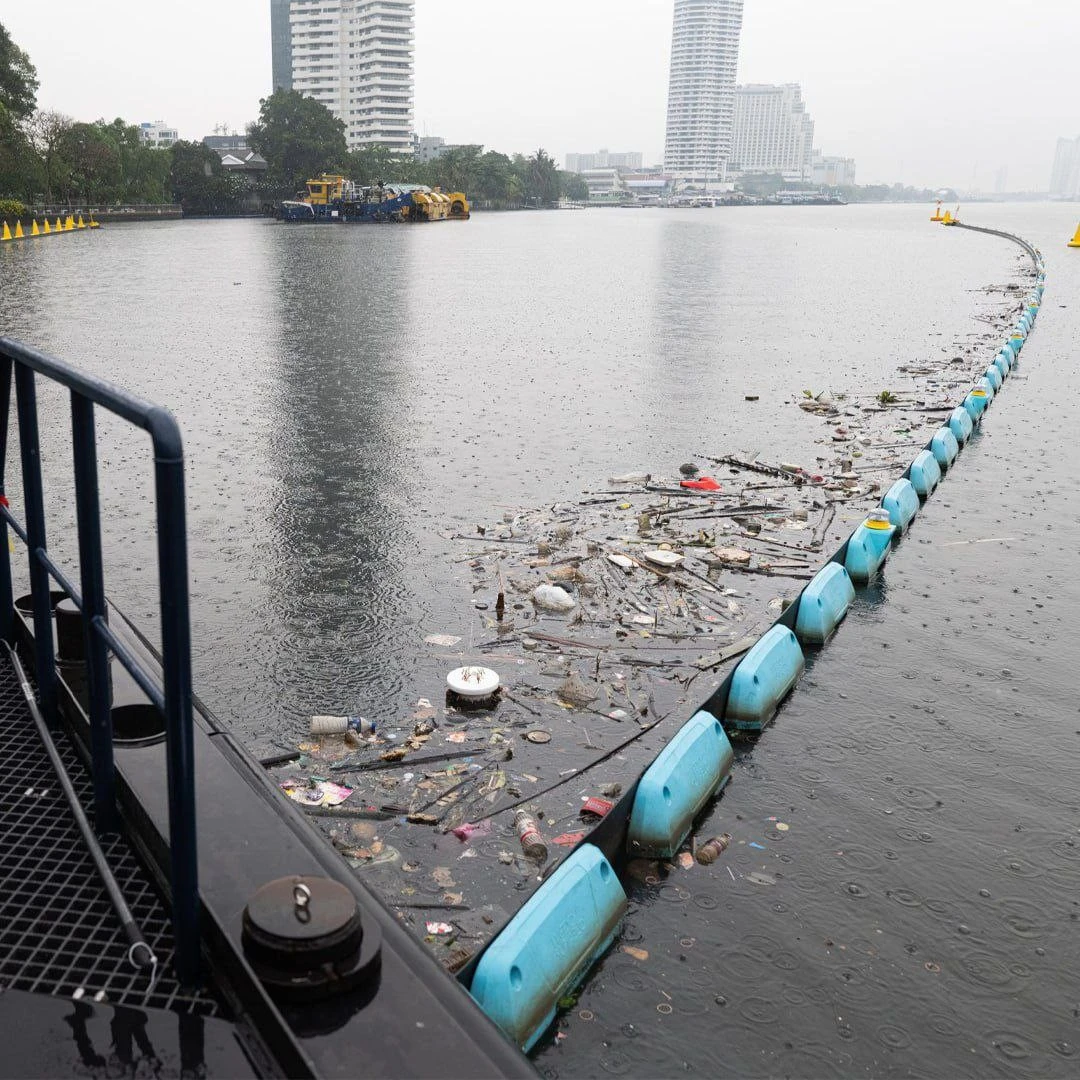
The fact that cleaning the ocean of a small portion of our daily trash requires building massive engineering systems and spending millions of dollars best illustrates the true scale of how much we've polluted the planet. We've learned to produce and discard things at incredible speed, but we're completely unprepared for the fact that one day we'll have to take responsibility for it and literally correct our own mistakes by hand. 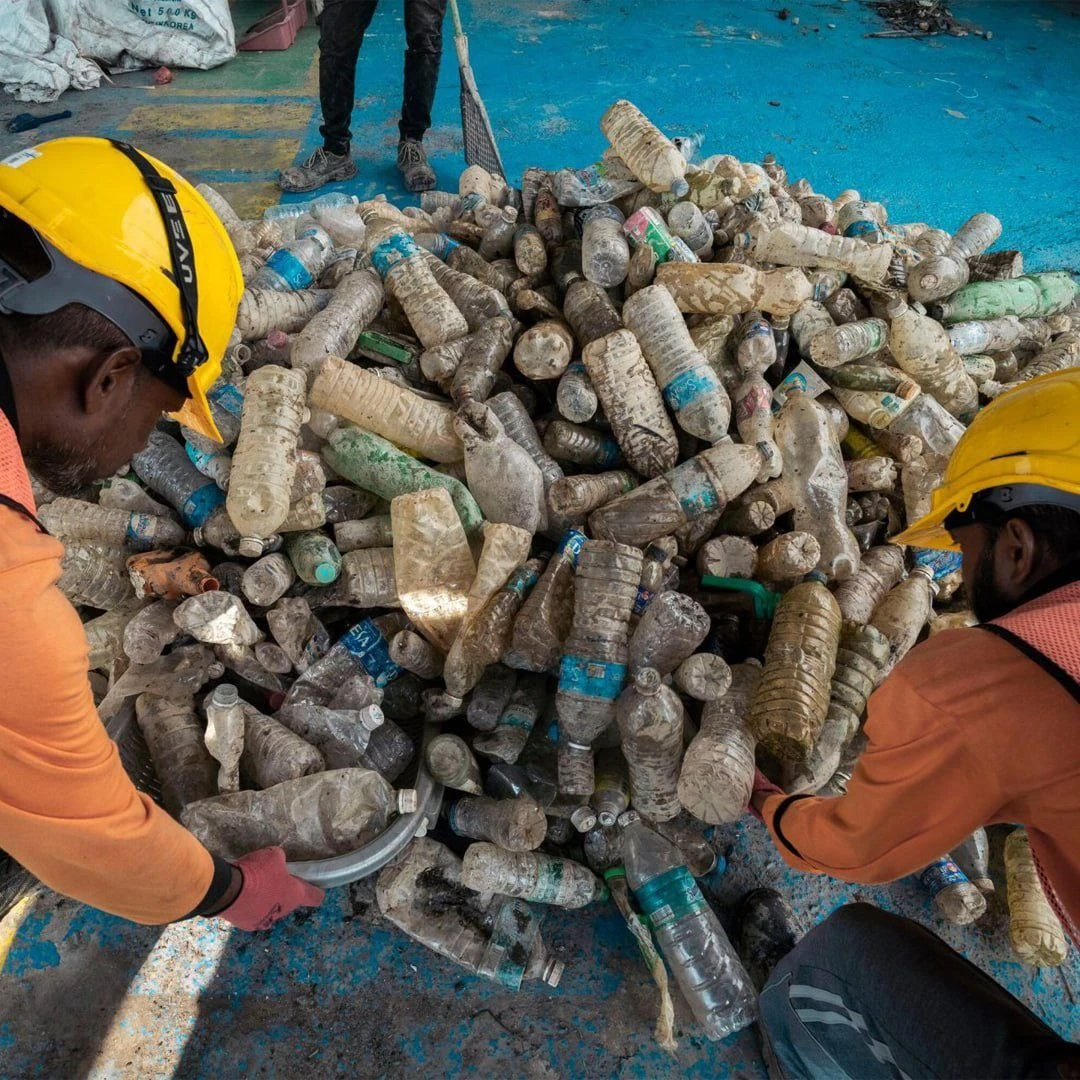
The 45,000-ton result is a major victory for engineers, but compared to the rest of the world's oceans, it only reminds us how deeply plastic has permeated nature. While we rejoice over the fact that one part of the water has become cleaner, the underlying problem remains: humans continue to produce waste far faster than even the most modern technologies can catch it.