Rome in Color Postcards from 1890 – An Ancient City in Vibrant Colors
View of the Roman Forum from the Palatine Hill. 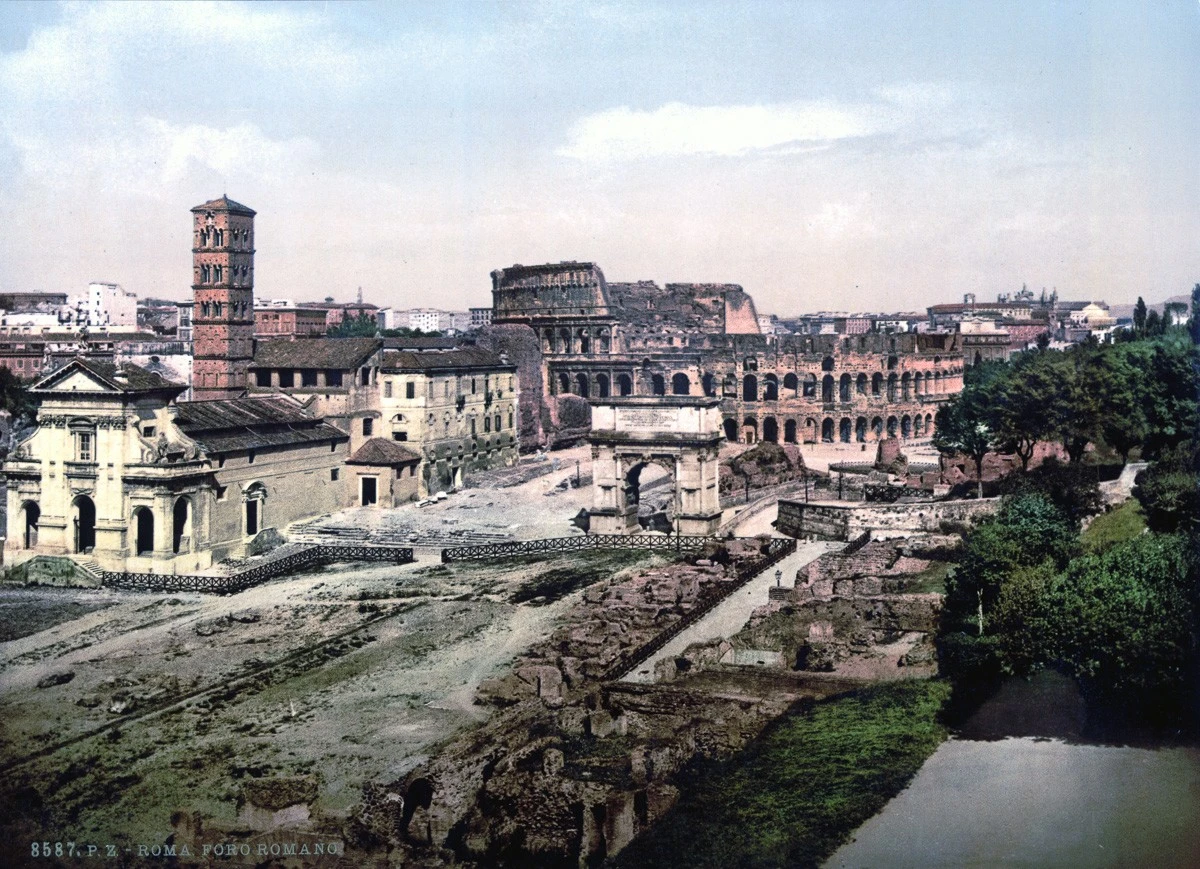
These postcards featuring Rome's ancient monuments were published around 1890. They were created using the Photochrom process, which allowed black-and-white photographs to be colorized. This is a form of chromolithography invented in the 1880s by Hans Jakob Schmidt, an employee of the Swiss printing company Orell Gessner Füssli. The technology was complex and kept secret.
The process involved creating a lithographic stone from a photographic negative. A separate printing plate was made for each color. Up to 15 different printing stones could be used in the production of a single postcard. The result was color photographs with amazingly realistic colors.
Photo credit: Library of Congress.
View of the Roman Forum. 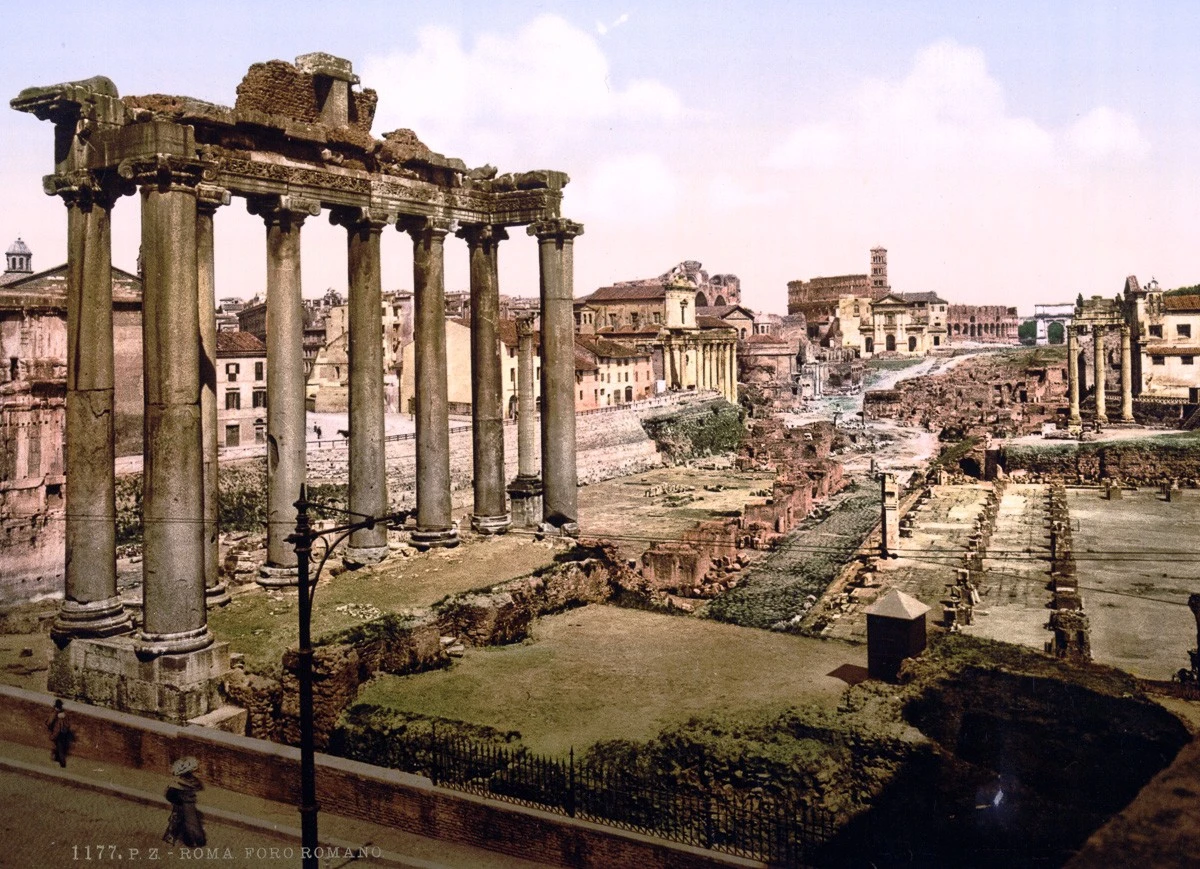
View from the Palace of the Caesars. 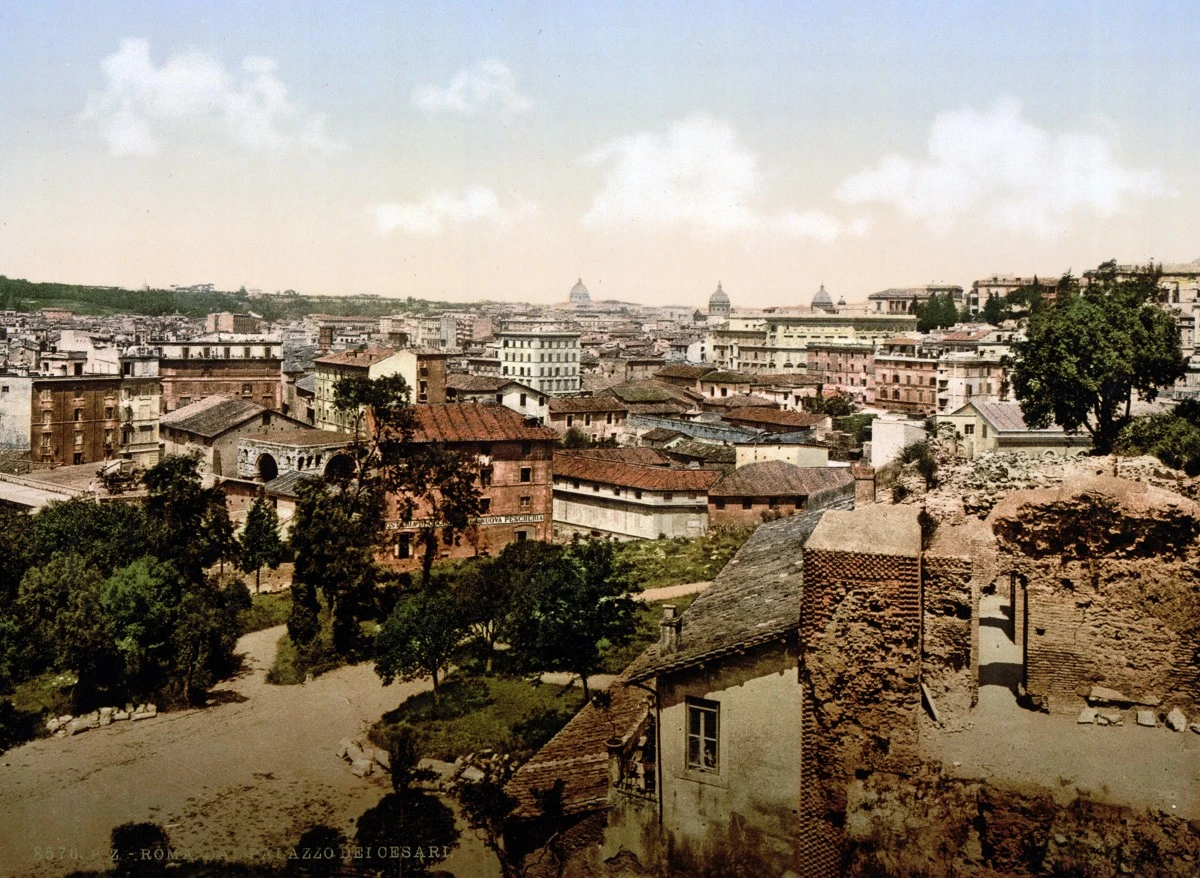
View from the Palatine. 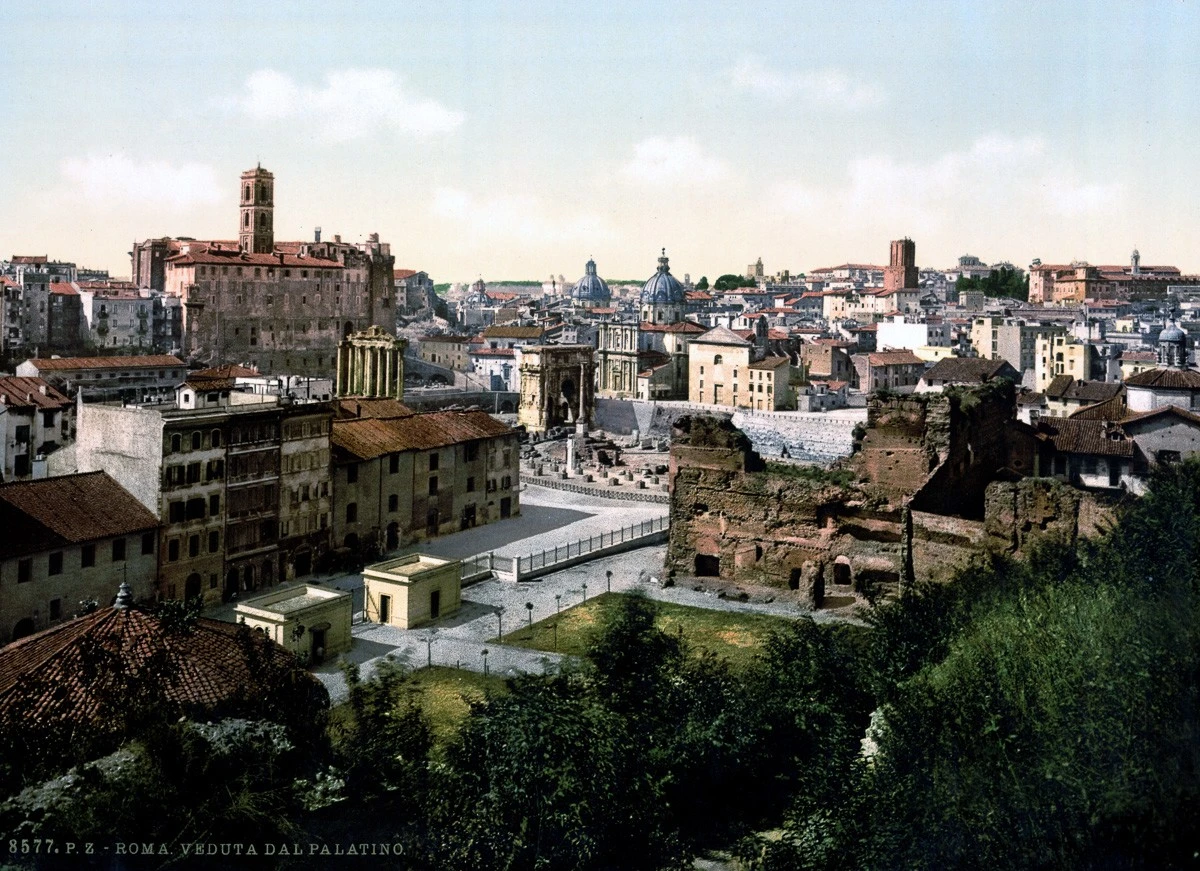
Inside the Colosseum. 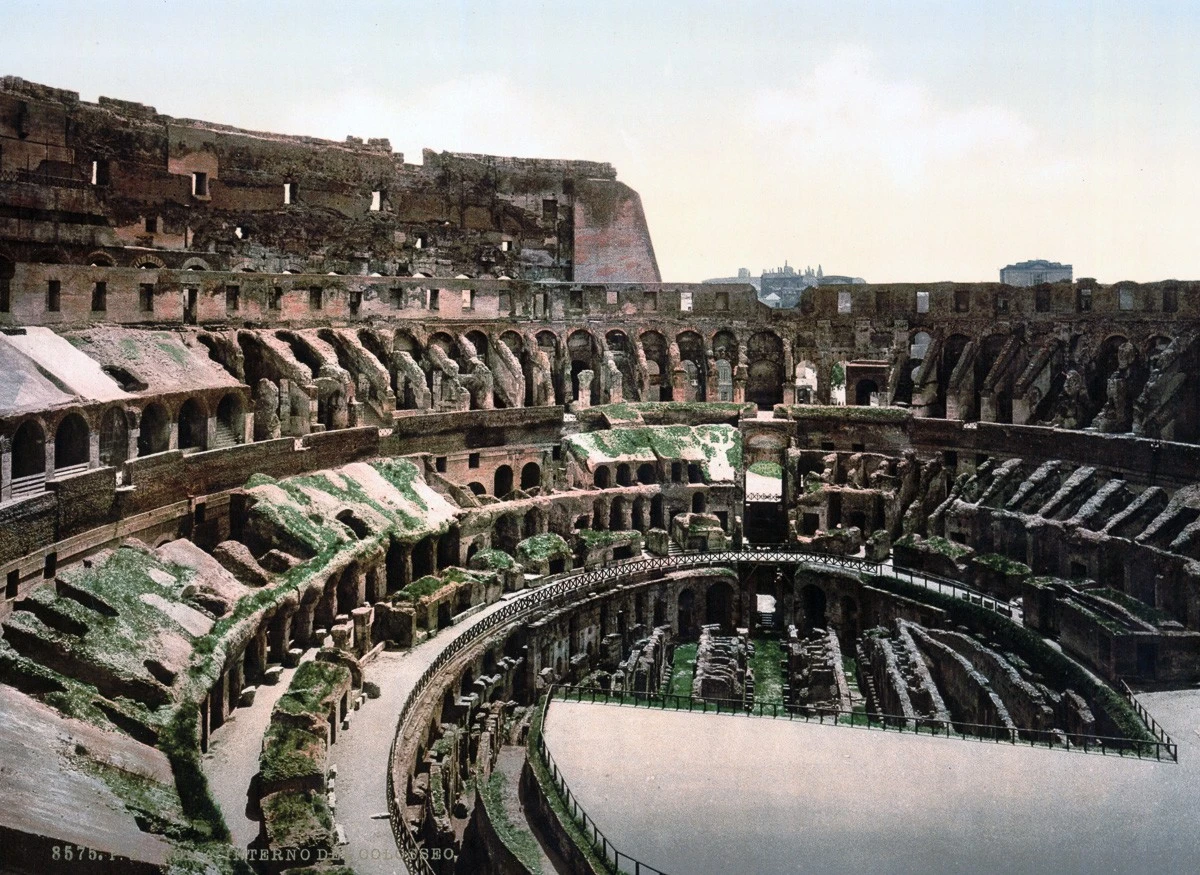
Inside St. Paul's Cathedral. 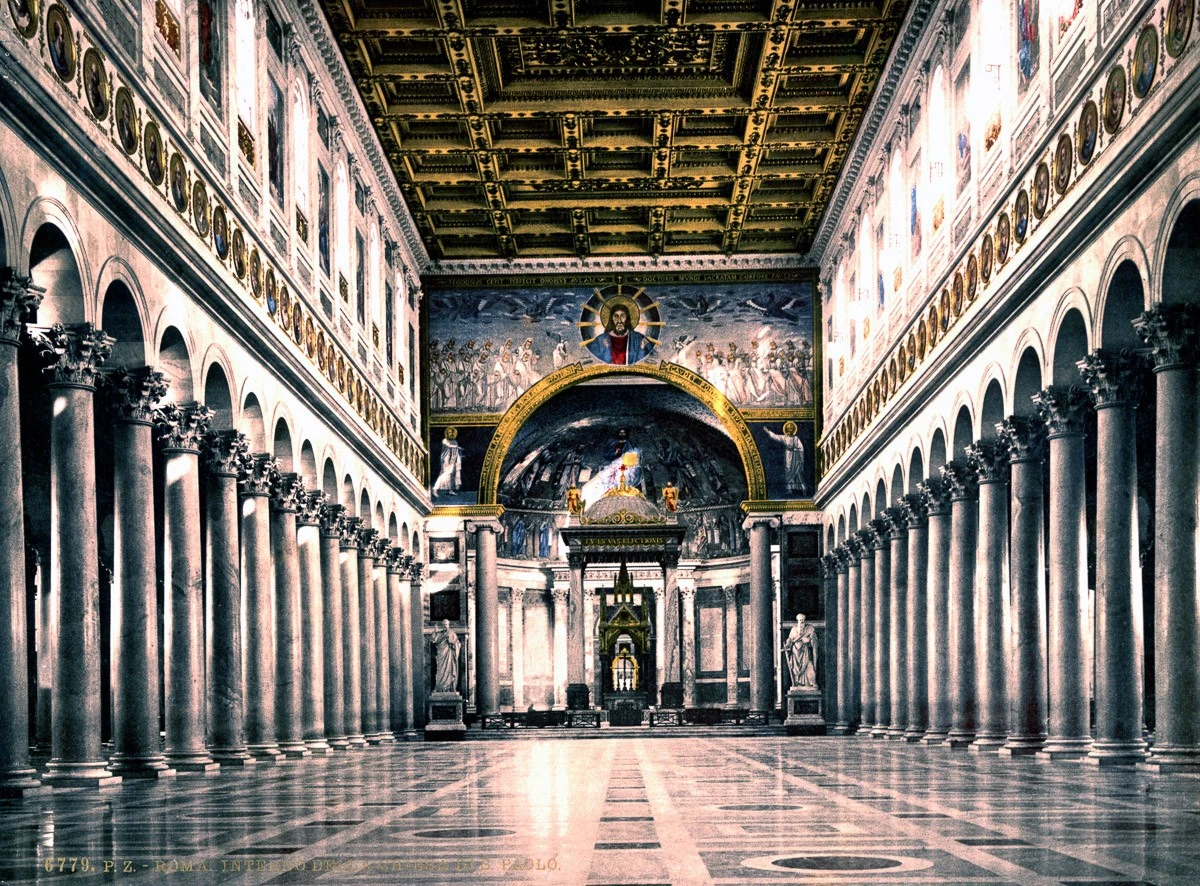
The Colosseum and the ancient Meta Sudans Fountain. 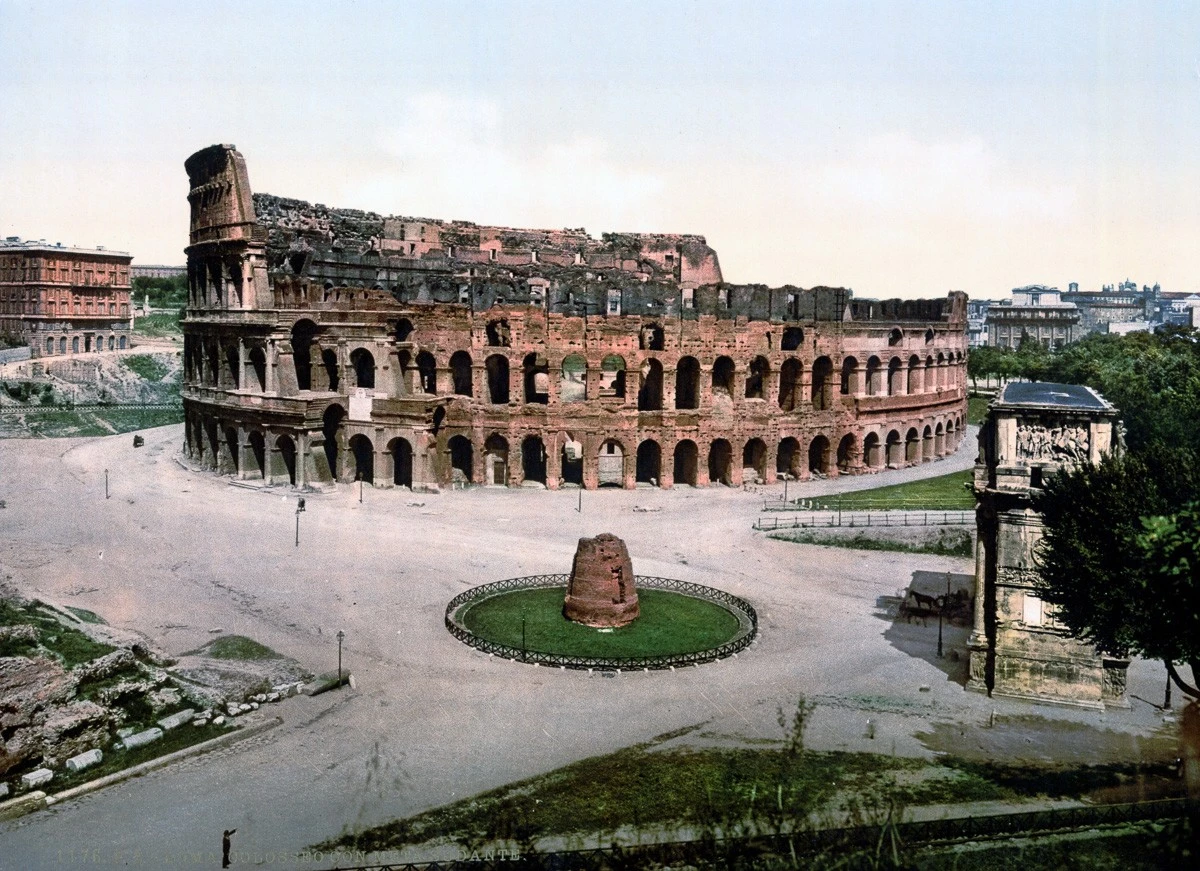
The Colosseum. 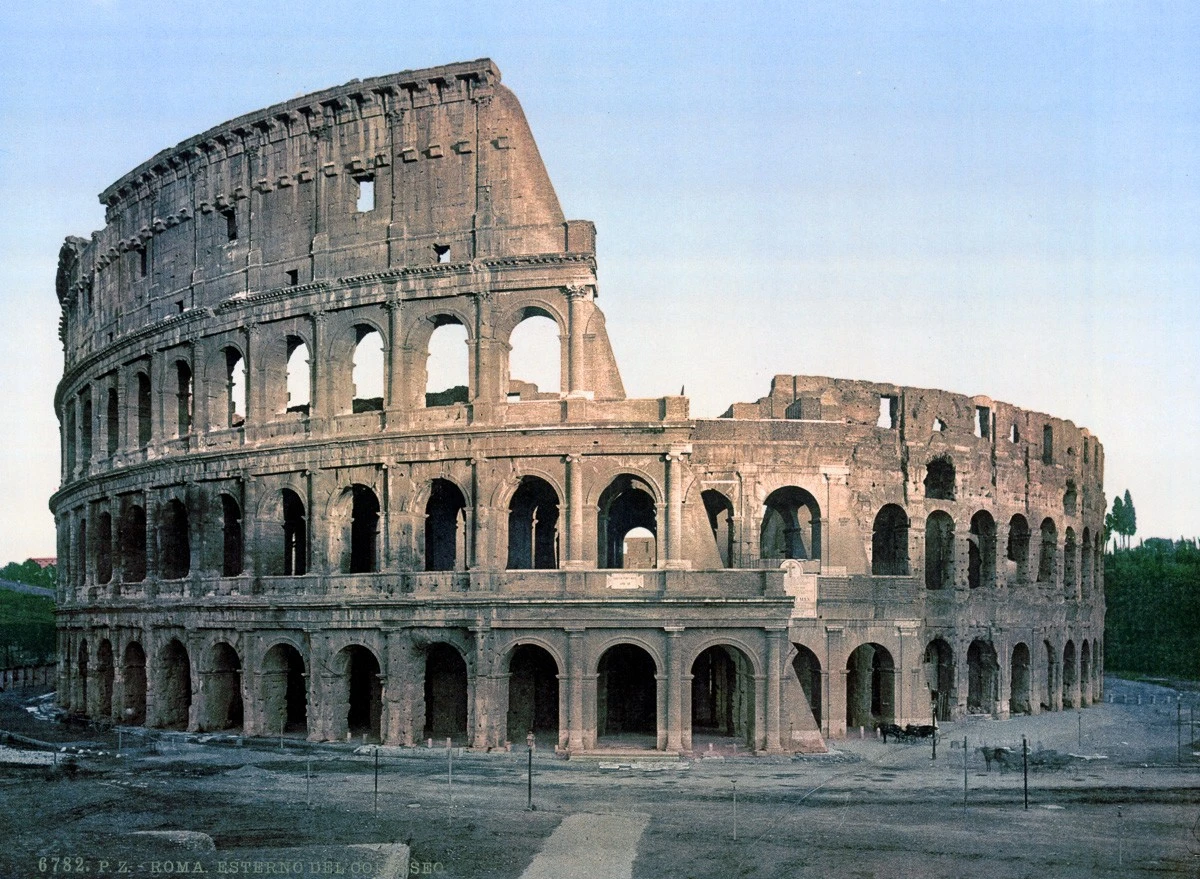
Trajan's Column. 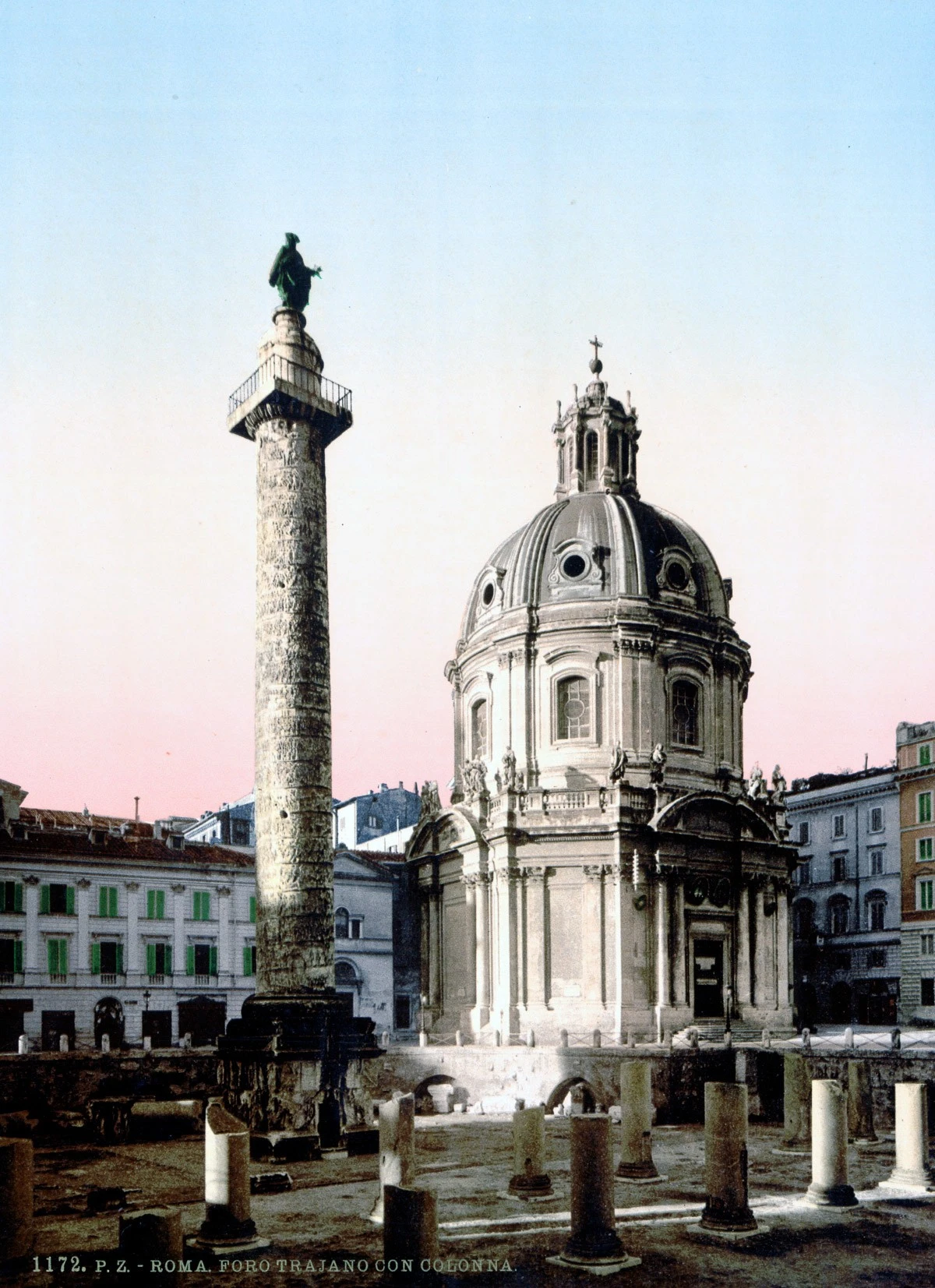
Tomb of Victor Emmanuel. 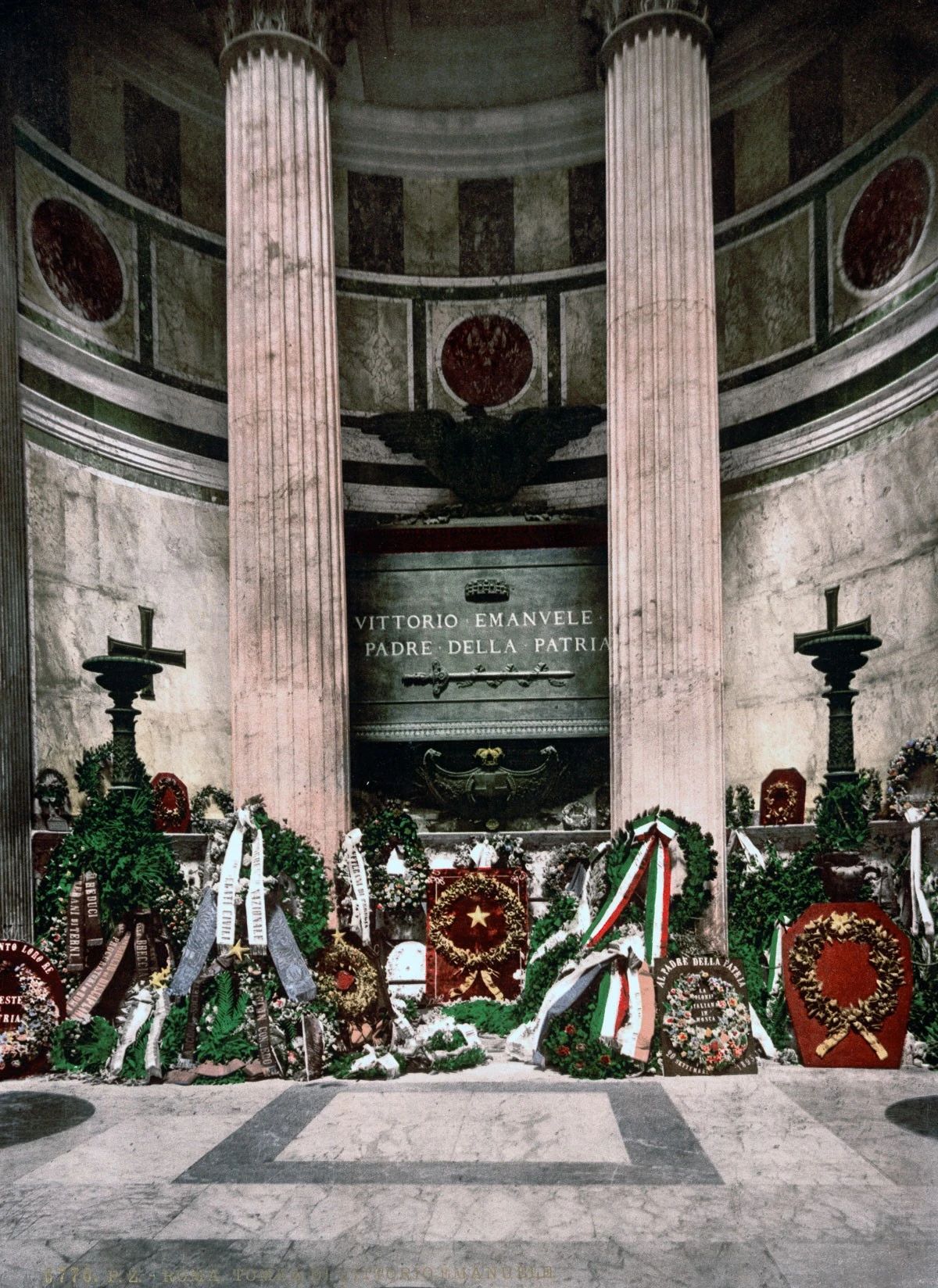
Bridge and Castel Sant'Angelo. 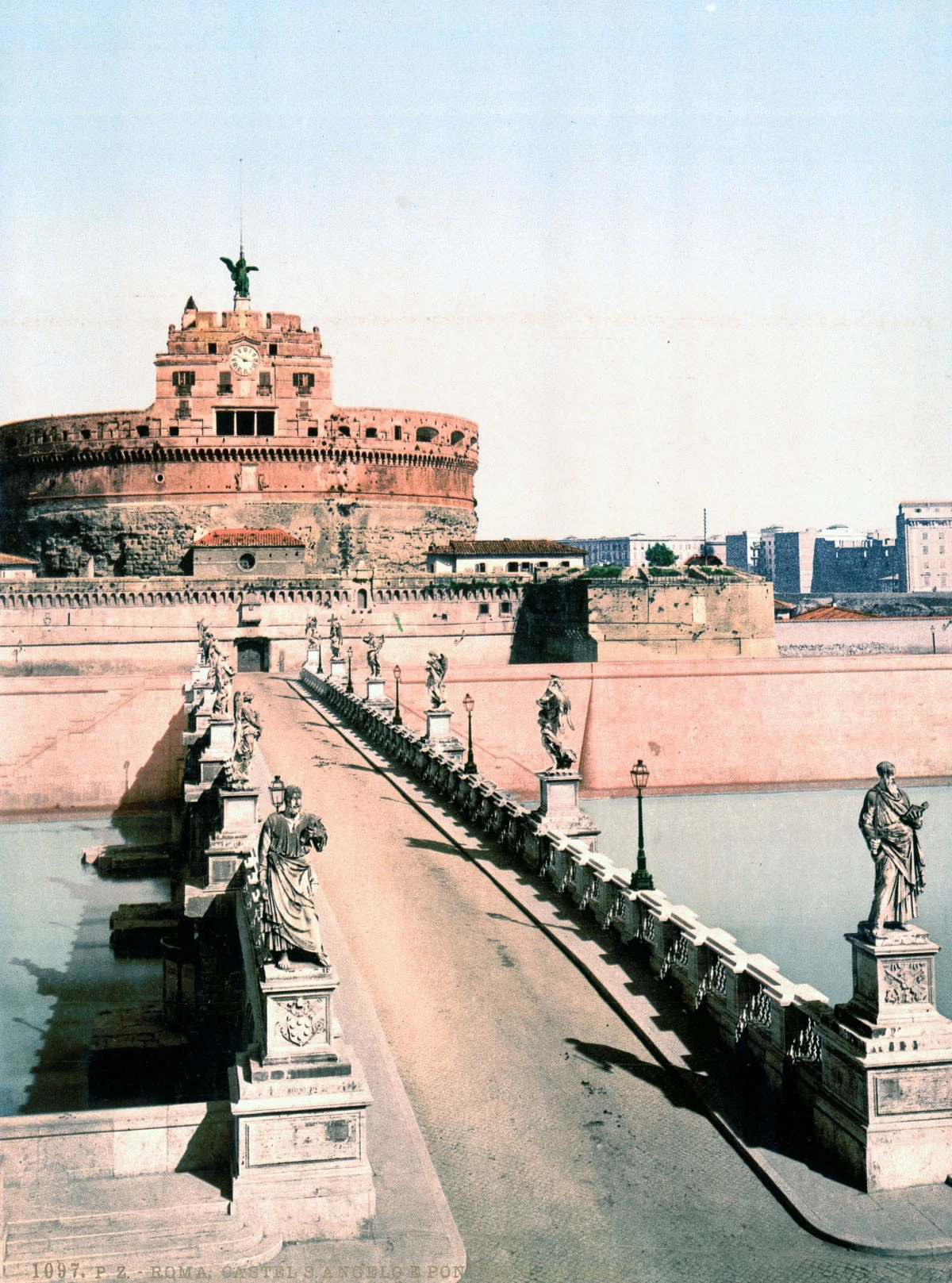
On Capitol Hill. 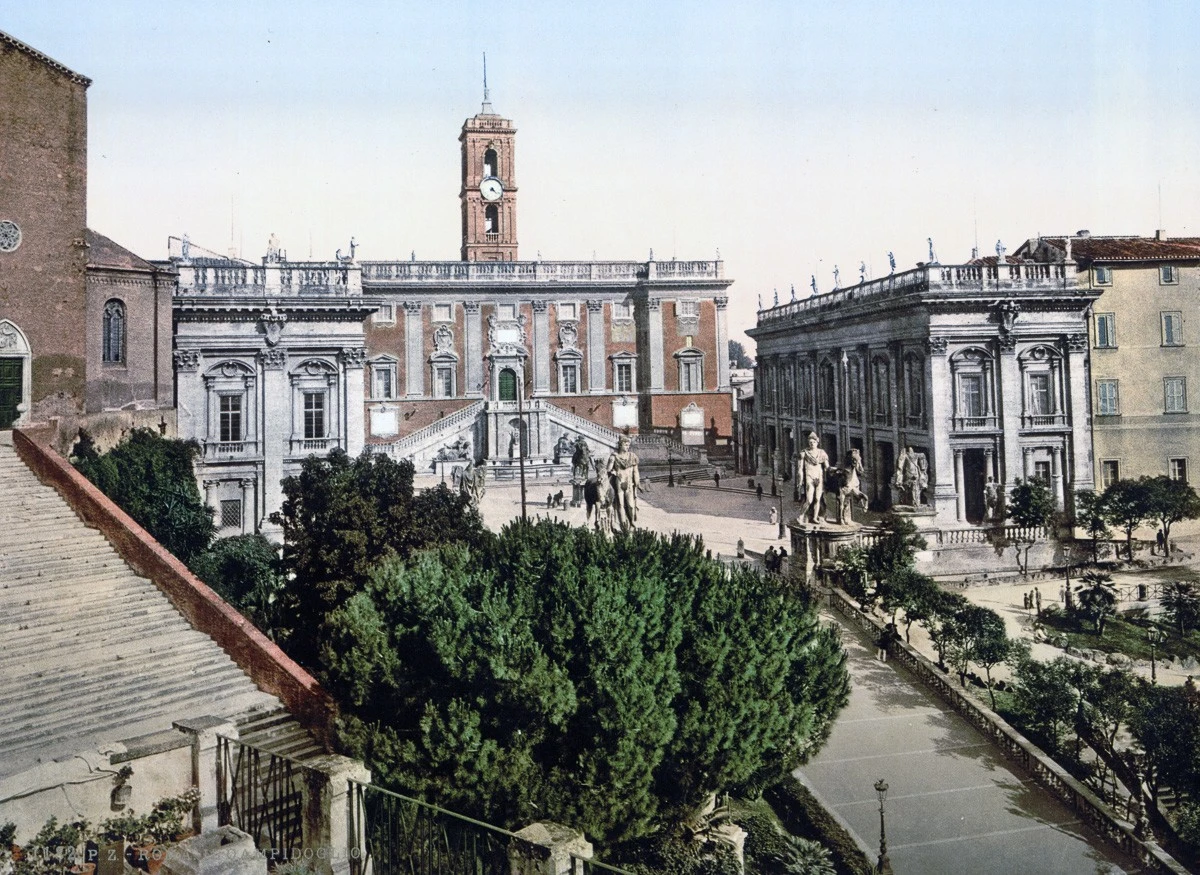
On Capitol Square. 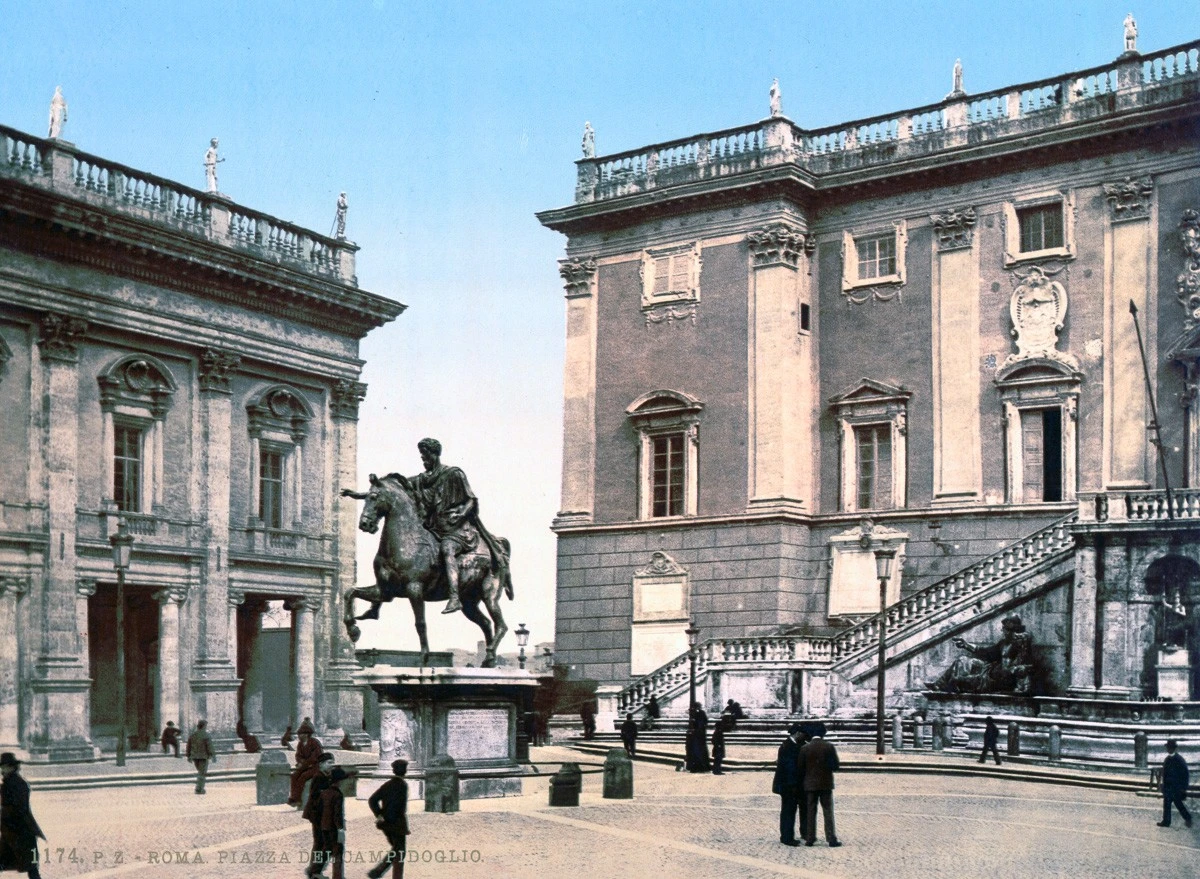
Garibaldi Monument. 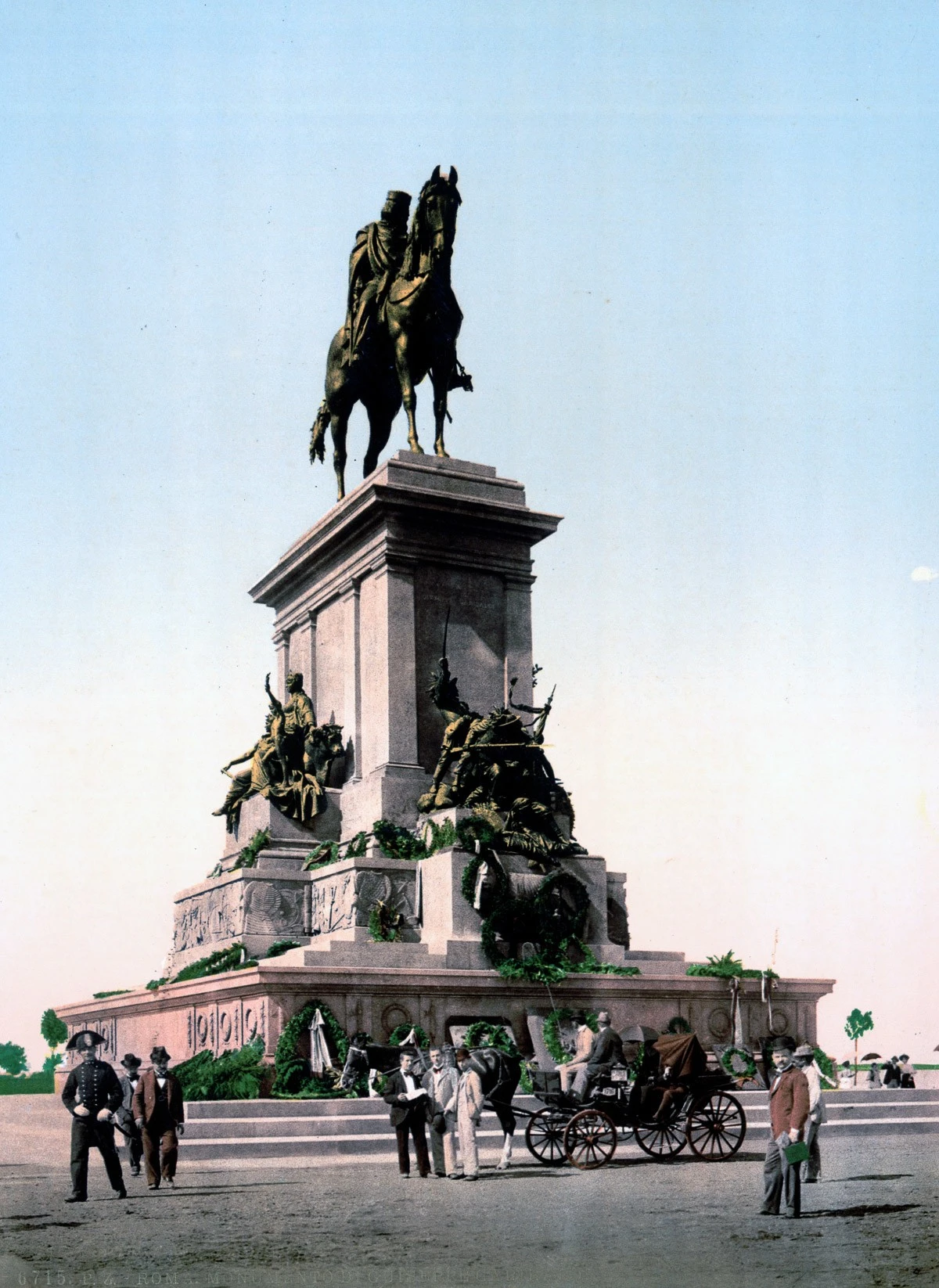
Pyramid of Cestius near Porta San Paolo. 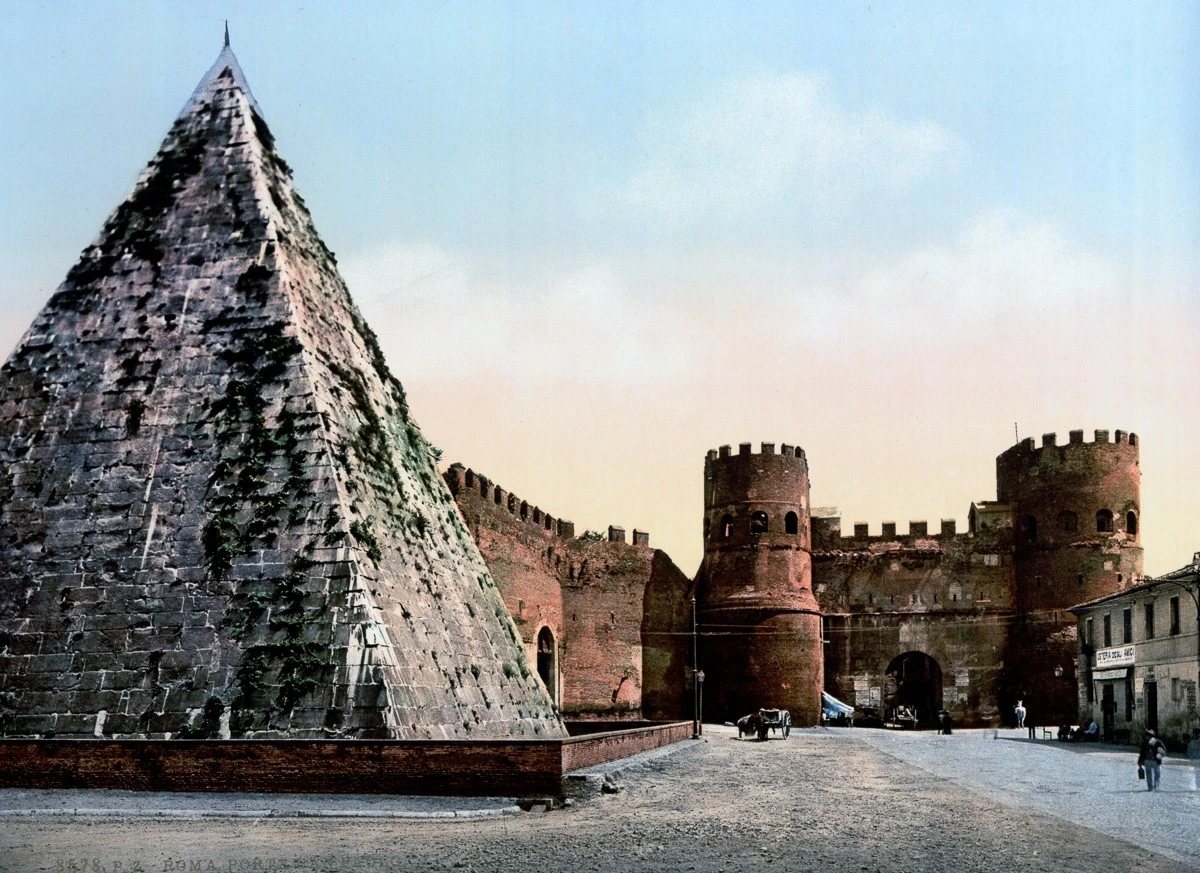
Piazza Minerva. 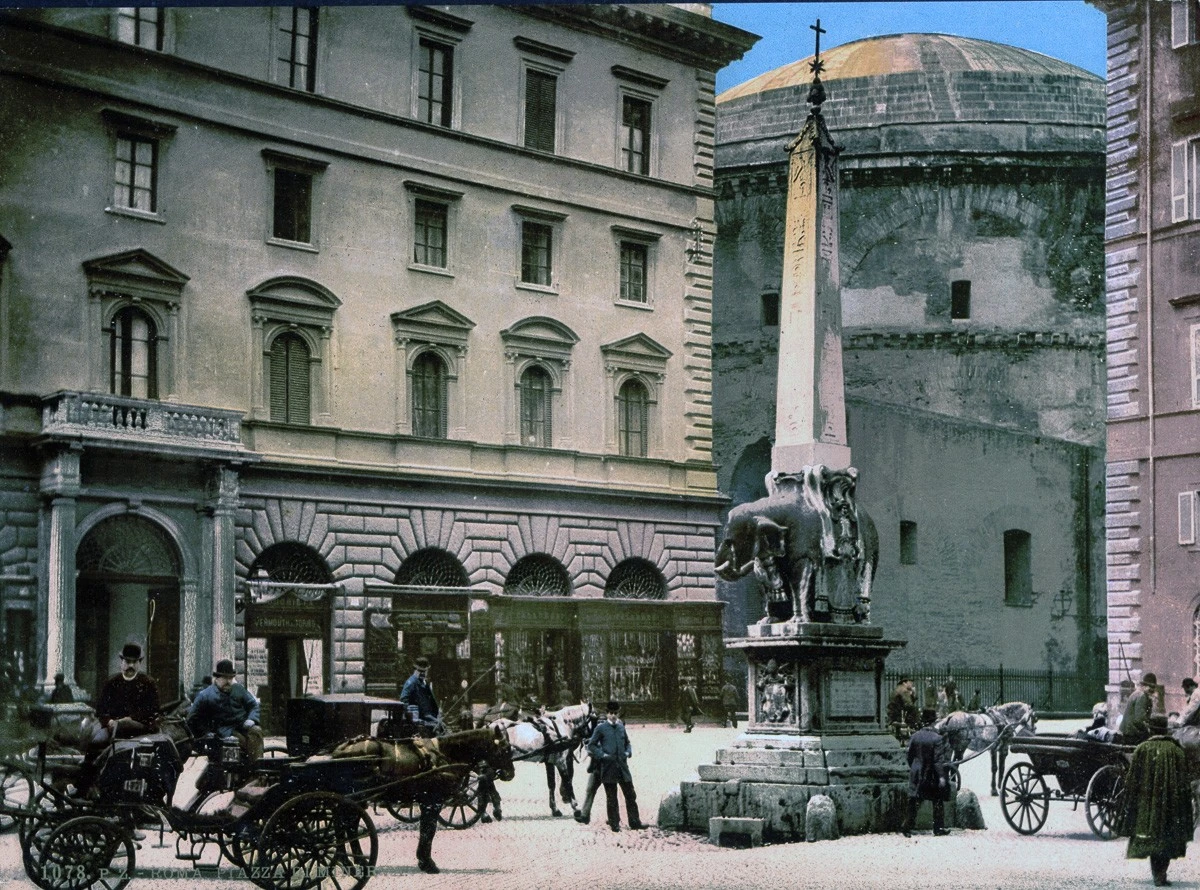
St. Peter's Square. 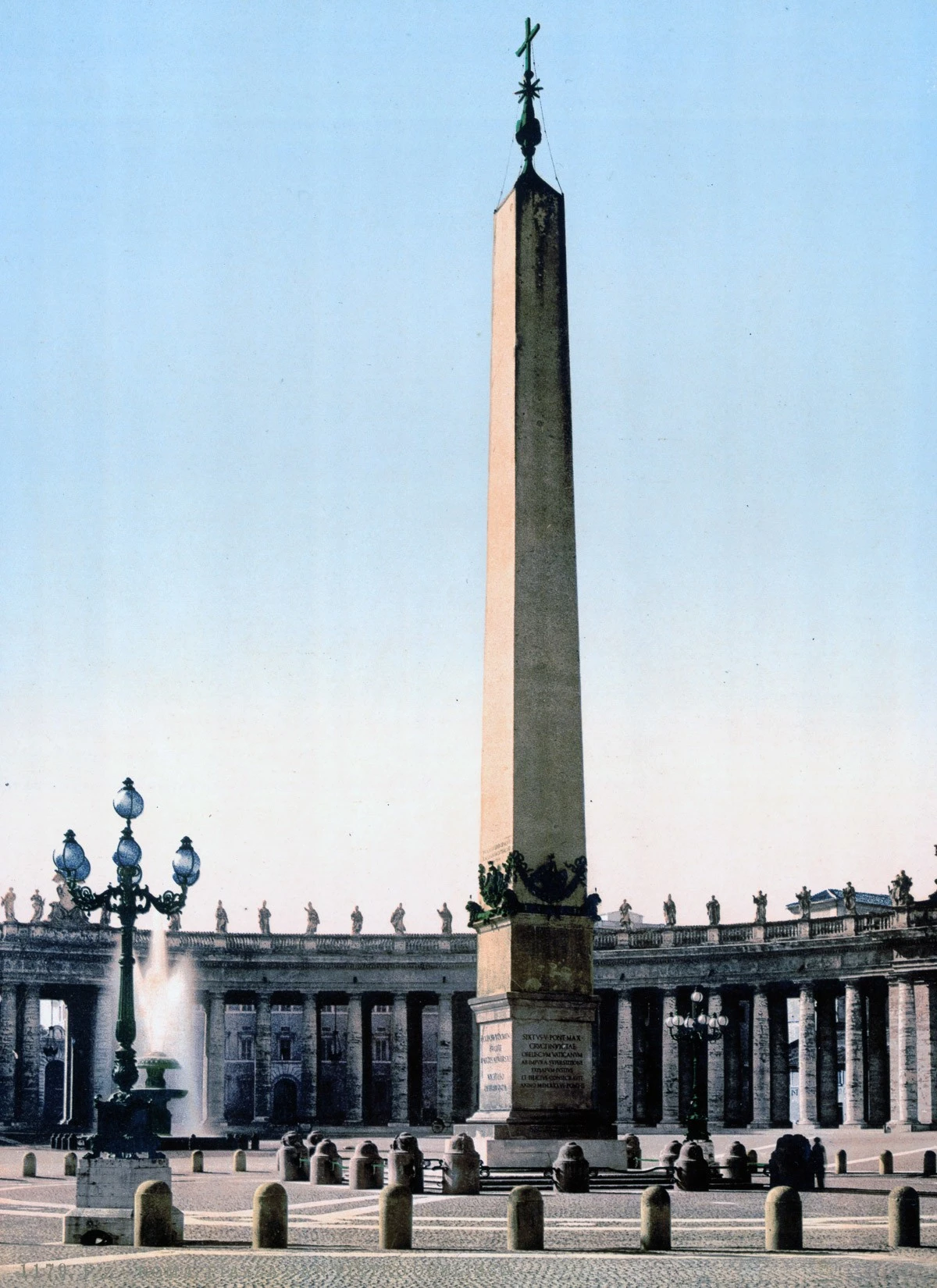
Piazza Navona. 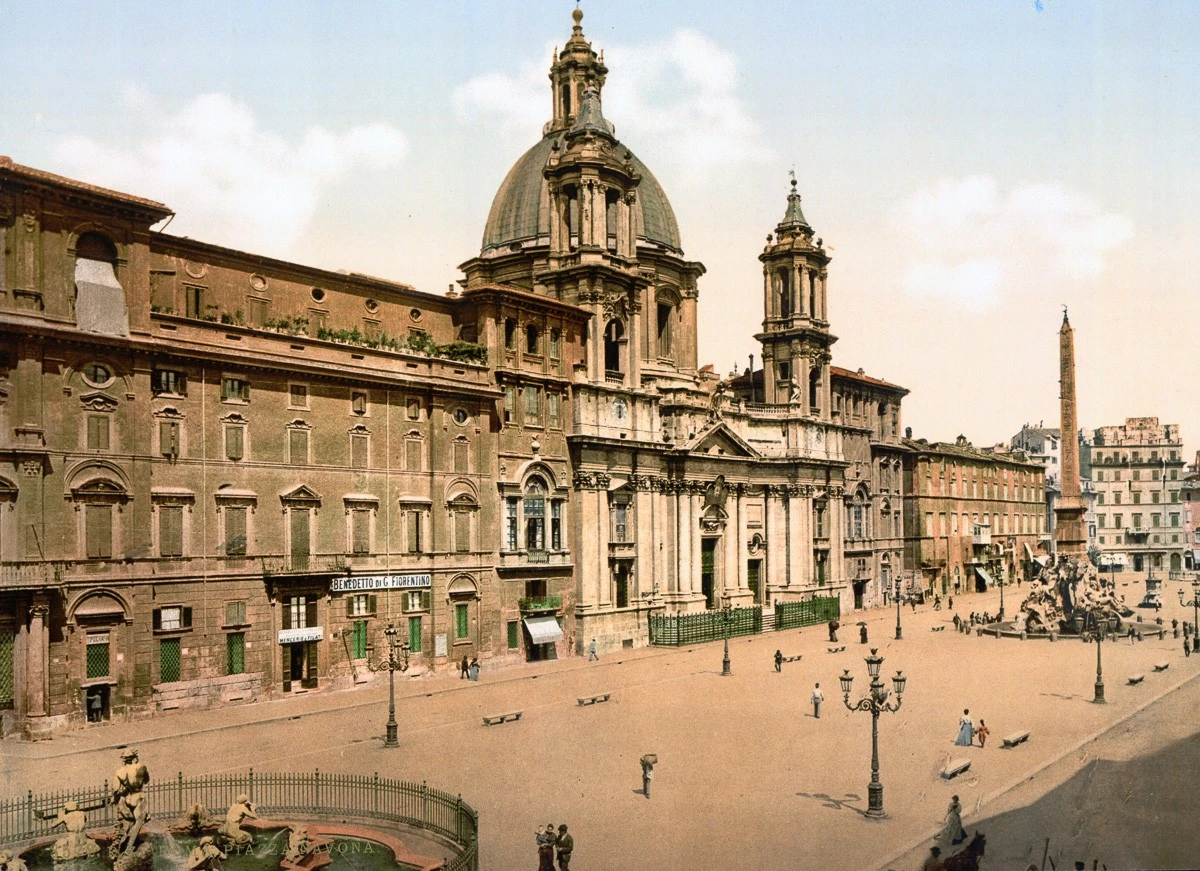
Piazza del Popolo ("People's Square") 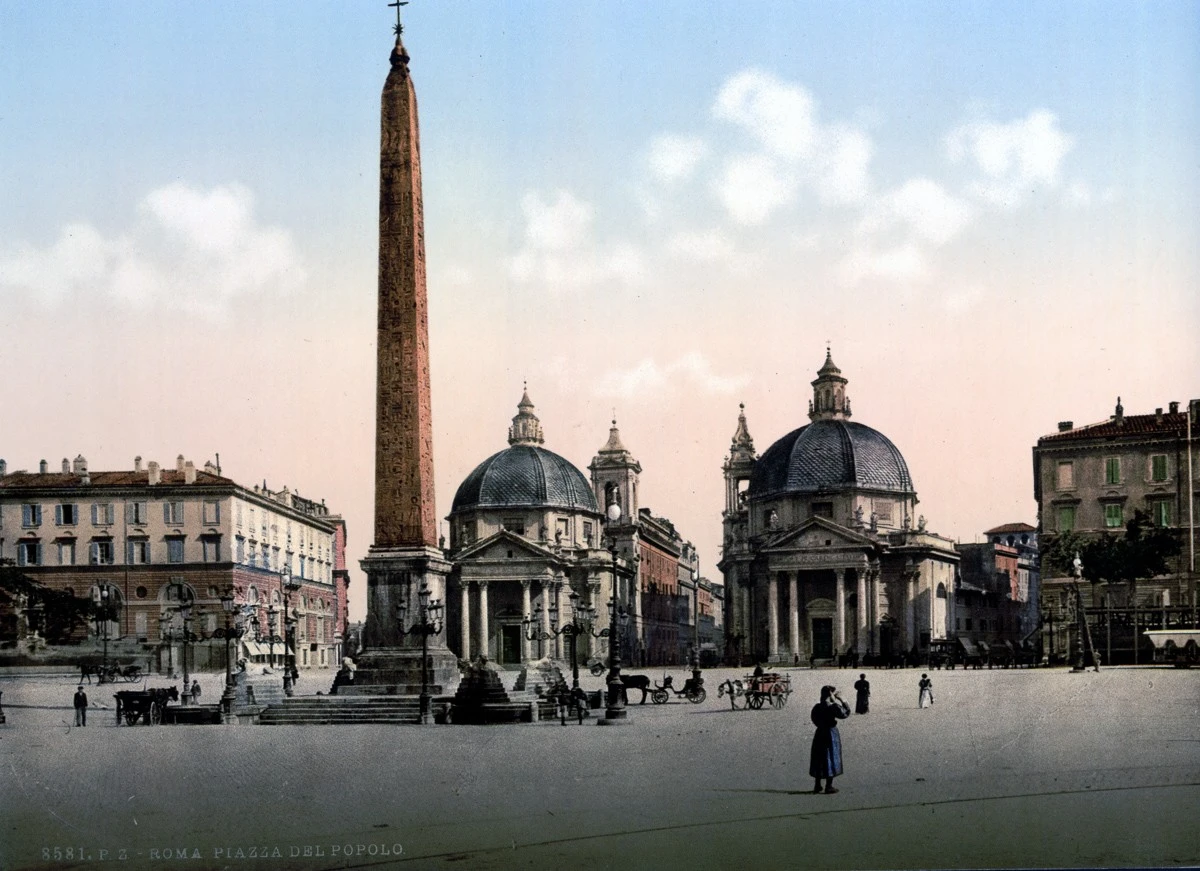
Ruins of the Temple of Castor and Pollux. 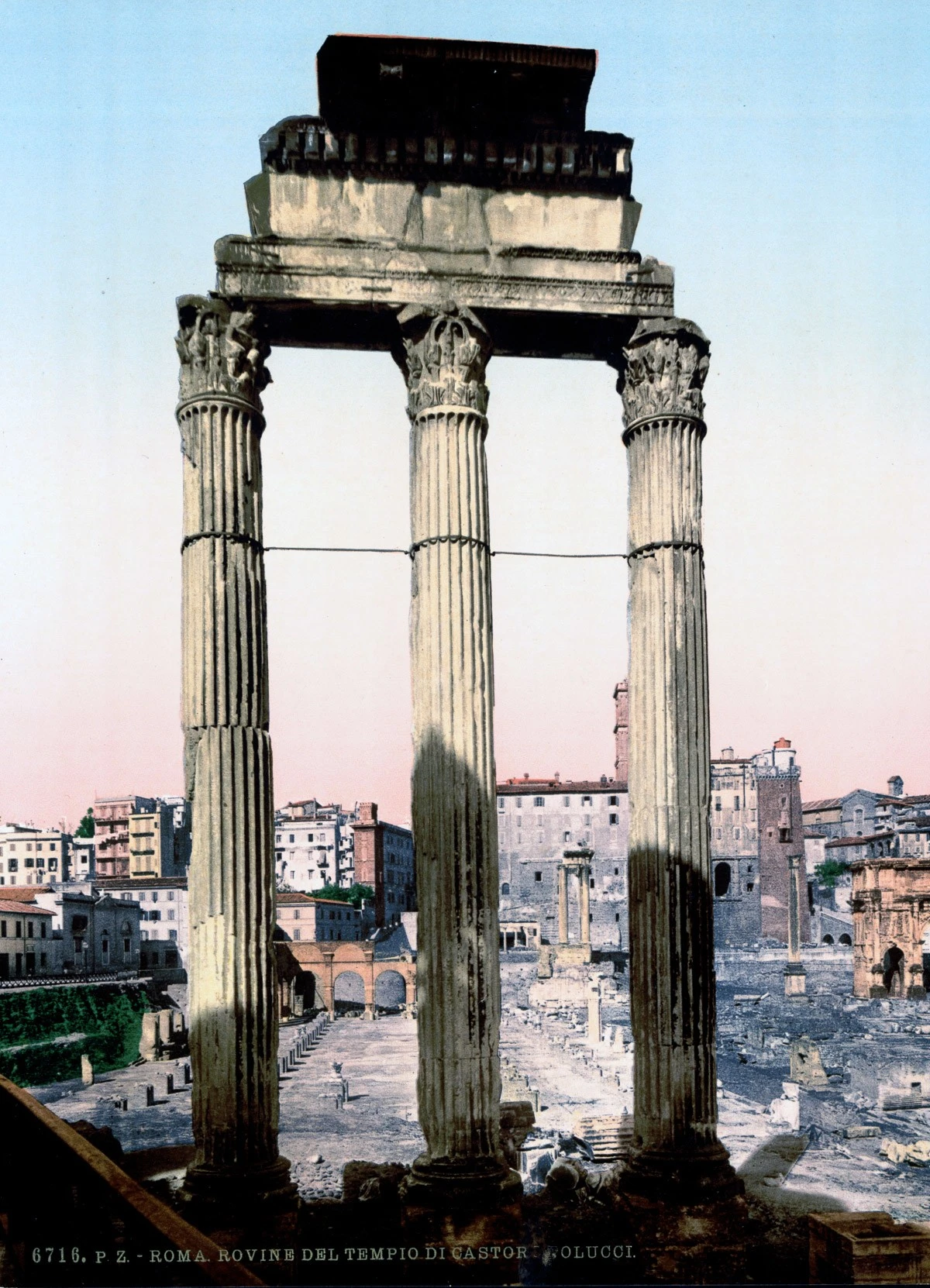
Roman Forum. 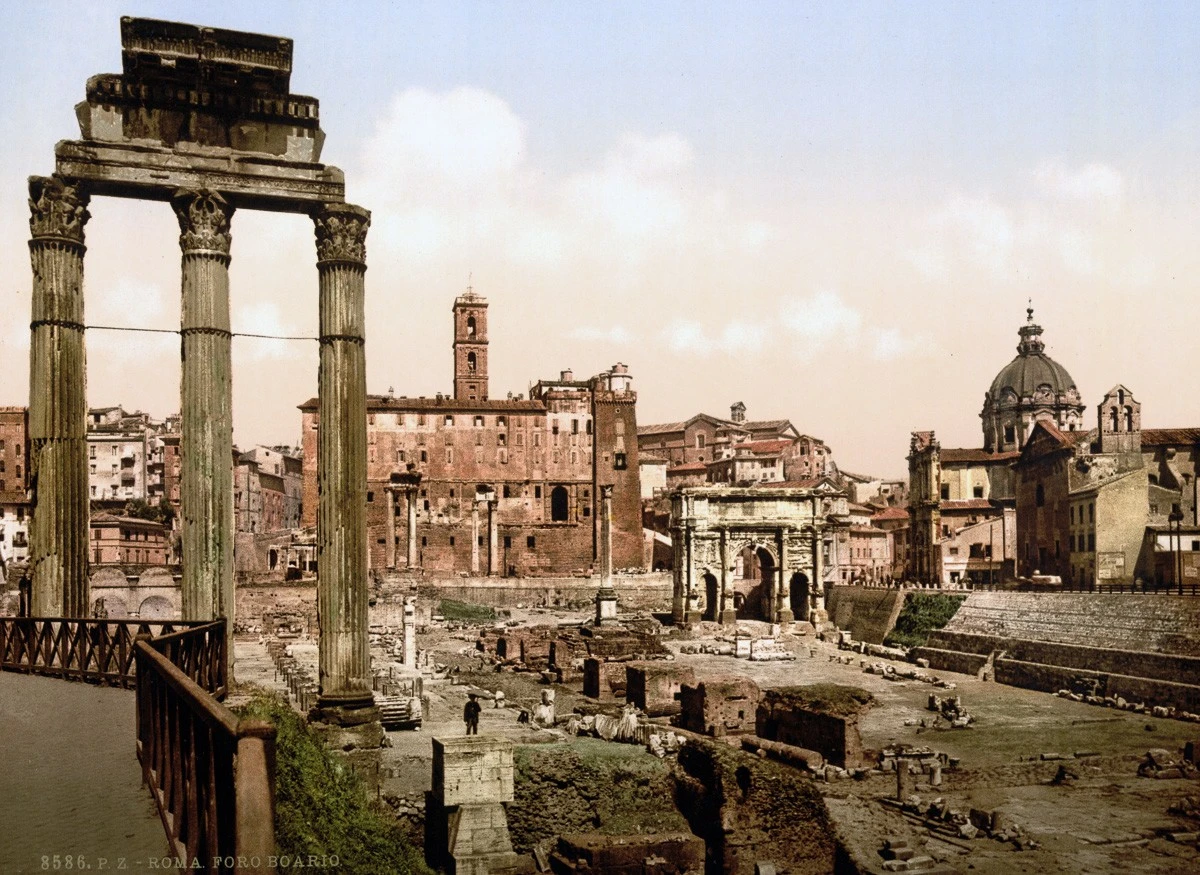
The titular church of Trinità dei Monti at the top of the Spanish Steps. 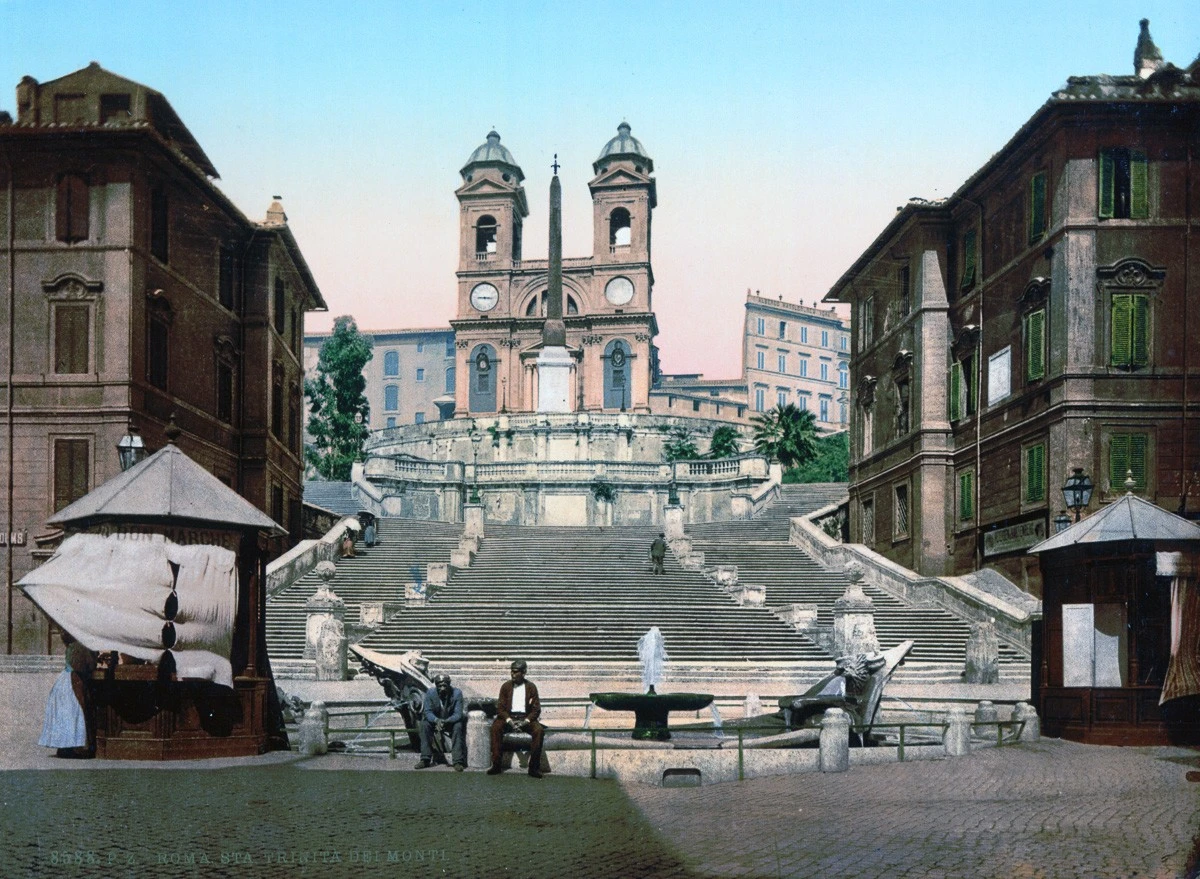
Triumphal Arch of Titus on the ancient Via Sacre. 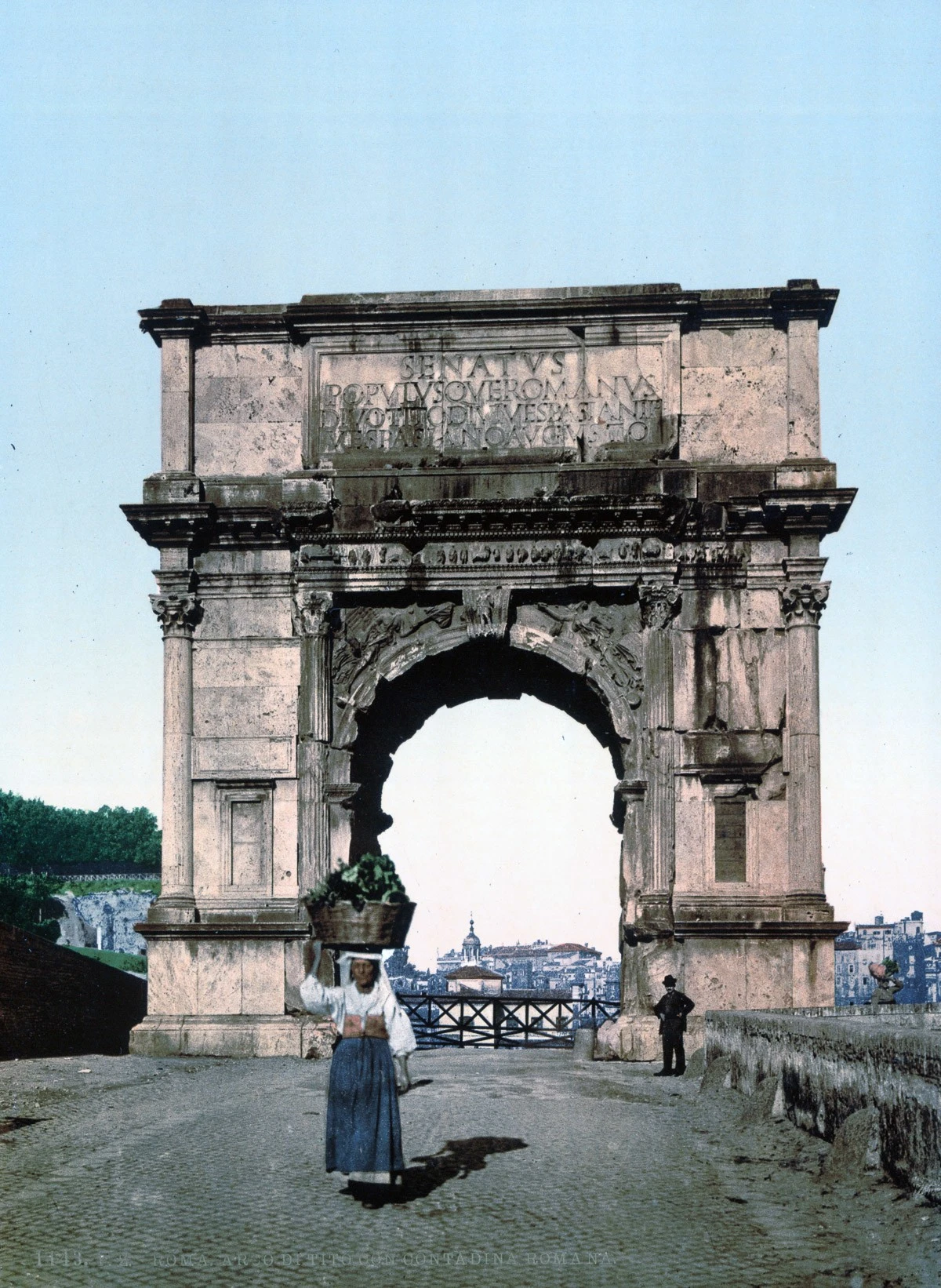
Street scene. 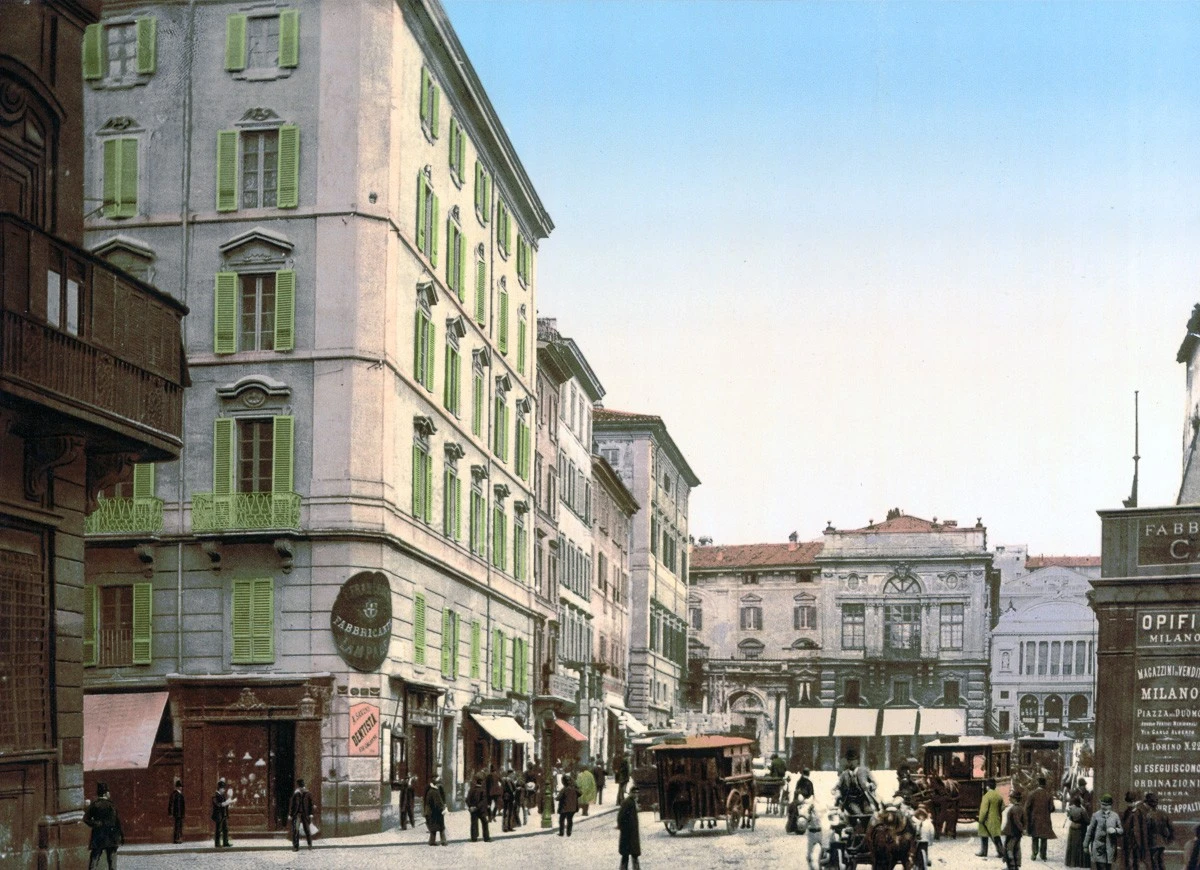
Fontana dell'Acqua Felice. 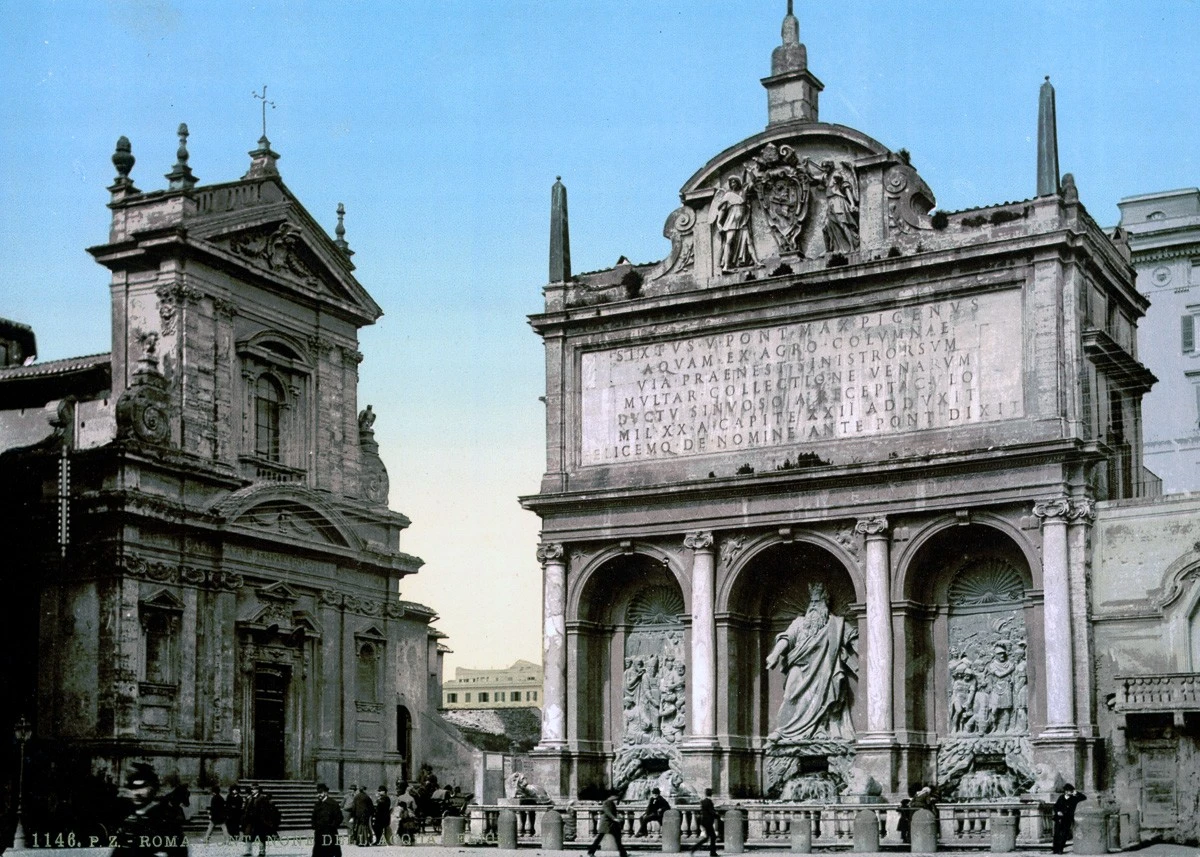
Naiad Fountain on Republic Square. 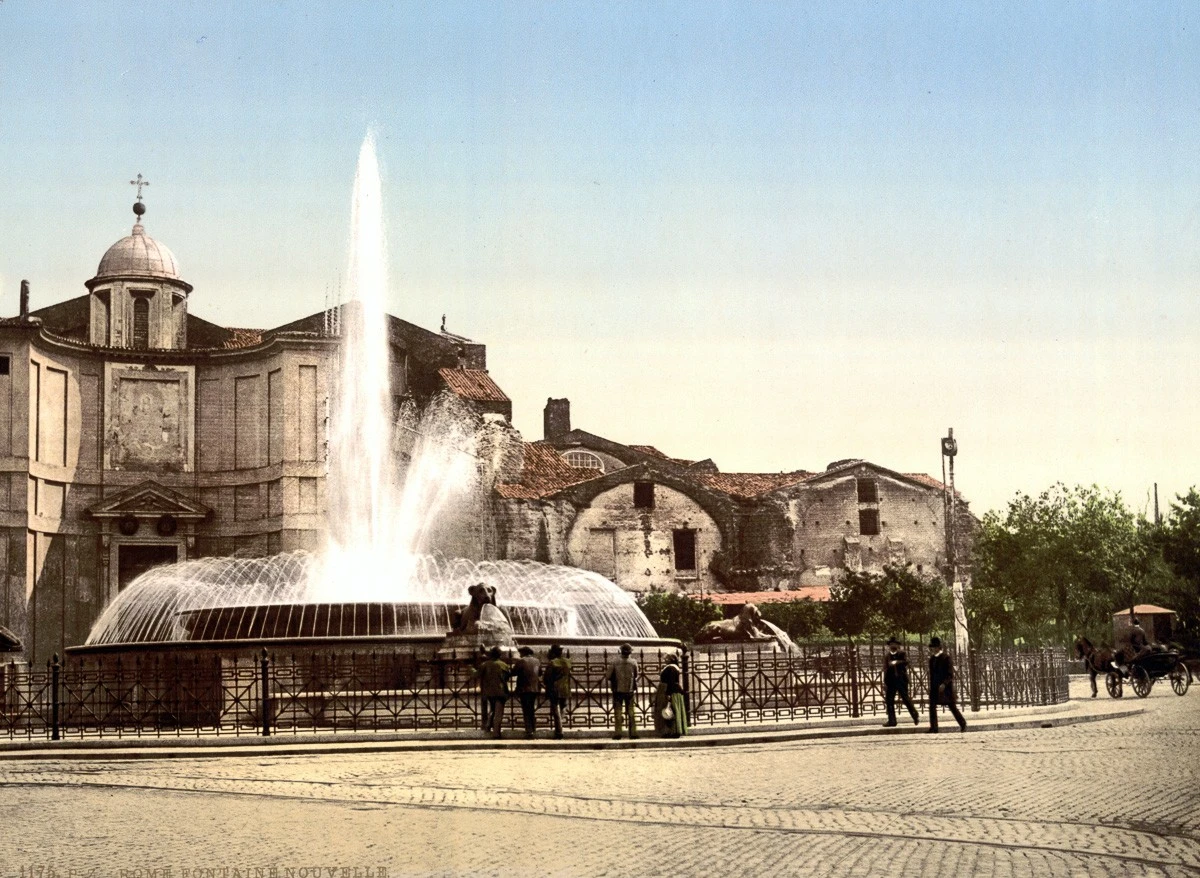
Trevi Fountain. 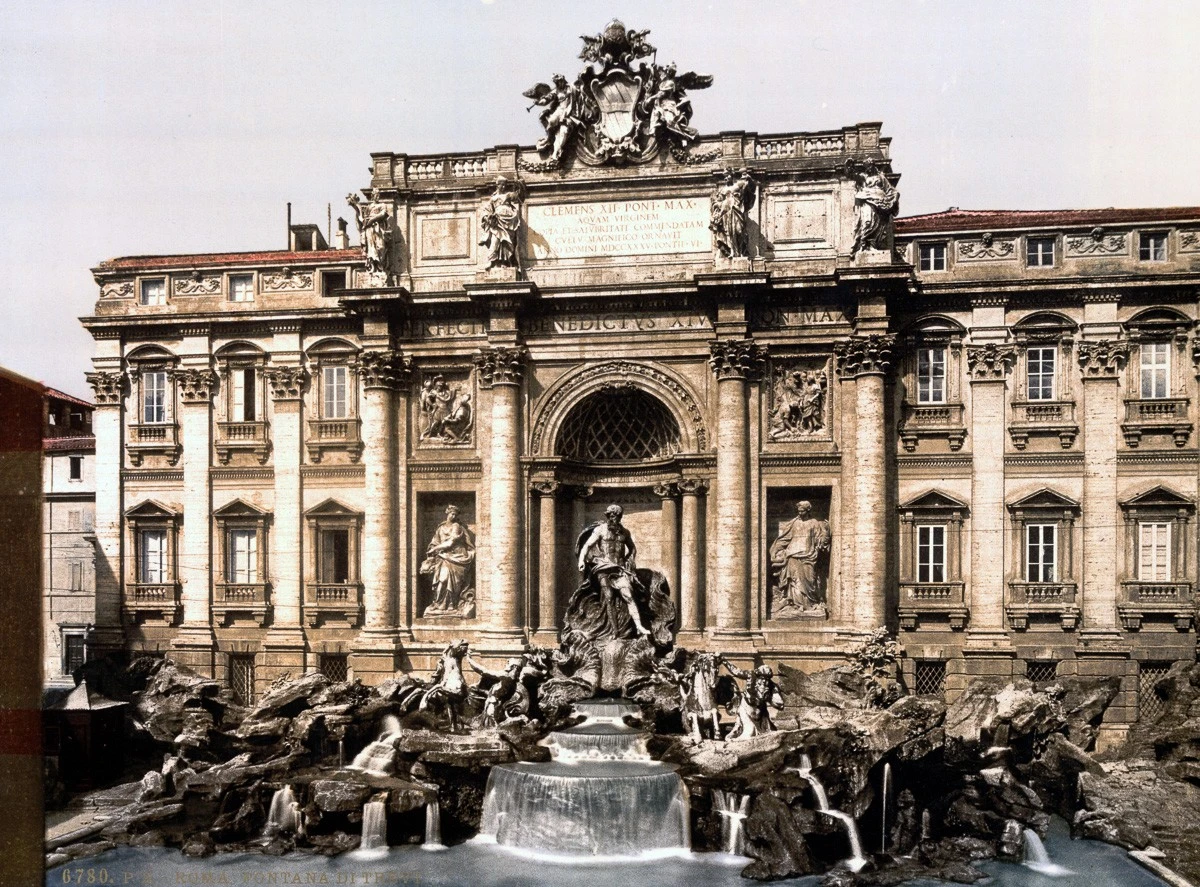
Bosco Temple. 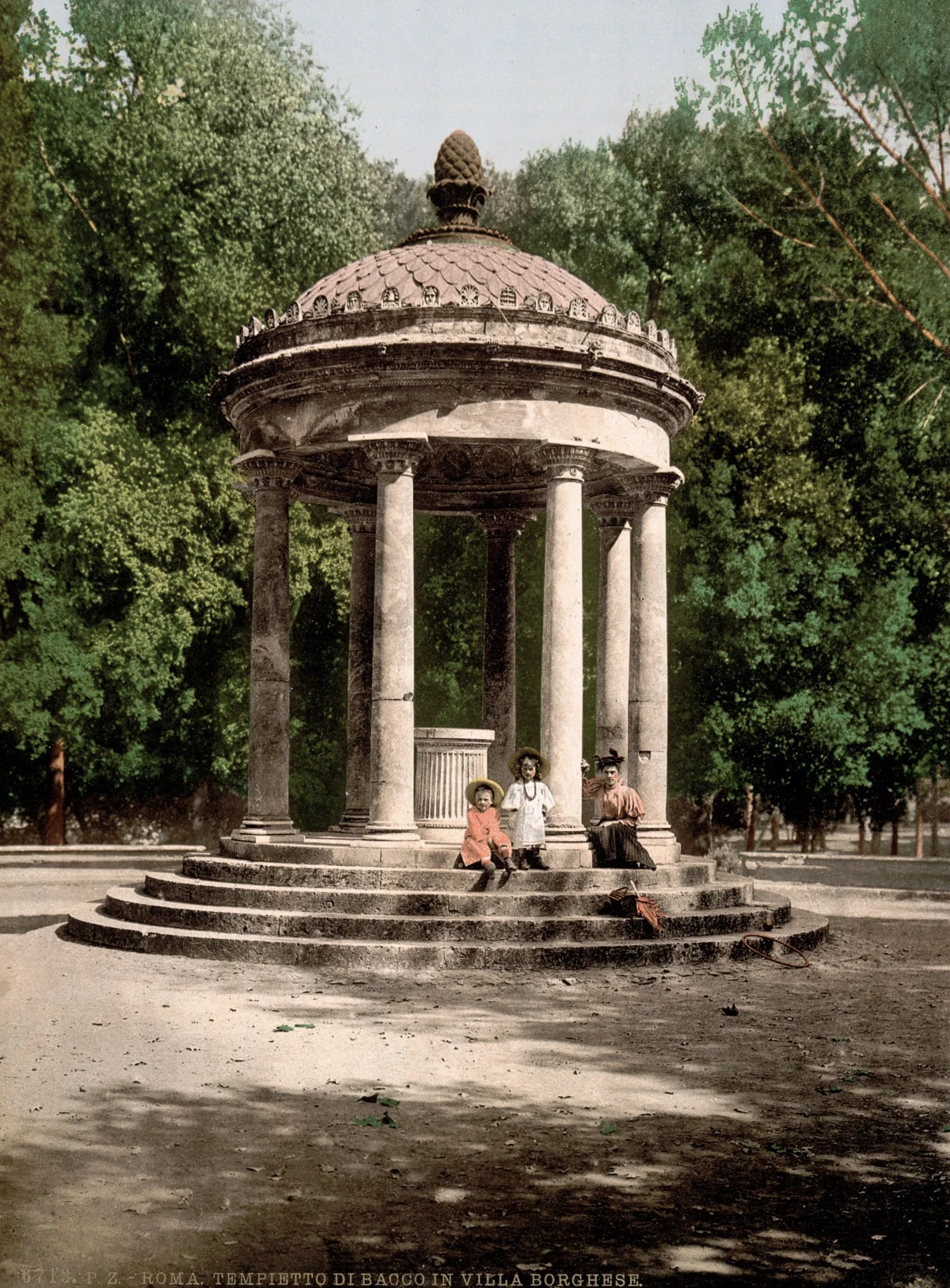
Temple of Vesta. 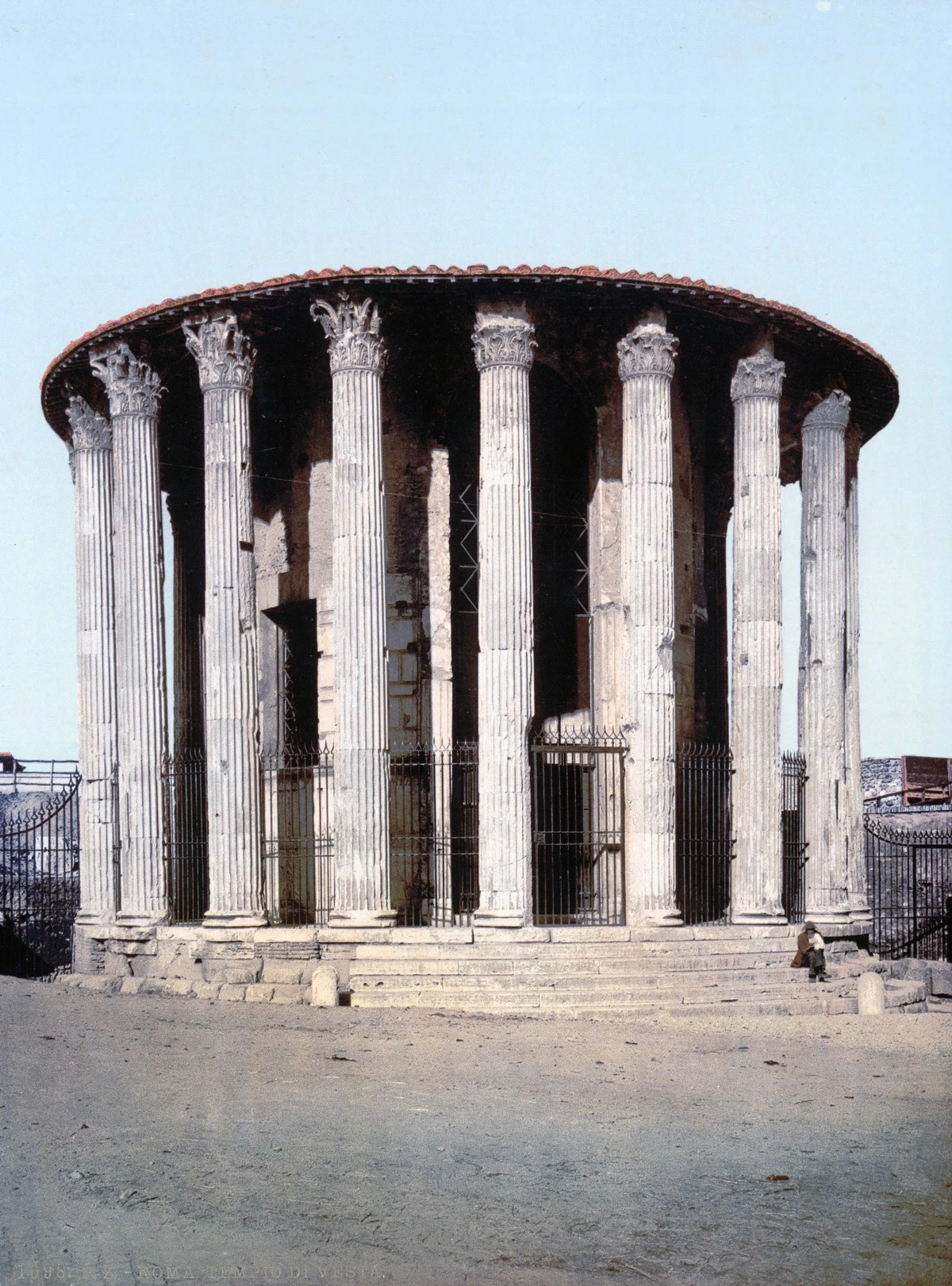
Temple of Saturn and the Triumphal Arch of Septimius Severus. 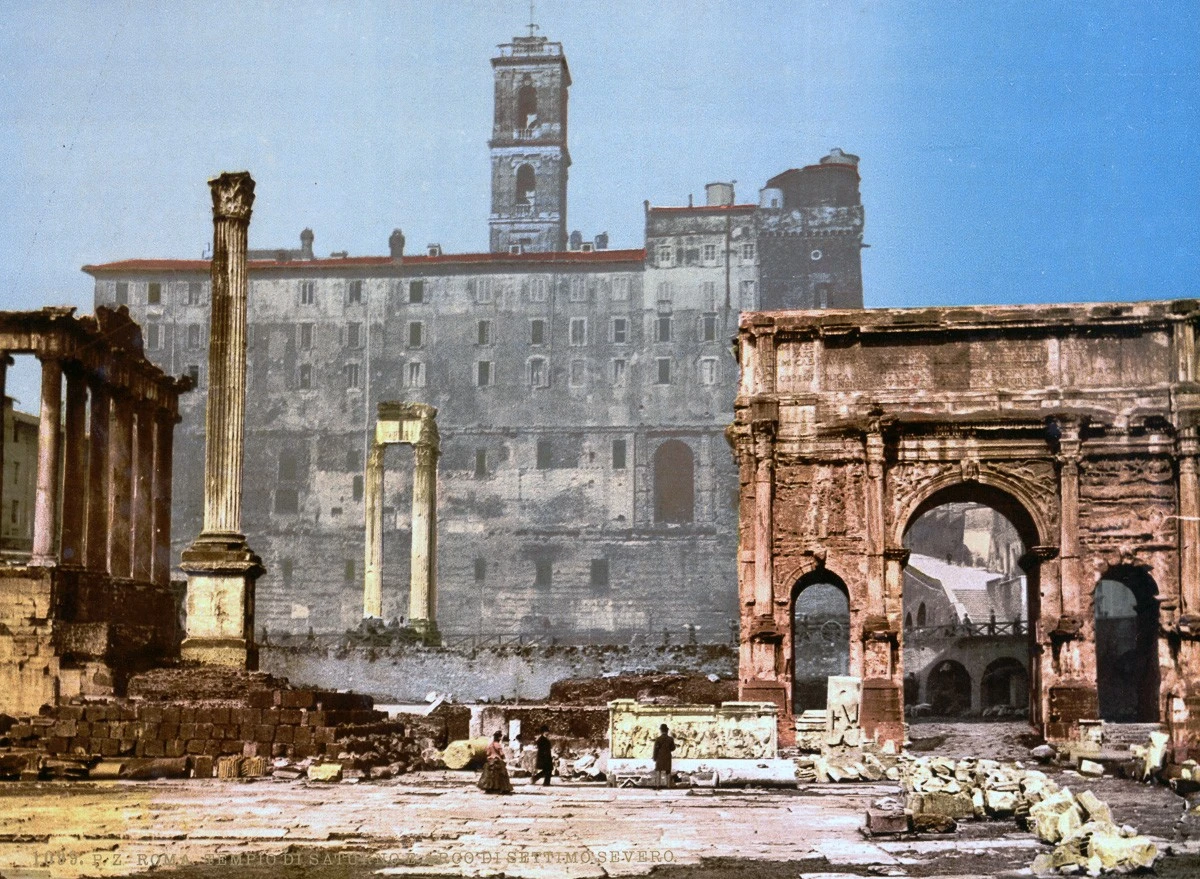
Add your comment
You might be interested in:













17 Photos That Will Stop You in Your Tracks (18 Photos)

Behind the Camera on 'Back to the Future' (45 Photos)

What Would Happen to a Human on Every Planet in the Solar

Stunning Views of the Martian Horizon from 400 Kilometers

20+ Fascinating Photos of Rare and Unusual Sightings (40

50 Incredible Treasures People Rescued From the Trash (51

22 Examples of Pure Design Genius That Deserve a Huge

Hard to Believe Your Eyes: 20 Unreal Photos With

The Sexual Customs of the Vikings: Why an Older Partner Was
