Sylvester Stallone's Successes and Failures: Films That Changed the Actor's Career (22 photos)
I think many of those who grew up in the '80s and '90s undoubtedly remember Sylvester Stallone as a cult action hero. However, not all films we consider cult are considered so in the United States, especially since the actor himself often won Golden Raspberry Awards in various categories. 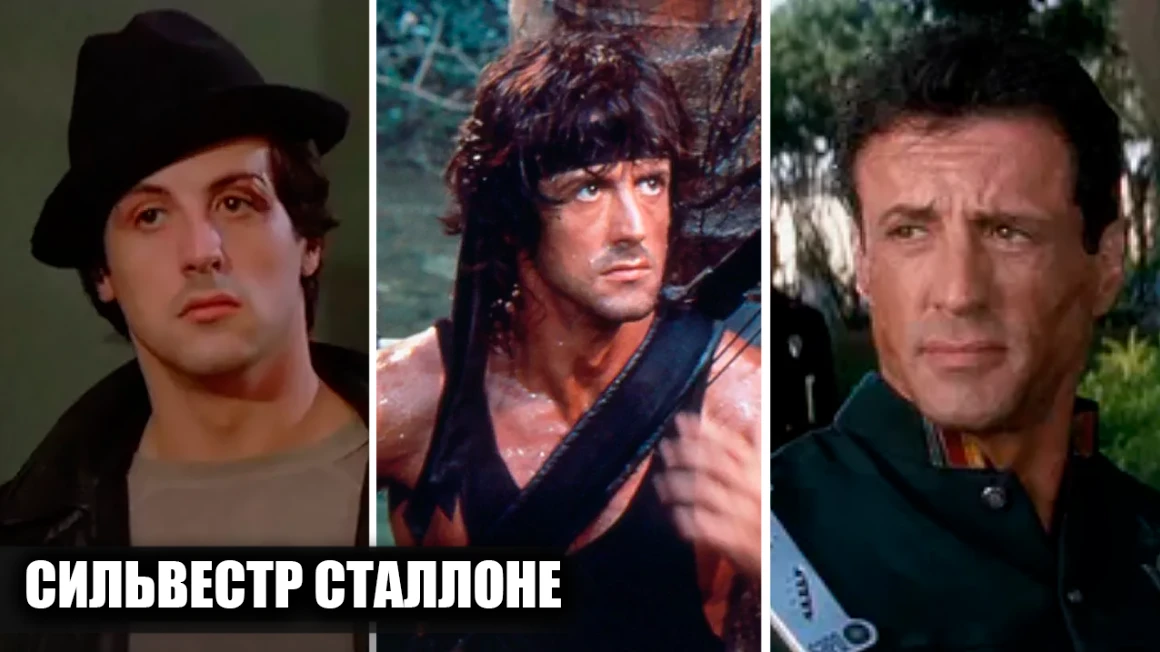
So today I'd like to talk about Sylvester Stallone's career, his successes and failures in cinema. Let's look at which films ultimately influenced his career.
Brief Biography
Sylvester Stallone was born on June 6, 1946, to hairdresser Frank Stallone and actress and astrologer Jacqueline Labofish. Sylvester's parents eventually divorced, and Stallone remained with his father, but at the age of 15, he moved in with his mother. However, Stallone had a difficult personality, which led him to attend a school for troubled teenagers. 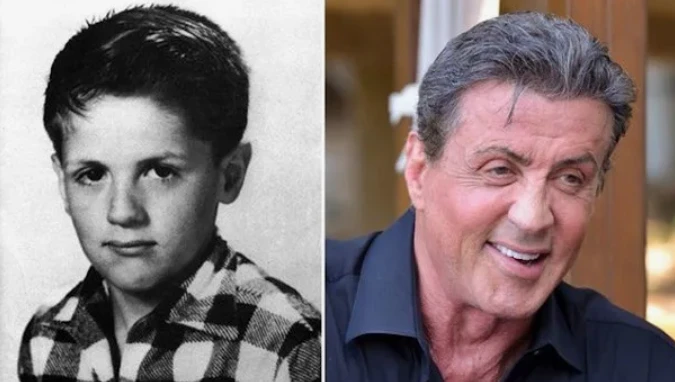
After graduating from high school, Stallone attended the American College of Switzerland, where he joined the drama program, which instilled in him a love of acting. This is why, after graduating from college, he decided to enroll in the University of Miami's drama department. After graduating from university, he firmly decided he wanted to dedicate his life to film, so he moved back to New York and began auditioning for various roles. Thus began his career as a renowned actor.
Career Beginnings
As is often the case with actors, Stallone had no money at the beginning of his career, so he had to take any role offered. With little money, the future Hollywood star had to live off his girlfriend (future wife).
Young Sylvester wasn't given any significant or significant roles. All he could hope for were bit parts or supporting roles. Thus, in 1969, he first appeared in films like "Downhill" and "Square Root." A little later (in 1970), he played a cameo role as a soldier in the TV series "M.A.S.H."
But many, of course, know that Stallone's first significant role was in the adult film "The Italian Stallion" (1970). Indeed, the future action star didn't have much choice, so he had to accept every offer. 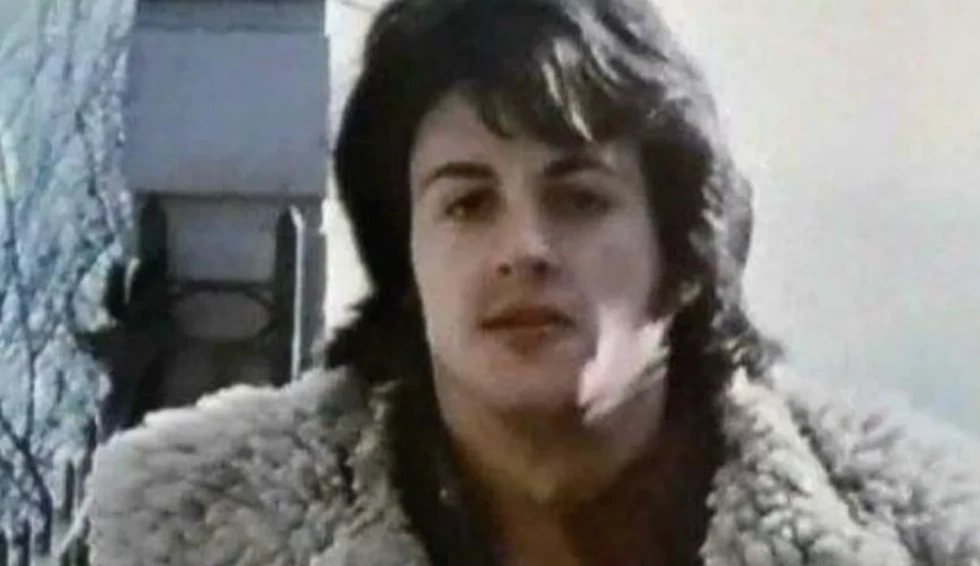
Still from the film "The Italian Stallion"
In 1971, Stallone appeared in Woody Allen's "Bananas," where he played a small role as a subway hooligan. And, of course, it's hard to say that this role had any influence on Sly, but Stallone was willing to take on anything to prove himself and get noticed in films. 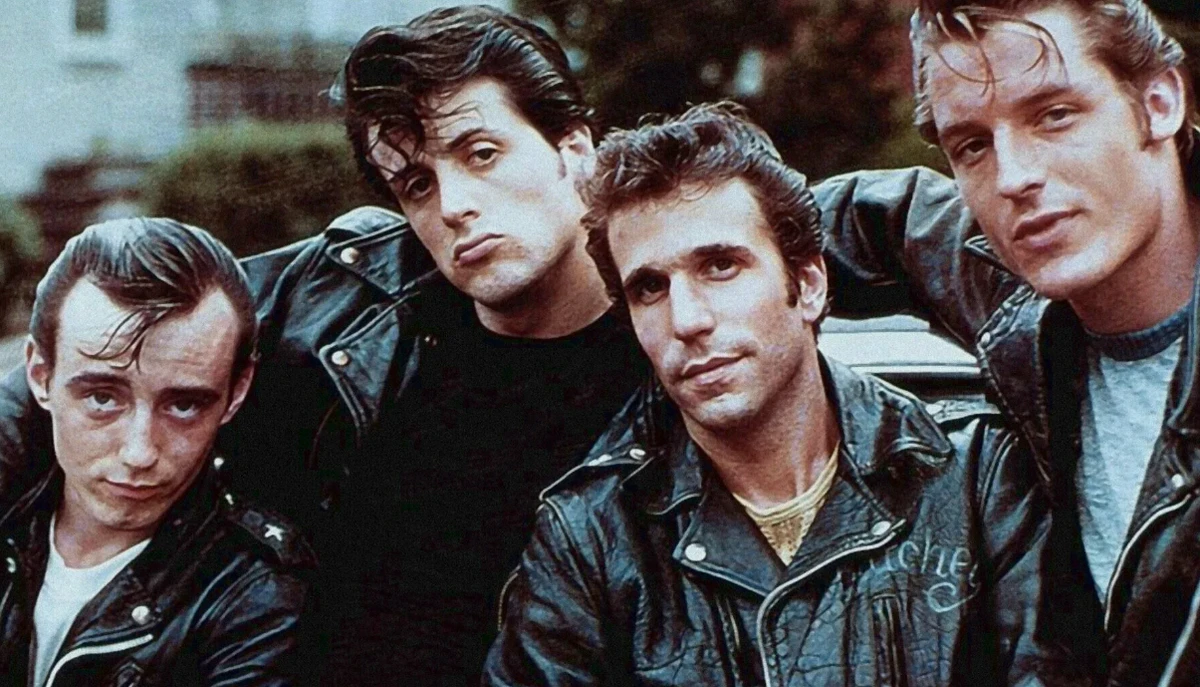
"The Lords of Flatbush"
And in 1974, fortune smiled upon him, as he landed one of the lead roles in "The Lords of Flatbush," a film about four young men in 1950s America. At the time, Stallone was earning around $600 a week, which was quite good compared to ordinary working men.
Success
As many of you know, Sylvester Stallone's success began with "Rocky," in which he not only played the lead role but also wrote the screenplay. According to the actor, he only had $100 at the time. He auditioned for another role but wasn't right for it. He then decided to tell the producers he had a top-notch script about a boxer. The producers weren't particularly interested, but one of them agreed to read Sly's manuscript, as he already had some background. 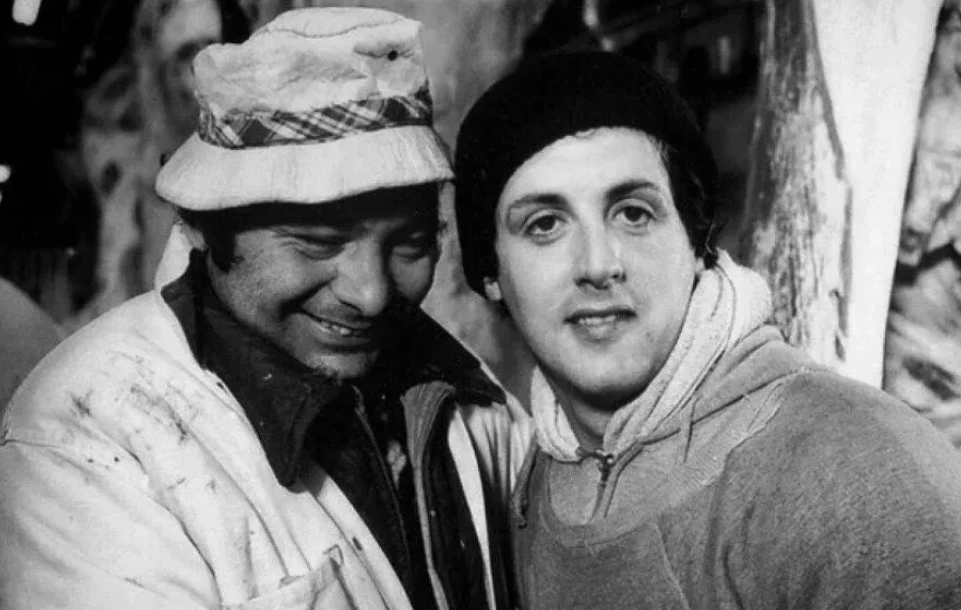
Surprisingly, the producer liked the script and offered the actor a whopping $350,000 for it. This could have significantly improved the actor's dire financial situation, but he declined, as he wasn't offered anything other than the script, even though Sly himself wanted to star in his film.
To land the lead role in the film, Stallone had to agree to a brutal deal. The deal stipulated that Sly would indeed star in the film, but he would have to sell his script for just $1, and his acting salary would be the same as that of an extra. For Stallone, the prospects were more important, so he agreed to these terms. 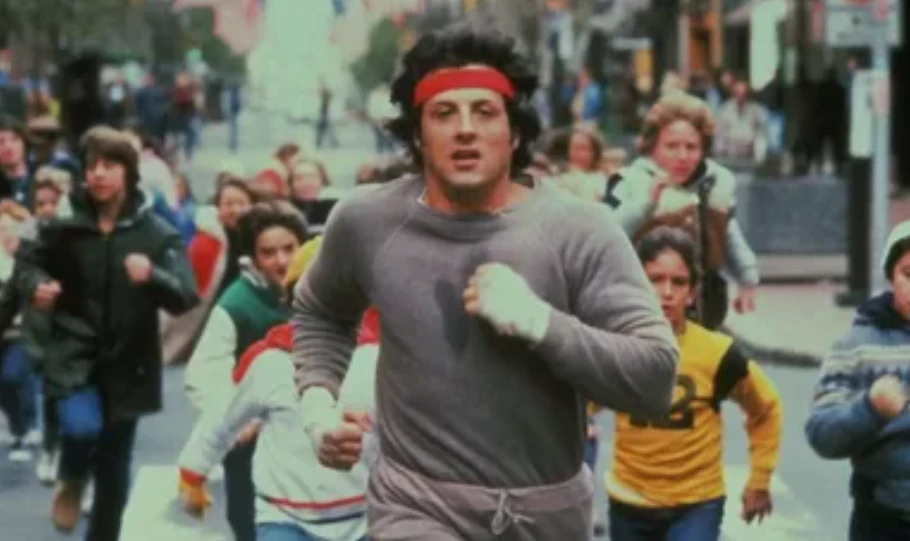
But another unpleasant incident occurred. The studio was prepared to allocate $2 million for the production, but upon learning that the contract stipulated that the script only came with Sly in the lead role, the studio cut the budget to $1 million. However, the budget was never met, as the film cost $1.1 million. The entire cost overrun was borne by the producers.
Few believed in the success of the film with the unknown Stallone, but how wrong they were. The film somehow miraculously reached number one at the box office, earning $225 million in two years, an incredible amount for the time.
After the success of "Rocky," Sylvester Stallone's career took off. This allowed Sly to charge fees of several hundred thousand dollars (even reaching $1 million) for his subsequent films. True, films like "Fist" and "Hell's Kitchen" didn't do well at the box office. 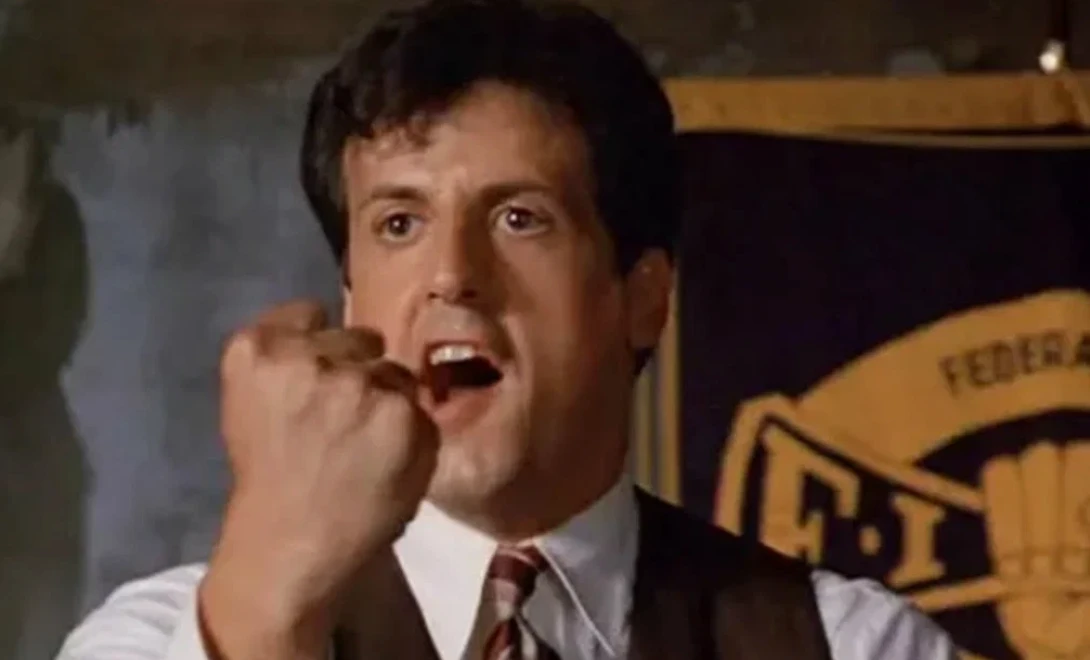
Still from "Fist"
But when it came time to film the second "Rocky" film, Stallone returned to writing the script and even took the director's chair. Ultimately, the "Rocky" sequel, with a budget of $7 million, grossed just over $200 million worldwide, cementing Stallone's status and allowing him to begin dictating his own terms.
Stallone caught the "star" bug and began clashing with members of the crew on set. For example, during the filming of "Nighthawks" (1993), director Gary Nelson resigned because Slye deemed him insufficiently professional for a film of that caliber. After Nelson's departure, Slye himself took over the director's chair until the studio found a replacement. 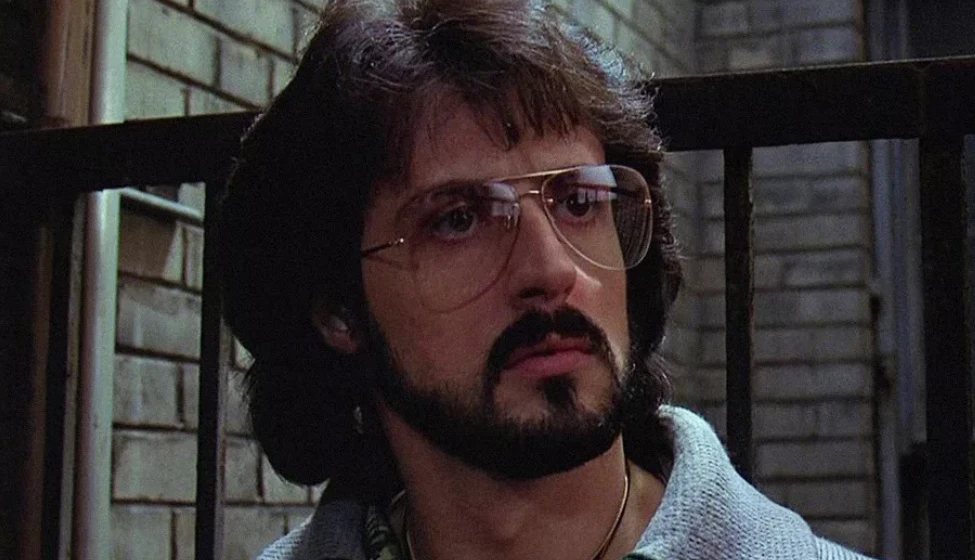
Still from "Nighthawks"
1982 further elevated Sylvester Stallone's profile, as it saw the release of two further box office hits featuring him: "Rambo: First Blood" and "Rocky III." "Rambo: First Blood" grossed $125 million at the box office (with $3.5 million going to Stallone) on a $15 million budget, while "Rocky III," on a $17 million budget, grossed $270 million worldwide. It was an unequivocal success.
A Big Flop
Sylvester Stallone was on top until "Rhinestone" happened. At the time, Michael Douglas tried to persuade Stallone to star in "Romancing the Stone," but he declined. Stallone also turned down the lead role in "Beverly Hills Cop" to take on "Rhinestone." 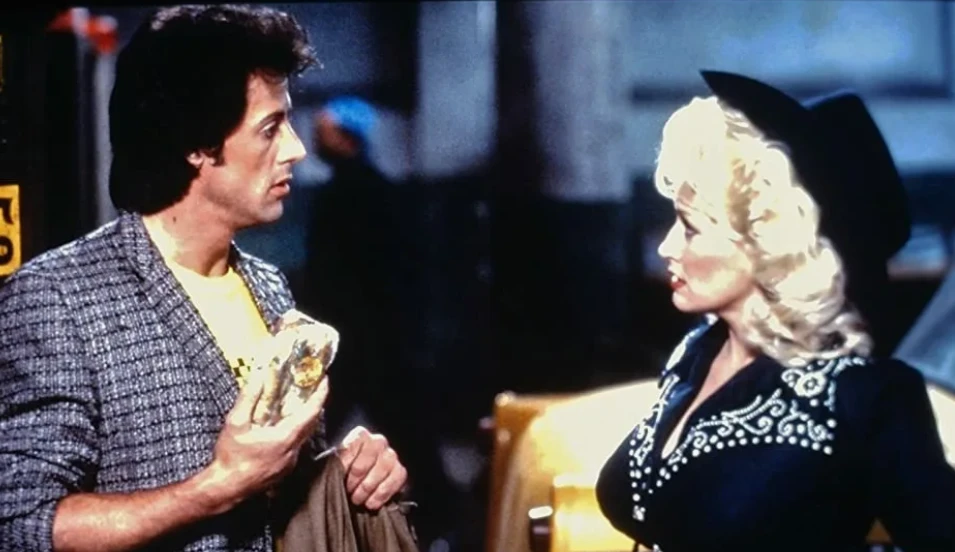
Still from the film "Rhinestone"
We all know that both of these films were great successes, but "Rhinestone" was a box office flop. Sylvester himself blames everyone but himself for the failure, while the screenwriter and director blamed Sly. Regardless, it was for this film that Sylvester Stallone won his first Golden Raspberry Award for Worst Actor. And this failure will come back to haunt him.
New Success
The failure of "Rhinestone" didn't leave much to mourn, as 1985 saw the release of further box office hits: "Rambo: First Blood Part II" and "Rocky IV." Stallone earned a whopping $12 million for "Rocky IV," a record-breaking salary for an actor at the time. 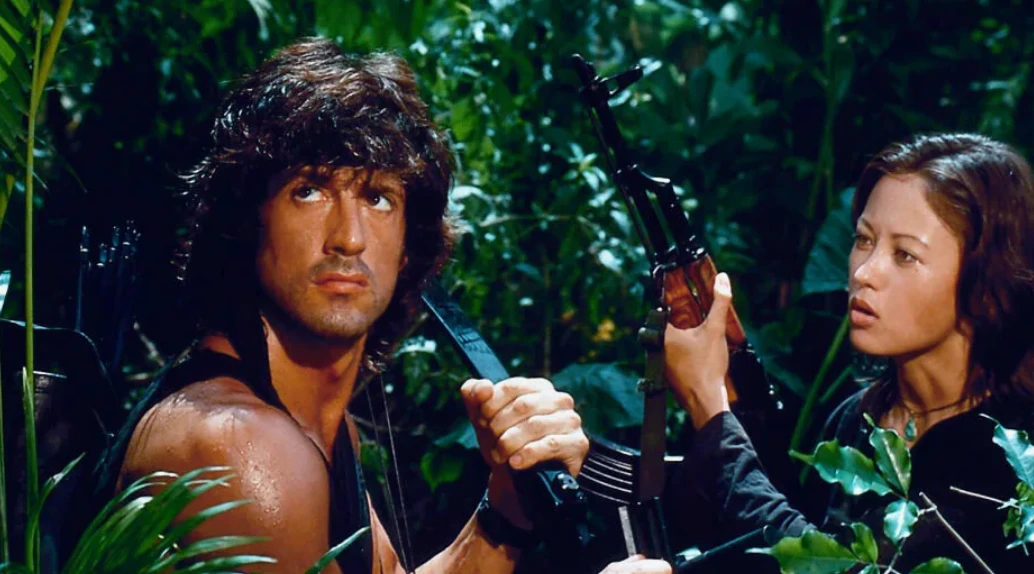
Still from "Rambo: First Blood Part II"
Despite the box office success of both these films, critics panned Stallone, leading him to win another Golden Raspberry Award, not only as an actor but also as a director.
However, this Golden Raspberry had no impact on the actor's career or earnings, as he earned $13 million for his next film, "Cobra" (1986). Stallone essentially oversaw the entire process himself, selecting the actors and director, and even approving the budget. It was thanks to him that his wife, Brigitte Nielsen, was cast in "Cobra." 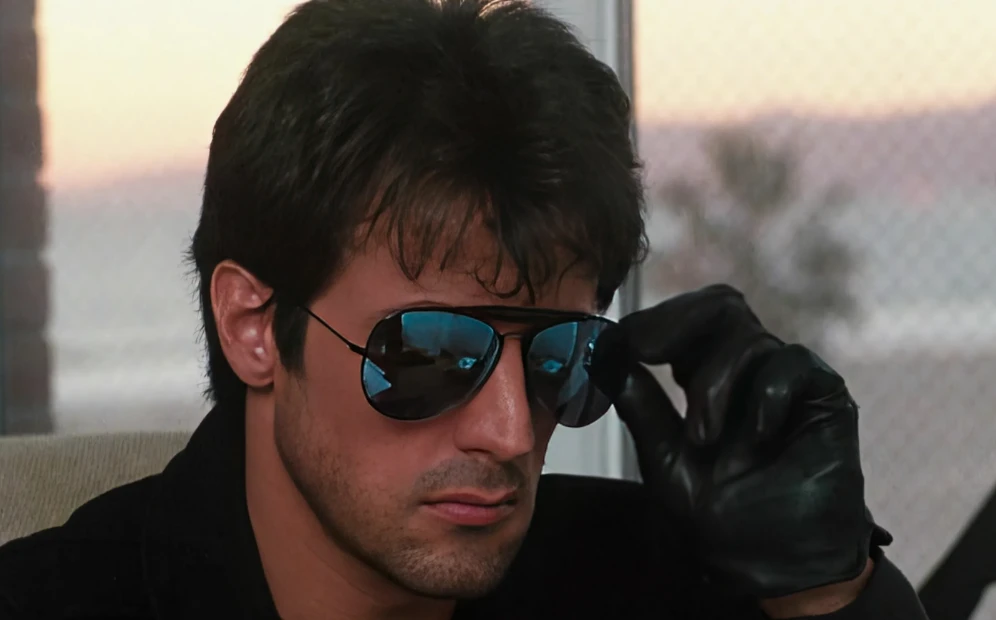
Still from the film "Cobra"
While the film wasn't a box office flop (it grossed over $150 million worldwide), critics panned it, spreading the word that Stallone was a bad actor who had no place in film.
More Failures
His next film, "Over the Top" (1987), became one of the least popular in the actor's career, despite earning $13.5 million for it. The film bombed at the box office, and the career of David Mendelhall, who played the main character's son, was over before it even began. 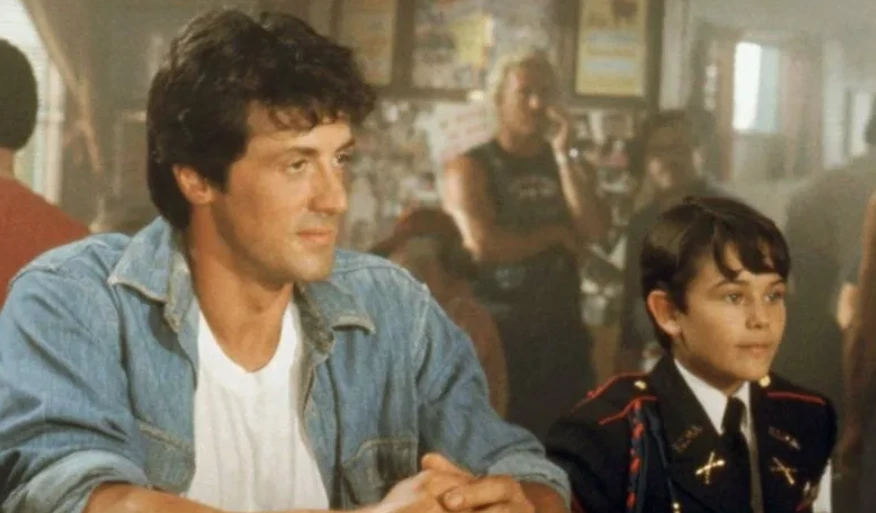
Still from the film "Over the Top"
From then on, Stallone faced some unpleasant surprises, as his subsequent films flopped one after another. Even the "Rambo" sequel and "Lockdown" failed to make a dent in the box office, despite Stallone receiving substantial salaries for them.
As for "Lockdown," the filming was a complete mess, as no one knew the script at the time of shooting. Every day, the screenwriters handed out a couple of pages of the script, which they had written in a hurry, so no one even knew what would happen next. So, it's no surprise that the film performed so poorly. But Stallone himself considered it a mere mediocre success, nothing more. And for Stallone, it all ended with another Golden Raspberry Award. 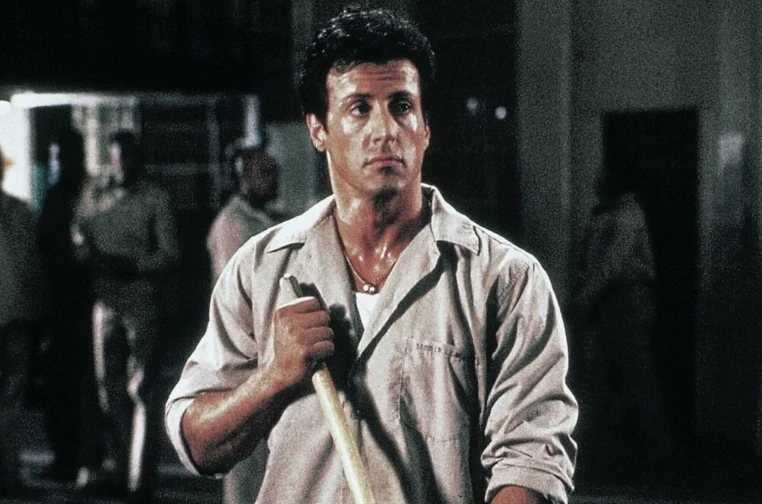
Still from the film "Prison"
In 1989, Sylvester Stallone starred in Andrei Konchalovsky's "Tango & Cash" alongside Kurt Russell. The film performed rather poorly at the box office, though I personally absolutely adore it. But to be honest, I much prefer Kurt Russell in this film. Incidentally, Kurt Russell had a heated argument with Sylvester Stallone during filming because the "star" always wanted to be the center of attention, overshadowing his co-star. 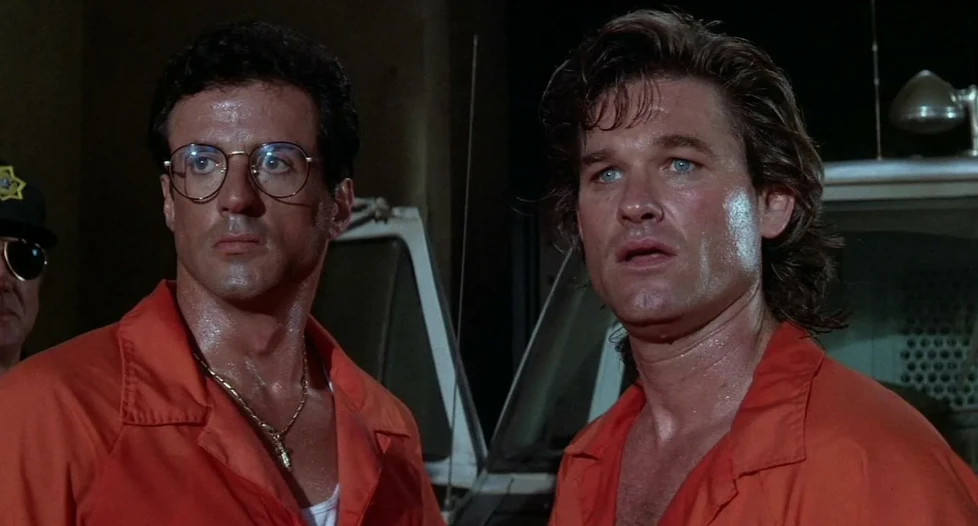
Still from the film "Tango & Cash"
Stallone hoped to improve his fortunes by making another (fifth) Rocky film. But then came the failure again. Unlike the previous Rocky films, which grossed $200-250 million at the box office, the fifth installment, with a budget of $40 million, managed to scrape together just over $100 million. The film, of course, wasn't a flop, but it couldn't be called a success either.
Then came the failure of "Oscar," a film originally planned for the early 1980s but shelved. With a budget of $35 million, the film only grossed $23 million at the box office. Stallone, as usual, received a whopping $15 million in salary. 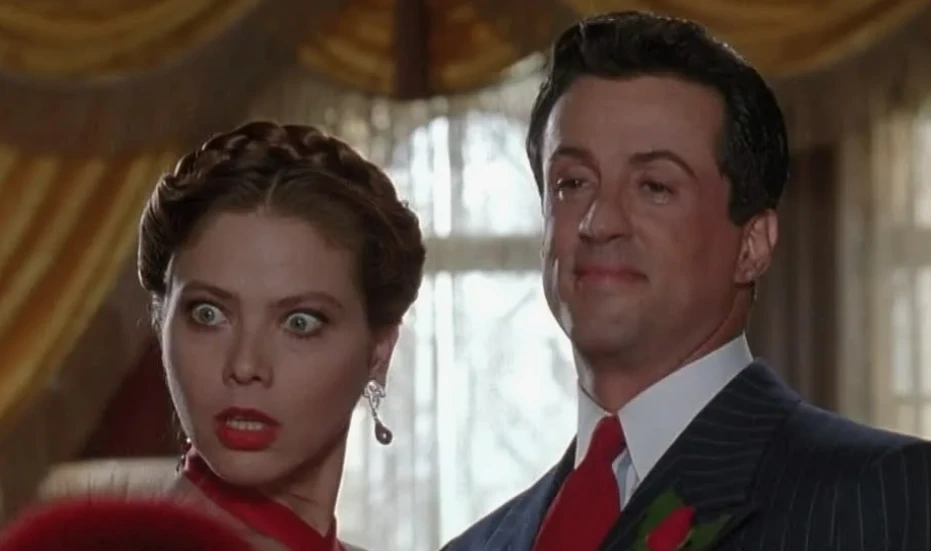
Still from the film "Oscar"
At the time, Stallone was beginning to worry about his career, as his films were flopping at the box office, while those of his main rival, Arnold Schwarzenegger, were enjoying great success. One day, Stallone heard a rumor that Arnold was going to star in "Stop or My Mom Will Shoot," so Stallone did everything he could to get the role. But as it turned out, Arnie had deliberately started the rumor, and the film ultimately bombed at the box office and was panned by critics. And yes, Stallone won another Golden Raspberry.
Further Successes
It wasn't until 1993 that Sylvester Stallone managed to break his losing streak, starring in Cliffhanger and Demolition Man. Both films performed very well at the box office, and thanks to Cliffhanger, Sly was able to overcome his fear of heights. He says he wouldn't have even starred in Cliffhanger if he hadn't decided to challenge his fear. And he was right to agree, as the film grossed $255 million at the box office against a $70 million budget. Sly received his usual $15 million salary. 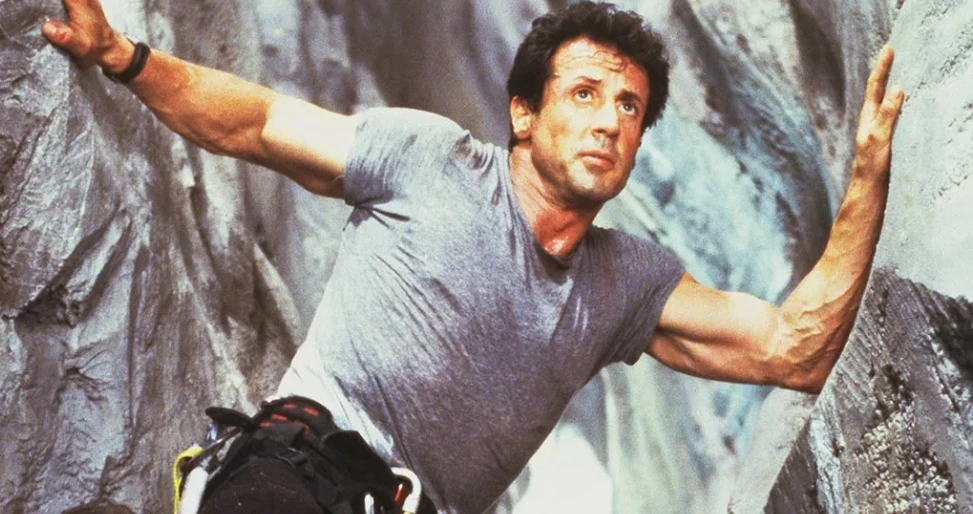
Still from the film "Cliffhanger"
The film "The Specialist" (1994) also performed well at the box office, but after learning that audiences at test screenings liked James Woods better, Sly ordered some scenes with Woods cut so he wouldn't overshadow him. However, critics didn't appreciate Sylvester Stallone and Sharon Stone's performances, earning them another Golden Raspberry Award for Worst On-Screen Couple.
Falling
And then things just kept getting worse. Stallone's films plummeted, one after another. Such well-known films as "Assassins," "Judge Dredd," and "Daylight" flopped at the box office. Moreover, Sly stole the lead role in "Daylight" from the then-little-known actor Nicolas Cage. 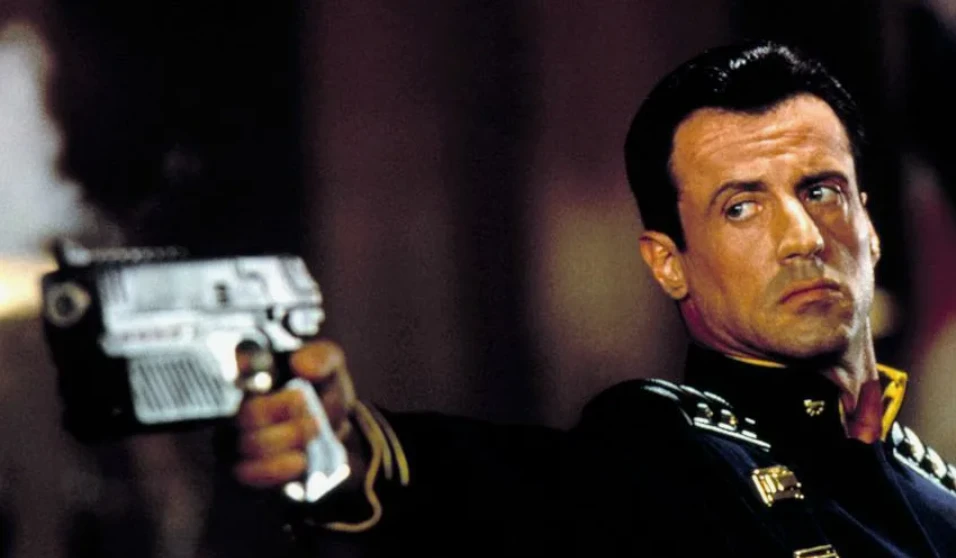
Still from "Judge Dredd"
The actor tried to improve his career by starring in "Cops" (1997), but the miracle didn't happen, as the film also flopped at the box office. Moreover, because of this film, Sly had to turn down several very lucrative contracts.
Things only got worse from there. Stallone's films failed to recoup their box office profits, and some were even released straight to video, bypassing theaters. Stallone said he had high hopes for the drama "Driver" (2001), but constant script revisions turned it into something completely different. Ultimately, with a budget of $94 million, the film grossed a paltry $54.7 million worldwide. However, Stallone himself earned a record-breaking $20 million for the film. 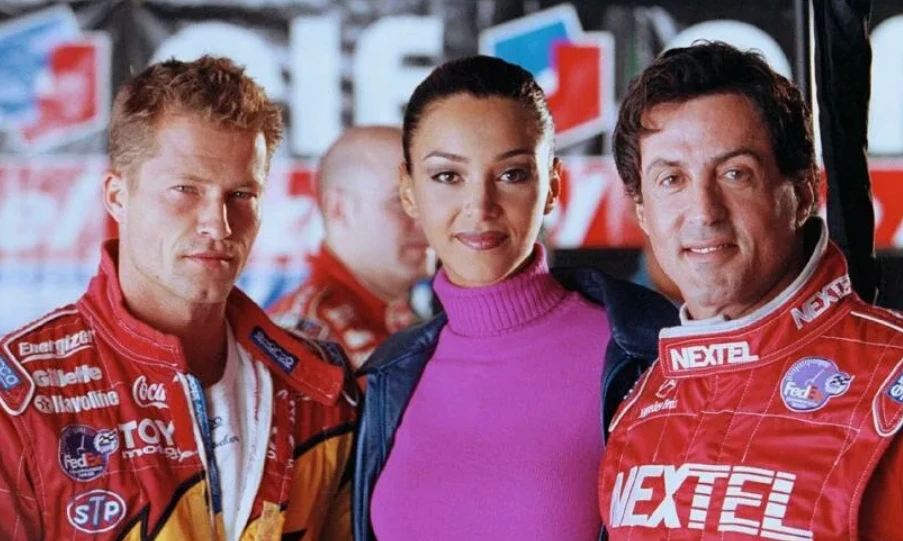
The film "Driver"
The situation was further exacerbated by the fact that Stallone, who regularly won Golden Raspberry Awards, was named the worst actor of the 20th century.
Stallone's subsequent films were also unsuccessful. Take his role as the antagonist in "Spy Kids 3D" for example.
Returning to the Pedestal
But despite the failures, Stallone didn't despair. He decided it was time for a change and began seriously considering his film career. Finally, in 2006, the film "Rocky Balboa" was released, which rectified the situation. The film earned $155.4 million at the box office against a budget of $24 million. 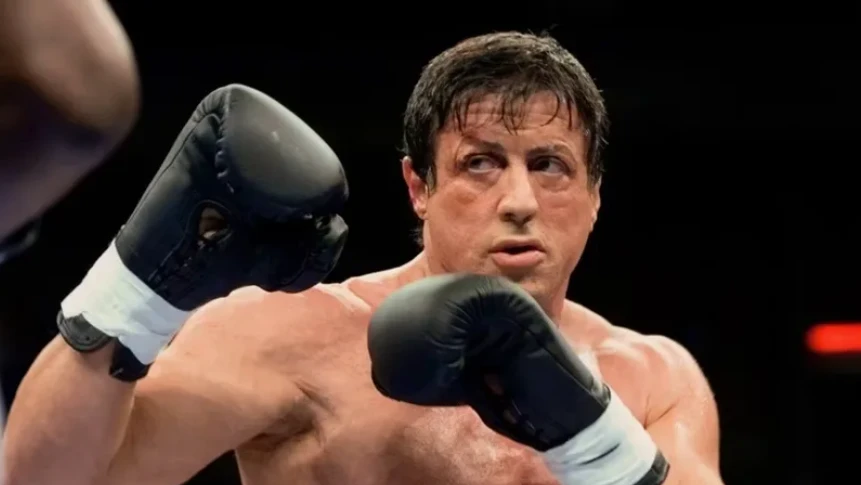
Still from "Rocky Balboa"
Then came the unexpected fourth installment of "Rambo." It wasn't exactly a box office success, but it did bring in some profit, and audiences and critics were quite pleased, which was also worth the price.
Then Stallone suddenly came up with the idea of making a 90s-style action movie, inviting action stars of the past to star, such as Dolph Lundgren, Jet Li, Bruce Willis, Eric Roberts, and even then-Governor Arnold Schwarzenegger. Yes, I'm talking about "The Expendables." 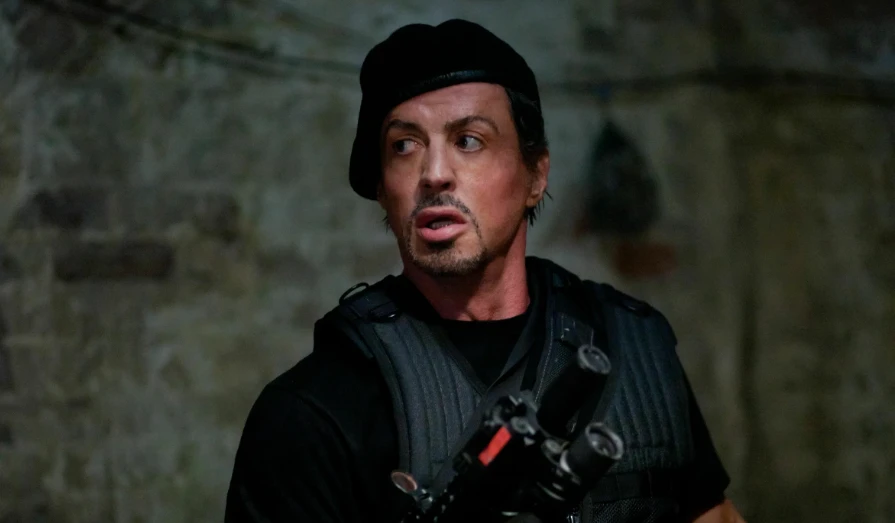
Still from "The Expendables"
Interestingly, "The Expendables" performed quite well at the box office, but critics again lambasted Stallone. Of course, it was Stallone's film, and he acted not only as an actor but also as a director and screenwriter.
Sly's big breakthrough came with Creed (2015). With a budget of $35 million, the film earned $174 million at the box office. Even more importantly, Stallone received an Oscar nomination for Best Supporting Actor. This earned him another Golden Raspberry, but this time in a good way, as he received a separate award for restoring his reputation, which overturned his previous title of "Worst Actor of the 20th Century." 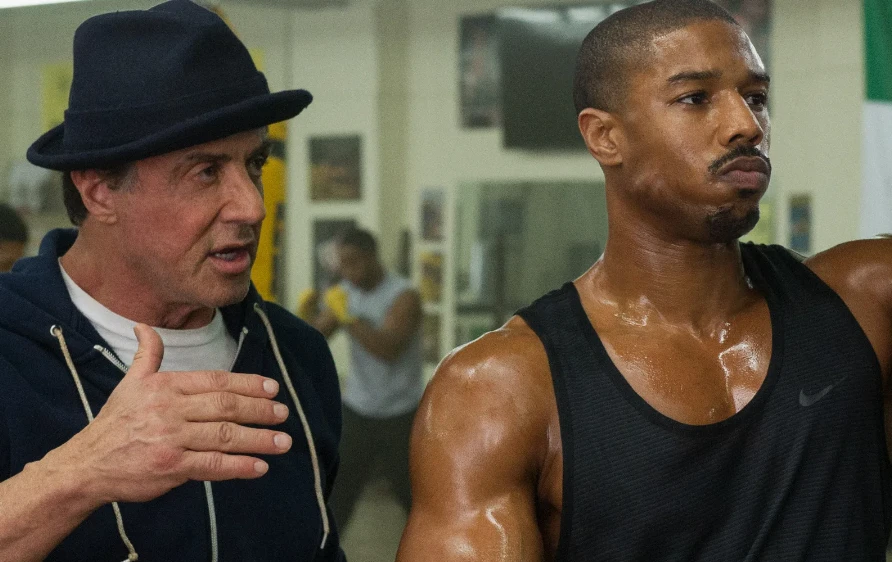
Still from the film "Creed"
Sly subsequently continued to star in sequels to previously successful films. This led to such films as "Creed 2" (2018), "Rambo: Last Blood" (2019), "Escape Plan 3" (2019), and "The Expendables 4" (a box office flop).
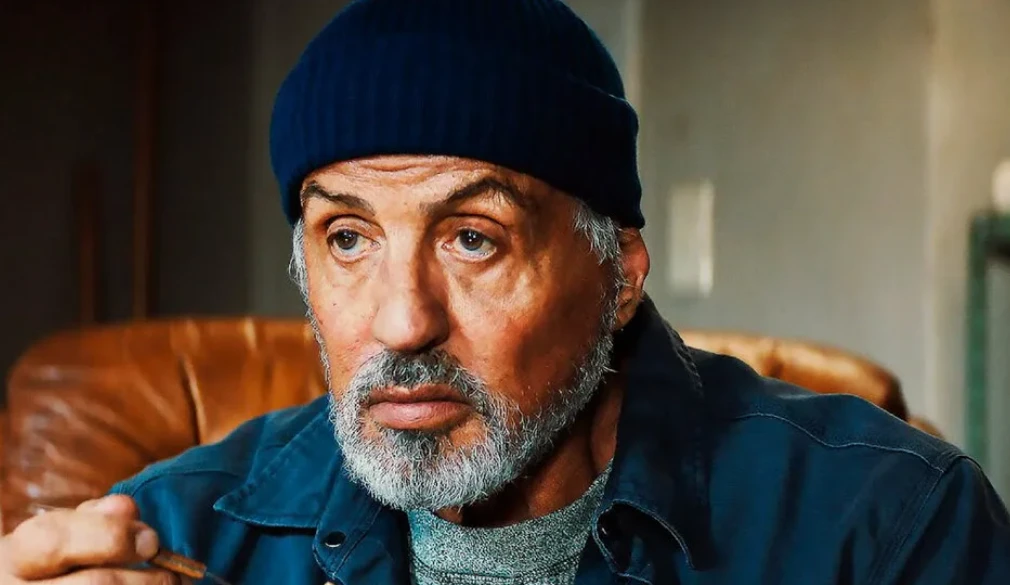
Sly also appeared in superhero films such as "Samaritan" (2022) and "Guardians of the Galaxy Vol. 3" (2023). And despite all of Stallone's failures, I'm confident his career is in no danger of being ruined.