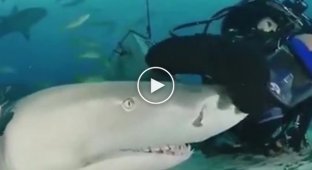
The great white shark: the ocean's most feared predator (12 photos)
In 1975, great white sharks were suddenly the focus of global attention, interest, and fear. The film "Jaws," released that year, tarnished the reputation of these marine predators for decades. If "Jaws" had starred a grizzly bear, a lion, or even a snail (with 30,000 teeth, by the way!), would they have achieved the same fame as great white sharks? Unlikely. 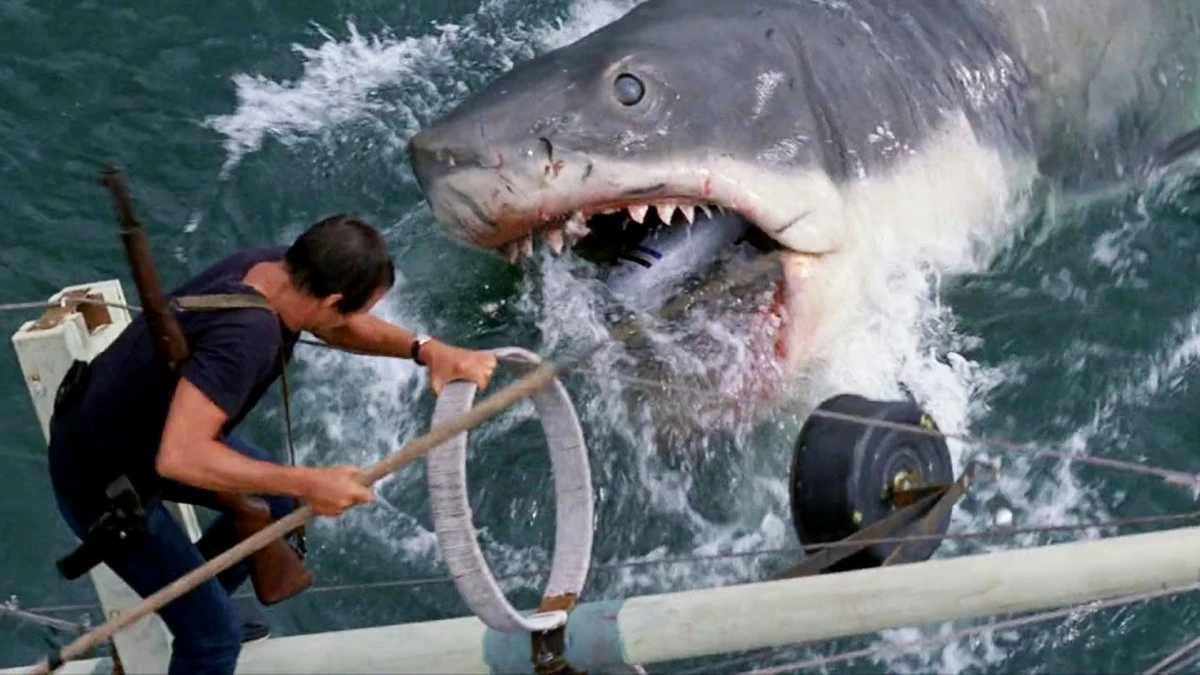
The film's designers managed to create a truly terrifyingly realistic fish!
Reason #1. Appearance
Fear of sharks is something almost primordial. The peoples of Oceania worshiped great white sharks as gods, and among sailors, there's still a superstition that following a ship means certain death. True, the great white shark is far from the largest predator in the ocean, nor even the largest of its kind. But how can you not be afraid of a ton-weighing, five-meter-long monster? And such dimensions aren't the limit! 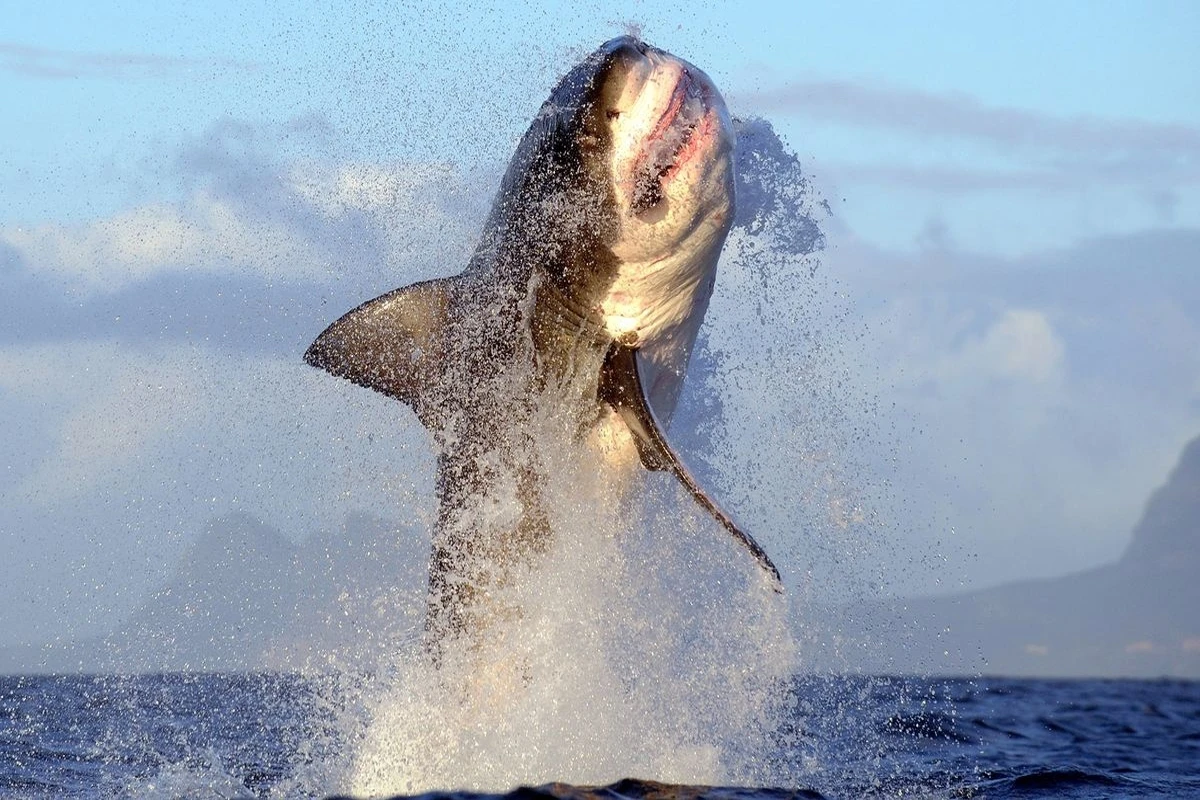
This fish will make a fish soup for anyone.
Today's record holder is Deep Blue, reaching 6.1 meters in length. For those as poor at spatial reasoning as I am: 6 meters is the size of a minibus. Why do sharks grow so gigantic? To reach the very top of the food chain, of course. 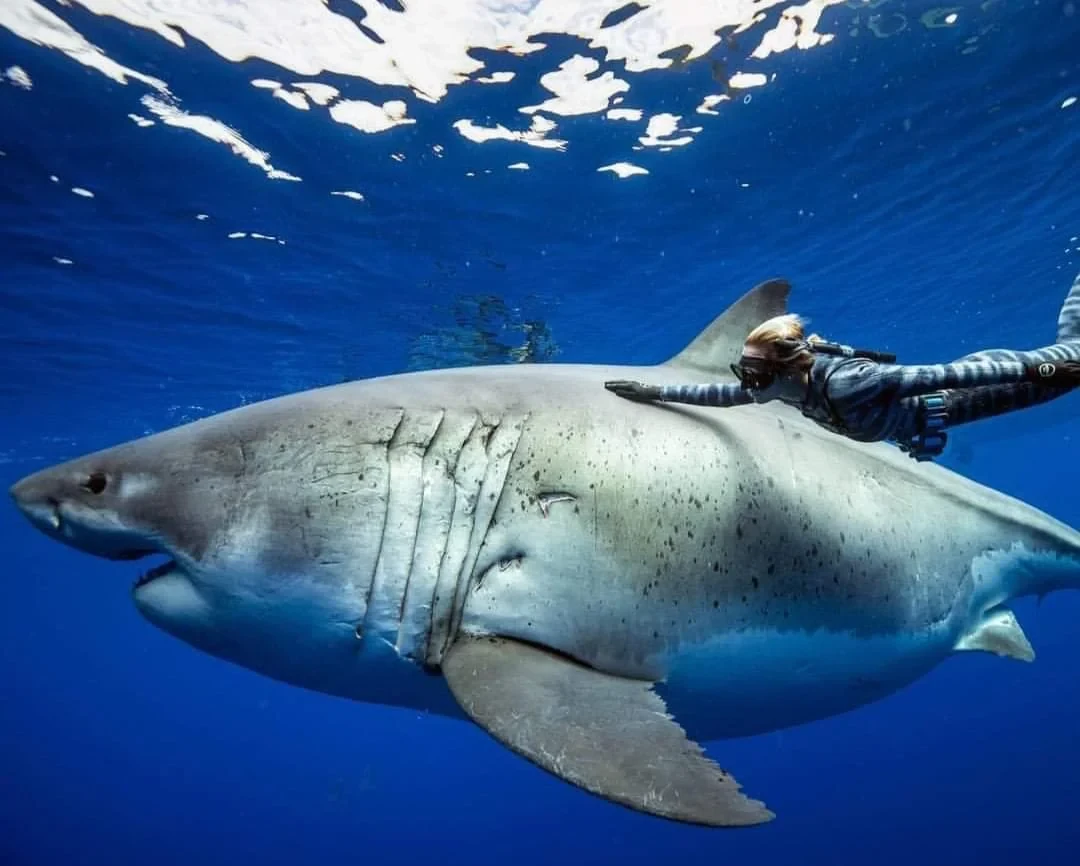
That same Deep Blue shark. It's one of the largest great white sharks ever recorded. Scientists estimate it's currently around 50 years old.
Reason #2. The Superpowers of an Apex Predator
A frightening appearance alone won't get you very far in the ocean. To become an apex predator, evolution has cranked up each of fish's five senses to the max. Their tiny eyes see far more than you'd expect: they're adept at distinguishing light, shadow, and even a few colors. Touch isn't so simple either: sharks have a special organ that detects the movement of objects in the water nearby—the lateral line. This organ can be used to "touch" you and assess you even without direct contact. It's based on vibrations and changes in water pressure. 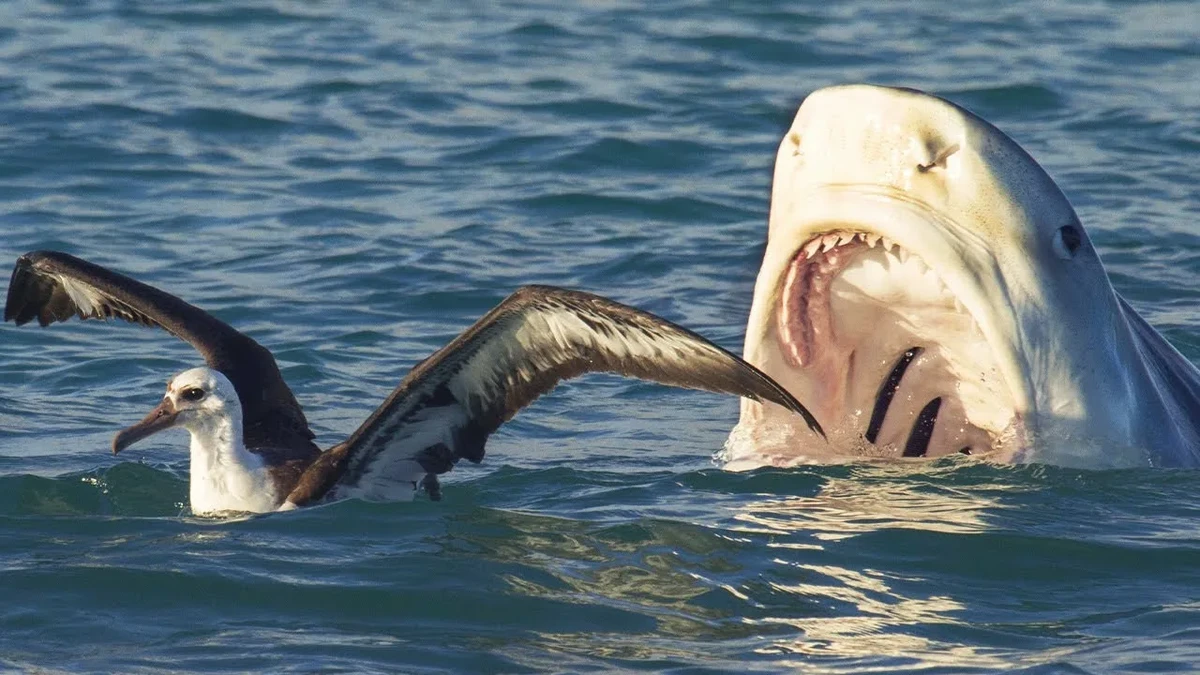
Open your mouth, there goes the airplane!
Another bizarre tool for finding prey is electroreception. The shark's entire head is covered in ampullae of Lorenzini. These specialized sensory organs allow the shark to detect any nearby electrical impulse, from the slightest twitch of a limb to the heartbeat of its prey. 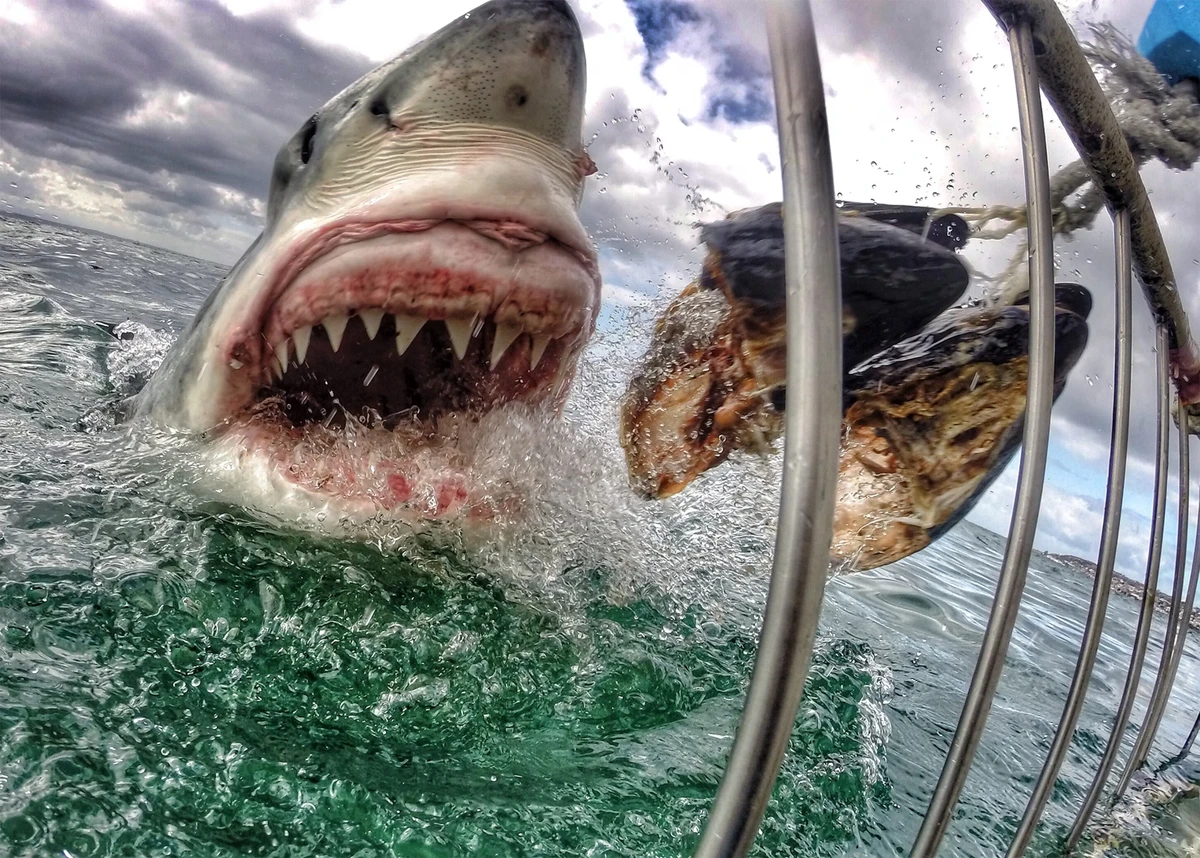
That same three-year-old cousin when he saw you had games on your phone.
Direct contact will ensure the jaws. Those famous jaws close with a force of 18,000 Newtons. That's the force of a hydraulic press. Add to this several rows of teeth—the great white shark has about 300—and you have a living trap! The great white shark doesn't grab its prey. It tears it apart. 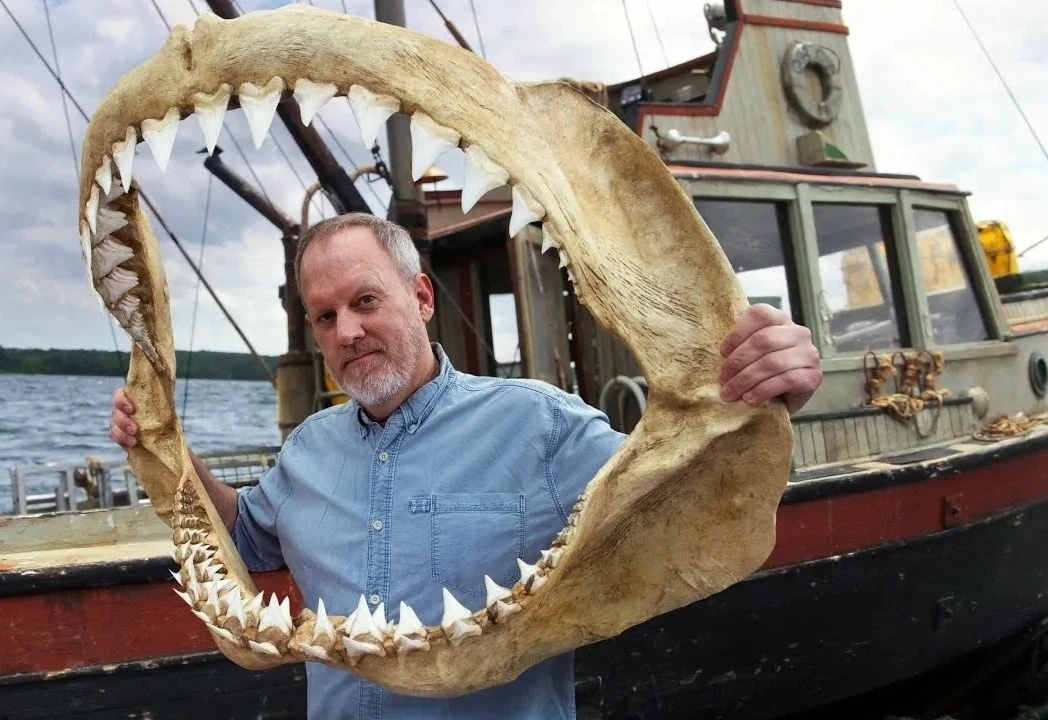
With a mouth like that, you shouldn't bite a person, but swallow them whole!
And what about their sense of smell? Of course, it's a myth that great whites can't detect a drop of blood from several kilometers away. But that doesn't change the fact that the great white is the best sniffer among sharks! This is indicated by their gigantic olfactory bulbs—they occupy up to 18% of the total brain volume. If we imagine placing a shark in a pool and dropping a drop of blood into it, the predator would sense that droplet without the slightest difficulty.
Reason #3. Insatiable Appetites
The great white shark's biology has propelled it to the pedestal of superpredation. And it takes full advantage of its right to the strong! The great white shark is a hunter of hunters. Its prey includes large fish, pinnipeds, dolphins, porpoises, and even other sharks. 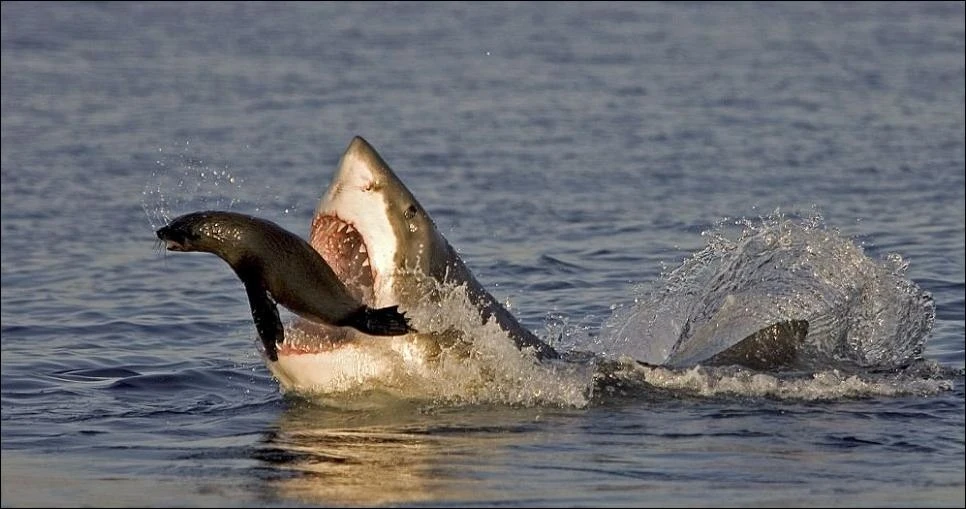
Great white sharks especially favor pinnipeds because of their high fat content.
The predator is constantly searching for prey. Depending on its size, the fish needs to consume between 2 and 16 kilograms of meat per day. If a shark has gone hungry for a couple of days, it will devour an entire seal in one sitting! With a single bite, it can decimate 10-15 kilograms of meat. Only cetaceans—dolphins and killer whales—can unleash this bloodthirsty beast. The former take on the shark through numbers and organization, the latter through force. 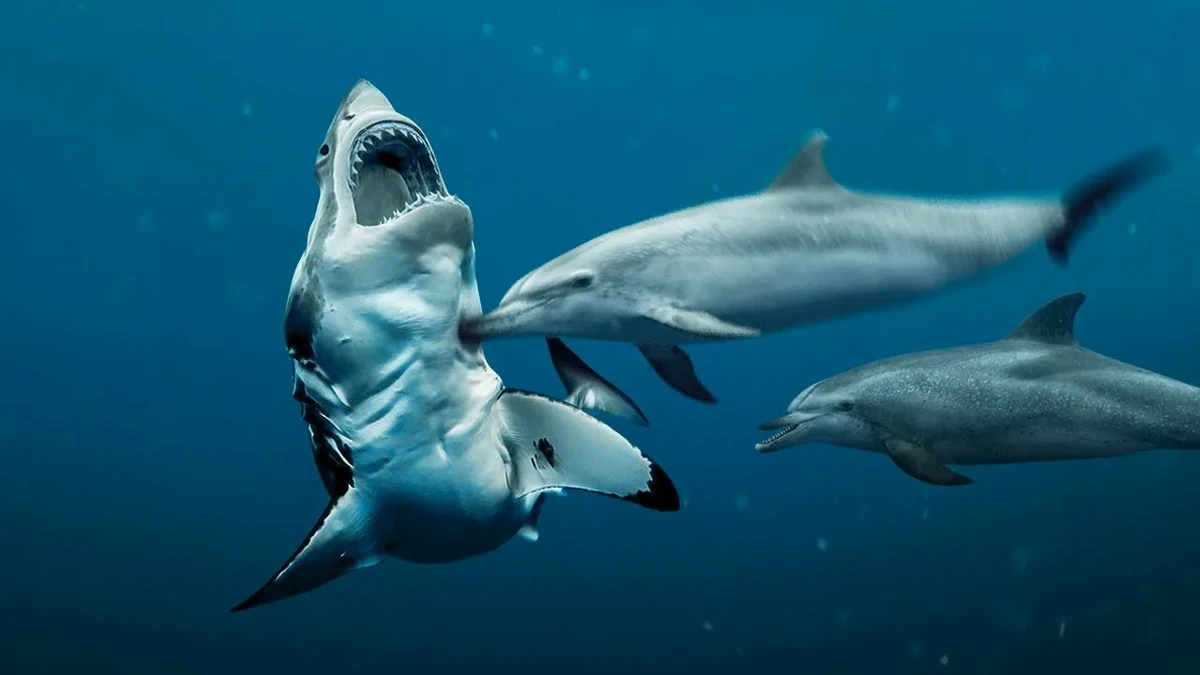
When younger brothers team up against their older brother and now go after him with redoubled force.
Reason #4. Intelligence and Resourcefulness
So, your body is perfect. There's an entire ocean of food for you. What does a bored predator do when its conditions are close to ideal? It begins to develop its brain. Despite the fact that scientists have dissected the great white shark's anatomy down to the last bone, little is known about its social life. Only recently did biologists discover that sharks form highly organized groups for hunting and communication, establish a hierarchy within the group, choose hunting tactics, and exchange information about the location of prey with each other. Not so bad for a "stupid fish," right? Communication occurs through body language and its chemical signals. 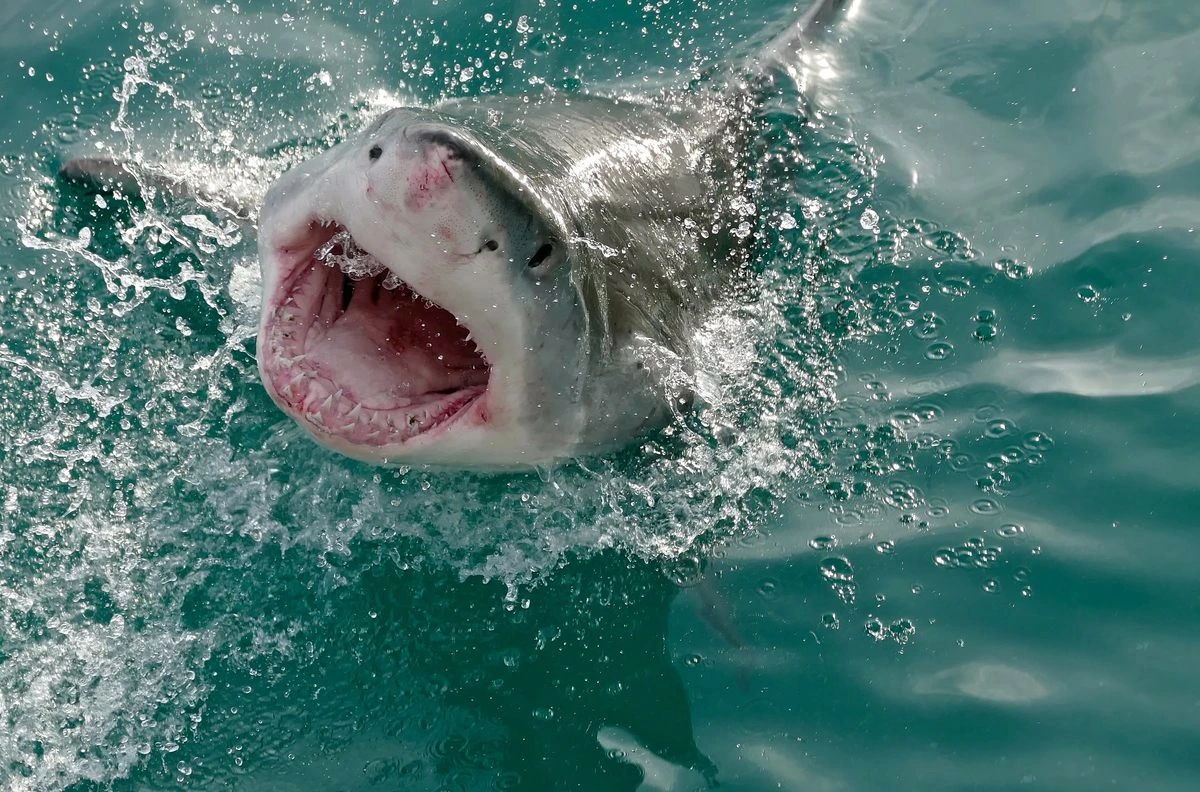
I'm not stupid! I'm especially gifted!
Sharks are also extremely curious creatures. However, this is a disadvantage to those around them, because, lacking hands, they make their discoveries with their mouths. Sharks' intelligence and ingenuity cause 50-80 deaths each year. What's a fish's curiosity is a human's loss of a limb. 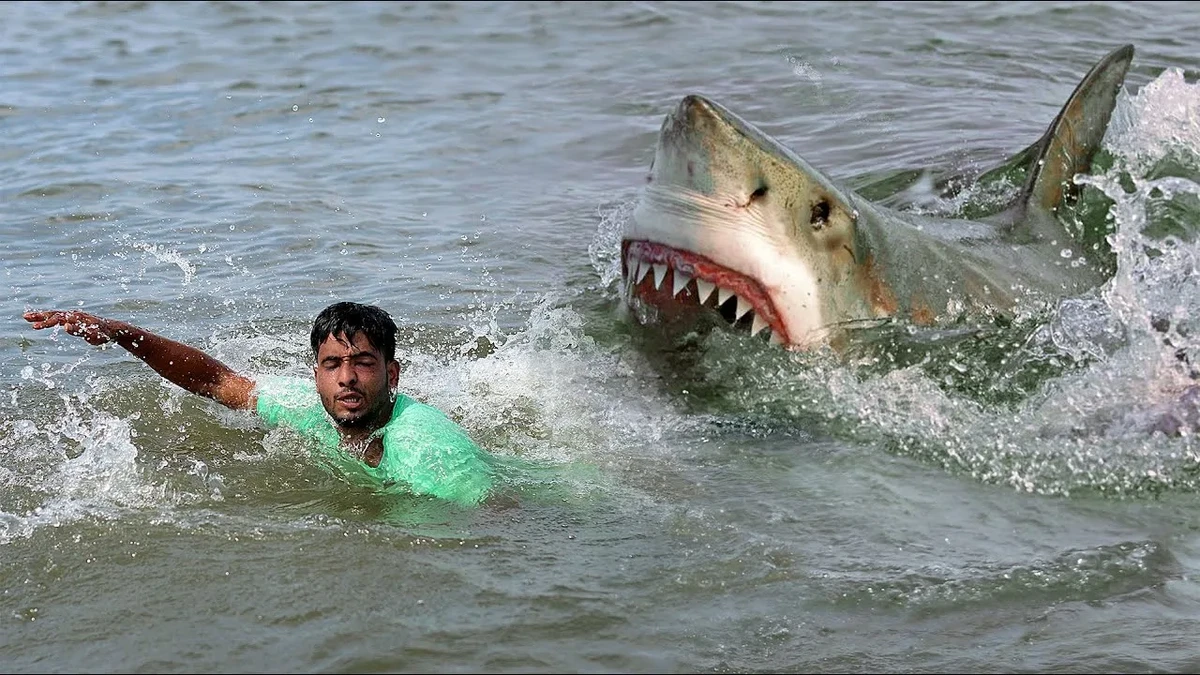
Trying to escape a shark is impossible. When diving, the fish can reach speeds of up to 25 km/h.
From a gastronomic perspective, we are of little interest to these predators—we are too skinny. How can we be so sure of this? The numbers for several centuries suggest so: according to observations since 1580, only 17% of unprovoked attacks have been fatal! 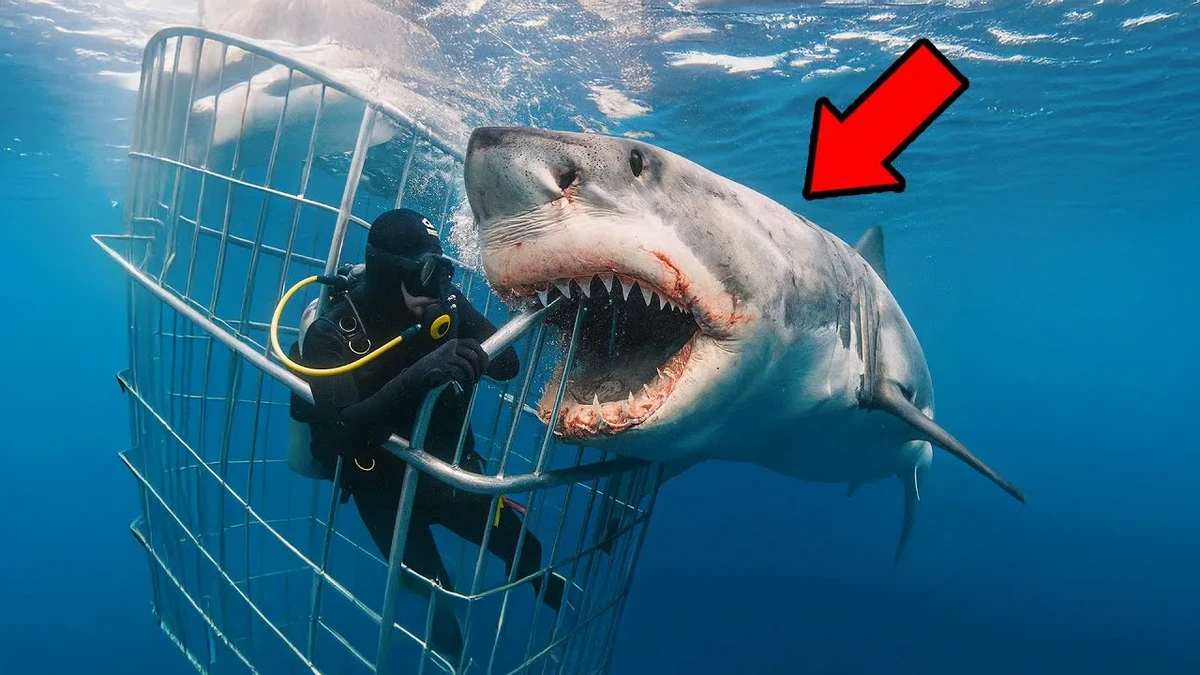
Bro, listen to me. You need to get out of your comfort zone, otherwise you'll never change anything in your life.
Reason #5. That Movie
Since the release of Jaws, great white shark fishing has increased a hundredfold. It's no longer just for meat, but for fins, fun, and revenge. As a result, the population of these fish declined by more than 70% before humanity grabbed its head and rushed to restore the image tarnished by cinema. Now, according to various estimates, the population of the entire species numbers between 5,000 and 20,000 individuals. And that's across the entire ocean! 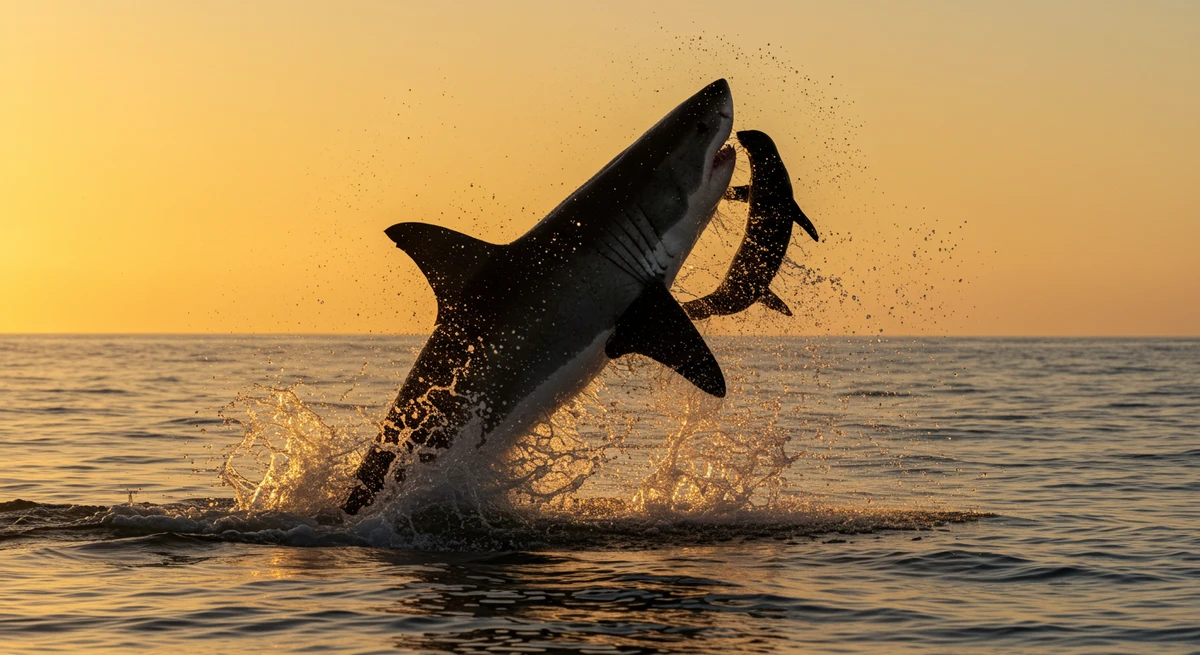
Commercial fishing and bycatch remain a significant threat. But in protected areas (off the coast of California, South Africa, and Australia), there are signs of stabilization or slow recovery thanks to protective measures.
So the verdict is: sharks are worthy of fear and respect. They are one of the ocean's most powerful predators. But there's no point in hating them! The odds of dying in the jaws of an apex predator are the same as falling off a couch—1 in 3.7 million.