Rare and interesting photographs from the front lines of World War II (21 photos)
Here is a new collection of colorized photographs from World War II. These images cover various fronts and countries, and both warring coalitions. They feature not only scenes from epic battles, but also the everyday lives of ordinary soldiers, the views of civilians, the ruins of cities, and moments of quiet fortitude during the most tragic period of the 20th century. 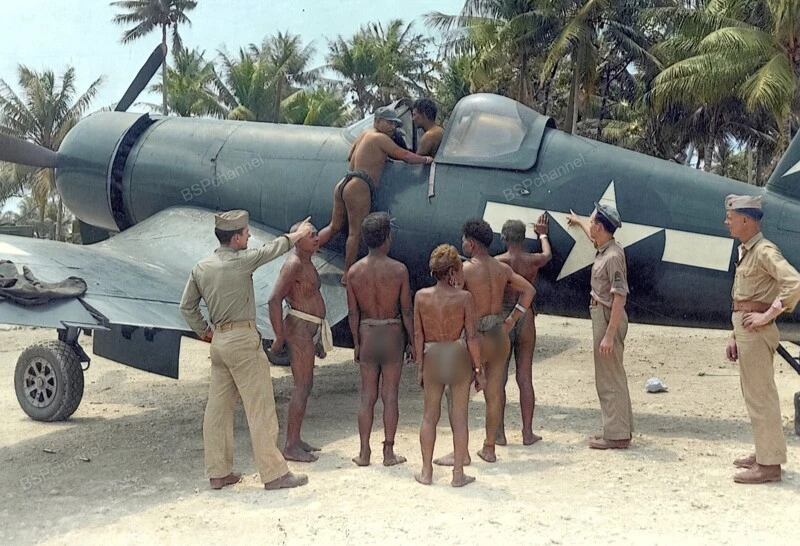
Women of the Women's Auxiliary Naval Service transport a torpedo for loading onto a submarine at the Portsmouth base, 1943. 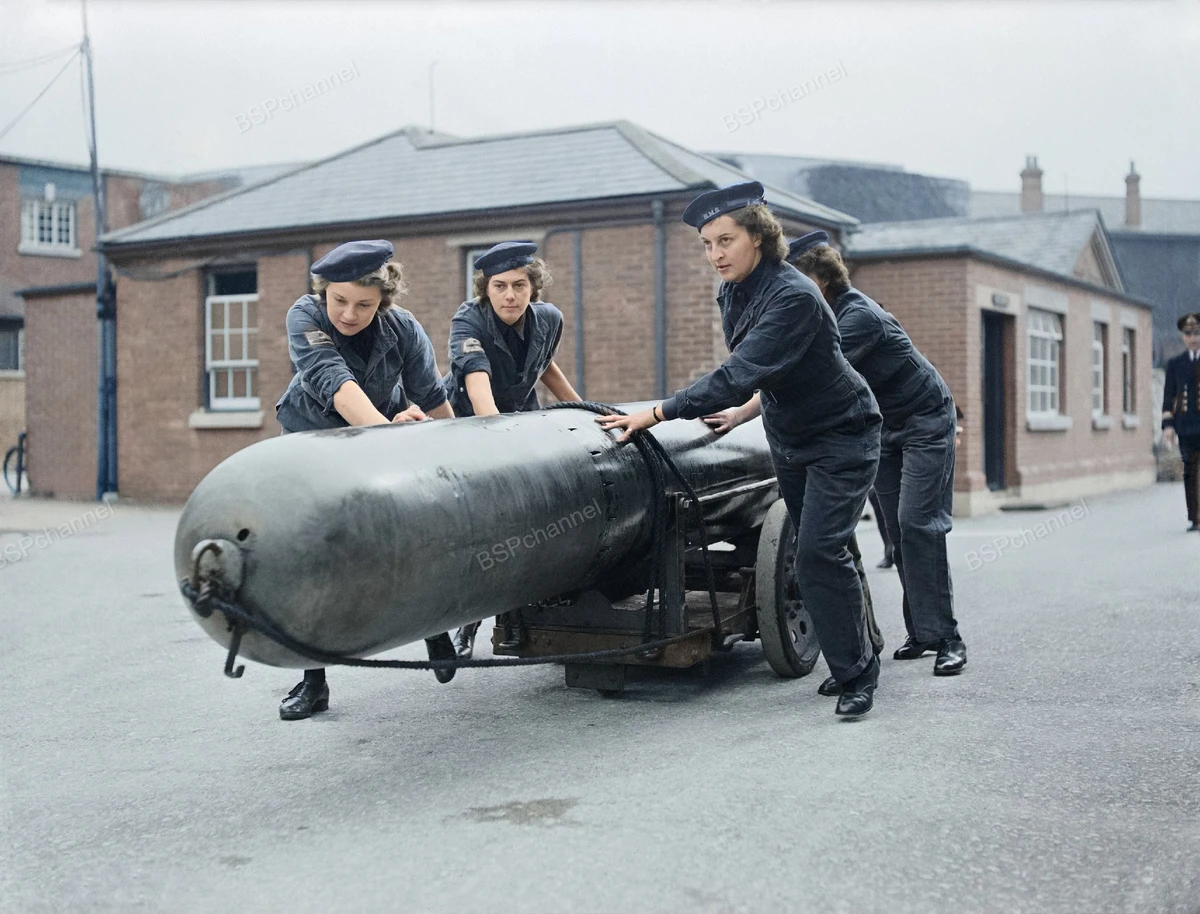
Photographer: J. Hampton
The Taj Mahal mausoleum with its bomb-proof structure. India, 1942. 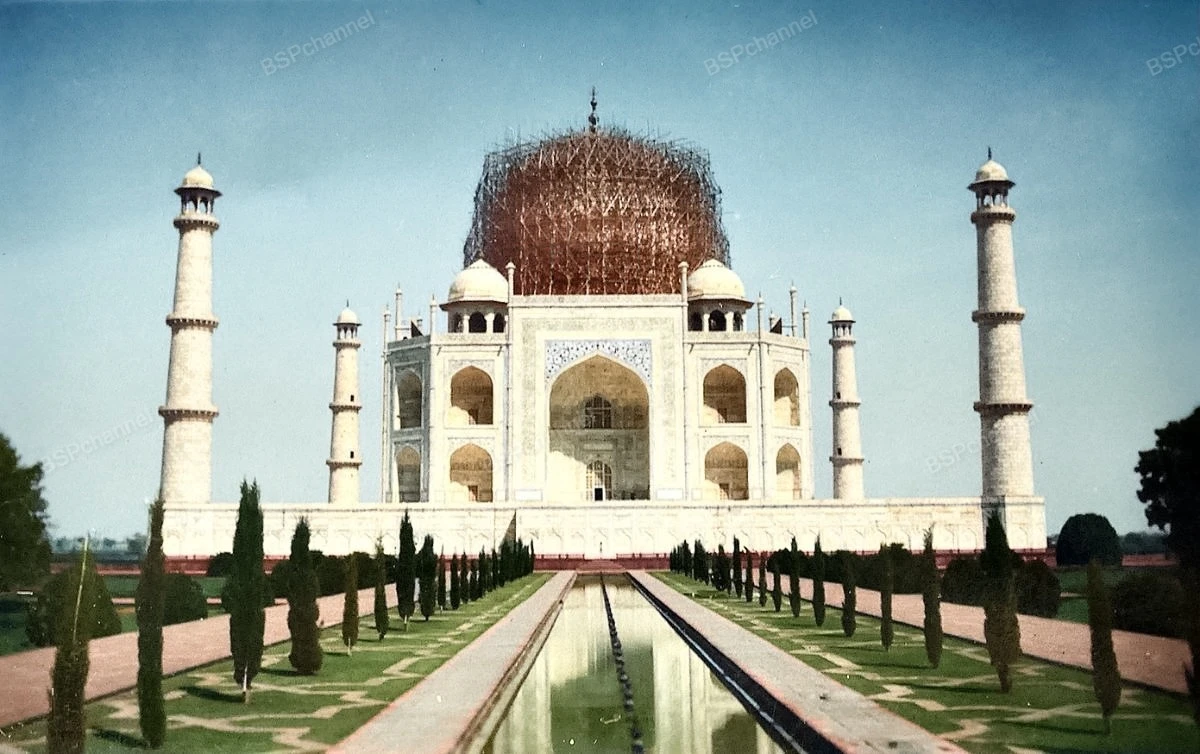
In 1942, fearing possible air raids during World War II, the British military took an unusual measure to protect the Taj Mahal: its famous dome was camouflaged with bamboo. The goal was to conceal the mausoleum's distinctive bulbous shape, making it appear as an innocuous mound of vegetation. To achieve this, a complex system of scaffolding was erected around the nearly 200-foot-tall (about 61 meters) dome, onto which bamboo structures were stretched and secured. This choice was no accident: bamboo, a lightweight, durable, flexible material widely available in India, was ideal for camouflage. It not only visually blurred the monument's silhouette but also muted the gleam of the white marble, which could have served as a landmark for enemy bombers on clear moonlit nights.
A Hungarian collaborator before his execution. Budapest, 1946. 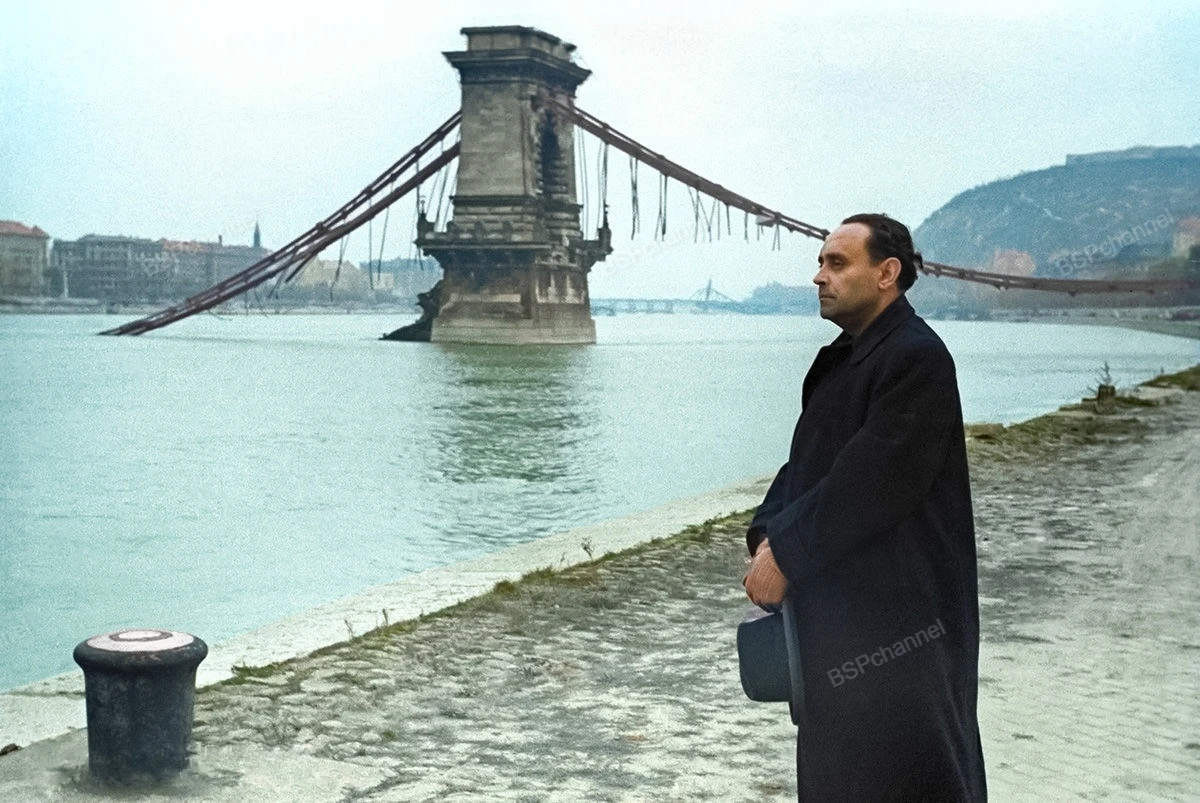
Ferenc Szálasi, leader of the Hungarian fascist Arrow Cross Party, which fought alongside the Nazis in World War II, faced retribution on the banks of the Danube—where his regime once dumped fallen resistance fighters. His execution was scheduled for March 12, 1946, and the site became a symbolic act of historical justice: the executioner himself found himself on the very bank where he had sent his victims. Today, a memorial stands on this spot, erected in the spring of 2005, near the Hungarian Parliament building. It consists of 60 pairs of cast iron shoes: shoes, boots, high boots, and sandals, each pair accurately replicating actual footwear from the 1940s.
A gunsmith works on one of the .50-caliber Browning machine guns in the ball turret of a B-17 Flying Fortress bomber, 1943. 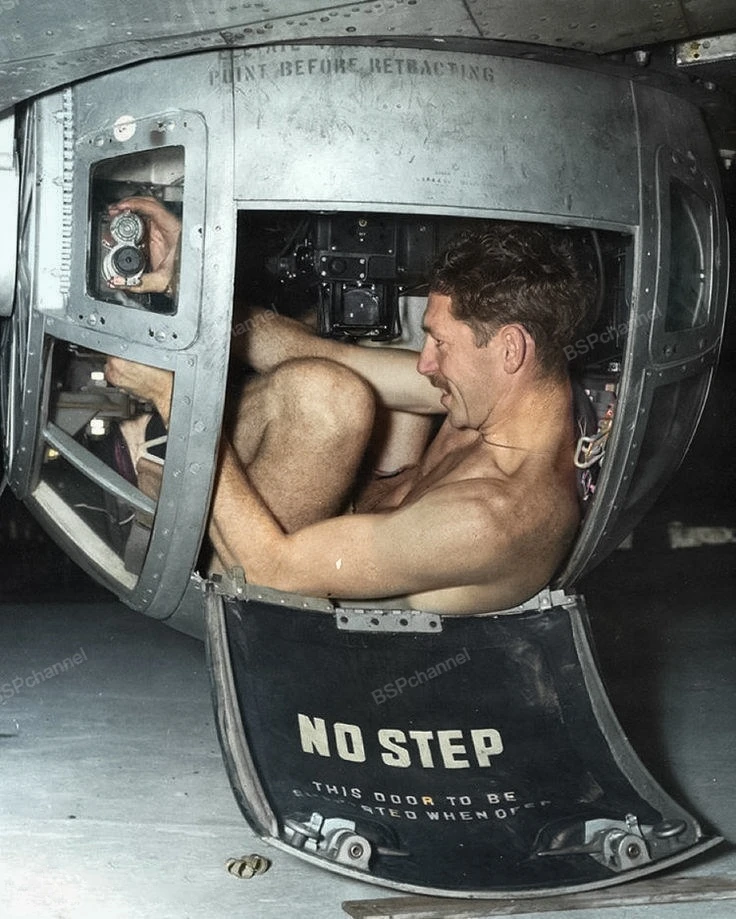
Short gunners were selected for the lower ball turret—it was so cramped that they were practically in the fetal position. Naturally, a parachute wouldn't fit in such conditions either.
Female guards at Nazi concentration camps, 1939-1945 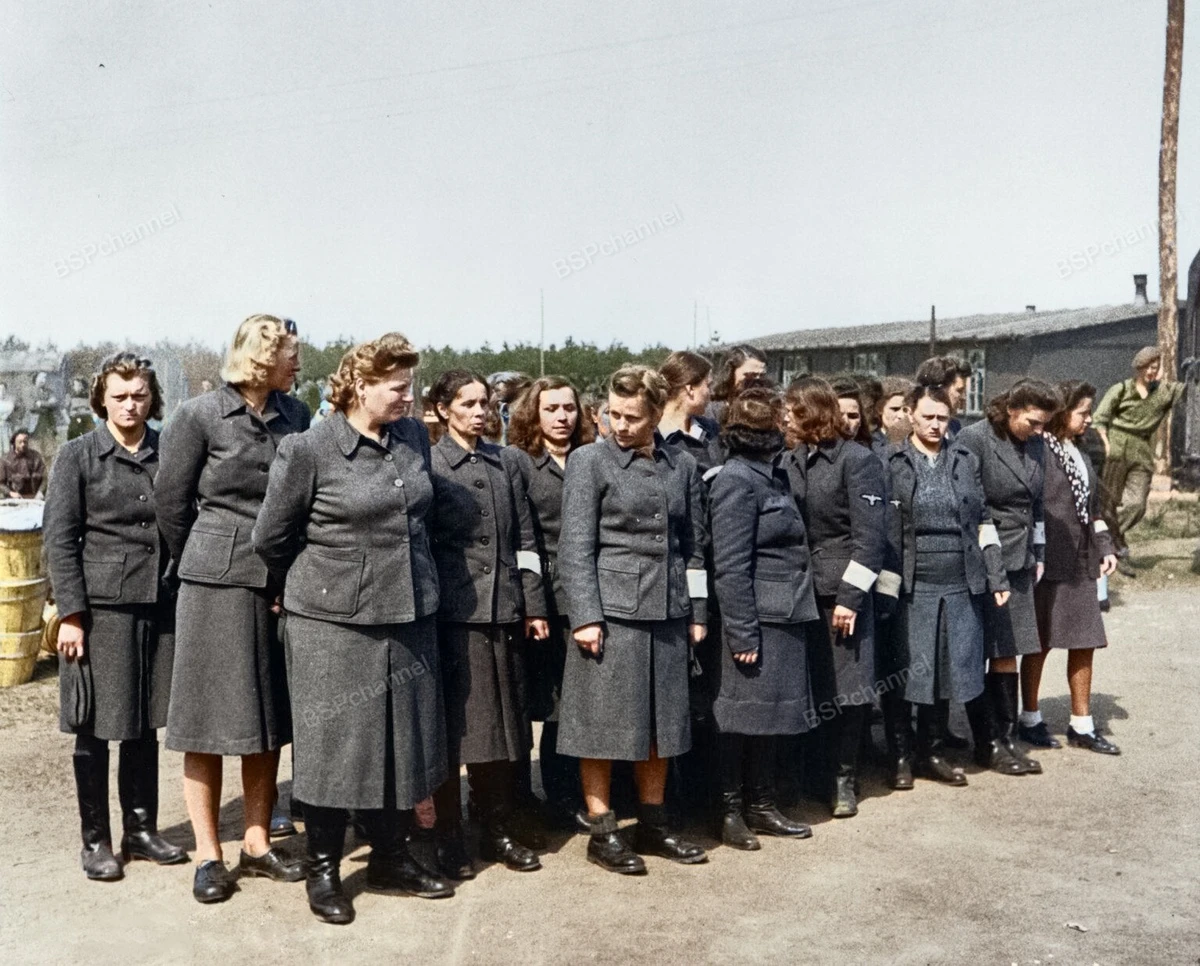
Rosa Maria Godziewska, 8-year-old nurse. Warsaw Uprising, 1944. 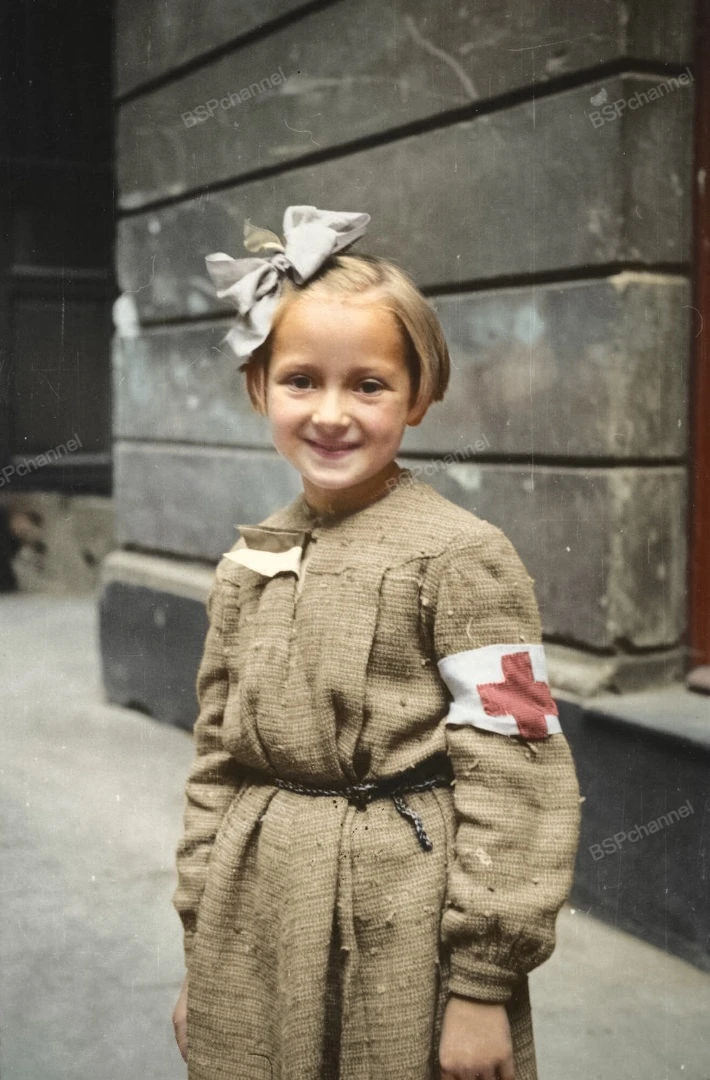
Rosa Maria Godziewska was one of the youngest participants in the Warsaw Uprising of 1944. She was only eight years old, but despite her age, she assisted the insurgents as a junior nurse. During the uprising, children often performed auxiliary but vital functions: carrying messages, fetching water and food, and the bravest participated in evacuating the wounded and providing first aid. Rosa served in the "Gustaw" unit (a Home Army unit) operating in the Wola district.
Parisians inspect an abandoned German Pz.Kpfw. V "Panther" tank on the Quai des Celestins near the Sully-Morland metro station. Paris, 1944. 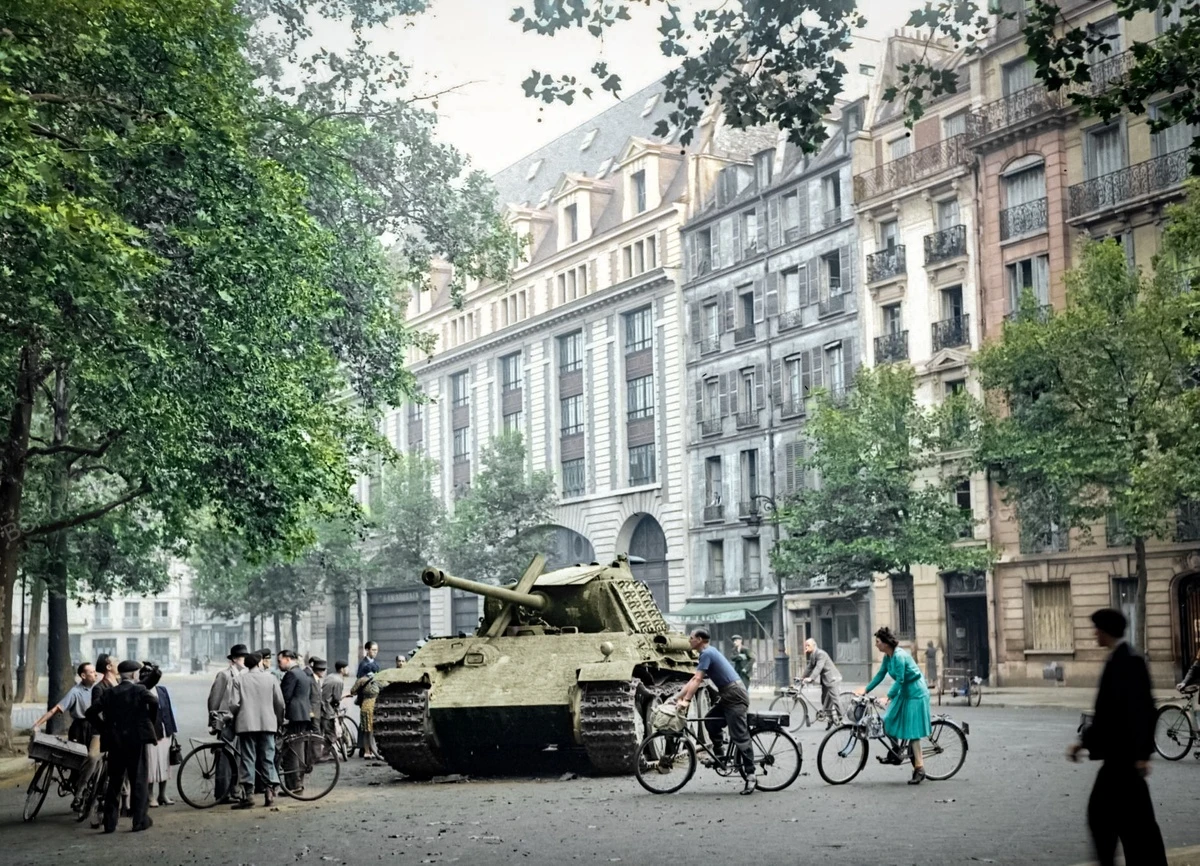
A worker taking a break at the Brooklyn Navy Yard, 1941. 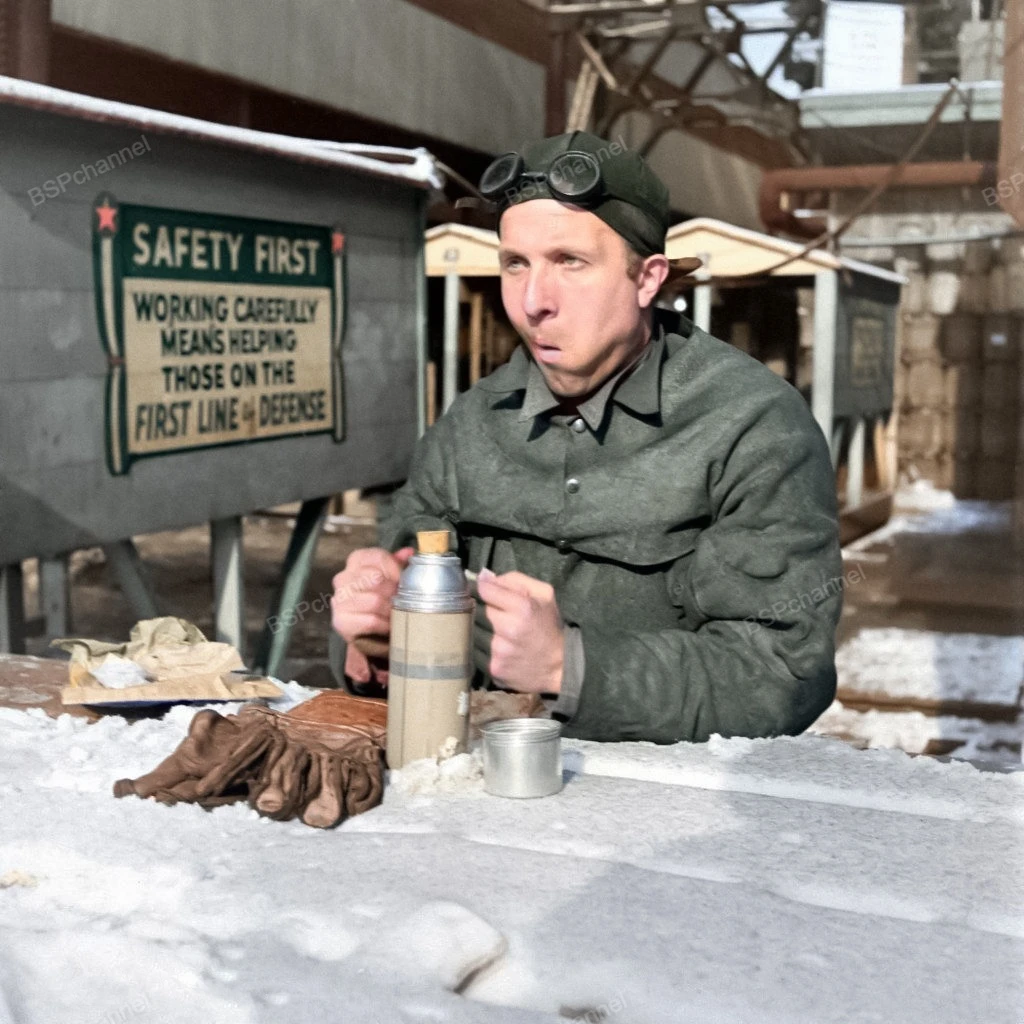
Photographer: George Strock.
The poster reads: "By observing safety precautions, you help those at the front."
RAF Gibraltar, 1941. 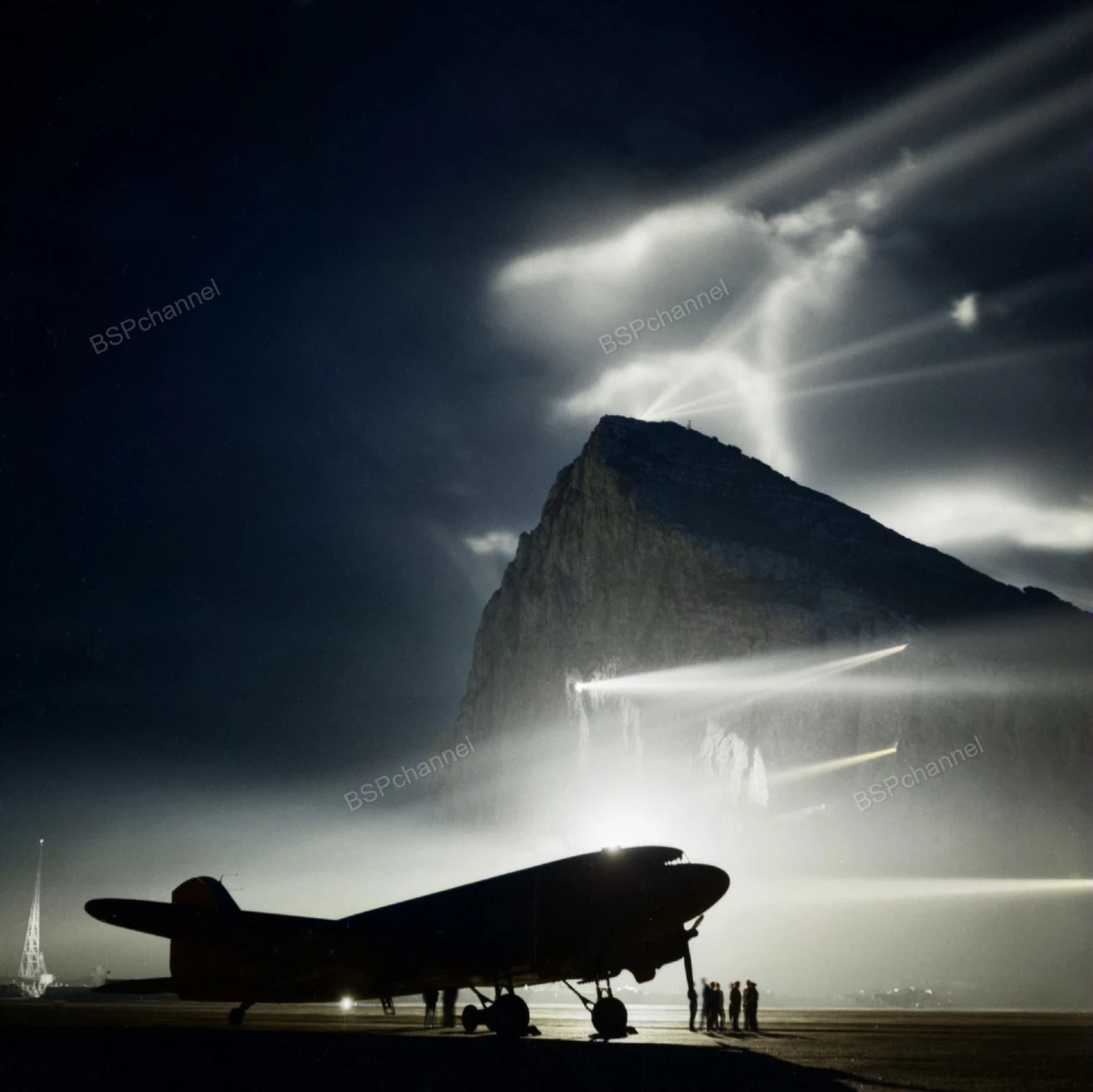
Royal Air Force Base Gibraltar, 1941 – a key strategic hub for the British Empire in the Western Mediterranean during World War II. Situated on the Rock of Gibraltar – the "stone shield" at the entrance to the Mediterranean Sea – the base played a crucial role in securing control of the Strait, protecting naval convoys, and supporting operations in North Africa.
A British Matilda tank (Mk.II "Matilda") wearing a special Sunshield camouflage kit, disguising the tank as a truck. Helwan, Egypt, 1941. 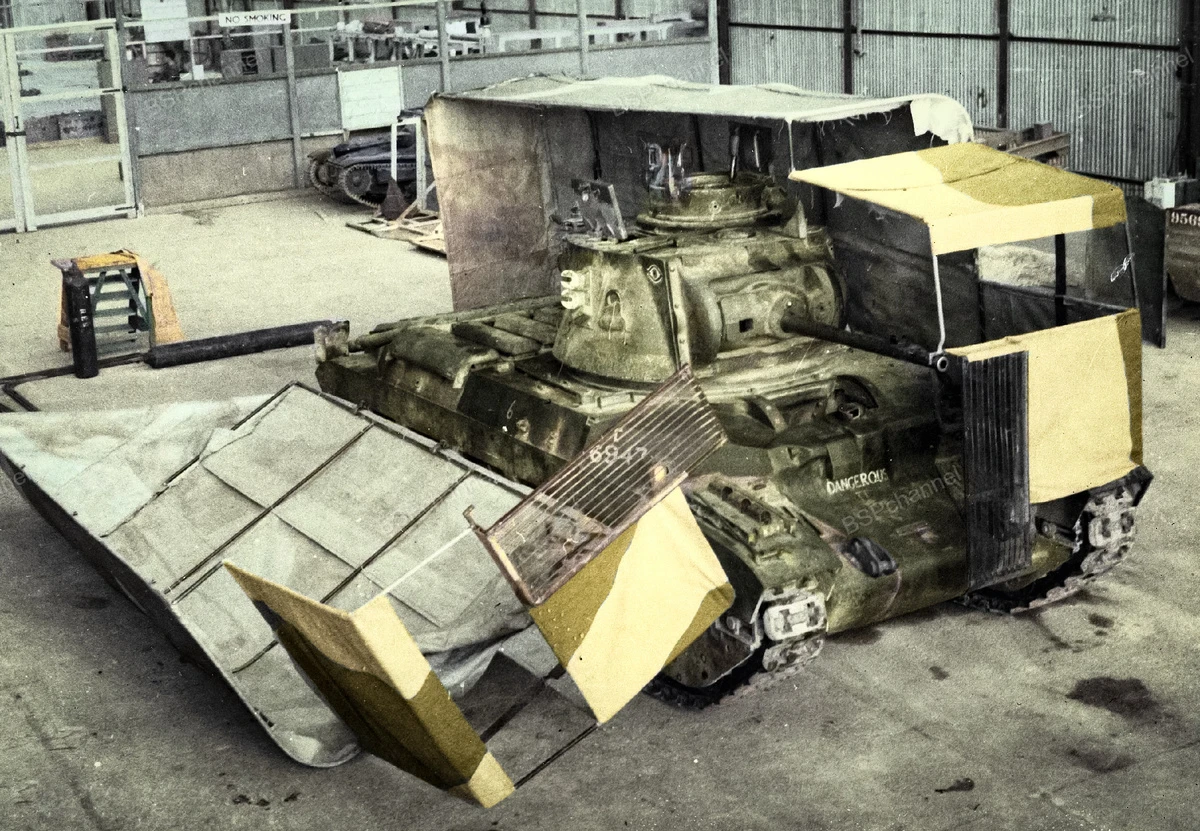
A herd of cows on the streets of occupied Paris, 1942-1944. 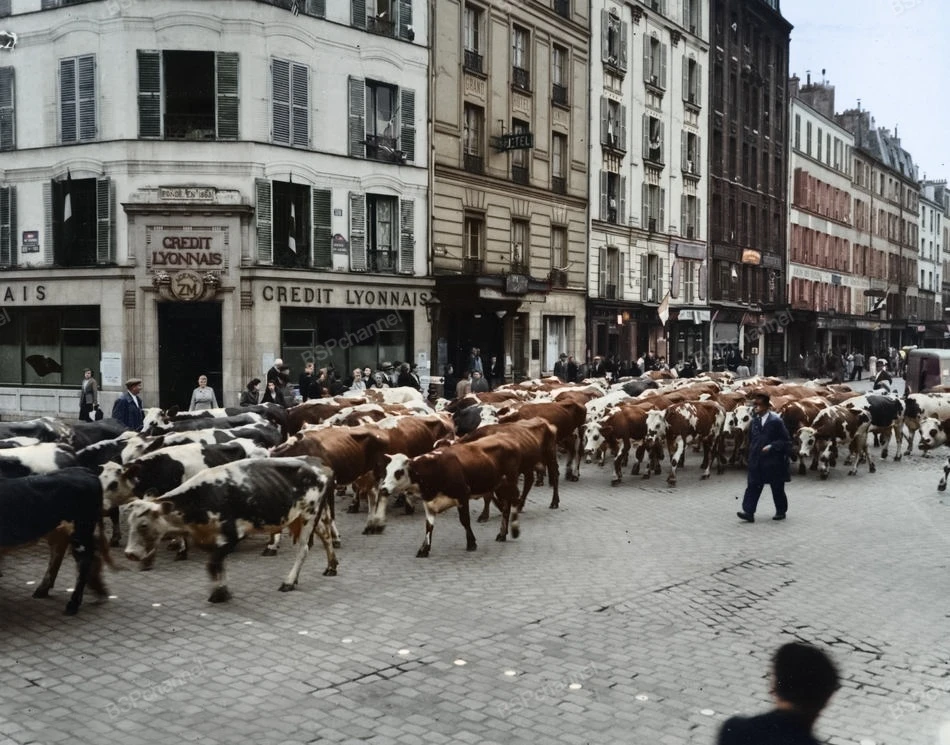
These cows are headed to the Vaugirard slaughterhouse. This practice of driving cattle right through the streets of Paris continued until the 1970s, when the Vaugirard slaughterhouses were finally closed. The saying "to see Paris and die" took on a new meaning...
Teenagers play with a German Panther tank, a Pz.Kpfw. V Ausf. G Panther, destroyed on a Berlin street, 1945. 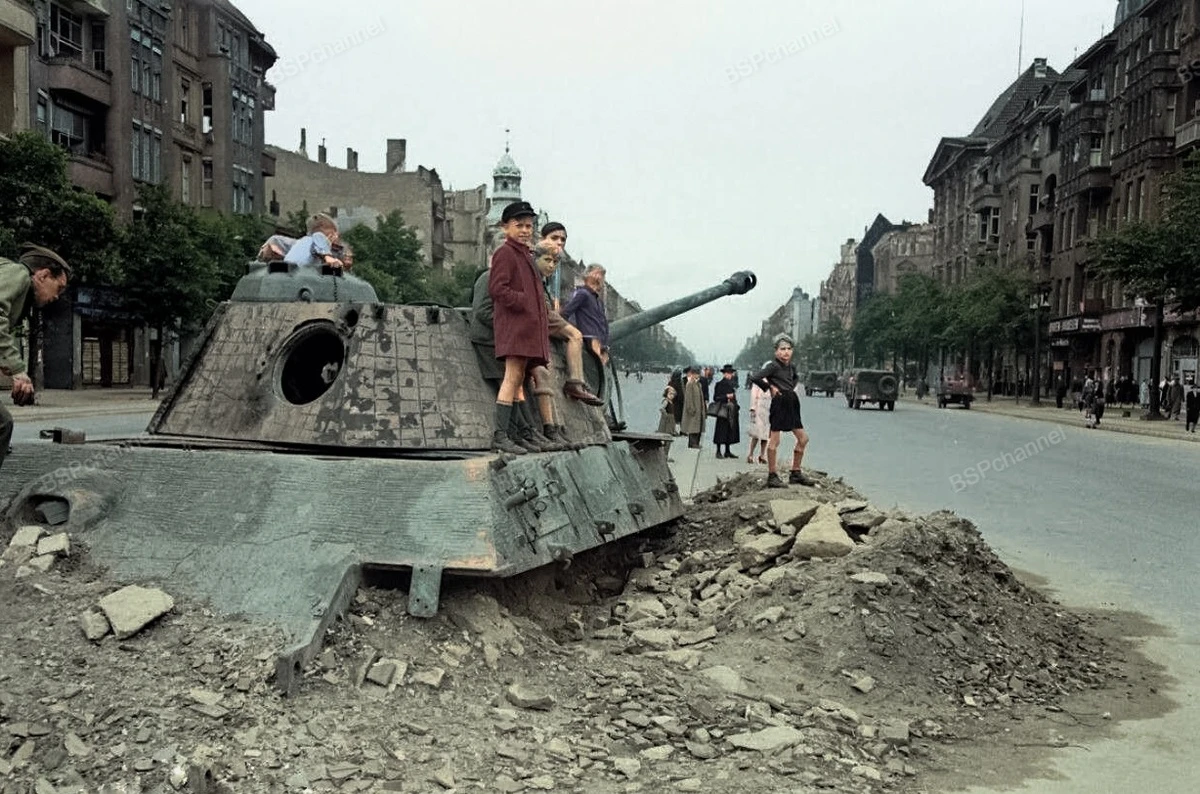
The tank's hull was dug into the ground at a street intersection and turned into a stationary firing point.
Warsaw Ghetto residents around a samovar, 1941. 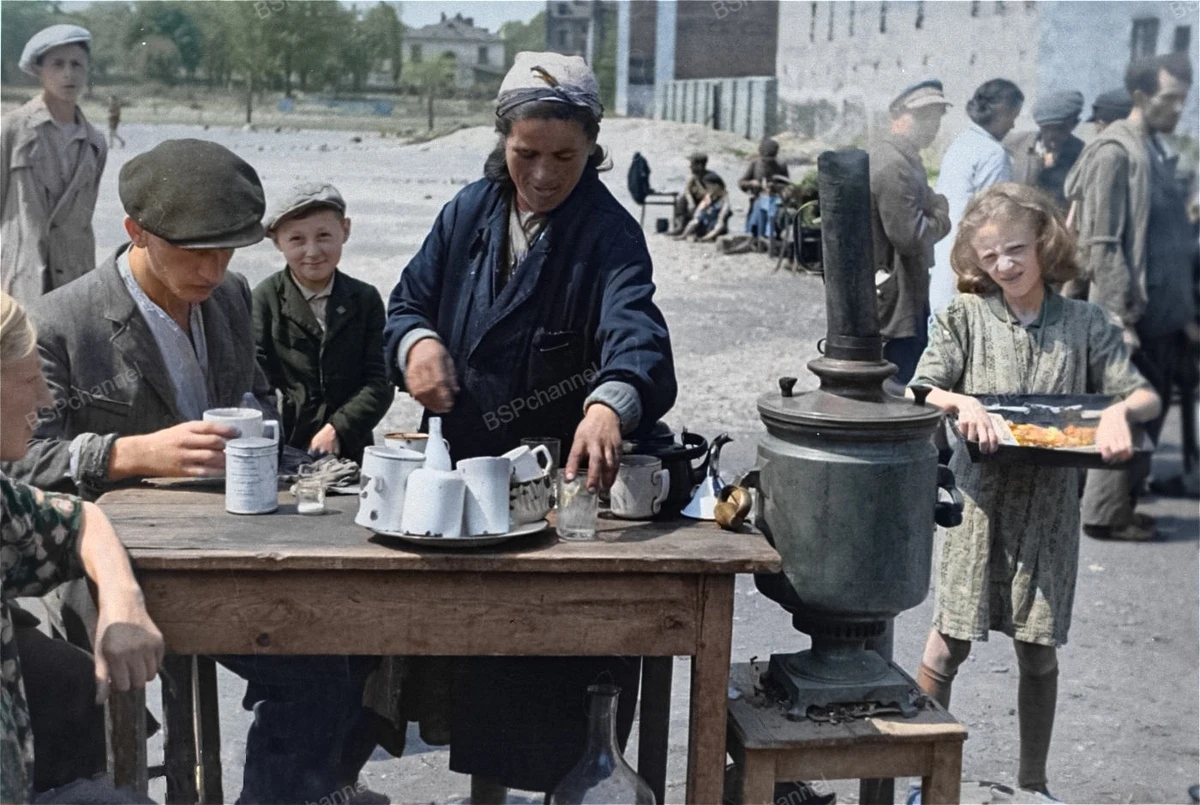
Photographer: Willi Georg
The Warsaw Ghetto was the largest Jewish ghetto in Nazi-occupied territories, crammed with hundreds of thousands of people. By early 1941, over 400,000 people were crammed into a cramped area, separated from the rest of the city by three-meter-high walls topped with barbed wire. Each person had less than two square meters of living space. Food was reduced to a minimum—around 200–300 calories per day—leading to mass malnutrition and death from starvation. Despite the appalling conditions, social and cultural life persisted in the ghetto: schools, underground libraries, theaters, and religious communities operated, and diaries (the most famous being that of Emanuel Ringelblum) documented the daily lives and crimes of the occupiers. However, even then, the ghetto was threatened with complete annihilation. In 1941, the Nazis began preparations for the "Final Solution to the Jewish Question," and in 1942, the mass deportation of its residents to the Treblinka death camp began.
A Frenchman raises his fist at a surrendering German soldier on a Paris street, 1944. 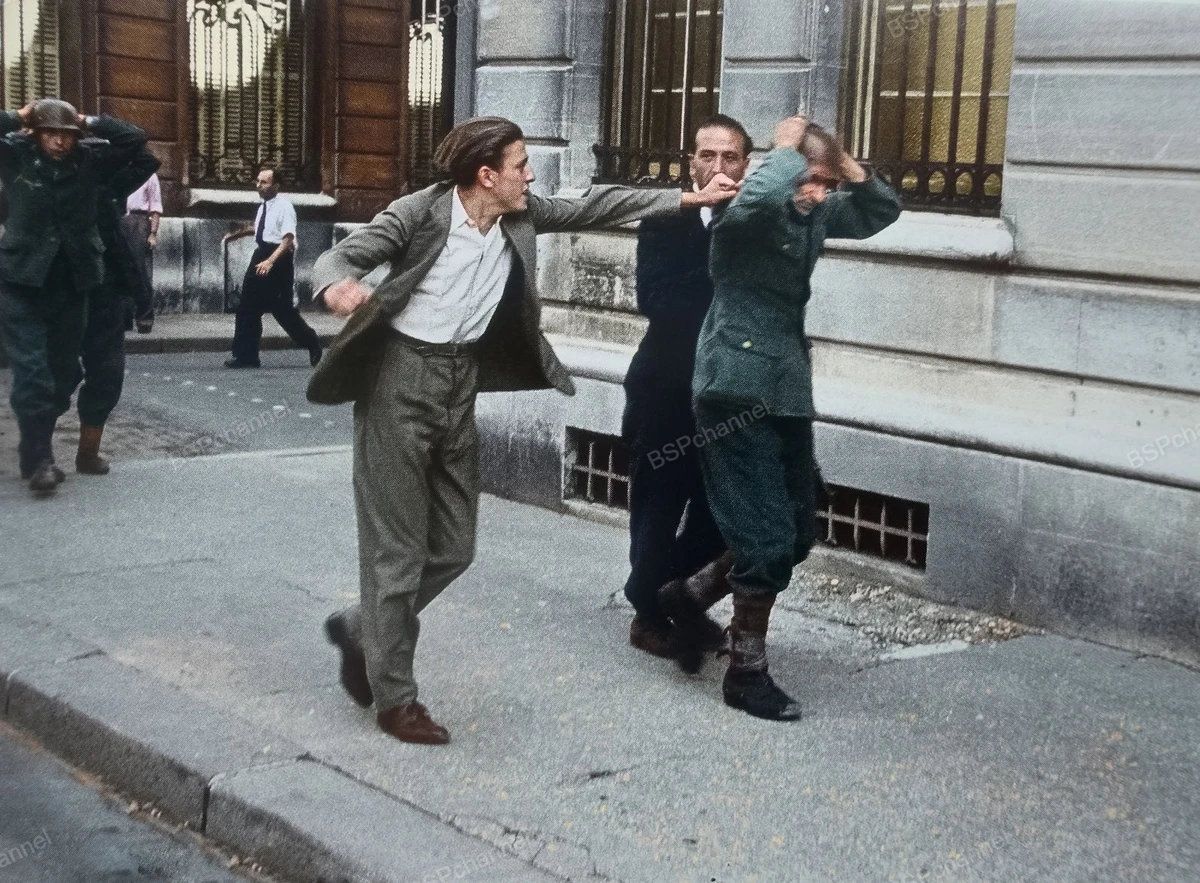
Photographer: Robert Capa
Bombing of the Concordia Vega oil refinery in Ploiești by U.S. Air Force B-24s, May 31, 1944. 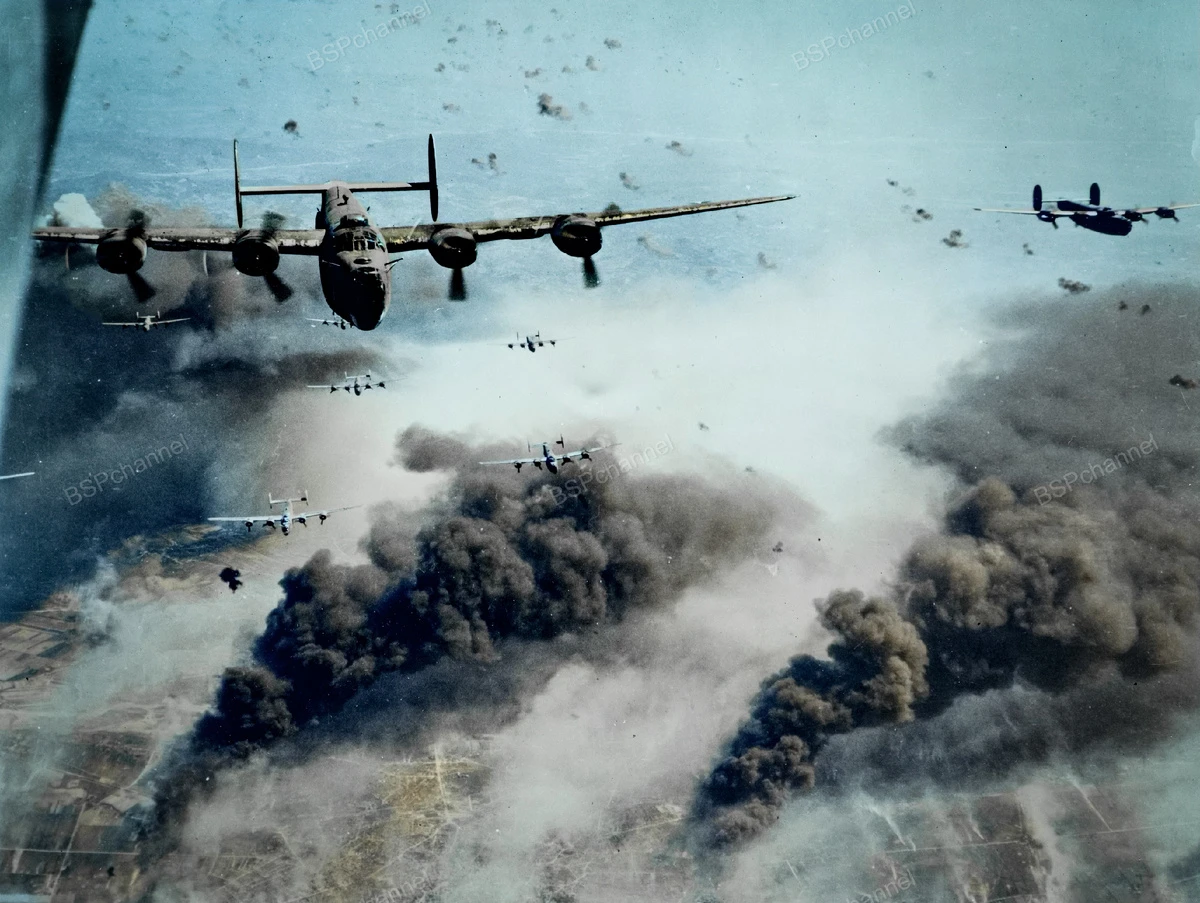
German prisoners of war line up for lunch at a camp in France, 1944. 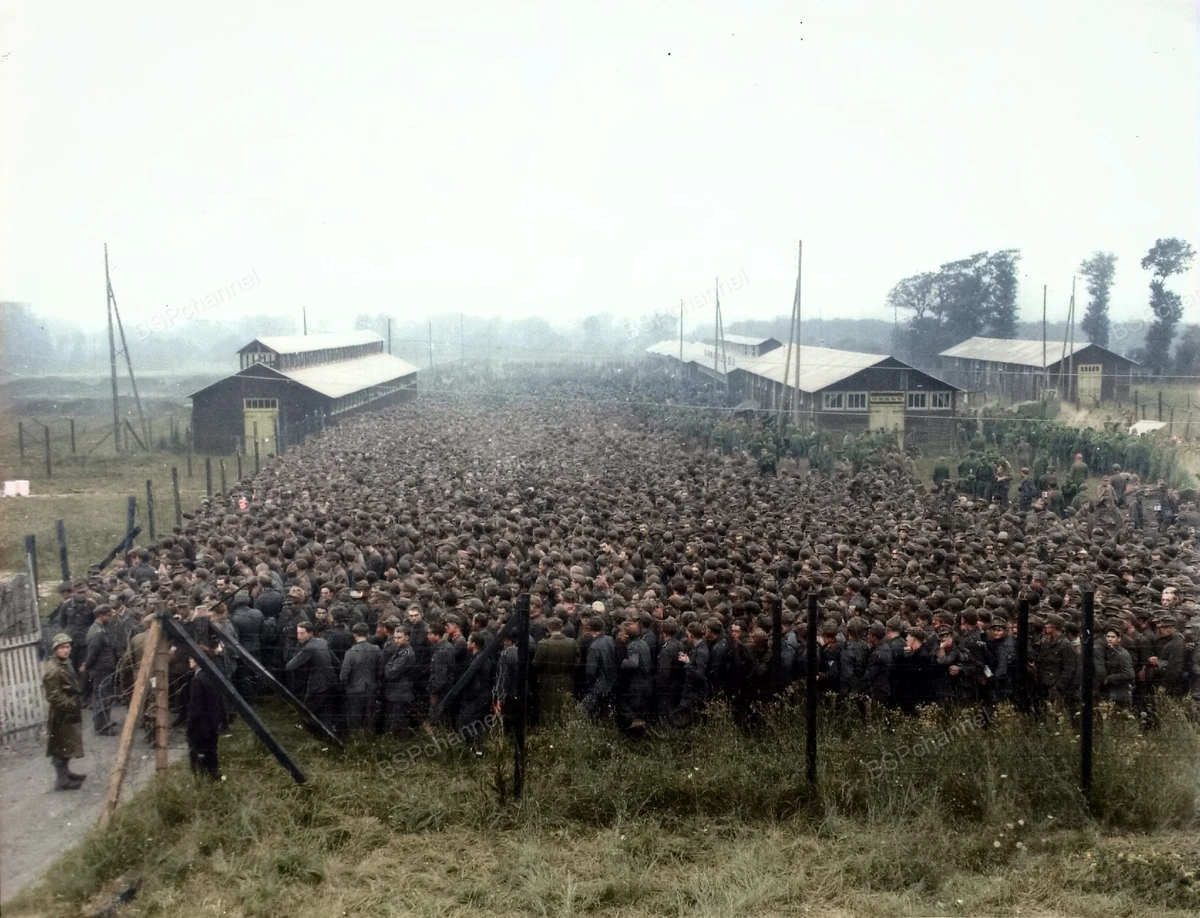
Nazi troops captured during the Allied advance into France were held here.
Women's Auxiliary Air Force (WAAF) inside a barrage balloon. UK, May 1941. 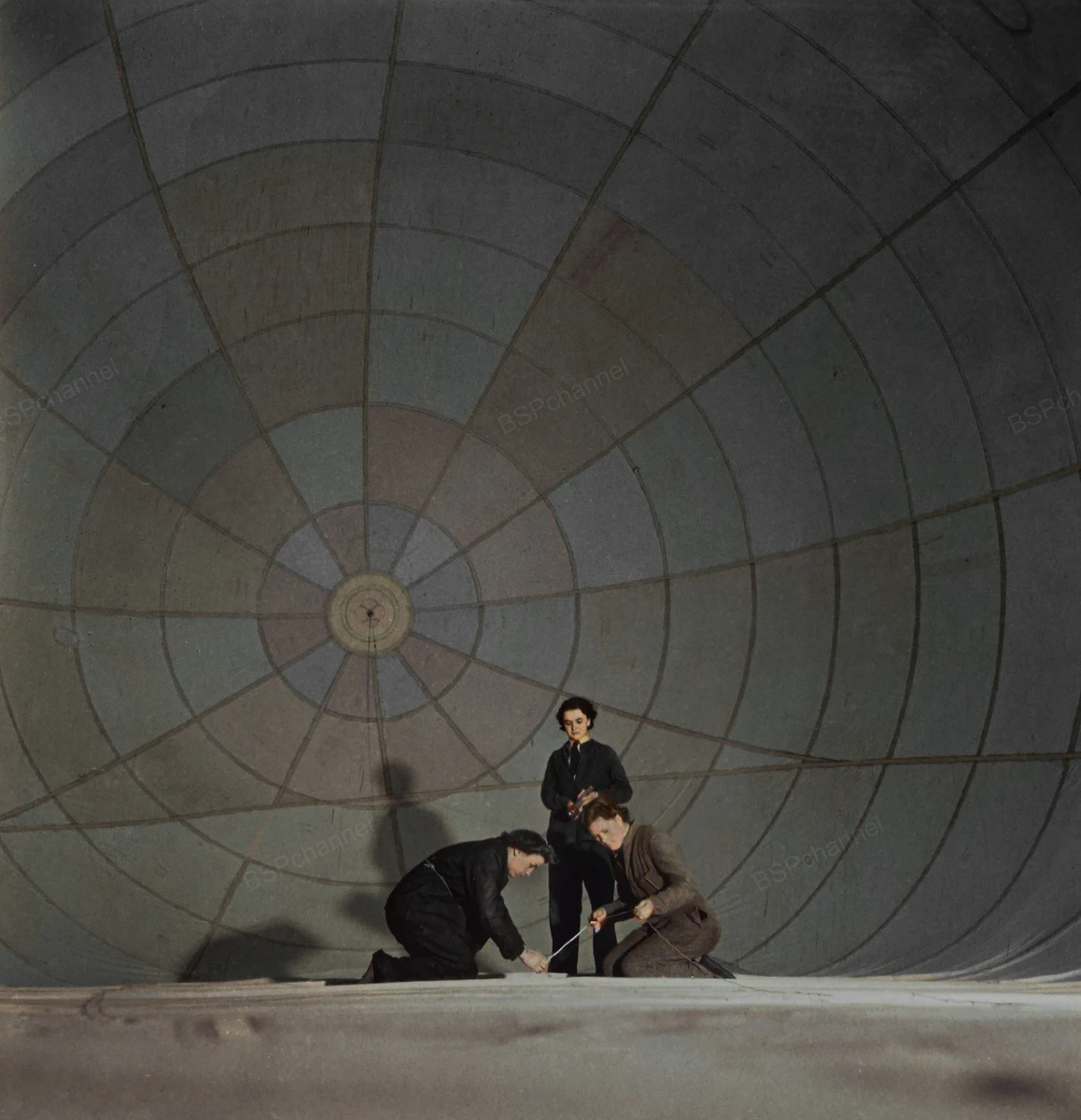
A Frenchman cries as the flags of fallen France are carried through the streets of Marseille en route to Africa. March 3, 1941. 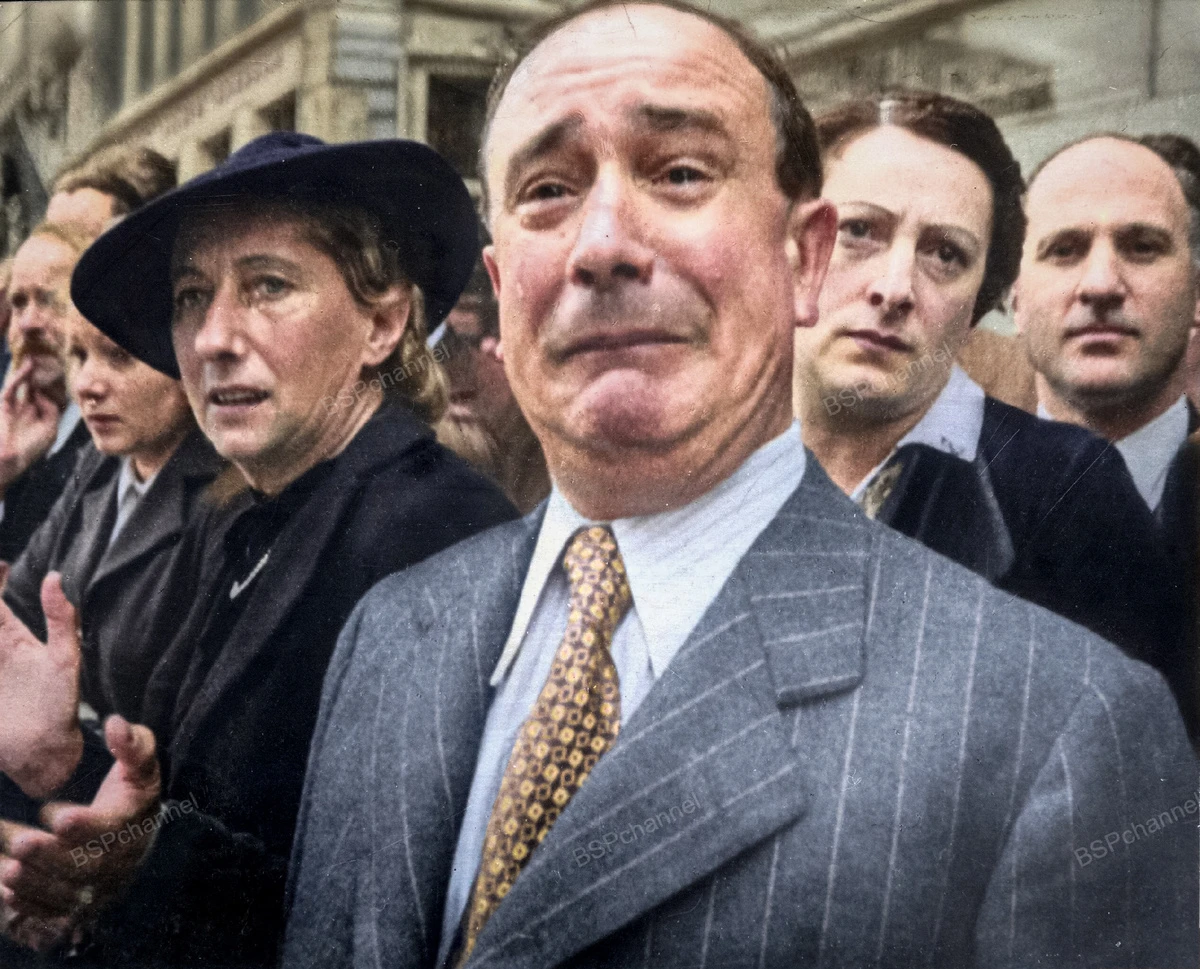
After France's defeat in 1940, the banners of many military units were urgently evacuated to the south of the country to prevent their capture by the Germans. This photograph captures the emotional reaction of the residents of Marseille as the banners of the defeated French divisions heading for Africa are carried through the city streets. The man in the foreground is Jérôme Barzetti, a local textile merchant; the woman in a black hat next to him is his wife. His tears have become a symbol of patriotic pain and the humiliation of an entire nation.
A boy reading a book in a bombed-out London bookshop, 1940. 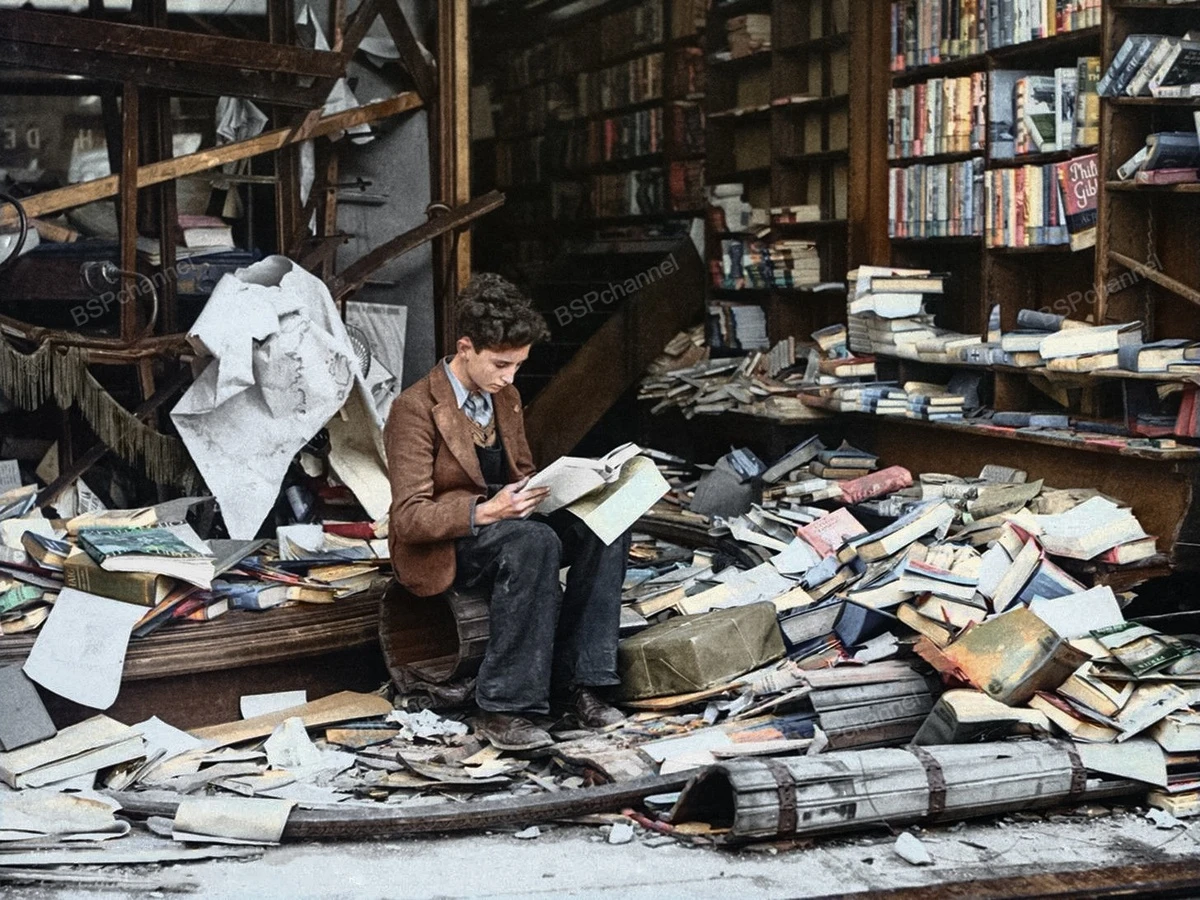
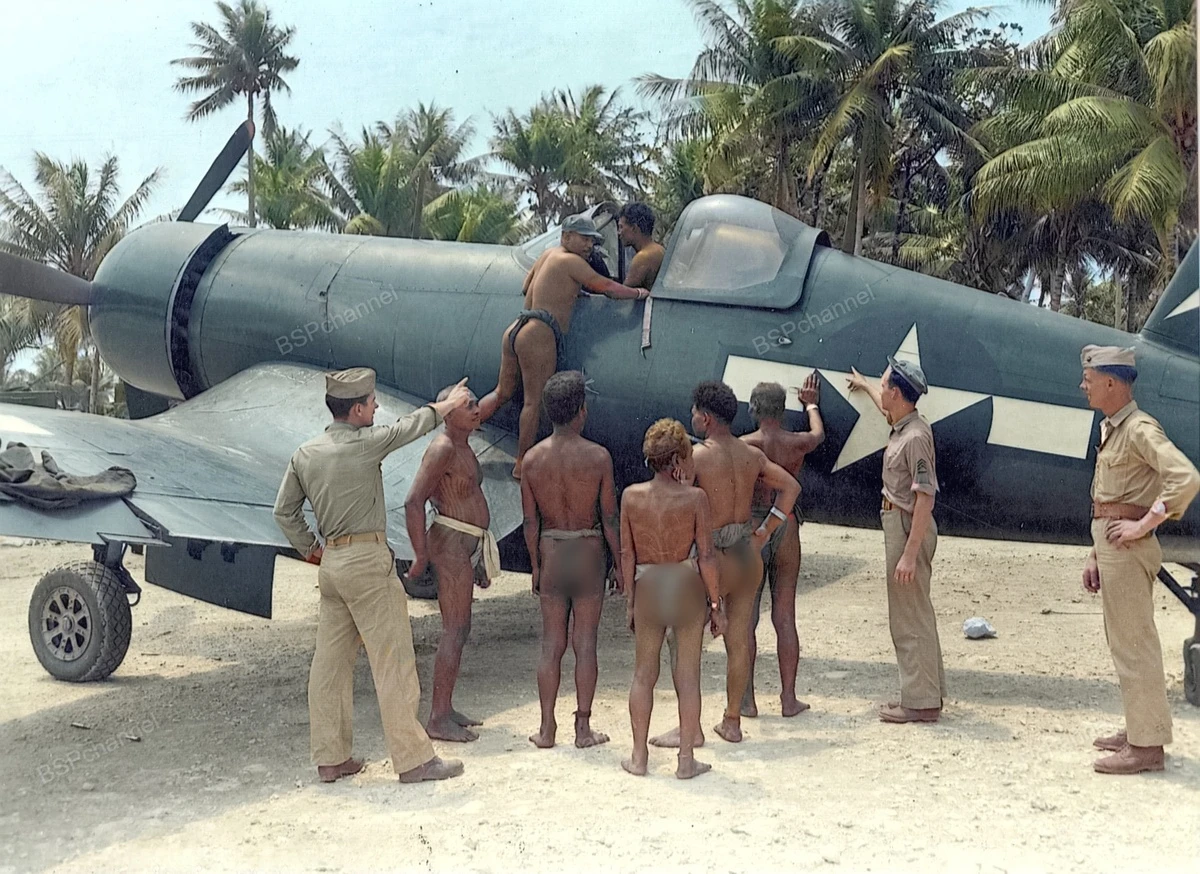
American pilots show natives the Chance Vought F4U Corsair carrier-based fighter, 1945.