Dog Cave: How Dogs Became Victims of a Tourist Attraction (11 photos)
In the western part of Naples lie the Phlegraean Fields, a vast volcanic area dotted with the craters of long-extinct volcanoes. This area still exhibits volcanic activity. 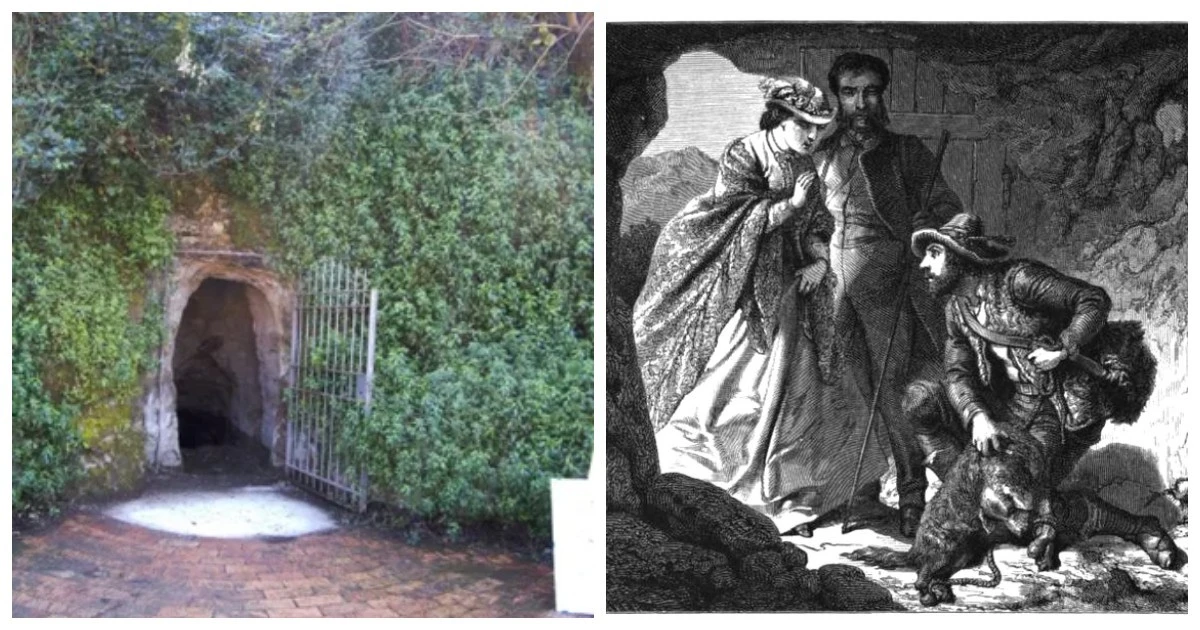
Numerous boiling mud pools and fumaroles emit clouds of steam 24 hours a day. 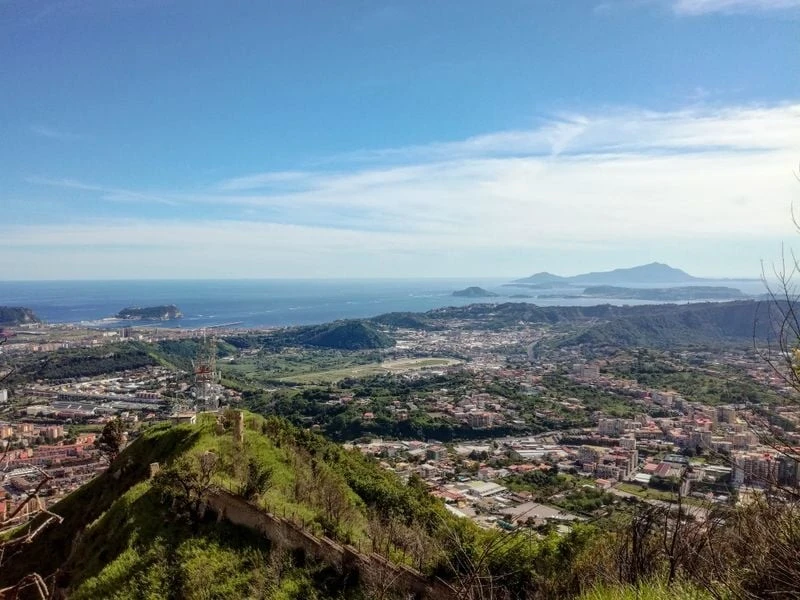
Phlegraean Fields
Centuries ago, wealthy travelers came to Naples to see the famous volcano whose ash and lava left Pompeii and Herculaneum. They also visited the Phlegraean Fields, where guides showed them a small cave called the "Cave of Dogs" (Grotta del Cane), demonstrating a cruel and curious experiment. 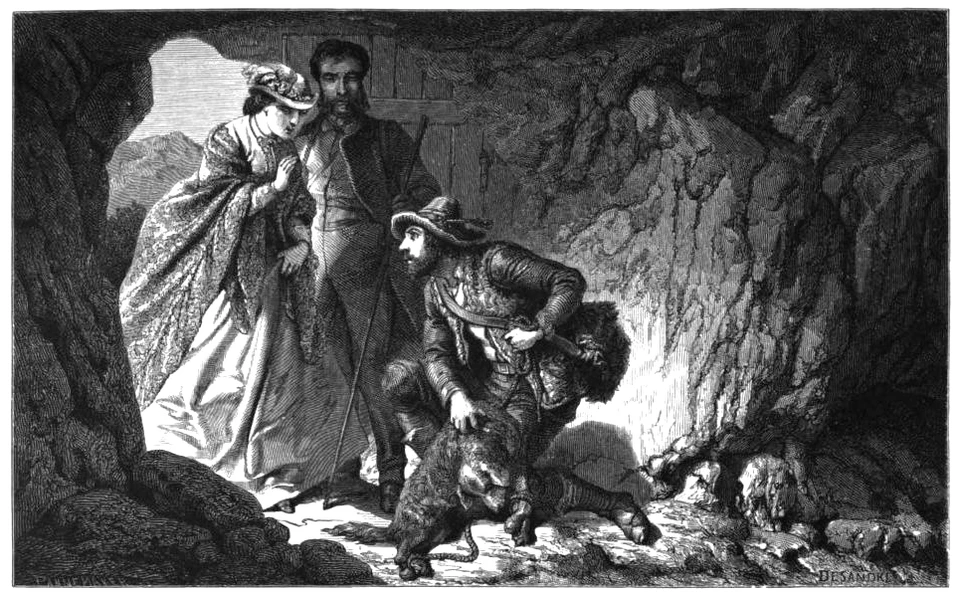
Illustration of the cave from an 1865 scientific book. A guide shows tourists an unconscious dog.
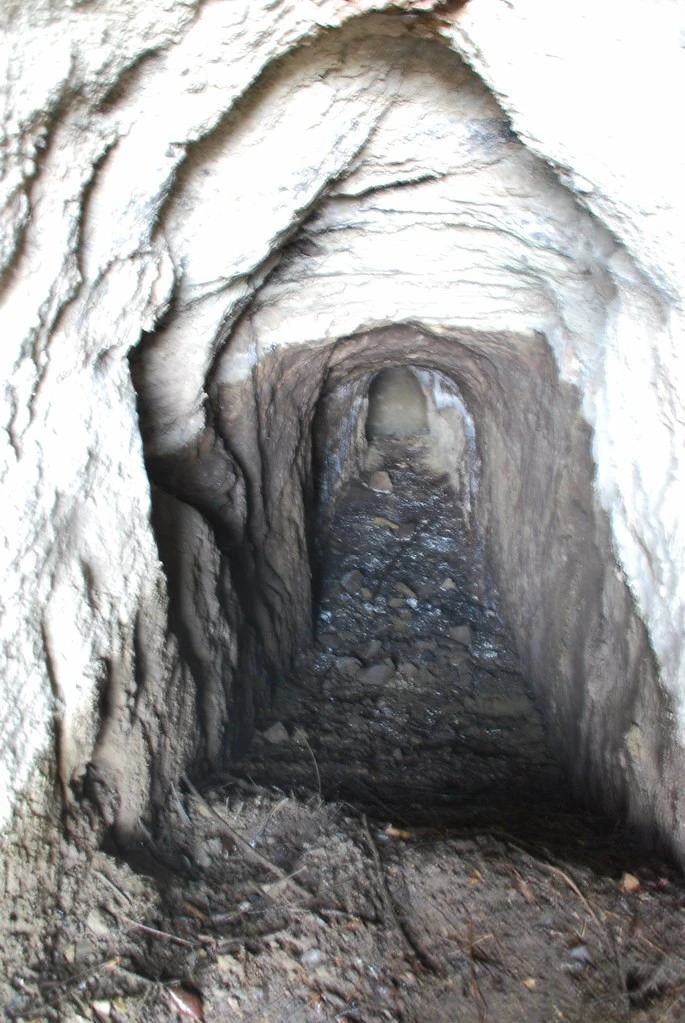
The cave entrance is a narrow opening in the hillside, leading to a short, sloping corridor. It ends in a cavity where carbon dioxide is released from a fumarole. 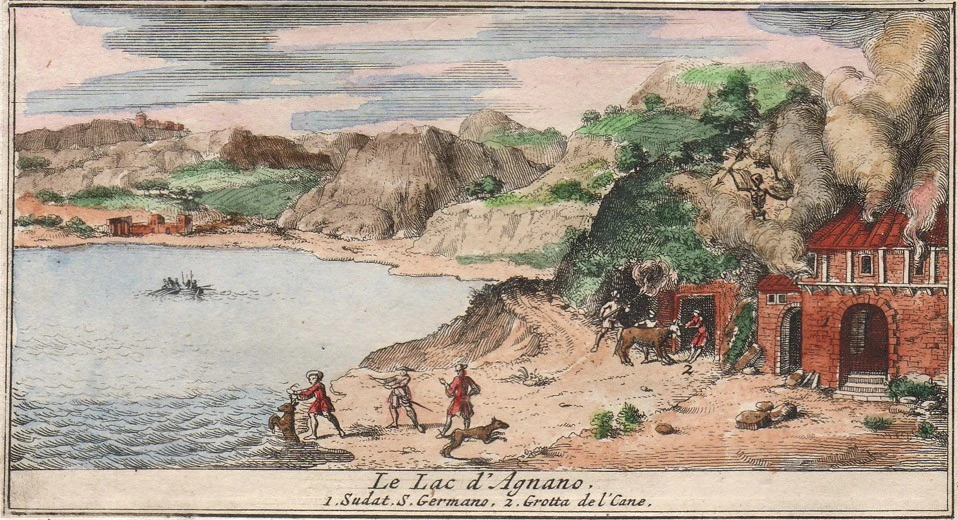
Lake Agnano and the Cave of Dogs, depicted in an engraving by Señor de Rogissart, 1706
Because this gas is heavier than air, it accumulates at the bottom, forming an invisible lake about 30 centimeters deep. It is harmless to a human whose head is above this layer. However, for a creature the size of a dog, staying in the cave could be fatal. 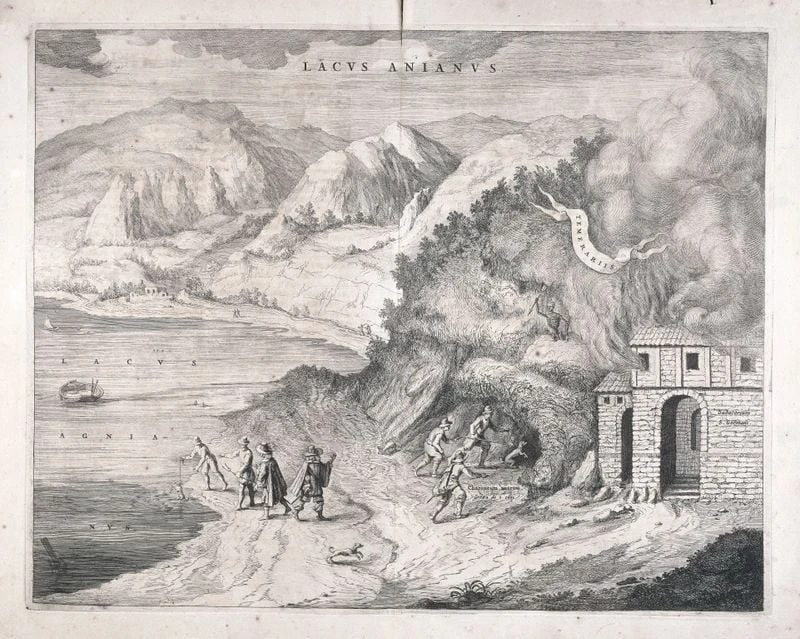
Carbon dioxide in normal concentrations is harmless, but elevated levels cause hypercapnia, or poisoning. Initially, the skin turns red, muscles twitch, blood pressure rises, and consciousness becomes dull. In severe cases, headaches, lethargy, irregular heartbeat, panic, disorientation, convulsions, loss of consciousness, and finally death occur. 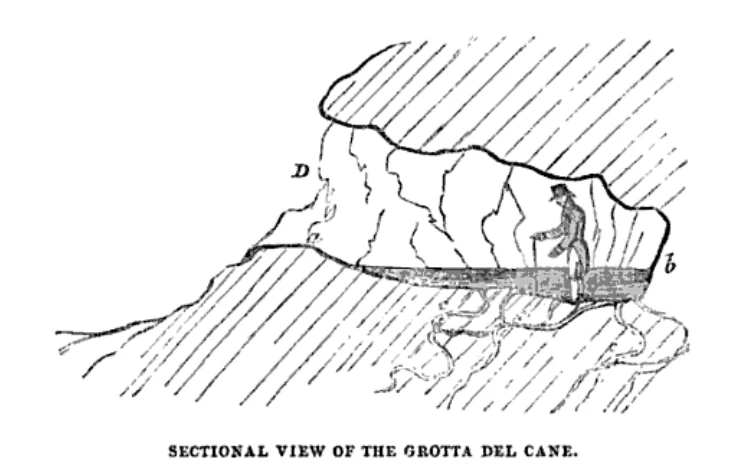
The working principle of the Cave of Dogs, schematic by Alfred Swain Taylor, 1832. Carbon dioxide (marked in darker color) accumulates at the bottom of the cave.
To demonstrate this phenomenon to tourists, guides brought a dog into the cave. Caught in a cloud of carbon dioxide, the animal began to suffocate from lack of oxygen and soon lost consciousness. It was then pulled out and revived by immersing it in the cool waters of nearby Lake Agnano. 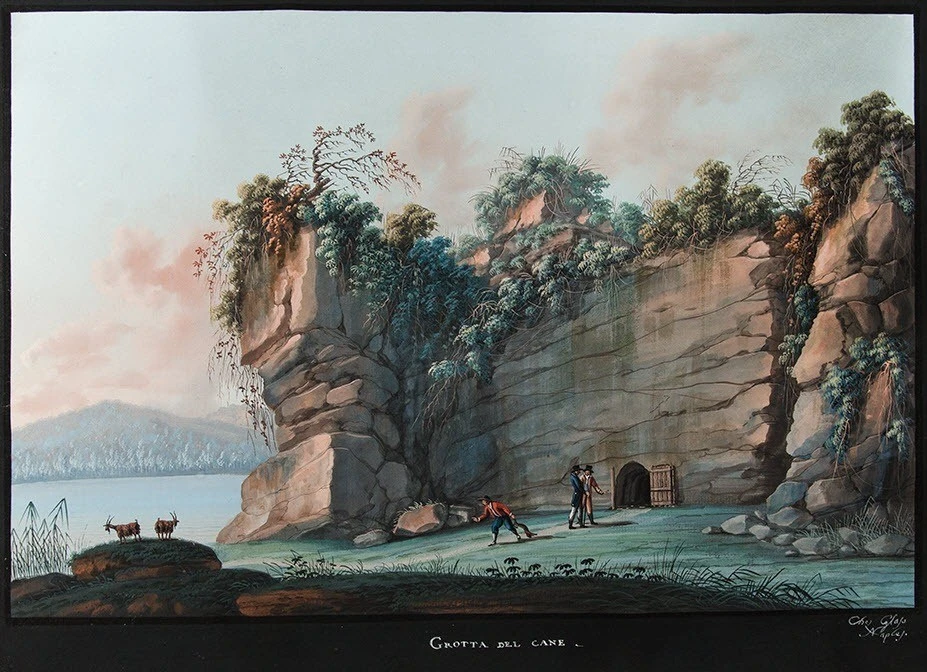
The cave was described by Pliny the Elder, who died in the eruption of Vesuvius in 79 AD, but it only gained fame around four centuries ago, when experiments with dogs began. Famous guests who witnessed this spectacle included Goethe, Alexandre Dumas, and Mark Twain.
In his book, "The Innocents Abroad," Mark Twain described his visit to the Grotta del Cane: 
Everyone has written about the Dog Cave and its poisonous fumes, from Pliny to Smith, and every tourist has held a dog by its paws above the floor to experience the properties of this place. A dog dies in a minute and a half, a chicken instantly. Generally, strangers who crawl in there to sleep don't get up until called. And even then, they don't get up. A stranger who dares to sleep there enters into an eternal contract. I desperately wanted to see that cave. We arrived at the cave around three o'clock in the afternoon and immediately began our experiments. But then a serious problem arose. We didn't have a dog. 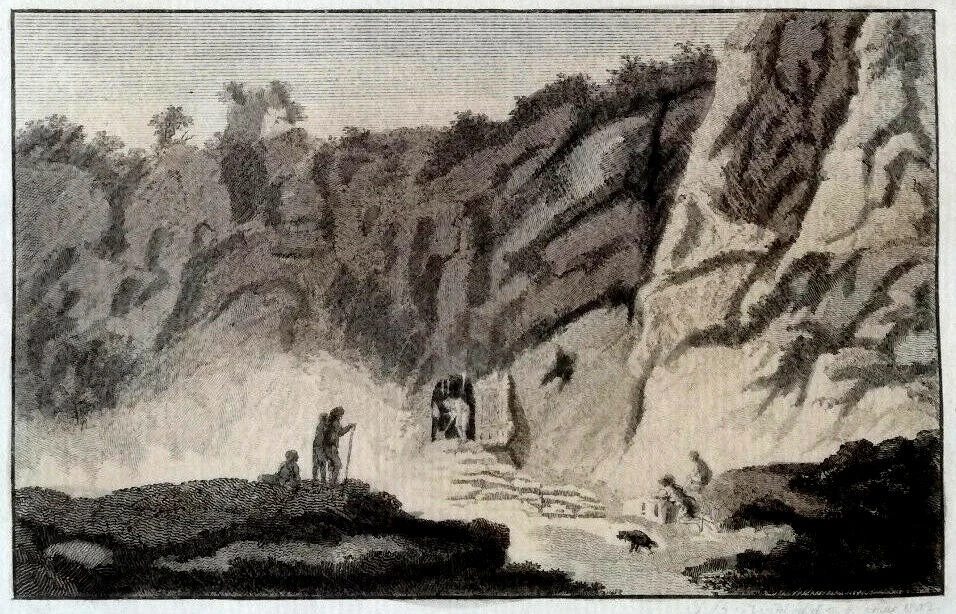
Grotta del Cane Cave
Interest in the cave waned after the draining of Lake Agnano in 1870. Today, it no longer attracts tourists as it once did. 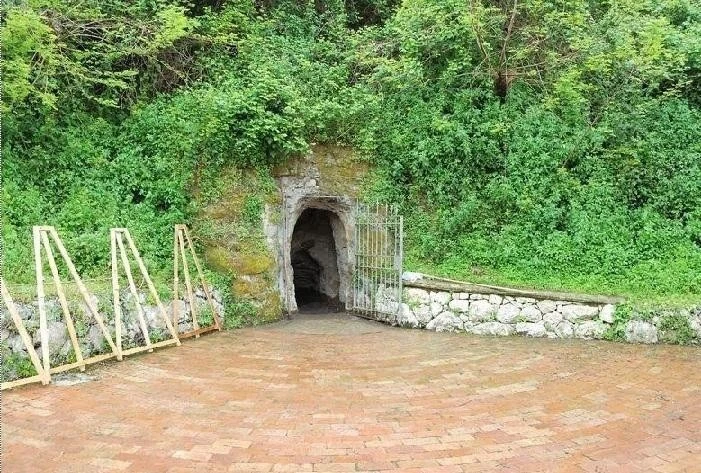
Grotta del Cane exists, but access is often restricted or closed due to dangerous gas concentrations and its location on private property. It is considered a scientific historical monument, not an active tourist attraction.