Argonaut: An octopus with a shell that offers no protection (5 photos)
Mollusks with shells are nothing new. Snails devour our gardens, paleontologists rejoice over the discovery of ammonites, and bivalves have become a permanent fixture in rivers and posh restaurants. But an octopus with a shell—that's something unusual. Especially since the argonaut uses it... incorrectly? 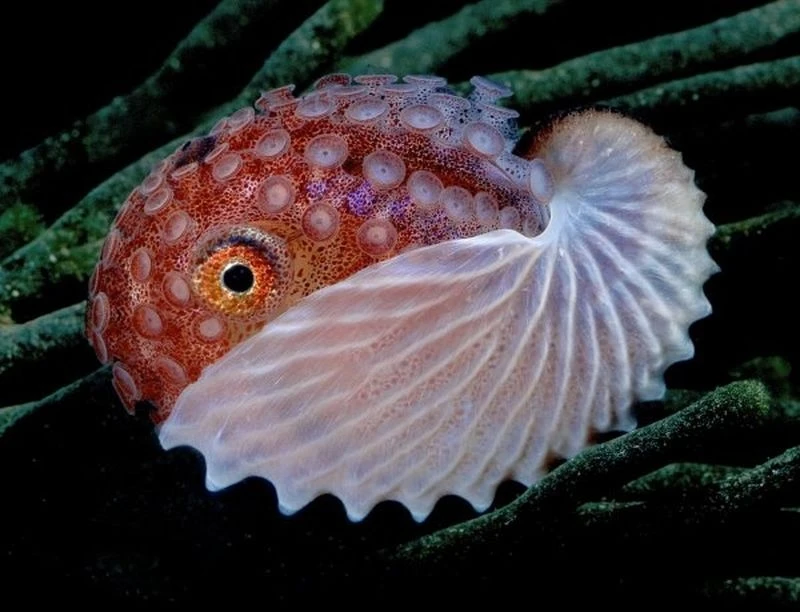
Where would you be without a hat?
Look. All normal, sane mollusks grow a shell using glands located on their mantle—a special fold that covers the back of their body. But in octopuses, the mantle degraded significantly and lost these glands hundreds of millions of years ago. So, argonauts had to reinvent the wheel, and they didn't do it very well. 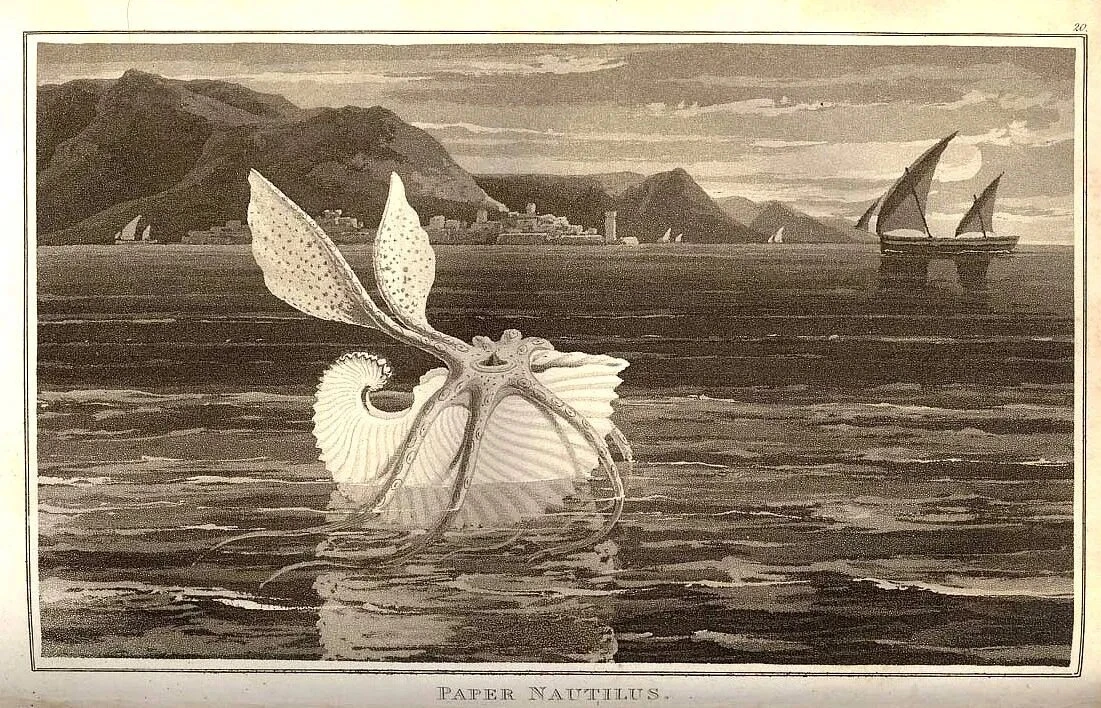
Argonauts were named so because of a false belief. It was previously believed that they swam long distances using their shells as boats.
Argonauts developed the glands for shell-making on a pair of tentacles, which turned out to be incredibly inconvenient. First of all, because the shell has to be literally molded by hand. Secondly, because it's not attached to the body in any way and must be constantly held in place by the tentacles. And the most annoying thing is that the shell is no thicker than a sheet of paper, which is very small even by palm-sized octopuses. 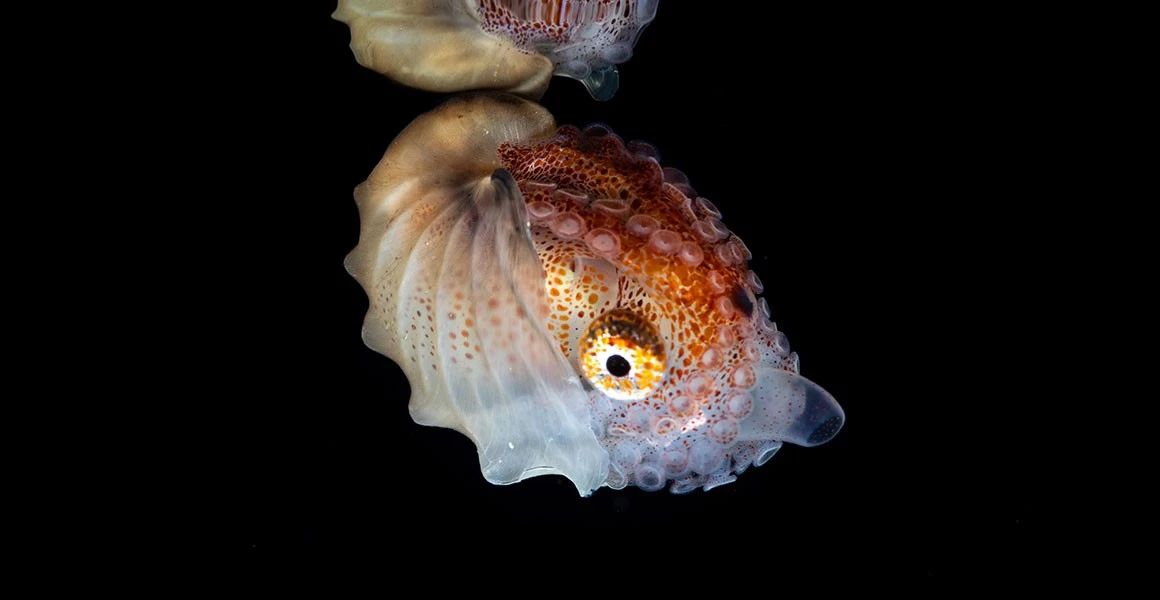
Even their body is visible through the shell!
But with these characteristics, it's completely unclear why an octopus needs a shell at all. It's useless for defense, it limits mobility, and it doesn't even help with camouflage! And it's needed for reproduction. 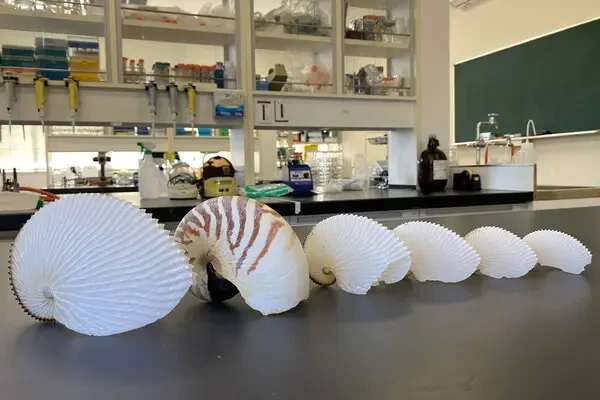
Five of the six shells belonged to argonauts. And one belonged to a nautilus. It's quite easy to tell them apart.
The fact is that only female argonauts create shells, and only just before mating season. Once the shell is complete, the female will lay her eggs in it and wait for the male. The male, in turn, will send her a love message upon meeting the female—his own tentacle containing reproductive products. This way, they won't even need to touch—perfect for socially anxious octopuses! 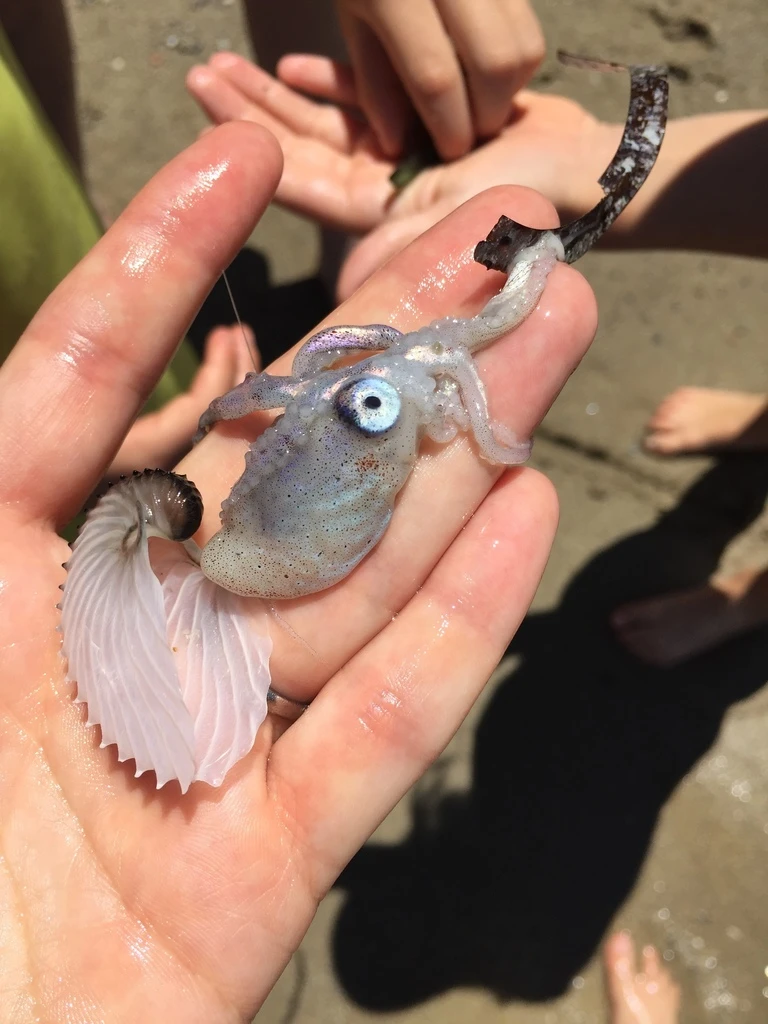
Oh no, the defense didn't work. Time to go!
Once the clutch is fertilized, the female will catch an air bubble in her shell, seal it, and abandon her brood forever. While the shell won't provide protection for the young, it will transform into a stylish float that looks like discarded trash. It won't attract the attention of predators swimming in the water column and is inaccessible to bottom dwellers!