Prisoners for Rent: How the West Solves the Problem of Prison Overcrowding (8 photos)
Estonia's problem is there's no one to incarcerate in its prisons. And the buildings need maintenance and repair. So, the Tartu City Hall decided – let's lease out the local prison. 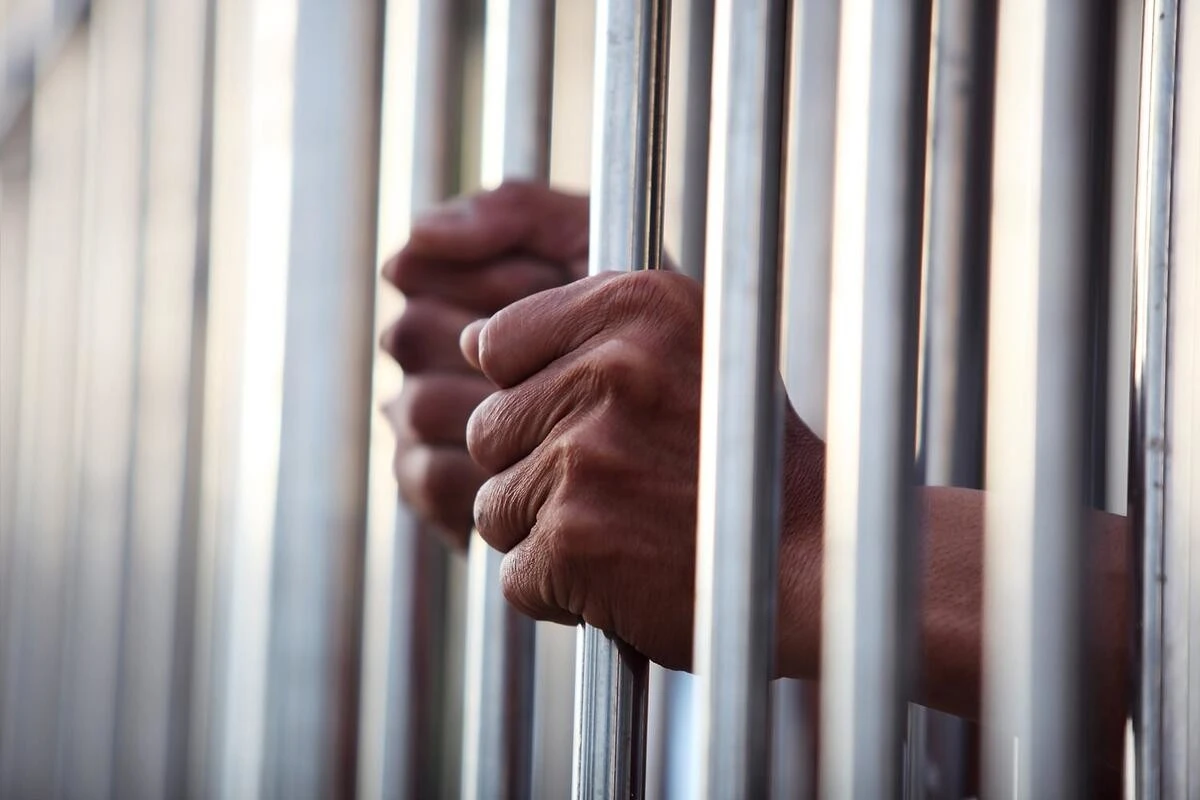
No sooner said than done.
But not as a business center or a "fancy hotel," but for its intended purpose – to house prisoners. Only this time, not Estonian ones, but imported ones. Sweden agreed to the deal. It's more profitable for them to lease a prison building in a neighboring country and hold prisoners there.
Here's some calculations: one day of incarceration in Sweden costs the budget approximately 300 euros (more than a night in a decent hotel in Stockholm). In Estonia, it's only about 80-90 euros. 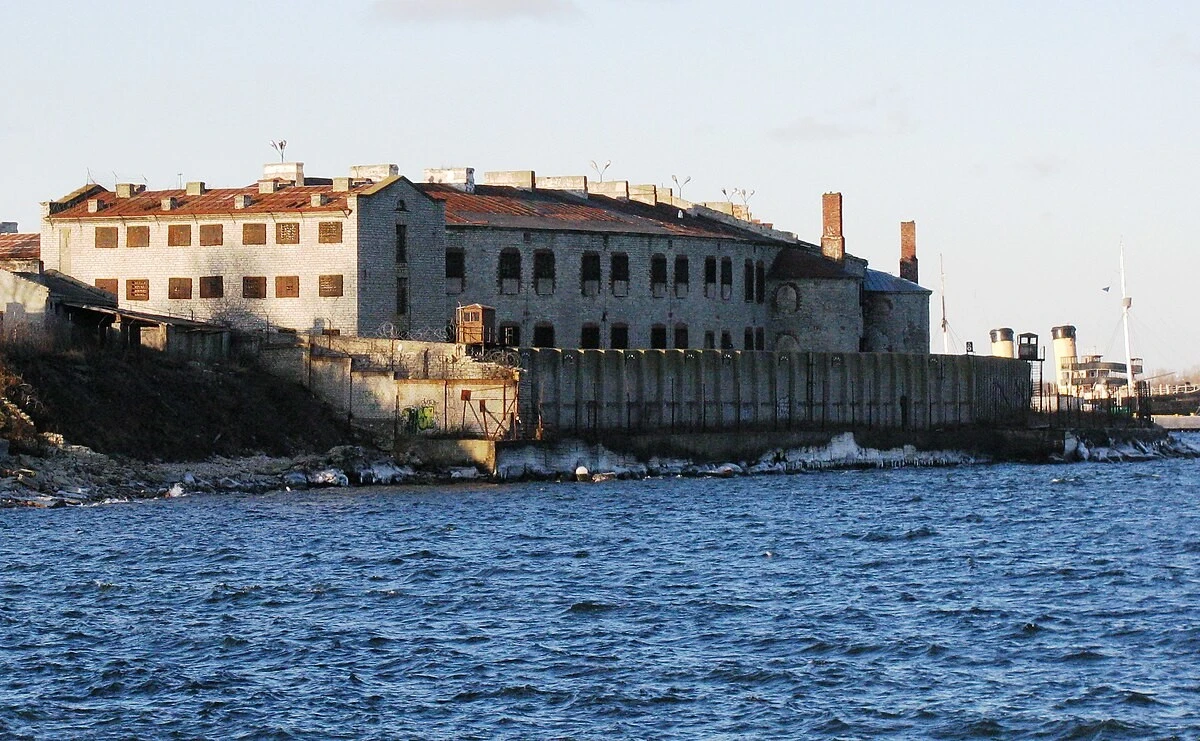
Tartu Prison is considered the most modern and well-equipped in Estonia. If you look at photos of the cells, they look better than some student dormitories. There are gyms, classrooms, and workshops. Everything is clean, beautiful, and European-style. So Swedish prisoners are unlikely to complain about their living conditions. 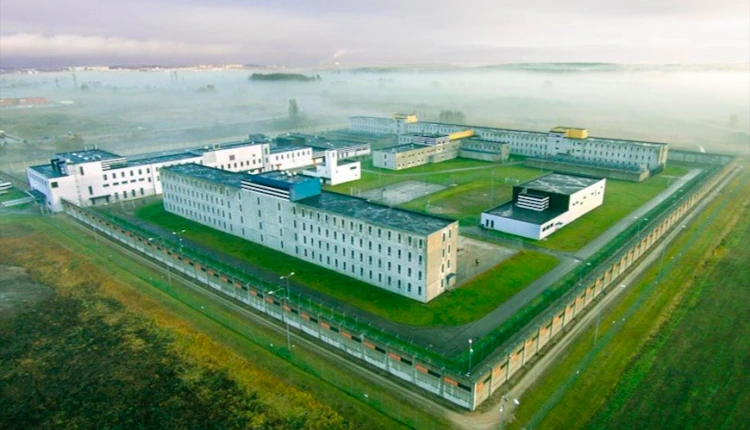
Tartu Prison
How is this supposed to work?
Estonia isn't just renting out prison walls to anyone, but is entering into an interstate agreement with Sweden. Formally, these prisoners remain Swedish prisoners, serving Swedish sentences, and under Swedish jurisdiction. Estonia provides security, housing, healthcare, food, and infrastructure, and Sweden pays a fixed fee for each occupied prison space per day. 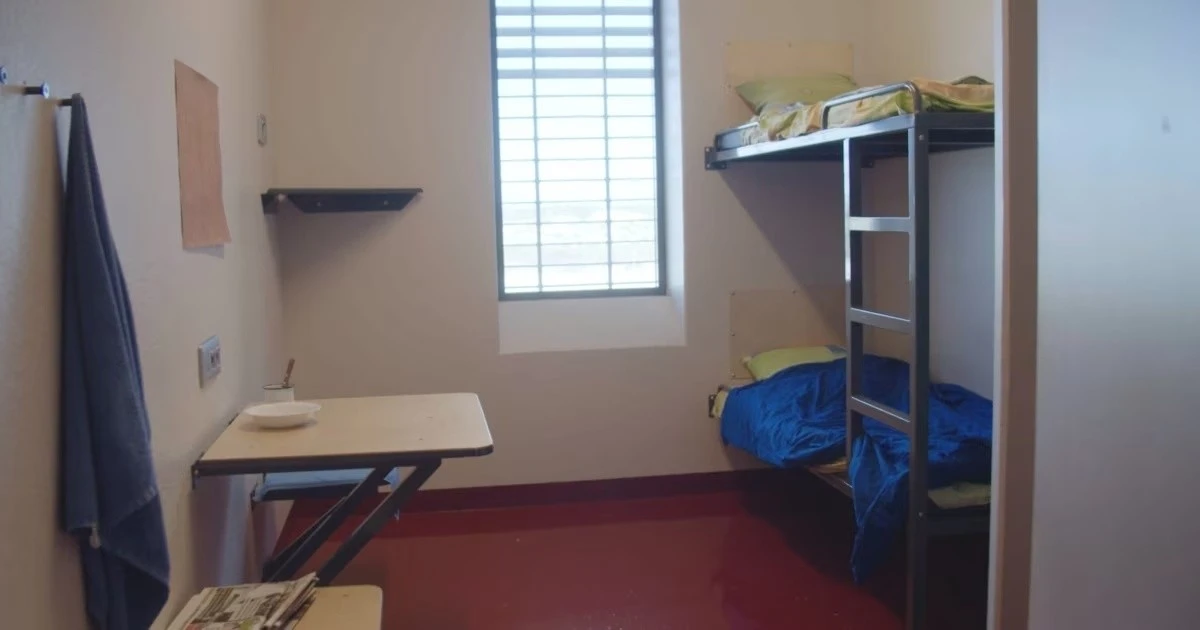
A cell in Tartu prison
We're not talking about maniacs or lifers. Such projects typically recruit a relatively "calm contingent": those who have received real prison sentences but aren't considered particularly dangerous or associated with major organized crime groups. 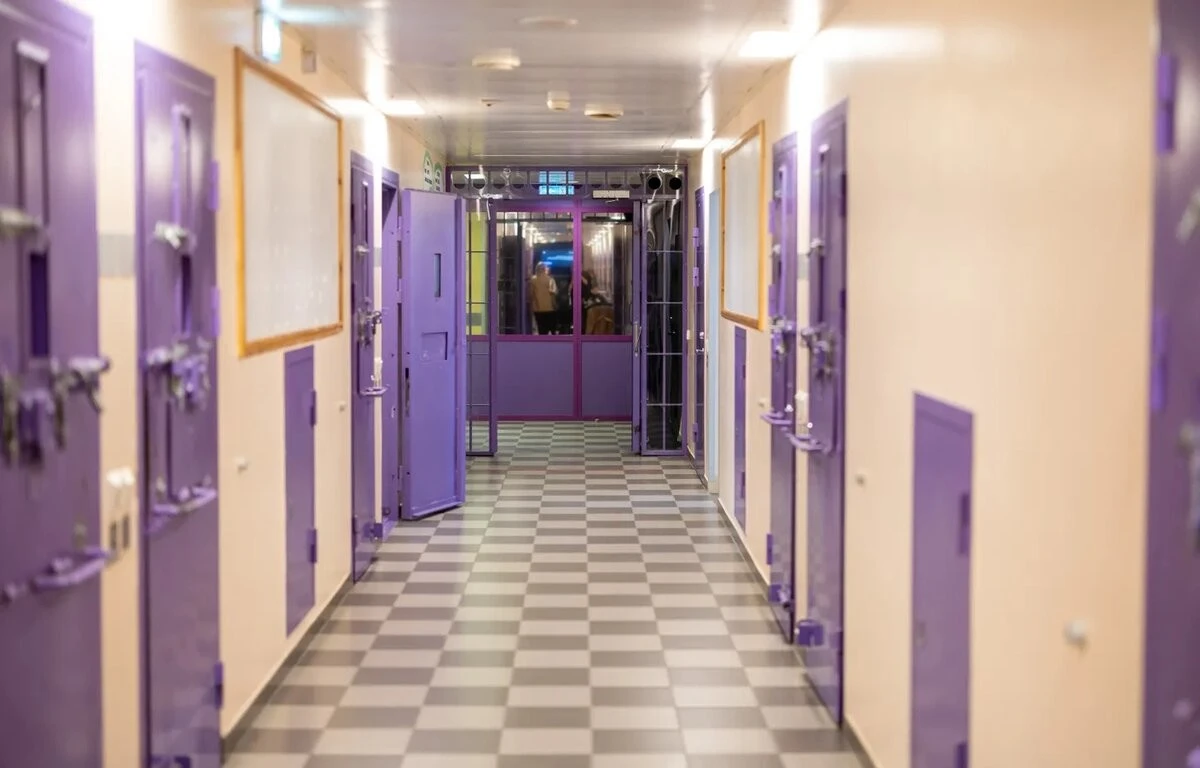
Typically, the transfer is voluntary: the prisoner is asked if they agree to go to another country, the conditions are explained, and the possibility of phone calls and visits is discussed. For someone whose family already lives on the other side of Sweden and is far from any prison colony, the difference between "staying in a small town at home" and "staying in Tartu" isn't that critical. 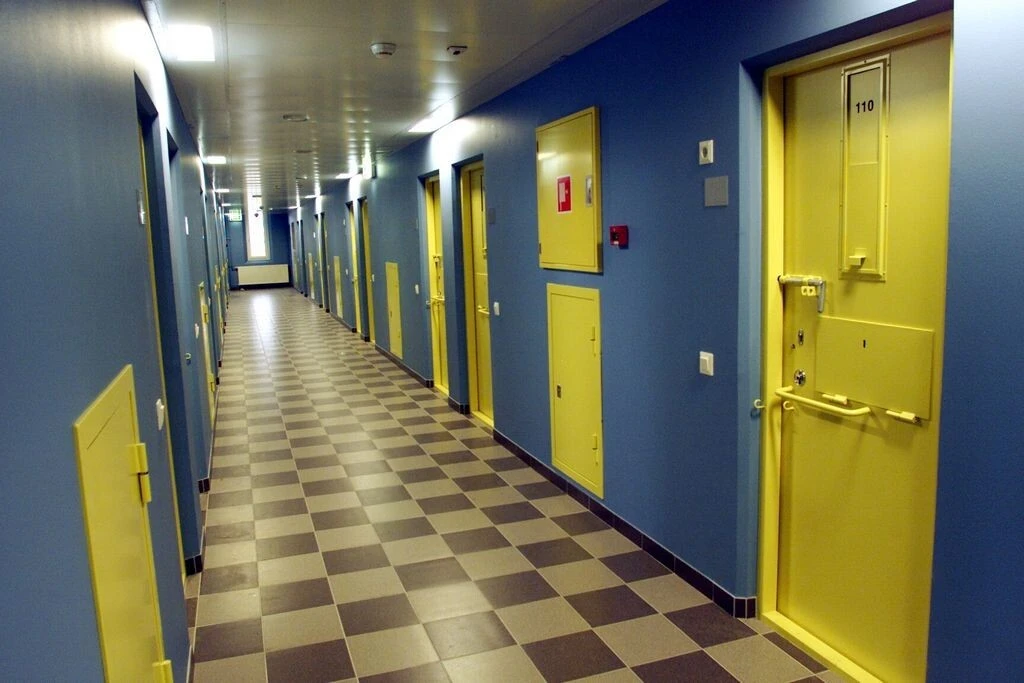
Estonia, in turn, receives cash for the upkeep of the facility and jobs for locals—security guards, administration, cooks, and technical staff. Sweden will pay 30 million euros per year for the upkeep of 300 prisoners, plus 8,000 euros per month for each additional prisoner.
Roughly speaking, the prison is turning into a somewhat strange, but nonetheless high-tech, "hostel for prisoners by subscription." 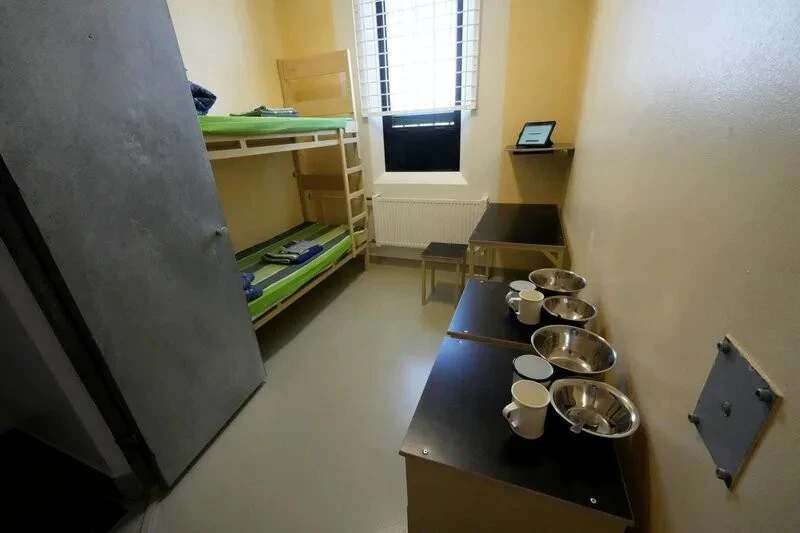
What about human rights?
Of course, human rights activists have already started asking uncomfortable questions. Like, how is this possible? What about visits with relatives? Flying from Stockholm to Tartu for a visit is expensive for a mother. This effectively means severing social ties, which runs counter to the idea of correction.
But the authorities of both countries shrug: "Guys, it's business and security." Besides, Europe has already experienced something similar—Norway once rented cameras in the Netherlands, and the sky didn't fall apart. 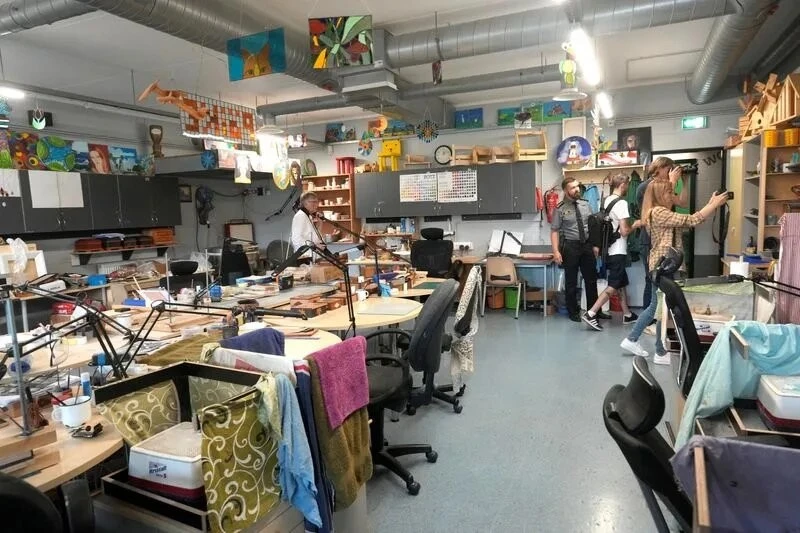
And here, inmates of Tartu Prison are engaged in creative activities: drawing, making sculptures, and various wood crafts.
It's a paradoxical "European sharing service": we've been renting cars and apartments to each other through apps for a long time, and now it's prison cells' turn. And judging by how eagerly other countries are discussing similar schemes, Tartu's rental system is far from the last such case.