The Seven Facets of Frida Kahlo: Revolution, Pain, and Immortality in Art (8 photos)
Today, Frida Kahlo is quoted on T-shirts, her image has become a meme, and her face is a key part of modern pop culture. But what do we really know about the woman who was the first to speak the language of the body and pain, challenging not only society but also herself? 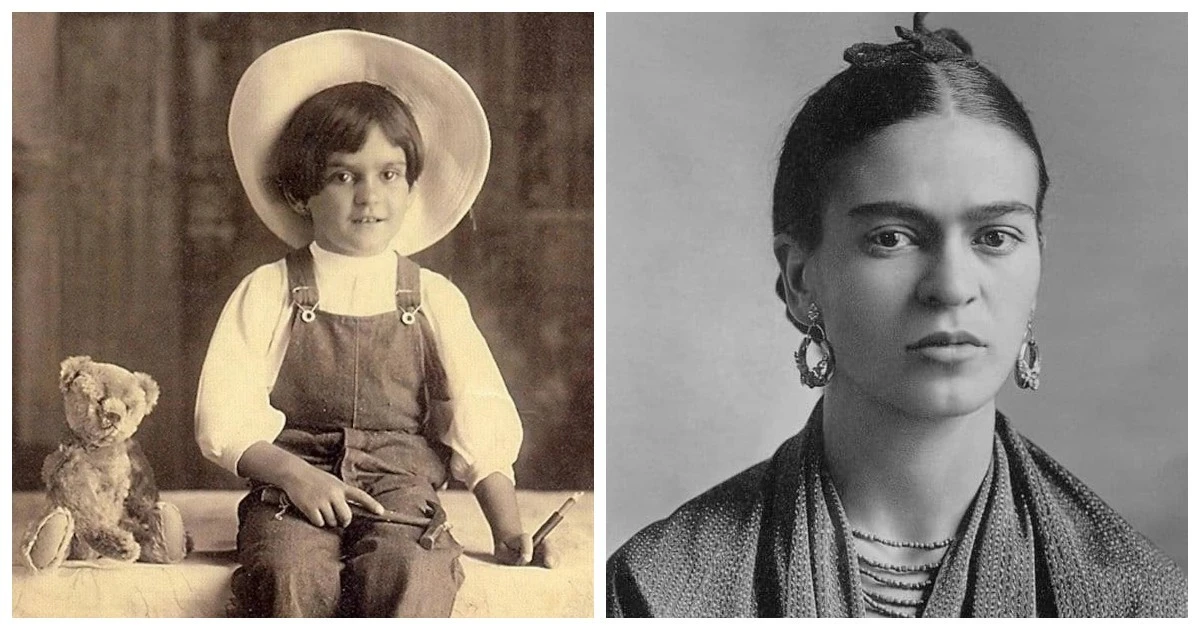
Frida Kahlo transformed her own biography into a major work of art, where every detail, from her dress to her date of birth, became a symbol and a manifesto. Let's pull back the curtain of stereotypes and flower crowns and see what truly constituted the reality of this woman who became a myth.
1. Born of Revolution? 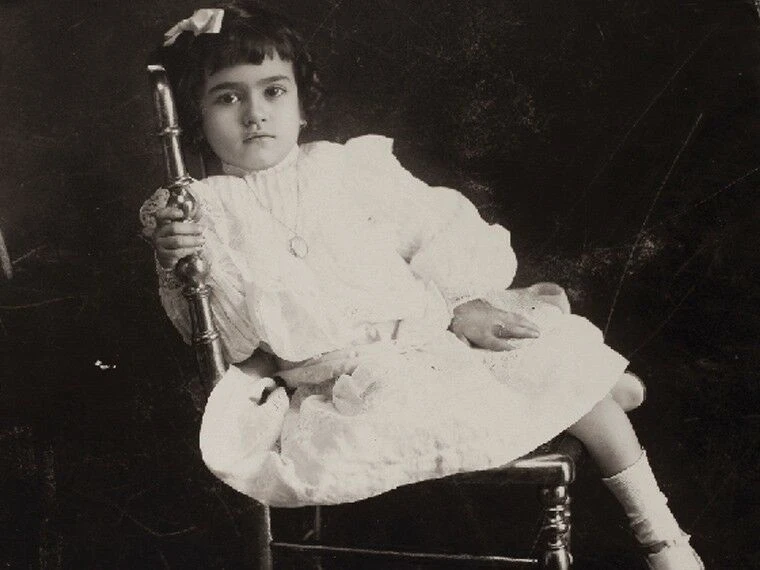
Frida as a Child
Frida Kahlo was born in 1907, but she insisted on giving 1910 as her birth year, so that her life would begin on the same year as the Mexican Revolution. This symbolic gesture emphasized her deep connection to the fate and culture of her native country. It was during the turbulent post-revolutionary years that Mexico City became a magnet for artists and intellectuals from around the world.
2. The Strength of Weakness 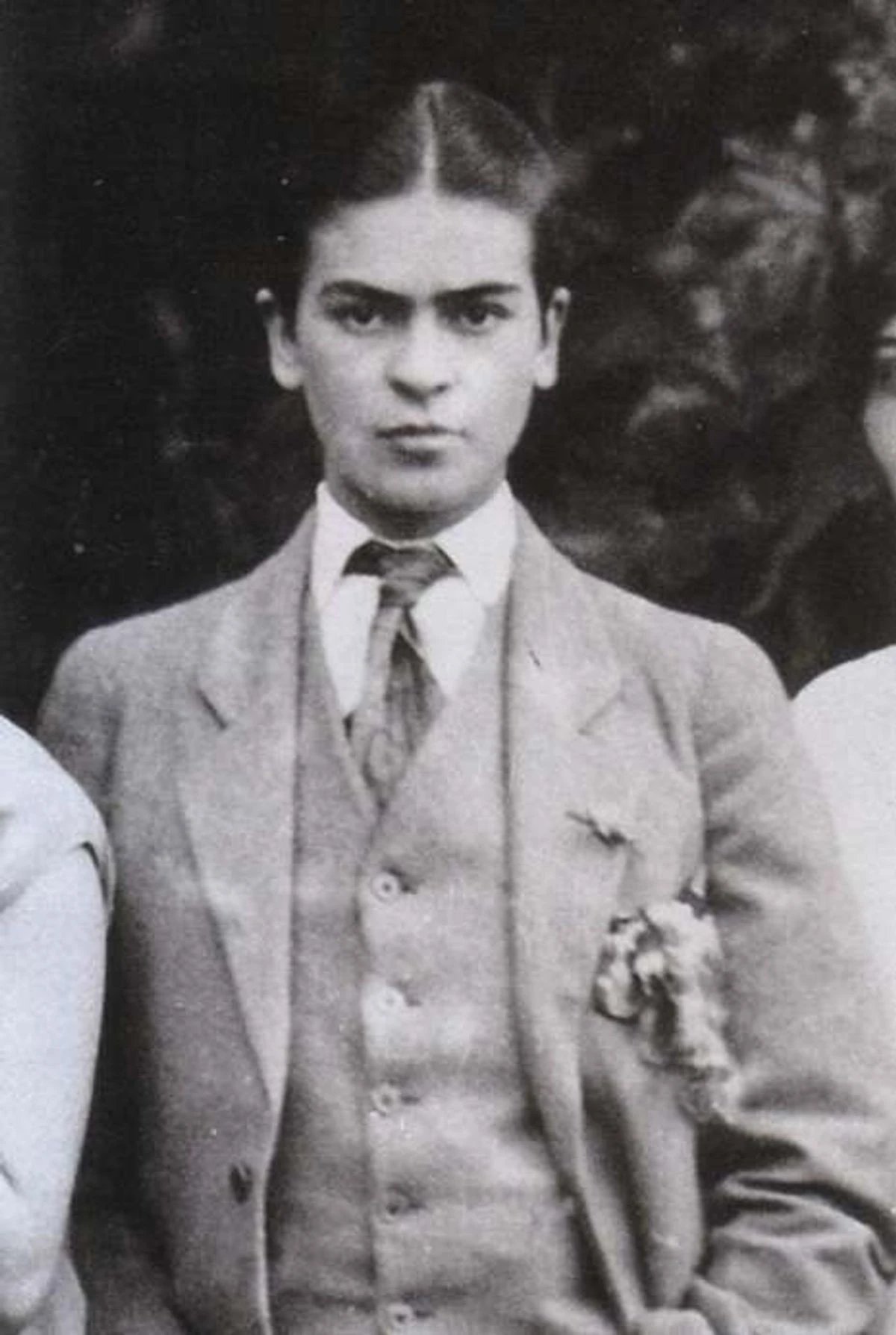
From childhood, Frida was familiar with the feeling of being different. After contracting polio at the age of six, her right leg was shortened, which became a source of ridicule. However, as her great-grandniece Cristina Kahlo notes, in Mexico they believe that adversity strengthens. Over time, Frida not only embraced her uniqueness but also transformed it into a unique style, boldly wearing elements of traditional menswear.
3. Art as Salvation 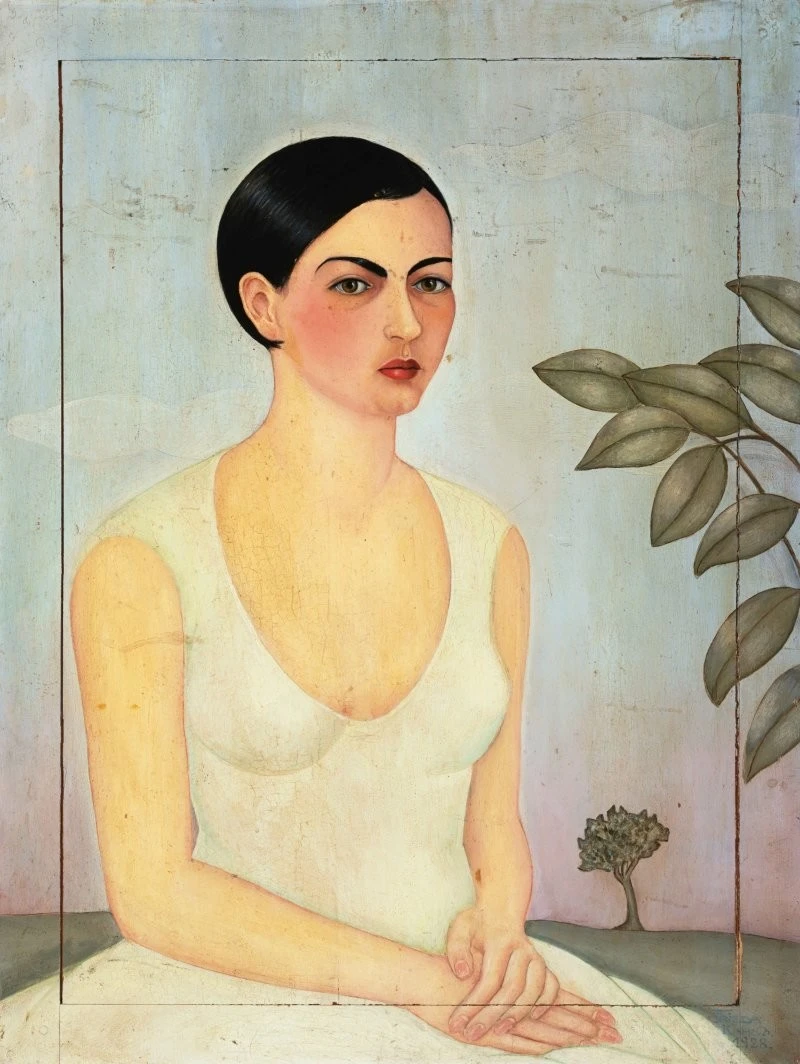
Portrait of Sister Cristina
Her path to art began with tragedy. In 1925, the bus she was riding on with her boyfriend, Alejandro Gomez Arias, collided with a tram. A metal rod pierced Frida's body. A long recovery in bed forced her to seek refuge in painting. Her mother made a special easel for her, and her first portraits of her sisters and friends marked the beginning of a great career.
4. Love and Art 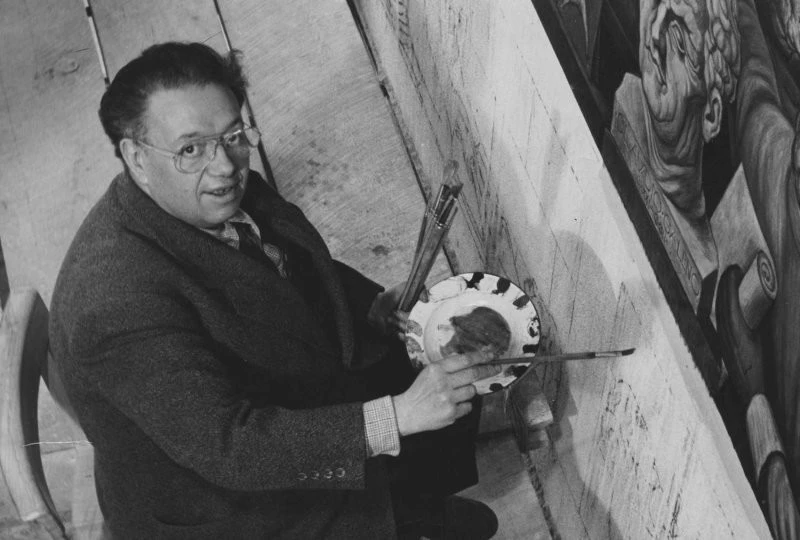
Diego Rivera
The inspiration and the main drama of her life were personified by Diego Rivera, a world-renowned muralist and ardent communist. After meeting him, Frida, without hesitation, asked him to evaluate her work. "Paint what your heart dictates, without looking back at anyone," the maestro replied. These words became her guide to action.
5. "The Elephant and the Dove" 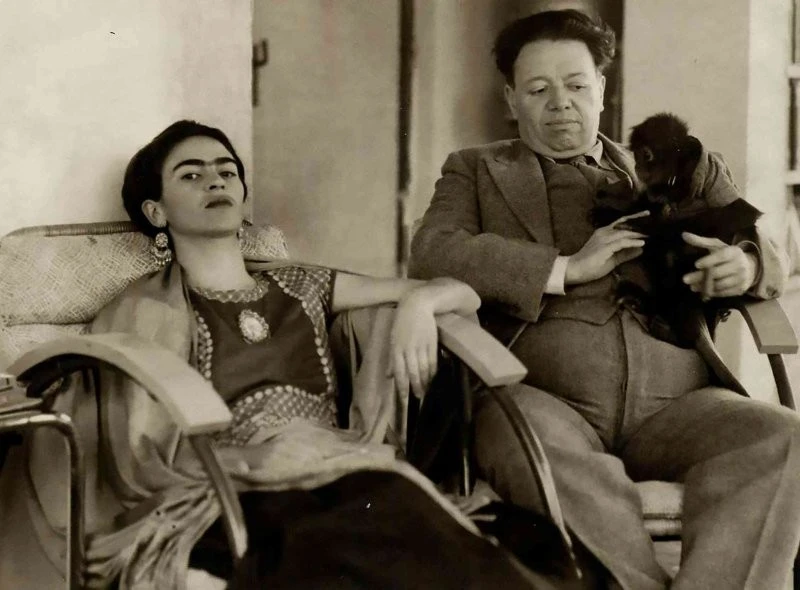
Frida Kahlo and Diego Rivera
Their turbulent union, which Frida's parents called the "elephant and dove" marriage, survived infidelities, a divorce in 1939, and a remarriage a year later. As biographer Hayden Herrera notes, hatred and love went hand in hand for Frida, and her feelings for Diego were stronger than life itself.
6. An Affair with the Revolution 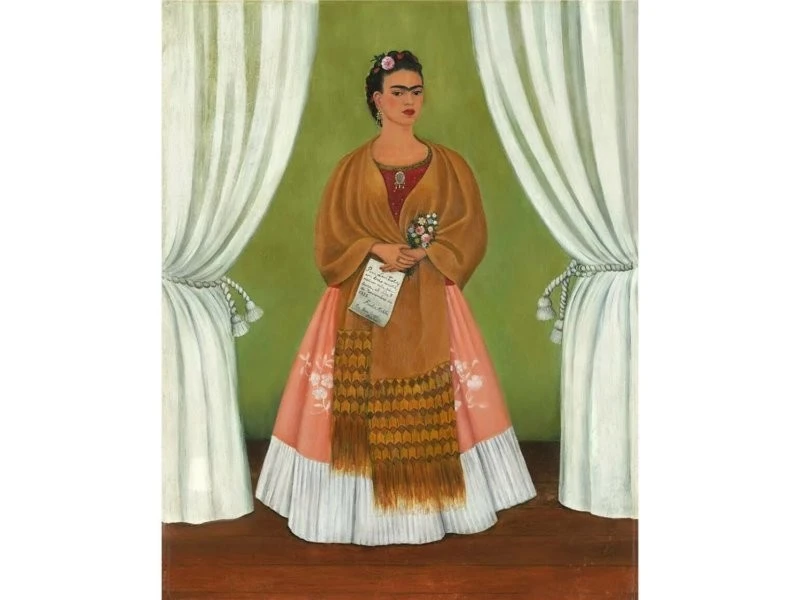
"Self-Portrait Dedicated to Leon Trotsky"
In 1937, another revolutionary, Leon Trotsky, exiled from the USSR, briefly entered her life. Their brief but intense affair was a desperate attempt to find solace after Diego's infidelity with Frida's sister. In memory of this, she painted the famous "Self-Portrait Dedicated to Leon Trotsky." Trotsky's death at the hands of a Stalinist agent in 1940 put an end to this story.
7. The Price of Immortality 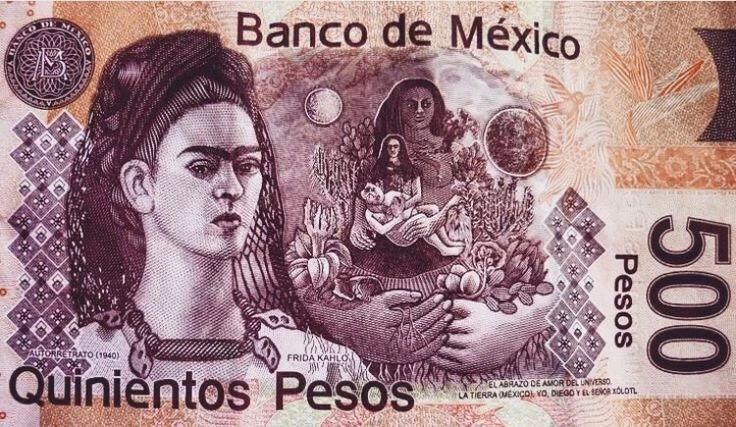
Frida Kahlo's full recognition and fame came after her death in 1954. In 2010, her image graced the Mexican 500-peso banknote. And in 2021, her painting "Diego and I" sold at Sotheby's for a record $34.9 million, becoming the most expensive work by a Latin American artist in history. This is a triumph she could hardly have dreamed of during her lifetime.