17 artifacts that allow a glimpse into the other side of history (18 photos)
From ancient Egyptian bread that has survived for decades to a Japanese purse frog guarding a collection of precious stones, each item in this collection is not just an artifact, but a message from the past. 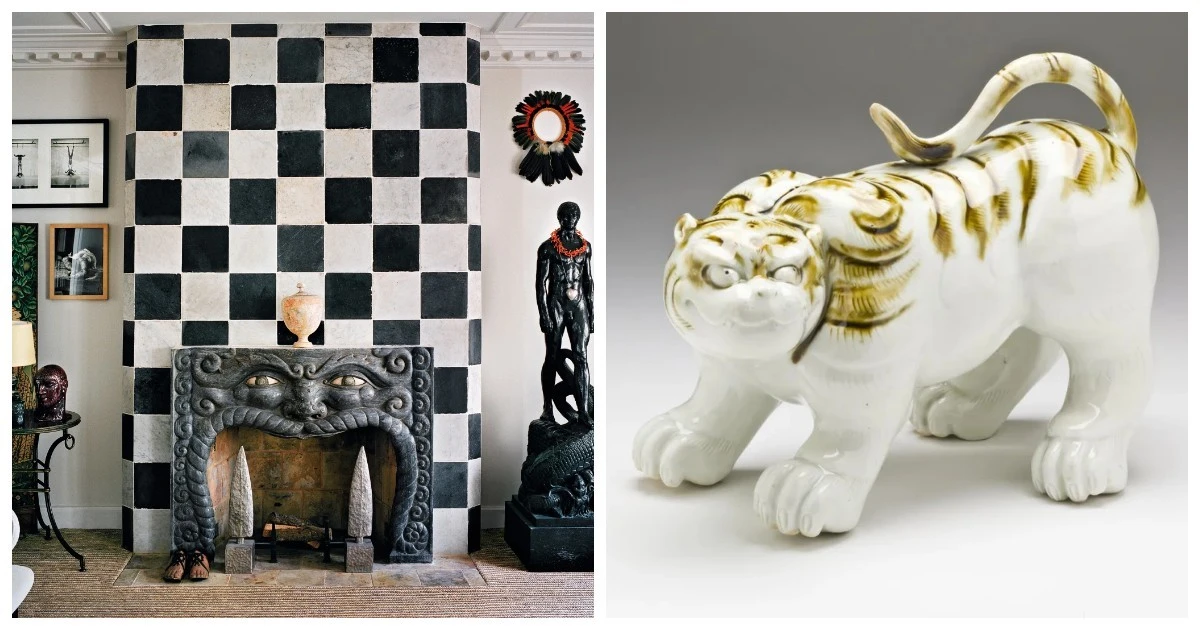
These objects silently tell us stories of war and love, science and superstition, luxury and everyday life. Ready to see history as you never knew it?
1. Blaschka's Glass Sea Creatures 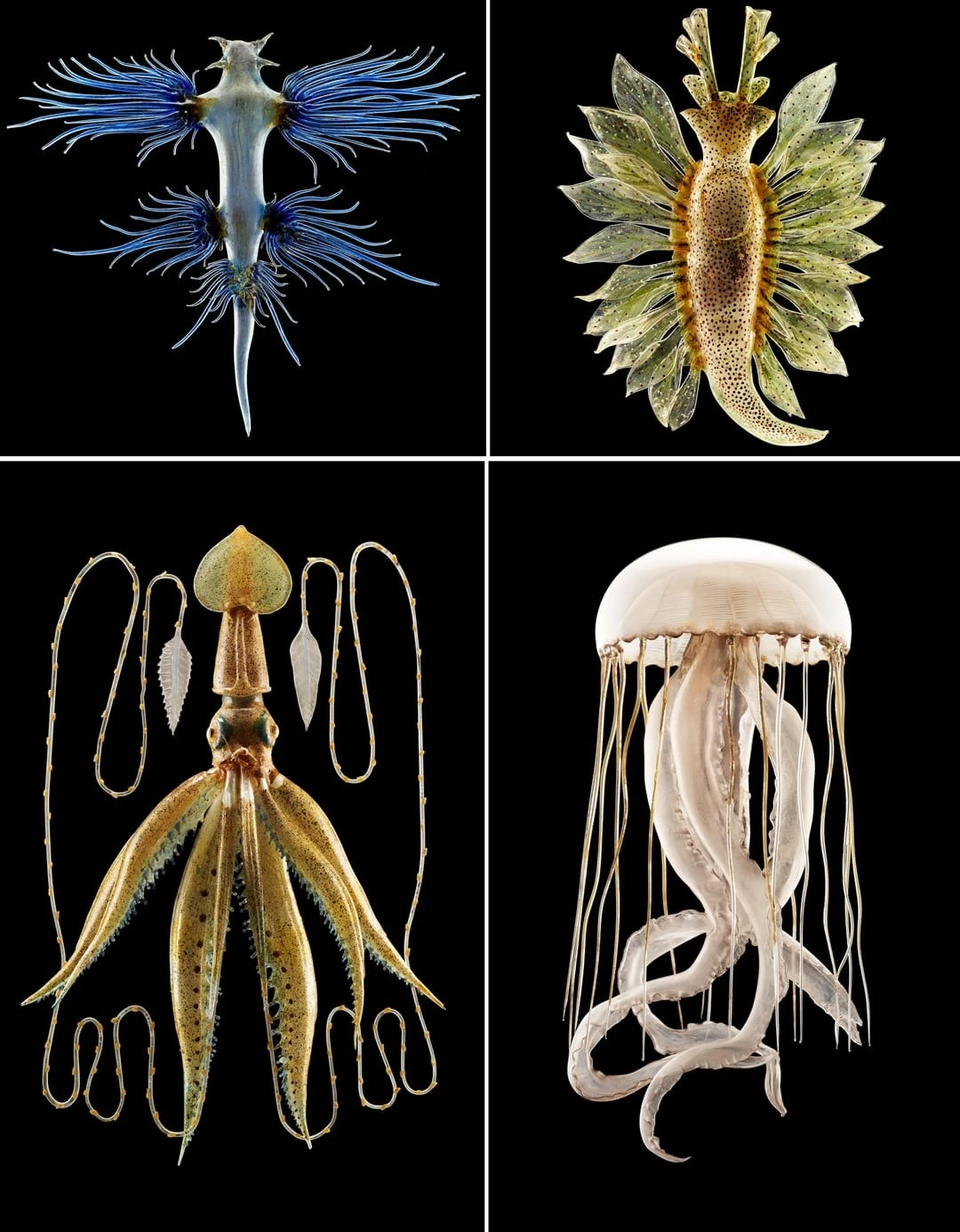
This is a world-renowned collection of at least 10,000 precise and extremely detailed glass models of marine invertebrates, created by father and son Leopold and Rudolf Blaschka in Dresden between 1863 and 1880.
2. Four-cornered llama wool hat 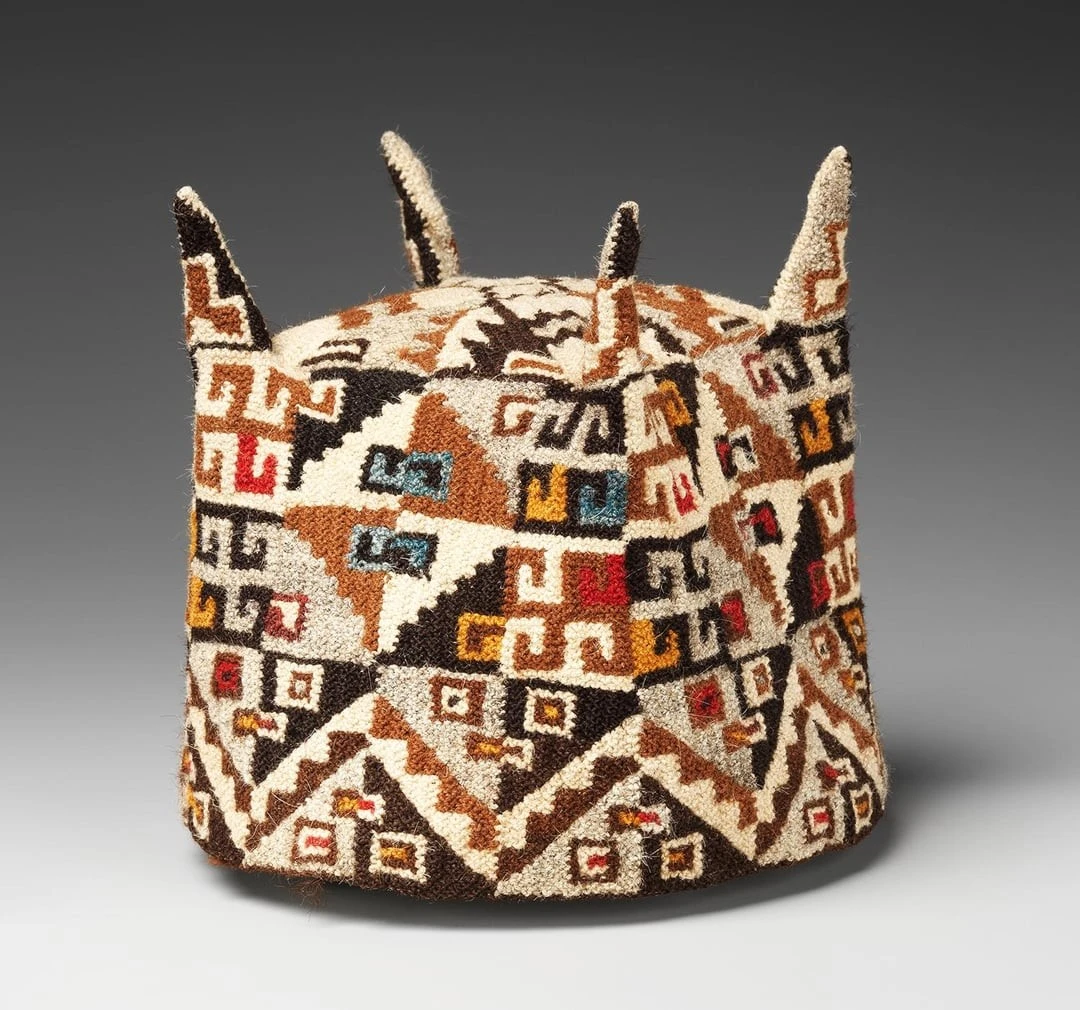
7th–9th century CE, Tiwanaku culture, probably Bolivia. Currently housed in the Metropolitan Museum of Art in New York.
3. Colchester vase depicting gladiatorial combat, circa 175 CE 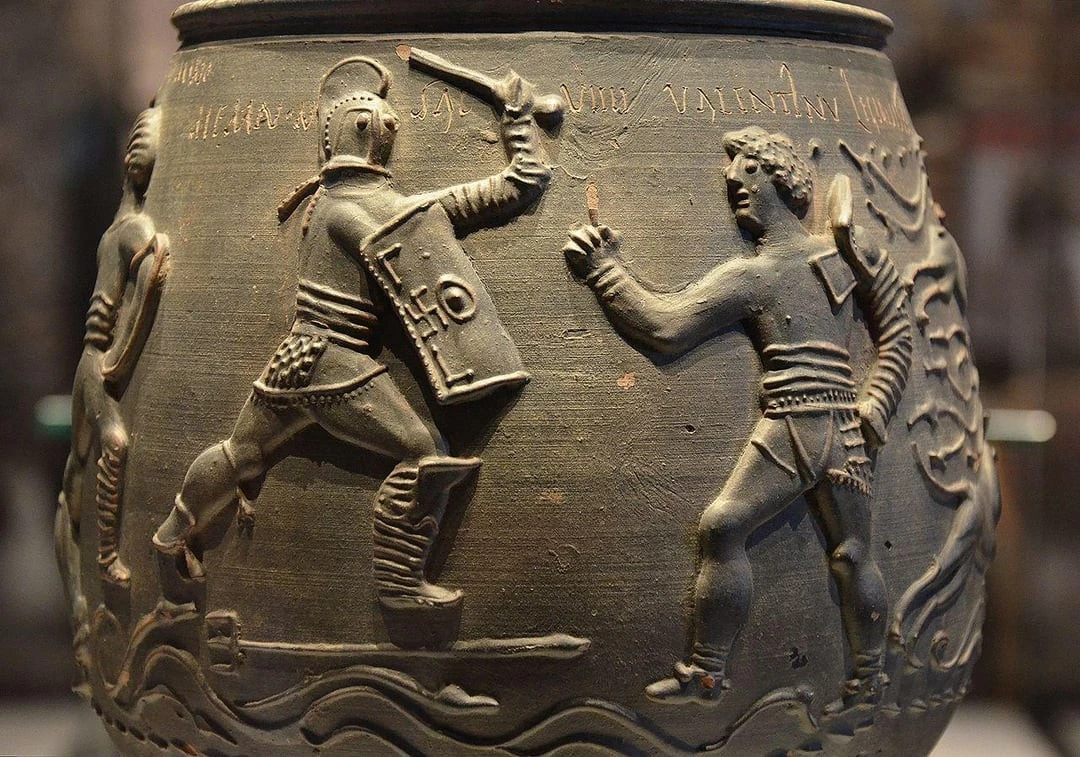
The Colchester Vase is an ancient Roman ceramic vase of British origin, made of local clay in Colchester, England, around 175 AD. It depicts a duel between two gladiators, Memnon and Valentine, who are believed to have been stage names.
The vase was discovered in 1853 in a Roman-era grave containing the ashes of the deceased. It is currently in the collection of Colchester Castle Museum and is considered one of the finest examples of Romano-British ceramics in the world.
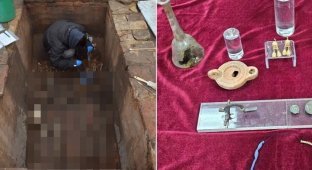
4. Tomb of Prince Wanyan Yan of the Jin Dynasty (1115–1234 AD) 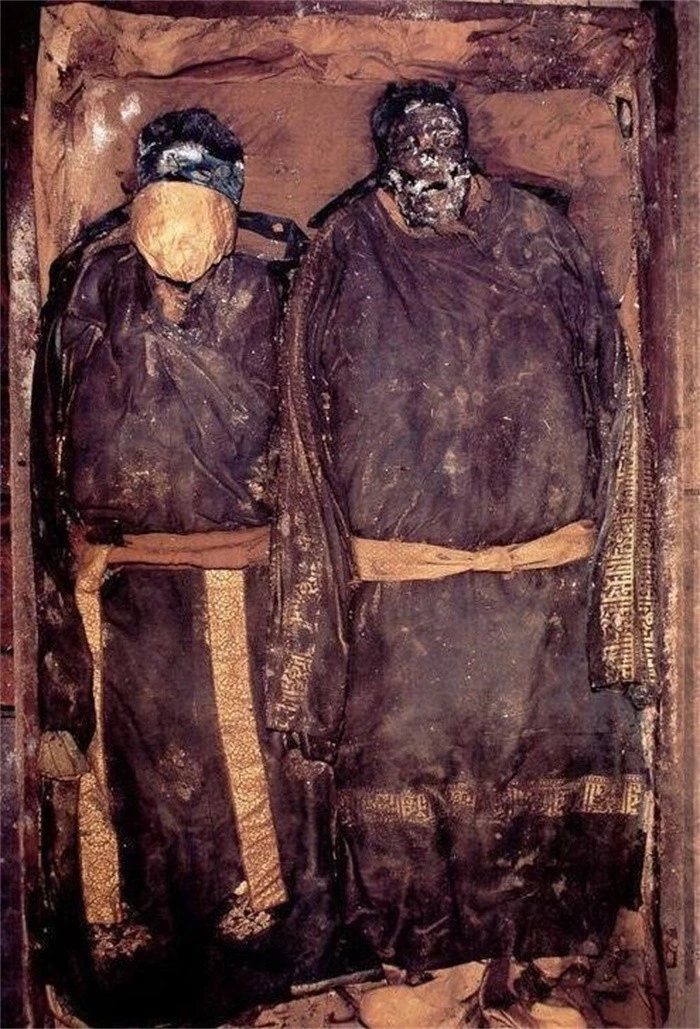
It was discovered along with the remains of his wife, who had been buried alive. Her feet were bound, leading to speculation about her possible origins: according to one theory, she may have been Princess Qingfu of the Song Dynasty, captured during the Jingkang Incident at the age of eight.
This combination of ritual sacrifice, cultural marker (footbinding), and tragic historical context makes the find particularly significant for understanding customs and interdynastic relations in medieval China.
5. Carved ivory figurine depicting rats emerging from a bag. Japan, 19th century 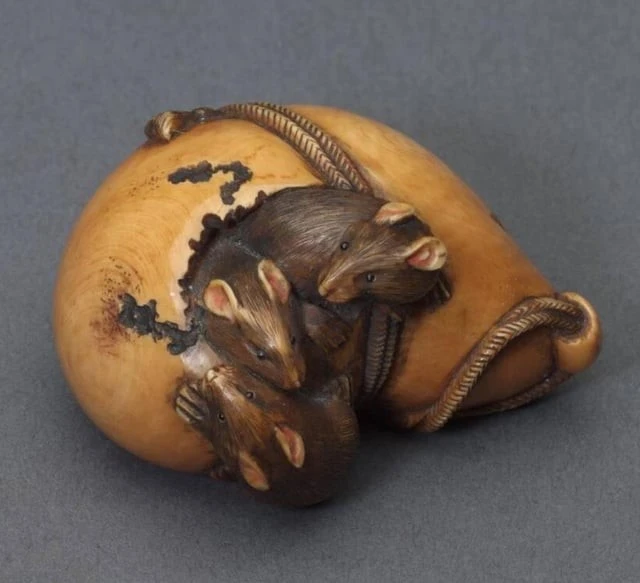
In Japanese and Chinese culture, the rat is the first sign of the 12-year cycle of the Chinese zodiac, symbolizing wealth, resourcefulness, and abundance. Such miniature netsuke or carved ornaments could serve both as amulets of good luck and as a demonstration of the carver's exceptional skill.
6. A 16th-century Italian mantelpiece with 17th-century tiles in Pierre Passabon's Parisian apartment 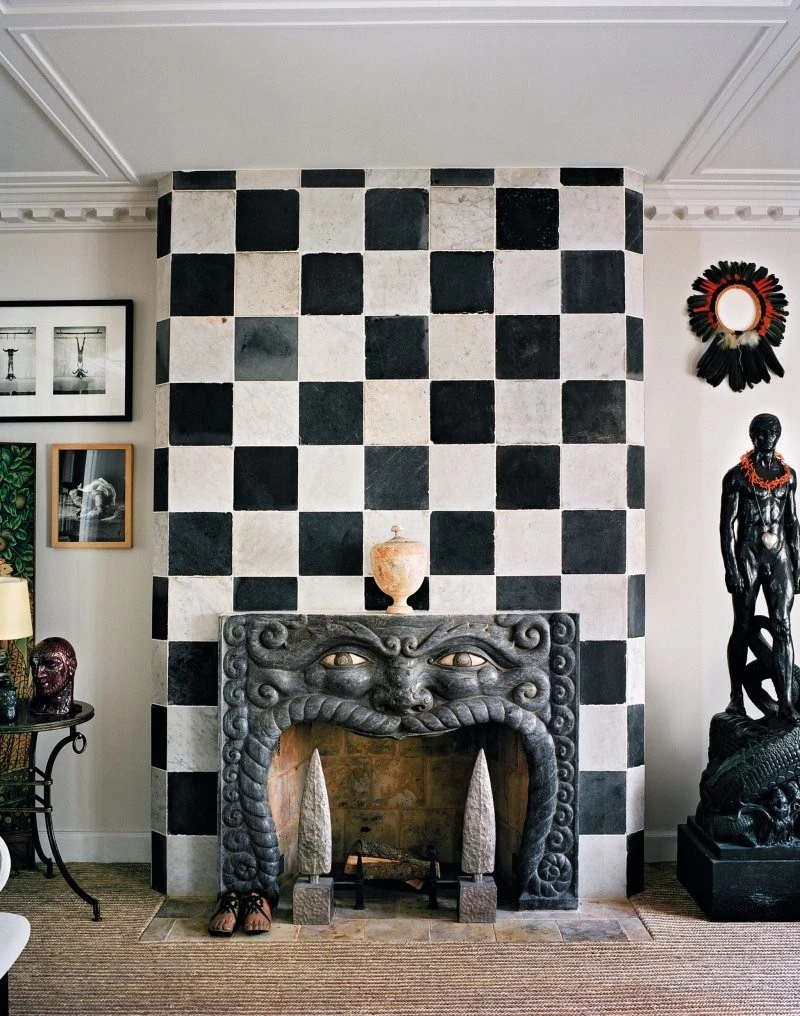
This interior piece is a wonderful example of an eclectic approach to collecting and design. An Italian Renaissance or Mannerist mantelpiece (often made of marble or carved stone) is combined with later decorative tiles, possibly Dutch or French, creating a unique historical collage. Pierre Passabon was a renowned French gallery owner and connoisseur of 20th-century design, and this detail in his interior highlights his deep understanding of styles and eras, where different centuries interact without losing their individuality.
7. "Madonna and Child" signed by Tang Yin. China, presumably 15th-16th century 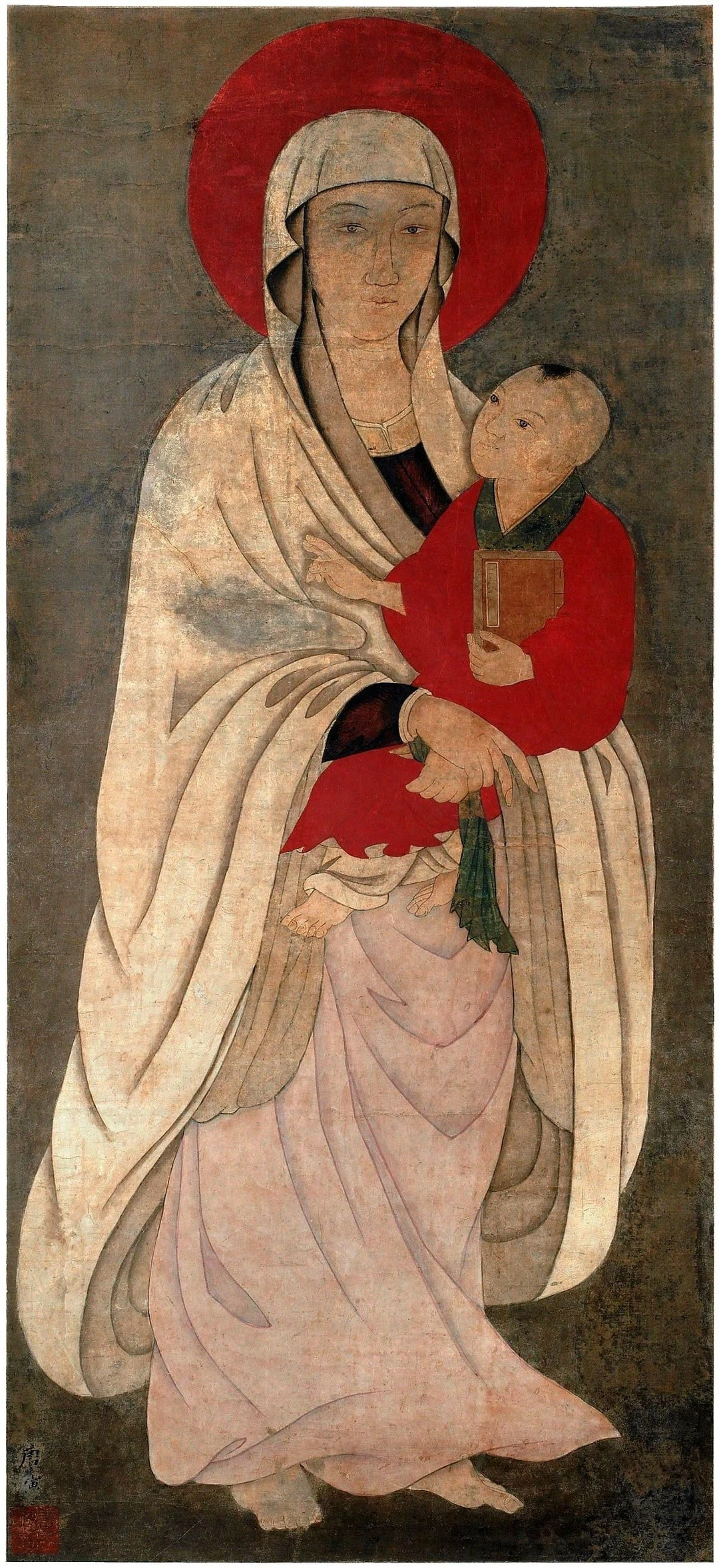
This is an extremely rare and unusual artifact, as Tang Yin (1470–1524) was one of the greatest masters of Chinese painting during the Ming Dynasty, known for his landscapes, genre scenes, and calligraphy in the traditional Chinese style. The presence of his name on a Christian subject is exceptional. This may indicate either contact between Chinese artists and European missionaries (such as the Jesuits, who arrived in China in the late 16th century), or a later forgery or misattribution. Such works represent a unique example of cultural synthesis and are the subject of particular attention among global art scholars.
8. Monumental basalt turtle sculpture from the Veracruz culture. Postclassic period (900–1521 CE). Currently housed in the Museum of Anthropology in Xalapa, Mexico. 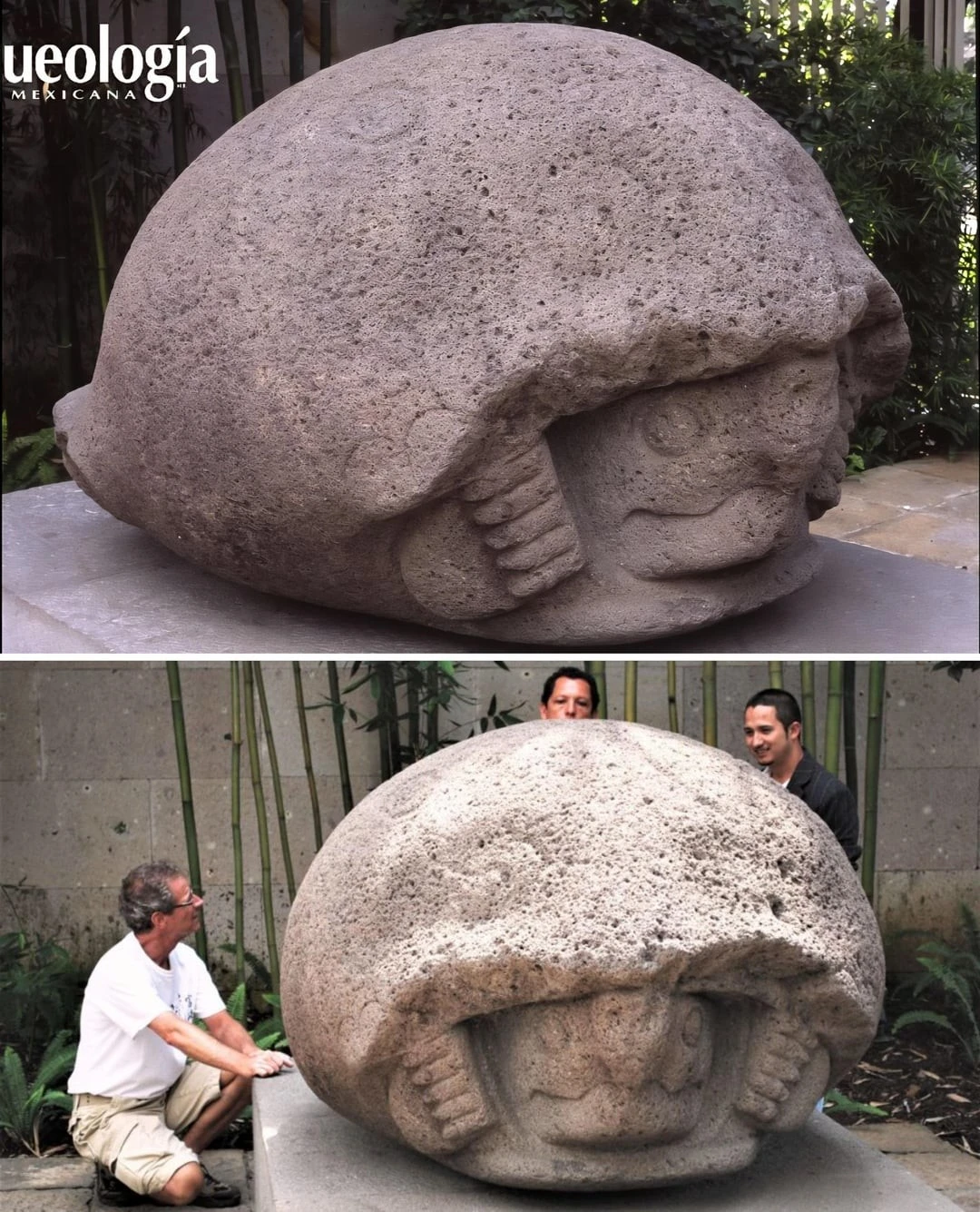
The turtle occupied an important place in Mesoamerican mythology, often associated with the earth, fertility, water, and the underworld. This monumental basalt sculpture, created by Veracruz artisans during the Postclassic period, demonstrates a style characteristic of the region, with meticulous detailing of the shell and feet. Such large stone sculptures may have served a ritual function or served as symbols of power.
9. Advertisement for a reward for denunciation of secret Christians. Japan, Edo period, 1682 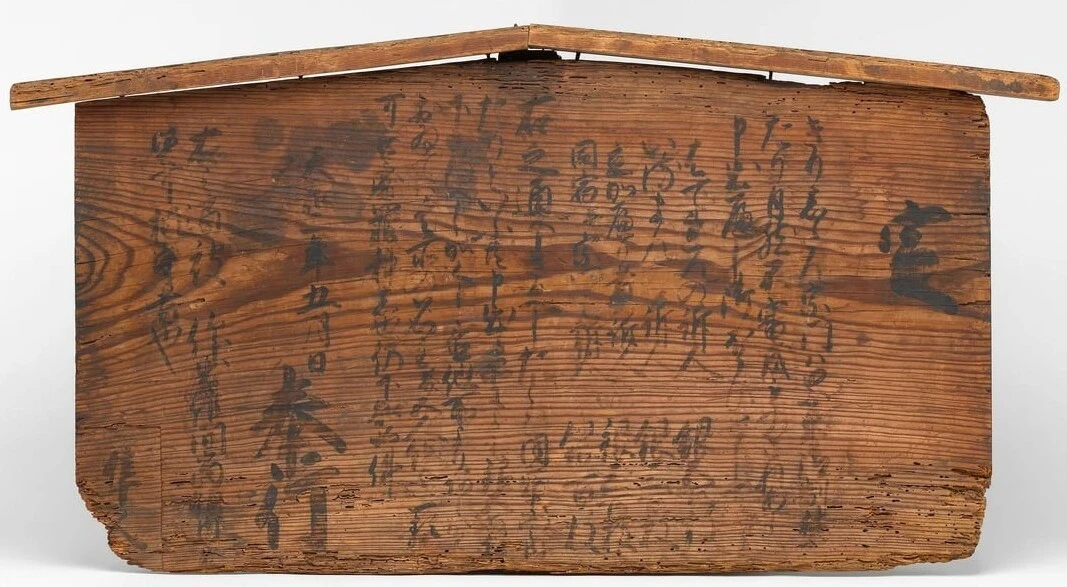
DECREE
Christianity has been banned for many years. Naturally, any suspicious person must be reported. Informers will be rewarded as follows:
Whoever informs on a priest... 500 silver coins
Whoever informs on a lay brother... 300 silver coins
Whoever informs on someone who has returned to the Church (an apostate)... 300 silver coins
Whoever informs on a believer or someone who harbors believers... 100 silver coins
Christians who inform on members of their own sect or on those who harbor them may receive up to 500 silver coins. If a Christian emerges from hiding anywhere, the village elder and the Five-Member Council of that place will be considered accomplices to the crime. Let this be known to you.
Tenna year 2, month 5 (April 1682)
[On behalf of] the Governor
Once this decree is promulgated, all persons are to strictly obey it.
This historical document dates back to the era of severe persecution of Christianity in Japan. After banning Christianity in the early 17th century, the Tokugawa shogunate instituted a policy of complete isolation of the country and a system of rewards for denunciations of hidden Christians (Kirishitan). Such notices were posted in public places, temples, and at road intersections, urging the population to report any suspicious activity to the authorities. The reward could be a large sum of money or other privileges.
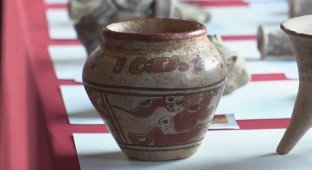
10. Wari culture pottery discovered during excavations by archaeologist José Ochatoma in Ayacucho, Peru. 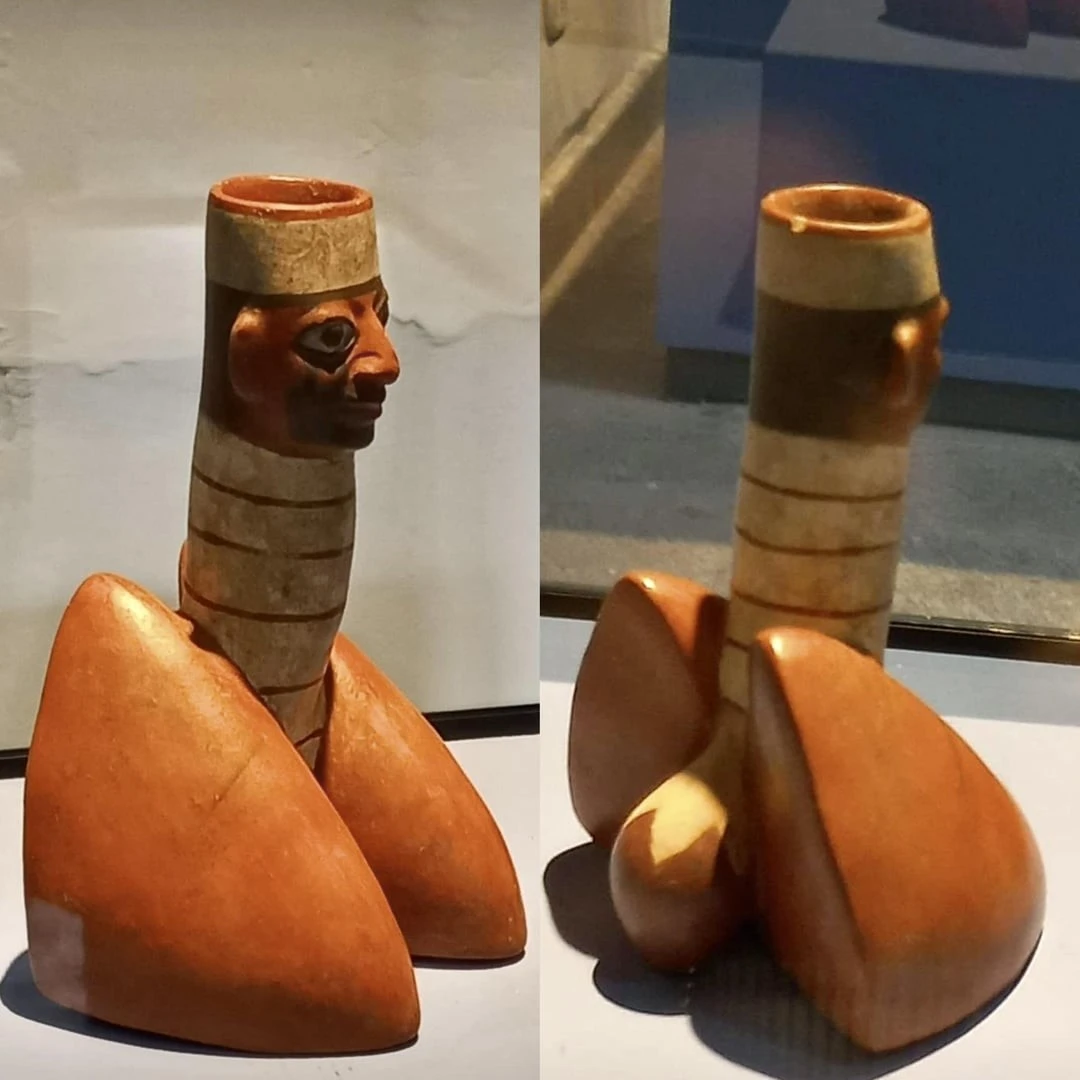
Depicts the cardiorespiratory system: the trachea connected to the lungs and the heart (located at the back of the vessel). Wari culture (6th–10th centuries CE).
11. Painting by Japanese artist Ito Jakuchu depicting two gibbons reaching for the moon. Circa 1770 CE. Currently housed at the Kimbell Art Museum in Texas, USA. 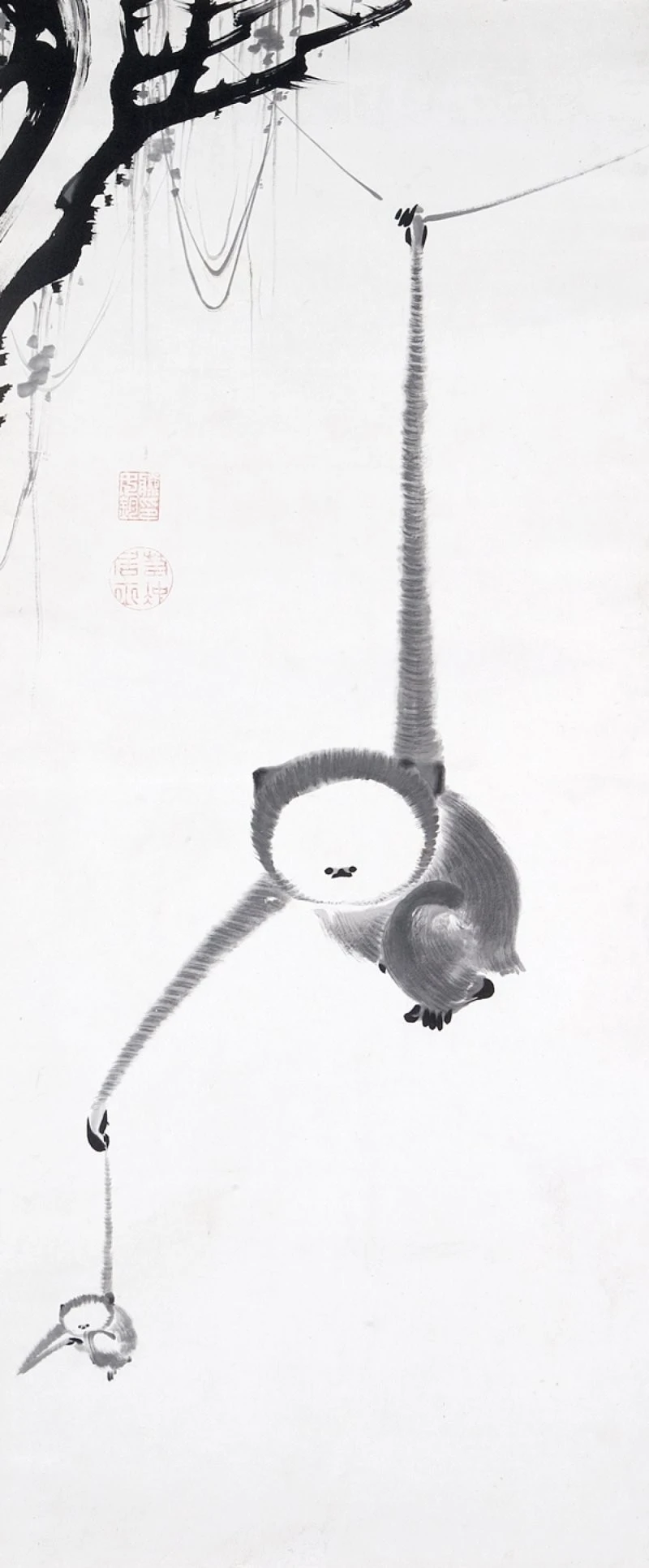
12. Spoon. India, probably Mughal era, first half of the 17th century. 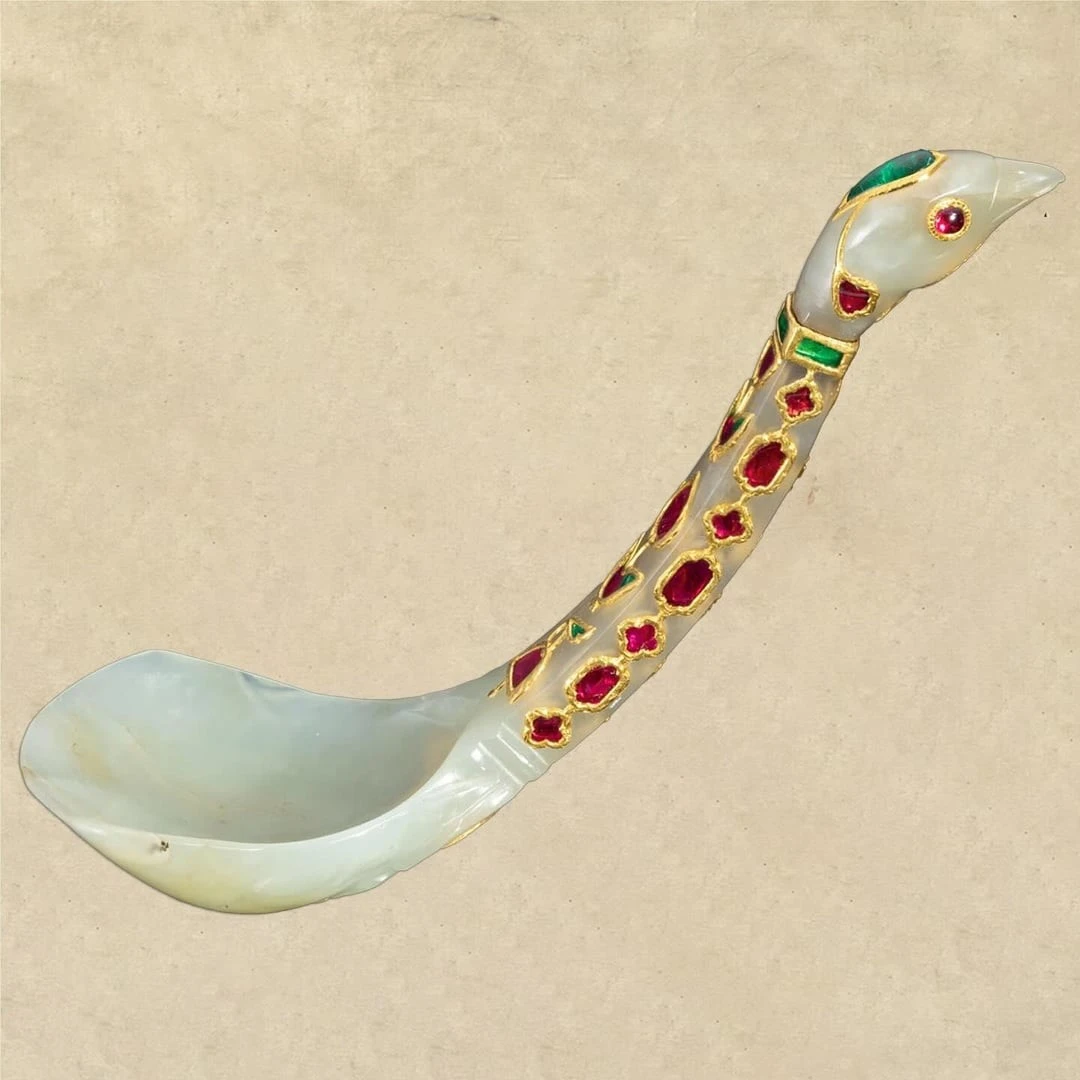
Carved from jadeite, inlaid with gold and decorated with rubies and emeralds. On long-term loan to the Los Angeles County Museum of Art (LACMA) from the Al-Sabah Collection (Kuwait).
13. Remnants of World War I trench barbed wire, Hill 62, Sanctuary Wood, Ypres, Belgium, 1914–1918. 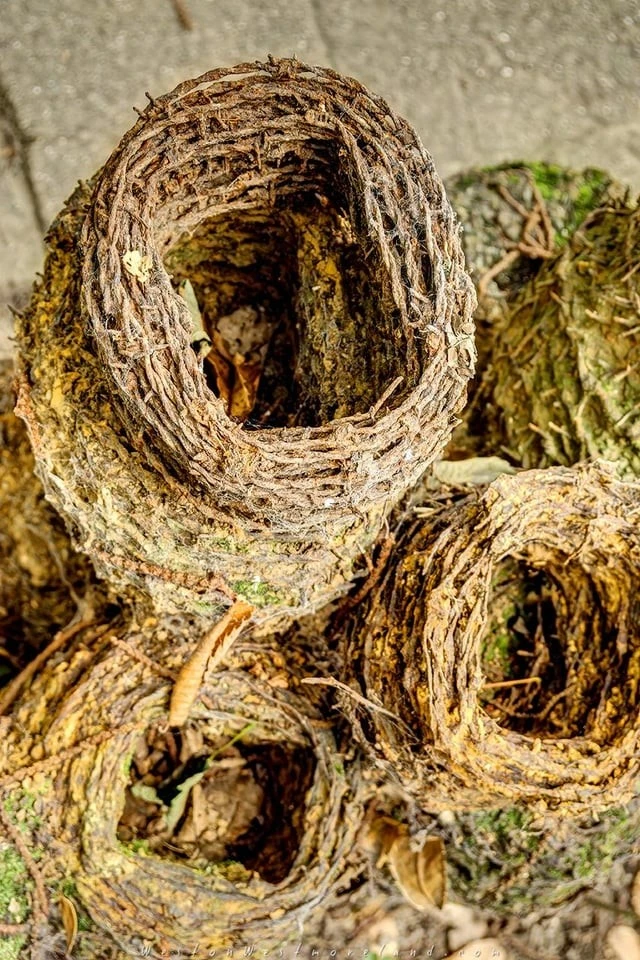
The wooden supports have rotted away. The forest received its name "Sanctuary Wood" in October 1914 during the First Battle of Ypres, when it was used as a refuge for the wounded and for regrouping troops. Today, this site is one of the best-preserved sections of the original front line, with visible traces of trenches, craters, and defensive obstacles, serving as a grim reminder of trench warfare and human suffering.
14. Painted porcelain tiger, Japan, circa 1800–1900. 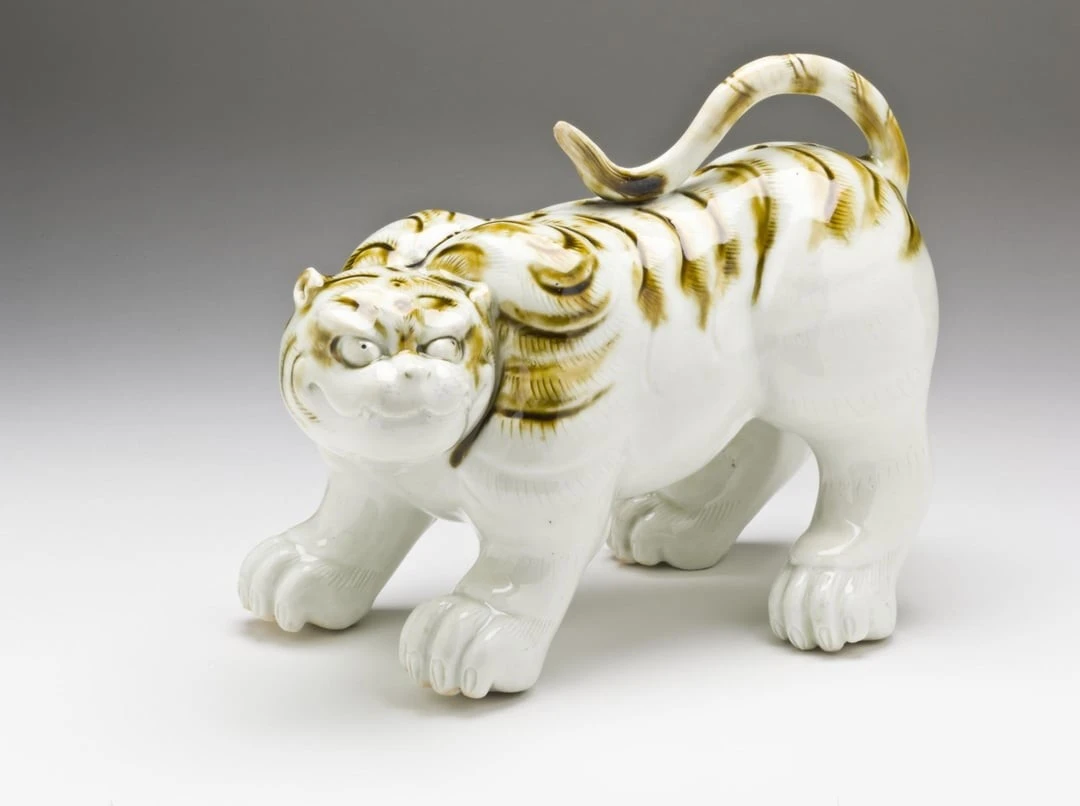
15. 3,500-year-old loaves from the foundation offering of Hatshepsut's tomb. Egypt, New Kingdom, 1479–1458 BC. 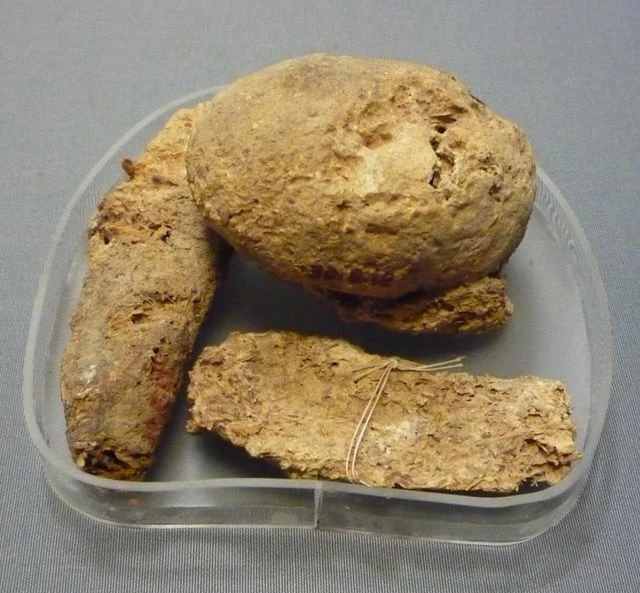
In Ancient Egypt, such offerings—including food, vessels, tools, and symbolic objects—were placed under the walls or in the foundations of temples and tombs as a sacrifice to the gods and to ensure the eternal well-being of the deceased.
16. A 17th-century frog purse made of fine silk and metal threads. 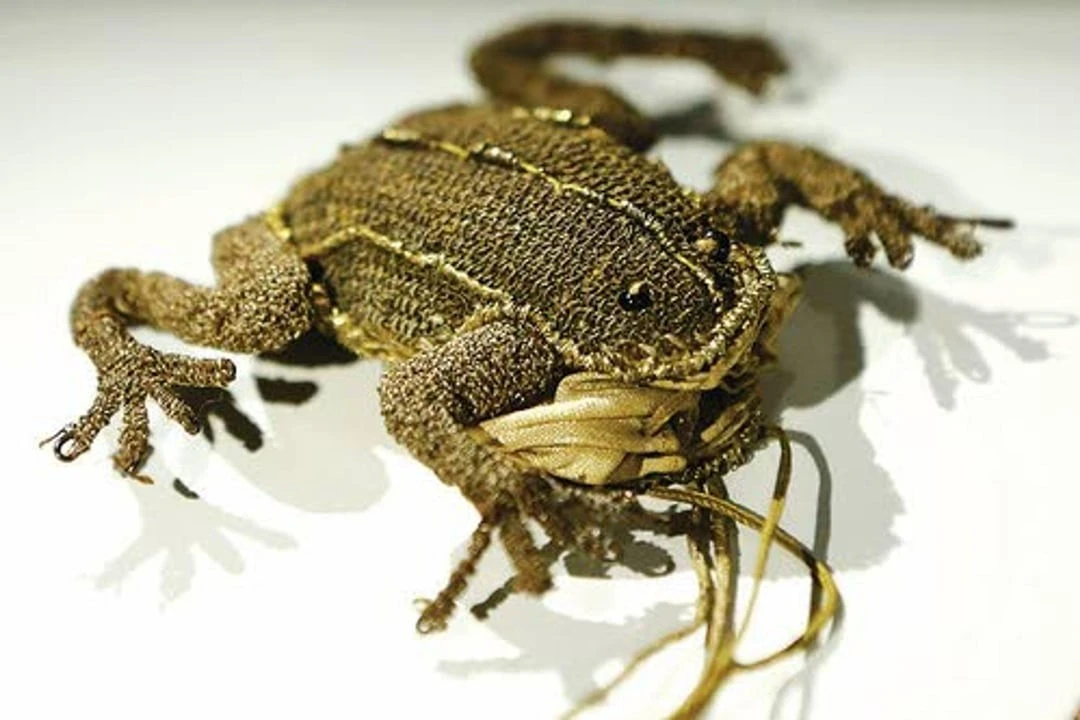
Discovered as part of the Cheapside Hoard, a collection of jewelry and precious stones unearthed by workers during an excavation on Cheapside Street in London in 1912. Currently housed in the Museum of London.
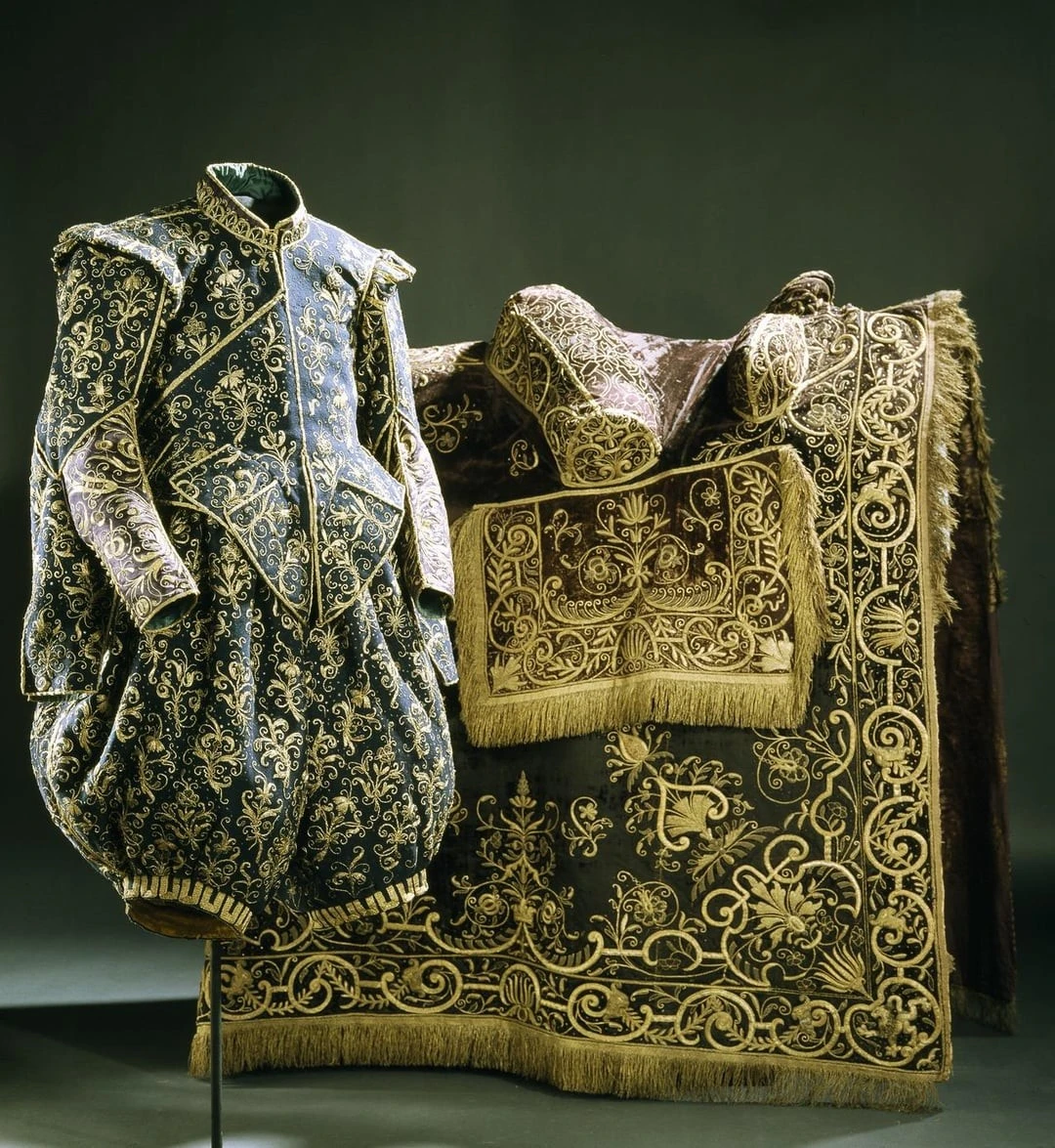
17. The wedding attire of King Gustav II Adolf of Sweden, next to his wedding saddle. Livrustkammaren (Royal Armoury), Stockholm, Sweden, circa 1620.