Zoom psychosis: this is what happens if you ignore your pet for too long (10 photos)
Scientists have studied this sudden frenzy in detail and even given it a name: zumi, or frapping. Their unanimous conclusion: if a dog is jumping around like crazy, it's healthy! 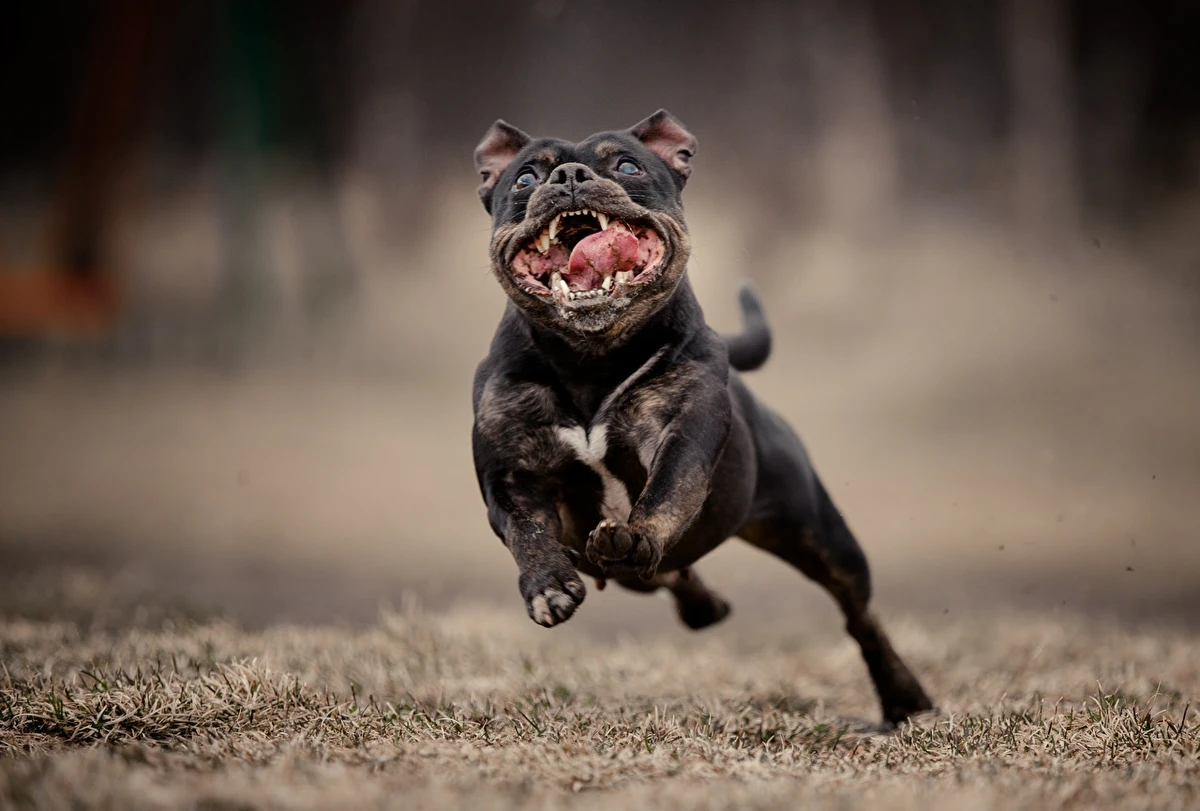
Torpedo mode activated.
Let's reassure you right away: you can put the holy water back on the cabinet and stop Googling the number of a zoopsychologist. Such sudden bursts of activity are almost never associated with mental illness and are not, in themselves, a sign of a nervous system breakdown. It's quite the opposite, even though you wouldn't immediately recognize it from the outside. Scientists have thoroughly studied this sudden frenzy and even given it a name—zoomi, or frapping. Their unanimous conclusion: if a dog is jumping like crazy, it's healthy! 
Choose: will I knock you down or ruin your slippers?
There are at least five reasons for a dog to start frantically racing.
The first is to burn off excess energy.
This is especially true for apartment-dwelling dogs that lack exercise. In this regard, a Zumi is a lifesaver for its owner. It's better to let the dog jump around in circles for five minutes than eat a new sofa out of boredom. Frap also occurs when the dog hasn't been given attention for a long time: not played with, not trained, not walked. Energy builds up and needs an outlet—Zumi, sign here! 
Zumis are especially common in active dogs that live in apartments. That's why they need time to go out into fields and open spaces to run around!
The second reason is emotional overstimulation.
For example, your dog sat by the door all day, waiting for you to come home from work, bored and nervous, and when the door opened, he simply went crazy with joy! The result is a frantic, welcoming run throughout the apartment. 
Dude, I'm so glad to see you!
The third is sensory overload.
This happens after a bath, where the dog is washed with fragrant shampoos, doused with water, and scrubbed with a washcloth. It also happens after visiting a new place with a bunch of new smells, such as a dog park or a veterinary clinic. Then the cuckoo sounds the alarm: alarm, the system is overloaded! And to restore balance, the animal takes off and runs until it loses its pulse. 
Switched to levitation.
The fourth reason for zoomies is puppyhood.
Yes, dog children are children too; they also have sudden, sharp bursts of activity. Plus, during such frenzy, they learn to better control their bodies and maneuver in space.
Fifth – relieve pent-up stress
The thing is, during a zoomie, a veritable tsunami of hormones rages through a dog's body. Adrenaline activates the blood flow to the muscles and puts the furry creature into a state of maximum arousal. The dog "turns on" and begins to joyfully run amok, oblivious to everything around it. It knocks over corners, slams its forehead against chair legs, falls off the couch and bumps into people's legs. This is normal; it's just the hormones at work. And when the zoomie ends, the body "rewards" the dog with a dose of dopamine – it calms down and feels pleasure. 
Racing around the apartment is better than no apartment at all.
So what should you do in such moments? If possible, remove valuables from the floor and get out of the way yourself—let your dog run wild! Also, close off staircases and rooms with slippery floors, and don't try to catch your dog on the move. Zumis end as suddenly as they begin. There's no need to scold your dog or fear such behavior; frapping is very beneficial for dogs' mental health. And by the way, it's not just dogs that experience it. 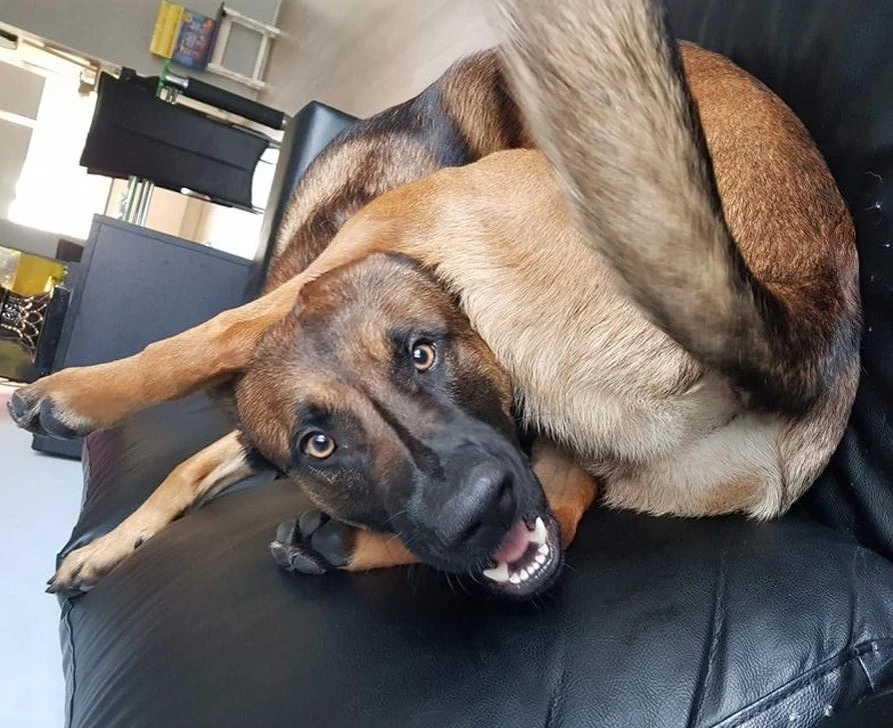
Sleight of hand and no deception!
Sudden rage is common in many animal species, from ferrets and rabbits to enormous elephants. In the wild, observing an elephant rage is quite difficult and dangerous. 
Are you zooming, or are you just happy to see the change?
Among pets, zooming is also observed in cats. Especially in the early morning, since cats are generally crepuscular animals, typically running and hunting in the morning. If you're woken up by a furry ball on your bed again, just accept it and be glad your kitty is in excellent mental health. 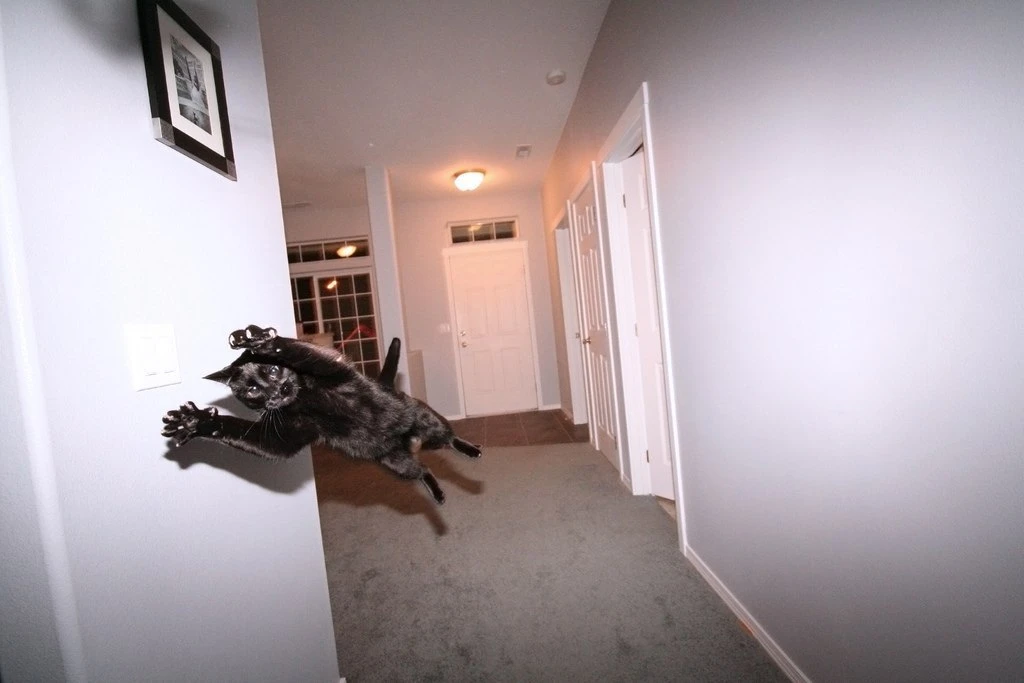
Hooray, now there's a scientific term for the nighttime tygydyk!
There are a few situations you should be wary of. For example, if an adult, calm animal that almost never twitched before suddenly starts twitching frequently. It's worth considering the environment at home and possible causes. Perhaps the dog is experiencing severe stress and is trying to relieve it this way. This can also happen with hormonal imbalances. So, if you've only seen twitching before in funny videos, pay a little more attention to this behavior in your dog. 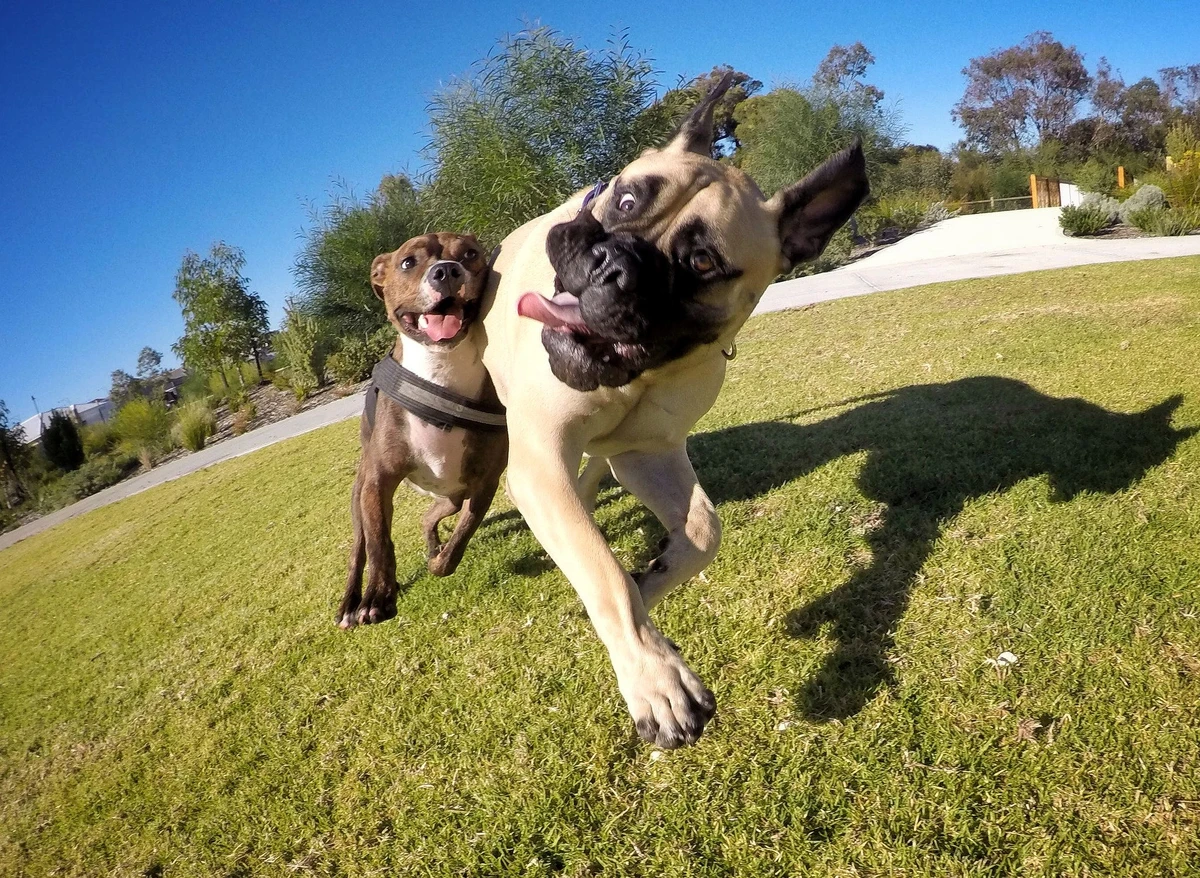
Sometimes other dogs join in with twitching, creating a fun game.
It's also very important to distinguish between a "zoomy" and truly problematic behavior. During a "zoomy" behavior, the dog moves quickly and abruptly, sometimes jumping unexpectedly onto the bed and back, but it never displays unprovoked aggression. After the outburst, it quickly calms down. However, if the animal takes a long time to recover, tries to bite someone, or appears disoriented, this is a serious reason to immediately visit the veterinarian.