Bacteria from Japanese frogs may be more effective than chemotherapy in treating cancer (3 photos)
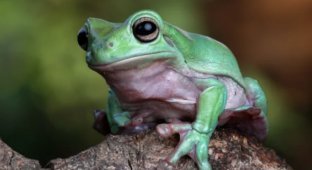
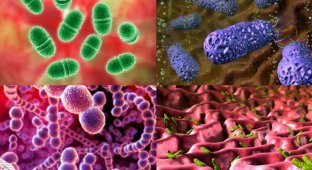
Scientists from the Japan Advanced Institute of Science and Technology (JAIST) have discovered that the bacterium Ewingella americana, found in the gut of the wood frog, may be more effective than traditional treatments for colorectal cancer. While the link between gut microbiota and cancer has been extensively studied, until now, the focus has been on microbiome modulation or fecal microbiota transplantation. 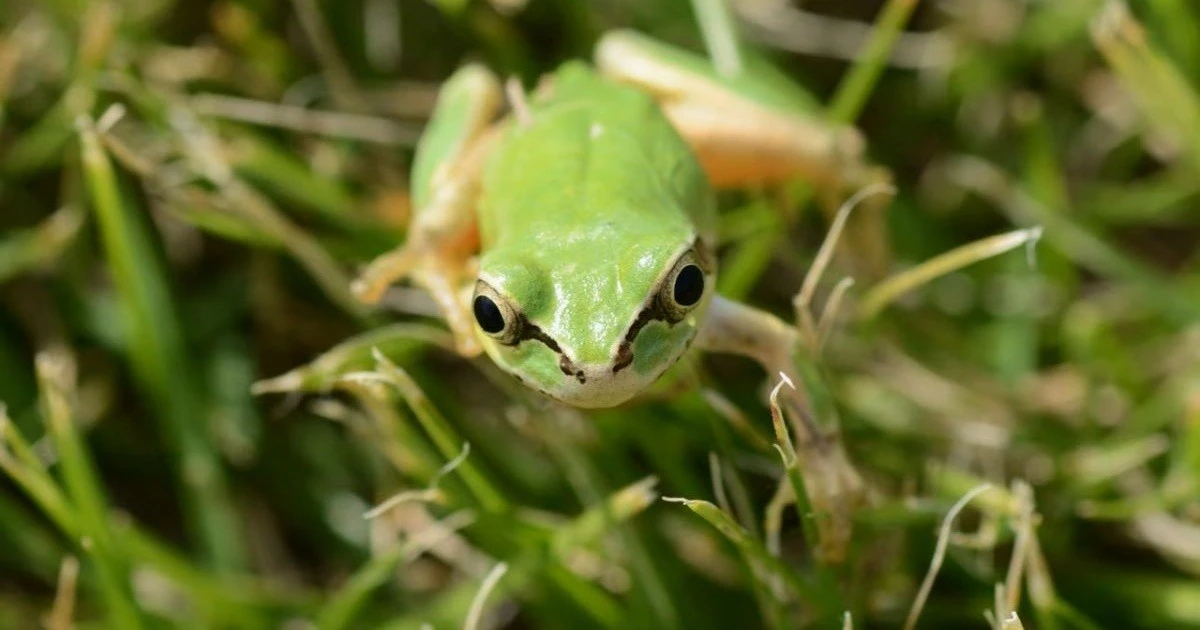
In the latest study, published in the journal Gut Microbes, the researchers isolated, cultured, and intravenously administered specific strains of bacteria to target tumors.
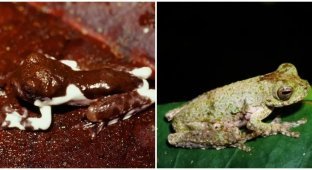
The team studied the intestines of Japanese tree frogs, Japanese newts, and Japanese grass lizards and isolated nine bacterial strains with antitumor properties. E. americana proved particularly effective.
An experiment in mice showed that a single intravenous administration of E. americana completely eradicated tumors, achieving a 100% response rate. This impressive result outperforms traditional treatments, including immunotherapy and chemotherapy. 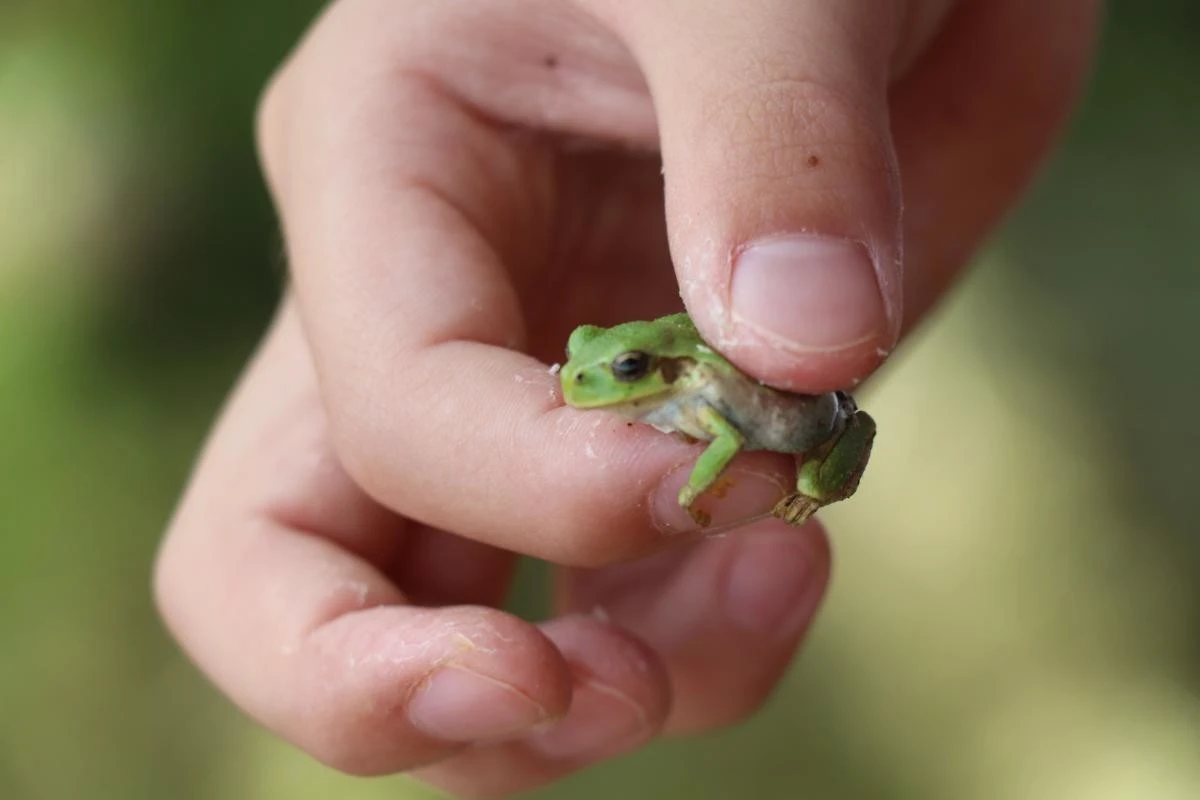
Colorectal cancer was previously more common in older adults, but in recent years, the number of cases among young people has increased significantly. In 2019, 20% of diagnoses were made in people under 55, compared to 11% in 1995.
E. americana not only directly destroys cancer cells but also activates the immune system, triggering apoptosis—a mechanism that eliminates damaged or cancerous cells without inflammation. Furthermore, these bacteria accumulate in tumor tissue and do not spread to other organs.
Unlike chemotherapy, which can have serious side effects, scientists believe E. americana has a good safety profile.
After 24 hours, the bacteria are no longer detectable in the blood, and within 72 hours, the body's inflammatory response returns to normal. 
"Our work demonstrates that unexplored biodiversity is a true treasure trove for developing new medical technologies. It opens new perspectives for treating patients with resistant forms of cancer," the authors state.
Further research is needed to evaluate the effectiveness of the bacteria in treating various types of cancer, such as breast and pancreatic cancer.
Furthermore, the question of whether E. americana therapy can be combined with standard cancer treatments remains unresolved.
Colorectal cancer is expected to become the leading cause of death in people aged 20 to 49 by 2030.