The maturation of a bear. 1 in 10 will survive (13 photos)
Before the clubfoot becomes a fully grown, powerful ruler of the taiga, before whom everyone will run in fear, it—that is, you—will have to pass several very difficult levels. 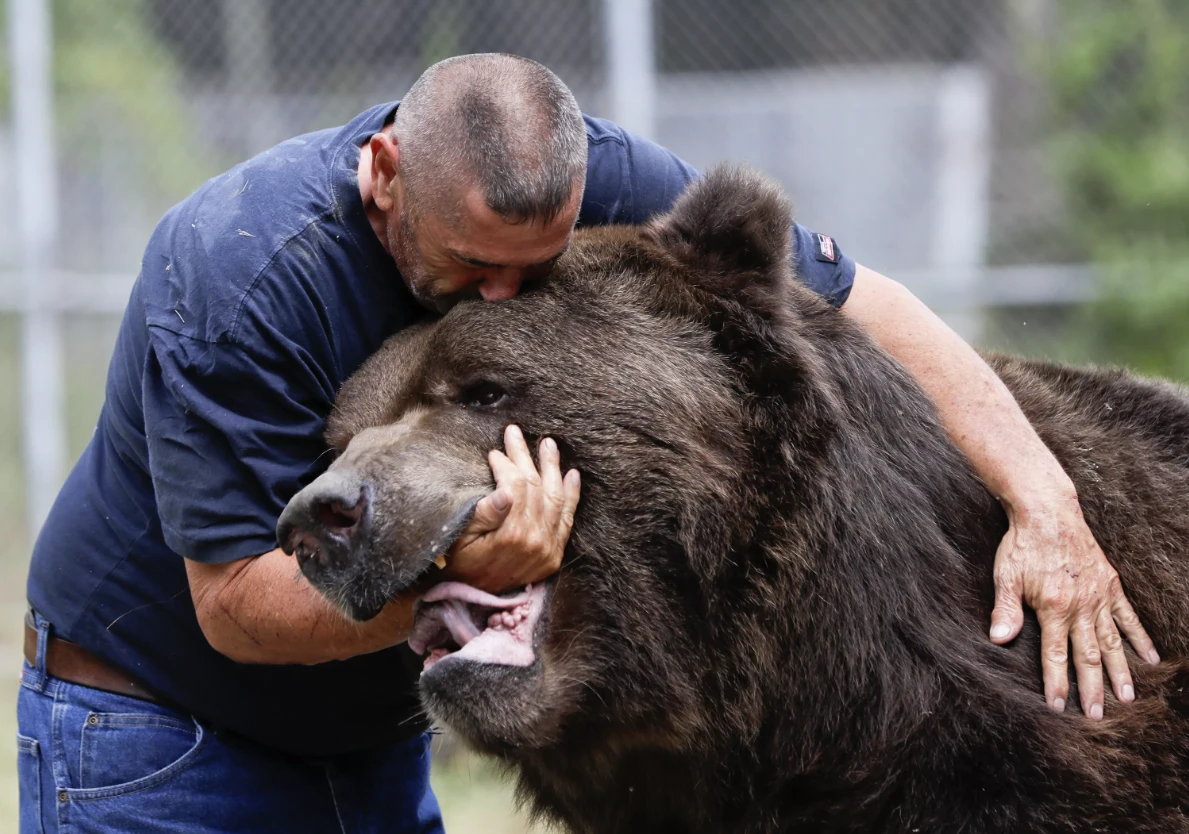
It's all right, dear, you're all grown up, all the scary stuff is behind you.
Level 1—Birth. Difficulty—depending on luck
The thing is, the mother bear might change her mind about giving birth to you altogether. Yes, that's right. Bears have a concept called "delayed implantation." This means that the embryos don't develop immediately after conception, as happens in humans, for example. Mating in bears occurs in early summer, but the future cubs wait until October or November for their fate. If the female has eaten well by this time, gained enough fat, and hibernated, the embryos will begin to grow as expected. But if she hasn't gained weight, her body won't initiate pregnancy and will simply dissolve the embryos. 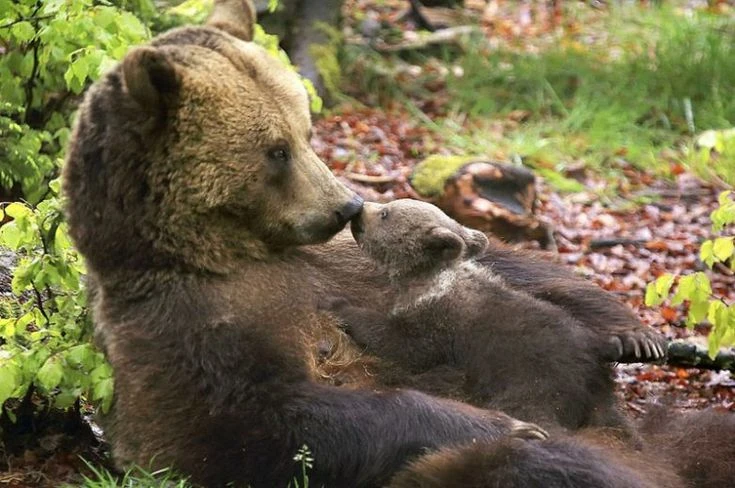
— If you don't listen, you'll be like your little brother! — What little brother? — Exactly!
Did everything work out? Congratulations, this is the safest time for the cub. At this stage, nothing depends on you. Bear cubs are born the size of large puppies: blind, deaf, and completely helpless. Their only hope is the mother and her fat reserves. 
Alabai puppy for sale. Those unfamiliar with the breed, please do not disturb!
If the mother is thin and inexperienced, the risk of death increases significantly. And some, especially extremely emaciated females, shed the extra burden on their own. If you're lucky and nothing bad happens, you'll spend the next 2-3 months with the mother bear in the den. Make the most of this time to gain weight and grow, as the next levels of the game will be much more challenging. 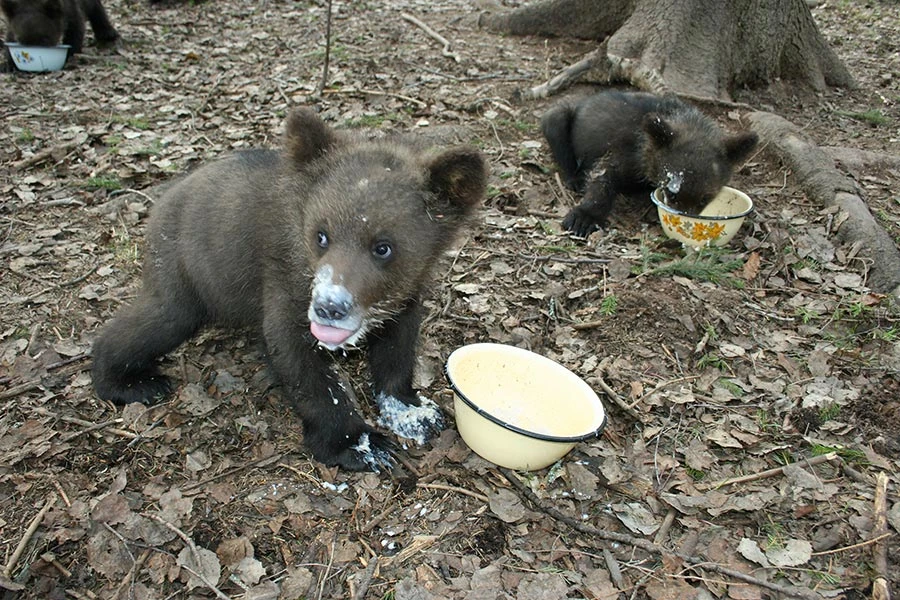
This is how the cubs emerge from the den. During their hibernation, they'll gain up to 15 kilograms!
Level 2 – First Summer. Difficulty – Hardest
Your actions won't have much impact yet. An experienced mother bear will increase your chances of survival. The mother teaches her cubs all the intricacies of life: how and where to find food, what the fattest and tastiest things are in the forest, where to hide from the rain, where to find the coziest den. Bear cubs have no instincts. They will take every bump in their tummy with their own heads. 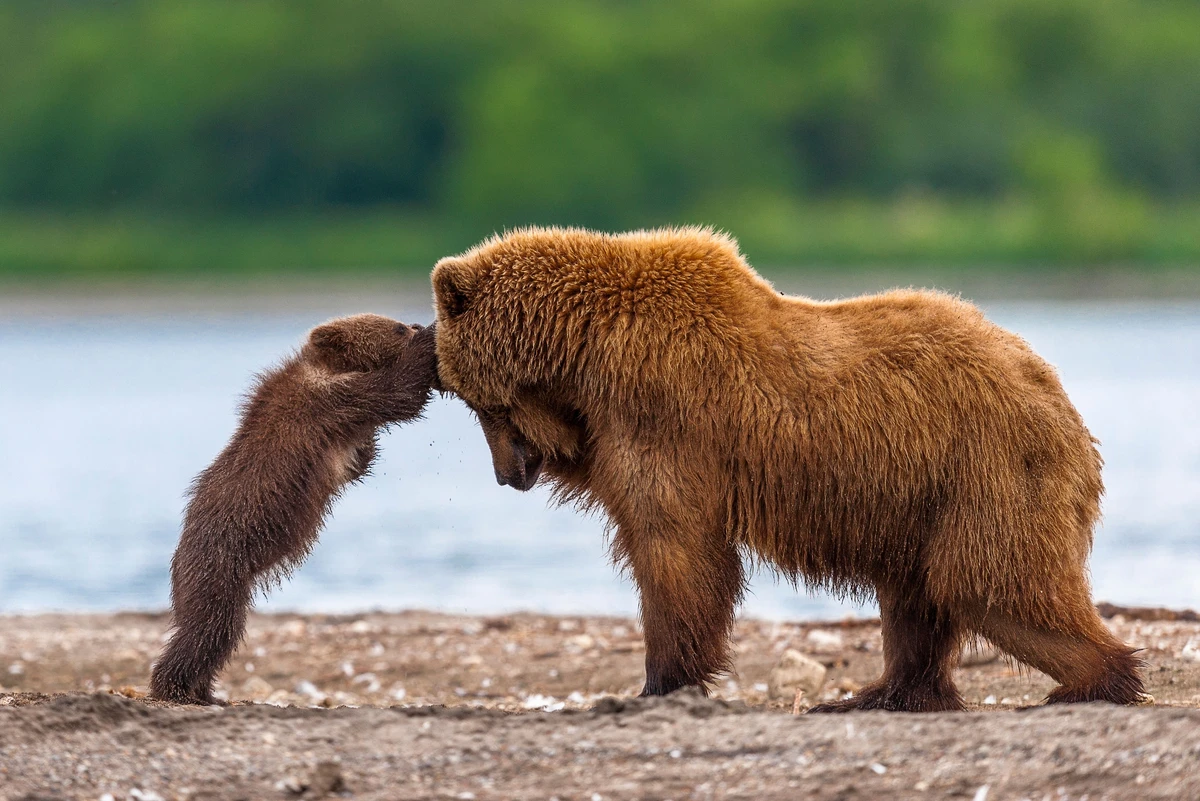
Downloading knowledge from the mother's head. Download is 32% complete.
This is why more than 50% of all bear cubs die in the first year of life. There are several reasons: hunger, disease, accidents. But the worst is an encounter with an aggressive male. Up to 80% of cubs die because of bad adults. Moreover, the female can also die protecting her offspring. 
In times of danger, the best option for a bear cub is to climb a tree. Cubs are just as good at climbing as cats!
Scientists hypothesize that males can remember their "ex-wives," which theoretically raises their own offspring. However, if he has not mated with this female, the cubs are subject to annihilation. After the loss of her offspring, the female will immediately enter estrus and be ready to mate. Therefore, females try to meet as many partners as possible—that way, everyone will consider the cubs their own. If you've survived your first summer, please accept my congratulations and condolences—it's only going to get worse. 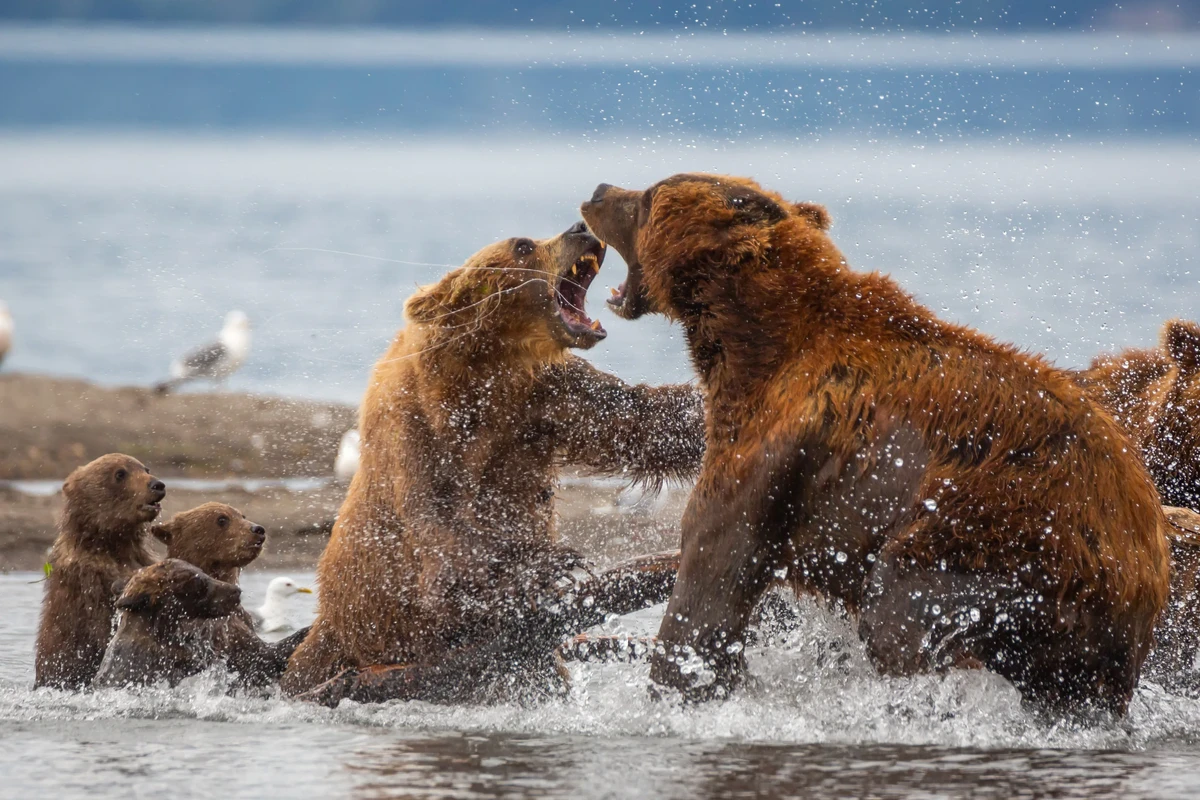
A female bear is smaller than any adult male bear. But the ferocity with which she protects her cubs gives her so much strength that even seasoned animals retreat before her.
Level 3—Separation from Mother. Difficulty—Highest
You will spend your first winter in the cozy den of your mother, close to your protector and alongside your other surviving siblings. Some female bears don't think about having more cubs for two or three years, but not everyone is so lucky. It's quite possible that, upon waking up in the spring, the mother will chase you away and want to have more cubs. Soon, the mother will be surrounded by a horde of adult and extremely aggressive males. And that means it's time to go. 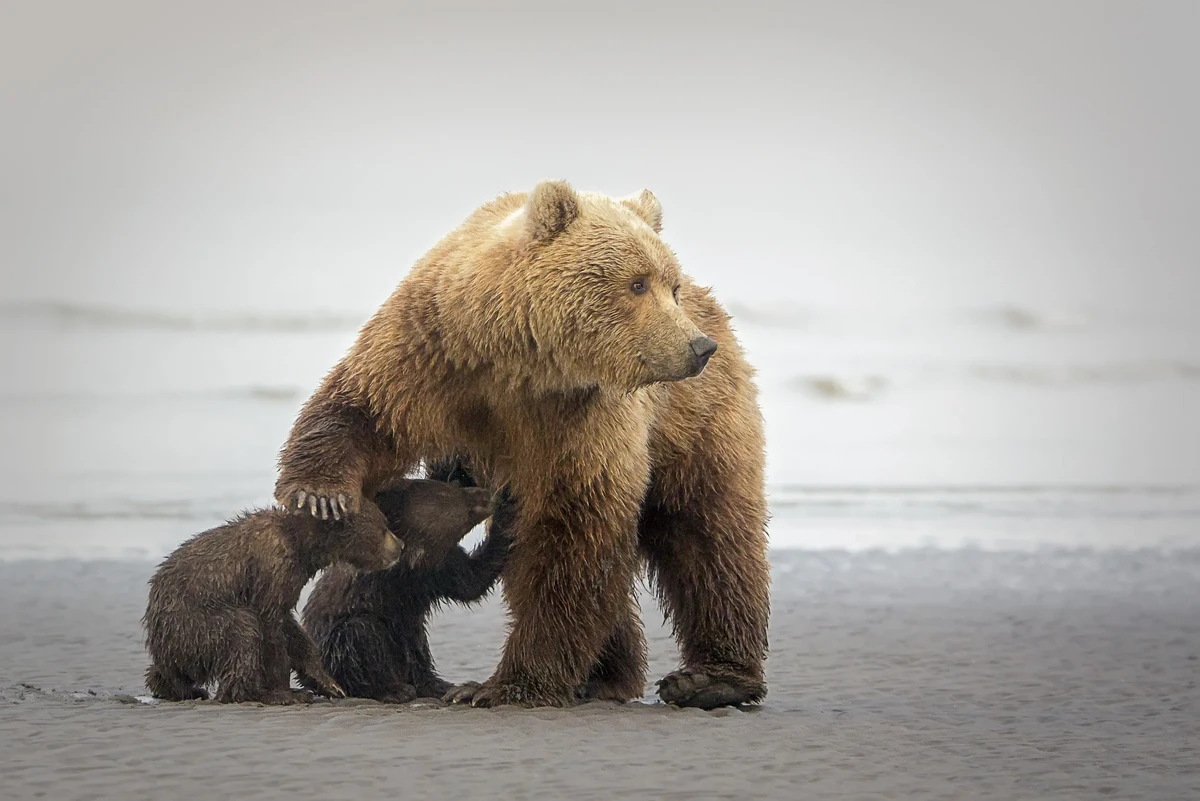
Some cubs are lucky enough to stay with their mother until they're two or even three years old!
Where to go? Well, wherever our eyes lead us, and the farther from the forest areas already occupied by other bears, the better. Remember what your mother bear taught you? It's time to put that knowledge into practice! Life doesn't forgive poor students. A third of all bear cubs die in the first two years of their independent life. Hunger and cold are the main executioners of the princes of the taiga. Left without their mother's support, the cubs don't have time to gain weight before hibernation and die of exhaustion. 
This is what happens if you don't listen to your mother.
So, half the cubs die in the first year. In the following two years, another third. A female can produce a maximum of three cubs, spaced 2-4 years apart. Scientists have calculated that it would take about 10 years for a female bear to replace herself in the population! This makes bears one of the slowest land mammals in terms of reproduction.
Level 4 – Adulthood. Difficulty – Medium
All the hardships of youth are behind you. You've been through a real bloodbath before becoming a fully grown, sexually mature 3-year-old bear. Remember the goal of the game? Yes, to have offspring! If you're a female, congratulations, you've beaten the game! Starting at age four, a female bear becomes a desirable woman for all the other bears around her. 
Nothing unusual, just bears dancing the Lombada in the middle of the forest!
But if you're a male, you're in for the next five years. To become a father, you need to conquer a large territory inhabited by females and beat the crap out of all the other contenders. To do this, you need to be strong and confident. Bears don't reach their full size until they're 11 years old, and gain battle experience even later. So, trying to get ahead in vain is a dangerous proposition. 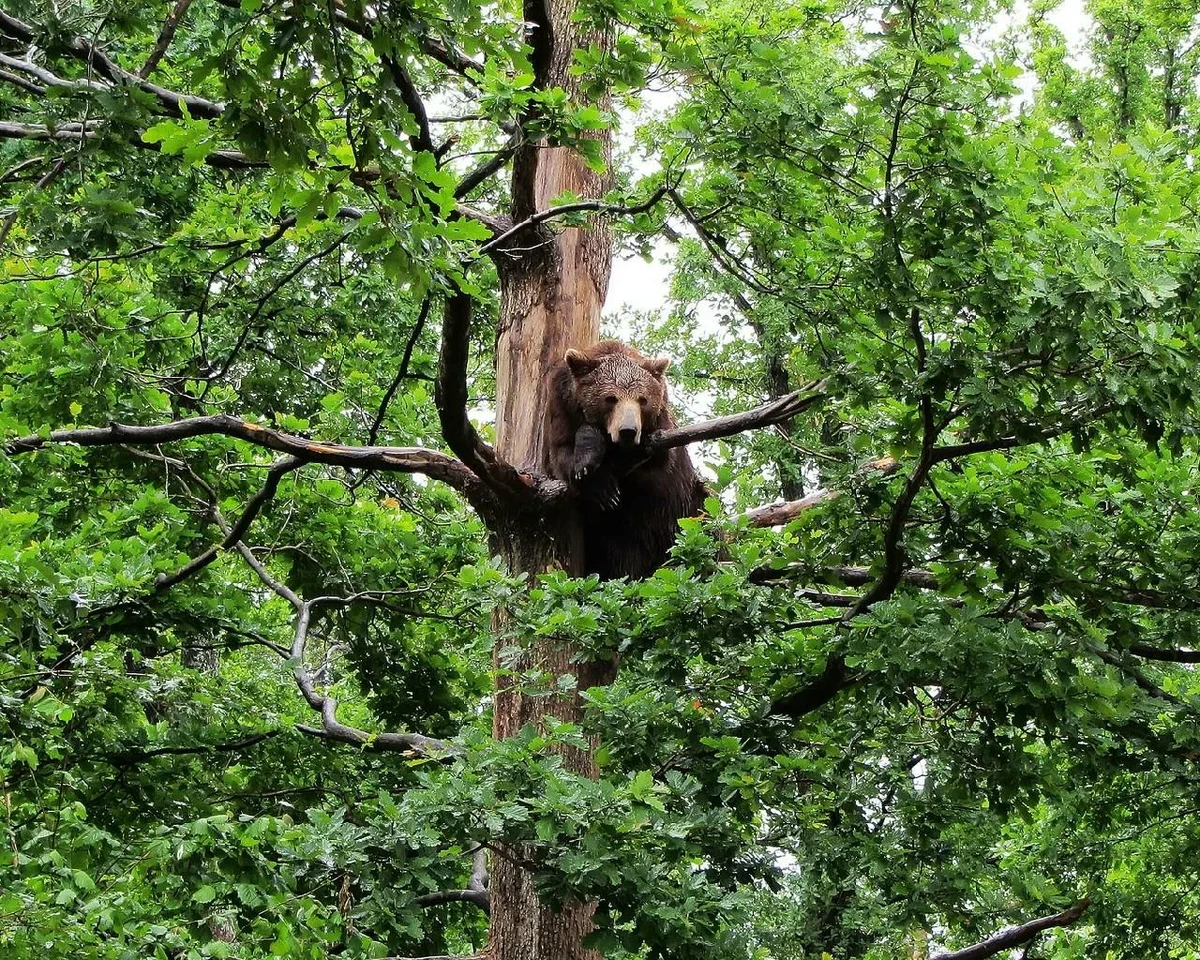
Young bears are timid and don't initiate fights. They most often escape danger the same way they did as cubs—up a tree.
Level 5 — Coronation. The Finale!
Now your hide is covered with the scars of past battles. You've gained over 300 kilograms of steely muscle and honed your close-combat skills. Well, it's time to find a female! Other bears will fight fiercely for her, and to become a father, you'll have to defeat them all. 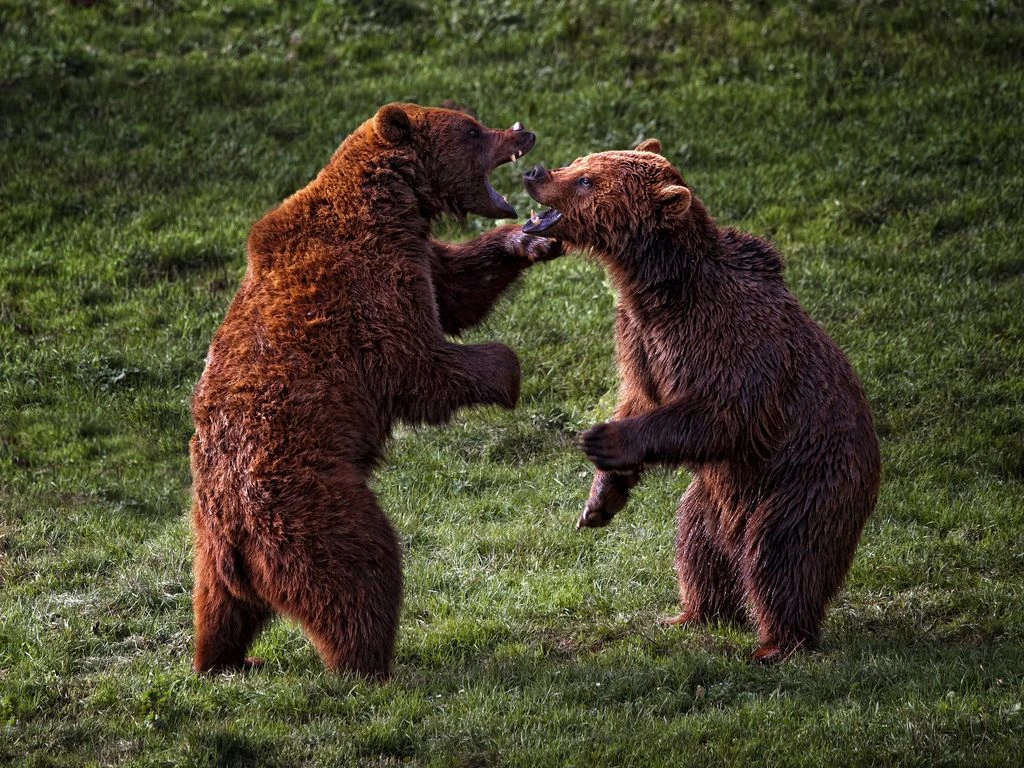
Fighting is dangerous. Therefore, before engaging in a fight, bears demonstrate their strength: they rise up on their hind legs, growl, and show their fangs.
This is a difficult task. Fights are exhausting, bites hurt and fester, and lacerations heal poorly in the wild. But the reward is worth it! For about a week, you'll enjoy the company of a beautiful bear while fending off other suitors. Then you'll set out to find new suitors, as bears make no promises. 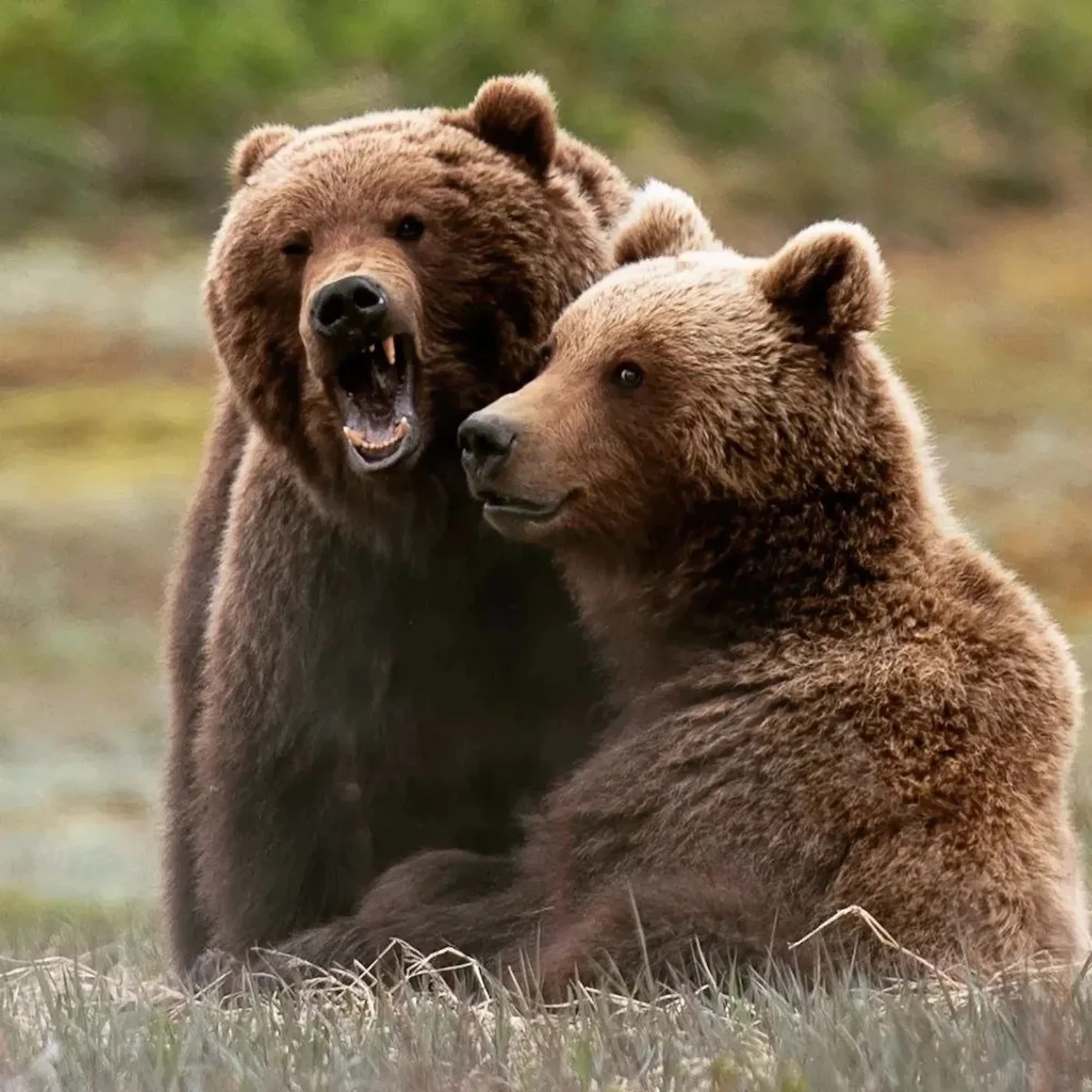
Yes, my life is a success, this little one is mine!
At the same time, you might encounter another female with a litter—they're clearly the offspring of another male. Having endured so much suffering and battle, you'll likely rush at them with a roar and destroy them, for the crown of the forest was won at such a high price.