Porsche's abrupt change in course The electric vehicle market has wiped out billions and caused panic among investors (2 photos)
Changing Course
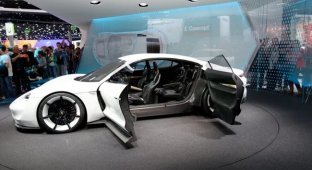
Porsche’s aggressive move into the world of electric cars has not paid off as the company had hoped. The automaker was forced to admit that its heavy investment in electrification, followed by a sudden change in course, had punched a €1.8 billion hole in its operating profit. Investors reacted quickly, and Porsche shares fell nearly 9.3 percent in Frankfurt, their steepest intraday drop since its high-profile IPO in 2022.
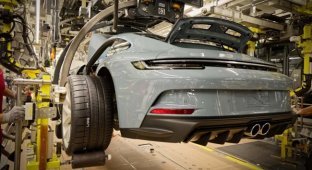
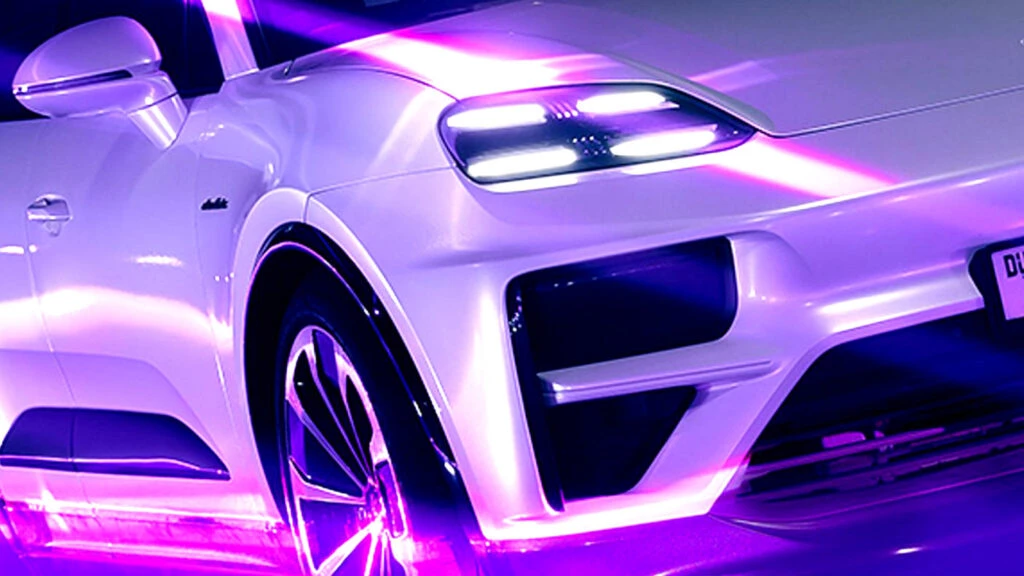
Earlier this week, Porsche made the sudden but not unexpected announcement that its new flagship SUV, codenamed K1, would not be launched as a fully electric model as originally planned, but would instead debut with internal combustion engines and hybrid powertrains. The company also confirmed that the top-of-the-range versions of the new-generation 718 Cayman and Boxster models would be offered with internal combustion engines, despite the fact that the new models were initially developed exclusively as electric vehicles.
The move is intended to stabilize margins, but it also makes it clear that the brand’s previous electric strategy was too costly and did not meet the real needs of its customers.
Shares fall
Porsche shares in Germany fell by almost 9.3 percent after news of the abrupt change in plans and are down almost 30 percent for the year. This year, the decline was so severe that the company was dropped from Germany’s DAX benchmark index. Porsche has also been forced to cut its profit forecast four times this year alone.
The impact will also be felt across the VW Group. The sports car maker’s parent company is said to be taking a non-cash asset write-down of €3 billion due to Porsche’s decision, which will force it to cut its operating margin forecast from a possible 5 percent to between 2 and 3 percent.
Analysts’ doubts
Auto analyst Matthias Schmidt said that buyers
“are placing little value on luxury electric cars,”
which explains Porsche’s return to high-margin internal combustion engine models. Citi analyst Harald Hendrikse was even more blunt, noting that
“Porsche has been disappointing investors for more than two years. It is difficult to conclude that these disappointments are now over.”
The situation is so complicated that VW Group and Porsche CEO Oliver Blume is facing growing pressure to step down as Porsche CEO, allowing someone else to lead the company’s turnaround. The search for a new Porsche CEO is reportedly underway, with the Porsche-Piech families in talks with potential candidates. 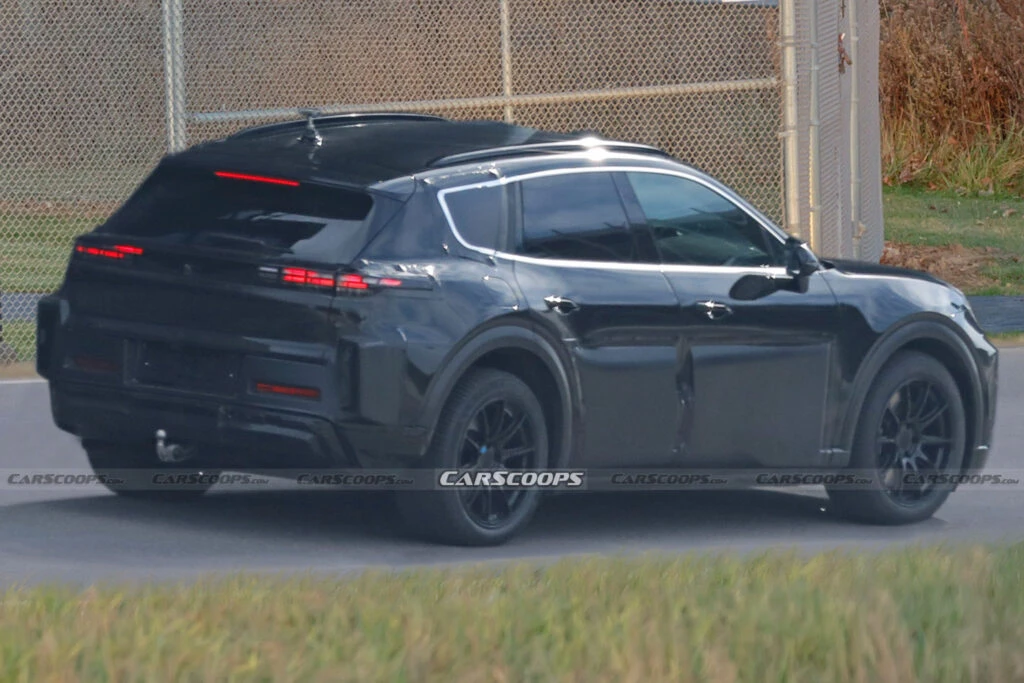
The events surrounding Porsche clearly demonstrate a more general trend in the automotive industry, where excessive optimism about a rapid transition to electric propulsion is clashing with market reality. Premium buyers do not seem ready to completely abandon traditional engines, especially in such iconic models associated with drive and emotion. This situation is forcing other manufacturers to also review their strategies, balancing between innovation and the conservatism of their customer base. Porsche's future will now depend on how quickly and effectively the company can adapt to new conditions without losing its identity.