Ohio police confiscated a powerful 797-hp Hellcat and assigned it a completely different role
A Powerful Police Car
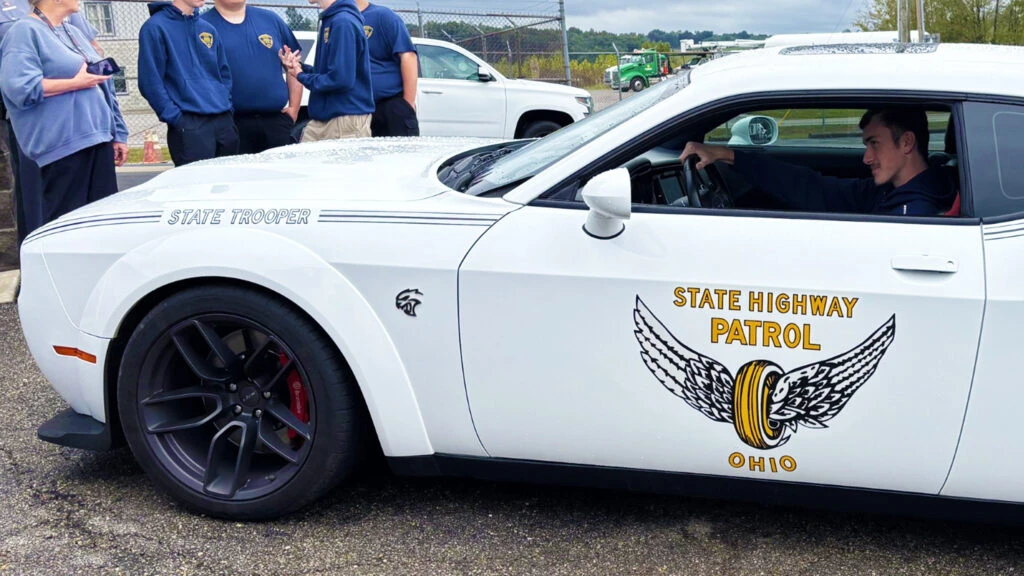
Criminals in Ohio may feel a little intimidated by the Dodge Challenger Hellcat police car, but they really shouldn't worry. This powerful car won't be used for pursuits or high-speed racing. Instead, it's designed to participate in parades and community events where officers can interact with residents.
Specifications
Officially, Ohio police call this car the Hellcat, but it has the hood of the Redeye version. If this is indeed a Redeye model and not a standard Hellcat, then its power is 797 horsepower instead of 707. Such cars can cover a quarter mile in less than 11 seconds, making them faster than most production cars.
The purpose of the car
As is often the case with powerful cars in police fleets, this Challenger will not be used to fight crime. The police are happy to show off its speedy qualities, as can be seen in a video posted on social media where the car goes through a drag strip.
View this post on Instagram. Publication by Ohio State Highway Patrol (@ohiostatehighwaypatrol)
History of its appearance in the fleet
To prepare the car for police service, new stickers were applied to it, as well as flashing red and blue lights were installed behind the front grille. Ohio State Police say they didn’t buy the car from a dealer—it was seized through a court-ordered forfeiture. If the police hadn’t decided to keep it in their fleet, the car would have been sold or destroyed.
Previous Cases
This isn’t the first time a seized Hellcat has found its way into a police fleet in the United States. Three years ago, Texas police received a modified 1,080-horsepower Challenger Hellcat that was seized from an owner who was street racing and fleeing police at speeds of up to 160 mph.
The use of seized high-performance cars in police fleets is becoming more common in various states. This approach not only saves money but also creates additional opportunities for community engagement. However, it is important to understand that these powerful cars perform mainly representative functions, and are not used for operational tasks requiring high speeds.