This AI-powered car detects 1,500 parking violators every hour (4 photos)
Technology for urban parking
Cities around the world are turning to technology, including artificial intelligence, to manage congested streets and parking spaces, and Germany is no exception. The country is preparing to test a parking enforcement system that looks more like a technology lab development than a typical city facility.
The city of Heidelberg is now using the Cityscanner, a small vehicle with cameras, lidar, and real-time database checks to detect parking violations. It’s an efficient, fast, and AI-powered way to check around 1,500 parked cars per hour. It’s so advanced that other cities’ efforts in this area seem outdated.
Comprehensive monitoring
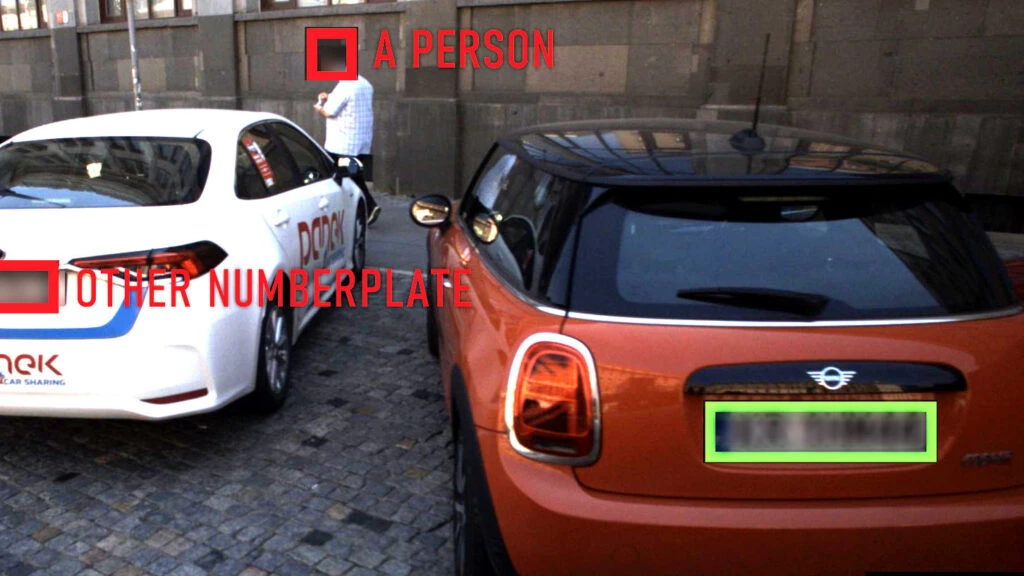
Developed by DCX Innovationis of Regensburg, Cityscanner uses roof-mounted cameras to capture 25 frames per second. In doing so, it reads license plates, checks whether cars are within valid parking spaces, and even compares the data with digital parking apps like Easypark or Parkster. 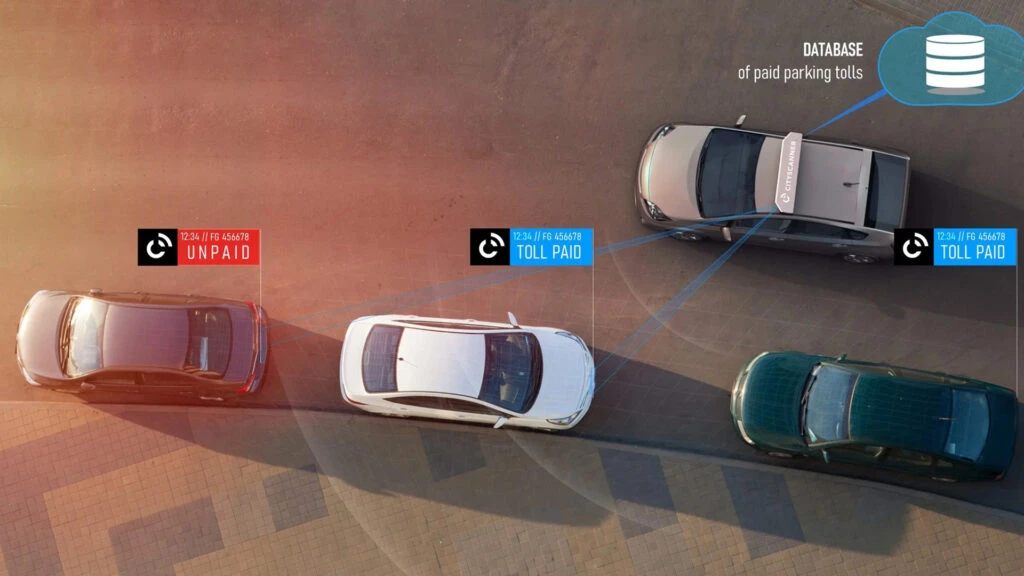
DCX has already implemented the system abroad, with nearly two dozen vehicles in use in Poland. Similar scanners are also in operation in France and the Netherlands, making Heidelberg a later but important addition to the rollout.
A lidar sensor detects whether a car is in a no-go zone, a bike lane, a fire lane or simply overhanging the road. To ensure accuracy, it drives the route twice within a few minutes before issuing a ticket. In effect, before the ticket reaches the offender, a human checks the data collected by Cityscanner.
This makes sense, given that the AI-based system cannot see things like disabled permits. At full speed, Cityscanner can be around 600 percent more effective than foot patrols, Handelsblatt reports.
The German newspaper reports that the trial in Heidelberg is being carried out as part of new legislation in Baden-Württemberg, which only recently established the legal basis for such systems. The vehicles are said to be specially marked to stand out, acting as a deterrent rather than simply a mobile device for issuing fines. Officials suggest that this visibility could improve parking behavior even before the fines are issued. 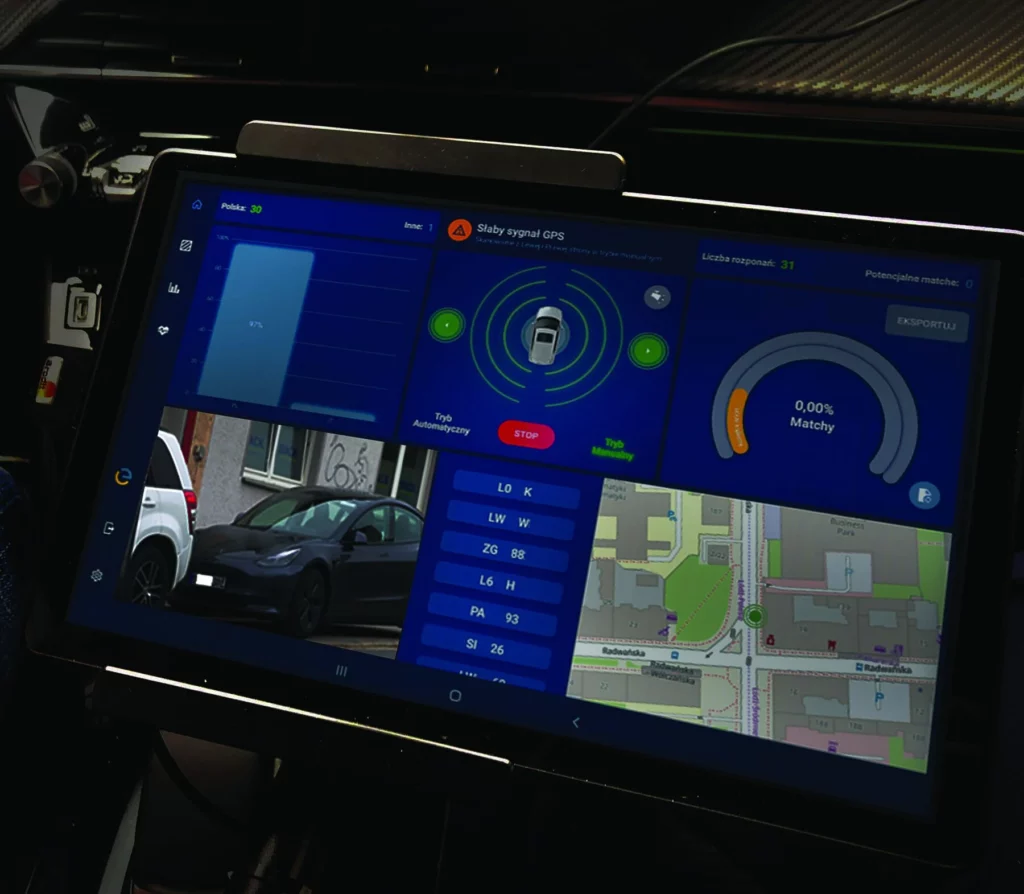
Problems and concerns
At the same time, the system is not perfect and raises some concerns. Privacy is a serious issue worldwide, and in Germany it is taken very seriously. However, Cityscanner claims that the photos it takes do not capture faces or license plates of legally parked cars. The police are the only ones who can see the images, and that is reportedly only for violators. In addition to privacy concerns, Cityscanner does not come cheap.
While the company says it can install the device on any car in about four hours, it costs about 130,000 euros. That price does not include software licensing. Maybe low-tech systems like the one in Little Rock, Arkansas, aren’t so bad. They’re not high-tech, but they don’t have the same price or privacy concerns. 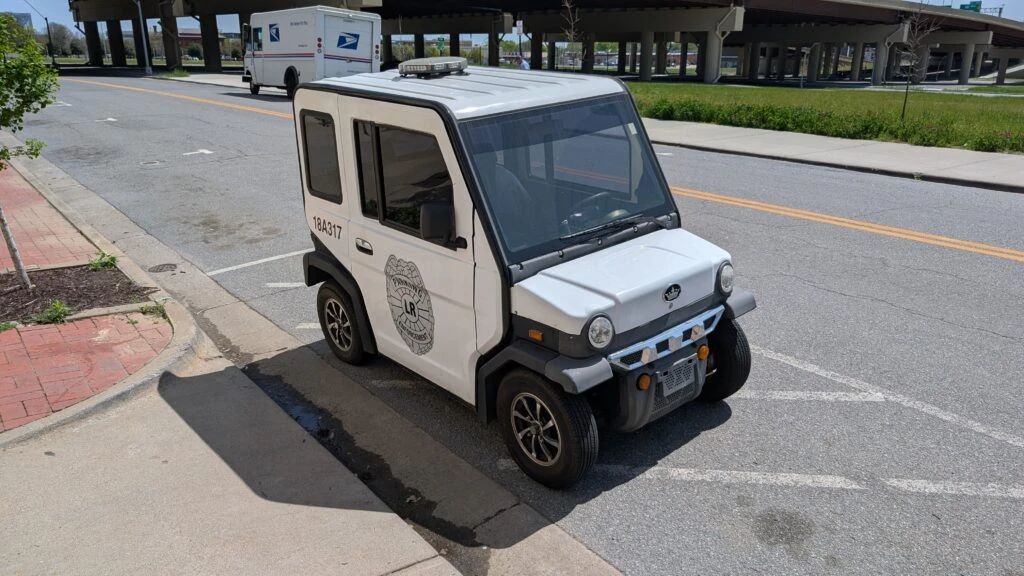
Photo by Stephen Rivers
The implementation of systems such as Cityscanner could significantly change approaches to city management, especially in conditions of increasing traffic congestion. While the effectiveness is obvious, the public dialogue about the balance between technological progress and privacy remains relevant. Perhaps future iterations of such developments will take into account even more aspects of security and transparency for residents.