The tax service's payment freeze has caused panic among car dealers after the end of the electric vehicle incentive program (3 photos)
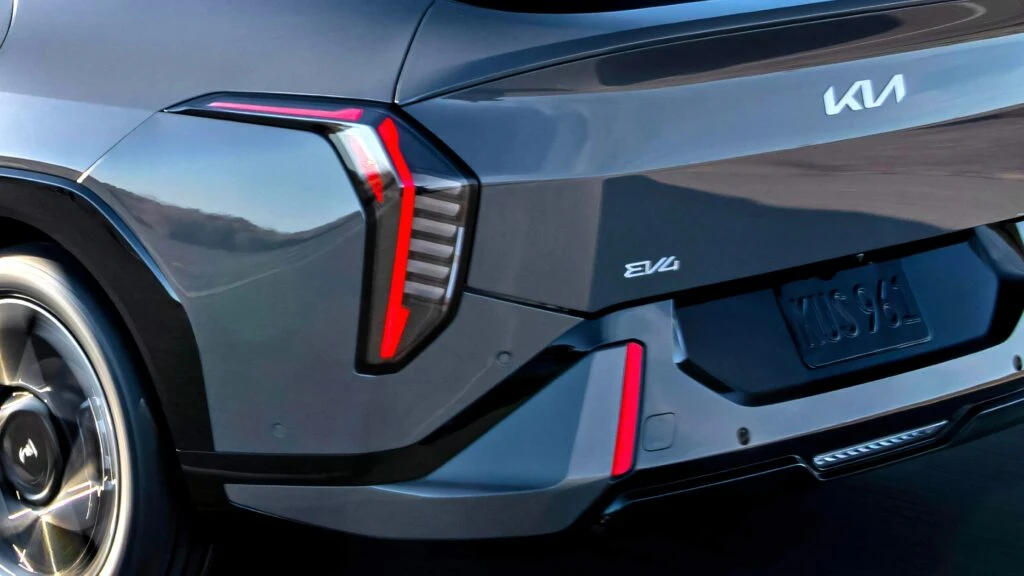
Federal electric vehicle tax credit ends
The federal electric vehicle tax credit ends this week. The change could hurt both buyers’ wallets and dealerships’ bottom lines. But for many dealers, the financial struggles began weeks ago as delays in the IRS approval process slowed refunds. As a result, some dealers are even holding back on vehicle deliveries until they receive their money.
Key points
How the rebate works
The vast majority of new and used electric vehicle buyers who qualify for the rebate receive it as an upfront rebate at the time of purchase. Typically, dealerships themselves remit the funds after receiving online approval from the IRS. The IRS is then tasked with refunding the funds to dealers.
Delays in the system
In the past, the process typically took just a few days, according to several dealers who spoke to CNBC. Now, many dealers are left without money for two weeks or more without receiving a refund from the IRS. For dealers who sell dozens of electric vehicles with the tax rebate, that quickly adds up to significant amounts.
Jesse Lohr, founder of Green Wave Electric Vehicles in New Hampshire, said the dealer has already spent about $100,000 on the point-of-sale benefit payment but has yet to receive a refund from the IRS. Lohr added that about a dozen applications filed with the IRS since Sept. 15 are still pending.
“I know for a fact that some dealers are saying, ‘We’re not going to do this anymore. We’re not getting paid.’ Others are telling customers, ‘We’re holding the cars and you can’t take them home until we’re paid in full,’” Lohr said. 
Financial implications for dealers
Gary Pretzfeld, co-owner of AutoTrust USA in Florida, added that he has already paid out $80,000 to $90,000 in rebates and is still waiting for payment from the IRS. A representative for the National Automobile Dealers Association said the organization is aware of the delays.
“We have heard anecdotally that some dealers are reporting that recently filed applications have been on hold since last week,” the representative said. “NADA has been working and continues to work with the IRS and the Treasury Department on the portal, and they are working to accommodate them.”
Reasons for the Delays
It’s unclear exactly what’s causing the slowdown. Some dealers have blamed the IRS for being overwhelmed with paperwork, citing staff cuts and the rise in electric vehicle sales. Others have taken a more conspiracy-based view, suspecting the slowdown could be a deliberate tactic by the Trump administration to discourage electric vehicle sales.
A White House official said all valid electric vehicle tax credits filed by Sept. 30 will be awarded and paid. 
Outlook for a Solution
Until that happens, many dealers will be living in a state of serious anxiety. Delays in reimbursements could temporarily impact the liquidity of dealerships, especially those that are actively working with electric vehicles. It is expected that the situation may stabilize after the official end of the tax incentive program, but for now, dealers are forced to look for temporary solutions to support their operations. It is also important to consider that such delays could affect consumer confidence in the electric vehicle incentive program in the future.