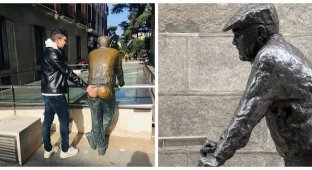
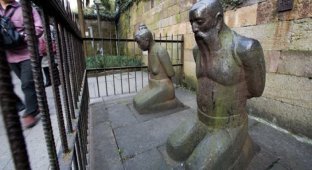
"Rubbed Raw": Landmarks Being Slowly Destroyed "for Good Luck" (12 Photos)
The ritual of rubbing statues and monuments for good luck is a worldwide phenomenon. Yet no one can say for sure when or where it started. Perhaps it is an echo of ancient pagan rituals, when our ancestors prayed to wooden and stone idols for health, good fortune, and prosperity. After all, those are precisely the three things people hope to gain today as they give various parts of these figures a high polish. 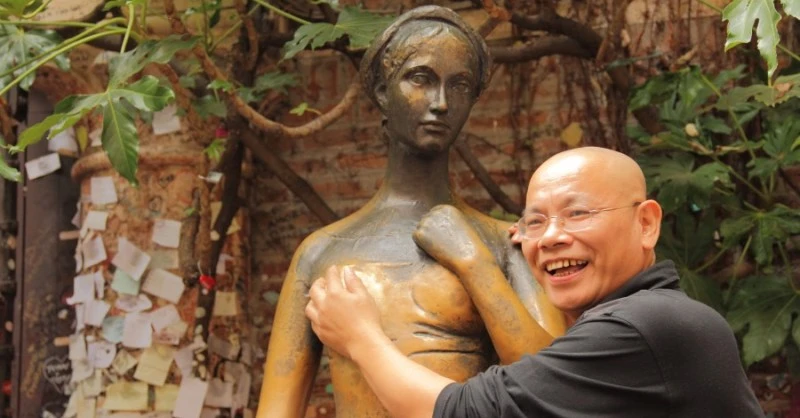
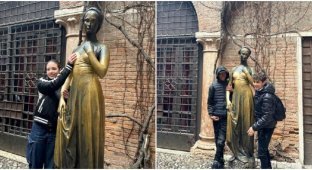
Unsurprisingly, this tradition does no favors for the sculptures themselves. Bronze, the most common material used by sculptors, is a metal alloy that is surprisingly soft and prone to wear over time. A prime example of the damage it can cause is the famous statue of Juliet in Verona, which stands below the balcony of the building said to have inspired Shakespeare's heroine. 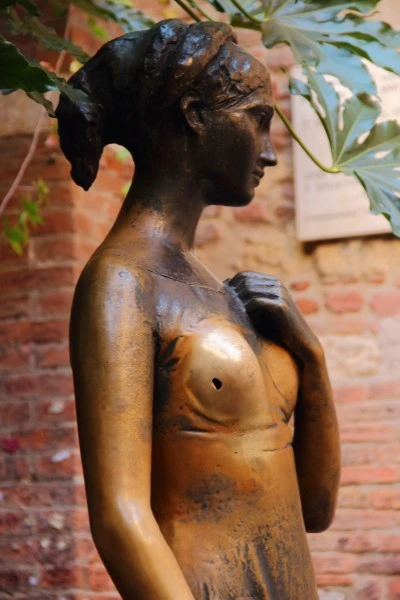
Every day, thousands of tourists stroke the right breast of Romeo’s beloved, eventually wearing a hole right through the metal. Experts assessing the damage stated that a simple patch job won't work—the bronze surrounding the hole has been worn paper-thin. Juliet now faces a lengthy and costly restoration, requiring parts of her to be recast entirely. So, before you reach out to touch a statue, ask yourself: wouldn't a quick photo be enough? 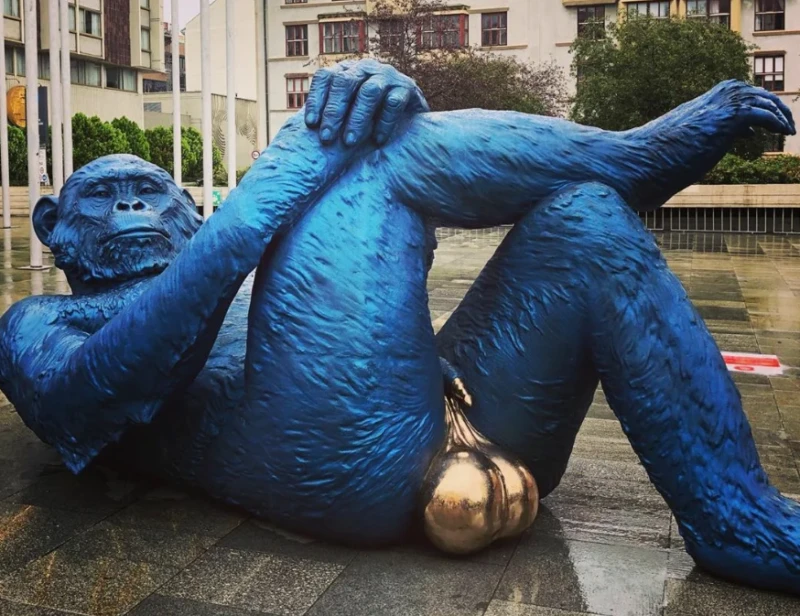
Prague's "King Kong's Testicles" sculpture can be seen from a mile off—the giant primate’s polished family jewels gleam blindingly in the sun. 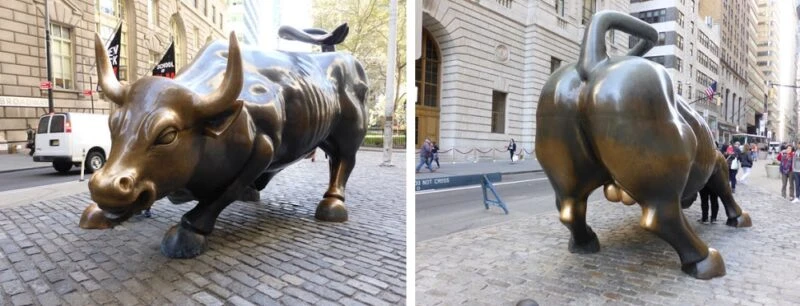
The "Charging Bull" on New York’s Wall Street gets the exact same treatment. Countless visitors rub the bull's testicles to a mirror shine, believing it brings good luck in financial affairs. 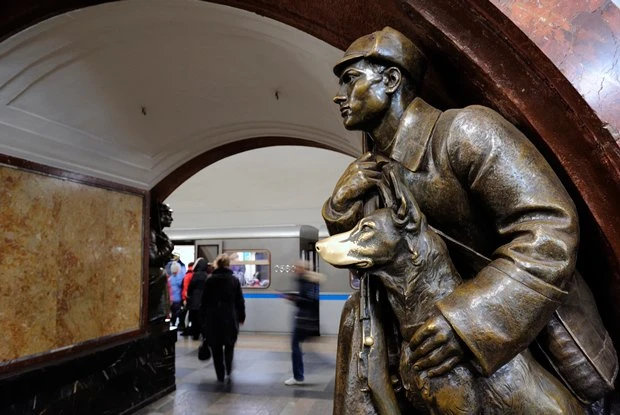
Legend has it that the bronze dog at Moscow’s Ploshchad Revolyutsii metro station brings good luck on exams and job interviews. Its snout takes a heavy beating every single day, and it won't be long before it requires serious restoration, too. 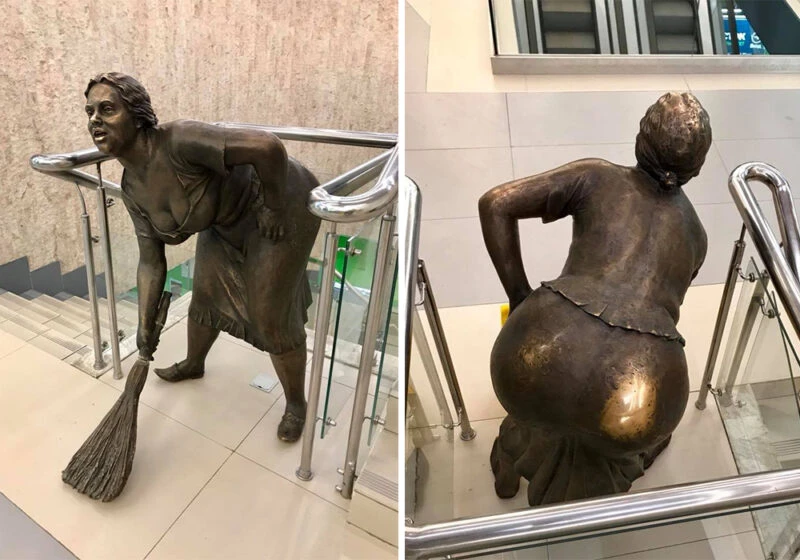
A statue of a cleaning lady inside a business center on Moscow’s Prospekt Mira was literally "put in the corner" to keep visitors from groping her curvaceous rear end. Yet people still manage to reach her—and it’s not just men getting fresh, but ladies, too. 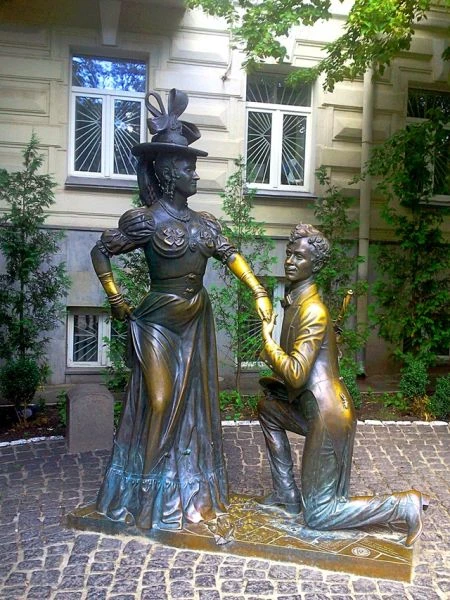
The statue based on the classic film "Chasing Two Hares," located on Kyiv's Andriyivskyy Descent, is under constant siege from tourists. Everyone wants to hold Pronya Prokopovna’s hand or put an arm around Golokhvastov—a habit made obvious by the buffed-to-a-shine spots on both figures. 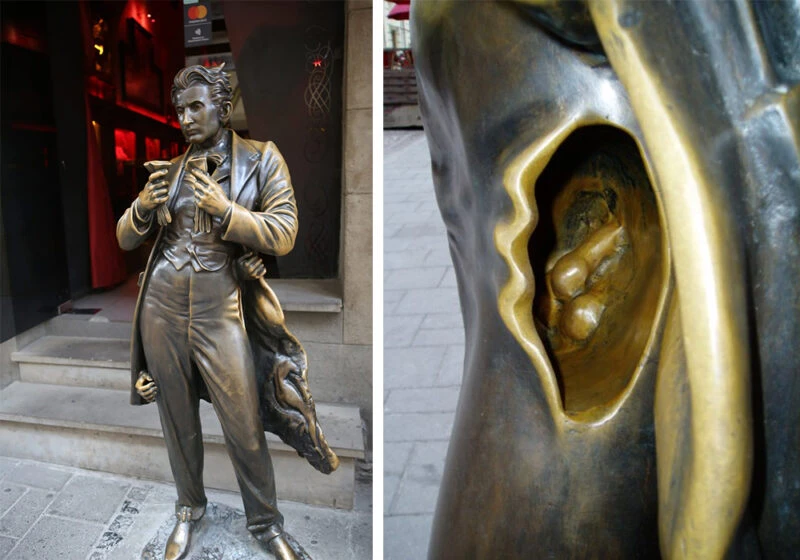
A monument to writer Leopold von Sacher-Masoch on Serbska Street in Lviv suffers damage in a less obvious spot. Visitors to Ukraine's cultural capital reach their hands deep into the figure's pocket to feel up his bronze genitals for good luck in their love lives. While you might expect this to appeal mostly to women, male tourists often can't resist trying it, either. 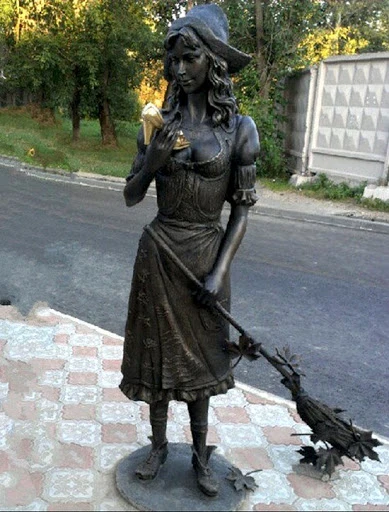
This is the long-suffering "Cinderella" in the town of Dolgoprudny, near Moscow. Not only do people rub her slipper for luck, but it also gets stolen on a regular basis—presumably for the same reason. 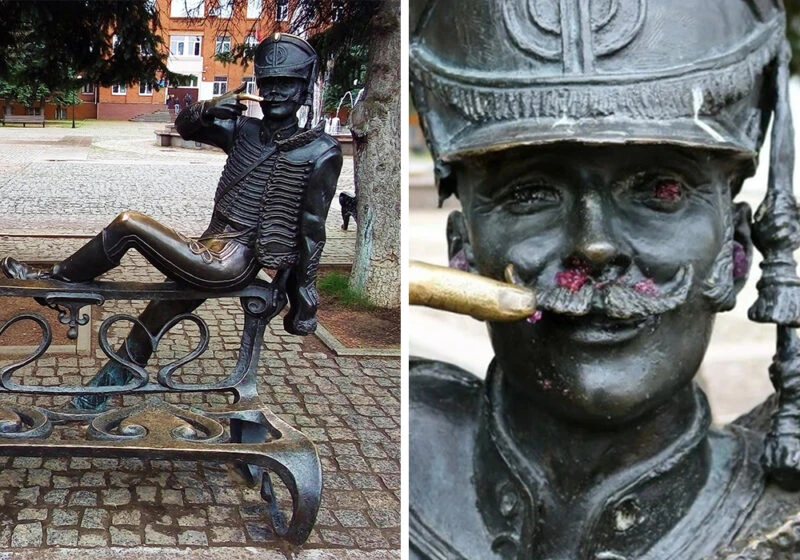
Another local landmark in Dolgoprudny, a statue of the legendary Lieutenant Rzhevsky, has fared slightly better—relatively speaking. People rub his index finger for luck and... smear his mustache with jam, chocolate, ice cream, and other sweets. 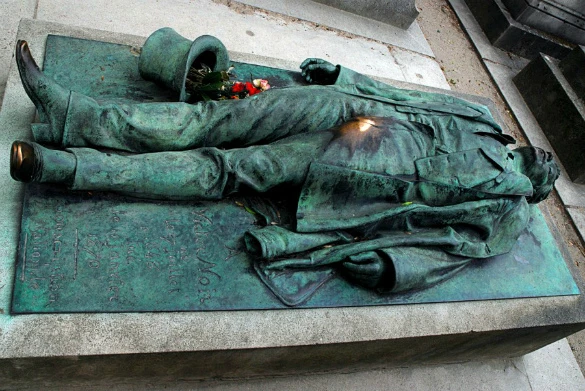
This is the recumbent tomb of French journalist Victor Noir, who was killed in a duel in the mid-19th century. Women of all ages and walks of life flock to Père Lachaise Cemetery in Paris to rub the prominent bulge in his trousers and the tips of his boots, believed to enhance fertility and love lives. 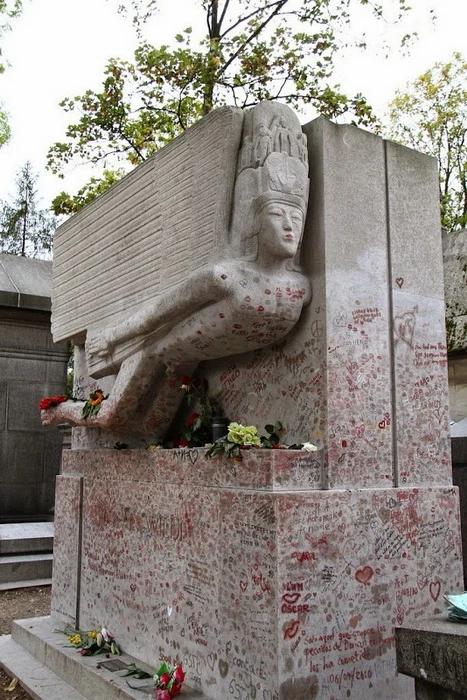
The only non-bronze monument on our list is the tomb of writer Oscar Wilde, located in the same Père Lachaise Cemetery. For decades, admirers of the literary giant covered every reachable inch of the stone monument with lipstick kisses. Eventually, cemetery officials had to encase the landmark behind a glass barrier to protect it from further affection.