What Really Killed Alexander the Great (5 photos)
Alexander the Great died more than two thousand years ago. History remembers him as a legendary conqueror who managed to subdue almost the entire known world in just a few short years. The warrior king survived countless battles, repeatedly risking his life. Yet he died at the age of 33, not from combat wounds, but bedridden, suffering from an illness whose true nature has been debated for centuries. Now, Greek researchers believe they have finally solved the mystery surrounding the death of history's greatest conqueror. 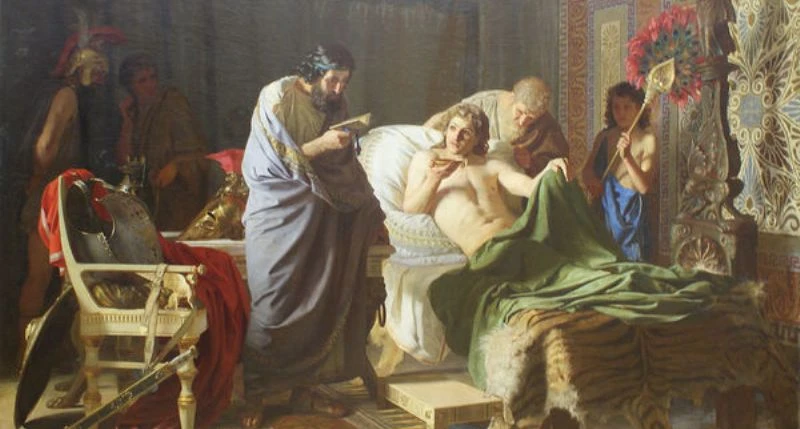
Ever since Alexander the Great passed away, countless hypotheses have been proposed to explain his death. Historians and medical experts have suggested everything from poisoning, malaria, pneumonia, and typhoid fever to leukemia and even severe depression. The search for answers is compounded by the fact that his tomb, much like Genghis Khan's, has never been found. Despite this, researchers continue to comb through ancient texts in search of clues about what killed him. 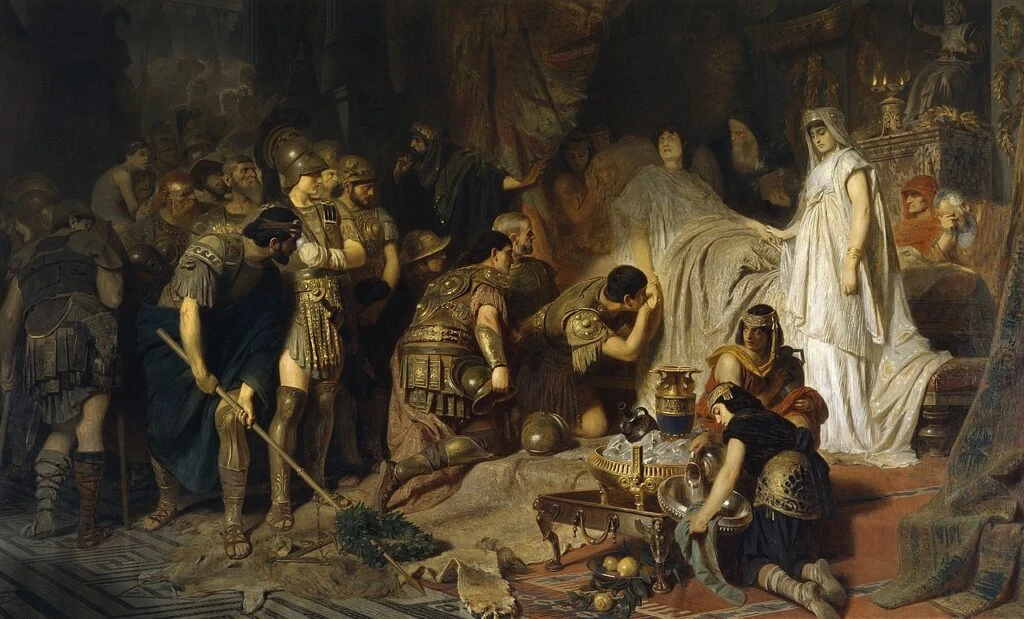
The Death of Alexander the Great by Karl Theodor von Piloty, 1885
A new theory has been put forward by Dr. Thomas Gerasimidis, professor emeritus of medicine at the Aristotle University of Thessaloniki. He has been studying Alexander’s death since 1995 and is widely considered the leading expert on the subject. The researcher has debunked several of the most popular theories, including death by malaria or pneumonia, after meticulously analyzing the symptoms recorded by the king's contemporaries during his final days.
The professor believes Alexander died of severe acute pancreatic necrosis. The fatal condition was likely triggered by gallstones combined with heavy meals and excessive wine consumption. Dr. Gerasimidis and his team analyzed hundreds of historical sources detailing the king's final days, relying primarily on trustworthy ancient historians such as Arrian, Ptolemy, Plutarch, and Quintus Curtius.
How Alexander the Great Died
According to the findings, Alexander's illness lasted just 14 days. Dr. Gerasimidis describes the "patient's" condition as follows:
“The onset of symptoms was characterized by severe abdominal pain after a heavy meal and wine, accompanied by a fever and a steady, fatal daily decline over fourteen days.” 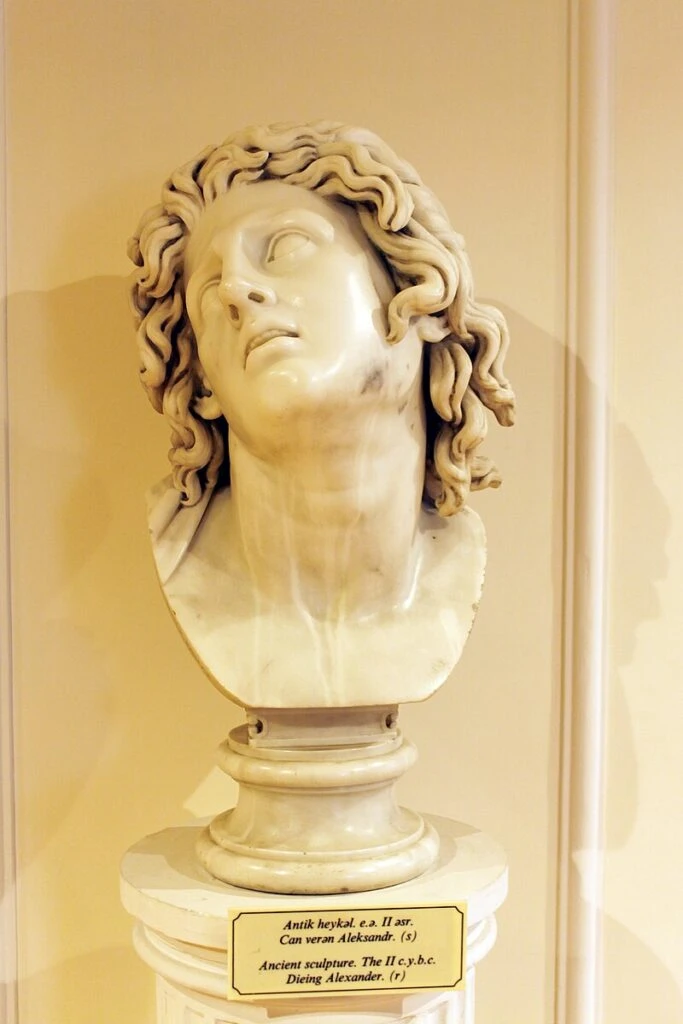
The Dying Alexander, 2nd-century BC copy
Dr. Gerasimidis believes that on the first day of his illness, Alexander suffered from severe abdominal pain and a high fever. His condition worsened after eating. Suspecting poison, his doctors tried inducing vomiting. They also prescribed cold baths to help bring down his fever.
On the second day, Alexander felt severely exhausted. He had a fever, and his digestive distress steadily worsened. Despite his condition, the king accepted an invitation from his close friend Medius and went to his palace. While there, Alexander consumed rich, fatty foods washed down with wine—a decision that naturally aggravated his condition. 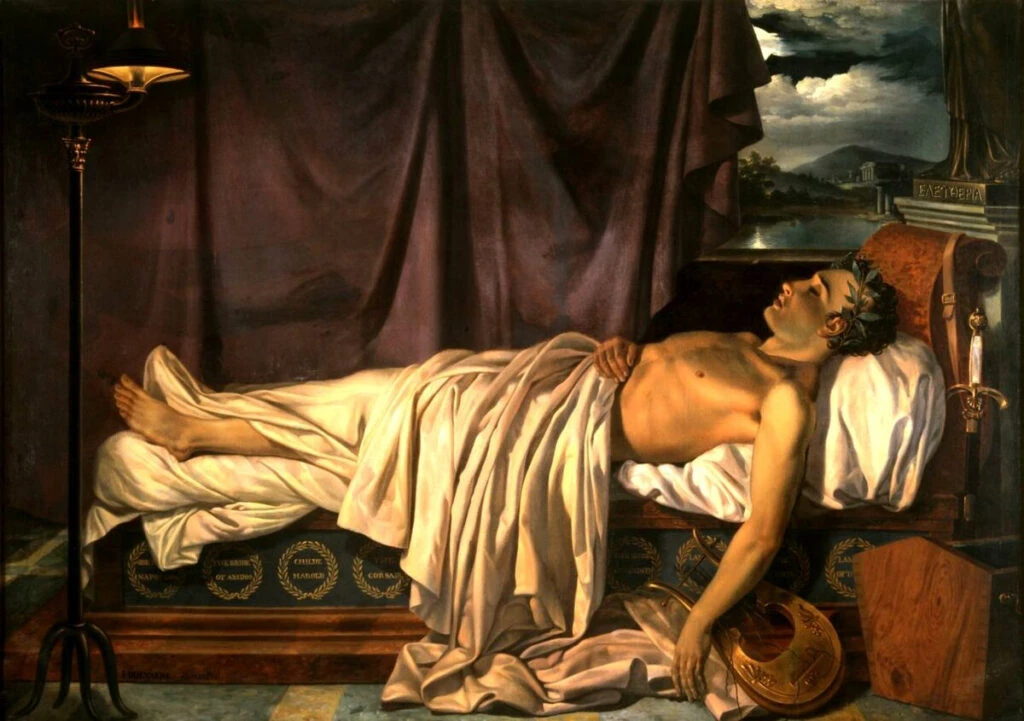
By the third day, his fever spiked even higher, with alternating chills and hot flashes. Breathing difficulties set in alongside his previous symptoms. By evening, the king—who had stoically tried to maintain composure—admitted to his physicians for the first time that he felt profoundly weak. With each passing day, the young monarch's health deteriorated. Jaundice appeared, his speech and thoughts grew confused, and he occasionally slipped into delirium.
Not Malaria, and Definitely Not Depression
On June 13, 323 BC, Alexander the Great died at the age of 33. The excruciating symptoms of his final days pointed to severe sepsis. Dr. Thomas Gerasimidis is convinced that the sepsis was triggered by acute pancreatic necrosis.
The researcher also took the time to systematically debunk other popular hypotheses. In his view, Alexander did not die of malaria. Contemporaries made no mention of the characteristic recurring fever spikes typical of the disease. Furthermore, even in antiquity, malaria rarely killed so quickly; victims often survived for months or even years. 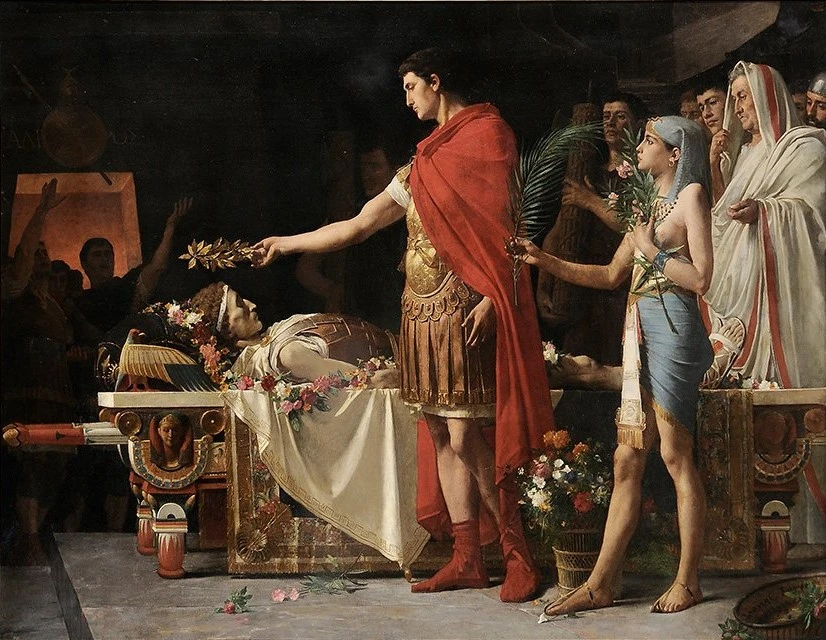
Dr. Gerasimidis also dismissed pneumonia as a plausible cause. From day one, Alexander complained of severe abdominal pain, which is uncharacteristic of respiratory infections. Typhoid fever was ruled out as well—it would be extraordinary for such a highly contagious disease to strike only the king while sparing everyone else in his immediate circle.
Others have suggested that Alexander succumbed to severe depression following the death of his closest companion, Hephaestion. While the king was undoubtedly grief-stricken, his behavior suggests he was far from incapacitated by long-term depression. Even during the initial days of his illness, he continued to hold meetings with his military commanders and participate in banquets.