"What Is This Thing?": 20+ Bizarre Objects That Left the Internet Baffled (23 Photos)
It's common to stumble upon photos of mysterious, puzzling objects online that leave people scratching their heads. Curious users, desperate to figure out what kind of "gizmo" they've encountered, post pictures on forums hoping for answers. And miraculously, the internet always delivers! 
Here are 22 such oddities that turned out to have perfectly logical explanations. 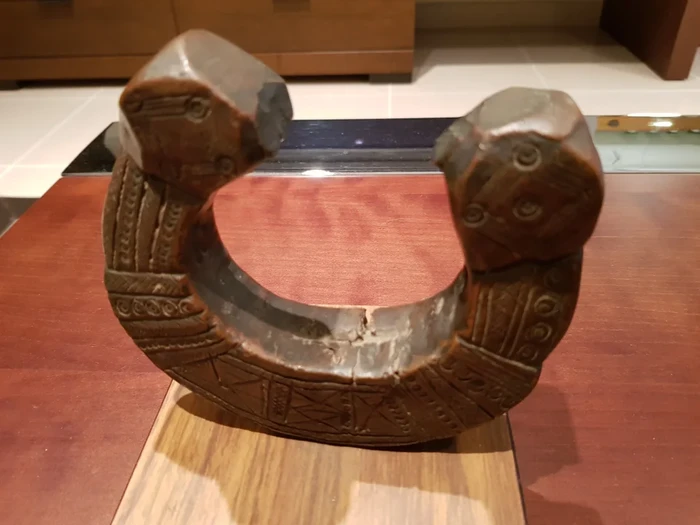
A Pikabu user stumbled upon this strange item in his grandparents' house. They used it as decoration, but the mystery of what this "horseshoe" was actually for kept him up at night.
It turned out to be a manilla—a form of traditional West African currency widely used during the slave trade era. People wore manillas as bracelets to display their wealth. 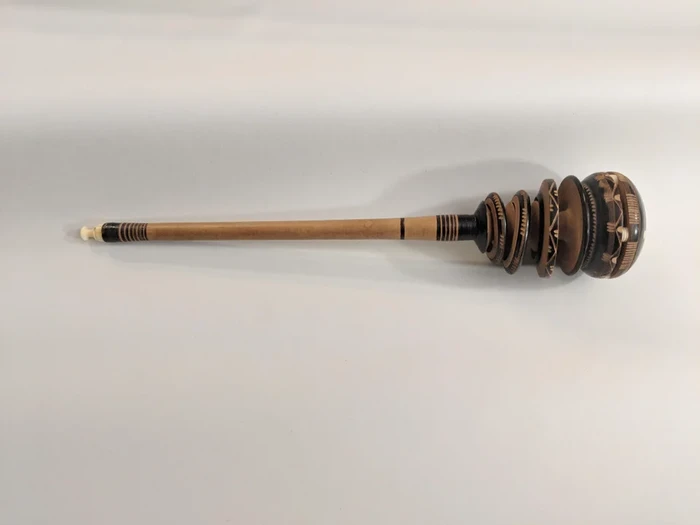
"My wife found this thing while cleaning out the house. It used to belong to her mother."
This is a molinillo, a traditional Mexican whisk used to whip up a rich, frothy foam on drinks. It's used for making beverages like atole (a corn-based drink), spiced hot chocolate, or cocoa. 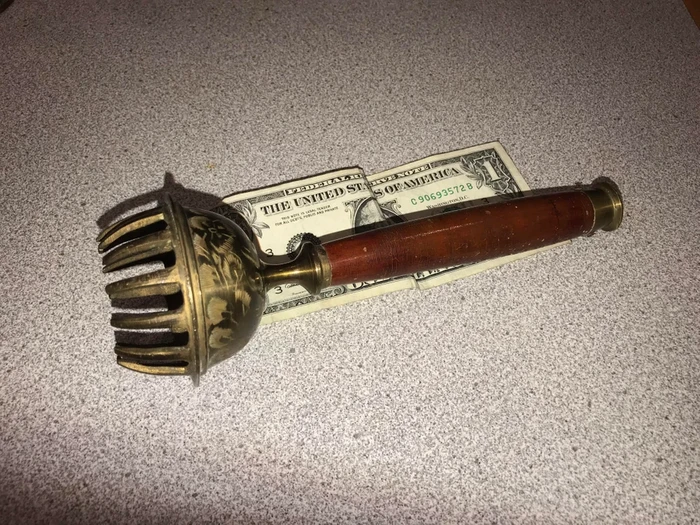
A man bought this odd object at a garage sale for $1. For a long time, nobody could figure out what it was.
Luckily, a Pikabu user cleared up the mystery: it's an elephant bell with a handle mysteriously attached to it. These bells are hung around elephants' necks during performances. 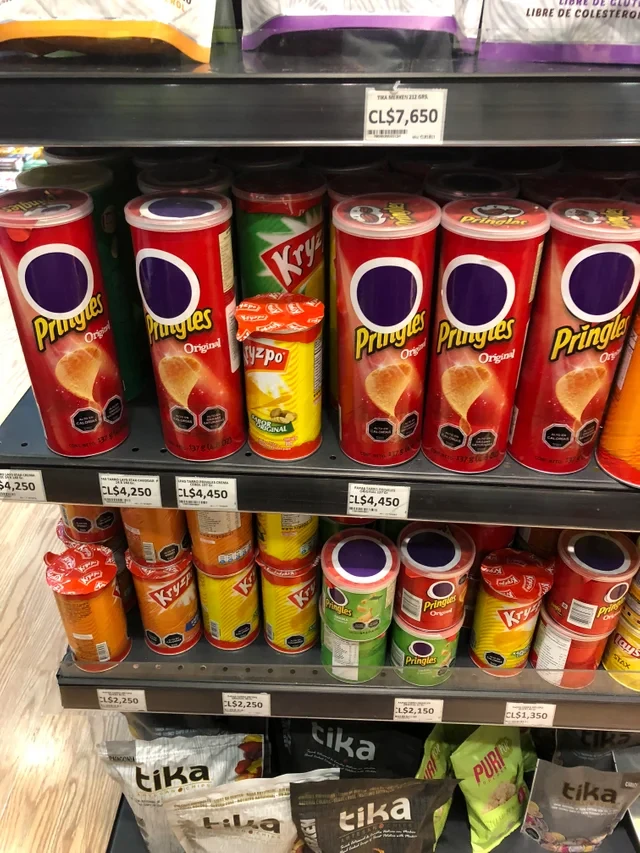
While traveling in Chile, a man noticed that the face of Julius Pringles (the iconic moustachioed mascot) was covered with a sticker on every single can of Pringles. Why? The explanation is surprisingly straightforward.
Chile has two relevant regulations affecting Pringles. First, a junk food law requires products with high levels of sugar, salt, or saturated fats to carry warning labels. Second, any product carrying these warning stickers is legally prohibited from displaying cartoon mascots. Thus, the mascot's face has to be covered up. 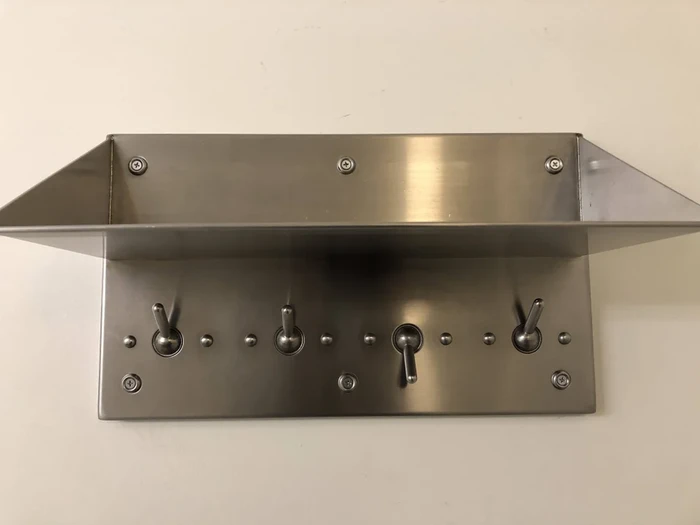
Here is a clothes hanger whose arms move both up and down. Naturally, many people wondered, "Why would you collapse the arms downward? No clothes would stay on." As it turns out, there's a very clever purpose behind this design.
This is often called an anti-ligature hanger, commonly installed in psychiatric facilities and medical institutions. While the arms easily hold the weight of heavy clothing, they collapse immediately under human weight to prevent self-harm. 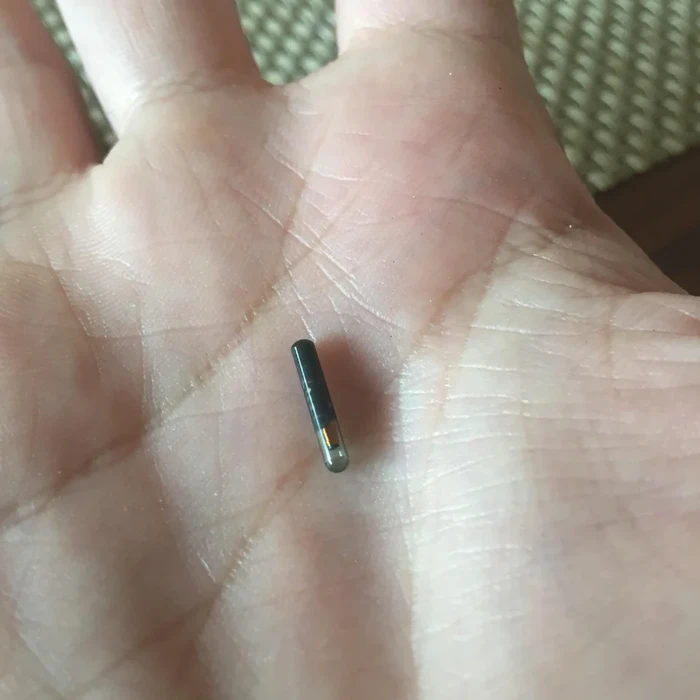
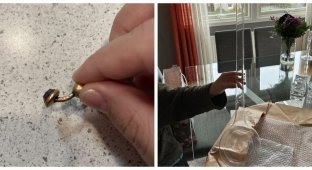
A man found this miniature electronic device inside a piece of meat while eating. Spy tech? Not quite.
It's actually an RFID tracking chip implanted in livestock like pigs and cows to track their movement. They are supposed to be removed during butchering, but someone clearly missed this one. 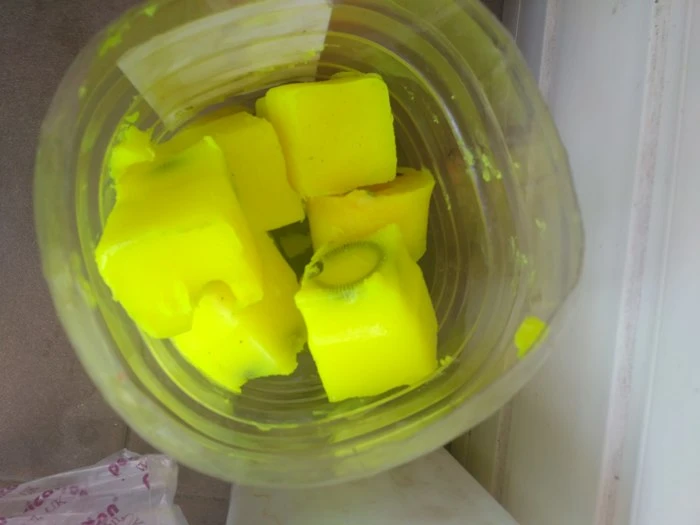
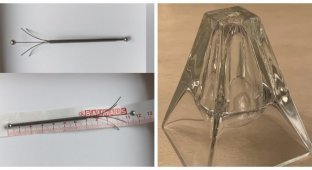
"I found these strange bars in my dad's garage. They have a coiled spring inside. They melt easily, don't burn, and consist of a waxy substance. Anyone know what this is?"
Luckily, fellow internet users quickly came to the rescue. Someone pointed out that these are refill wax elements for a lava lamp. The spring sits at the bottom to absorb heat from the light bulb, allowing the wax to float up and down through the liquid. Simple as that! 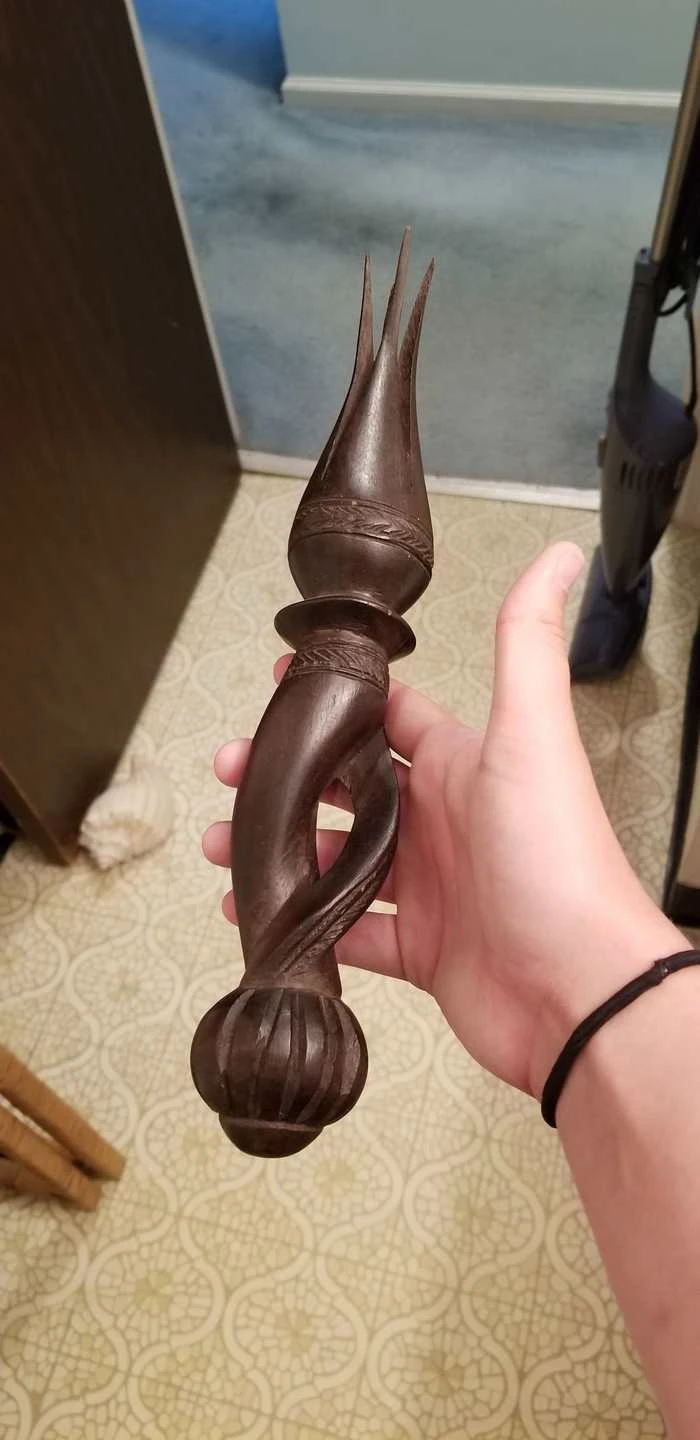
This bizarre artifact was kept among the belongings of a user's grandmother, who brought it back from one of her travels. The user puzzled over its origin for a long time—until he found out what it was and immediately wished he hadn't...
It turned out to be a Fijian cannibal fork used in ceremonial rituals. These were specifically crafted for consuming human flesh, as touching the body of a slain enemy directly was considered taboo in local tribal customs. 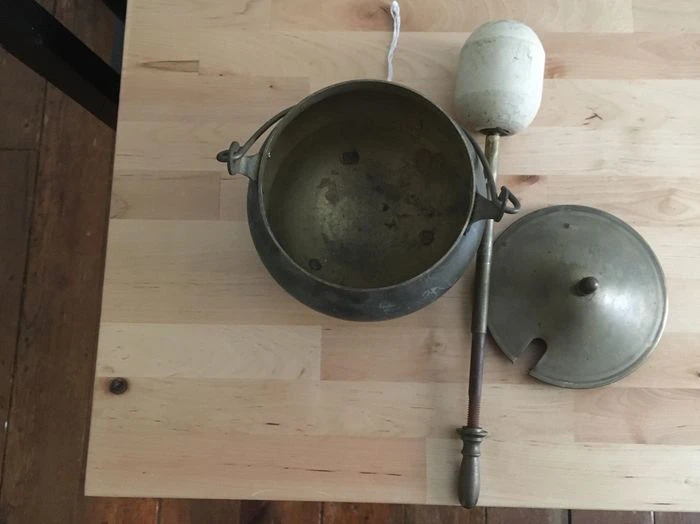
A couple picked up this set at a garage sale and only started researching what it was after getting home.
After plenty of digging online, they discovered it was a vintage fire starter. The pot is filled with lamp oil or kerosene to soak the porous stone wand. Once lit, it burns brightly for about 10 minutes, making it easy to start a fire. 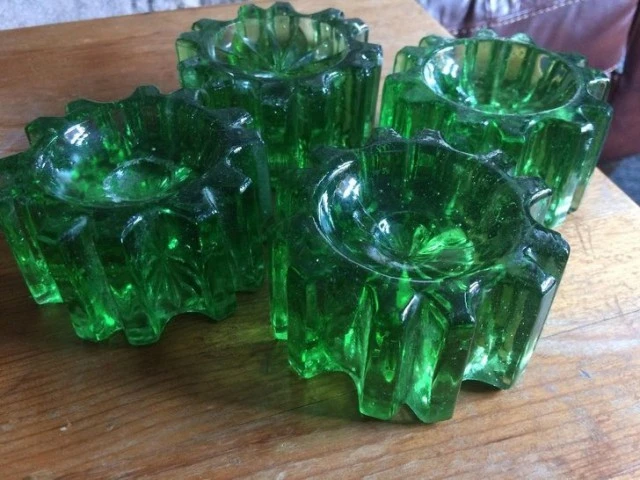
These four glass objects look a lot like ashtrays, but their actual purpose is entirely different. Back in the early 1920s, sets like this were used as acoustic insulators under piano legs to minimize sound transmission through the floor. 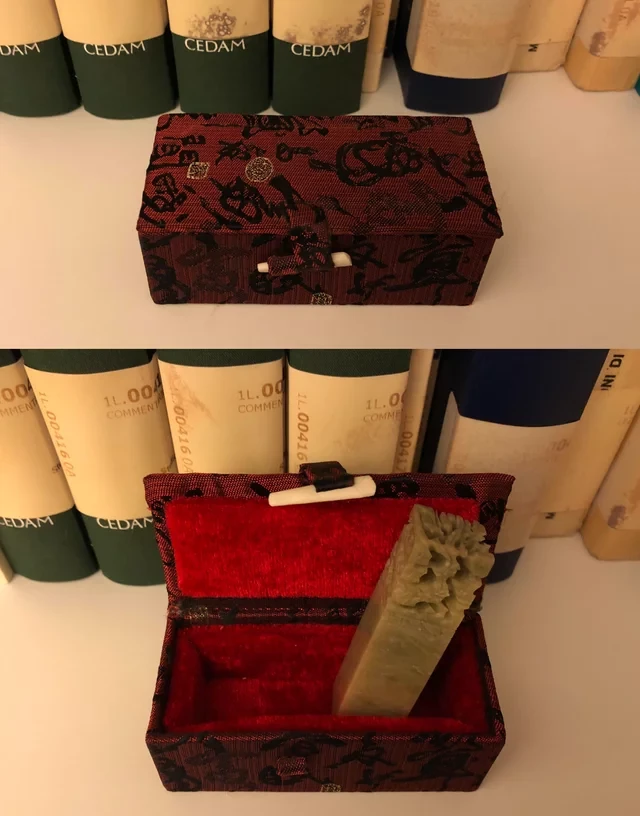
A man found this mysterious object tucked behind books in a library and naturally wanted to know what it was. The velvet box turned out to contain a traditional Chinese chop (seal).
Specific characters are carved into the block, which is then dipped in ink to leave an official stamp or signature impression. 
Shoppers at Walmart in the US noticed odd plastic pushers on retail shelves. It turns out these are anti-theft devices. Slid along the track, they emit a loud, irritating clicking noise—if someone tries to sweep multiple items off the shelf at once, the prolonged noise alerts security.
Why protect laundry detergent? As it turns out, shoplifters frequently steal detergent to trade on the street for drugs. A single supermarket chain could lose up to $15,000 worth of detergent a month to theft. 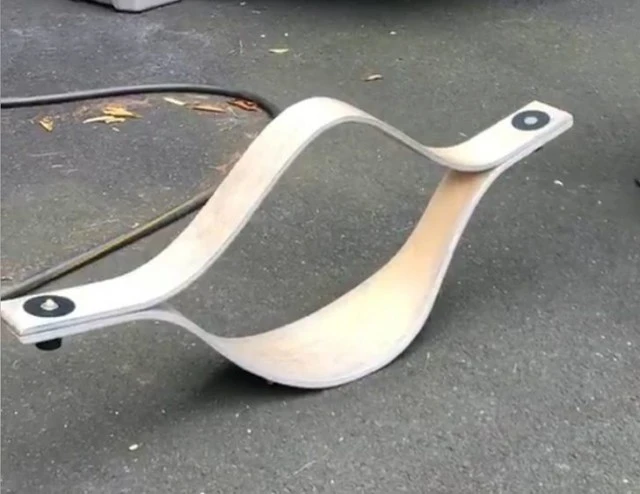
Quite often, mysterious objects aren't historical relics at all, but mundane items bought at modern stores. For instance, a user initially mistook this indoor swing from IKEA for an antique musical instrument. 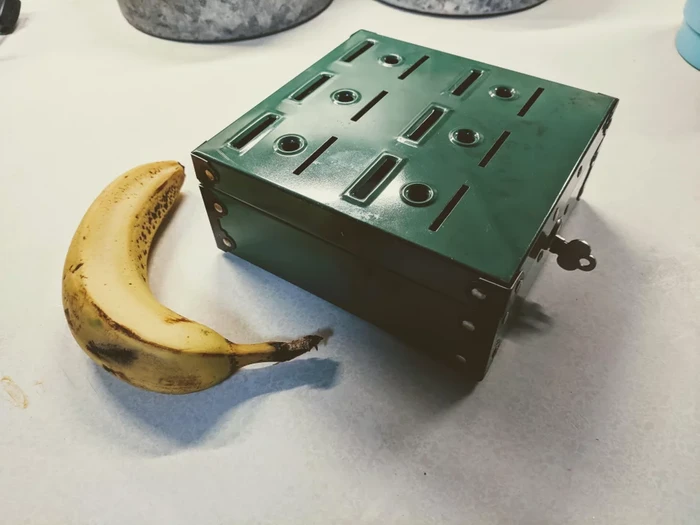
"A small metal box with a lock and several slots. What could this be?"
This photo shows a vintage budget piggy bank used to save money for specific expenses. You chose your target fund and dropped cash into the designated slot. There were also separate holes for coins. 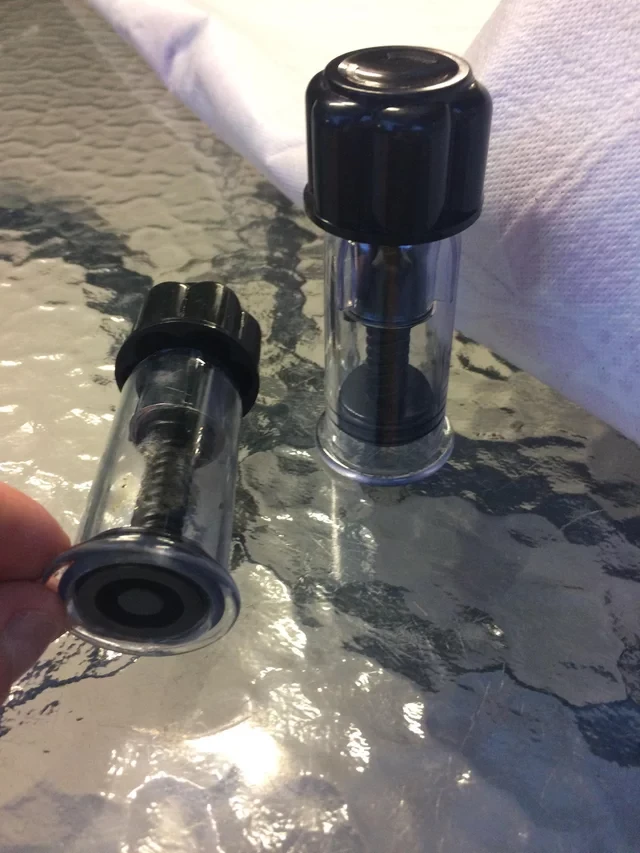
A man found these two odd contraptions in his father's garage. At first, he thought they were related to his dad's trade as a carpenter, but learning their true function left him thoroughly bewildered...
It turned out they were nipple suction pumps. Why the author's father had them remains a mystery history has chosen not to reveal. 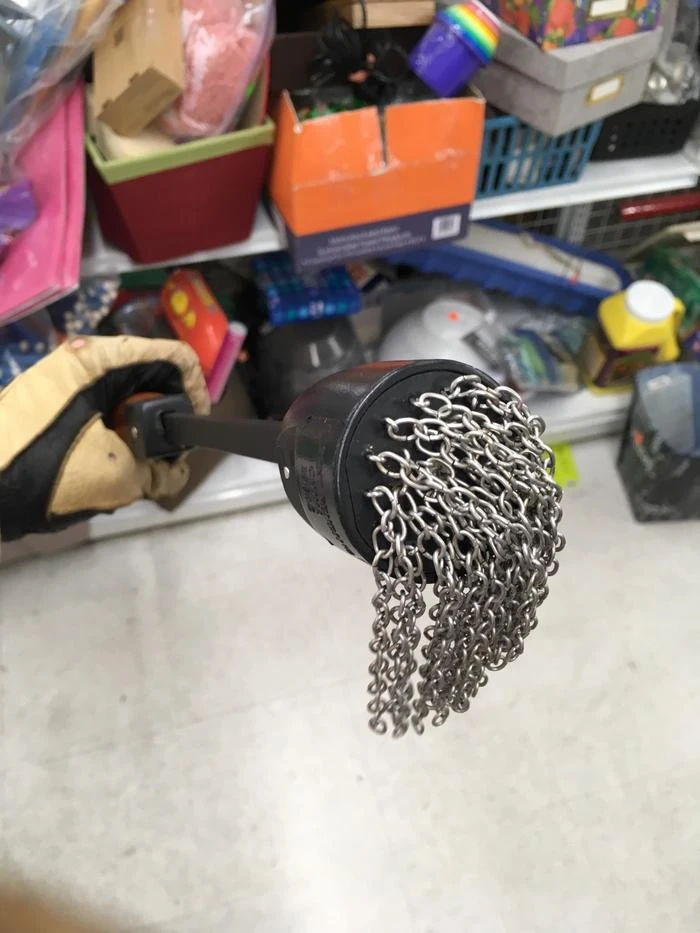
At first glance, this strange tool might look like BDSM gear, but its actual purpose is far more culinary. As it turns out, this "mop" is used for basting barbecue sauce. Whether it's actually convenient to use remains up for debate. 
"This thing has been sitting in my dresser for a long time. Any idea what it is?"
The photo shows a specialized cervical sampling brush used in gynecology. What it was doing in the user's dresser drawer is anyone's guess. 
A man bought this item at a thrift shop and immediately set out to identify it. Thanks to sharp-eyed web users, he discovered it was a traditional African headrest, historically used as a pillow. It's safe to assume the new owner won't be sleeping on it anytime soon. 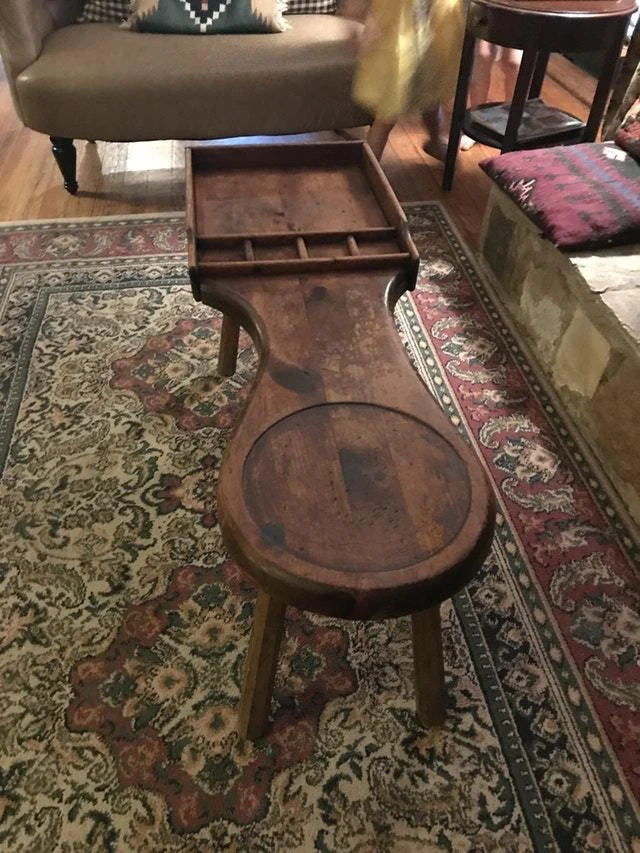
This table was sitting in a Texas guest house, but observant visitors quickly spotted its real origin. It turned out to be a cobbler's bench—a specialized worktable designed for shoe repair. 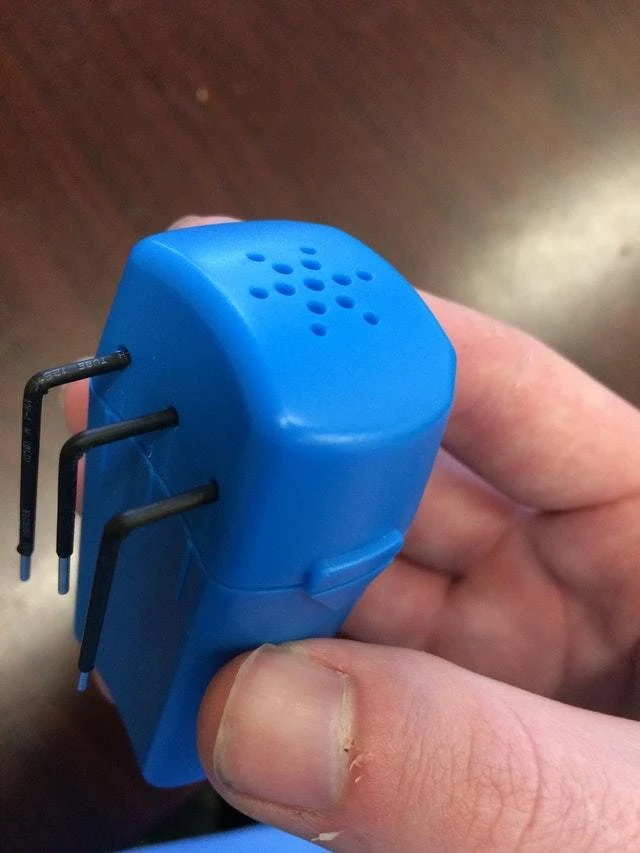
"If you bridge the bottom two prongs on this device, it starts beeping. If you touch the top prong too, it beeps twice as fast."
As commenters explained, this is a liquid level indicator designed for visually impaired people. It hooks onto the edge of a cup with the prongs facing inward. When liquid hits the first set of contacts, it beeps to warn that the cup is filling up; when it reaches the top contact, the sound speeds up to signal that it's nearly full. 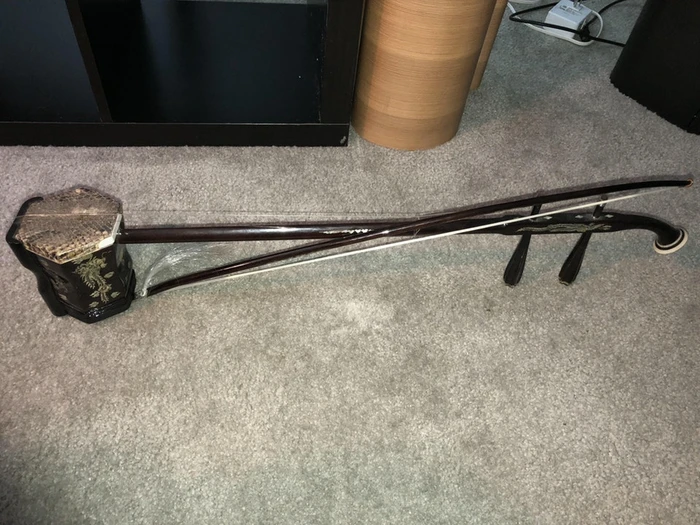
A man accidentally spotted this item in a dumpster and decided to take it home. Turns out his instinct was right: it's a rare vintage Chinese musical instrument, a double-sided stringed instrument similar to a fiddle. 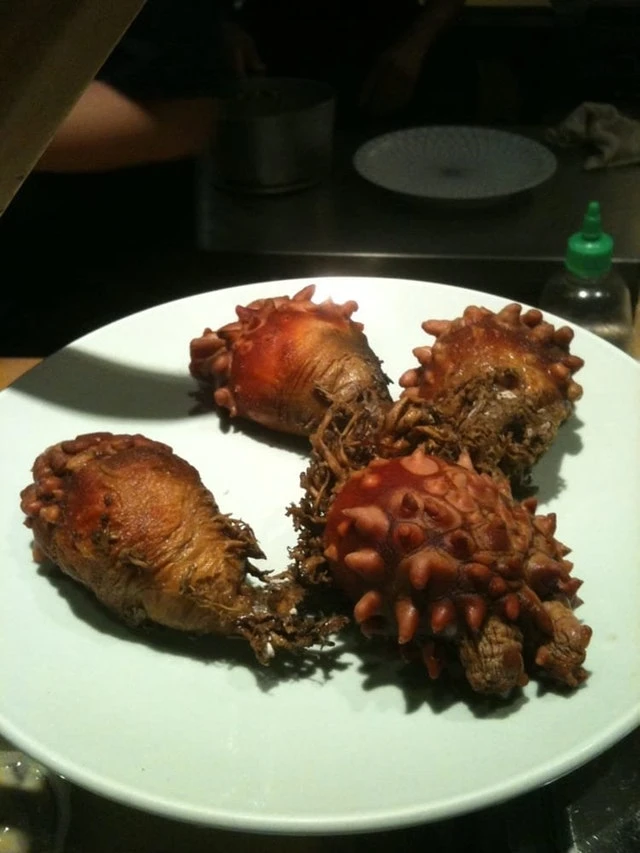
This might look like an alien creature from a sci-fi film, but it's actually a sea pineapple (Halocynthia roretzi), an edible tunicate species.
Yes, people actually eat them! They are considered a delicacy, particularly popular in Korea and Japan.
Did you know what any of these objects were used for?