What Is Miswak and Can It Replace Your Toothbrush? (7 photos)
With organic and all-natural beauty products trending today, it is no surprise that people are turning their attention back to miswak. Thousands of years ago, this simple tool served as a toothbrush, floss, toothpaste, and even a water flosser all in one. Yet miswak is nothing more than a wooden twig frayed into bristles at one end. Vladimir Shipkov, founder of Dr. SHIPKOV Dental Clinic, breaks down everything you need to know about this ancient oral care tool. 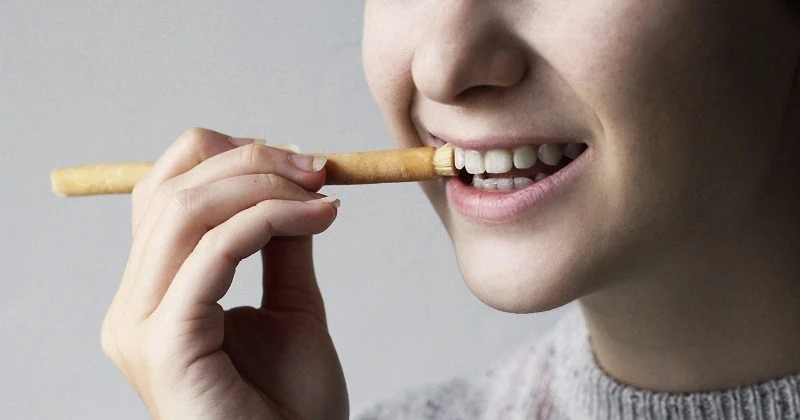
At first glance, miswak resembles a crude, makeshift brush crafted by chewing on wood fibers. But there is more to it than meets the eye. Authentic miswak is harvested from only one plant species:
Salvadora persica
, commonly known as the toothbrush tree. Used since antiquity across the Middle East, this simple oral hygiene tool later spread to Asia, Europe, and the Western Hemisphere. 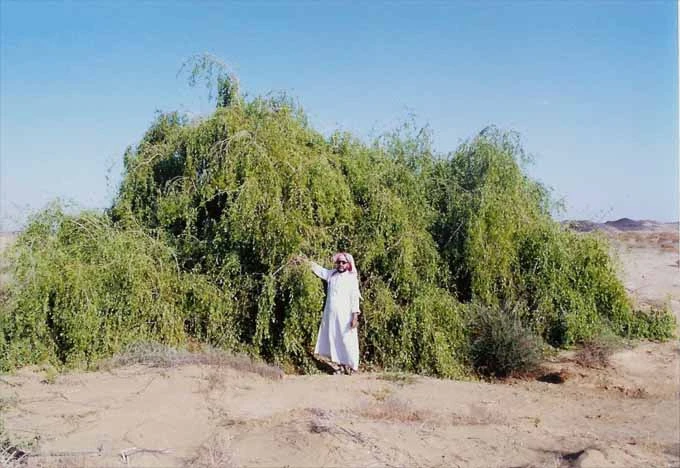
This is what Salvadora persica looks like
The Health Benefits of Miswak
Miswak was used by ancient tribes long before the advent of Islam. Later, the Prophet Muhammad recommended that believers use miswak as often as possible, citing both hygienic benefits and religious virtues. 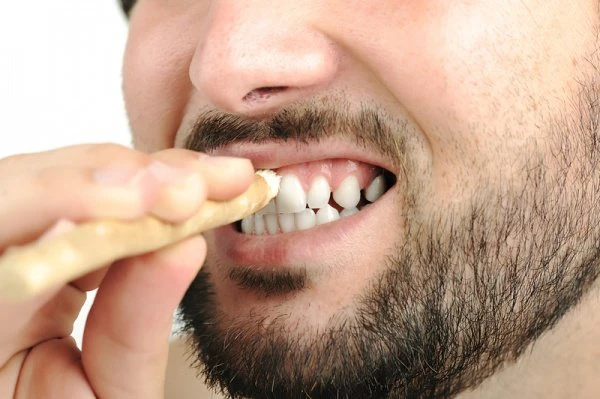
The choice of
Salvadora persica
for miswak is no coincidence. Its wood boasts potent anti-inflammatory, healing, and antifungal properties, along with a mild anesthetic effect. In-depth research reveals that the plant contains a rich mix of active ingredients:
Essential minerals, including calcium, fluoride, silica, and sulfur;
Key vitamins, such as C, PP (niacin), and E;
Camphor;
Essential oils;
Flavonoids, including quercetin and rutin;
Glycosides, such as salvadoraside and salvadoside.
As the tip softens during use, these active compounds release into the mouth, benefiting both tooth enamel and gums. Furthermore, miswak helps balance the oral microbiome, which in turn supports overall health. 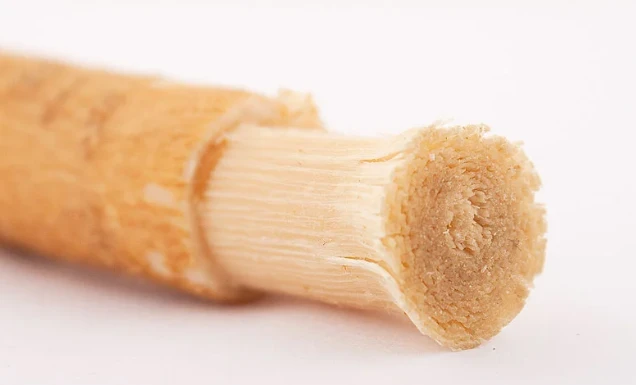
How Miswak Is Made
These natural toothbrushes are crafted from the roots or branches of
Salvadora persica
cut to a specific thickness. Root sticks are much firmer and richer in organic compounds and minerals. Twig-based miswak is softer and milder, making it ideal for anyone with delicate gums or sensitive tooth enamel. 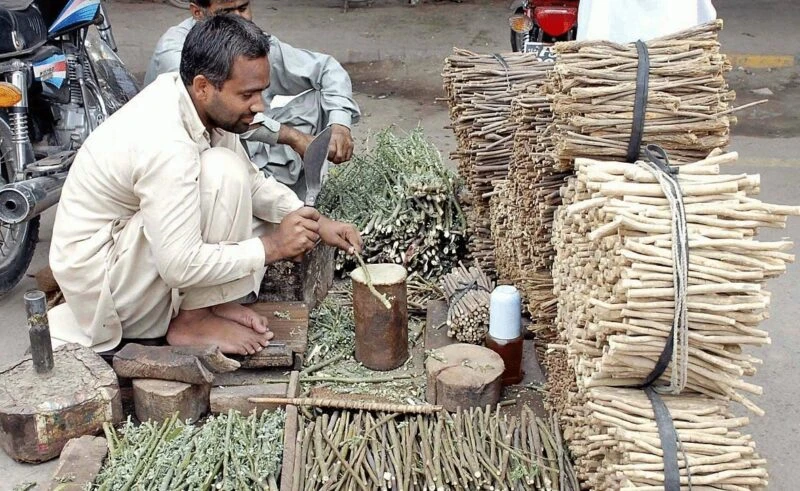
The roots or branches are cut into sticks roughly 15 to 20 cm long, and about 1 to 2 cm of bark is peeled off one end. Before brushing, this bare tip is chewed until the wood fibers separate into a firm bristle brush. These fibers are tough yet soft enough not to irritate delicate tissues, while the natural compounds released during brushing spread evenly across the mouth, acting as both toothpaste and mouthwash.
Naturally, modern medicine has found other ways to harness the benefits of
Salvadora persica
. Tinctures and oral rinses derived from the plant have been produced for years to enhance oral health and treat various conditions, including oral thrush. 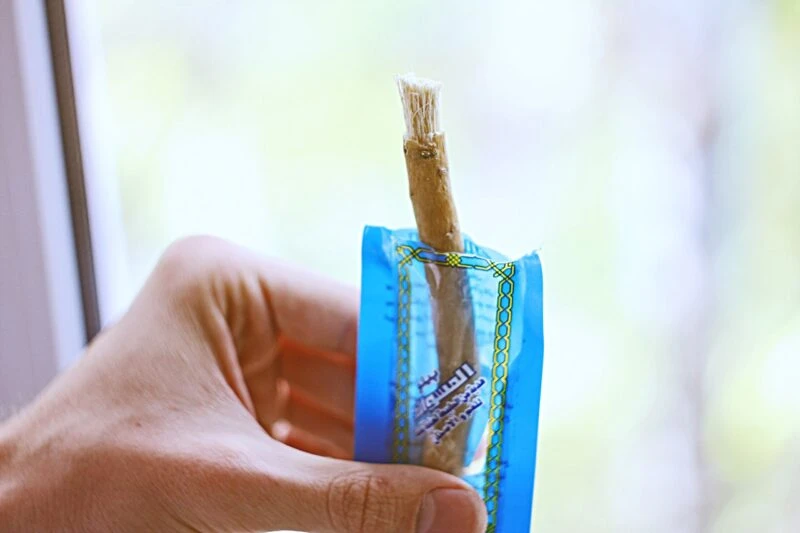
Tannins in the plant’s sap soothe mucosal inflammation and heal bleeding gums. Fluoride combats harmful bacteria, calcium strengthens enamel, and silica gently polishes away stains far more mildly than harsh chemical whitening agents.
Can Miswak Replace a Toothbrush?
The positive impact of miswak on teeth and oral health is scientifically proven. However, that does not mean a chewed wooden stick can completely replace a comprehensive oral hygiene routine. Before swapping your toothbrush for miswak, consult your dentist, who can also help you select the right fiber stiffness and length. 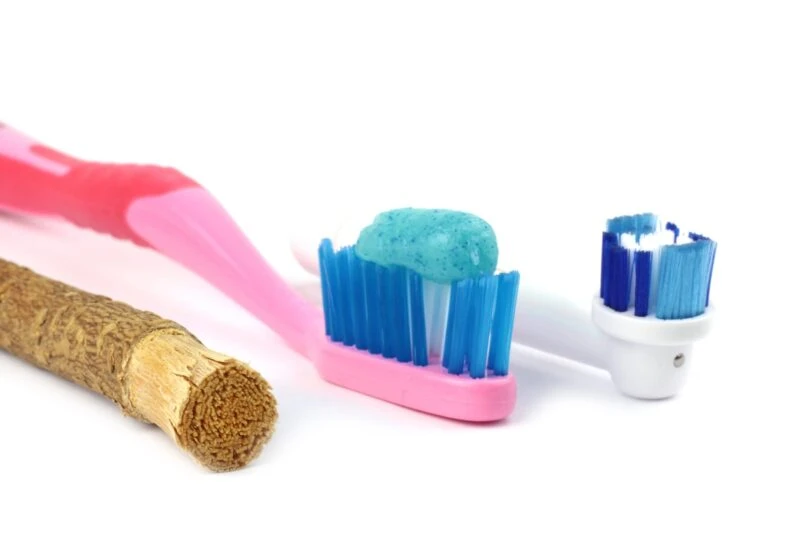
A dentist can also check for any potential contraindications. While rare, reasons to avoid miswak do exist. If you decide to adopt miswak—either instead of or alongside your regular toothbrush—keep a few simple rules in mind. Used fibers should be trimmed off after every cleaning, as they lose their beneficial properties. Additionally, miswak should be used just like a standard toothbrush: at least twice a day, or ideally after every meal.
And speaking of dental care—are you sure you are taking care of your teeth properly? Check out how one Texas local does it and see for yourself.