The War Dance of New Zealand's Māori Battalion in the Desert (10 Photos)
Rare photos unearthed from British archives capture Māori soldiers of the New Zealand Army performing the haka—their traditional war dance—before King George VI. 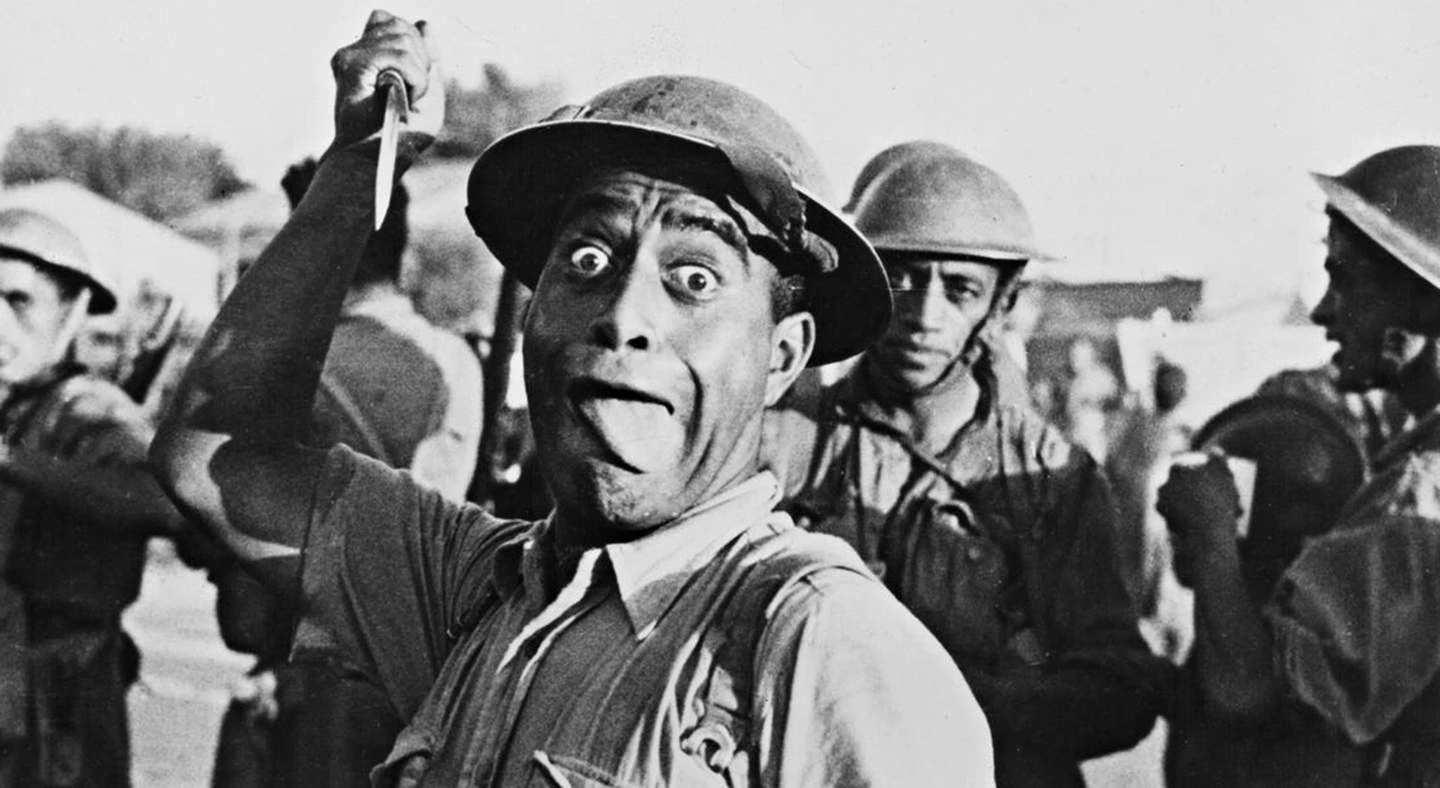
New Zealand forces fought alongside British troops in North Africa during World War II. It was there, at a training camp in the Egyptian town of Helwan, that a ceremonial parade took place where Māori soldiers performed the haka for the British monarch. 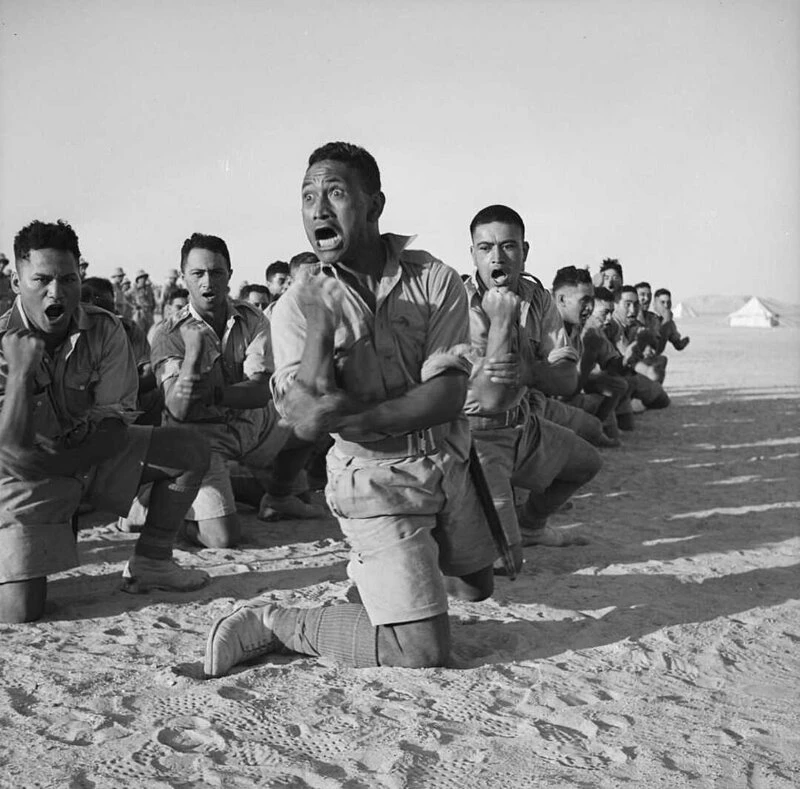
It was a royal inspection unlike any other. In June 1941, King George VI and Queen Elizabeth visited the New Zealand training camp in Helwan, Egypt, where troops—composed primarily of Māori soldiers—performed their fierce war dance for the royal couple. 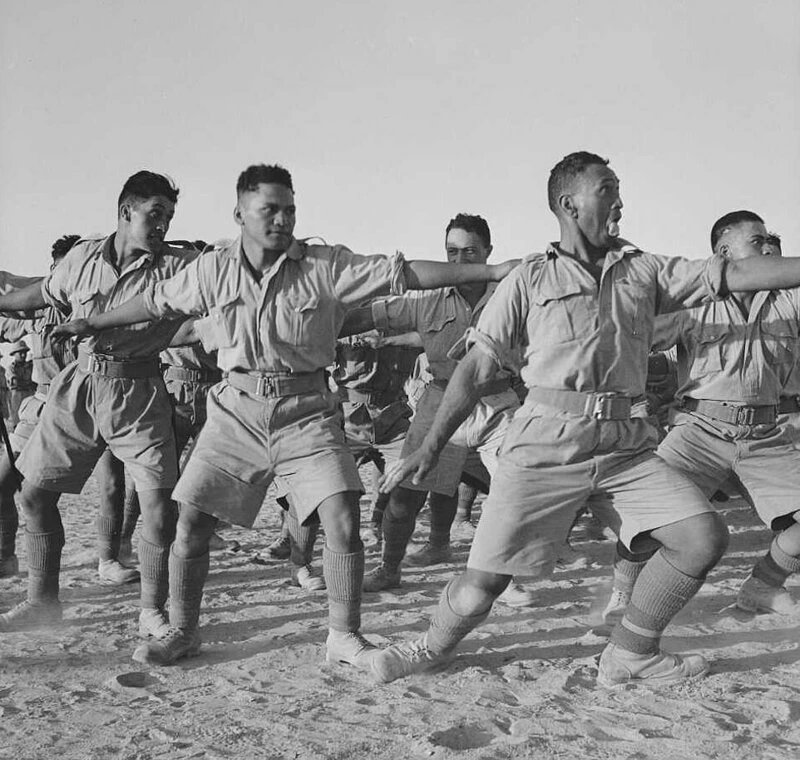
While best known as a war dance, the haka is performed on many different occasions, including as a mark of respect to welcome visiting royalty. 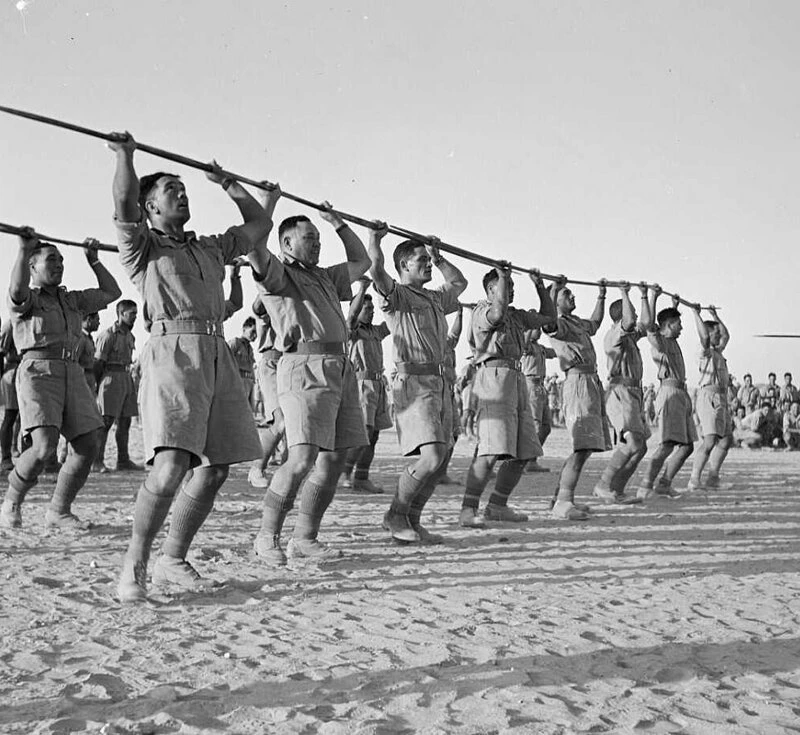
For a long time, indigenous Māori were excluded from military service in New Zealand, though they were eventually permitted to enlist during World War I. At the time of the Helwan parade, their official integration into the armed forces was still relatively recent. 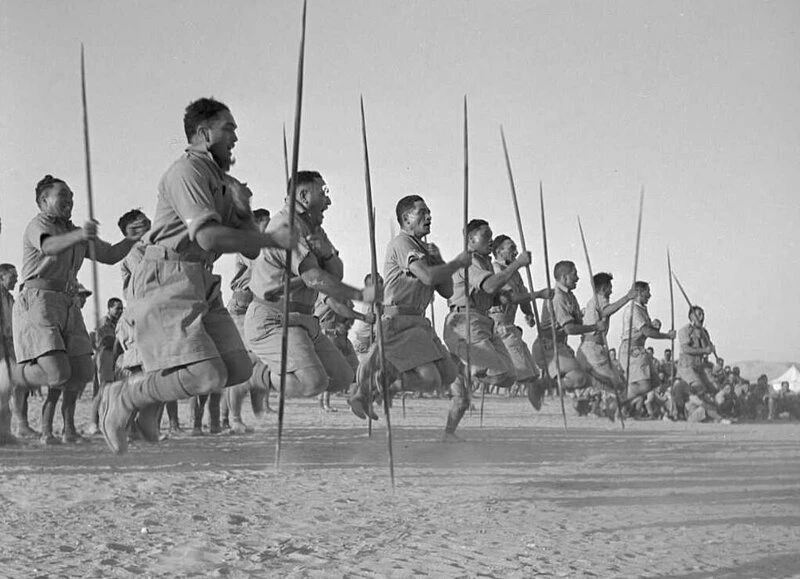
The primary purpose of the haka was traditionally to intimidate enemies, sometimes resolving disputes without a single blow. Yet it is also a profound gesture of respect, frequently performed at celebrations, funerals, and sporting events.
“By performing the haka, the Māori were paying the highest tribute to the person before them,” explains British historian Paul Moon. “It was their own unique way of honoring the King.” 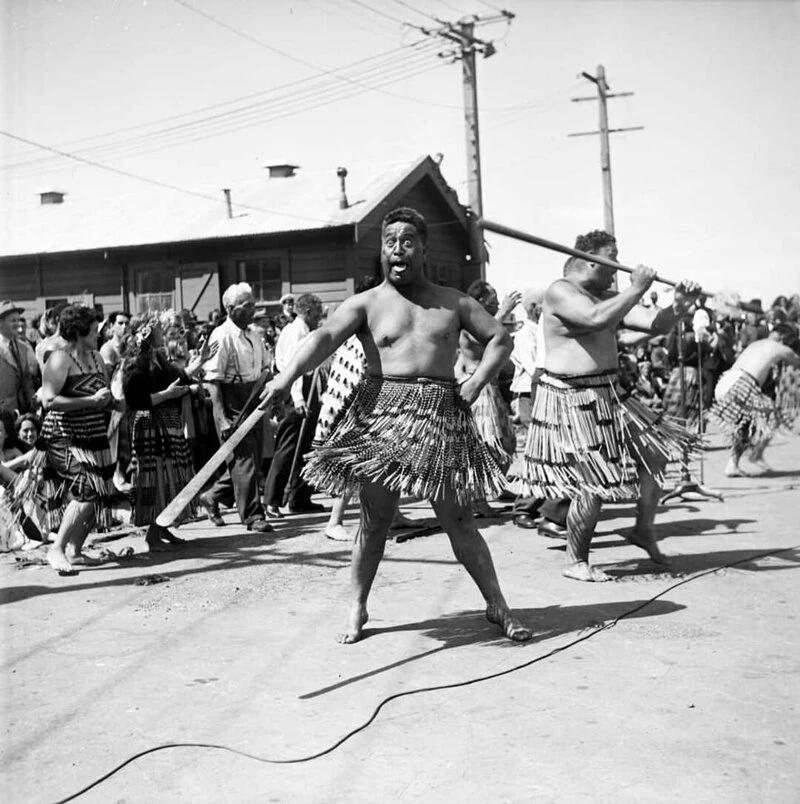
A few Māori soldiers had served in British ranks during World War I, but these were rare exceptions. Full legal recognition and the right to form their own unit came only after the outbreak of World War II, when Māori members of the New Zealand Parliament successfully pushed a dedicated bill through parliament.
Around 3,600 Māori served in the New Zealand armed forces during World War II. In addition to North Africa, they saw heavy action in Italy and Greece. 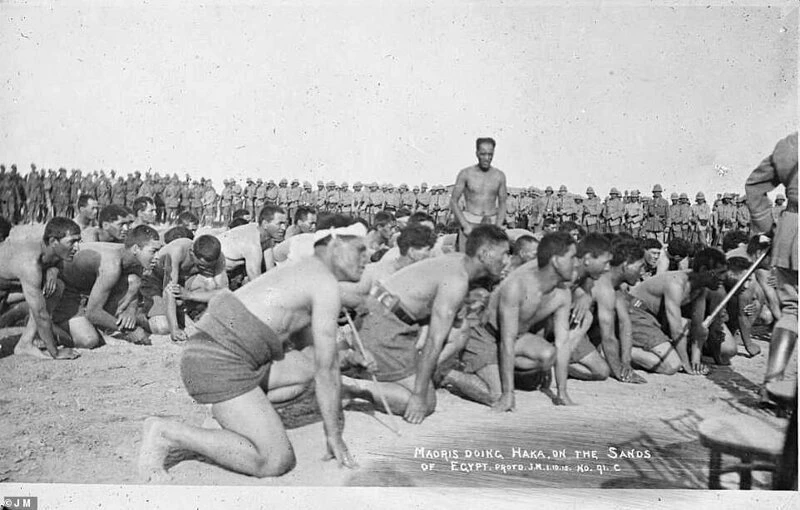
Tragically, 649 Māori lost their lives in battle. Māori MP Āpirana Ngata later referred to military service as the “price of citizenship,” arguing that fighting for the country was the ultimate way to compel New Zealand society to treat Māori as equals.
Prejudice against the Māori was deeply entrenched back home, making military service a vital opportunity for many to prove their worth.
“Furthermore, the Māori were fiercely opposed to Nazi ideology,” says Paul Moon. “For them, fighting in the war was about more than combat—it was a bid for equal status in their own homeland.”
This is precisely why Āpirana Ngata insisted that Māori units be commanded by Māori officers. 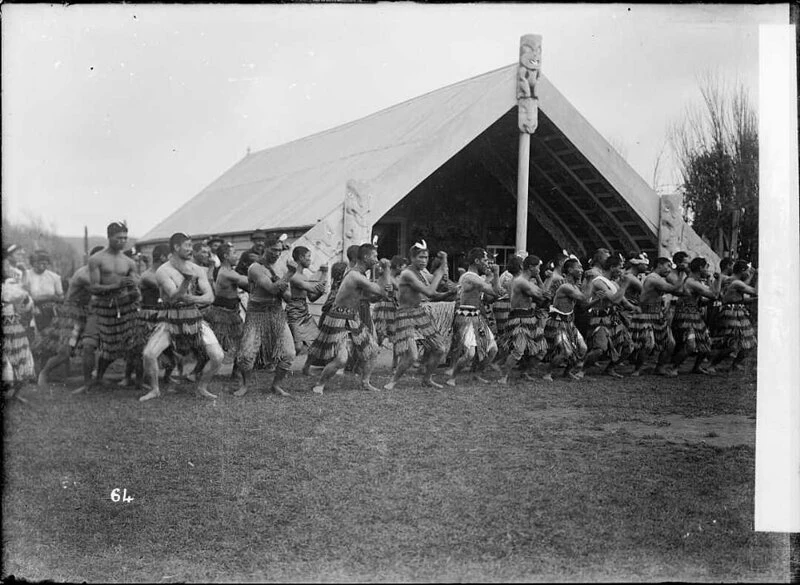
Legend has it that German forces held the Māori fighters in dread, not only for their relentless courage, but also due to rumors that they took enemy ears as trophies—from both the dead and the living. 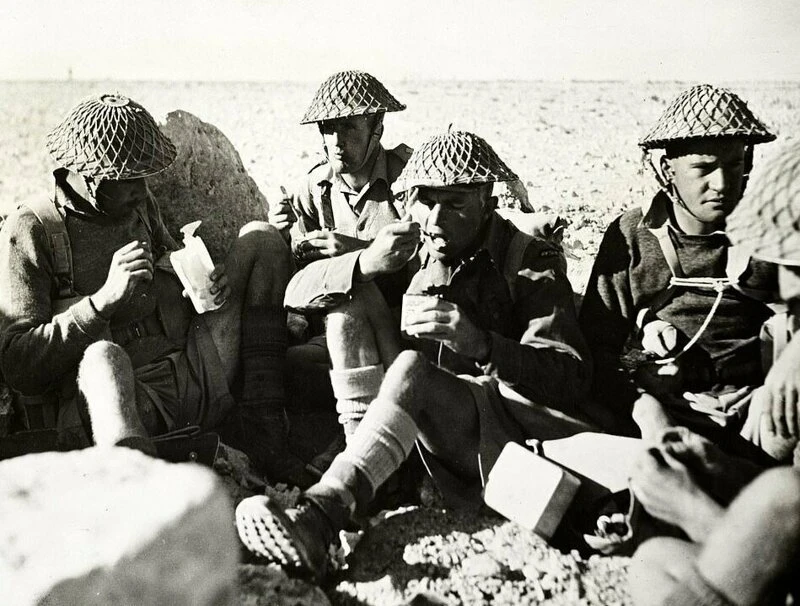
The Māori are the indigenous people of New Zealand, descended from Polynesian voyagers who settled the islands as early as the 11th century. However, following the arrival of Europeans and the establishment of a British protectorate, the Māori lost almost all of their land to Crown confiscations. 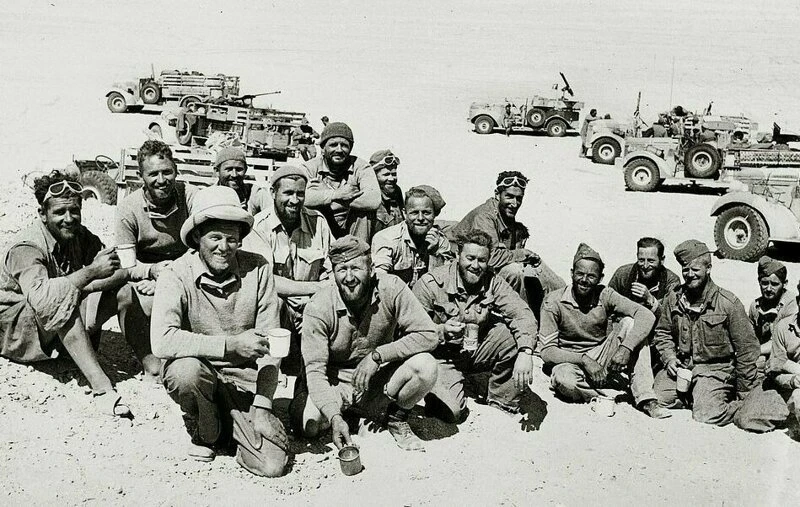
Despite decades of conflict with the British, Māori soldiers fought valiantly alongside Allied forces throughout World War II.