Celts, Maya, and Other Famous Civilizations Whose Fates You Might Not Know (8 photos)
Almost everyone knows about the ancient Maya civilization, and many have heard of their famous calendar. Yet very few realize that descendants of the Maya still live on their ancestral lands today, preserving their age-old traditions. Here is a look at famous ancient peoples whose ultimate fates remain a mystery to most. 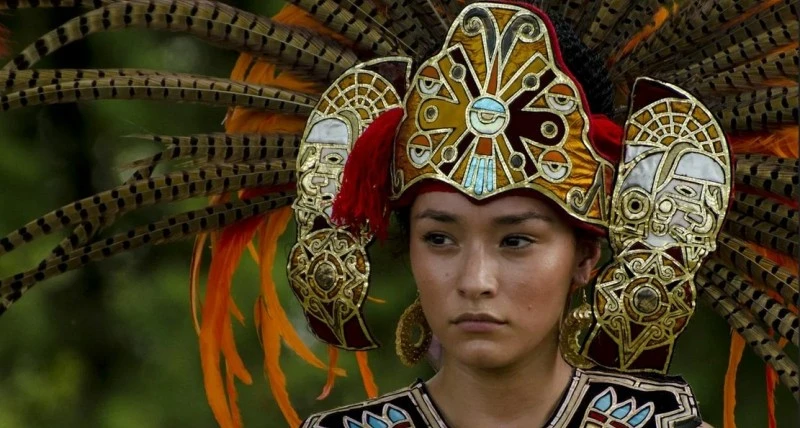
Aztecs
According to Aztec legend, they arrived in Mexico in the 13th century from a mythical homeland called Aztlán. Today, the Aztecs are best known for their impressive, well-preserved monumental temples. They were a fierce warrior culture that also deeply valued the arts, sciences, and a written language. 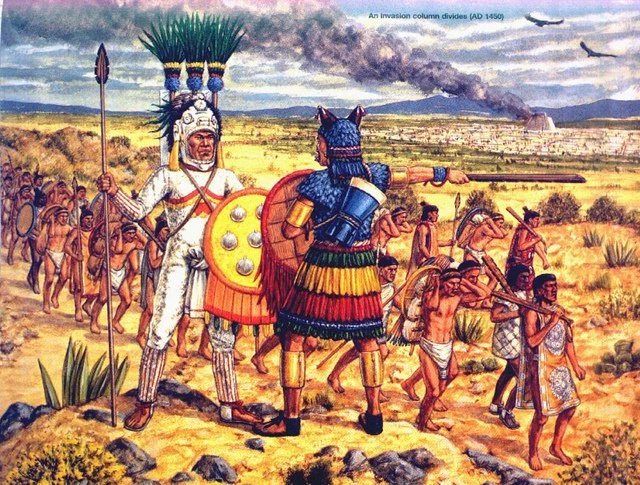
The Aztecs revered music and poetry, regularly holding festivals to celebrate the arts. They even developed their own form of theater featuring dramatic actors, musicians, and acrobats. However, in the 16th century, the Aztecs were conquered by Spanish conquistadors. On the ruins of their capital, Tenochtitlan, the invaders built modern-day Mexico City. Today, Mexicans take great pride in their Aztec heritage, carefully preserving historical monuments and hosting vibrant cultural festivals.
Incas
The Inca Empire was established in the 12th century, spanning a vast territory from modern-day Ecuador to Chile and boasting a population of over 12 million. Unlike the fierce Aztecs, the Incas built a remarkably compassionate society. Their government cared for the sick and orphaned, virtually eliminating unemployment and poverty. Their national motto was simple: “Do not lie, do not steal, do not be lazy.” 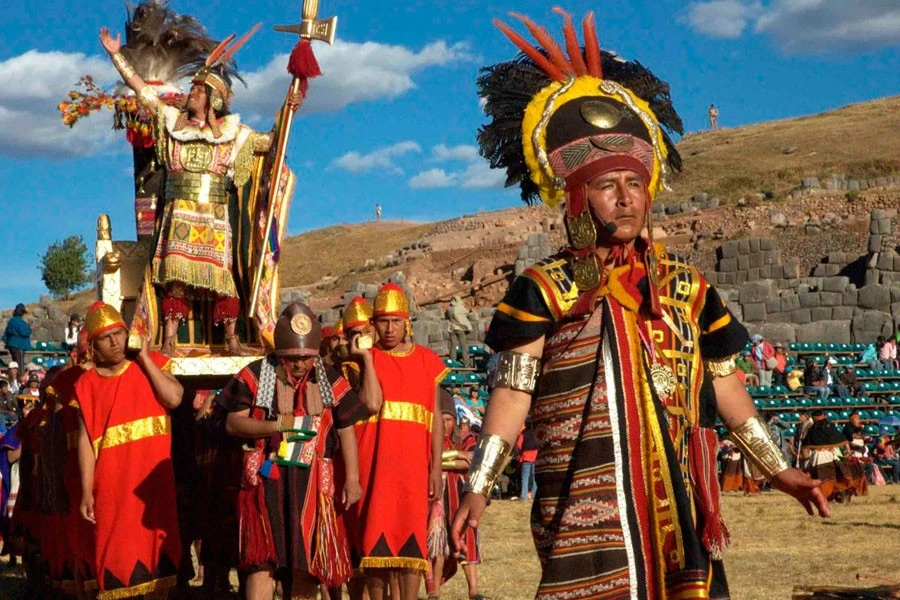
An impressive network of paved roads stretched across the empire, traversed by llamas and messengers. The Incas developed a unique system of record-keeping using knotted strings called quipus, which were delivered via a relay system of runners. They also possessed an accurate lunar calendar, skilled artists, and surprisingly advanced surgeons.
In the 16th century, the Inca civilization fell. The catalyst was once again the Spanish conquest, which brought smallpox to the Americas. The devastating epidemic decimated the population, killing millions and allowing the Spanish to easily conquer the weakened empire.
Celts
Around two thousand years ago, Celtic tribes—whom the Romans dismissed as barbarians—inhabited much of Europe. Far from being uncivilized, the Celts had a complex social structure, a rich religion guided by druids, and a surprisingly high level of gender equality. 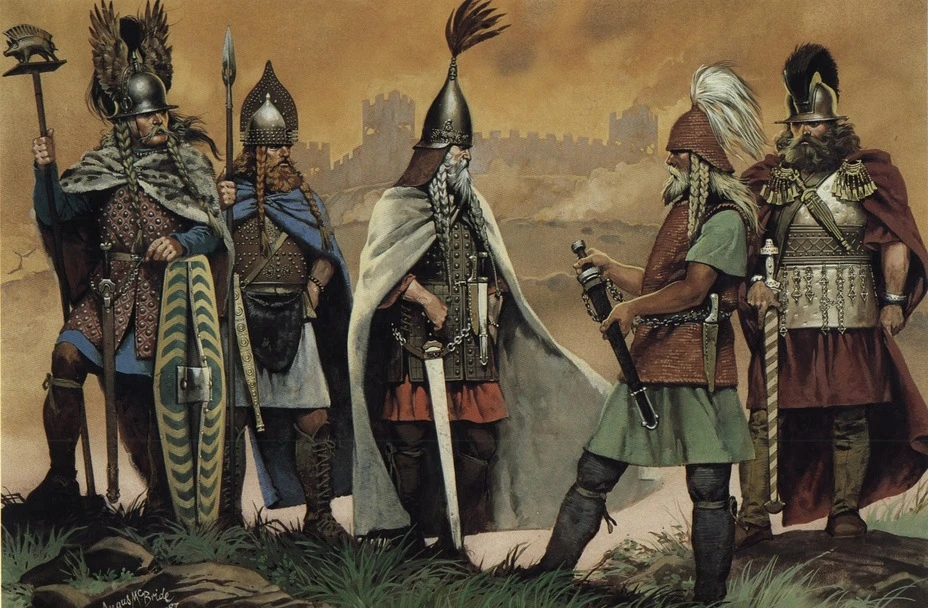
The Celts excelled in arts and crafts, revering their bards and creating exquisite metalwork alongside vibrant tartan fabrics. In fact, they were among the first in Europe to wear trousers. Starting in the 1st century AD, Celtic culture went into decline under pressure from Rome and other foes. Today, Celtic heritage endures primarily in the British Isles—in Wales, Ireland, Scotland, the Isle of Man, and Cornwall.
Prussians
Inhabiting the southern coast of the Baltic Sea, the Old Prussians spoke an ancient Baltic language and lived by farming, livestock breeding, hunting, and fishing. Their culture prized hard work, modesty, and piety. They dressed practically, shunning luxury, yet were renowned for their warm hospitality and love of festive gatherings. 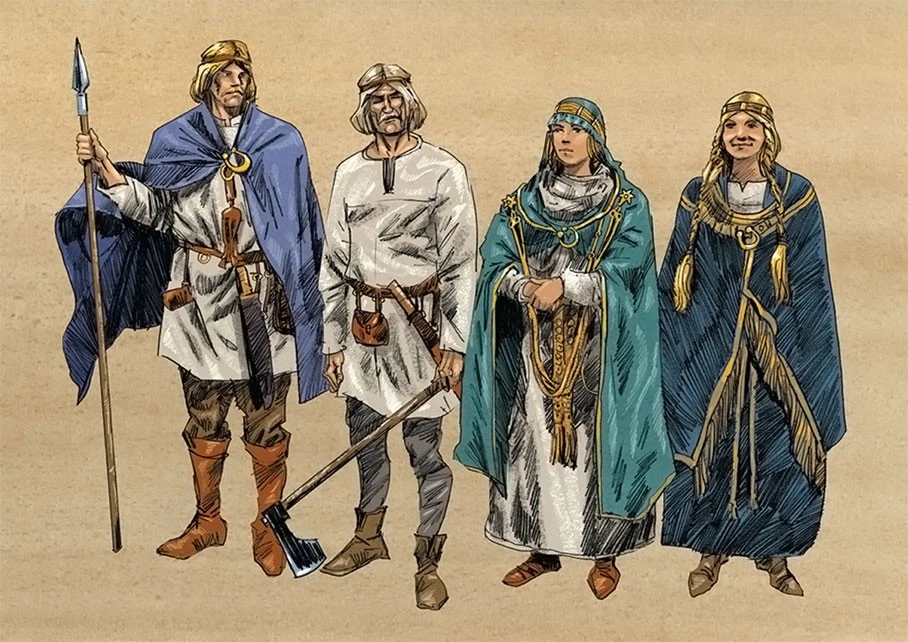
Their peaceful way of life came to an end in the 13th century with the arrival of Teutonic knights. Within just a century, the local population was heavily assimilated. By the end of the 14th century, the Old Prussian language was nearly extinct as German became dominant. Today, the former territory of Prussia forms part of modern Germany.
Phoenicians
The Phoenicians were a seafaring merchant civilization that traded across the Mediterranean. Renowned as master navigators, savvy traders, and courageous warriors, they developed an alphabet that became the foundation for many modern writing systems. They were also famed for their craftsmanship, particularly in jewelry making, shipbuilding, and stone and wood carving. 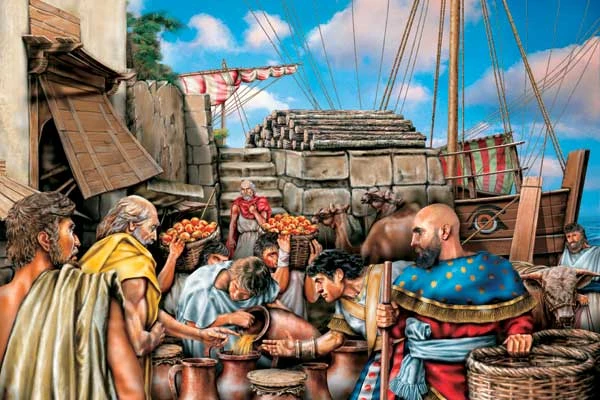
Phoenicia’s wealth drew the envy of its neighbors, including the Romans, Greeks, Egyptians, and Israelites. Centuries of conflict gradually weakened the civilization, and by the 4th century BC, it had largely dissolved. Today, modern nations such as Israel occupy the former lands of Phoenicia.
Cumans
The Cumans were a Turkic nomadic people who migrated westward from Central Asia over centuries, eventually settling alongside Slavic lands. They engaged in agriculture and herding, traded actively with their neighbors, and organized themselves by clans rather than forming a unified state. When threatened, these clans would unite against a common enemy, and for centuries, early Rus suffered from frequent Cuman raids. 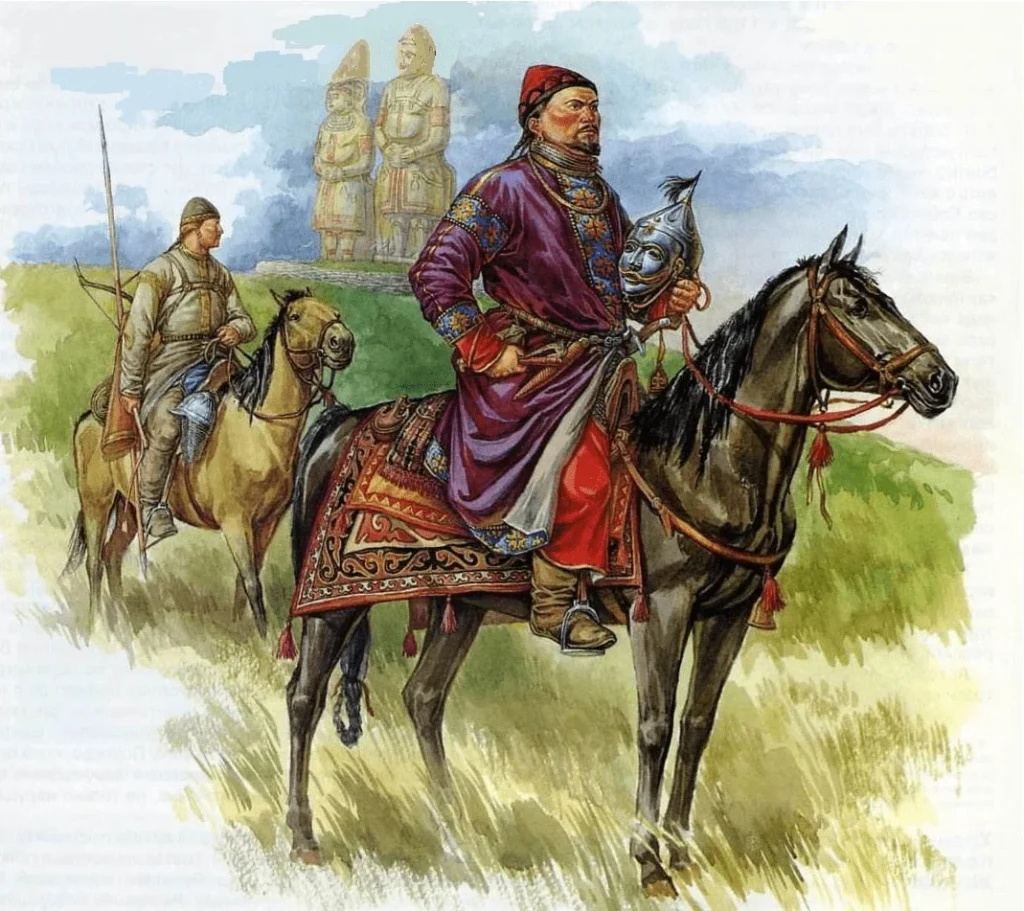
Historical accounts of Cuman physical features are conflicting: some scholars suggest they were light-haired and blue-eyed with East Asian facial features, while others contend they looked distinctly Mongoloid. By the 13th century, they had largely assimilated into surrounding populations. Today, their legacy survives in the form of "stone babas"—monumental anthropomorphic statues scattered across the southern Ukrainian steppes.
Bulgars
Like the Cumans, the Bulgars were a nomadic people who relied on livestock breeding and trade. However, by the 7th century, they had established a powerful state. Renowned as skilled potters, armorers, and tanners, their influence once extended from the Volga River to the Southern Bug. 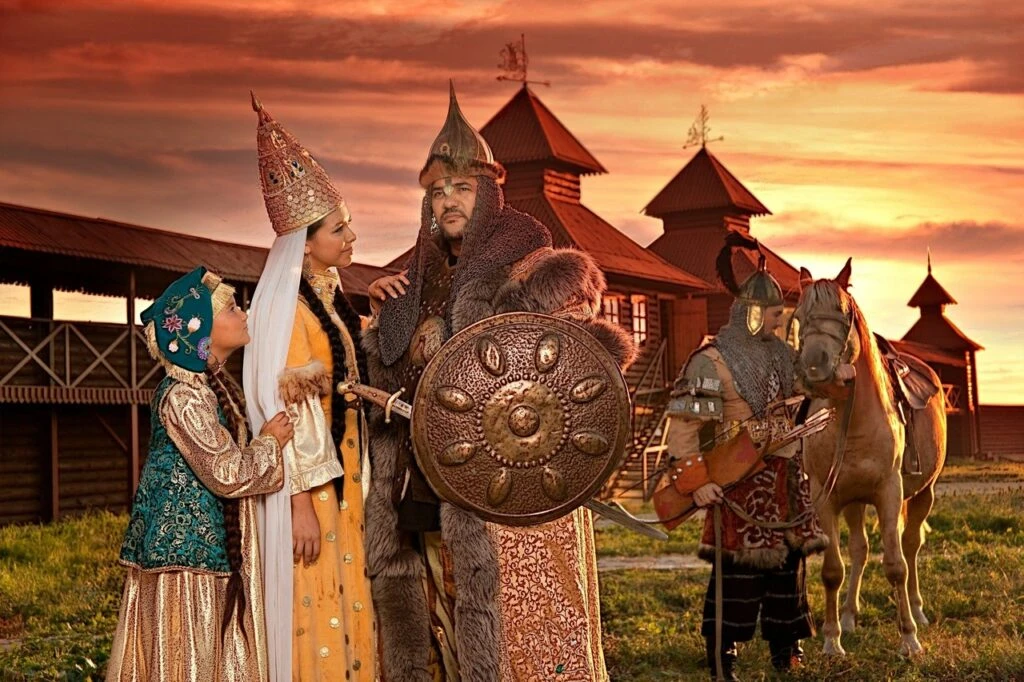
Over time, the Bulgars integrated with Slavic populations and eventually adopted Christianity. A major group settled along the Danube, establishing the state of Bulgaria, which endures to this day. After centuries under Ottoman rule, the nation fully regained its independence in 1908.