Scotland’s Blackhouses: The Smoky Dwellings That Saved Lives (16 Photos + 1 Video)
Imagine a house darker than night inside. Not because there is no light—light filters through tiny windows—but because smoke from the peat fire, finding no way out, billows beneath the ceiling and slowly seeps through the thatched roof. 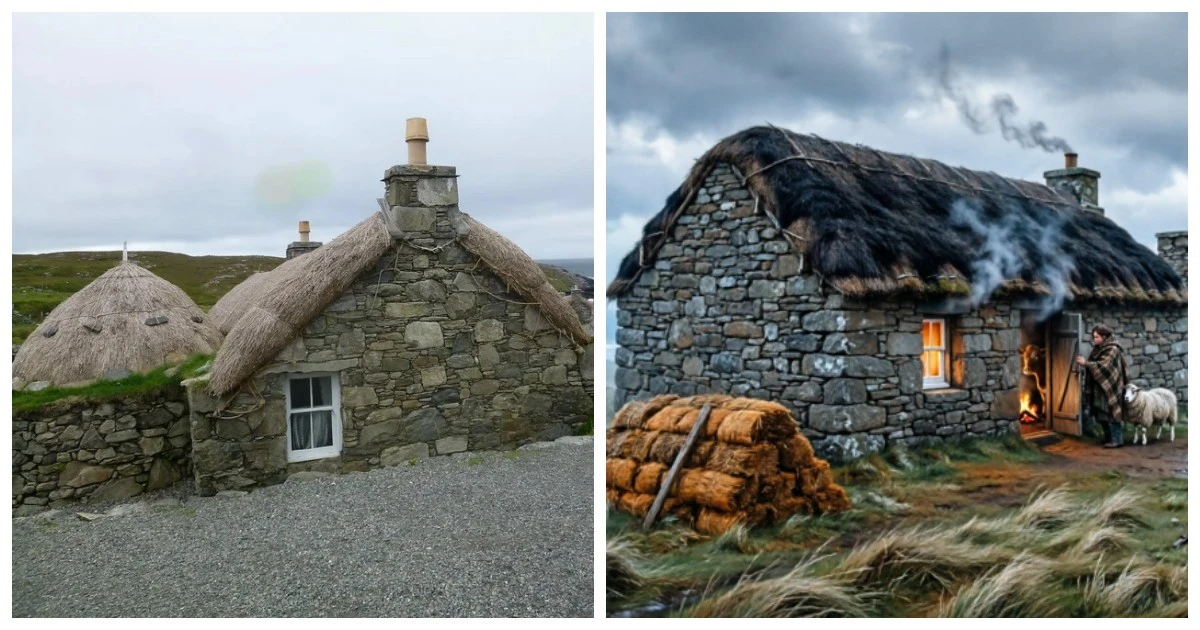
Inside, it smells of smoke, earth, and livestock. That’s because animals live right here, just beyond a partition. Cows, sheep, perhaps a couple of chickens. This wasn't poor hygiene—it was survival. 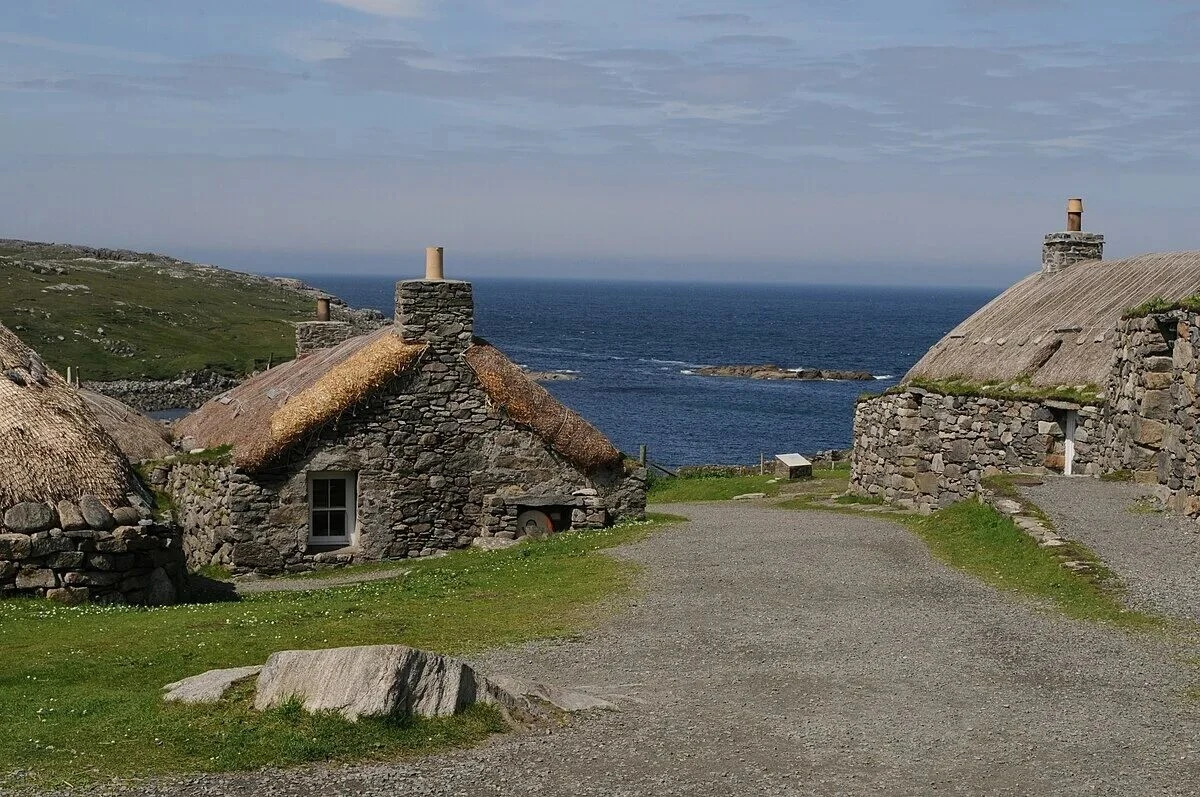
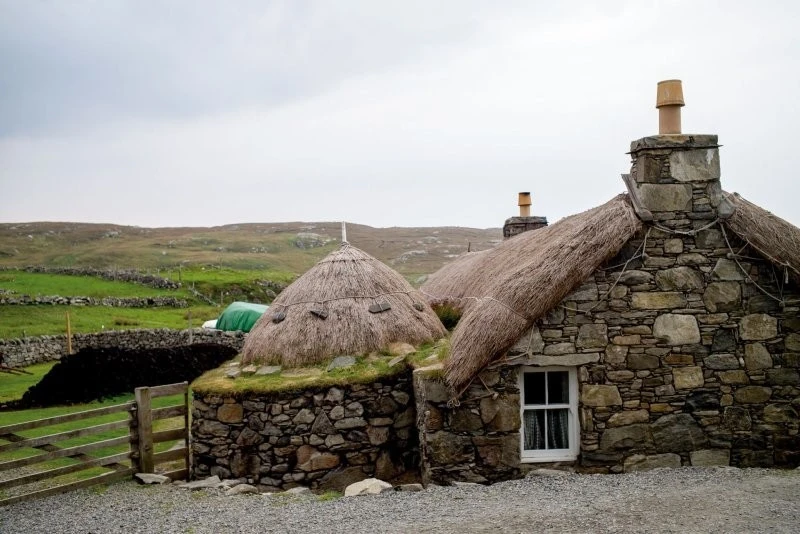
Centuries ago, dwellings like these dotted the Scottish Highlands and Ireland. They were known as blackhouses. Long, narrow structures built of drystone with roofs of turf or thatch, they turned pitch-black over time from thick soot. 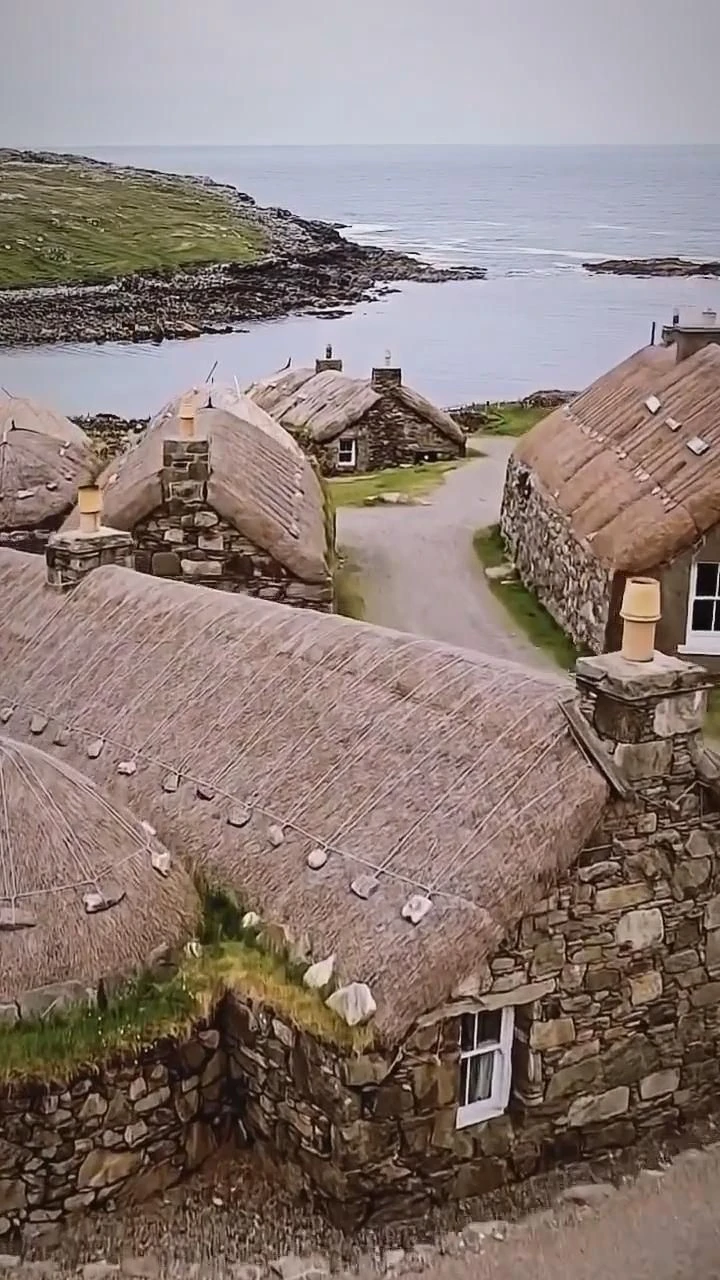
There were no chimneys and virtually no ventilation. Smoke seeped out through the porous roof, killing off insects in the thatch and saturating it completely. 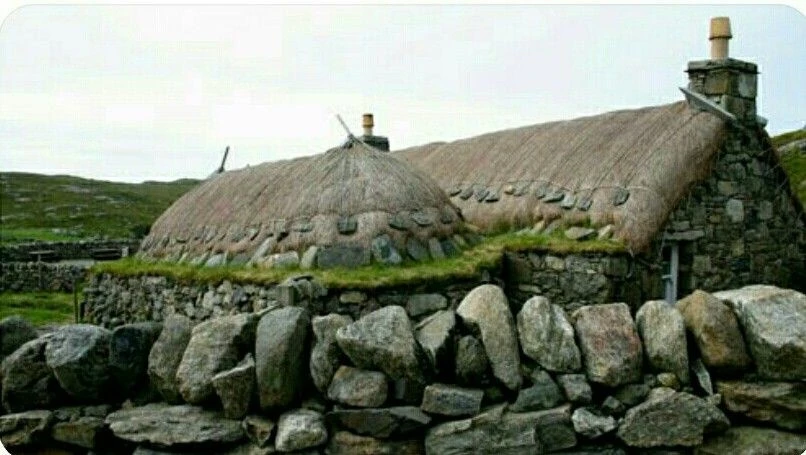
Every year, this soot-blackened thatch was stripped off and used as rich fertilizer for the fields. The roof was then re-thatched, only to be stripped again twelve months later to nourish the soil. 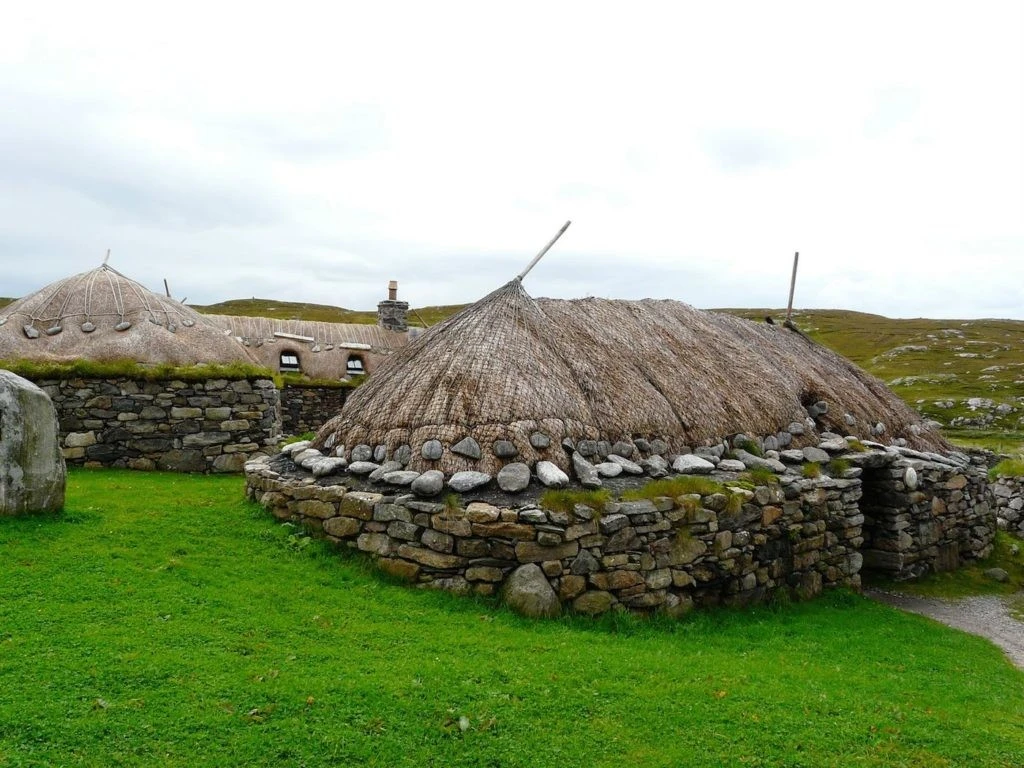
It was a closed-loop system: smoke killed pests, soot-soaked thatch fertilized the soil, and a new roof yielded another crop of thatch. Sustainability in its rawest, most practical form. 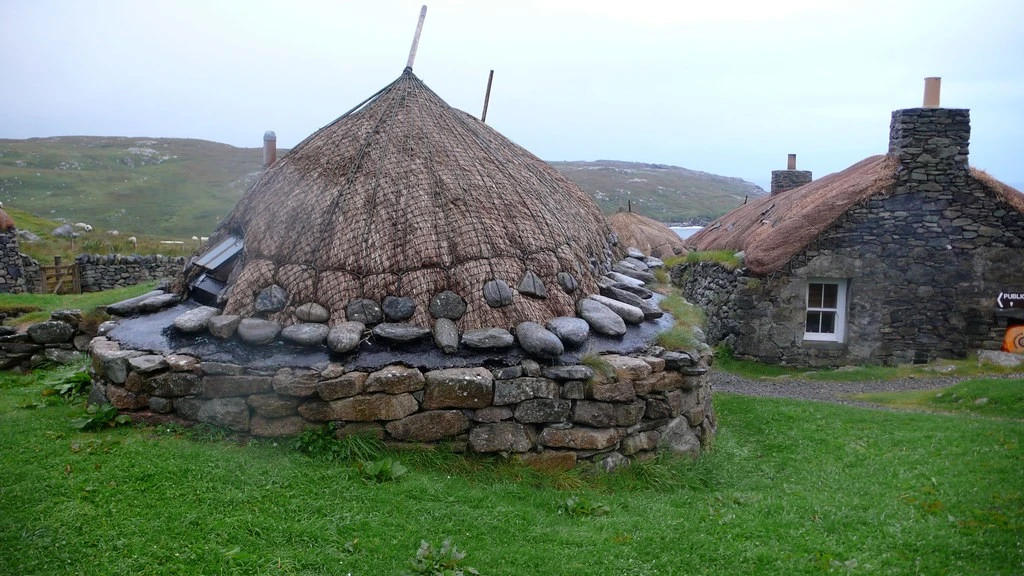
Families lived in one end of the house and animals in the other, separated by a low partition. They shared a single entrance, earthen floors, and a drainage channel for manure. 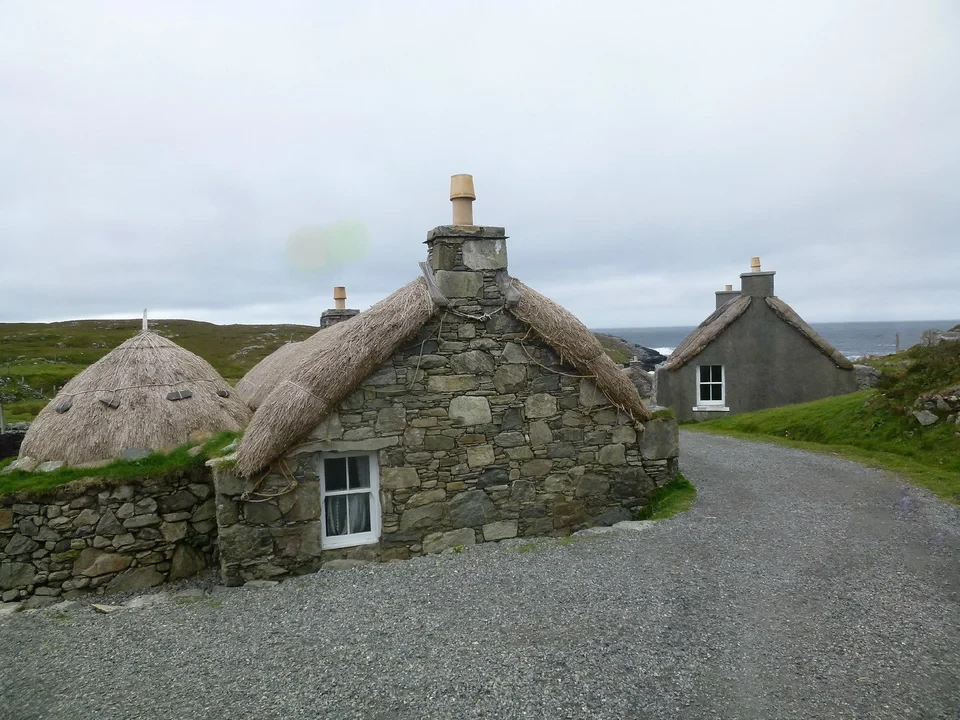
In winter, the livestock warmed the human inhabitants with their body heat, while humans gave the animals shelter from harsh Atlantic winds. Part of the building also served as a barn for storing and processing grain. 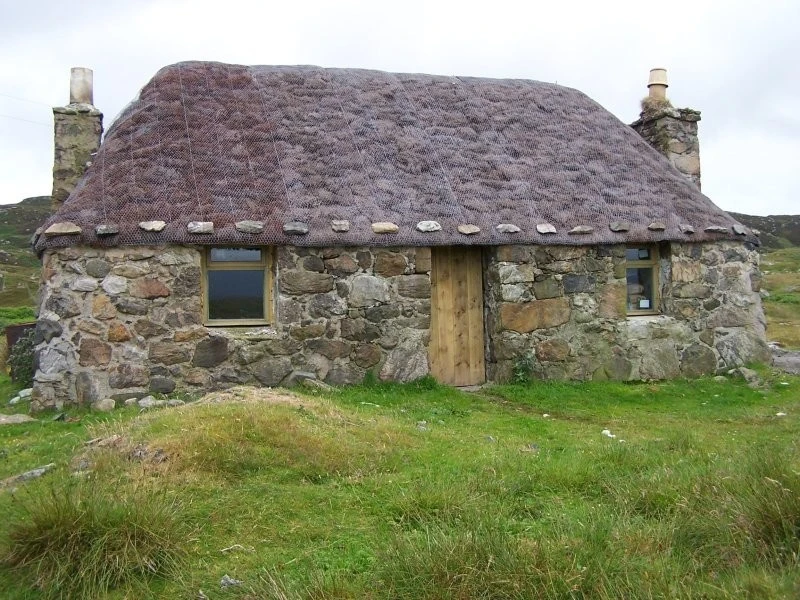
Surprisingly, the term "blackhouse" didn't originate from the soot. It emerged in the late 1800s when new homes built of stone and mortar began springing up, complete with windows, chimneys, and separate quarters for livestock. These new structures looked so bright against the old ones that locals called them "white houses"—and dubbed the traditional homes "blackhouses." 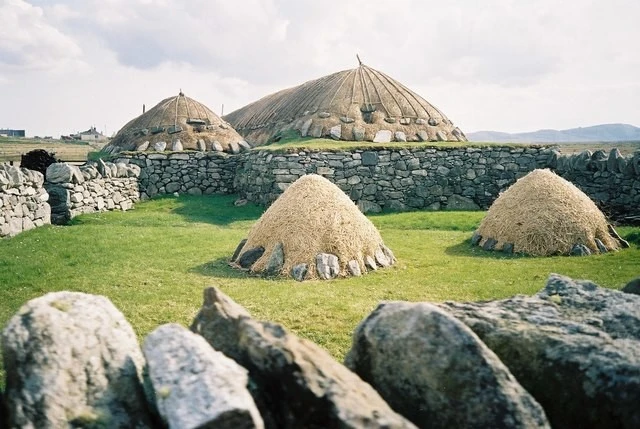
The white houses were built to meet public health regulations that required separating humans and livestock. Modern laws effectively brought an end to a thousand-year tradition of shared living. 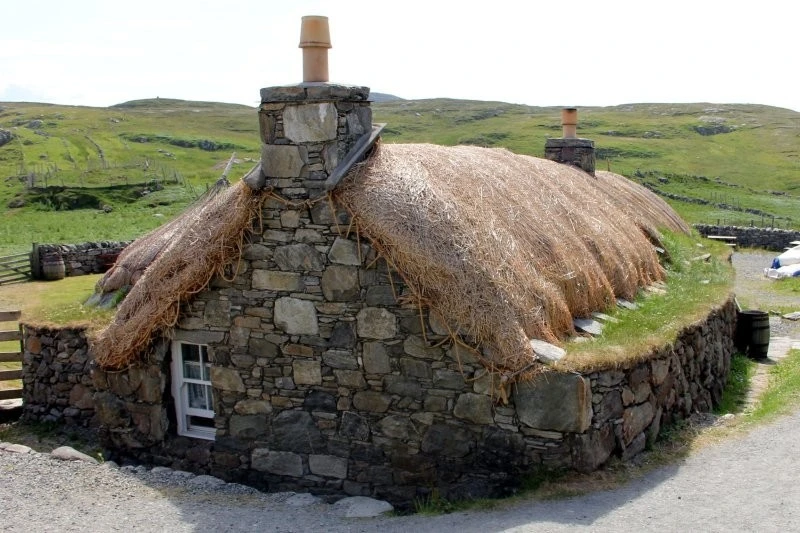
Yet remarkably, some blackhouses remained inhabited well into the 1970s. In the village of Gearrannan on the Isle of Lewis, the last residents didn't leave their traditional homes until 1974. 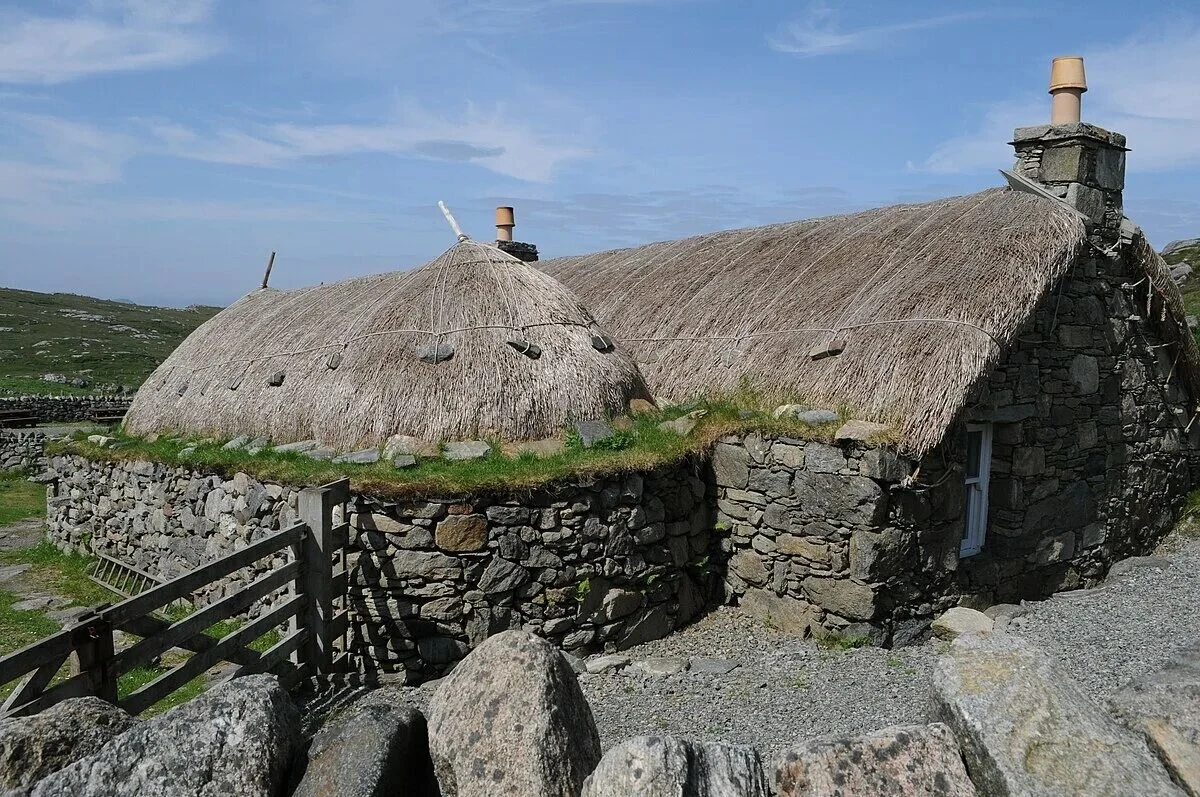
At Arnol, house No. 42 was vacated by its family in 1965 and has been preserved almost exactly as they left it. 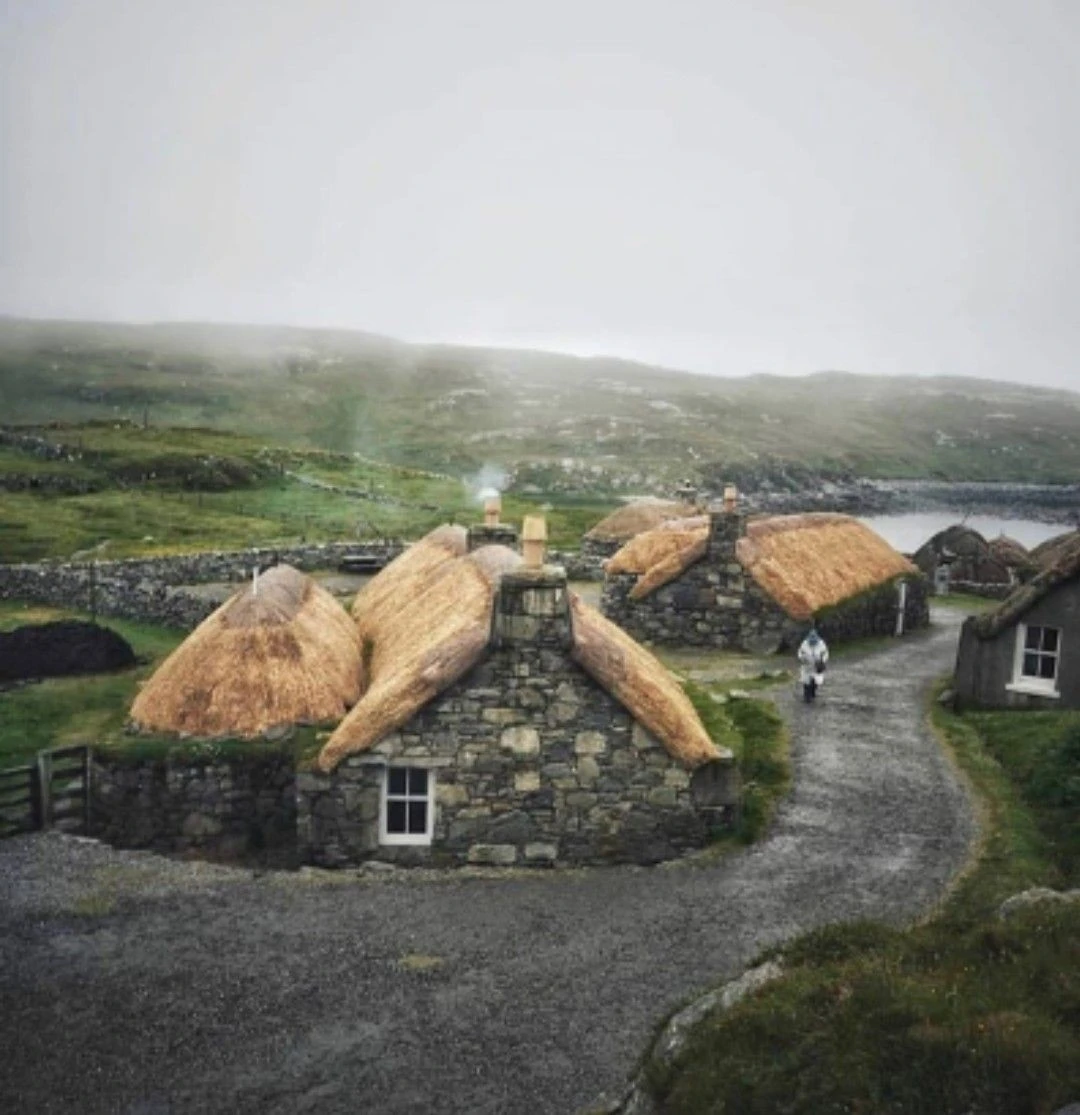
Today, surviving blackhouses serve as museums and heritage sites. No. 42 Arnol is cared for by a heritage society. Its peat fire is kept continuously lit, and inside visitors can view traditional box beds with original textiles alongside the byre, preserved just as it was abandoned in 1966. 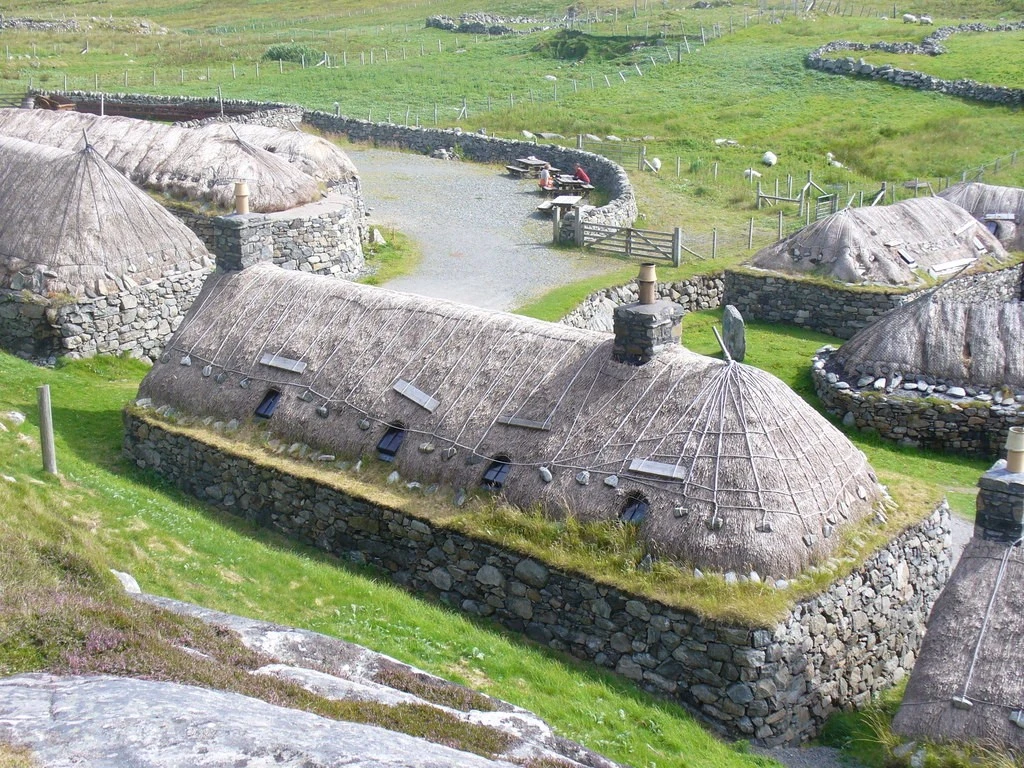
It stands as the only state-protected blackhouse preserved to reflect authentic everyday life as its occupants left it. 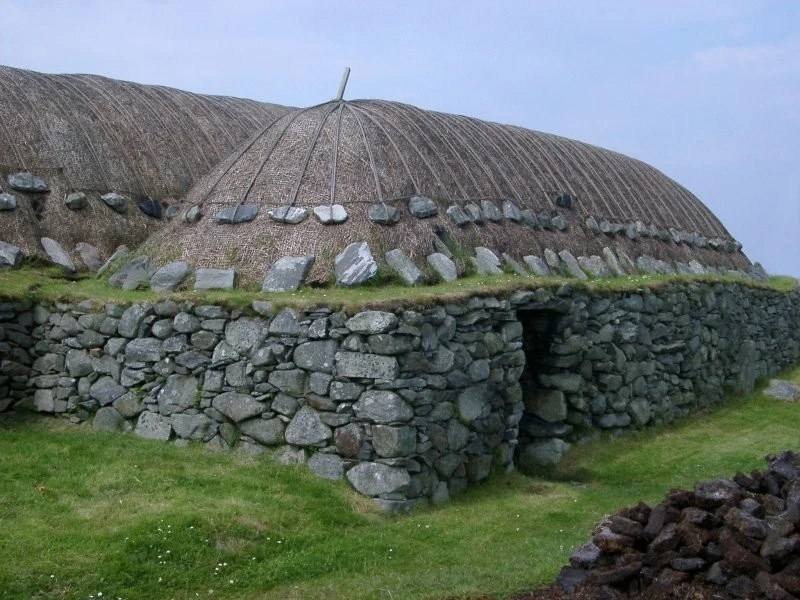
In Gearrannan, nine blackhouses have been restored. Some function as a museum showcasing the life of crofters—smallholder tenant farmers—and traditional weaving demonstrations, while others are available as self-catering accommodation offering modern comforts within historic walls. 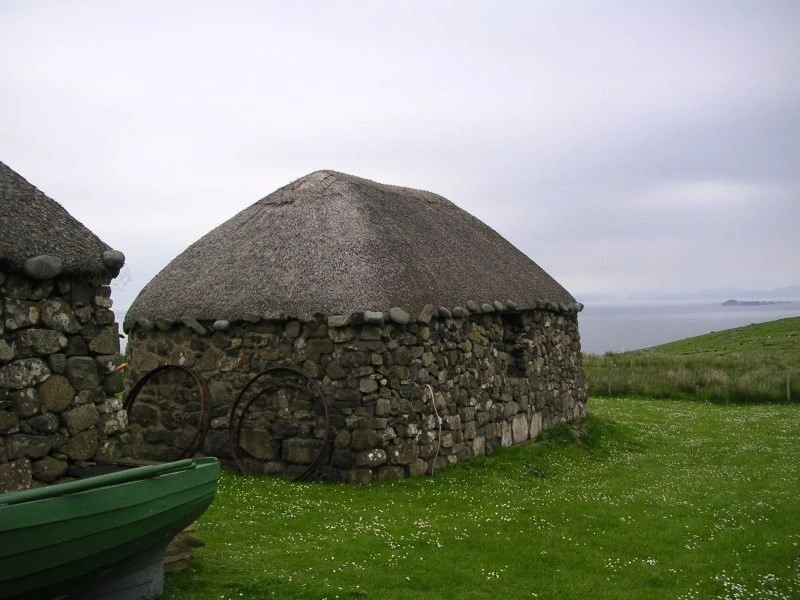
The village has become so popular that local residents worry the growing influx of tourists could alter its unique character.