Why Mars Colonists Won't Be Able to Have Sex with Earthlings: Scientists Describe How Settlers Will Evolve (8 photos)
If Martians don't exist yet, they inevitably will—at least according to Brian Cox, a physics professor at the University of Manchester. He is convinced that humans settling on the Red Planet will eventually become strikingly different from their Earth-bound counterparts due to the planet's unique environment. 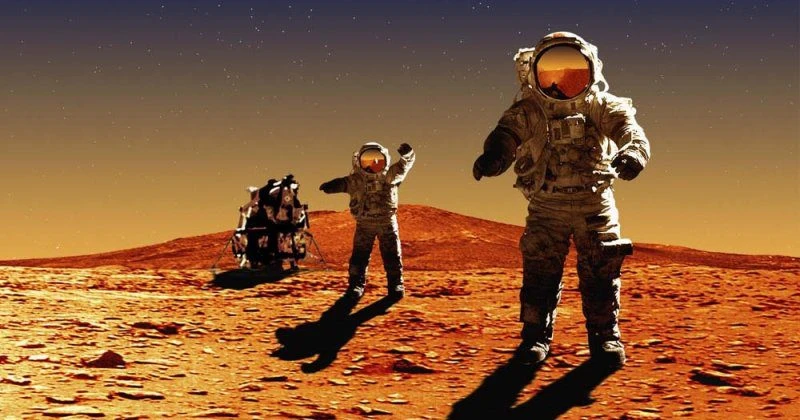
SpaceX founder Elon Musk has long been obsessed with the idea of colonizing Mars. He already has the key element in place: the Interplanetary Transport System (ITS) project, designed to establish a regular travel route to our celestial neighbor.
Under Musk’s plan, spacecraft will shuttle between Earth and Mars every 26 months, scaling the settler population to one million by 2070. Paul Davies, a professor at Arizona State University and a leading expert on the topic, is confident that only Mars—with its protective atmosphere and reserves of water, carbon dioxide, and methane—can become humanity’s second home. 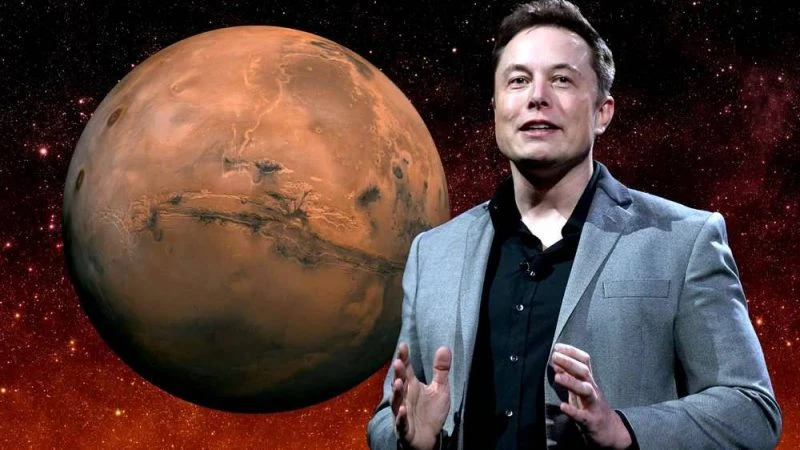
Buzz Aldrin, the second man to walk on the Moon, was among the first to champion Mars settlement. Surprisingly, there is no shortage of people willing to make the move: today, the volunteer list exceeds 300,000 applicants.
Naturally, after settling on another planet with vastly different living conditions, humans will inevitably adapt. The body and biology of Homo sapiens will undergo major shifts—settlers will lose certain traits while acquiring new ones.
Researchers believe the most dramatic changes will occur in the human skeleton, as gravity on the Red Planet is roughly one-third that of Earth. Bone density will decline by about two percent a month, leaving settlers with less than half their original bone mass after just a couple of years. 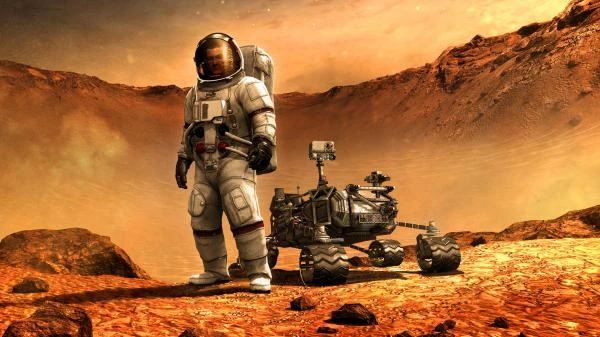
These changes will carry serious consequences, making the new Martians exceptionally prone to fractures. Over time, however, the body will adapt: bone tissue will thicken, taking on traits reminiscent of our prehistoric ancestors. These adaptations will become genetically fixed, making each subsequent generation sturdier and stockier.
To better absorb self-produced oxygen, colonists will evolve larger lungs and broader chests. Because Mars receives less sunlight due to its greater distance from the Sun, settlers will also develop larger eyes and enhanced night vision.
Body proportions will change dramatically, according to paleoanthropologist Matthew Skinner of the University of Kent. The need to hold onto objects in low gravity will lead to longer arms, while big toes may become opposable, much like those of orangutans. 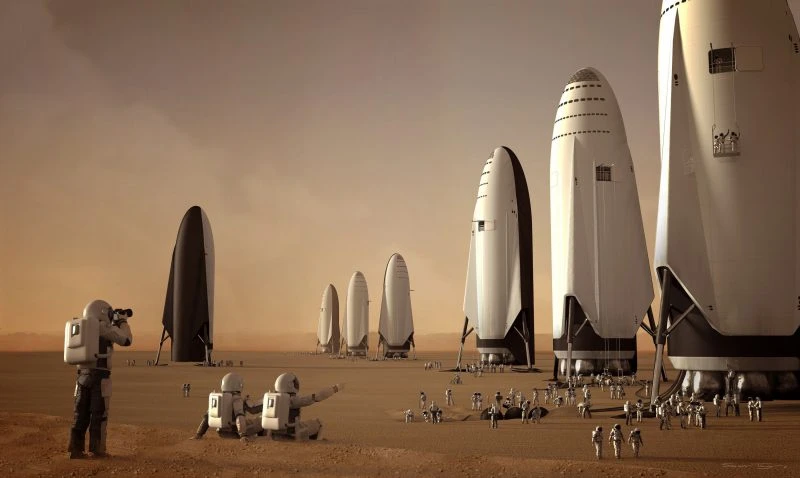
Beyond dim light and low gravity, settlers face far more lethal threats—the most serious of which is radiation. Colonists won't be able to stay underground or inside shelters indefinitely; research, construction, and resource extraction will require them to venture out onto the surface.
Scientists warn that over a 500-day stay, radiation exposure will be six times higher than the maximum allowed limit for nuclear power plant workers on Earth. Radiation will affect not only general health but also DNA. Future generations of Martians will be more prone to cancer, yet they will also gain a host of genetic mutations beneficial for surviving on Mars.
The need to shield against harsh radiation will trigger increased production of melanin, or an even darker pigment, eumelanin. Settlers won't just look tan—they will develop deep black skin, darker than that of residents in equatorial Africa. Over time, this dark pigmentation might yield to a reddish hue driven by carotenoids—orange pigments that offer superior protection against solar radiation. 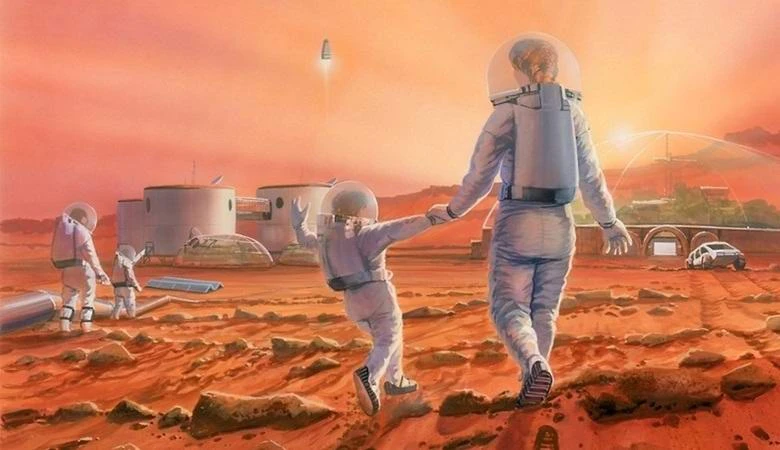
On Mars, humans will lack their usual microscopic companions—the microbes that surround us every day, helping us digest food, boosting immunity, and regulating metabolism. No native microorganisms have been found on the Red Planet, and Earth microbes are unlikely to survive for long. This means colonists risk becoming sterile, severely impacting their immunity and digestion.
Laboratory studies have shown the dangerous consequences of living in a sterile environment. Mice raised without a microbiome suffered from diabetes, asthma, and various allergies. They struggled to absorb nutrients from food, and their nervous systems developed at a slower rate.
Humans will suffer from the lack of microflora for a while, perhaps relying on specialized supplements, but evolution will eventually take over. Bacteria will adapt to the new environment, mutating under radiation exposure to acquire traits necessary for survival on Mars. 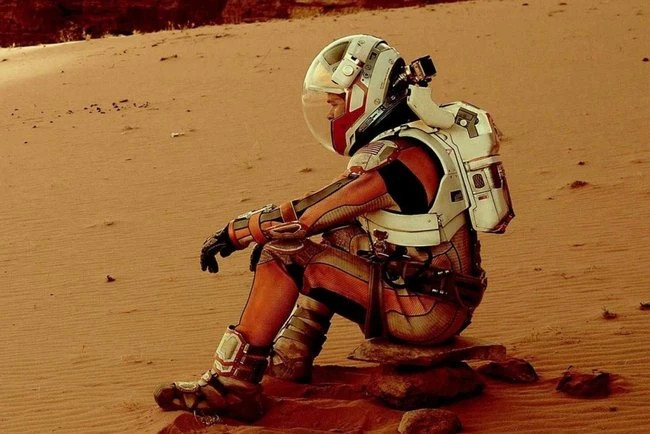
The survival challenge for microorganisms has a silver lining: residents of Martian colonies won't have to deal with infectious diseases. However, this is a double-edged sword. Deprived of exposure to pathogens, the human body will lose its immunity.
Under these conditions, interacting with new arrivals from Earth will pose a catastrophic threat. Bacteria that previously caused minor discomfort and were easily treated with antibiotics could become deadly. Sex with Earthlings will be out of the question—even a common infection like chlamydia could turn into a fatal outbreak capable of wiping out the entire colony.
Professor Scott Solomon, who studies human evolution on Mars, estimates that fully transitioning colonists into true Martian natives will take at least 6,000 years—or roughly 100 generations. 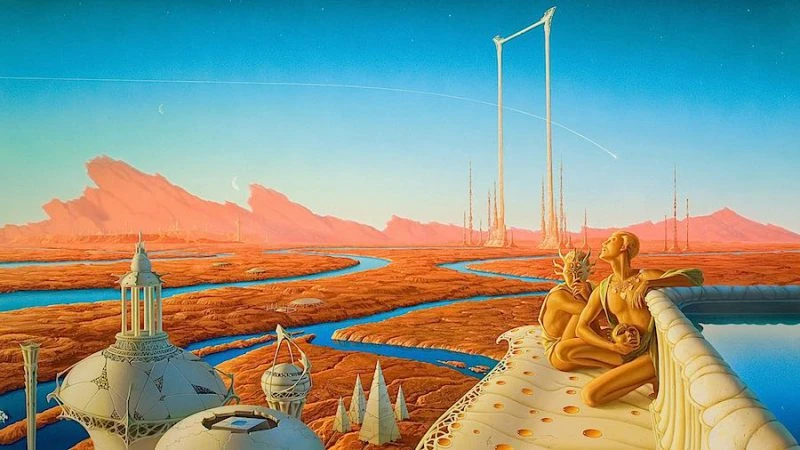
A recent scientific paper published by Brazilian and Polish researchers offered a bold forecast regarding the social life of future settlers. According to the study, the first generations of Earthlings will need to exercise extreme rigor and even pragmatic coldness to survive in the harsh alien environment.
To preserve sanity and ensure the survival of the human species, settlers may be forced to eliminate offspring with severe abnormalities and mutations. To prevent birth defects, expecting mothers will need to undergo mandatory genetic screening during the earliest days of pregnancy.
Regrettably, there may also be no place among settlers for individuals with terminal illnesses or irreversible injuries. While on Earth we can sustain patients' lives for months or even years, on Mars, society will inevitably have to let go of such members. 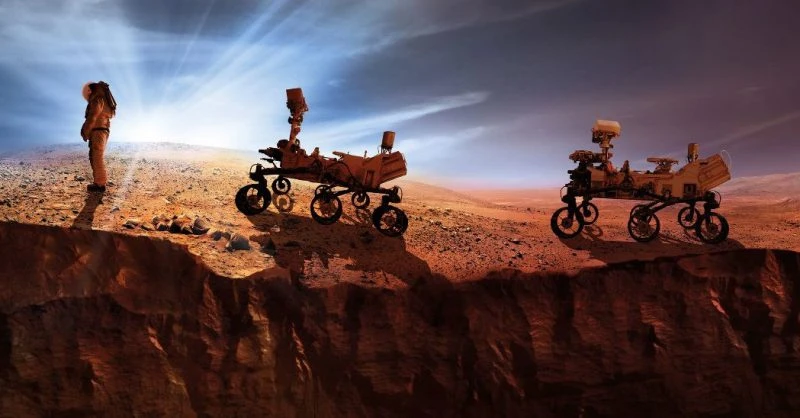
Humanistic ideals will take a back seat to collective survival, but this won't necessarily lead to societal decline, as it will only be necessary for the first dozen generations of Martians. In time, once life on the planet stabilizes and becomes less severe, society will look much like what we are accustomed to on Earth.
To accelerate adaptation on Mars, scientists have proposed various unconventional solutions. For example, at the Codex Innovation Summit in London, researchers suggested sending pre-genetically modified humans to colonize the planet.
The idea was put forward by Dr. Douglas Terrier, NASA's chief technologist. By altering human DNA in advance, Dr. Terrier aims to protect pioneers from lethal radiation during the journey and in their initial years on Mars while adaptation takes place and infrastructure is built.
For now, Earthlings are rehearsing Mars colonization right here at home—seeking out the planet's most inhospitable corners to simulate extreme conditions, hardships, and extra challenges for maximum realism.