Tofu: The Food Created for the Dead That Won Over the World (6 photos)
The debate over whether tofu can truly be called a cheese has been raging for years. After all, does a food containing not a single drop of milk belong in the noble family of dairy products? Rather than settling that debate, let’s explore how tofu originated and why food lovers around the globe came to adore it. 
Tofu boasts an ancient history, dating back roughly 2,000 years to China’s Han Dynasty. Legend has it that the bean curd was invented by accident when a soybean mixture was combined with sea salt, causing it to curdle. Creation of the dish is often credited to Prince Liu An, though whether he actually invented it remains up for debate. 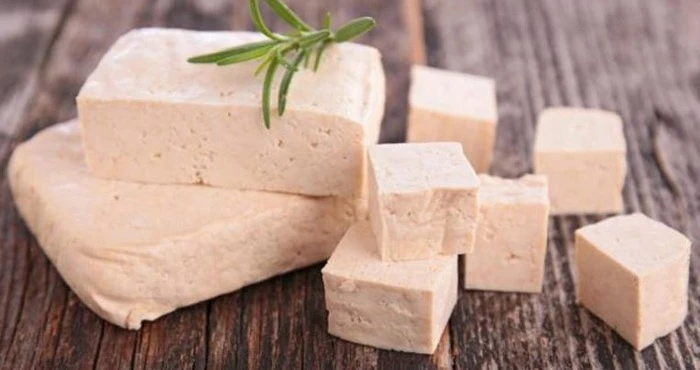
In ancient China, it was common practice to attribute major achievements to monarchs and royal family members, so the emperor's relative may have had nothing to do with it. Historians lean toward the theory that the Chinese adapted cheesemaking techniques from their northern neighbors, the Mongols, applying the method to soybean paste.
In China, tofu is not just a popular staple—it is also a traditional ritual food. Much like memorial grain dishes served at wakes in Eastern Europe, tofu is traditionally served to honor the deceased. This soft plant-based curd was chosen because, according to local folklore, spirits lack jaws and can only consume soft foods.
Today, tofu is no longer exclusively made from soybeans. Modern variations are crafted from peanuts, chickpeas, almonds, and even chicken eggs. Despite differences in ingredients and preparation, these creations still share the name "tofu"—though the exact criteria for earning this ancient title remain somewhat vague.
How Tofu Is Made
It might sound surprising, but classic tofu is indeed made from milk—soy milk, that is. The liquid transforms into curd through coagulation, a process that can be triggered in a few different ways. 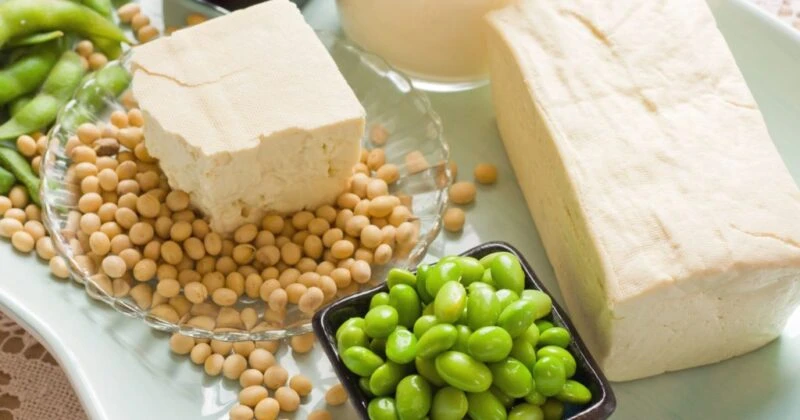
Producers use three types of coagulants: salts, acids, and enzymes. As a result, tofu can vary in flavor, texture, and aroma. Regardless of these variations, tofu remains a soft, pale-colored food ranging from off-white to cream. Most varieties also feature a subtle, signature bean flavor, though it is not always present.
Clearly, there are plenty of reasons to call tofu a cheese. Even though animal milk is absent from the recipe, the production process closely mirrors traditional cheesemaking, and the final appearance is strikingly similar.
The Health Benefits and Risks of Tofu
Tofu has millions of fans worldwide, far beyond Asia. It is especially prized by vegans and health-conscious eaters. And for good reason: researchers have found that regular tofu consumption can help lower the risk of cardiovascular disease. 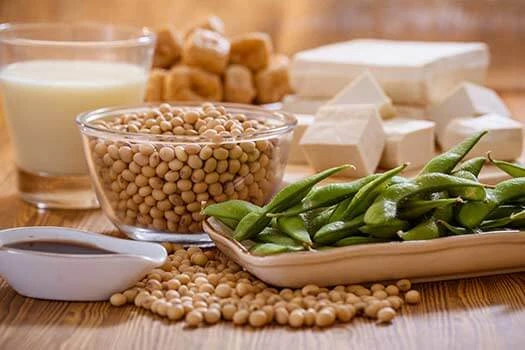
Tofu also helps manage cholesterol levels, primarily as a healthy substitute for animal proteins in the diet. Compounds found in soy, such as genistein and isoflavones, act as potent antioxidants that may help protect cells from cancerous mutations.
Tofu is particularly recommended for older women. Soy isoflavones help combat bone loss and boost bone density during menopause. Furthermore, a 2017 study suggested that bean curd benefits people with Alzheimer's disease. The lecithin in tofu promotes the production of phospholipids and phosphatidic acid, supporting the nervous system against neurodegenerative decline.
However, tofu is not without its drawbacks. For starters, much of the soy used in commercial production is genetically modified. Additionally, processors often use hexane—a chemical solvent—to extract soybean oil. If you strictly avoid GMOs or chemical additives, conventional tofu might not be the right choice for you. 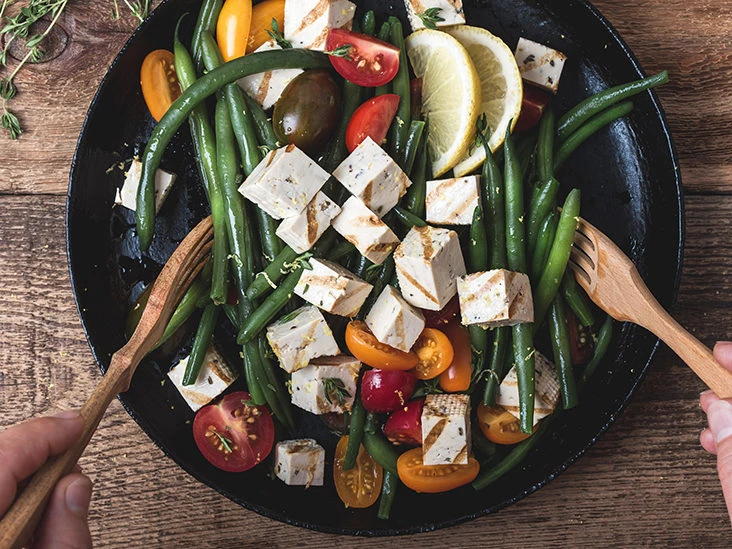
Endocrinologists also advise men over 40 not to overindulge in tofu. Soybeans contain phytoestrogens, which can exert estrogen-like effects on the body—especially when natural testosterone levels begin to dip. Heavy consumption could potentially contribute to gynecomastia, though it is by no means an inevitable outcome.
Yet, if you assume regular cheese is inherently safer, think again—much of today's mass-produced dairy cheese pales in comparison when it comes to raw health benefits.
Culinary Uses for Tofu
Tofu is an extraordinarily versatile ingredient that can be eaten on its own or incorporated into complex dishes. It frequently stars in healthy salads paired with quinoa, kale, or spinach. In Japan, China, and Korea, tofu is fried, smoked, and even pickled. Thanks to its neutral flavor profile, it absorbs spices beautifully, transforming into sophisticated gourmet creations. 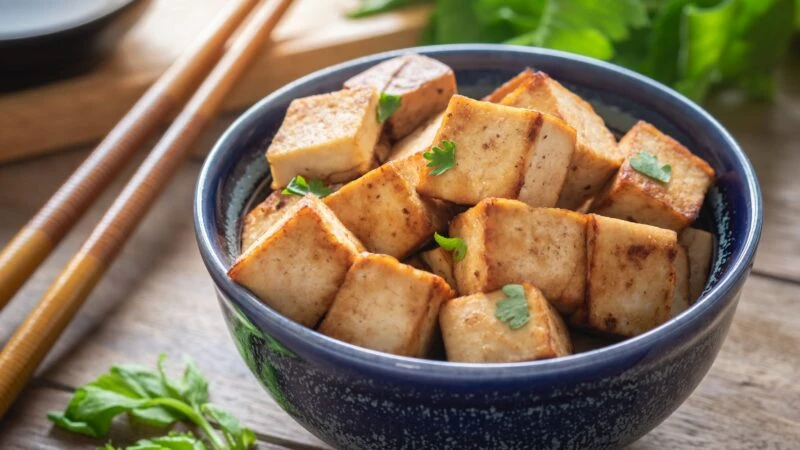
Pair tofu with onions, garlic, or spicy chili paste, and you will see it in a whole new light. Prefer something sweet? Try serving soft tofu as a dessert topped with jam, raisins, or sugar. It can also be whipped into savory spreads, turned into pan-fried patties, or used as a delicious vegetarian filling for dumplings.