The Story of Jeanna Giese: The Girl Who Survived Rabies (14 photos)
When 15-year-old Jeanna Giese picked up a dying bat off the floor of a church, she had no idea that just weeks later doctors would effectively hand her a death sentence. Rabies is 100% fatal once symptoms appear. Yet this American teenager became the first person in the world to survive the disease without prior vaccination. Her story reshaped how medical science views the deadliest infection on Earth. 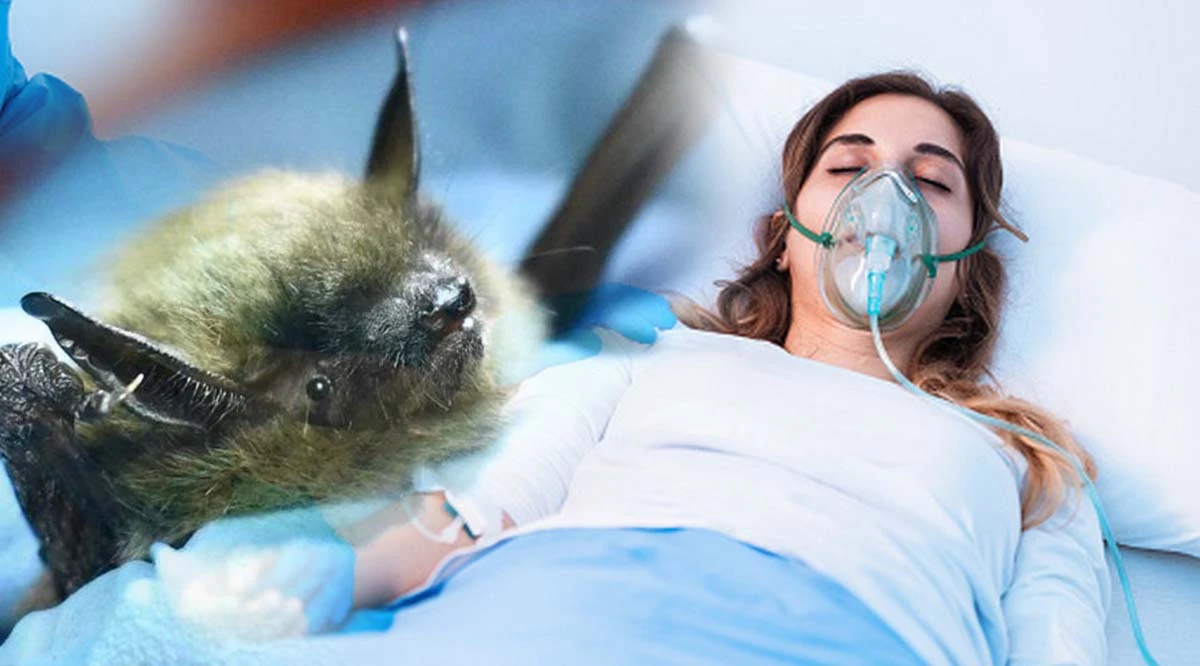
A Minor Incident That Changed Everything
On September 12, 2004, a routine Sunday service at St. Patrick’s Church in Fond du Lac, Wisconsin, became the starting point for a story that would later capture global attention. That morning, 15-year-old Jeanna Giese attended church with her mother, just as she did every Sunday. 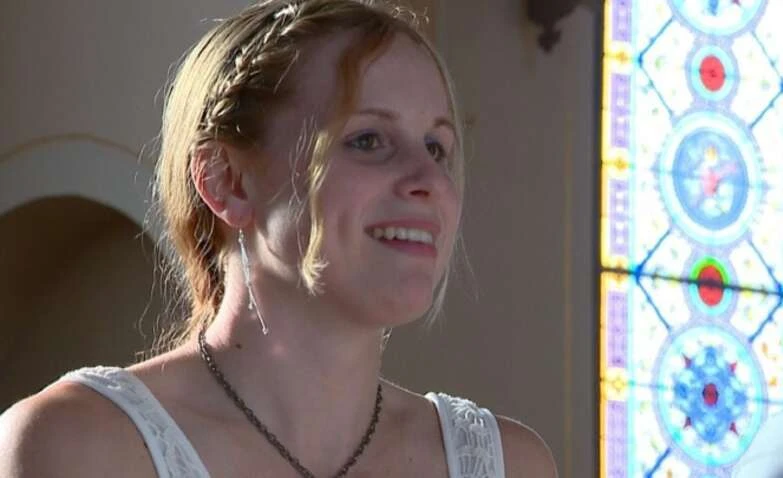
Jeanna Giese
During the sermon, a small bat fluttered high under the vaulted ceiling. It darted back and forth until a church usher managed to swat it to the ground. The creature landed right near Jeanna’s feet. Always an animal lover, she asked her mother if she could carry the helpless creature outside. But as she tried to place the bat onto a tree trunk, it bit her on the left index finger. 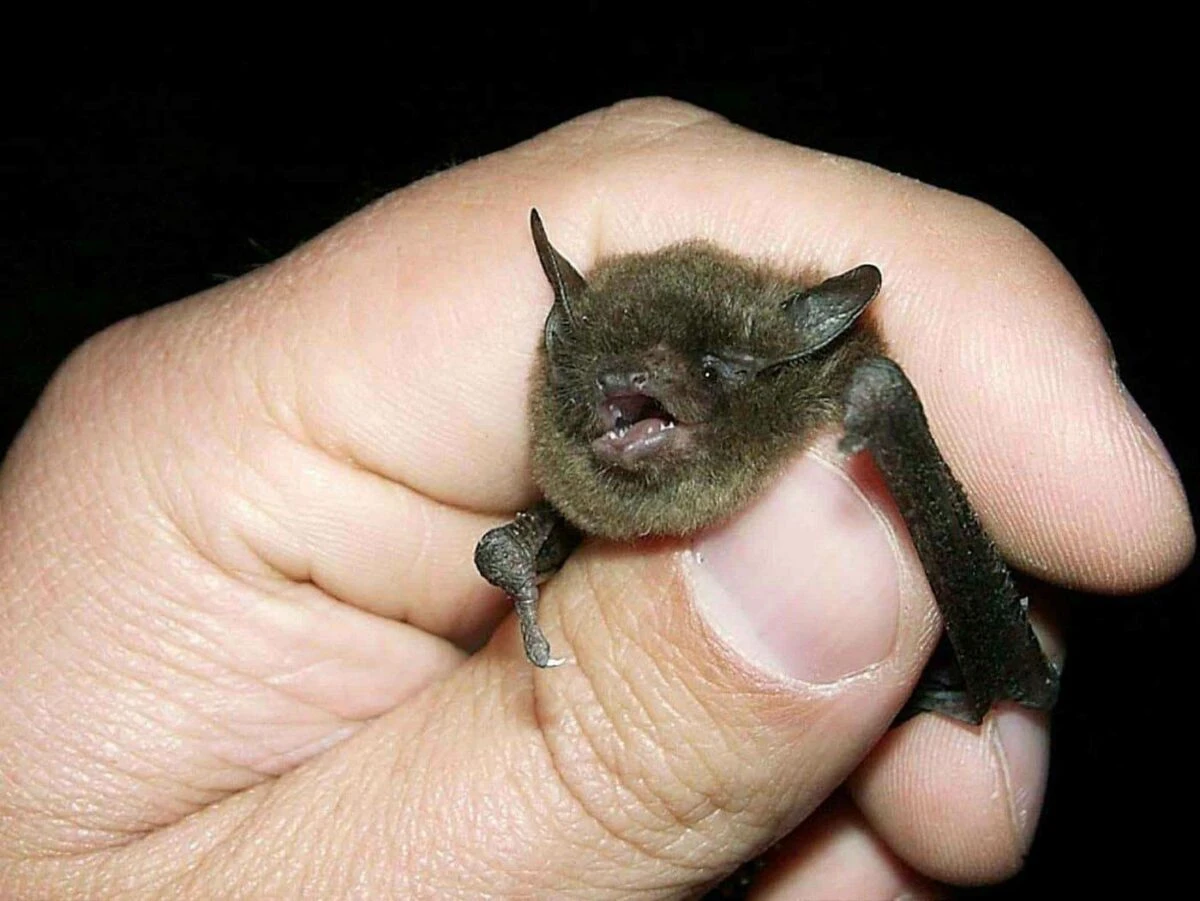
The bite was tiny. Her parents cleaned the small wound with hydrogen peroxide and saw no need to seek medical care. No one could have imagined that this minor scratch would trigger a sequence of events destined to redefine medicine’s understanding of the world's deadliest virus.
A Terrifying Diagnosis
Thirty-seven days after the bite, the first alarming signs emerged. At first, Jeanna experienced unusual fatigue and a tingling sensation in her bitten hand. Her condition quickly deteriorated: her vision blurred, she lost coordination, and severe nausea and vomiting set in. One morning, Jeanna simply couldn't get out of bed. 
Children's Hospital of Wisconsin
She was rushed to St. Agnes Hospital in Fond du Lac. Doctors ran a battery of tests, checking for meningitis, Lyme disease, and other illnesses, but every test came back negative. As severe tremors set in and she could barely walk, physicians decided to transfer her to Children's Hospital of Wisconsin in Milwaukee. There, samples were collected and sent for emergency testing to the Centers for Disease Control and Prevention (CDC) in Atlanta.
The result shocked everyone: on October 19, 2004, tests confirmed rabies. It was effectively a death sentence, leaving doctors with little choice but to manage her pain and comfort her in her final days. Jeanna was placed in an isolation ward to await the end—or so everyone thought.
A Disease with a 100% Fatality Rate
Rabies is rightfully considered one of the most terrifying diseases in human history. Once clinical symptoms appear, the survival rate drops to virtually zero. The virus operates with devious stealth, traveling through the nervous system undetected for anywhere from a few days to an entire year. 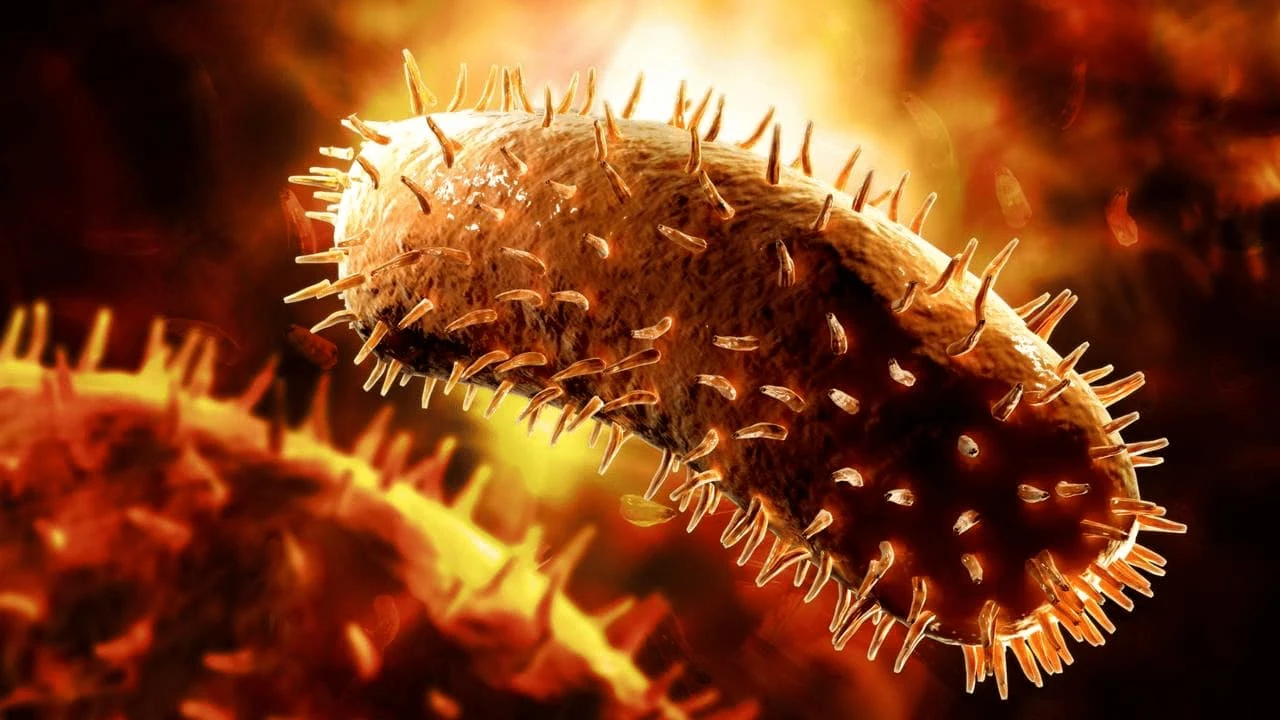
Rabies virus
Once the pathogen reaches the brain, the real nightmare begins. The virus doesn’t destroy brain tissue directly, but it disrupts the brain's ability to regulate vital bodily functions, including breathing and heart rate. One of its most notorious hallmarks is hydrophobia. The virus triggers agonizing throat spasms when the patient attempts to swallow—or even looks at water—because fluids dilute the viral concentration in saliva, hindering transmission. 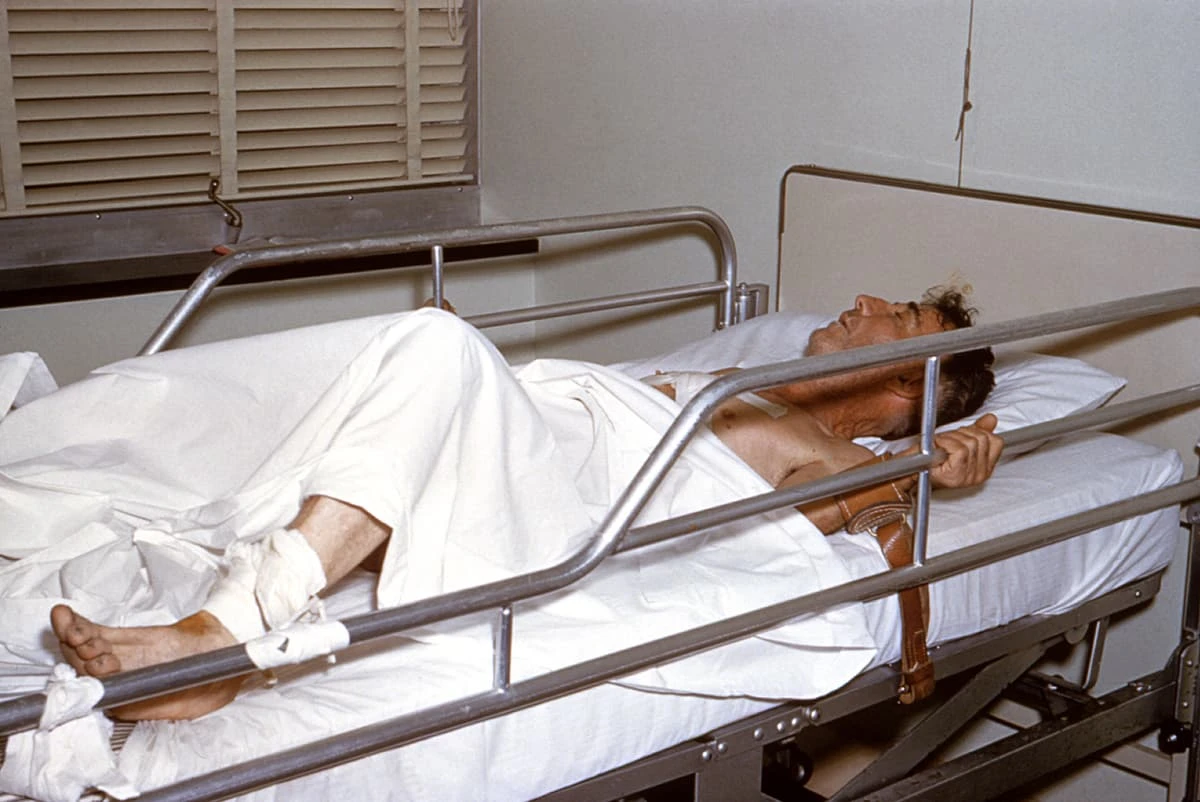
A dying rabies patient strapped to a bed
While a rabies vaccine exists and is remarkably effective, it only works if administered before symptoms appear. By October 2004, vaccination could no longer save Jeanna; it was simply too late. Her care team faced a stark choice: comfort the teenager until the inevitable end, or attempt something radically unprecedented.
A Slim Chance at Survival
Jeanna’s attending physician, Dr. Rodney Willoughby, decided to take a gamble. A pediatric infectious disease specialist, he was new to the hospital—Jeanna was only his second patient there. Dr. Willoughby proposed an experimental treatment to her parents that had never been tried on rabies before. His theory was both elegant and bold: if the virus kills by forcing the brain to overload the heart and lungs, temporarily shutting down brain activity could buy the immune system precious time to produce protective antibodies. 
Dr. Rodney Willoughby
Her parents agreed. Knowing they had nothing left to lose, they grabbed onto even the slimmest ray of hope, comforted at least by the fact that an induced coma would spare their daughter excruciating pain. On October 18, 2004, doctors placed Jeanna into a medically induced coma using midazolam and ketamine, while also administering antiviral drugs, ribavirin and amantadine. The days that followed were the most agonizing of her family’s lives. No one knew if she would ever wake up—or if she would still be herself if she did.
Seven days in, tests revealed rabies antibodies in her blood, signalling that her immune system was mounting a response. After 12 days in a coma, doctors began bringing her out of sedation. When Dr. Willoughby asked her to look at her mother, Jeanna shifted her gaze. "She's still in there," the medical team noted with immense relief. 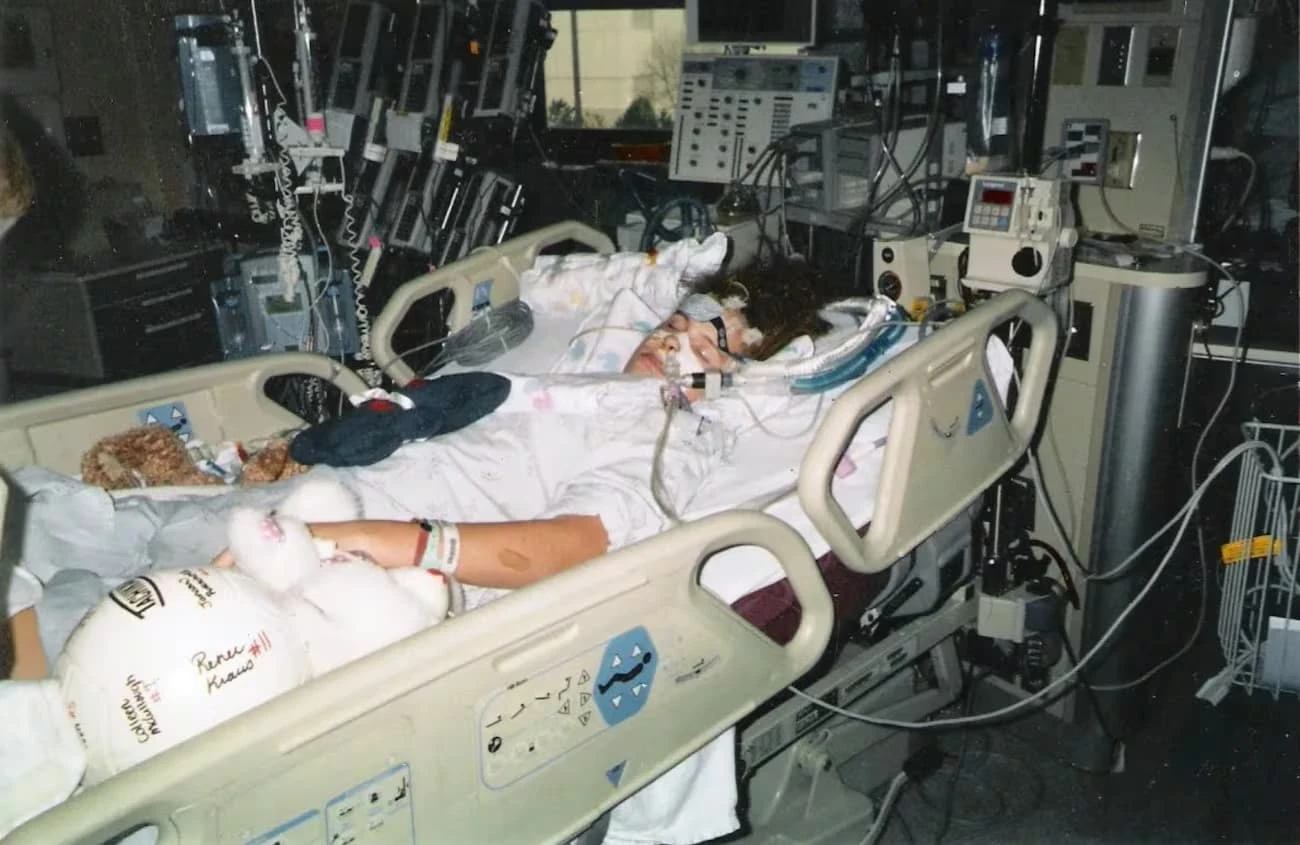
Jeanna Giese in a medically induced coma
After 31 days in the hospital, tests confirmed that the virus was gone. Jeanna Giese became the first person in recorded history to survive symptomatic rabies without receiving pre- or post-exposure vaccination.
The Long Road to Recovery
Conquering the virus was only the beginning. Jeanna had to relearn how to live. Although the infection was cleared, the disease had severely damaged her nervous system. At 15 years old, she was essentially left in the condition of a newborn—unable to walk, speak, or coordinate basic motor functions. It would take months of intensive physical, occupational, and speech therapy. 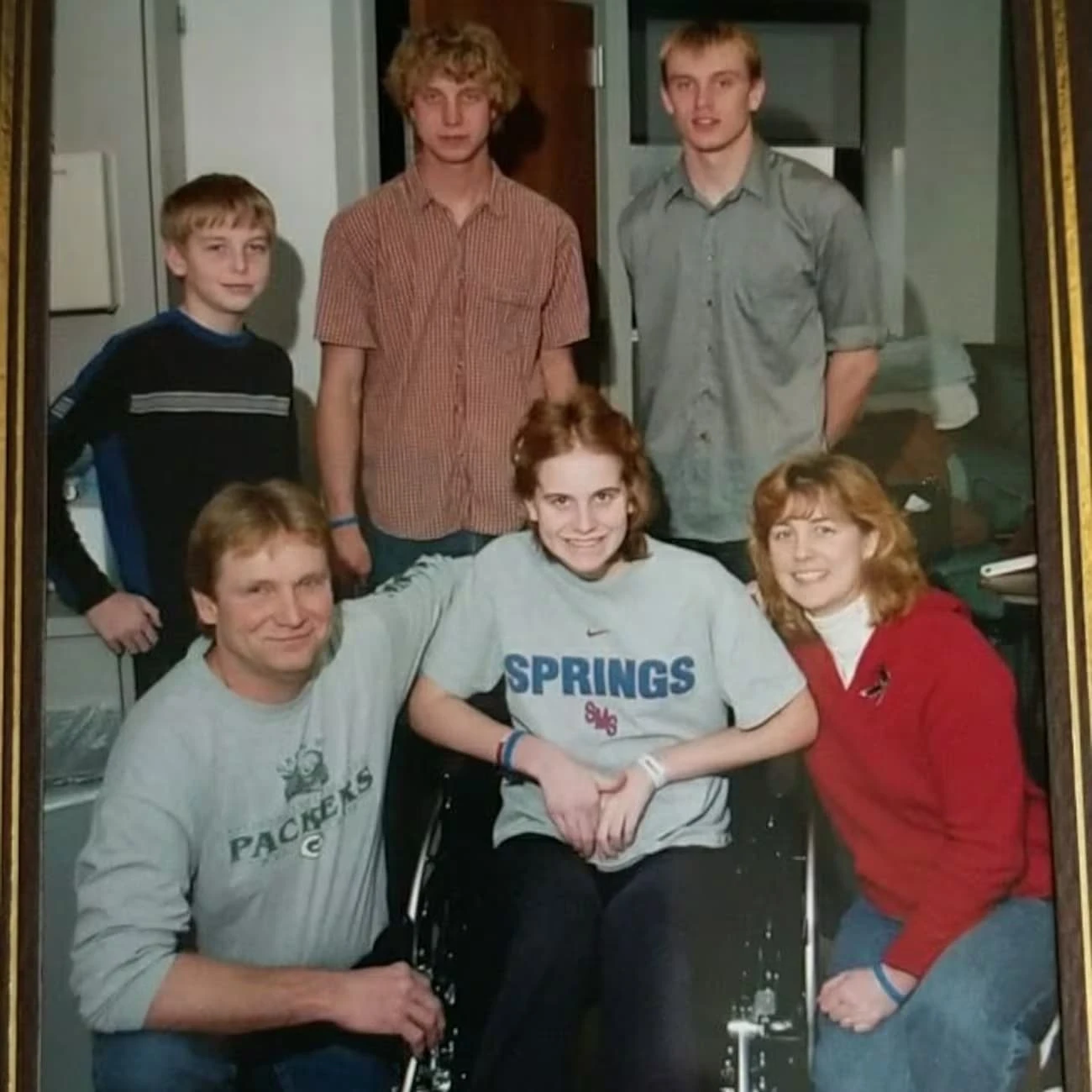
Jeanna Giese spent months recovering in the hospital
On January 1, 2005, Jeanna finally left the hospital, clutching a stuffed animal given to her by Dr. Willoughby. Yet a full recovery was far from guaranteed. No one could say for sure whether she would ever regain her former life. For six months after her discharge, she took tetrahydrobiopterin, a medication designed to aid neurological recovery.
Jeanna essentially had to relearn how to walk, talk, and use her hands. The painstaking process took nearly two years, but she and her family persevered. 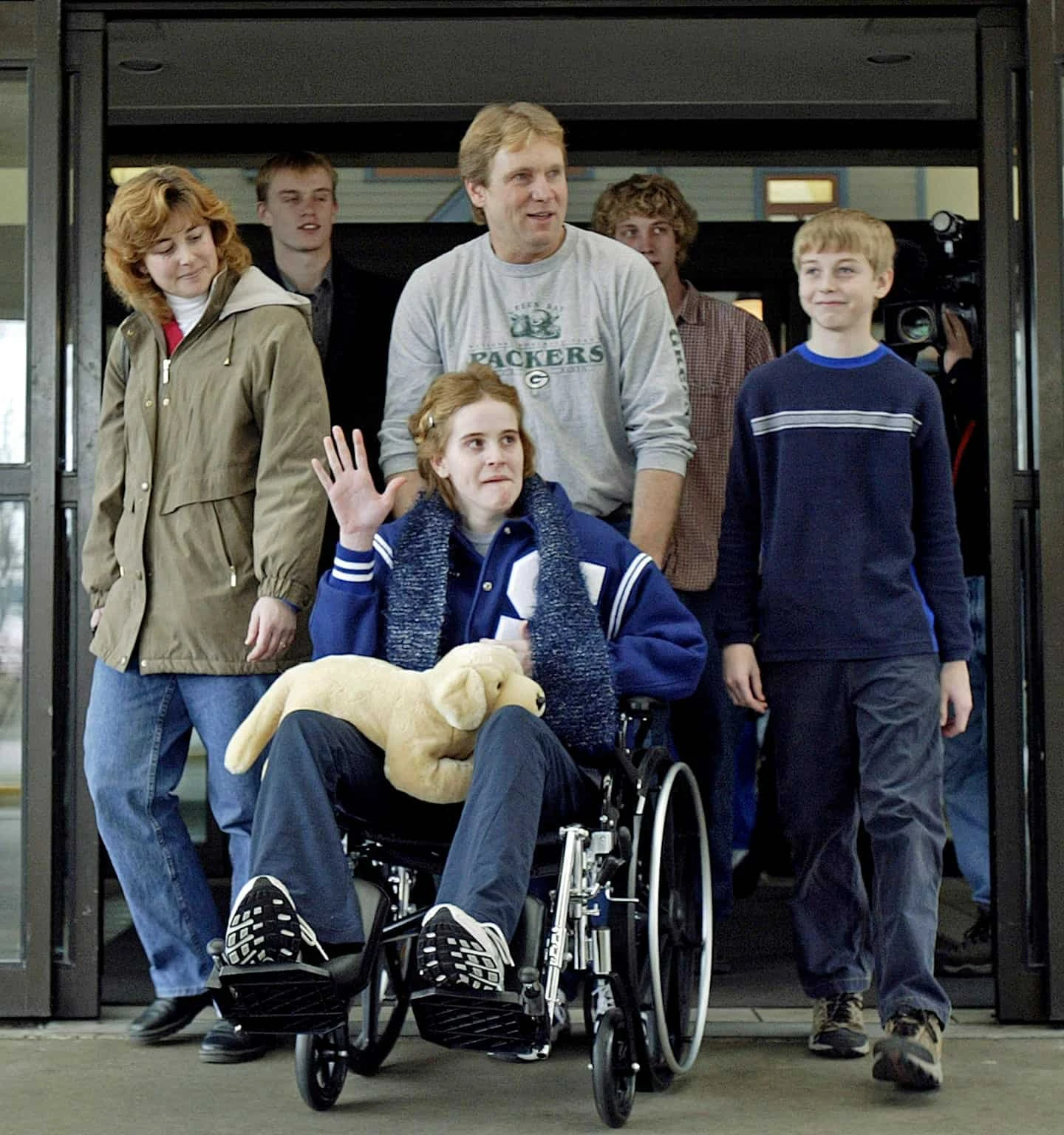
"The road to recovery was very long and painful. I just don't give up—I guess that's my natural stubbornness," Jeanna later recalled.
Step by step, she rebuilt her physical skills. While she was left with lingering neurological deficits—most noticeable in her speech—her cognitive abilities remained virtually intact.
Life After the Miracle
Jeanna returned to high school, requiring special accommodations and academic support. Despite the immense hurdles, she graduated alongside her classmates in 2007, standing proudly among her peers at prom. 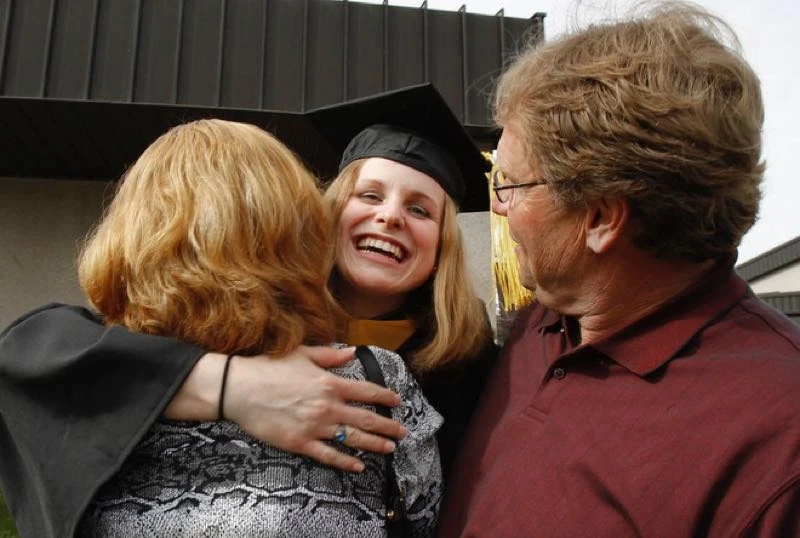
Jeanna’s story made headlines worldwide, and the regimen developed by Dr. Willoughby became known as the Milwaukee Protocol. For thousands of years, rabies had been an incurable death sentence, but now medical science had opened a glimmer of hope.
Jeanna didn't just survive; she went on to build a rich, fulfilling life. She earned a college degree in biology, got married, and became a mother of three. Today, she works at the Fond du Lac Children's Museum, raises her family, and frequently speaks at international rabies awareness conferences in partnership with the Global Alliance for Rabies Control and the World Health Organization (WHO). 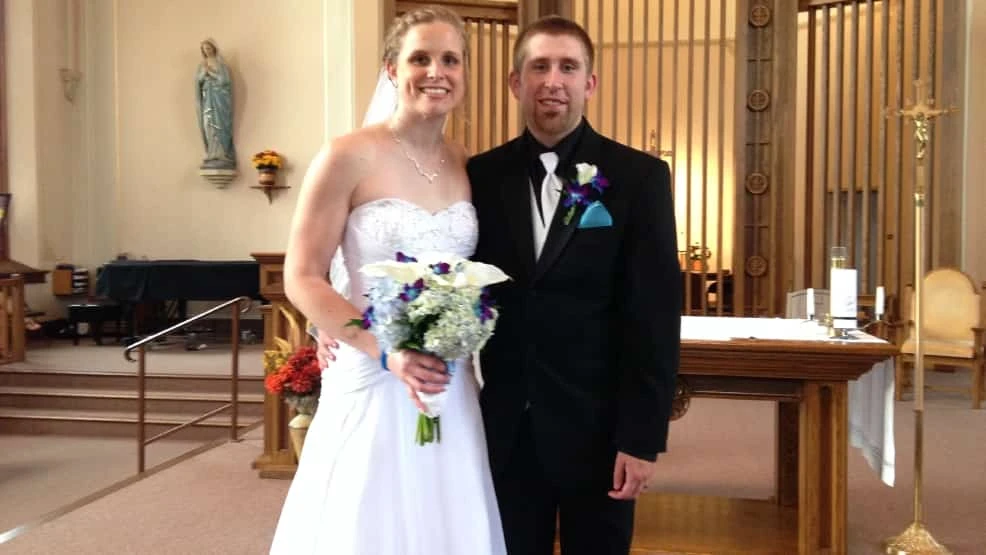
Jeanna Giese's wedding
In 2024, Jeanna marked the 20th anniversary of her survival. She leads a vibrant life and still loves animals—even bats, despite everything she endured because of one.
"It feels almost surreal to think it's been 20 years. Contracting rabies changed my life completely," she says.
A Controversial Legacy and Hope for the Future
The Milwaukee Protocol remains deeply controversial within the medical community. Following Jeanna's miraculous survival, doctors attempted the regimen on numerous other rabies patients worldwide. Depending on the study, reported survival rates range between 14% and 25%. Many attempts ended tragically, such as in 2006 when physicians failed to save 16-year-old Zachary Jones and 10-year-old Shannon Carroll in Texas. 
Jeanna Giese today
Some experts argue that Jeanna’s survival was due less to the medical intervention and more to unique circumstances—perhaps she contracted an attenuated strain of the virus, or possessed an extraordinarily resilient immune system. Testing this hypothesis was impossible, as the bat that bit her was never recovered.
Additionally, the treatment costs around $1 million per patient, placing it out of reach for healthcare systems in many developing nations where rabies is most prevalent. Moreover, most survivors face profound long-term neurological damage. Today, the protocol is viewed more as a measure of last resort than a standardized cure. 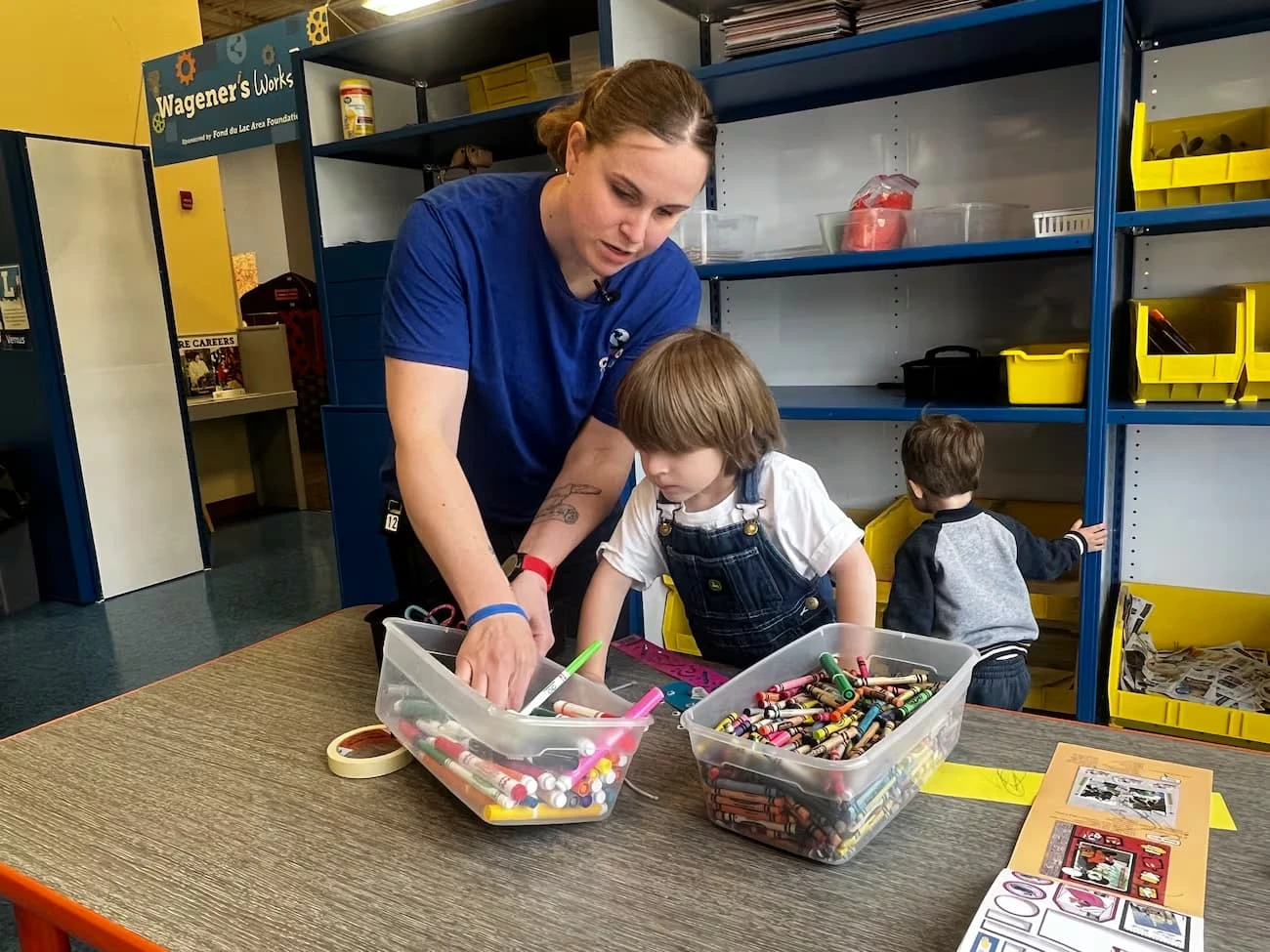
Jeanna working at the Fond du Lac Children's Museum
Even so, Jeanna Giese’s case demonstrated that even the world’s deadliest disease is not entirely unbeatable. Her story inspired researchers to continue pursuing rabies therapies and brought hope to thousands worldwide. Today, scientists are developing diagnostic tests aimed at identifying patients whose immune systems can rapidly produce antibodies against the virus.
Yet the primary lesson remains clear: prevention is the best defense against rabies. Anyone bitten by a wild or stray animal must seek medical care immediately. Post-exposure prophylaxis administered before symptoms develop offers a virtually 100% survival rate.
Jeanna Giese's story is not only a rare medical miracle, but also a poignant reminder of how fragile the line between life and death can be. Do you view cases like hers as extraordinary luck, or as proof that even "incurable" diseases will eventually be conquered by science? Share your thoughts in the comments below.