Why People in the East Preferred Upturned Shoes (5 photos)
Pointed, upturned shoes might look like the eccentric whim of court dandyism, but in ancient times, even the oddest wardrobe choices served a practical purpose. Footwear with sharp, curled toes was worn everywhere from India to Mongolia, and Egypt to Turkey, before eventually finding its way into the royal courts of Europe. Yet every culture had its own reasons for embracing the trend. 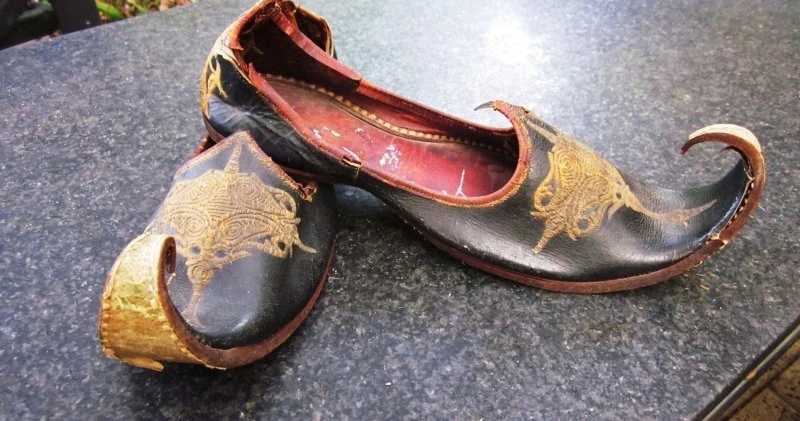
Curved for Function, Not Just Fashion
Historians often trace these shoes back to Buddhist regions. In *A History of Costume*, Wolfgang Bruhn notes that upturned footwear emerged around the same time across India, Mongolia, Buryatia, and Kalmykia—all regions deeply influenced by Tibetan Buddhism. In fact, religion offers a clear explanation for how these shoes were designed. 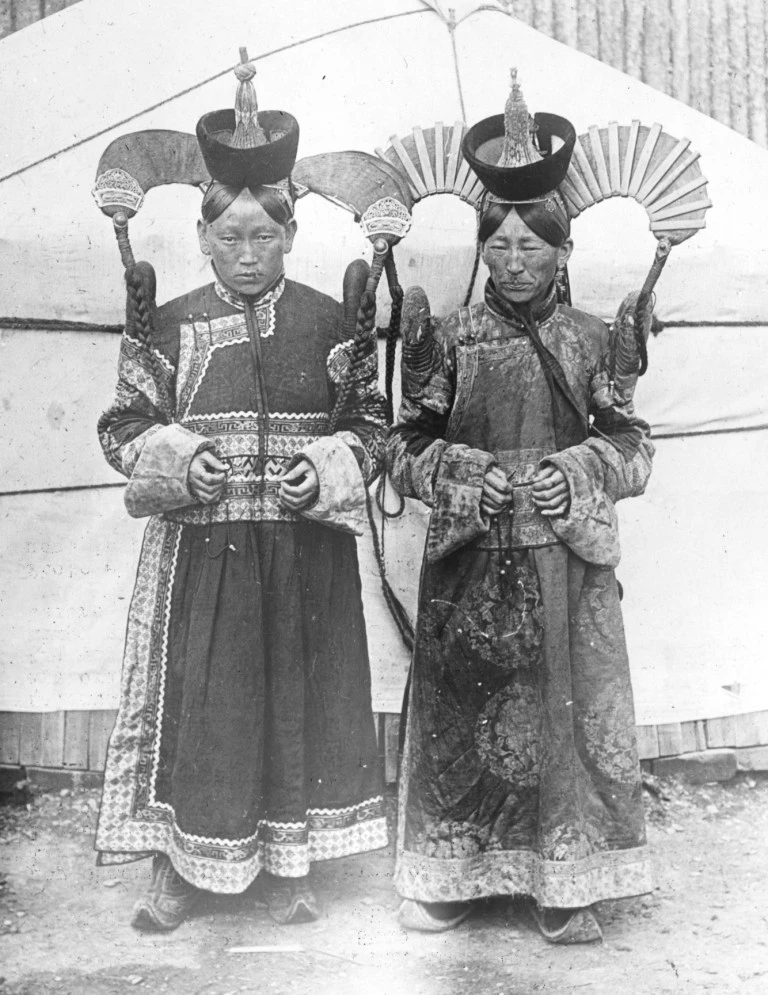
Mongolians in traditional dress: boots with curled toes were not decorative flair, but an essential piece of a rider's gear.
The combination of a soft sole and an upturned toe allowed wearers to walk without trampling the grass. Since Buddhists believed in reincarnation—where any tiny insect could be a reborn soul—some monks attached small bells to the tips of their shoes. The gentle jingling warned small creatures of their approach.
Upturned toes also solved everyday problems. They kept sand from kicking up into the shoe while walking and prevented the toes from catching on plush carpets—a crucial benefit in Eastern cultures where rugs covered every floor. For horsemen, the pointed shape made it easy to slip a foot into a stirrup, while ensuring it would slide out smoothly in the event of a fall. A small heel provided extra stability in the saddle, while hunters favored the design because the curved toe fit snugly into ski bindings.
Different Lands, Different Uses
Across different regions, the distinct toe shape served unique needs. In Egypt, sand was the primary nuisance, filling sandals with every step—making a raised toe an easy fix. In Central Asia, sand was equally problematic, but wearers also had to contend with long-pile palace carpets that were easy to trip over. 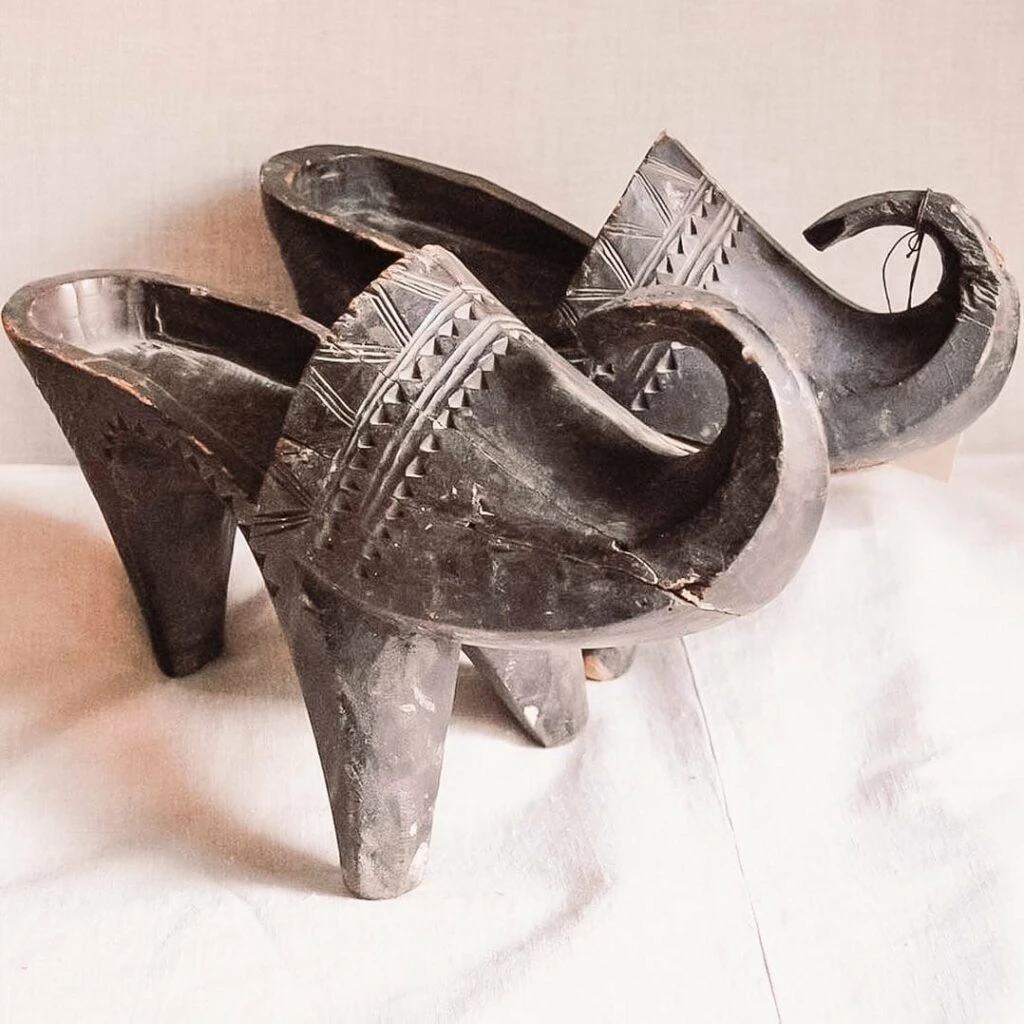
Eastern shoes with dramatically upturned toes: the wealthier the owner, the more intricate the embellishment.
In Ottoman Turkey, traditional billowing trousers added another complication, as wide hems frequently got caught under standard shoe toes. Pointed footwear offered an elegant solution, as the upturned tip smoothly guided the loose fabric out of the way. It was a rare design that tackled multiple practical problems at once.
A Status Symbol for the Elite
As upturned boots spread across Asia, they gradually became a mark of high social standing. After all, only the wealthy had to worry about riding horses or preserving expensive carpets; the poor had neither stirrups nor rugs. Consequently, this footwear was largely worn by the military elite and wealthy urbanites. 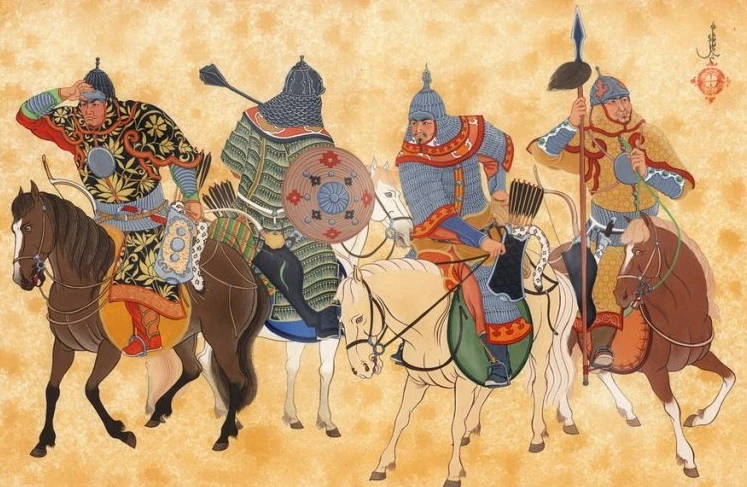
The trend caught on in medieval Rus as well. Ancient illustrations and icons depict nobility wearing boots with turned-up toes and distinct heels. This was hardly surprising: princes were warriors and horsemen first, and stirrup functionality was vital to them.
Europe: Taking Fashion to Extremes
During the Middle Ages, long-toed footwear reached Europe. Returning Crusaders introduced the style from the Middle East during the 12th and 13th centuries. It first gained traction in the Balkans before sweeping through royal courts across the continent. The European adaptation was known as *poulaines*—from the French *souliers à la poulaine*, or "shoes in the Polish style." The name stuck after a Polish diplomatic envoy visited the court of England's King Richard II, causing quite a stir among the fashion-conscious courtiers. 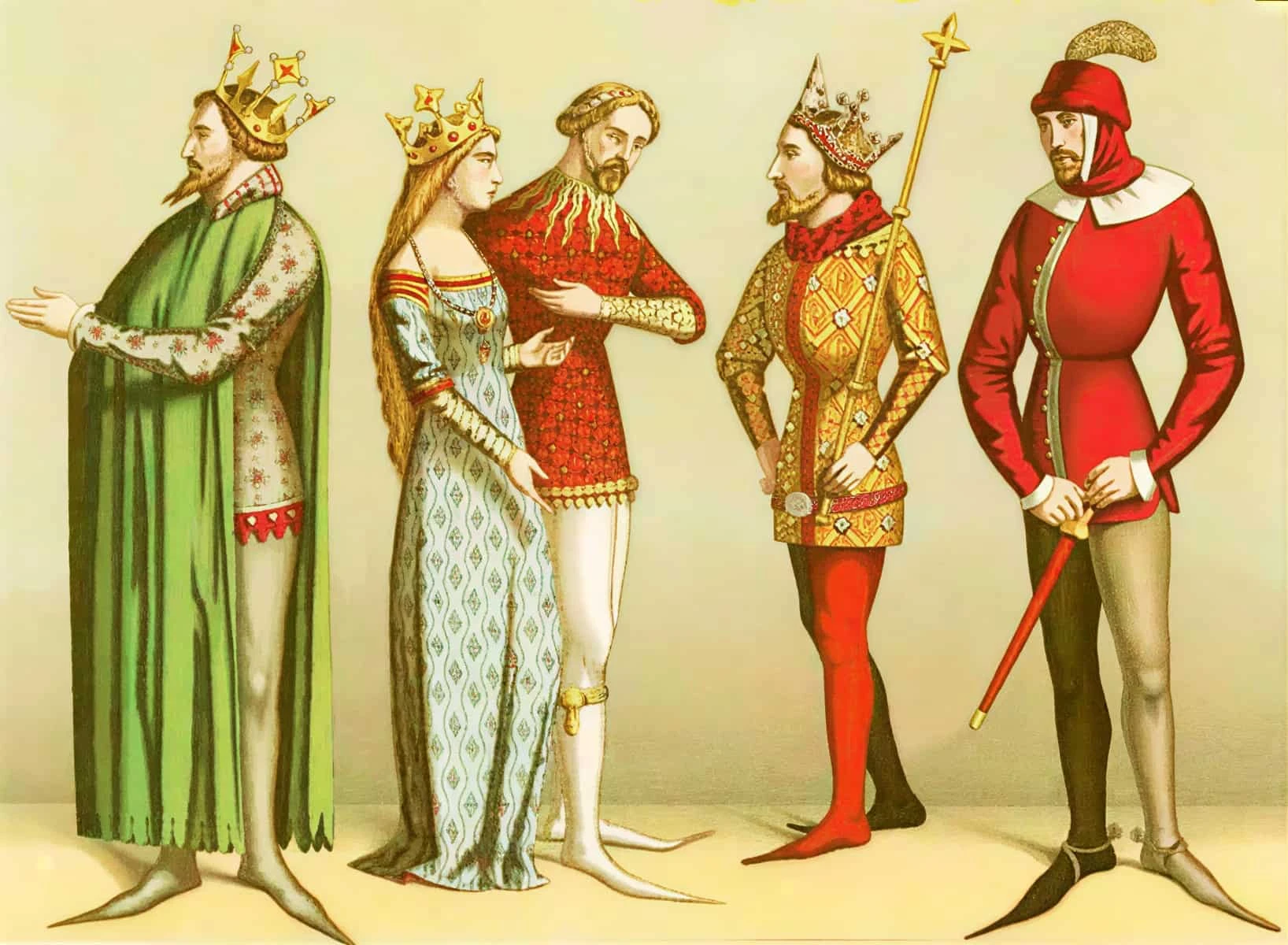
European nobles wearing poulaines: the longer the toe, the higher the wearer's social status.
The length of a poulaine's toe quickly became a direct reflection of rank. Commoners were restricted to a toe length of half a foot (about 15 centimeters), barons could extend theirs to a full foot (around 30 centimeters), and counts were permitted up to two feet. To keep the exaggerated points from dragging on the ground, wearers stuffed them with moss, wool, or horsehair. Extravagant pairs featured tiny bells, with the tips tied back to the shins using silver chains.
Bans That Failed to Stop the Craze
In 1463, King Edward IV of England banned poulaines with toes extending past two inches (roughly five centimeters). The French court had taken an even harder line nearly a century earlier: King Charles V outlawed them in 1368 because they prevented wearers from kneeling properly in prayer. Yet fashion die-hards flouted the law, fastening exaggerated points to their shins with silver chains and continuing to strut. It was only toward the end of the 15th century that the trend finally faded away.
Ultimately, the upturned toe originated as a practical solution: it kept out sand, saved delicate carpets, and aided horsemen. For Buddhist monks, it was a silent reminder to tread lightly, as life thrives even beneath one's feet.
What other unusual features of historical clothing or footwear do you think were driven by practical need rather than pure vanity?