How an Environmental Disaster Gave the Netherlands a Stunning Getaway Spot (7 photos)
Nestled in the province of Utrecht, the Vinkeveen Lakes (Vinkeveense Plassen) are unmistakable. From a bird’s-eye view, these bodies of water resemble a bizarre striped quilt, created by scores of long, narrow islands spaced out with striking precision. Many of these strips are densely developed, lined with piers and docks. Today, Vinkeveen's man-made ribbons of land are a favorite getaway for locals and a popular retreat for international tourists. But how did they come to exist in the first place? 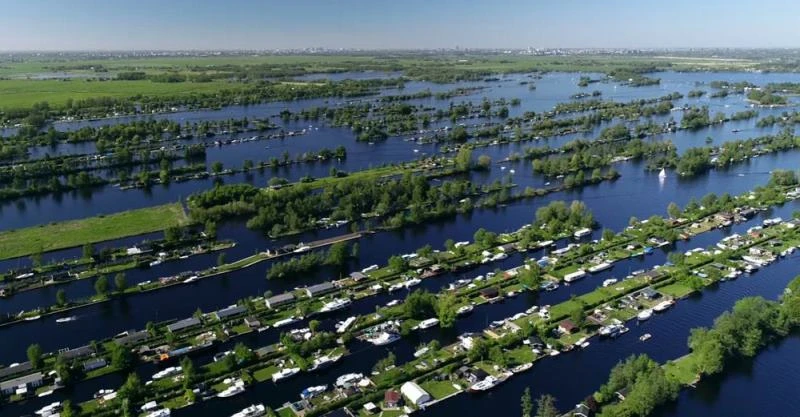
In 1850, industrial progress shattered the peaceful marshes of Vinkeveen. Rich deposits of peat were discovered—an organic fuel source that was in booming demand across Europe. Peat was harvested here on a massive scale, yielding more than enough to meet domestic needs and fuel exports abroad. 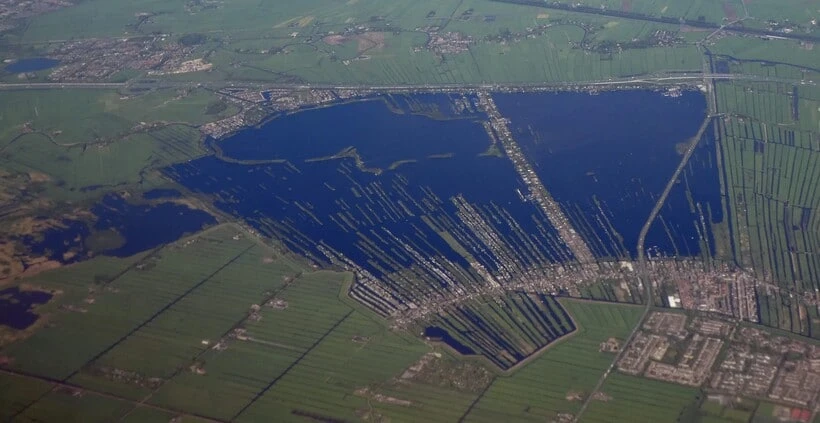
Peat harvesting ran from March to June, followed by a drying period that lasted through September before the fuel was shipped out. Although the peat formed a continuous layer beneath the marsh, workers excavated it in strips. Long ridges of land stretching for hundreds of yards were left behind to store and dry the peat blocks, often topped with sand to keep the surface dry enough for processing. 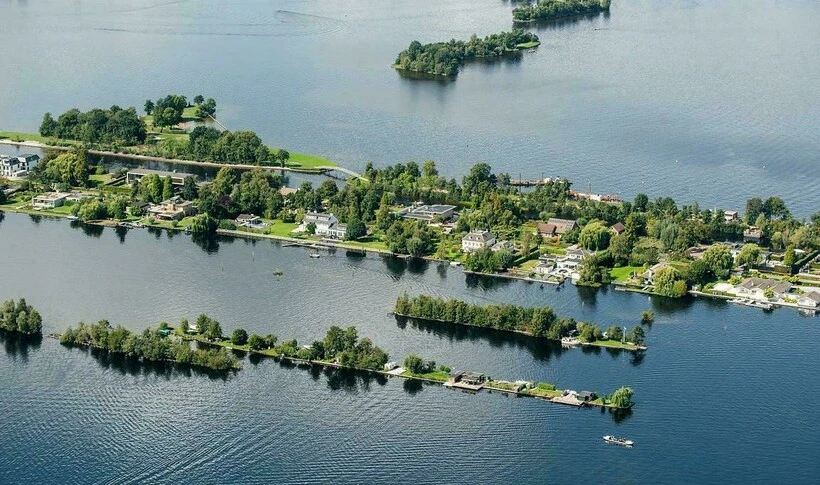
From Marshes to Lakes
Over time, the excavated trenches between the strips grew into deep chasms that flooded with groundwater. Eventually, the water level rose so high that the boggy flatlands transformed into lakes broken up by narrow islets. In some spots, these man-made lakes reach depths of up to 160 feet (50 meters)! 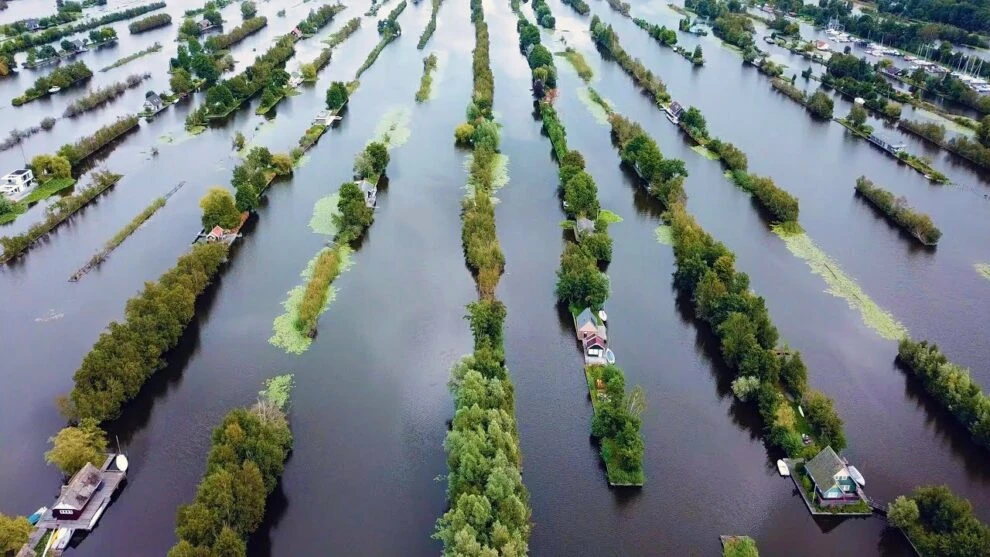
Unchecked peat extraction triggered irreversible consequences: the expanding lakes swallowed up more land, and islands frequently collapsed into the water. By the early 20th century, peat gave way to oil, and extraction ground to a halt. Soon after, sand dredging took over to meet rising demand from the construction industry—and once again, developers pushed things too far. 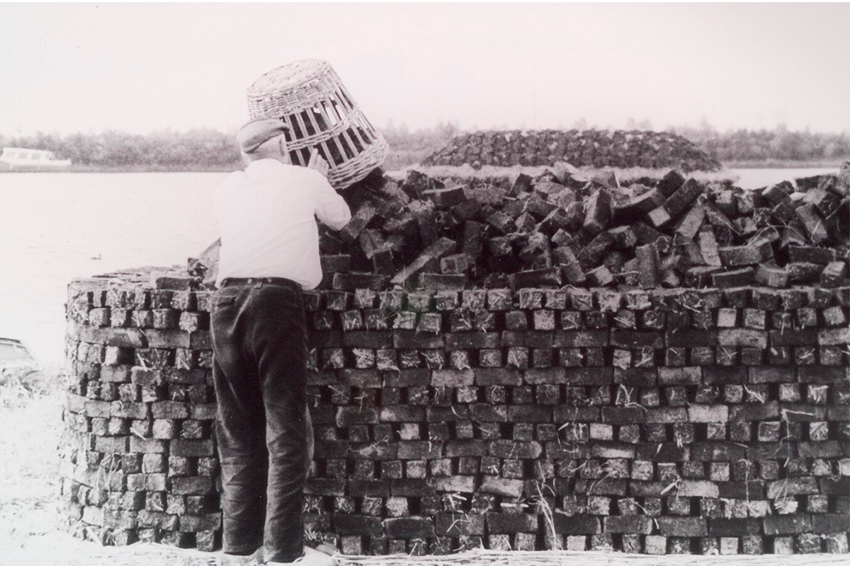
Islands continued to collapse unexpectedly, taking expensive heavy machinery down into the depths with them. Dikes were built around the area, but they provided only a temporary fix. Ultimately, all industrial operations were shut down. Abandoned by industry, the islands gradually became lush with vegetation and greenery, turning into a sanctuary for hunters, fishermen, and outdoor enthusiasts.
Troubled Islands
Today, about 80% of the islands in the Vinkeveen Lakes are privately owned. Owners have built everything from family homes and fishing huts to vacation rentals. Beyond fishing, visitors can enjoy boating, jet-skiing, swimming, or simply escaping the hustle and bustle of everyday life. 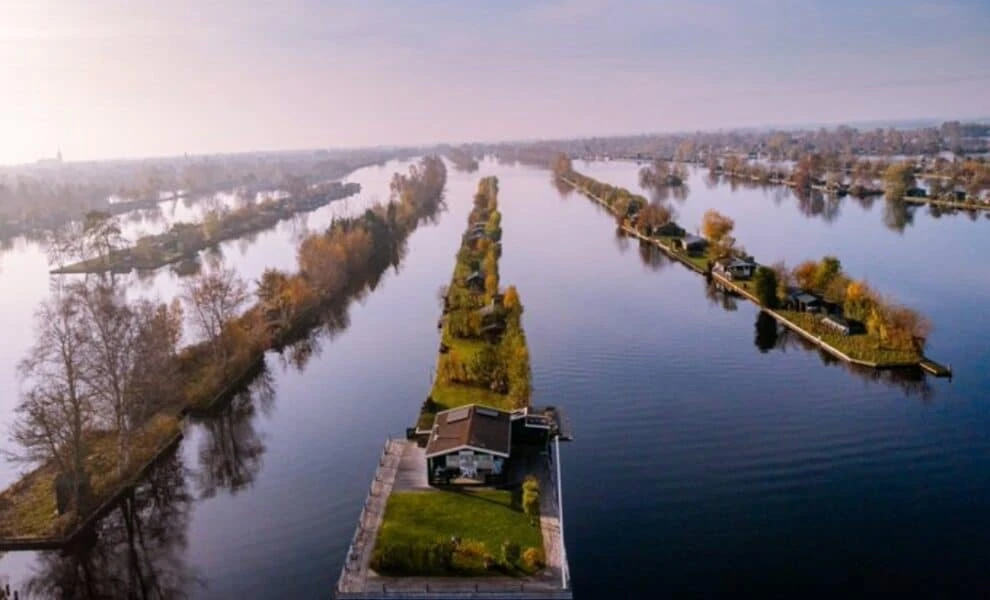
Unfortunately, these islands remain highly unstable and require constant reinforcement and upkeep. Because maintenance is so expensive, an increasing number of strips are being abandoned. To preserve the popular tourist destination, provincial authorities in Utrecht have put several islands up for sale—a process that revealed some plots had been occupied illegally over the years. 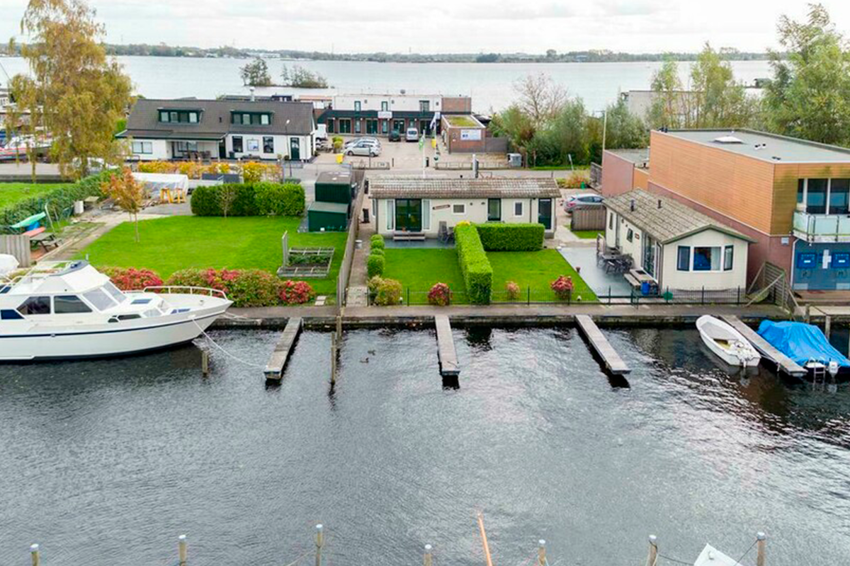
When a lot is officially sold, any unauthorized structures must be demolished and cleared at the owner's expense. While local landholders aren't particularly thrilled with this wave of privatization and oversight, they have little choice but to accept it. Still, the region got lucky: former peat bogs rarely turn into somewhere quite so scenic.