10 Mind-Bending Facts That Shatter Common Stereotypes (11 Photos)
We tend to assume we know the basics of history, if not everything. Yet history has a way of throwing curveballs that completely shatter our expectations. 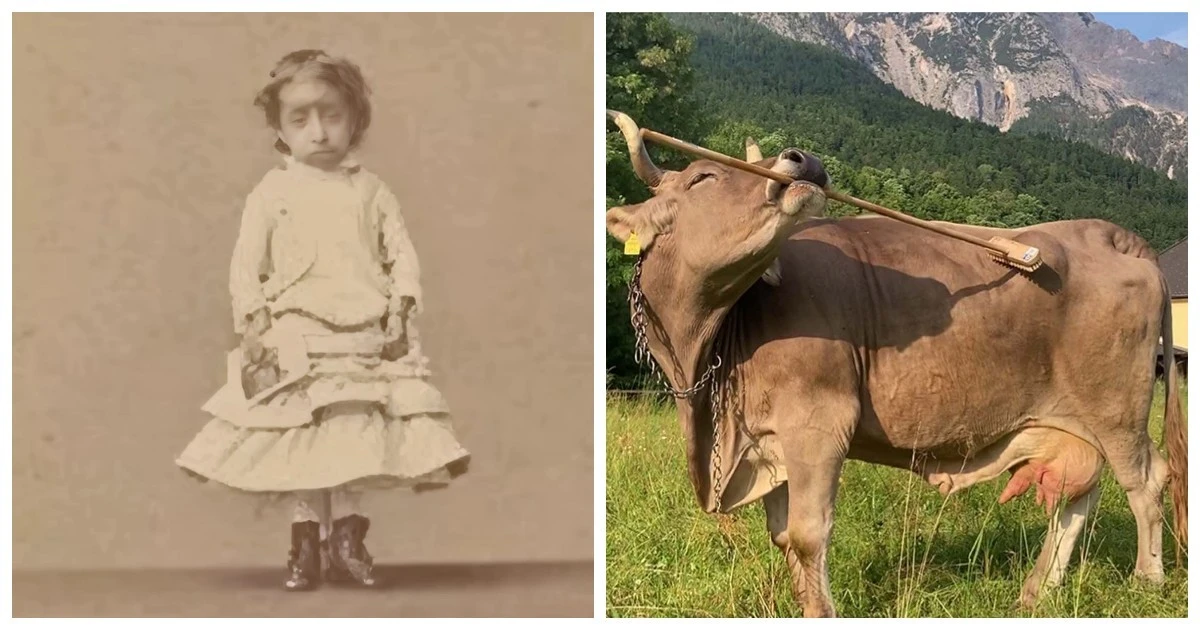
As it turns out, long before the Enlightenment and modern human rights, an early Christian saint condemned slavery as an institution. Meanwhile, modern science is only now realizing what cows have been capable of all along. Here are 10 fascinating facts that prove human progress was rarely linear—and that we aren't always the smartest creatures on Earth.
1. Gregory of Nyssa: History’s First Anti-Slavery Voice 
Gregory of Nyssa (c. 335 – c. 394), an early Christian saint, was the first person in recorded history to publicly speak out against all forms of slavery, condemning the institution as inherently sinful from its inception.
2. Andre Geim: The Only Person to Win Both a Nobel and an Ig Nobel 
Andre Geim remains the only person in history to win both an Ig Nobel Prize and a Nobel Prize. He earned the Ig Nobel in 1997 for using magnets to levitate a live frog, and later won the Nobel Prize in Physics alongside Konstantin Novoselov in 2004 for co-discovering graphene—the world's thinnest and strongest material.
3. "Fair Play" in Detective Fiction 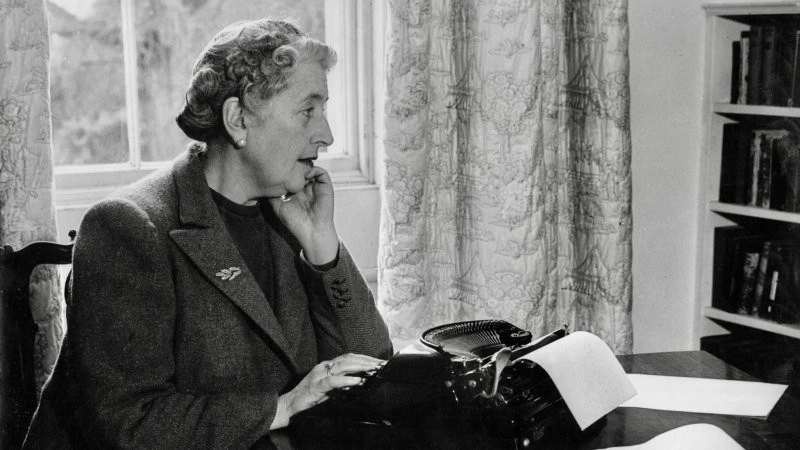
In mystery writing, the "Fair Play" rule means the author is obligated to give readers a genuine chance to solve the mystery on their own. Popularized during the 1920s Golden Age of Detective Fiction by authors like Agatha Christie, this principle dictates that all core clues must be visible and decipherable—never hidden from the reader until the final reveal.
4. Frisson: Chills Brought On by Music, Science, and Epiphanies 
Frisson—the chills and goosebumps that music triggers in about half of all people—isn't strictly musical. It can also be sparked by intense moments of insight, such as a major scientific breakthrough or a deeply profound religious experience.
5. The Lightest Adult in Recorded History 
The lightest adult in recorded history, Lucía Zárate, weighed a mere 2.1 kg (4.7 lbs) and stood just 68 cm (27 inches) tall.
6. Veronika the Cow: The First Documented Cattle Tool-User 
In 2016, an Austrian cow named Veronika learned to pick up fallen tree branches to scratch herself, marking the first known case of tool use in cattle. Researchers believe Veronika isn't unusually gifted; rather, cows may have always had the ability to use tools—humans just never noticed.
7. A Space Rock and a 3-Month Heist 
The largest meteorite ever discovered in the United States (weighing roughly 15.5 tons) was found in 1902 by Ellis Hughes on land owned by the Oregon Iron and Steel Company. Hughes spent nearly three months secretly hauling the massive rock onto his own property using a homemade cart, after which he began charging visitors admission to see it.
8. The Hand of Glory: A Macabre Amulet Made from an Executed Man's Hand 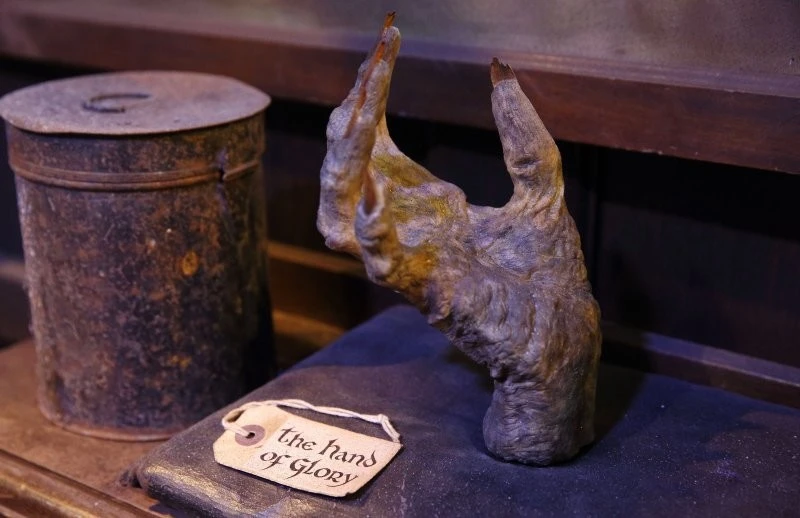
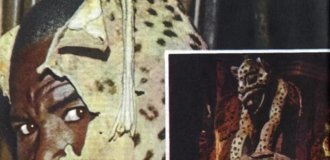
A "Hand of Glory" was the pickled hand of an executed criminal, used as a candleholder for a candle crafted from that same individual's fat. Folklore held that lighting the candle would paralyze anyone who looked at it, and the flame could only be extinguished with milk. An authentic specimen is preserved at the Whitby Museum in England.
9. A Bizarre New Primate Trend 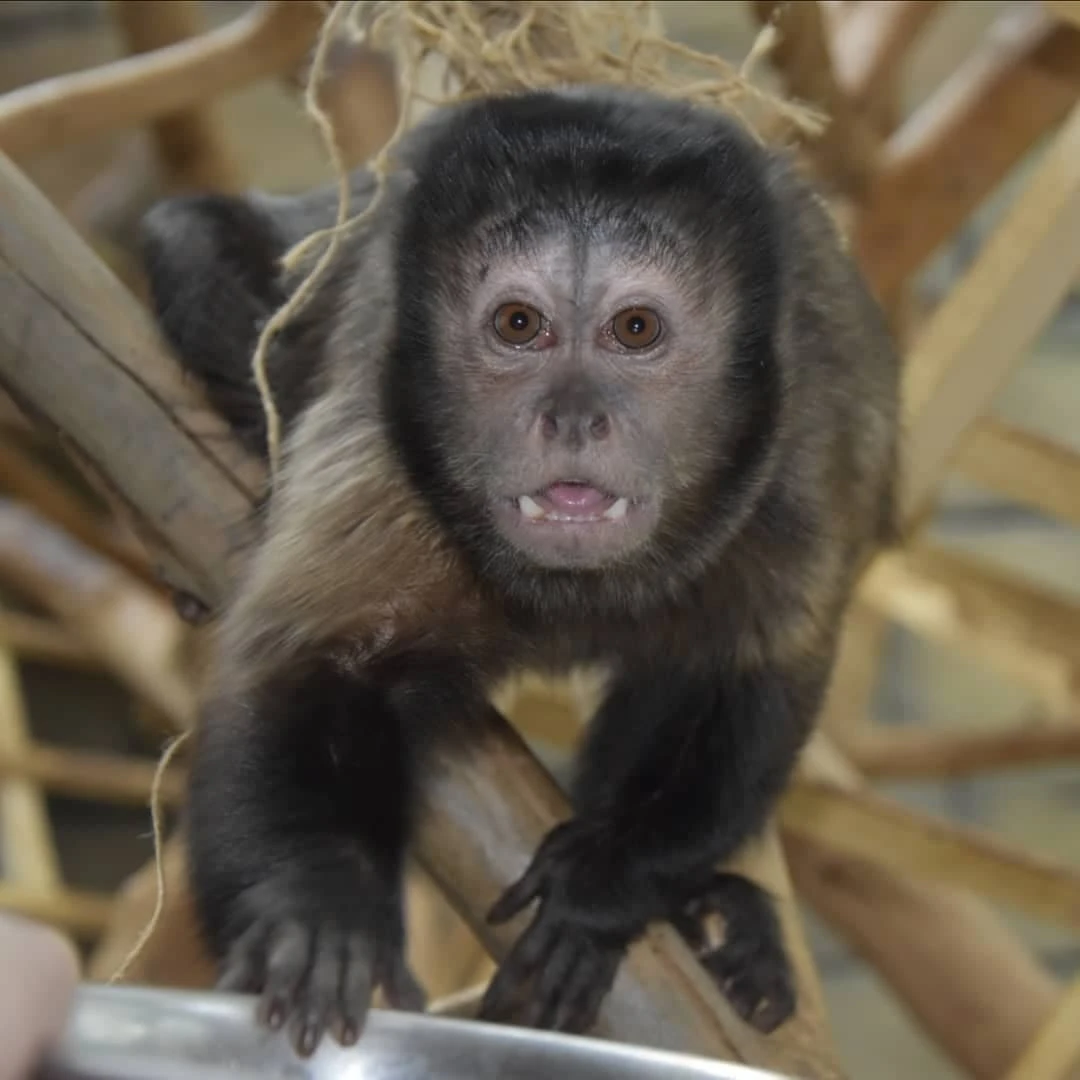
Capuchin monkeys have recently developed a bizarre new behavioral trend: eye-poking, where they insert their fingers into each other's eye sockets for up to several minutes at a time. According to research by the Wild Capuchin Foundation, this behavior is a strong candidate for a true social tradition, alongside habits like playing with fingers or hair in their mouths, or playing with objects. Scientists define a tradition as a behavioral practice that persists over time, spreads across group members, and relies on social learning for new individuals to pick up.
10. The Muted World of Newborn Vision 
Newborn babies have blurry vision and struggle to distinguish colors properly. While they aren't completely colorblind, their color vision is severely muted—they see very few colors and can only discern stark differences between vastly different shades.