Hidden Ceiling Cameras, a Decades-Long Hunt, and a Tunnel Chase: What the Paparazzi Did to Princess Diana (10 photos)
From September 17, 1980, when a photographer for The Sun tracked Diana down at a London nursery, to the early hours of August 31, 1997, when her Mercedes slammed into a concrete pillar in a Paris tunnel—seventeen years of relentless pursuit separated those two dates. That hunt ended in tragedy. Yet the story of Diana and the press is not a simple narrative of victim and pursuers. It was a complex relationship built on alliances, betrayals, and a media war that ultimately spiraled out of control for both sides. 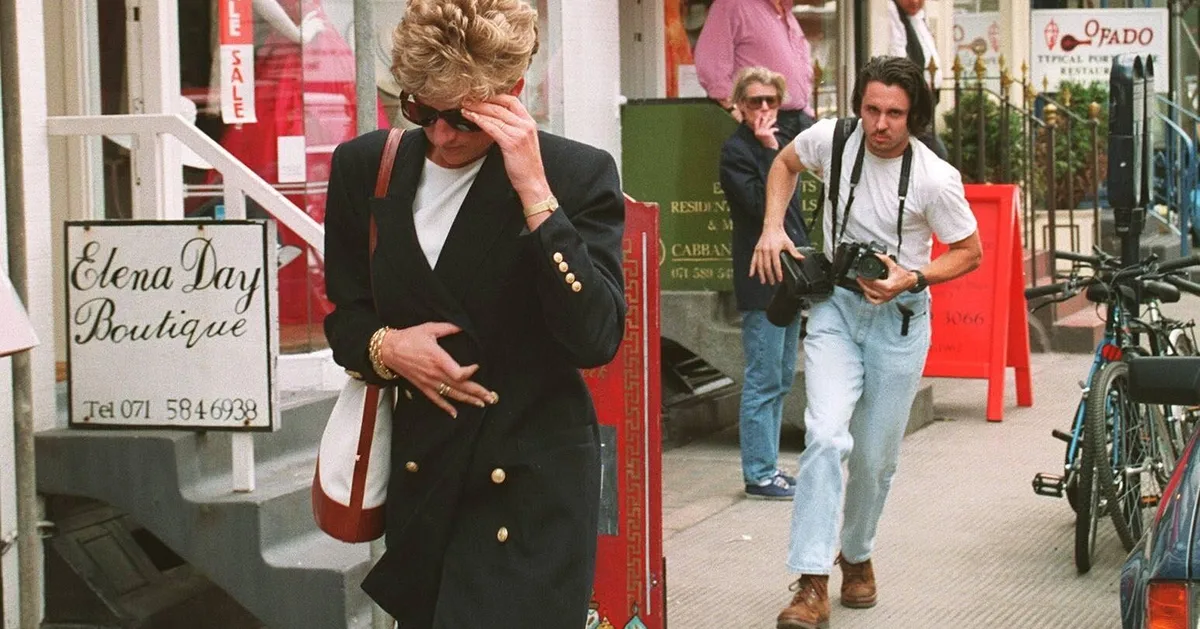
The First Photo—and the First Lesson
On September 17, 1980, The Sun photographer Arthur Edwards drove around several London nurseries searching for Prince Charles's new girlfriend. He eventually tracked down 19-year-old Lady Diana Spencer at the Young England Kindergarten in Pimlico. She agreed to pose with the children, and Edwards led her outside to a nearby park where the lighting was better. 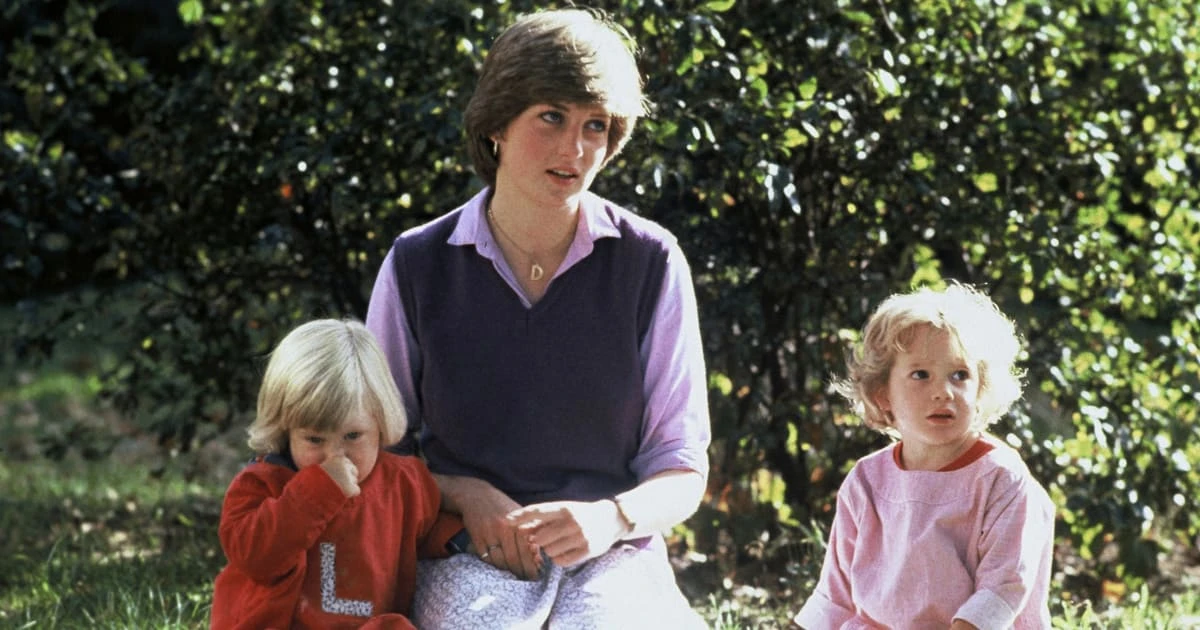
September 1980. The first famous photograph of the future princess, taken months before her engagement was announced.
A few moments later, the sun came out, rendering her thin skirt translucent. "I didn’t do it on purpose. The sun came out, and suddenly I saw how beautiful her legs were," Edwards later recalled. The image made front-page news. When he met her later and told her about the photo, Diana blushed: "I hate the thought of being remembered as the girl without a slip." It was her very first lesson: in front of the lens, nothing happens by accident.
The photo ran under the headline "Charlie’s Girl." Editors instantly grasped a lucrative reality: readers could not get enough of her. The entire tabloid industry shifted as a result.
"The Princess of Sales": How Much a Single Photo Was Worth
Following her wedding on July 29, 1981—watched by an estimated 750 million people across 74 countries—Diana became the most photographed person on the planet. Within the industry, she earned the nickname "The Princess of Sales." Even a grainy, out-of-focus shot could fetch up to £500,000 for a persistent paparazzi photographer.
The press hounded her everywhere: coming out of the gym, leaving her therapist’s office, or spending time with her children. Prince William recalled in a 2017 documentary how a pack of 30 photographers on motorbikes would block her path, spitting at her and shouting insults just to provoke a reaction and capture an emotional shot. It was a calculated strategy, not a coincidence. 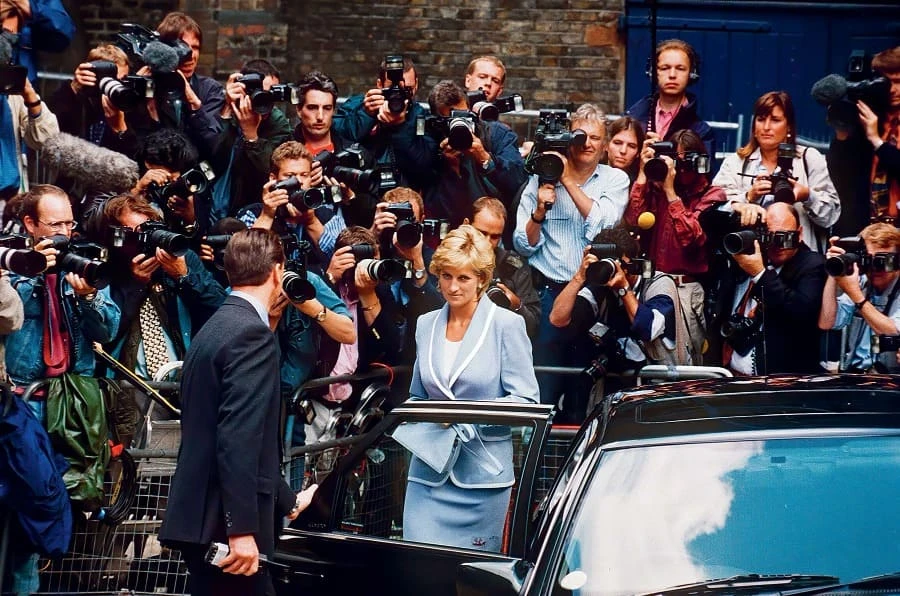
The frenzy around Diana sustained an entire industry: in the UK alone, hundreds of photographers specialized exclusively in pursuing her.
In the summer of 1997, Italian photographer Mario Brenna tracked down Diana and Dodi Fayed's yacht off the coast of Sardinia. The candid shot of the couple kissing ran in the Sunday Mirror on August 10. Brenna pocketed several million pounds from those photos alone—a record payout for a paparazzi shot at the time.
Diana Knew How to Play the Game
Her relationship with the media was not merely a game of cat and mouse. Diana actively manipulated the press—and she did so with skill. Working through trusted insiders, she regularly leaked information to British tabloids, shaping her public image directly while bypassing official royal press offices.
Veteran royal reporter James Whitaker of the Daily Mirror openly acknowledged that she understood media dynamics and used them to her advantage. Diana carefully distinguished between a select group of trusted photographers and aggressive street paparazzi. When coverage crossed acceptable boundaries, top British editors would occasionally call one another to agree on stepping back. 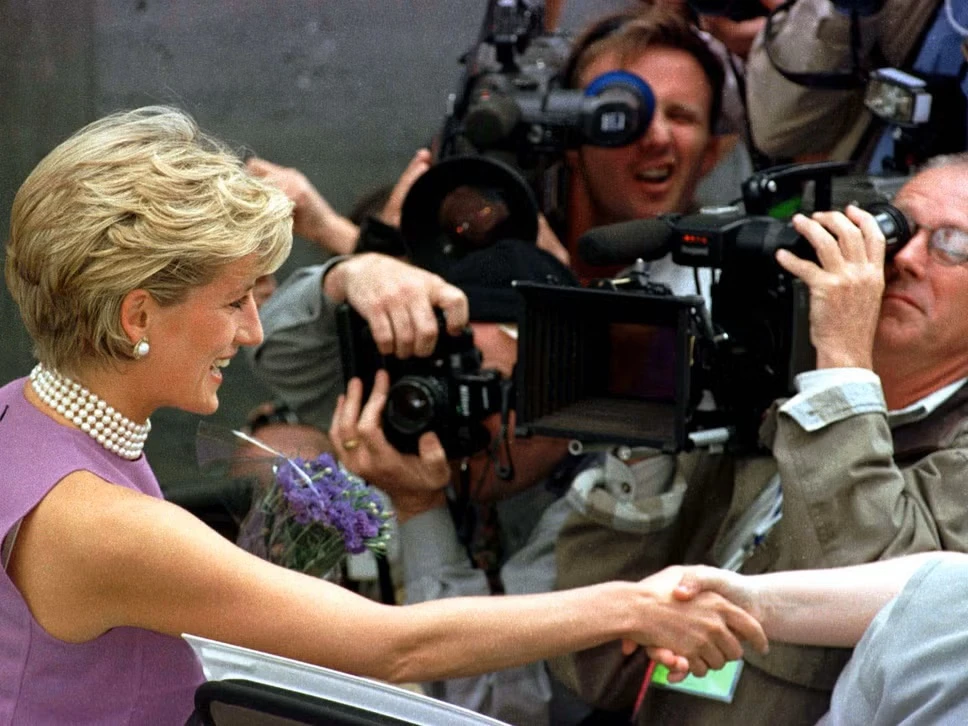
Diana cultivated relationships with key journalists—a skill she honed over many years.
During the final summer of her life, according to biographers Tim Clayton and Phil Craig, she secretly tipped off photographer Jason Fraser herself: someone in her inner circle called him with the yacht’s name and itinerary. Her romance with Dodi was meant to go public—and it did. "The Kiss" photo went viral around the world.
A Hidden Camera in the Ceiling
November 1993. The Daily Mirror and Sunday Mirror published intrusive photos of Diana working out at the LA Fitness Club in West London, dressed in a leotard and cycling shorts. The images were taken by gym owner Bryce Taylor, who had hidden a camera in the ceiling—despite having previously given Diana written assurances guaranteeing her privacy. 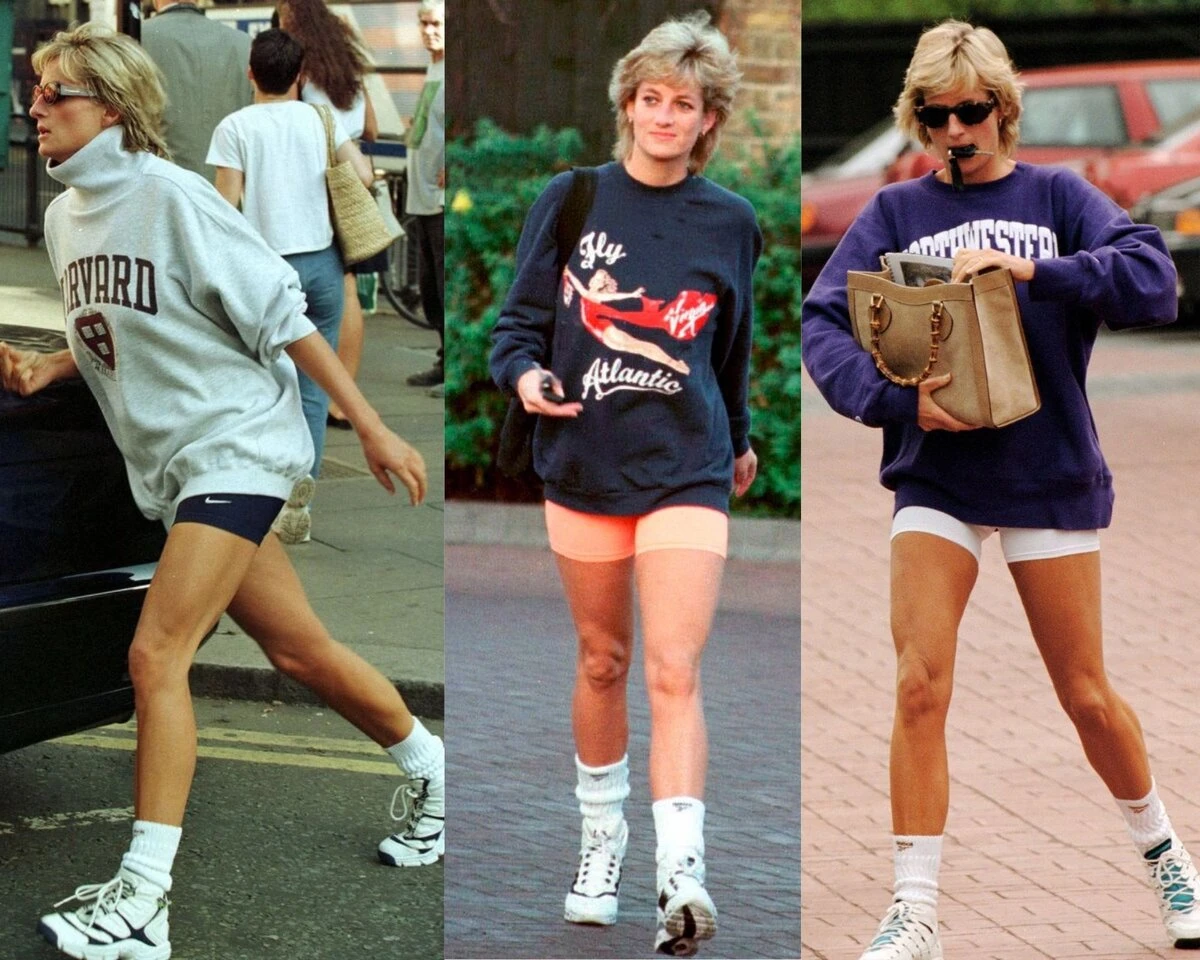
The gym was Diana's sanctuary following her separation from Prince Charles, making the betrayal all the more devastating.
The newsroom paid Taylor more than £100,000 for the pictures. Diana condemned the breach as "outrageous" and launched legal action—the only lawsuit she ever filed in her lifetime. In February 1995, the matter was settled out of court: all copies and negatives were destroyed, while Taylor and Mirror Group issued formal apologies. Money Taylor stood to gain from subsequent sales was diverted to a charity chosen by Diana.
The scandal exposed an uncomfortable truth the industry chose to ignore: public appetite for the princess was so insatiable that newsrooms routinely bought pictures without questioning the ethics of how they were obtained.
The Final Weeks: The Hunt Reaches a Climax
In August 1997, Diana vacationed aboard the yacht Jonikal off Portofino, Italy, surrounded by swarms of paparazzi snapping photos from nearby boats. The pictures of her with Dodi splashed across front pages on August 21. By the time the couple landed in Paris on August 30, a pack of photographers was already waiting at the airport. Outside the Hôtel Ritz on Place Vendôme, nearly 30 photographers laid siege to the entrance.
Just after midnight, a Mercedes S280 slipped out of the hotel's rear service exit as the couple made a desperate attempt to evade the media. Paparazzi on motorbikes gave chase immediately. Inside the Pont de l'Alma tunnel, the car crashed into the 13th concrete pillar at high speed. Driver Henri Paul was behind the wheel—his blood alcohol level was three times the legal limit in France. 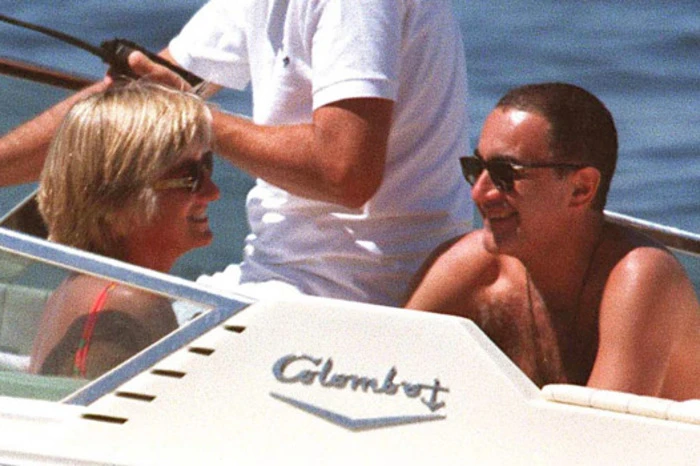
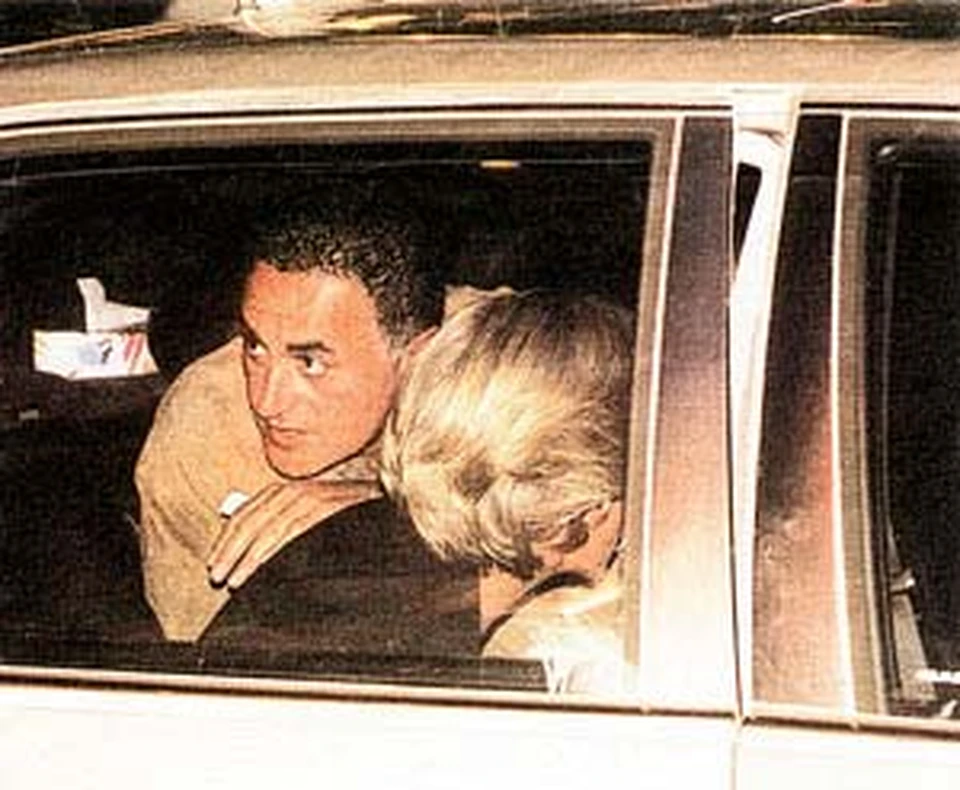
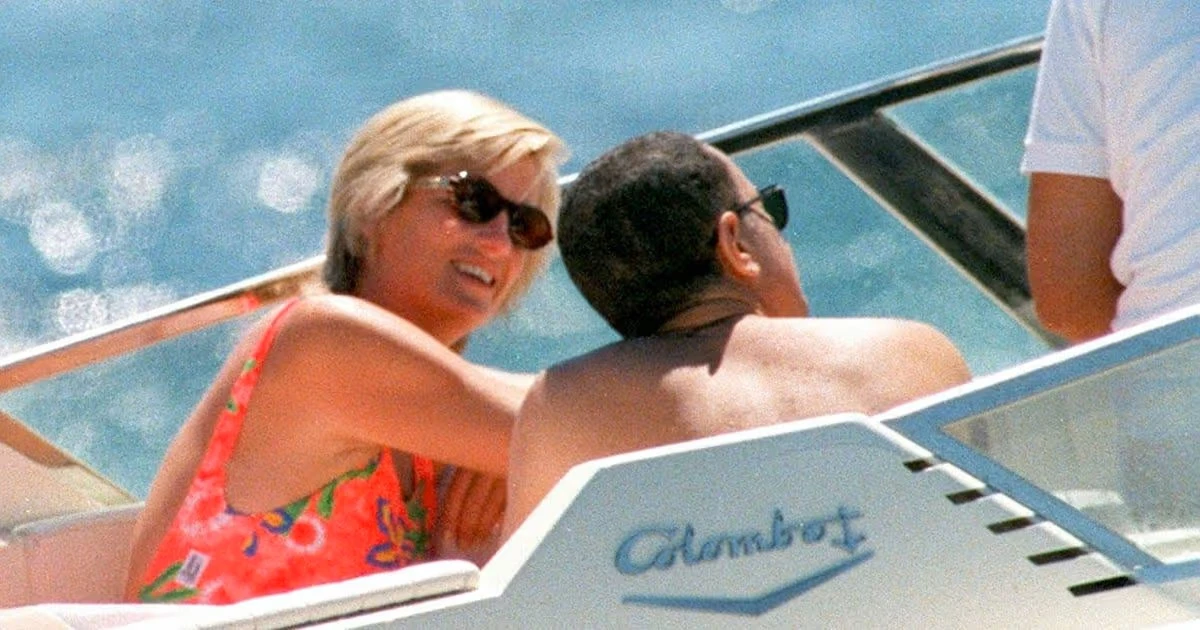
August 1997. The final public photographs of Diana and Dodi, taken just weeks before the fatal crash.
French prosecutors initially charged nine photographers present at the scene or pursuing the vehicle with manslaughter. In 2002, those charges were dropped. However, in 2006, three of them—Jacques Langevin, Christian Martinez, and Fabrice Chassery—were convicted of invasion of privacy for photographing Diana inside the wrecked car following the crash. Their penalty was a symbolic fine of one euro each.
What Changed—and What Didn't
Following her death, the UK Press Complaints Commission overhauled its code of conduct: journalists were no longer permitted to pursue individuals who asked them to stop. Prince William later secured a virtual ban on British outlets purchasing unauthorized paparazzi photos of his family. In 2013, California passed landmark legislation targeting aggressive paparazzi behavior toward celebrities' children, spearheaded by actresses Halle Berry and Jennifer Garner. 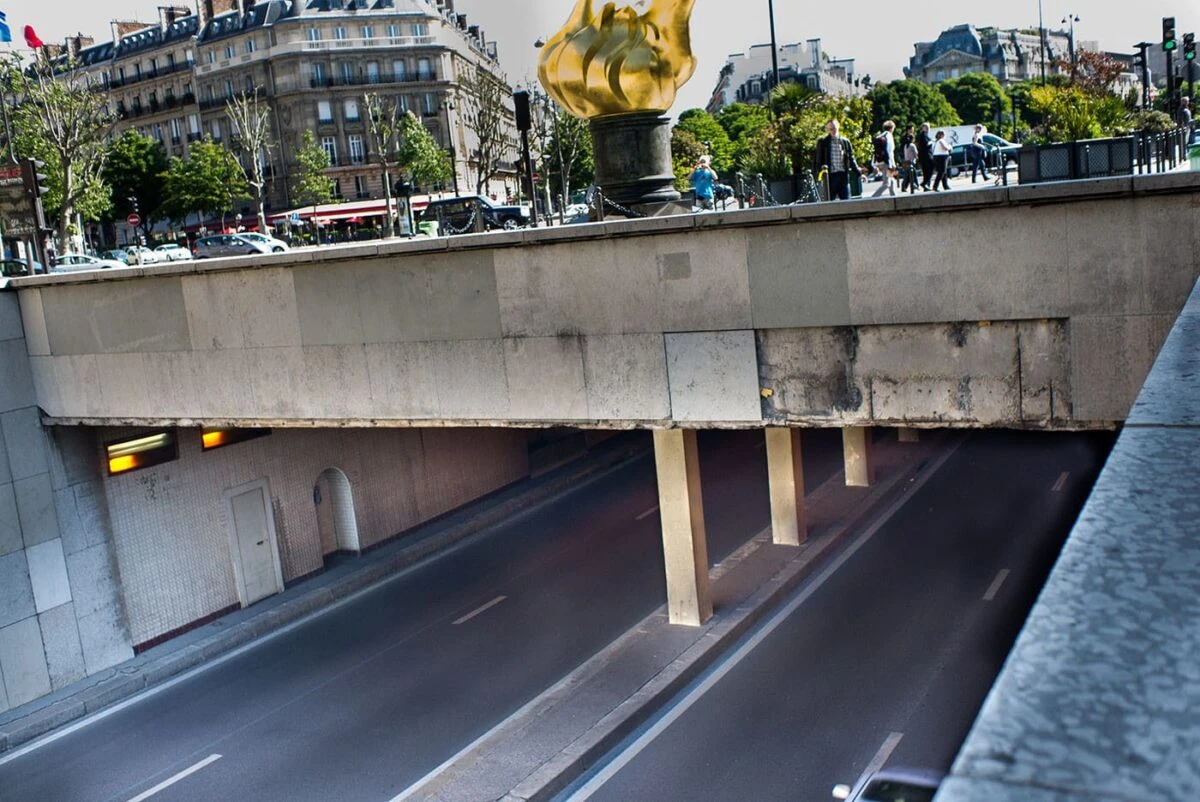
The Pont de l'Alma tunnel, less than a mile from the Eiffel Tower, became an impromptu memorial site after 1997.
In April 2008, a British jury delivered an unlawful killing verdict following a six-month inquest. Nine of the eleven jurors concluded that the gross negligence of both the driver and the pursuing paparazzi caused the fatal crash. Because the tragedy occurred on French soil, criminal charges could not be brought in the UK. The comprehensive inquest cost an estimated £12.5 million. 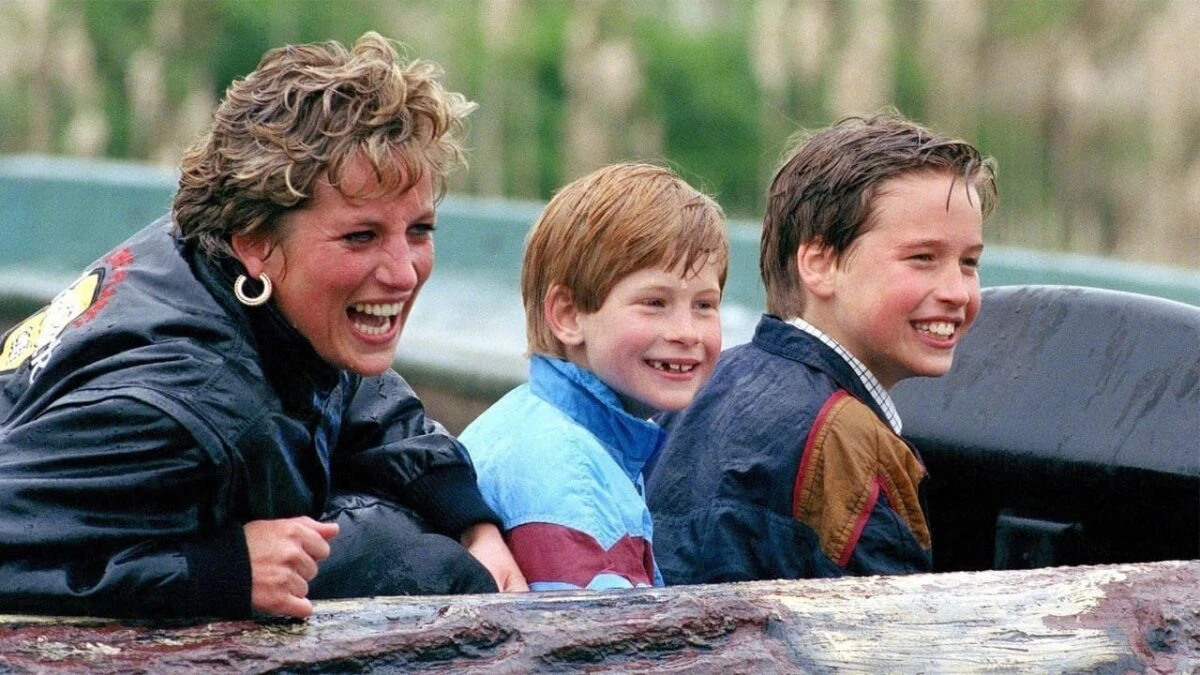
2017. In a documentary marking the 20th anniversary of their mother's death, William and Harry spoke publicly for the first time about what it was like growing up in the crosshairs of the paparazzi.
Yet the story did not end there. Actor George Clooney publicly compared the media frenzy around Meghan Markle to Diana’s ordeal. In 2023, Prince Harry and Meghan reported being involved in a two-hour paparazzi chase through the streets of New York. The industry has evolved—but the hunt goes on.
What do you think: did Princess Diana's death bring about genuine change, or did the media simply learn to be more discreet?