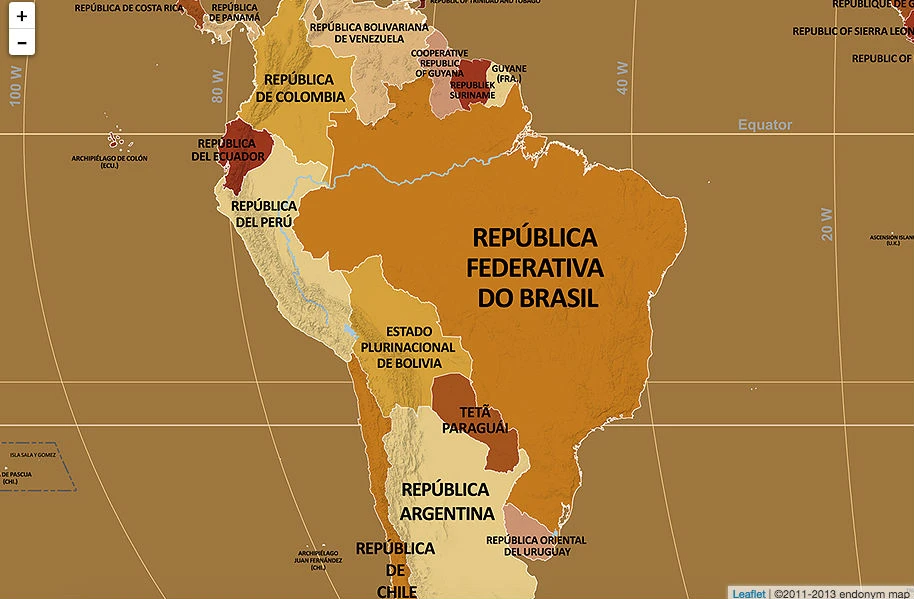
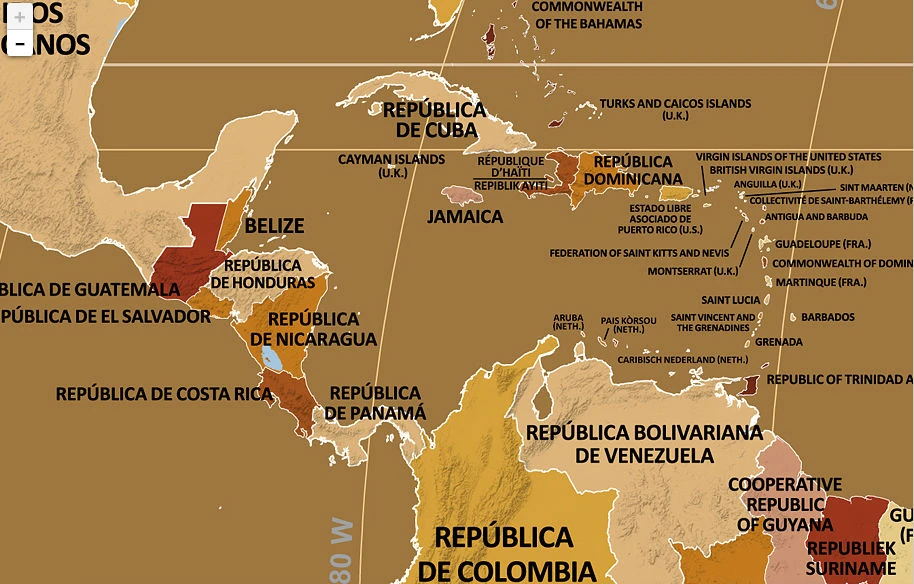
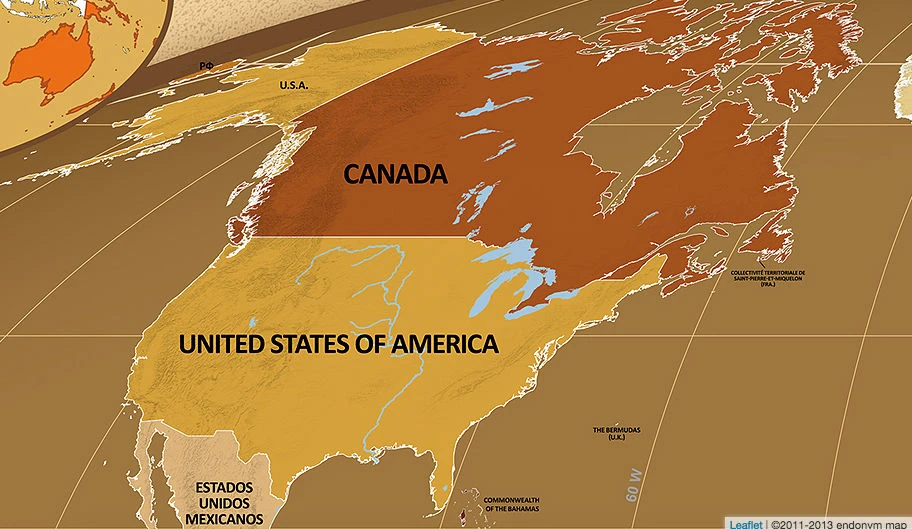
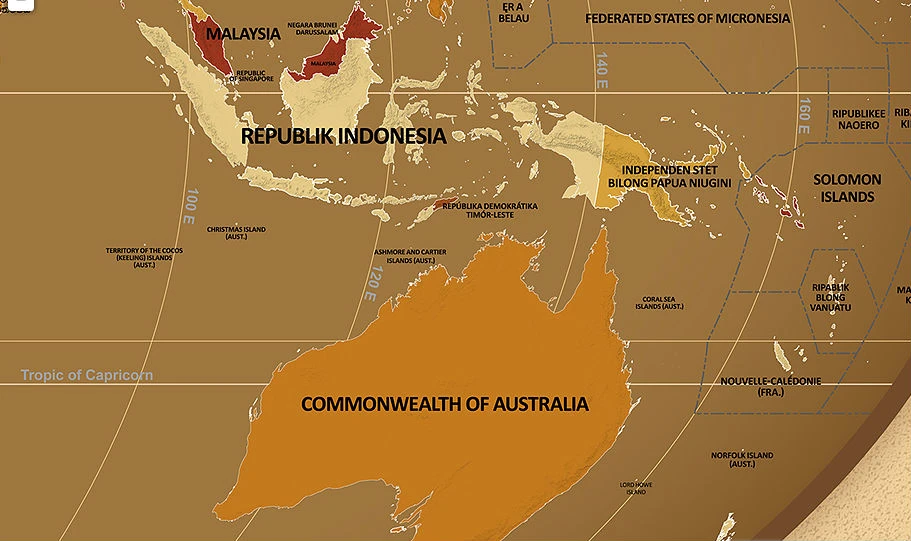
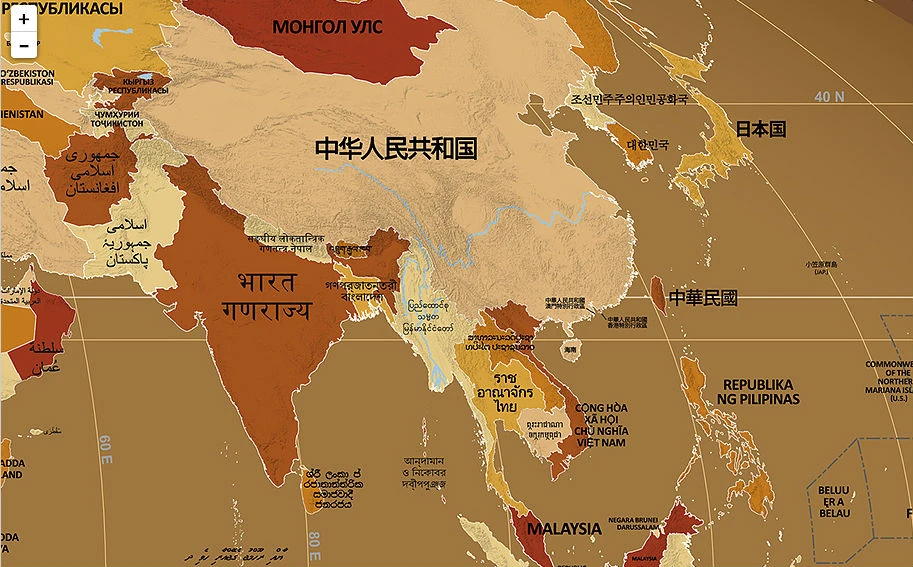
A map has been created showing country names in their native languages (11 photos)
Have you ever thought about how words offer a fascinating lens for exploring world history? Take country names, for example. Why do English speakers call Germany "Germany" instead of "Deutschland," as Germans do? Or why do Spanish speakers call the US "Estados Unidos de América" rather than its official English name, the "United States of America"? 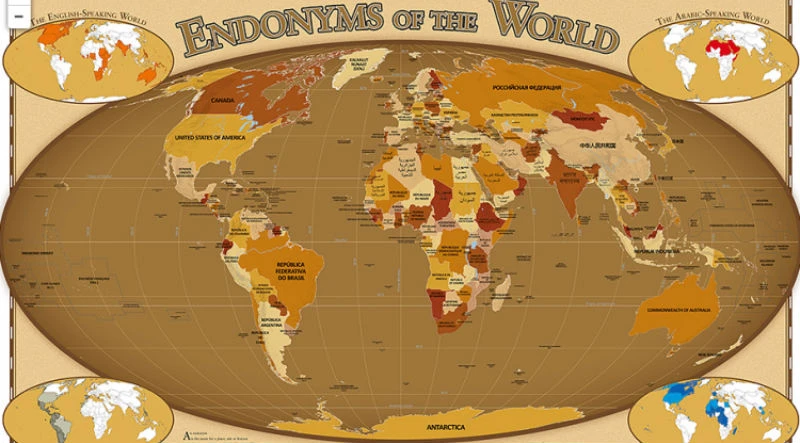
It all comes down to two linguistic terms: exonym and endonym. An exonym is a name used by outsiders to refer to a place or language community. That makes "Germany" and "Estados Unidos de América" exonyms. An endonym, on the other hand, is the native name used for a geographical region by the people who live there.
If you are curious about what people around the world call their home countries, a newly created map highlights all of these endonyms. For multilingual countries, names are listed in the most widely spoken language. 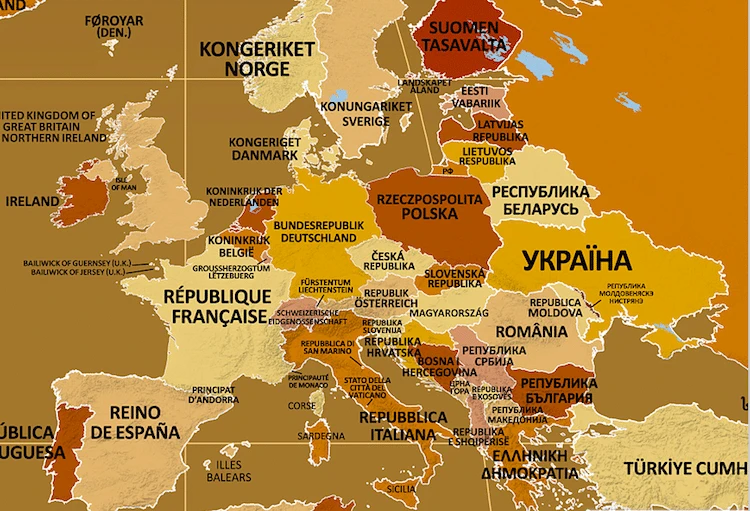
A surprising number of endonyms are in English, as it is an official language in roughly a third of all countries. Spanish, Arabic, and French follow as the next most common official languages. 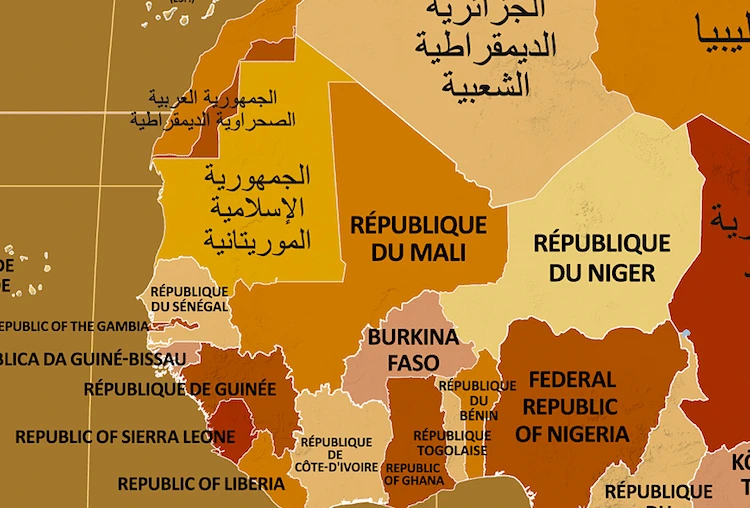
In African nations, naming can be a bit trickier because the official language is often spoken by a minority of the population. In South Africa, for example, English is the language of government and media, but the majority speaks Zulu—making the Zulu name for the country "iRiphabliki yaseNingizimu Afrika."
Several countries have also updated their official names over time. In 2011, for instance, Fiji formally changed its designation from the Republic of the Fiji Islands to the Republic of Fiji. 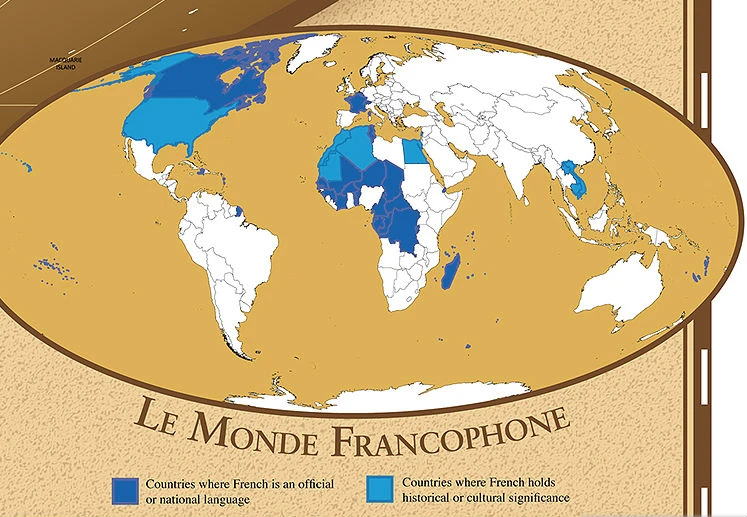
Countries around the world where French is an official or national language. 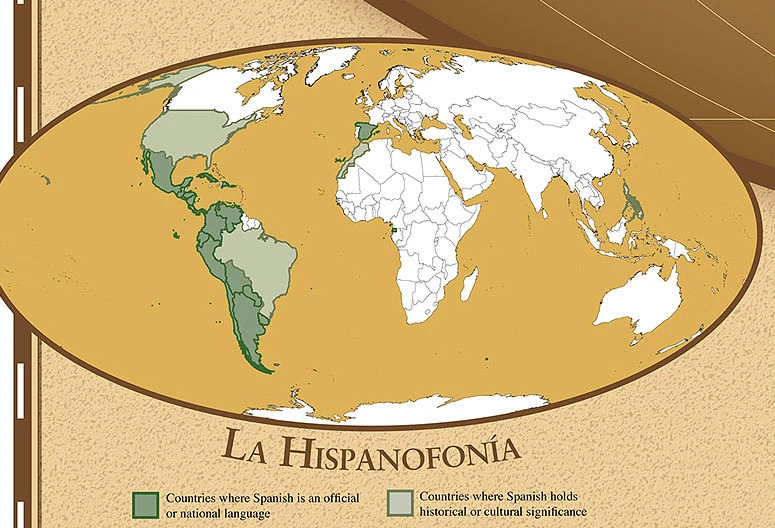
Spanish-speaking countries. 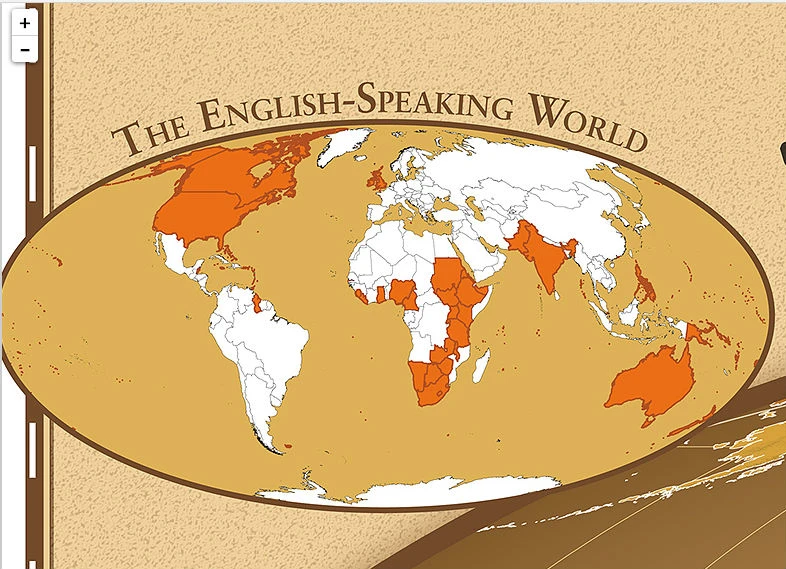
English-speaking countries.