Breathtaking Views of the Salt Sea (43 Photos)
The largest salt flat in the world, Salar de Uyuni, is located in Bolivia. To truly believe such a surreal place exists, you have to see it with your own eyes. Join us on a tour of one of the most otherworldly and extraordinary places on Earth. 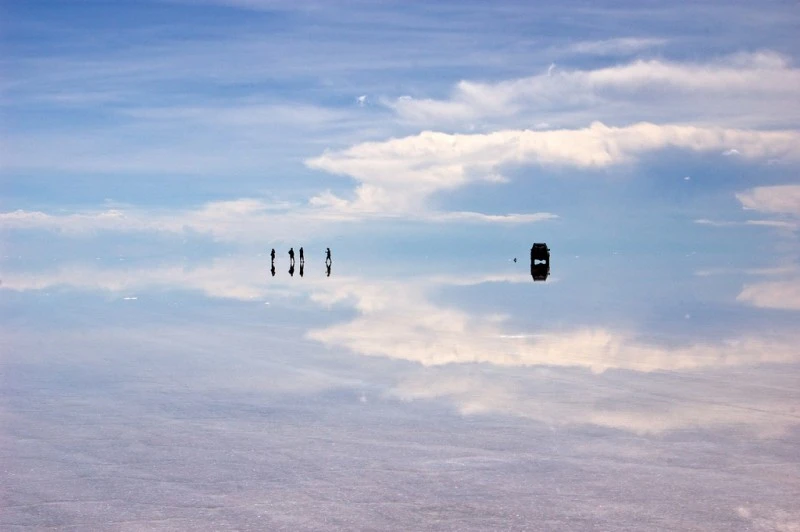
Have you ever wanted to visit another planet?
If you're up for the journey, visiting Salar de Uyuni in Bolivia is about as close as you can get without leaving Earth. It's one of the few places on the planet where you’ll truly feel like you've stepped into another world. 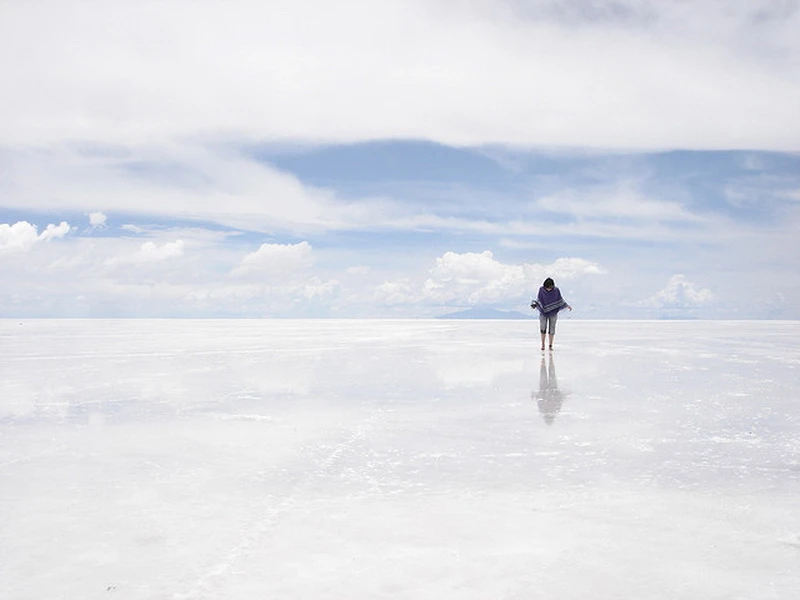
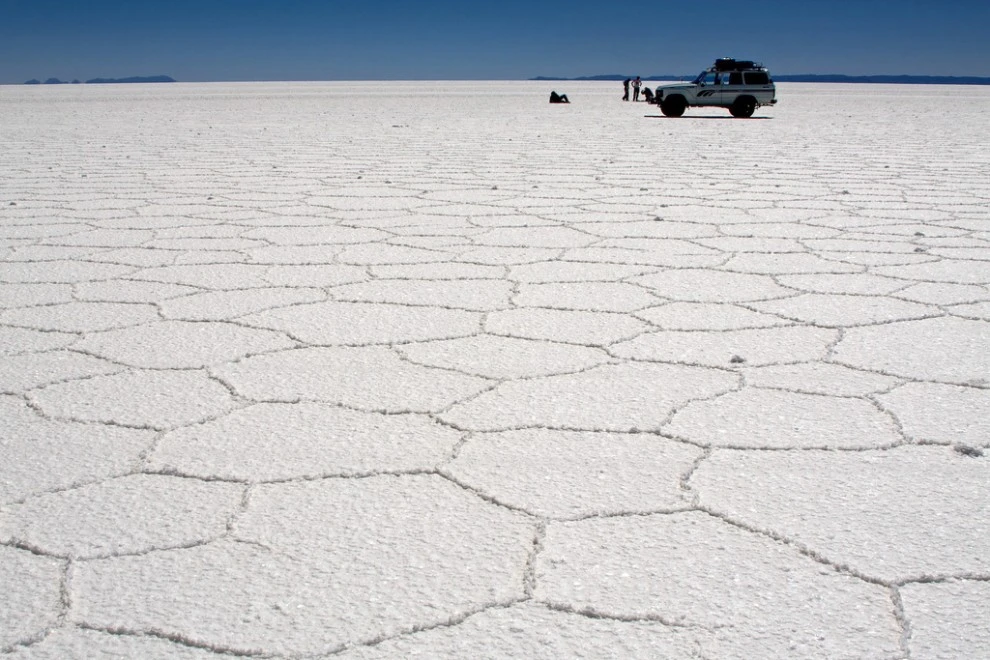
The scale of this place is staggering. Spanning over 12,000 square kilometers, it is the largest salt flat in the world—roughly 25 times the size of the famous Bonneville Salt Flats in the United States. 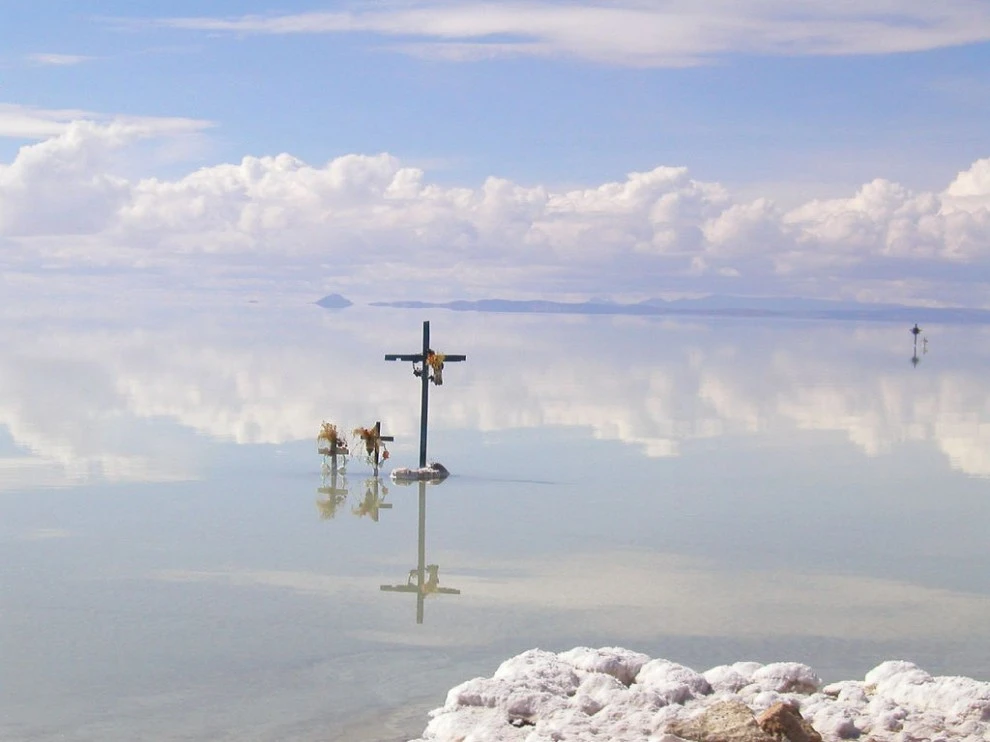
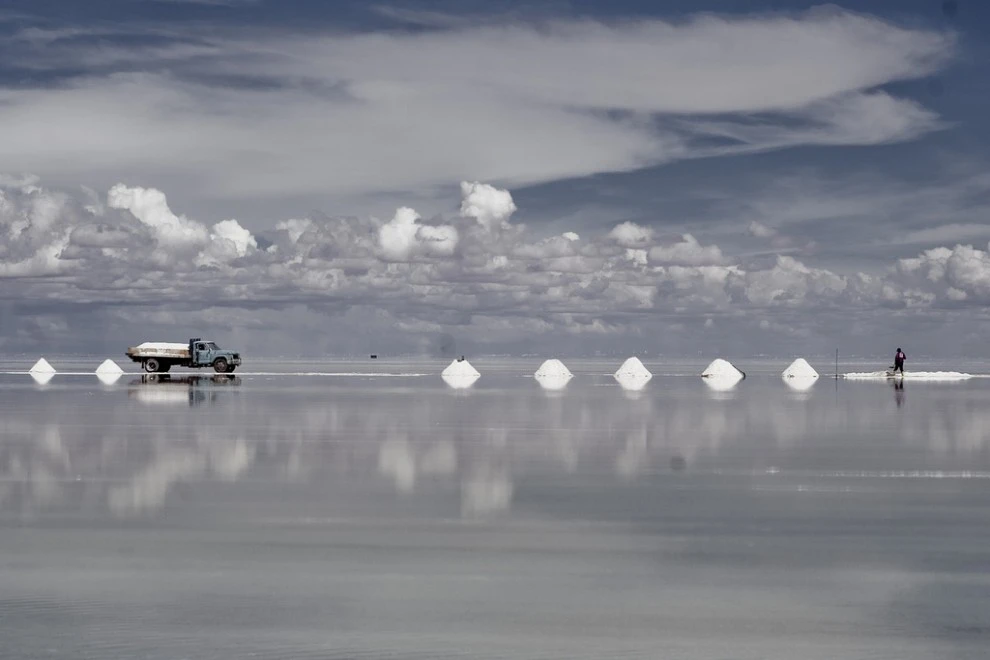
It's also the highest salt flat on Earth, sitting at an elevation of 3,700 meters above sea level. The mounds pictured here aren't a natural phenomenon; they are entirely man-made. 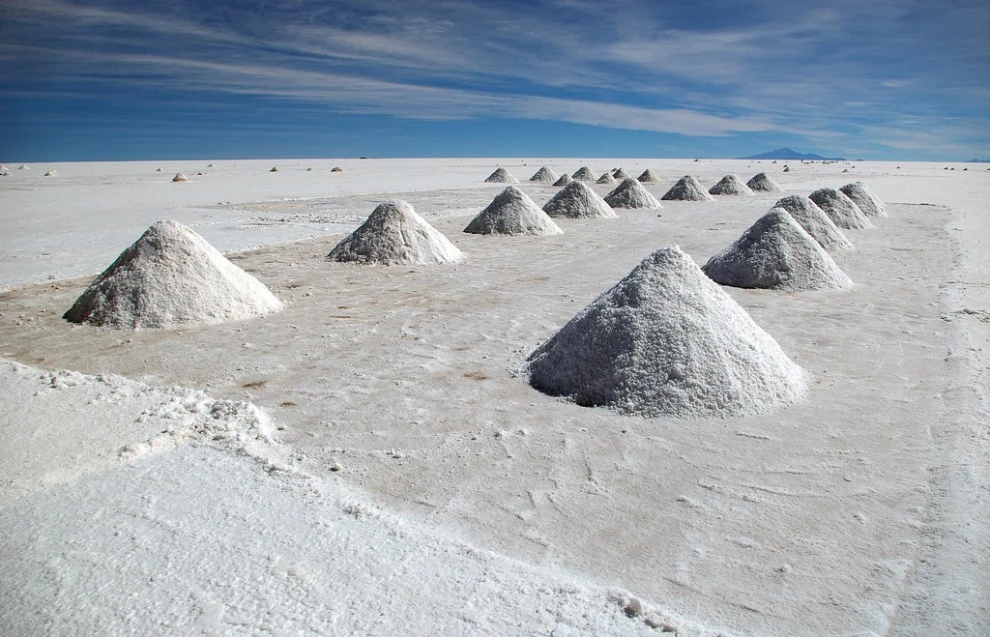
Local workers scrape salt from the surface and pile it into small mounds. 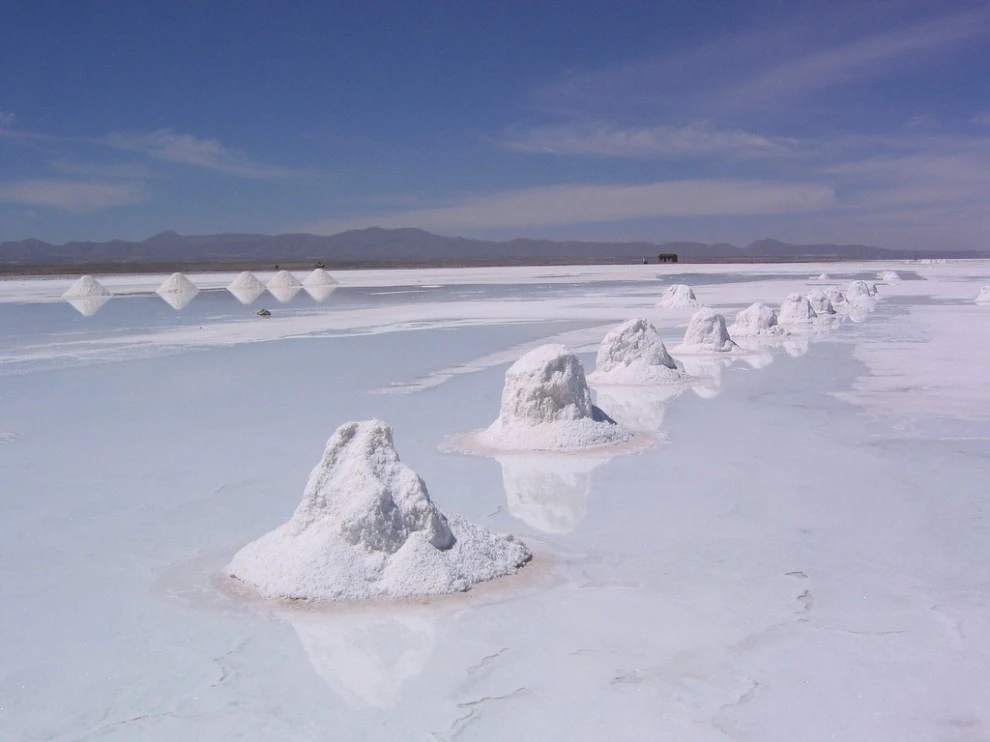
Salar de Uyuni is all that remains of a prehistoric lake. Enclosed by mountains with no natural outlet, the water evaporated over millennia, leaving behind massive salt deposits. Workers build these piles to help the water evaporate faster, making the salt much easier to transport. 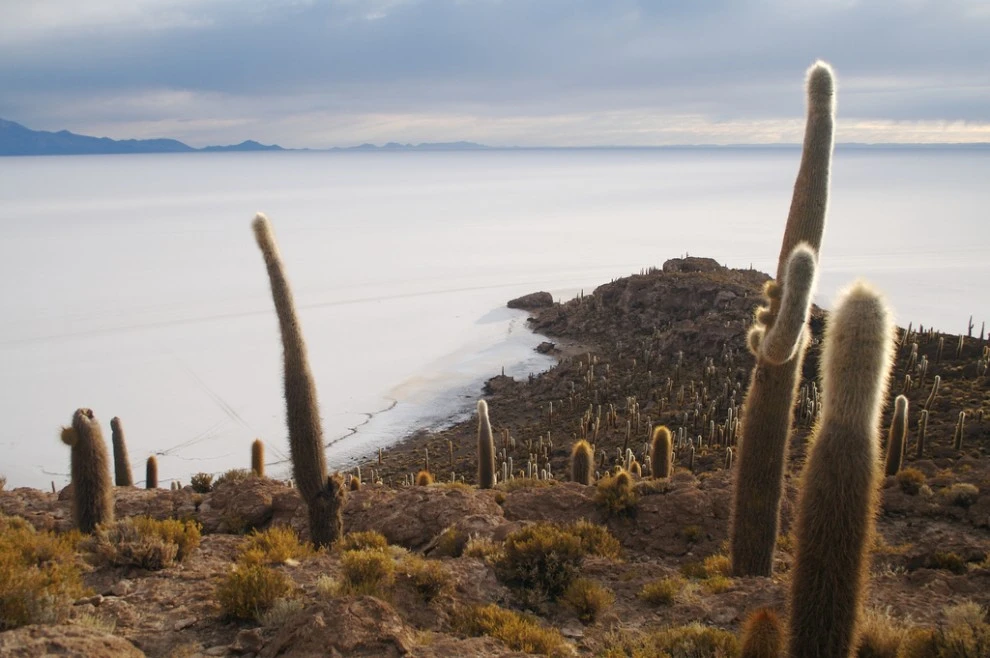
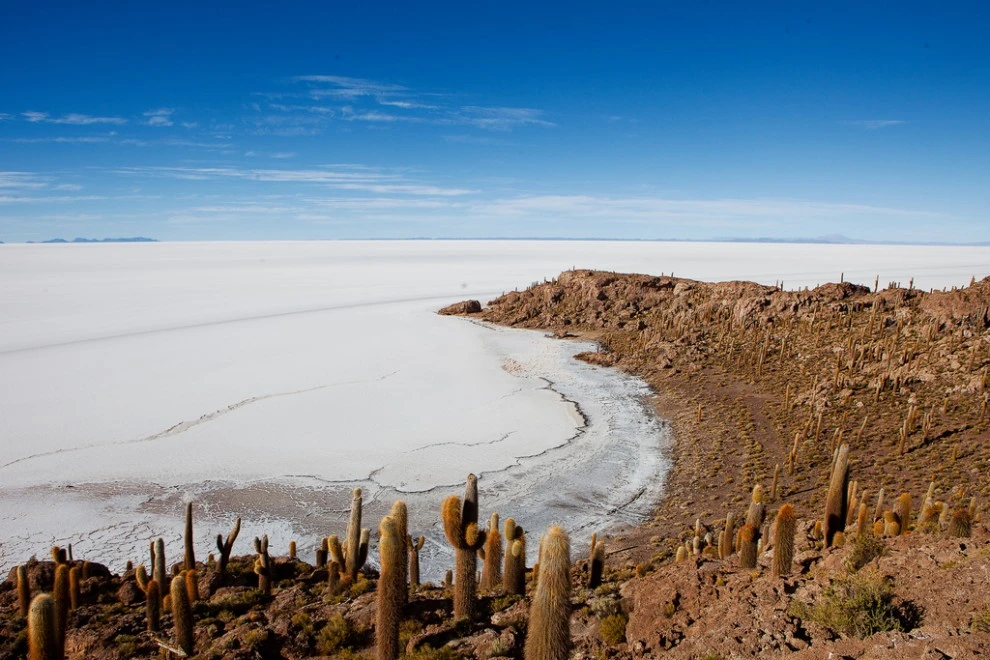
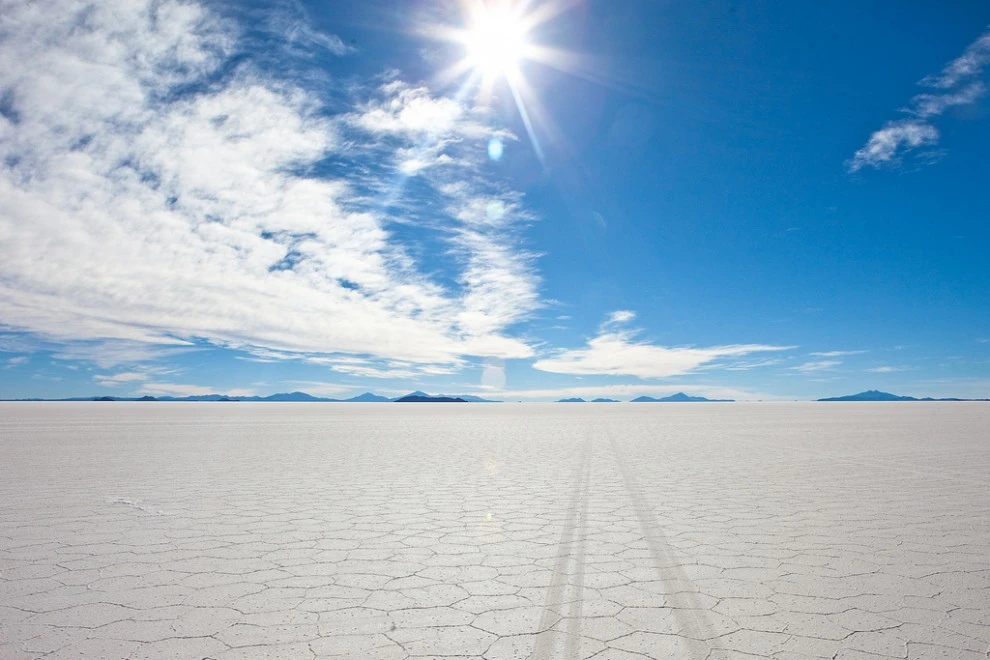
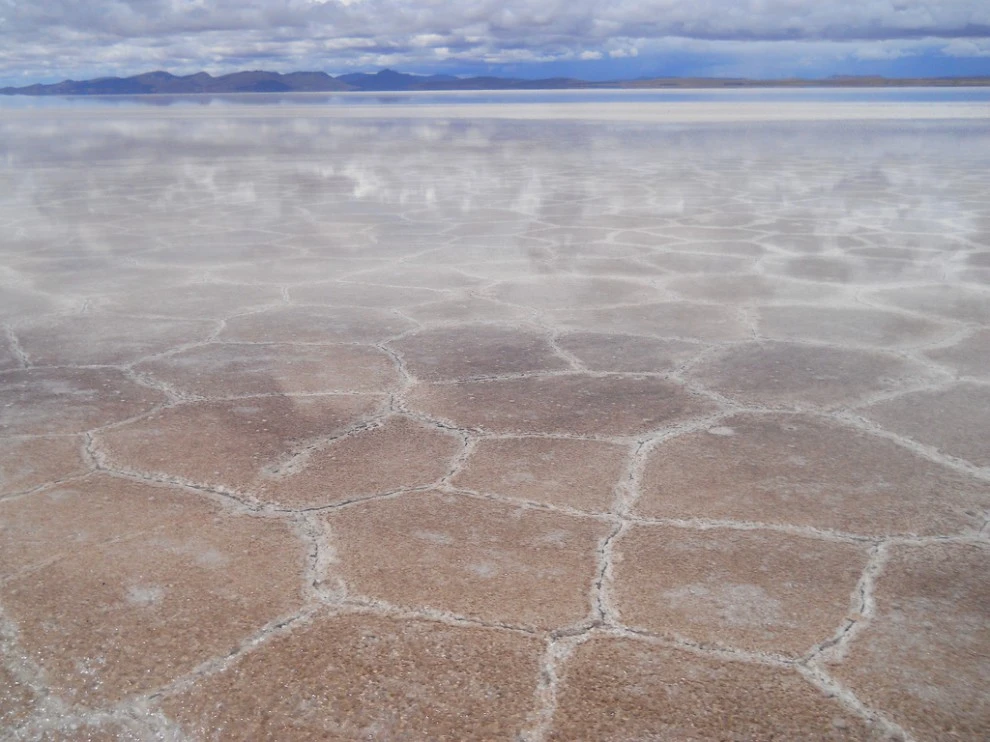
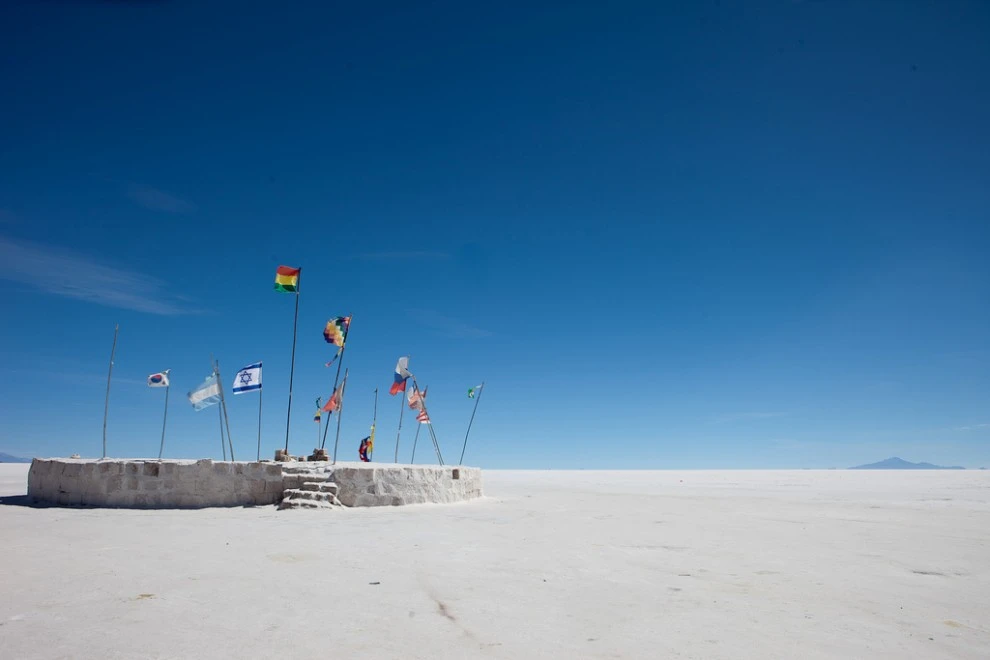
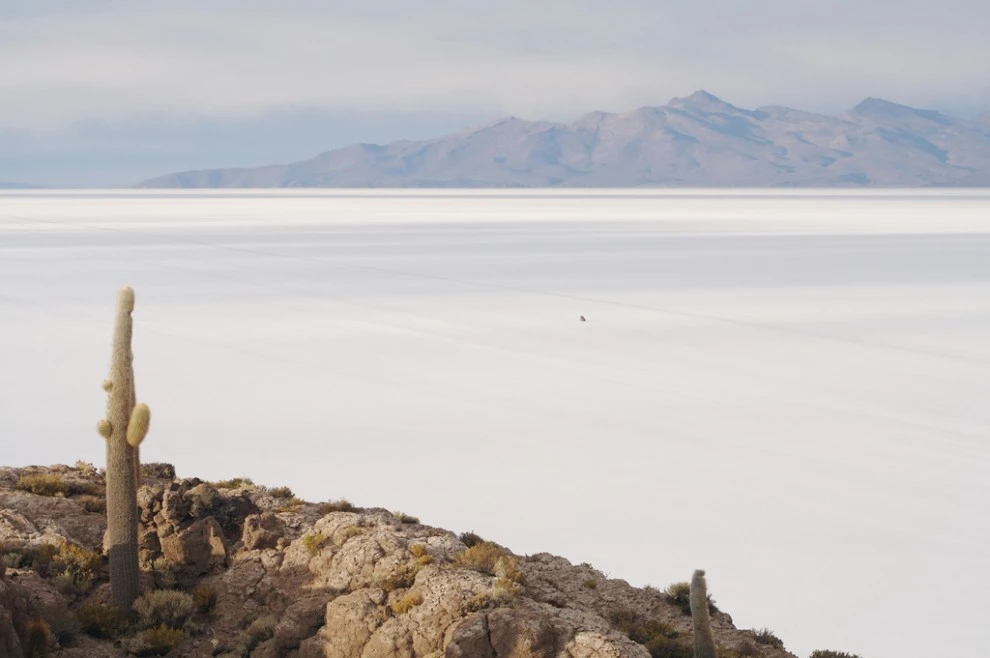
From a distance, the salt flats look like a vast, endless white sea. Hexagonal patterns stretch out across the crust as far as the eye can see. Calling it a remarkable sight is no exaggeration—it feels like a backdrop straight out of a sci-fi movie, where you half-expect Captain Kirk to come running by with a squad of Klingons in pursuit. Even at this altitude, it occasionally rains, transforming the salt crust into a giant, perfect mirror reflecting the sky. 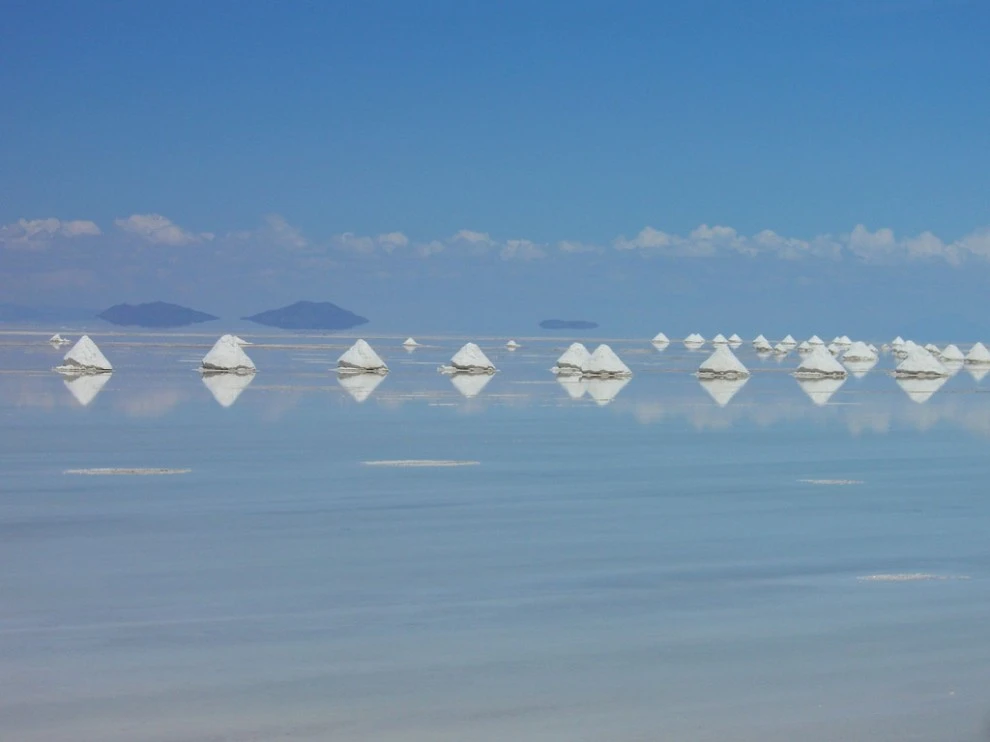
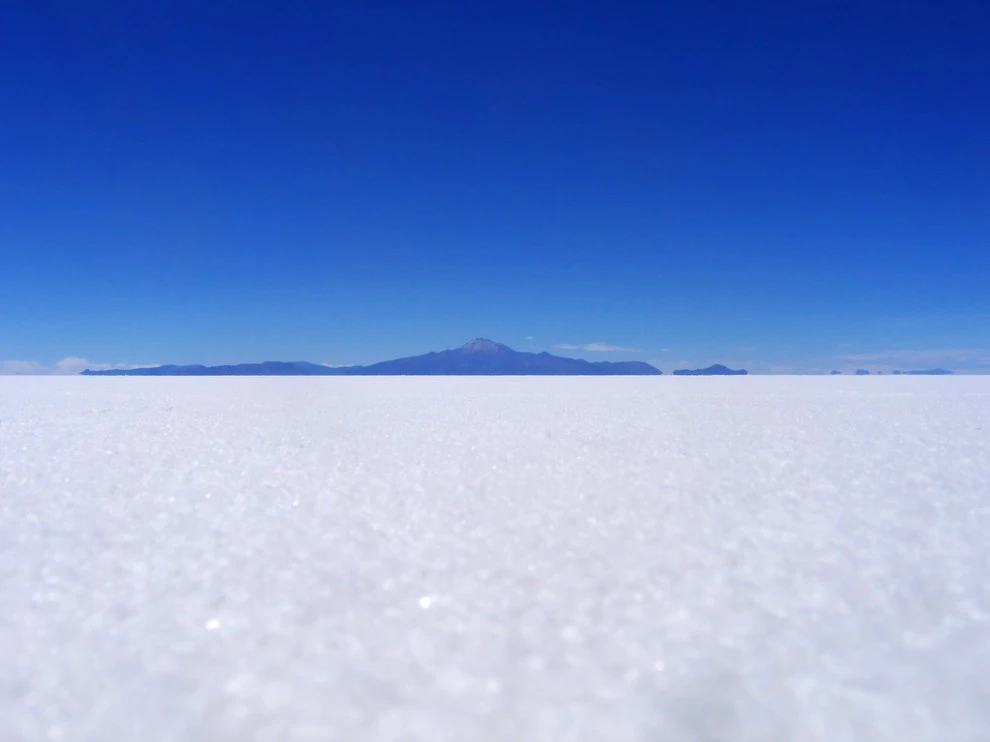
The history of Uyuni dates back nearly 40,000 years, when it formed part of Lake Minchin, a massive prehistoric body of water. As the lake dried up over time, it left behind Lake Uru Uru and Lake Poopó, along with two salt flats: the smaller Salar de Coipasa and the colossal Uyuni. At 12,000 square kilometers, it is massive by any standard. 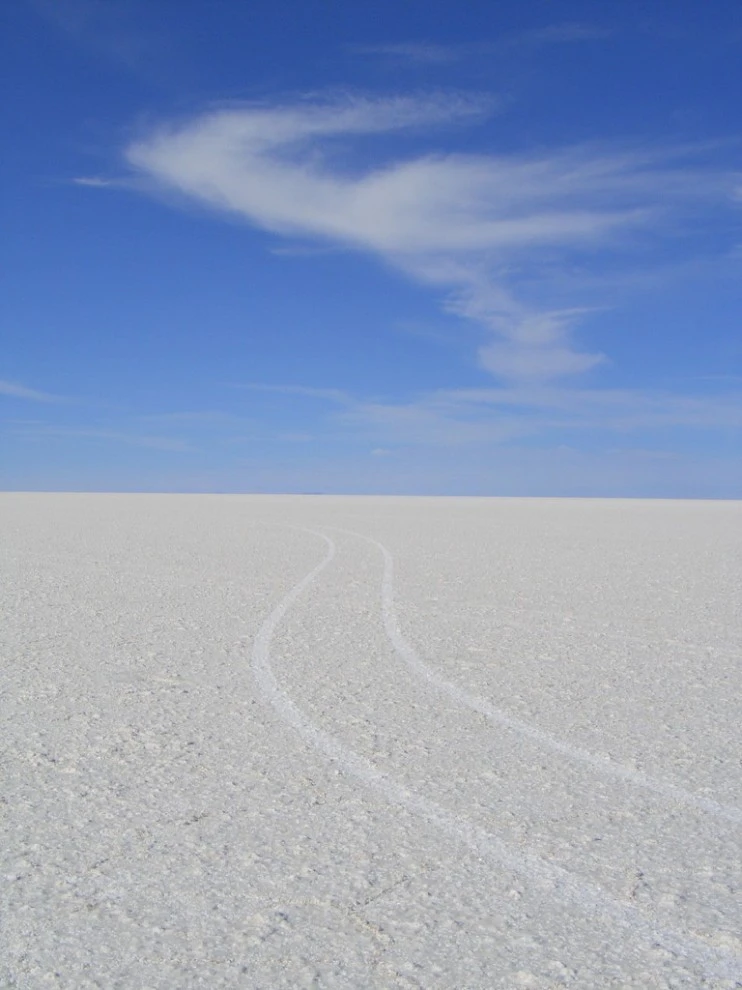
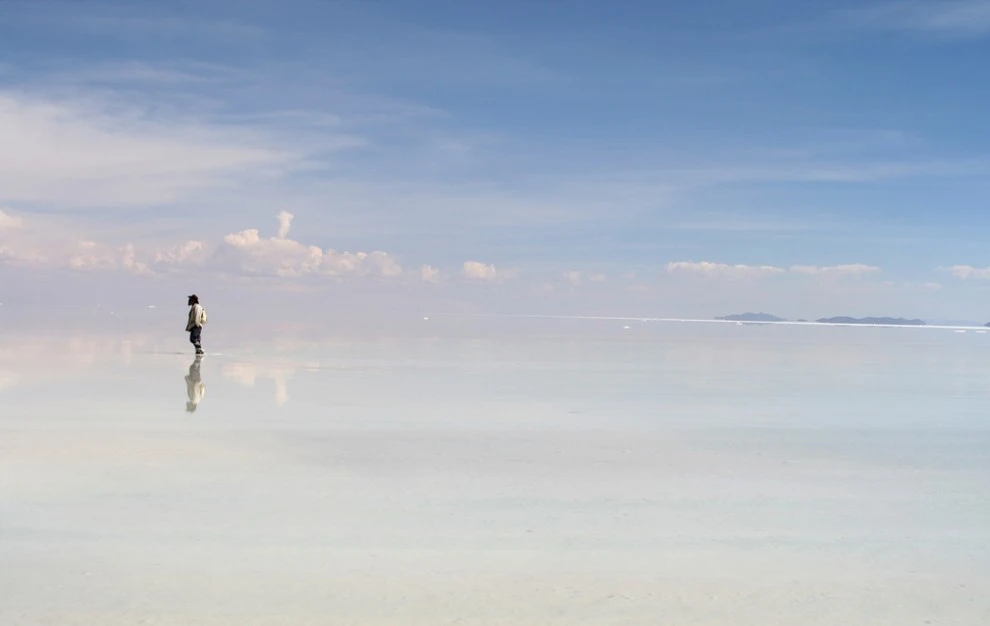
From afar, the landscape looks like a blindingly white ocean. It is estimated that the flat contains up to 10 billion tons of salt. Around 25 tons are harvested each year by local miners, who share the profits. While the salt mounds are gathered by hand in the traditional way, modern machinery is needed to haul it out—surely you didn't expect them to carry it all out on llamas, did you? 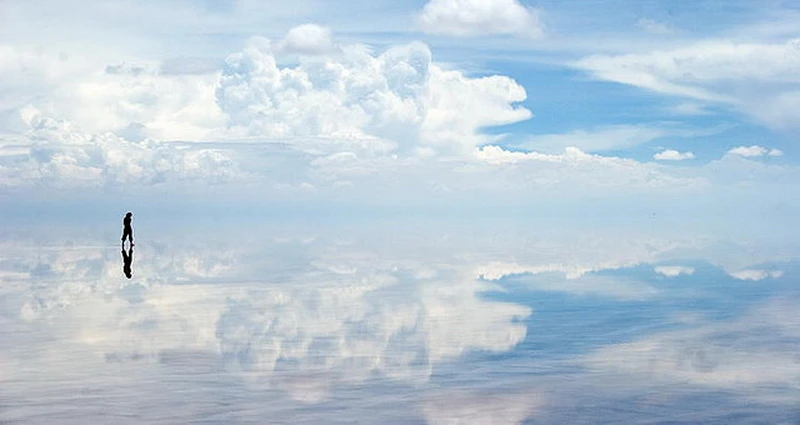
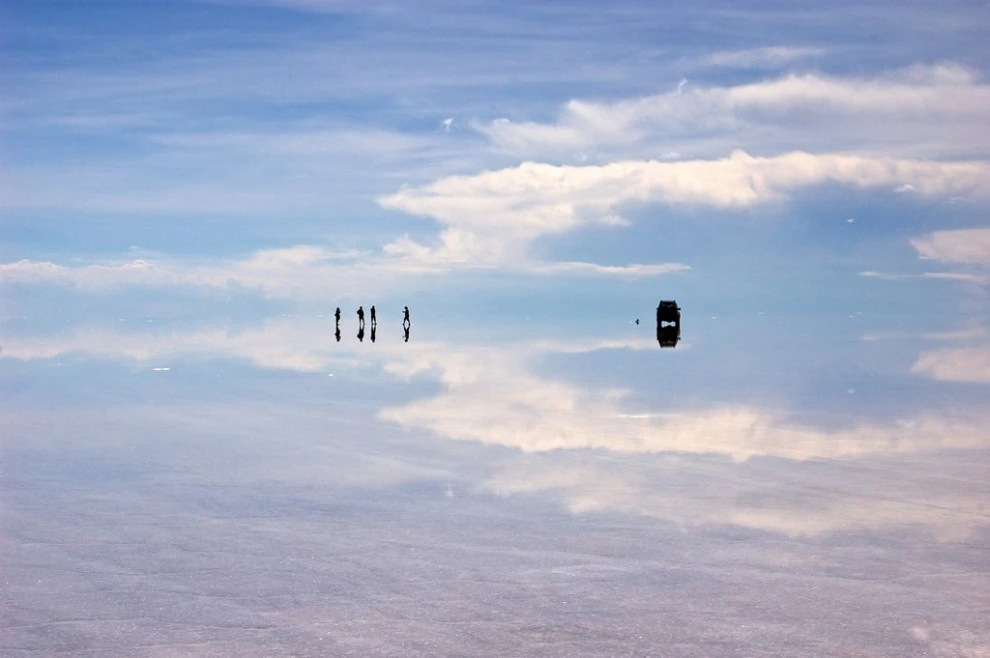
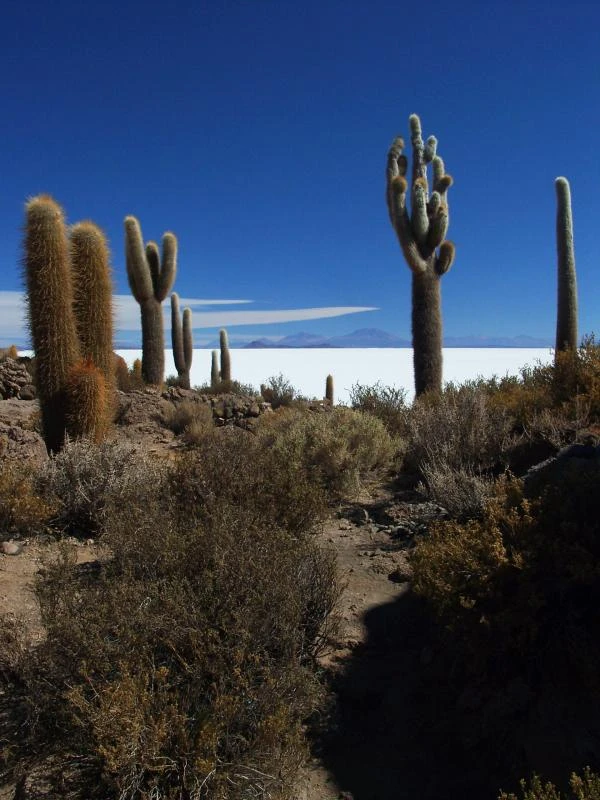
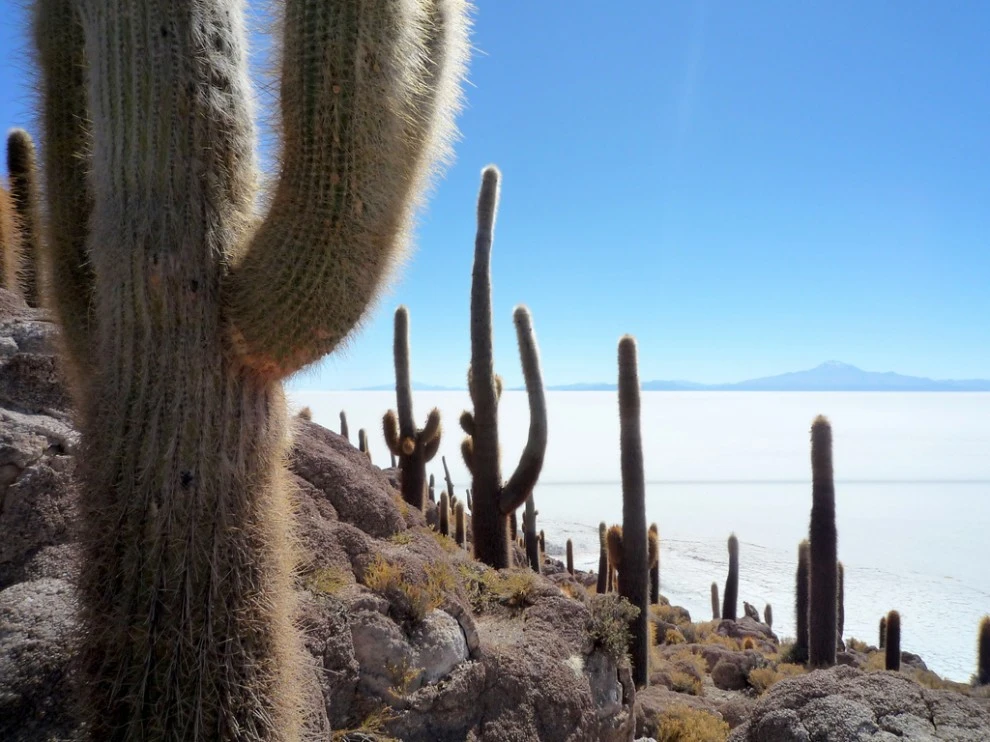
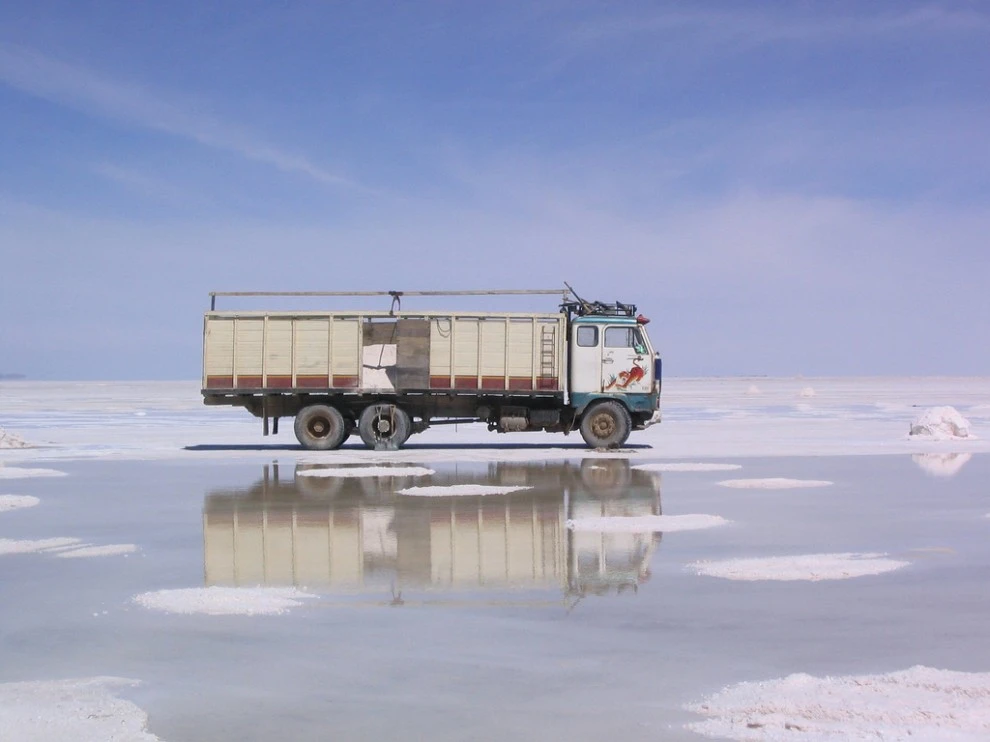
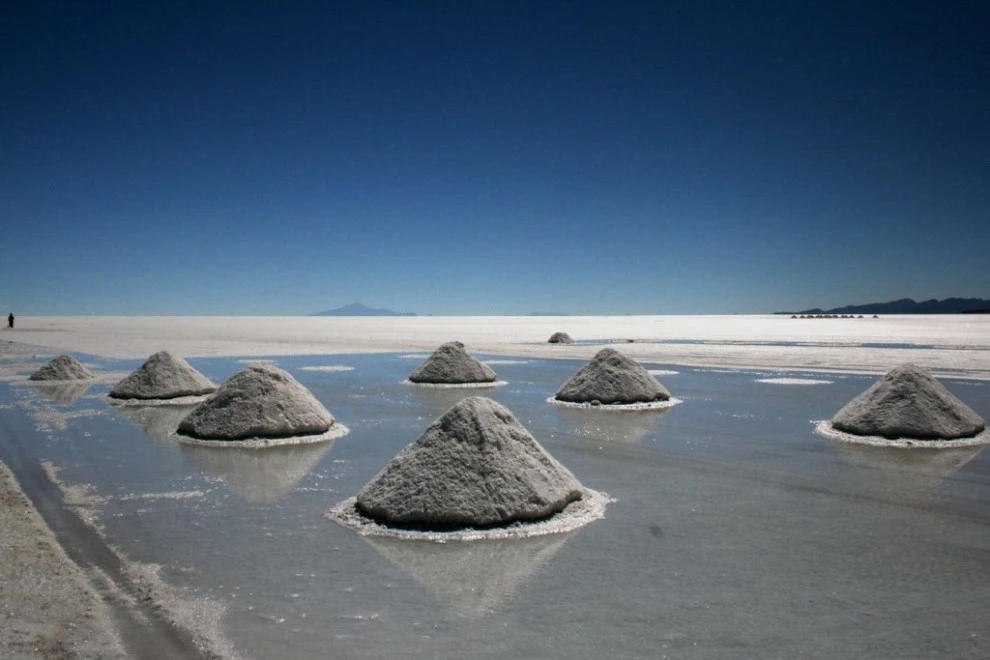
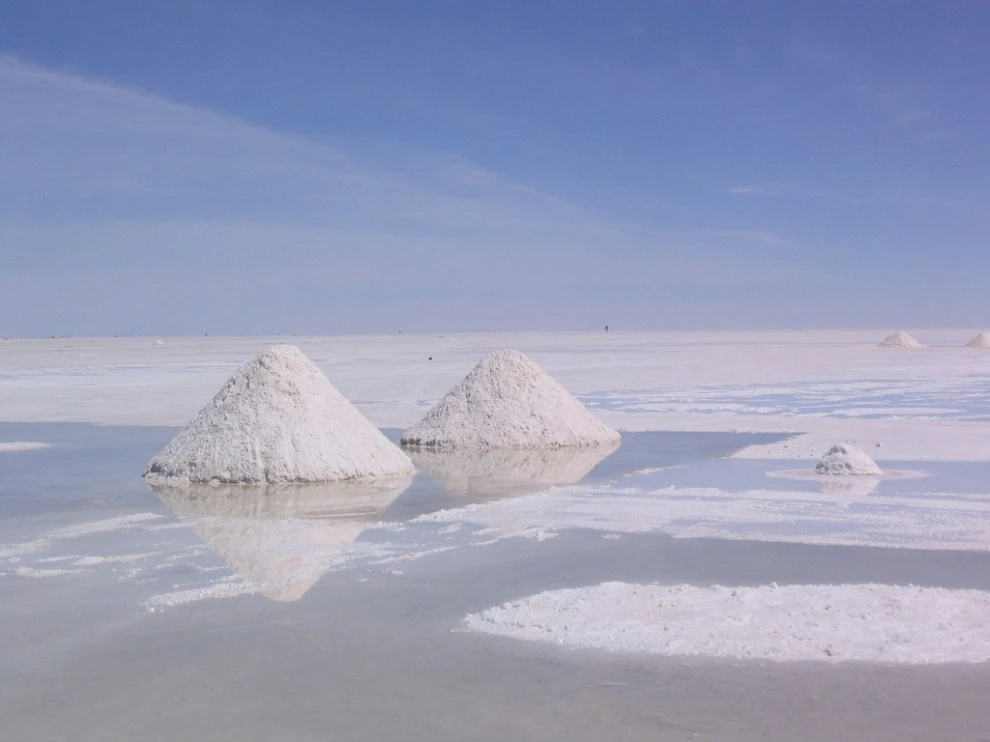
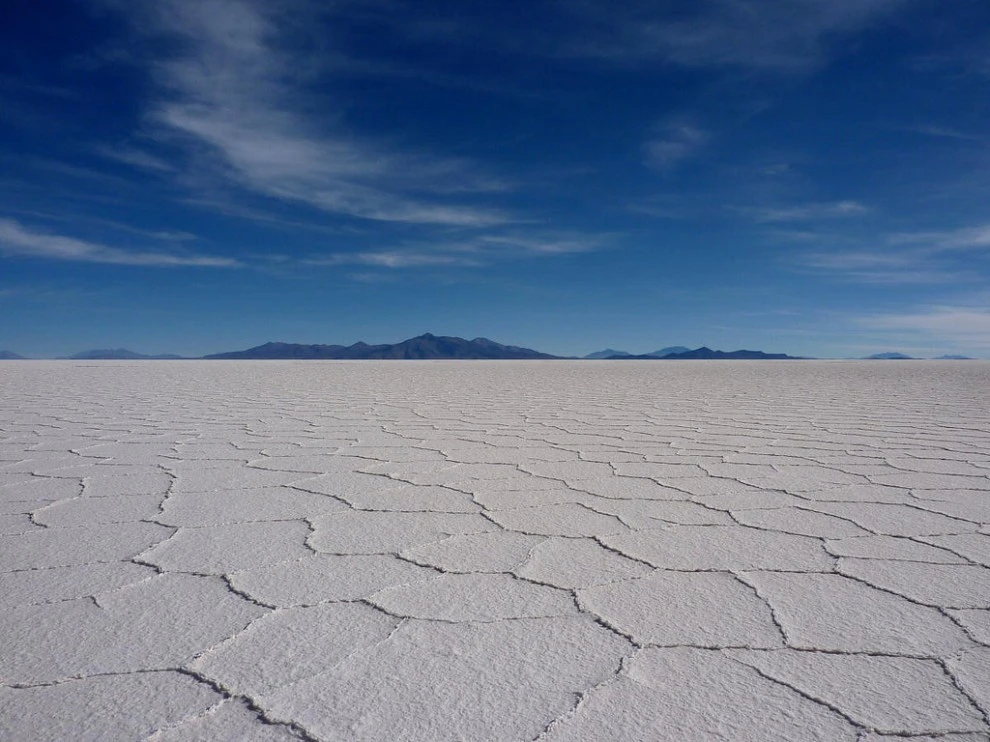
The towering salt piles only add to Uyuni's surreal, otherworldly atmosphere. Situated in southwestern Bolivia across the departments of Oruro and Potosí, this region is extremely remote, yet local authorities actively encourage tourism. Located near the crest of the Andes, it has become a staple on South American travel itineraries, making it relatively easy for adventurous travelers to reach. 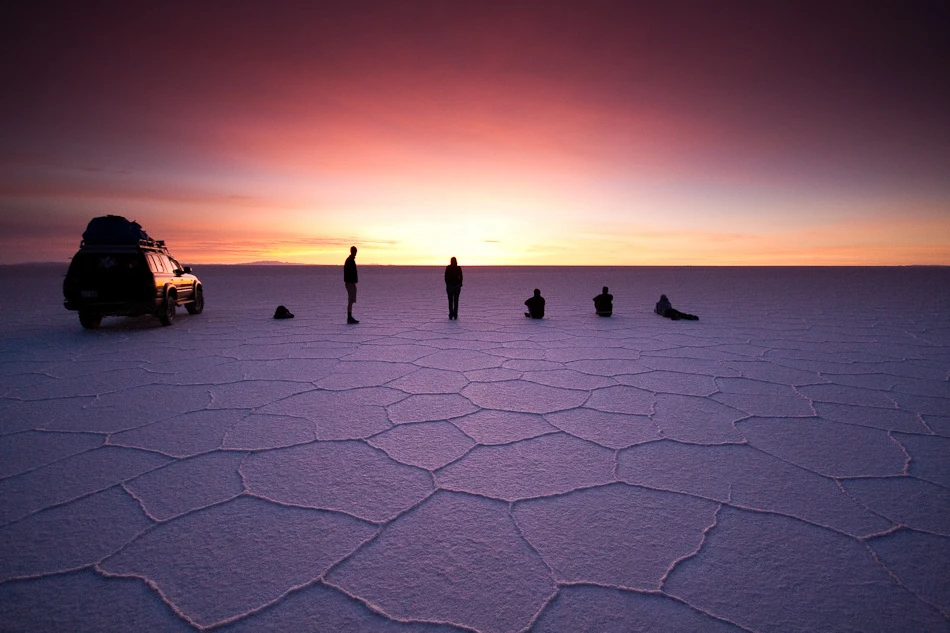
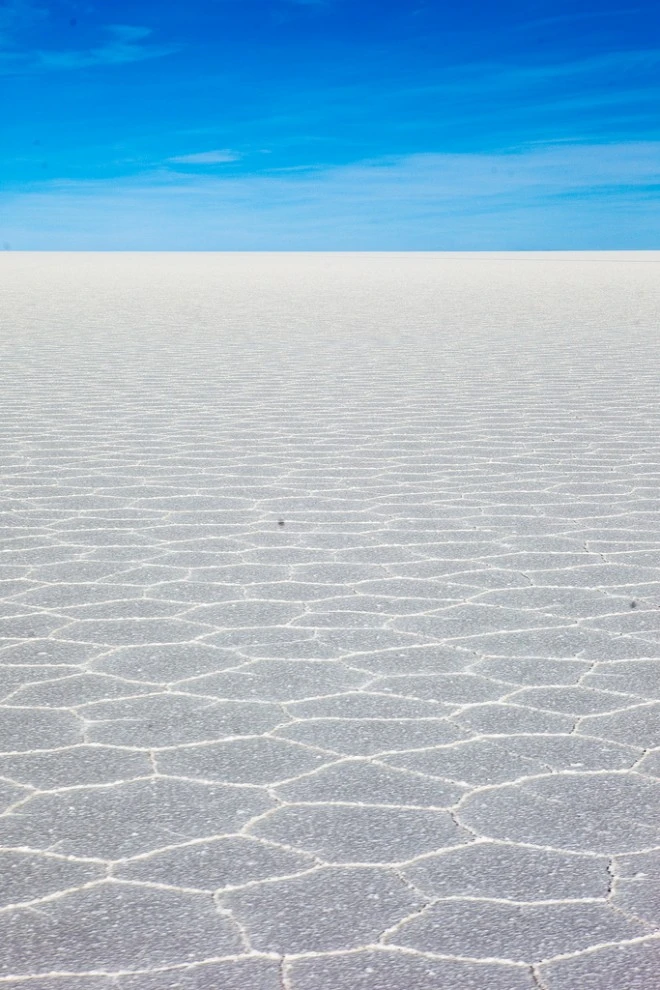
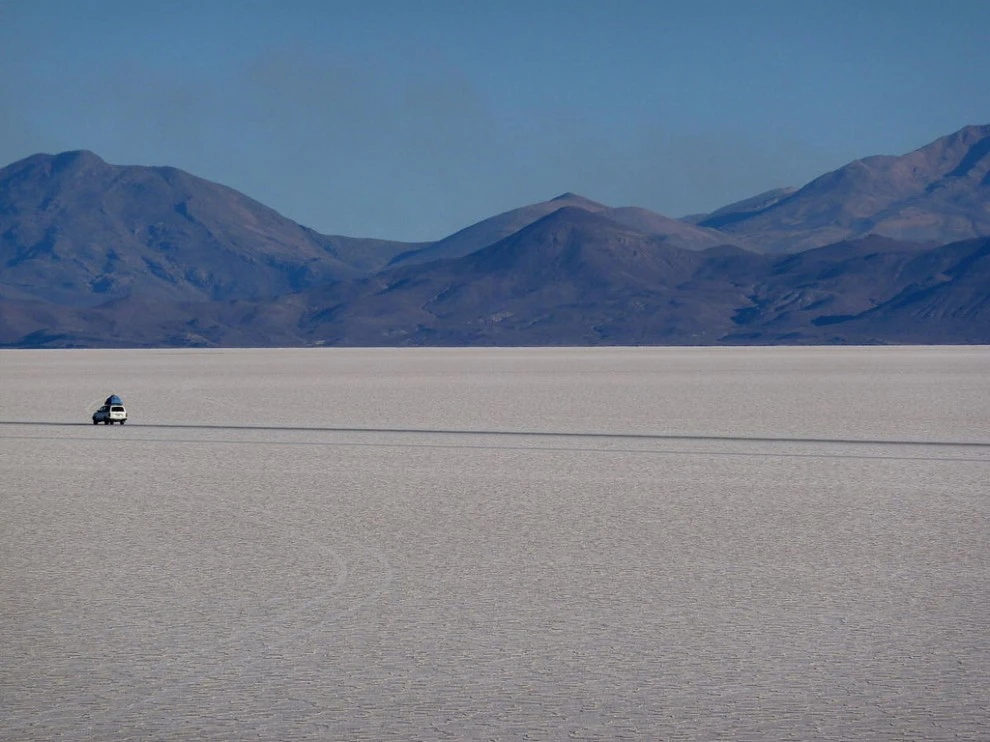
The primary minerals harvested from the salt crust are table salt and gypsum. The salt is often used for cooking as well as de-icing roads during winter, while gypsum is a key component in drywall and plaster. The flat also sits atop vast reserves of lithium, an essential element for batteries and certain pharmaceuticals. However, Bolivia currently exports very little of these mineral resources. 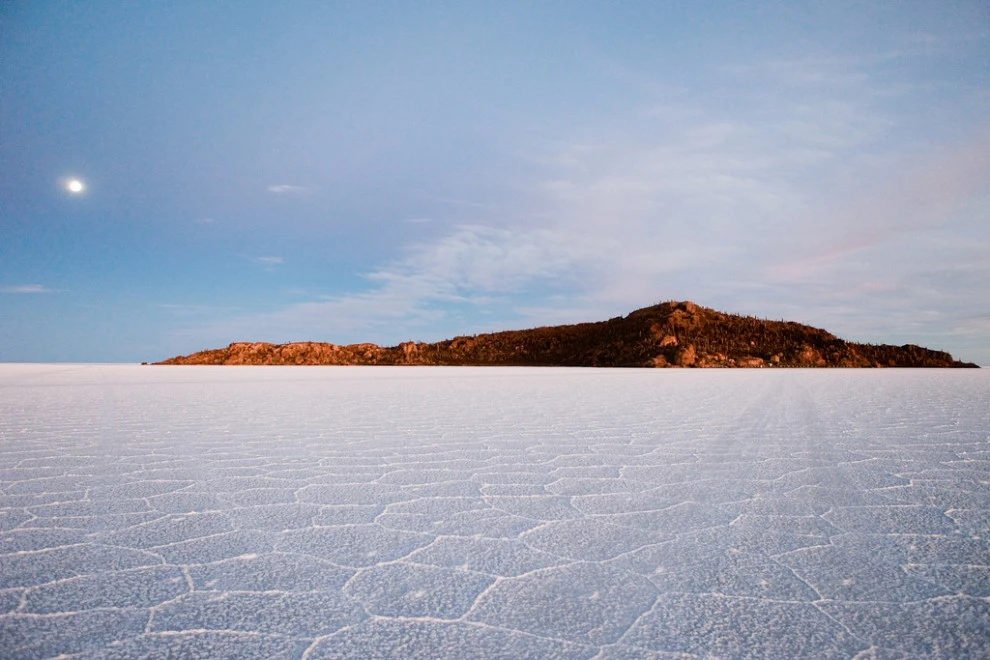
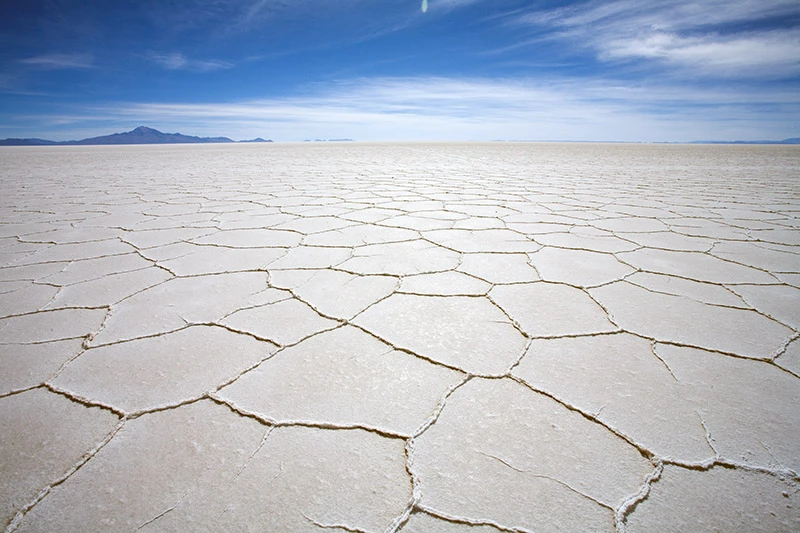
You might not have heard of Uyuni until now, but astronauts know it well. Space agencies use the salt flat to calibrate and test remote-sensing equipment on orbiting satellites. Why? Because it's vast, exceptionally flat, and highly reflective—especially when covered with a thin sheet of water, making it the perfect calibration target. 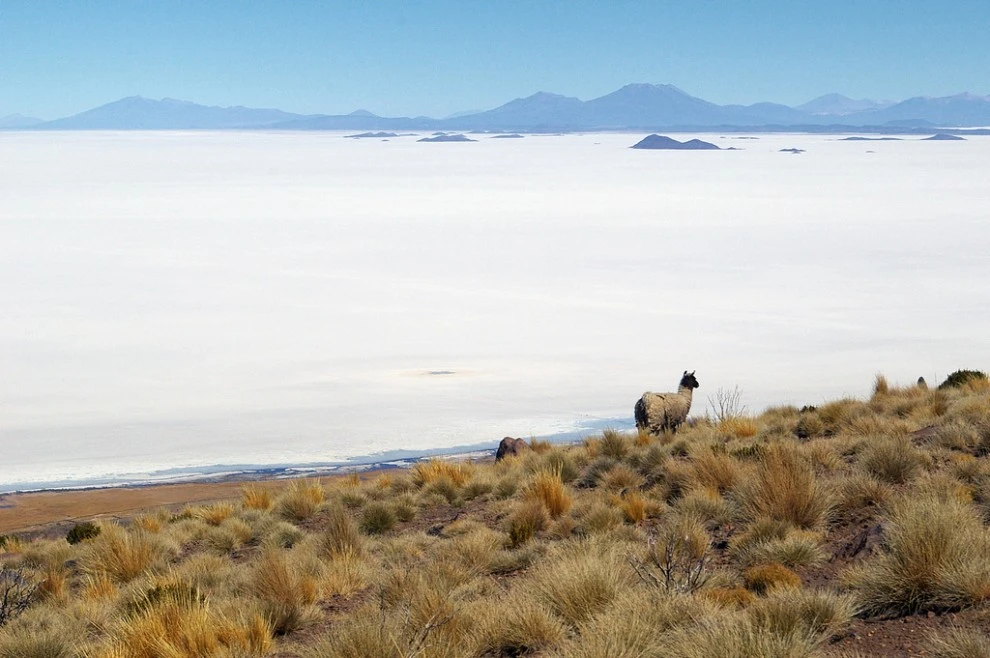
In terms of wildlife, it's not exactly a teeming safari destination. However, around the edges of the salt flat—and occasionally right out in the middle—you'll spot the ever-present llama. 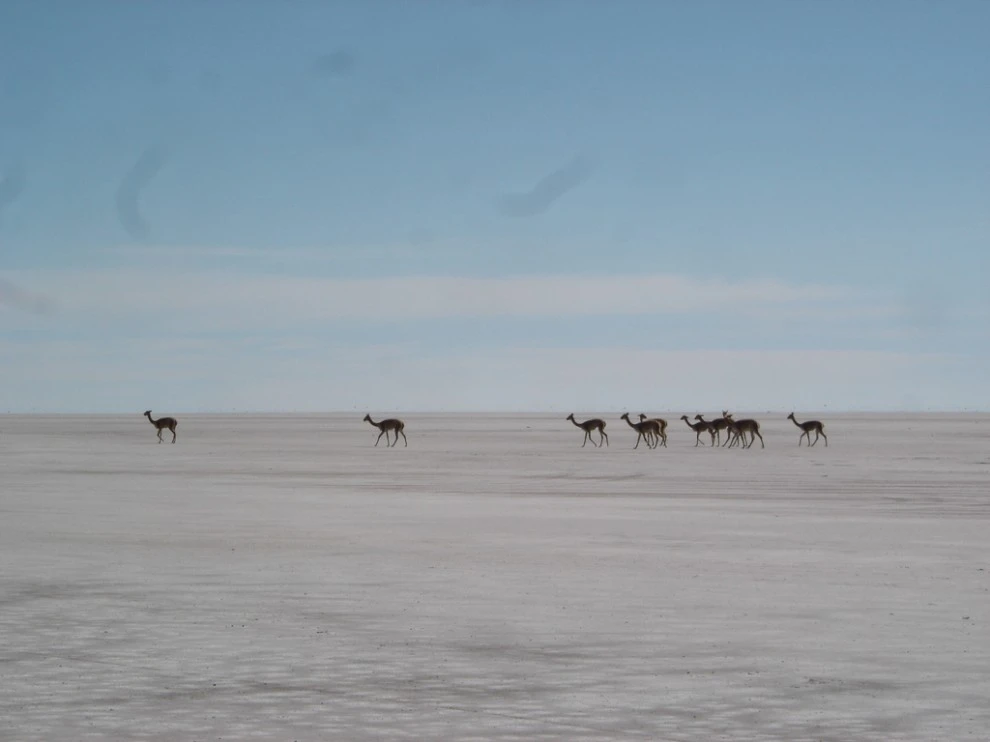
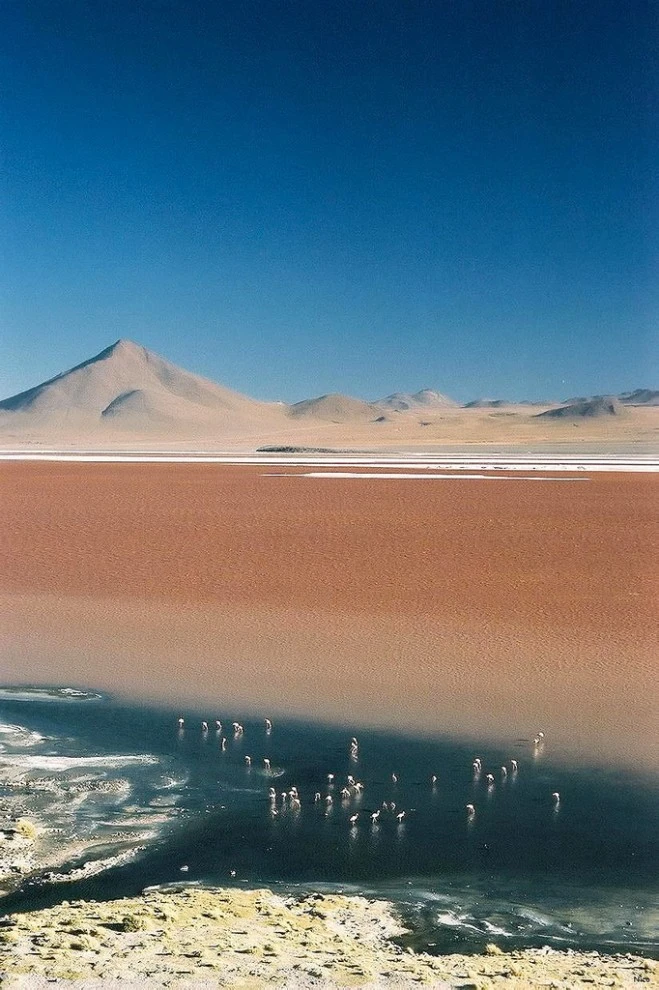
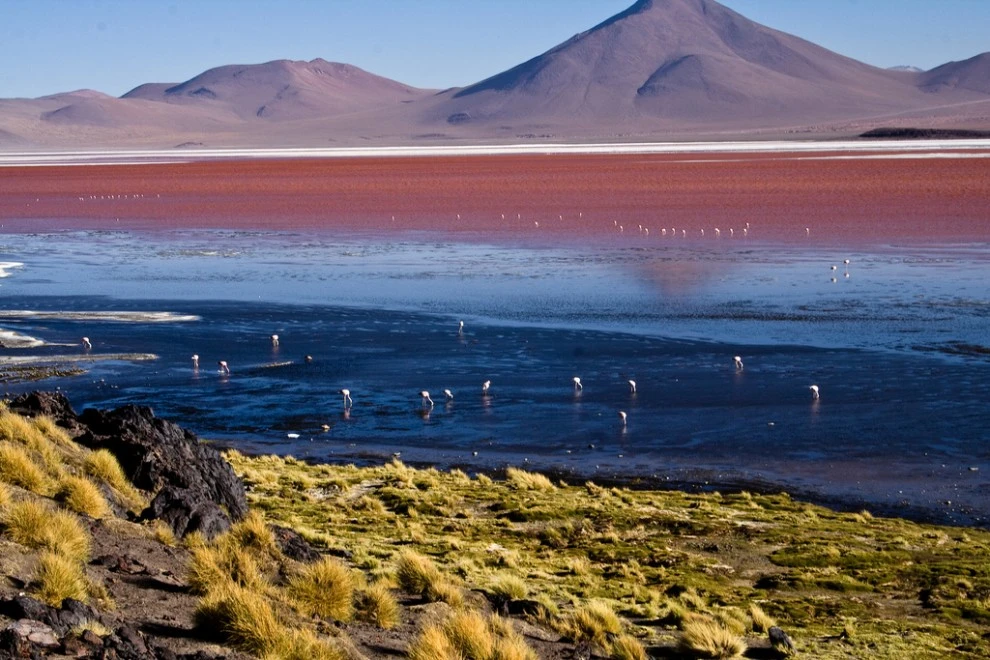
To the south lies the Andean ridge along with two other lakes. Three species of flamingos breed here, and watching them take flight against the high-altitude backdrop is truly breathtaking. 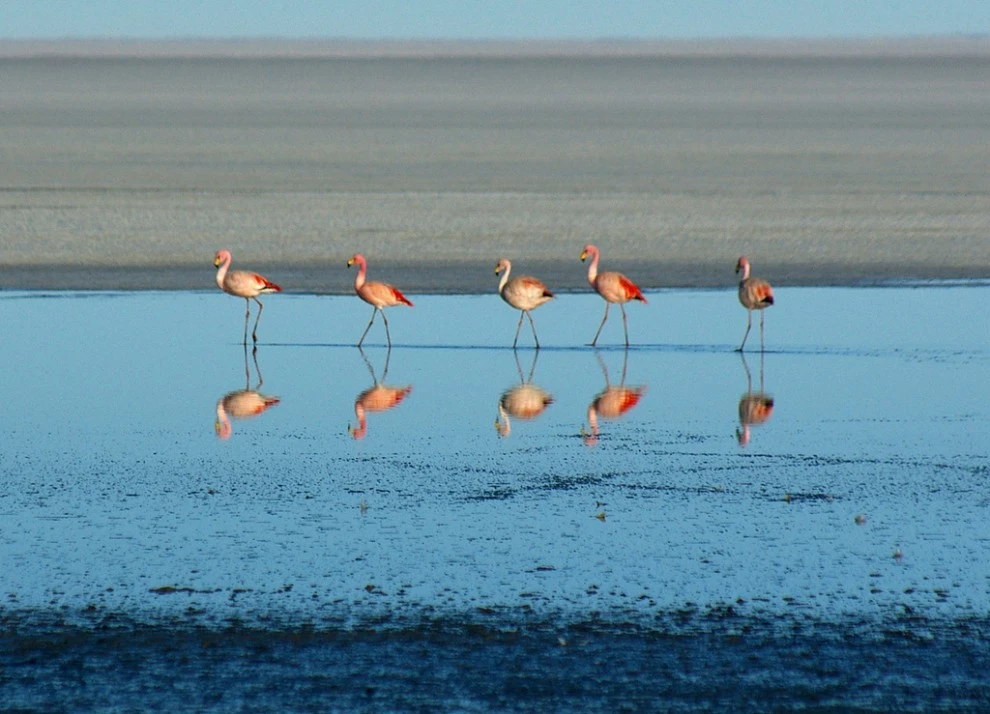
Flamingos are among the few large animals capable of thriving in this harsh environment, and large flocks can frequently be spotted here. 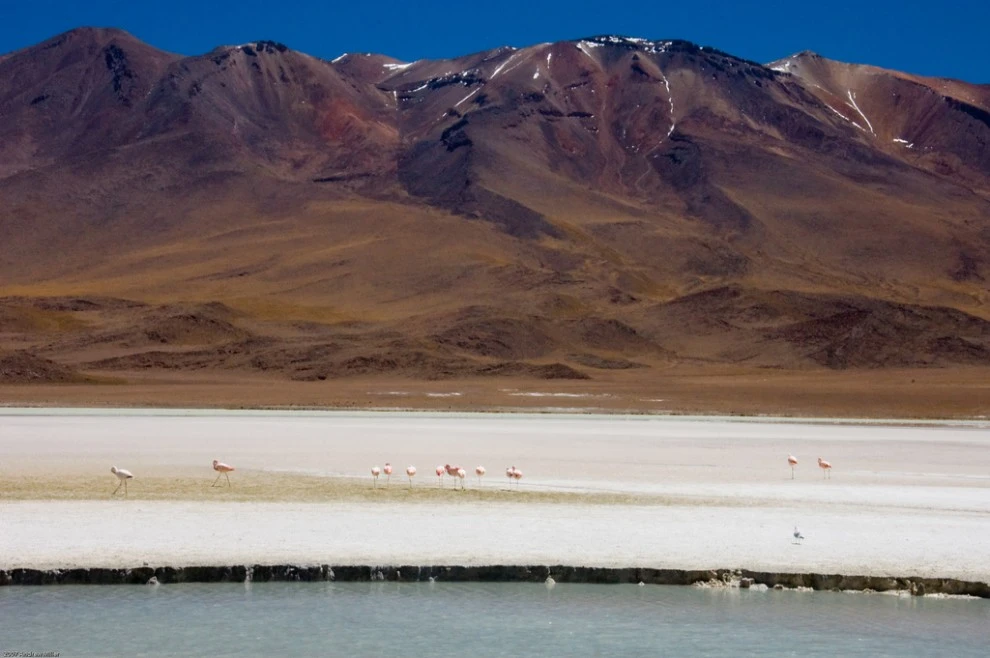
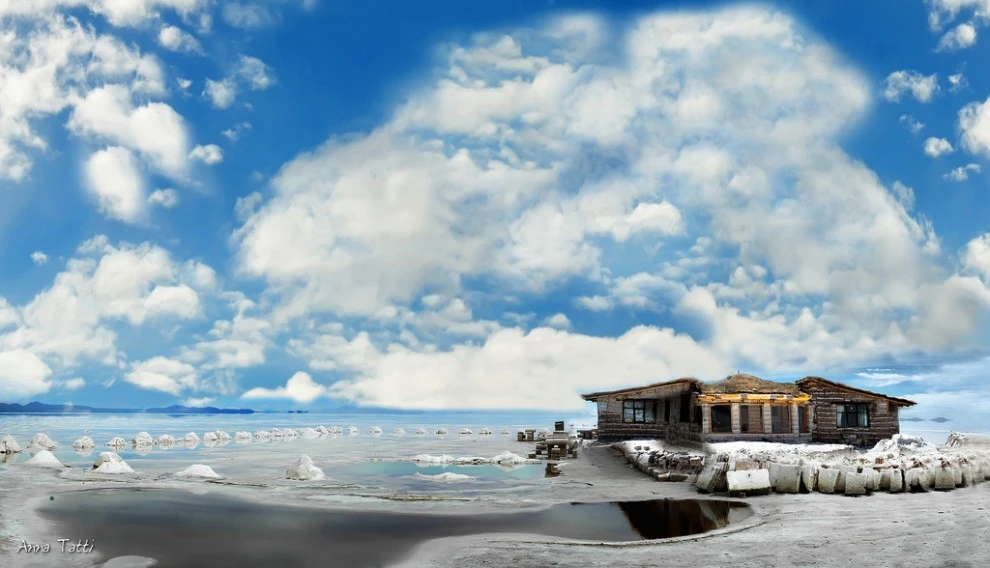
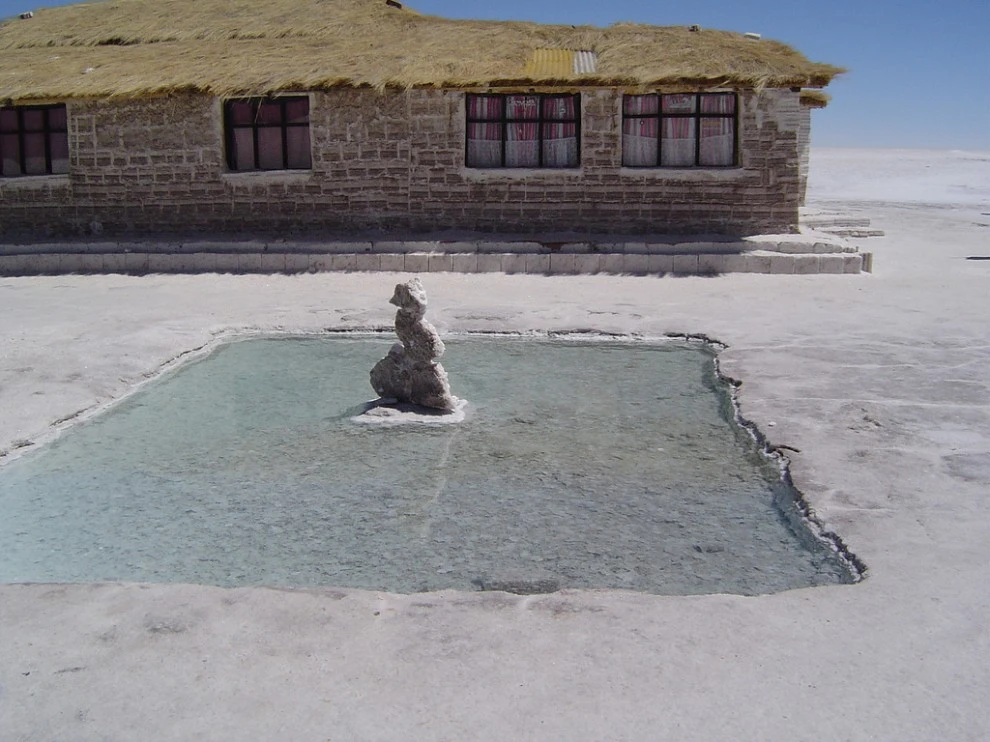
So where do you stay? It would be a shame not to experience a night at one of the local hotels built entirely out of salt blocks—including the furniture inside. 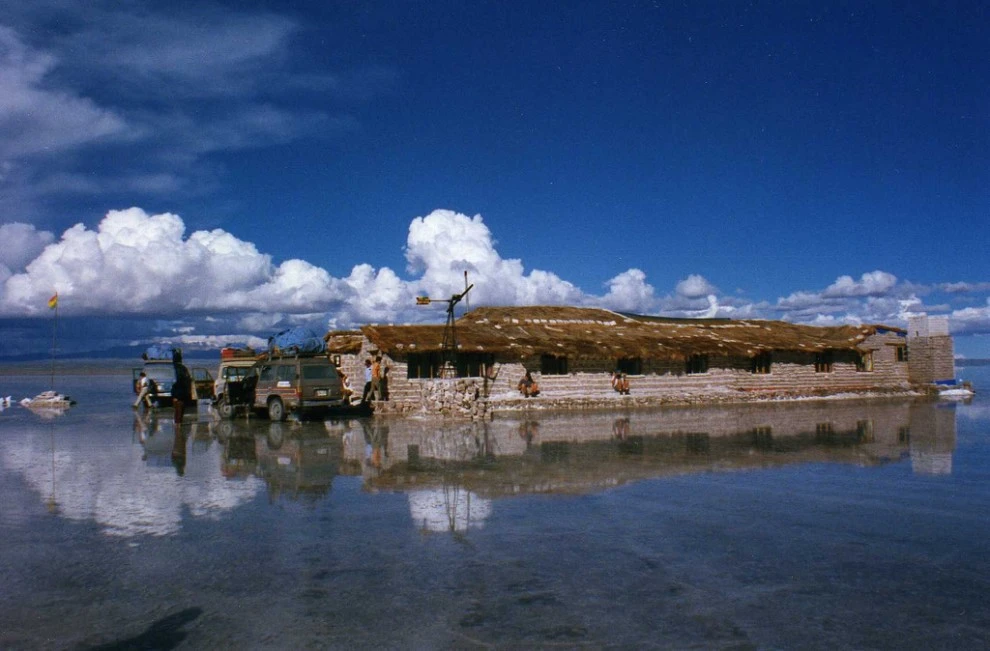
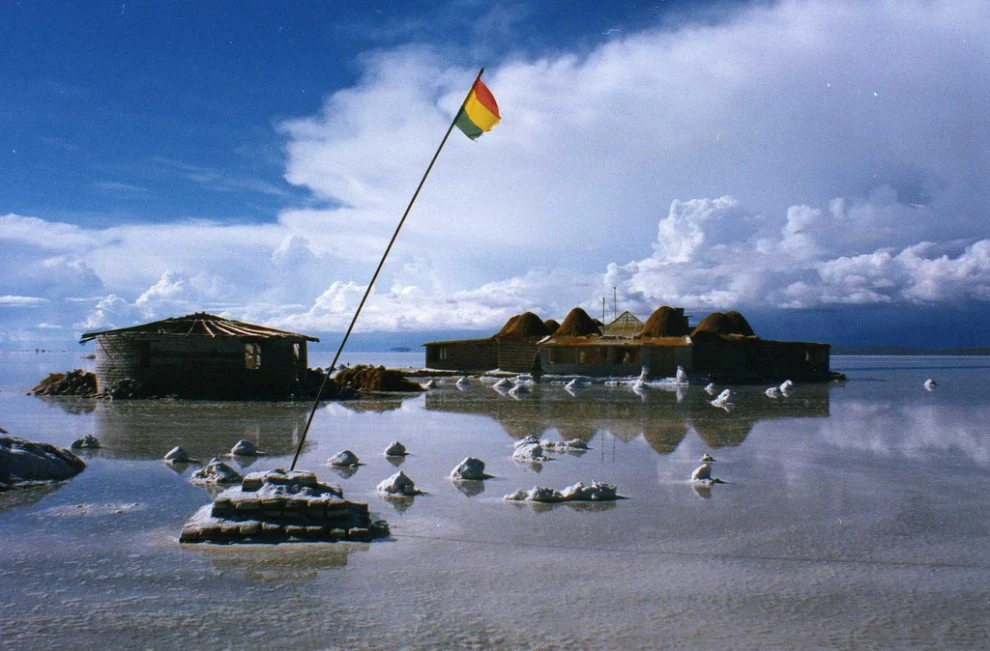
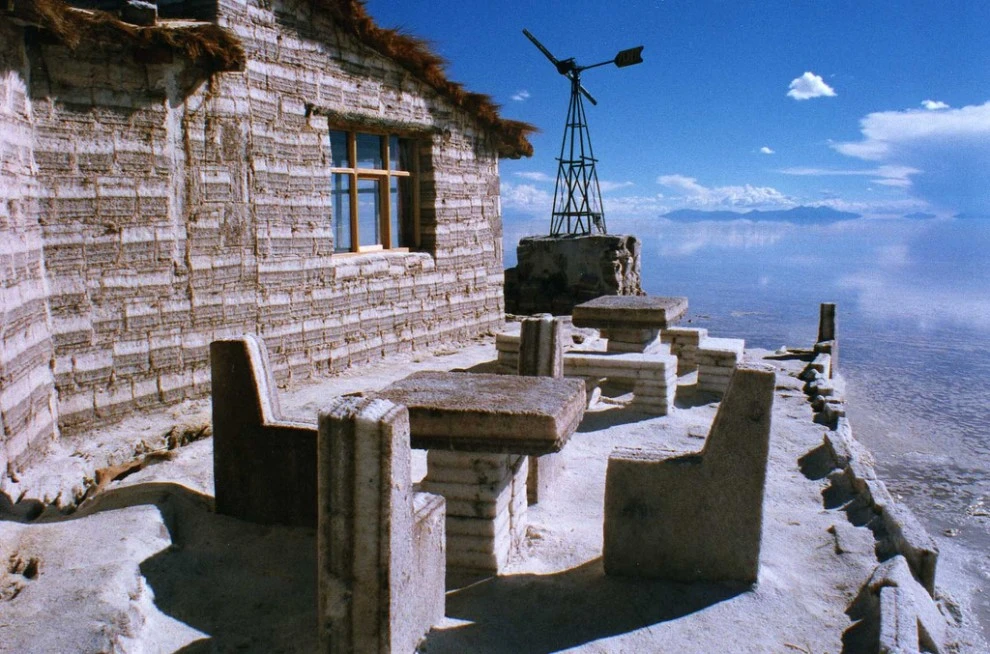
If you prefer, you can even enjoy an outdoor picnic. Naturally, the picnic table is made of salt too. 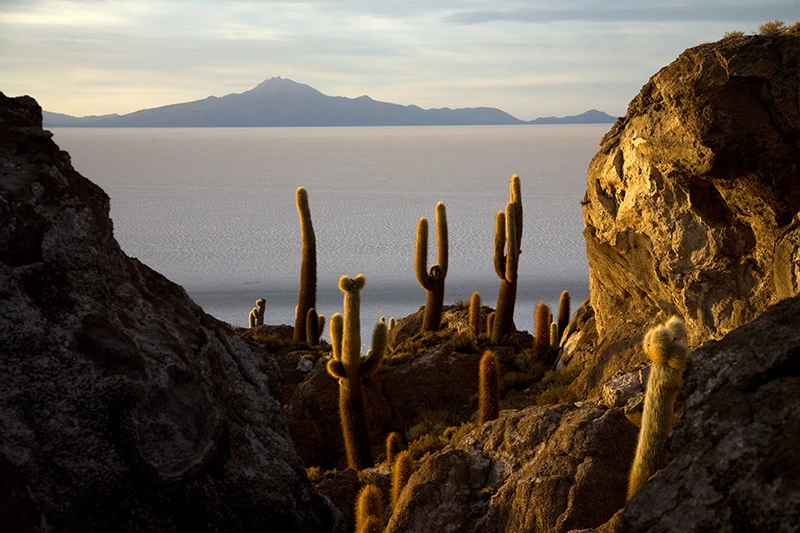
Without a doubt, the main draw is the sheer, breathtaking majesty of the salt flat itself. As stunning as these photos are, nothing compares to experiencing this otherworldly landscape in person.