Safe Spoilage: Which Moldy Foods Are Actually Safe to Eat (6 Photos)
Mold on food might look unappetizing and seem dangerous, but not all types are harmful or inedible. British food safety consultant Jill Taylor explains that certain molds—like those found in cheeses and cured meats—actually give food a unique depth of flavor and aroma. However, other strains can be dangerous. Read on to discover which moldy foods are perfectly fine to salvage and which ones belong straight in the trash. 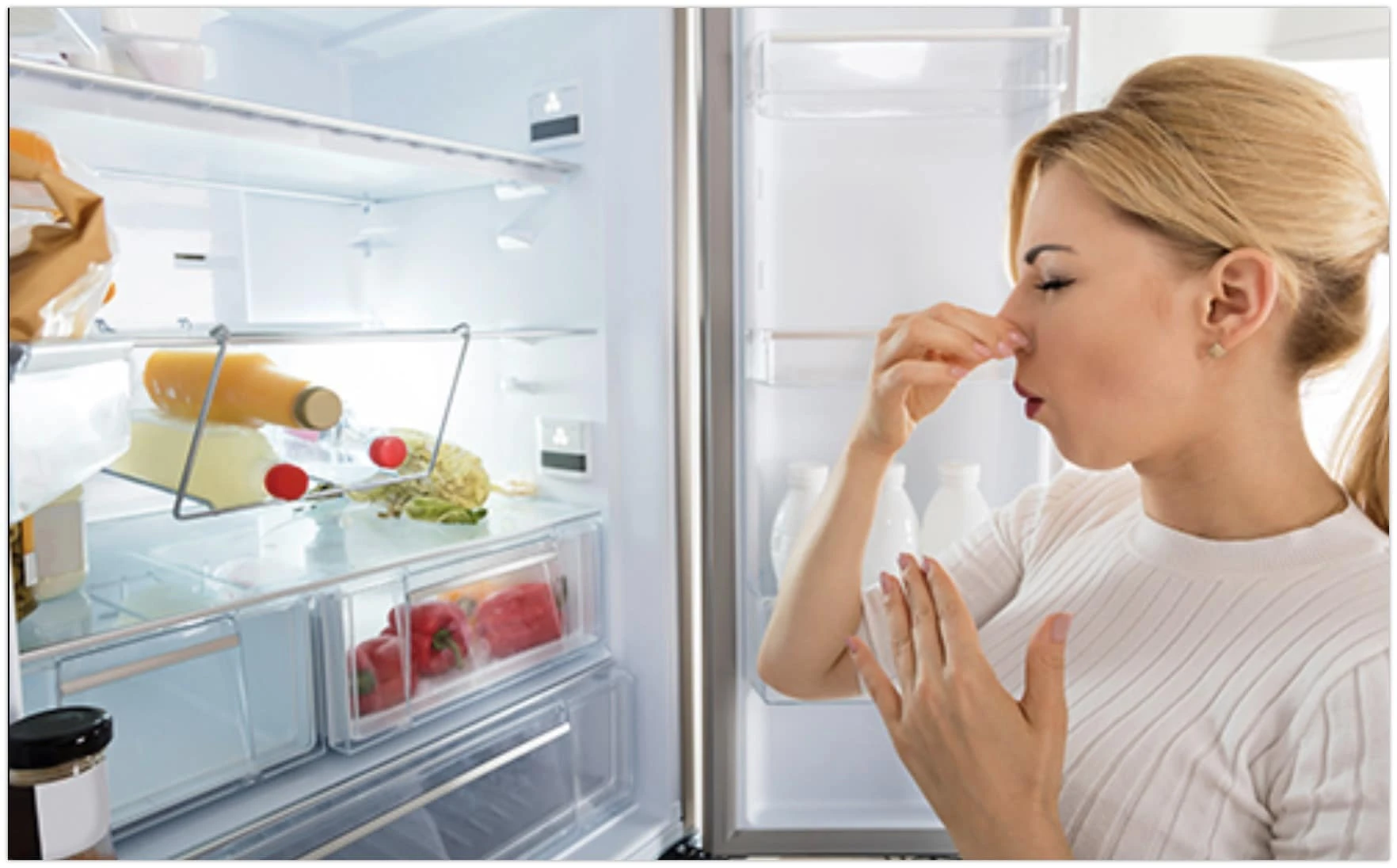
We often spend ages at the grocery store hunting for fresh produce, hoping it won't start rotting or molding two days after we bring it home. But despite its off-putting appearance, mold doesn't always spell disaster—some foods can be saved simply by trimming away the affected parts.
Food expert Jill Taylor advises paying close attention to date labels, specifically "best before" versus "use by." A "best before" date indicates peak quality rather than safety, meaning eating the food past this date isn't necessarily a health hazard. Conversely, a "use by" label—typically found on highly perishable items like soft cheeses and chilled meats—serves as a warning about harmful bacteria that can cause serious illness. If mold appears on these products, they should be thrown out immediately.
Here is a handy guide to which moldy foods you can safely rescue and which ones you should toss.
Fruit and Vegetables 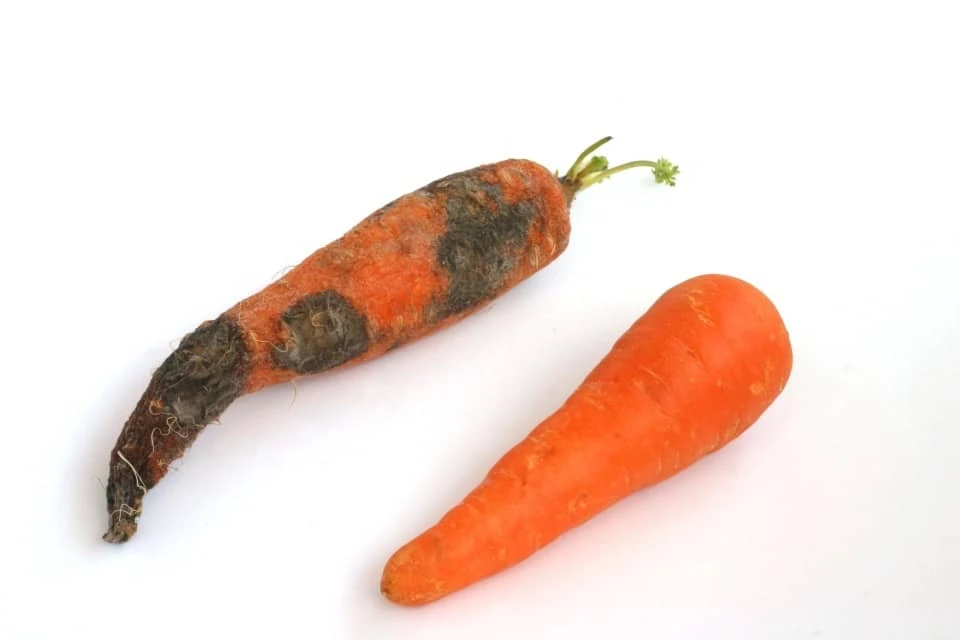
Firm vegetables like carrots, parsnips, and cabbage have a low moisture content and higher acidity, making it difficult for mold and rot to penetrate deep inside. As long as they haven't turned slimy, you can simply cut off the spoiled section and safely eat the rest.
The same goes for fruit. If an apple, pear, or peach starts to show signs of rot, there's no need to throw the whole thing away. Most molds found on fresh produce are harmless. Just slice off the damaged area, and the rest is perfectly good to eat. However, stay away from green potatoes—they contain solanine, a toxic compound that can cause digestive distress.
Hard Cheeses 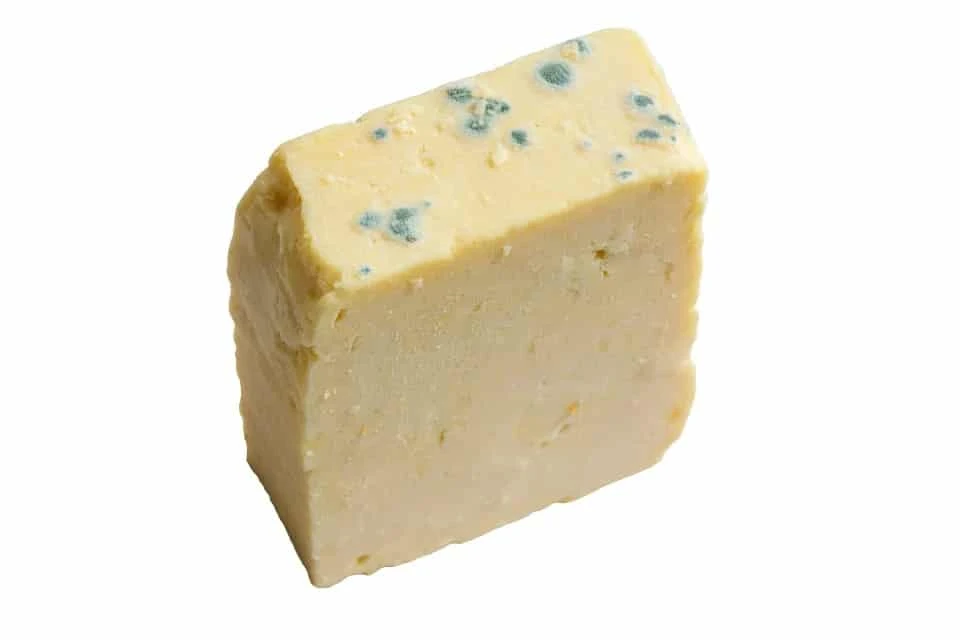
When hard cheeses like cheddar or parmesan start to mold, the fungus rarely penetrates deeply into the dense block. Simply cut off at least an inch (about 3 cm) around and below the moldy spot. Be careful not to touch the mold with your knife to avoid cross-contamination.
Mold is actually an essential part of making certain cheeses, such as Brie and Camembert. Penicillium cultures are sprayed onto their surface to form that distinctive edible rind. If you store different cheeses together, mold can easily spread from one block to another. These are still safe to eat as long as the mold hasn't turned pink, blue, or green, and the surface hasn't become slimy—which would indicate harmful bacterial growth.
Cured Meats 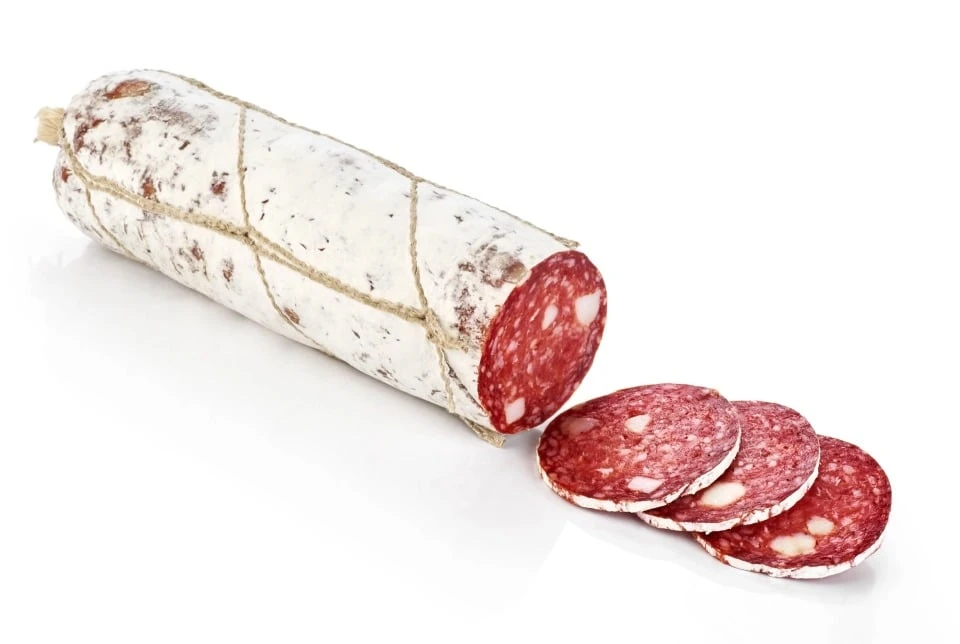
Some cured meats, like salami, are intentionally inoculated with specific strains of mold and bacteria during production. The white coating on the surface doesn't penetrate into the meat. However, if mold develops on ham, cooked chicken, or roast beef, toss it out immediately.
Bread 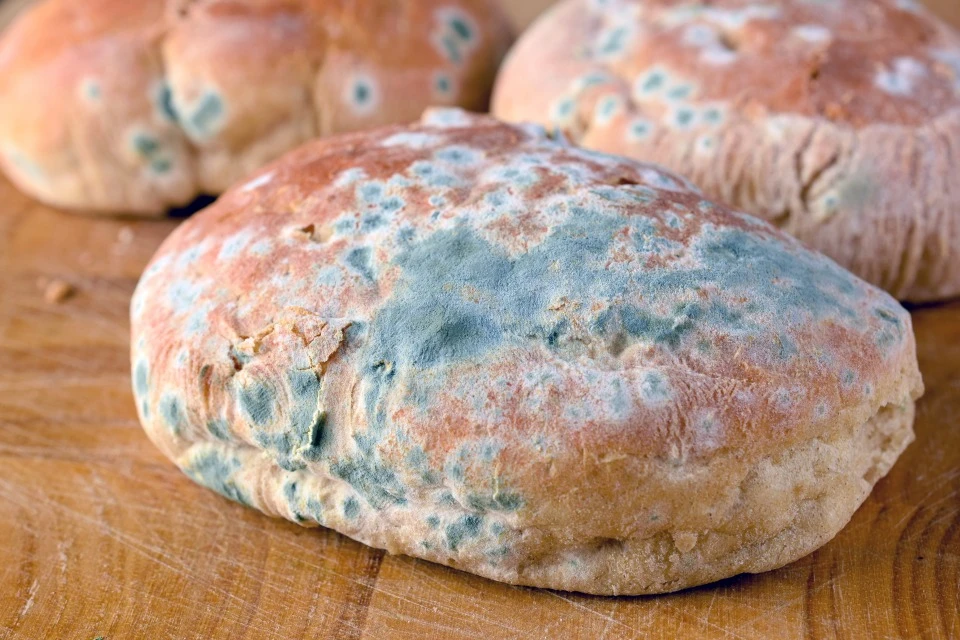
If you bite into a slice of bread and suddenly notice spots of mold on the loaf, don't panic—it won't do you any serious harm. Mold typically starts on the crust before penetrating deeper into the crumb. To play it safe, you can slice off the affected crust and eat the remaining portion.
Jams and Marmalades 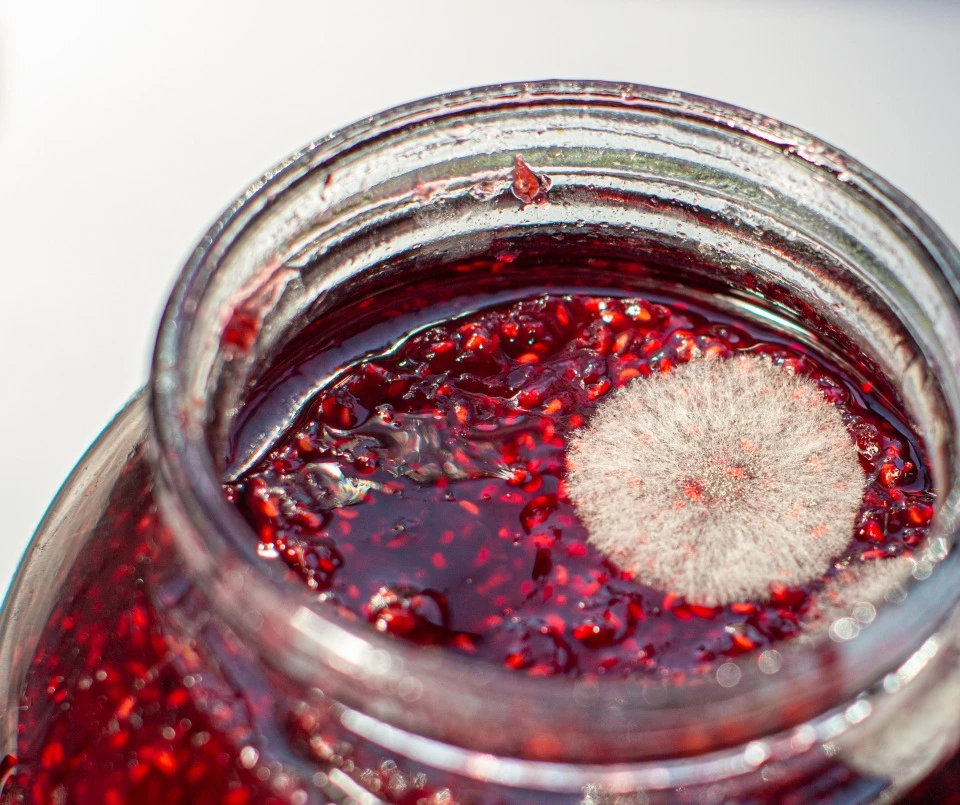
A spot of mold on top of jam or marmalade is a very common sight. The high sugar content in preserves acts as a natural inhibitor, preventing bacteria and molds from spreading beneath the surface. Surface mold usually develops when someone dips a utensil with breadcrumbs or a finger into the jar.
That said, many strains of mold can pose serious health risks. One young woman in the UK nearly lost her life to household mold exposure and spent years dealing with debilitating long-term health consequences.