Monarch butterflies are renowned for their remarkable annual migration. Although no single butterfly completes the entire 2,000-mile journey, several successive generations cover the distance over the course of a year. 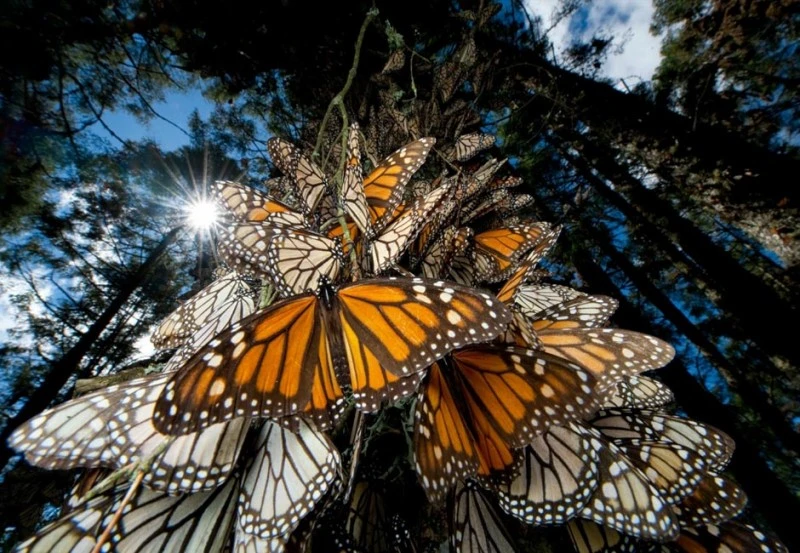
In North America, monarchs begin their epic annual trek in August. After fueling up on nectar, they set off from Canada and the northern United States, racing against the impending winter cold that would otherwise prove fatal. 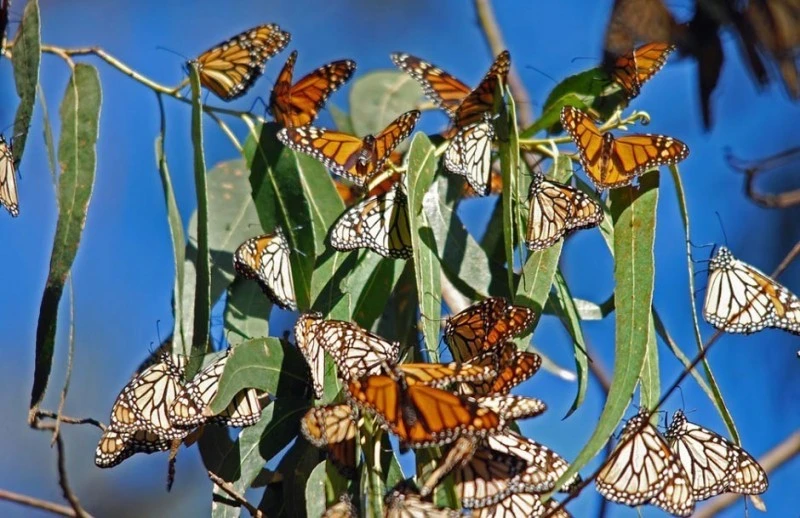
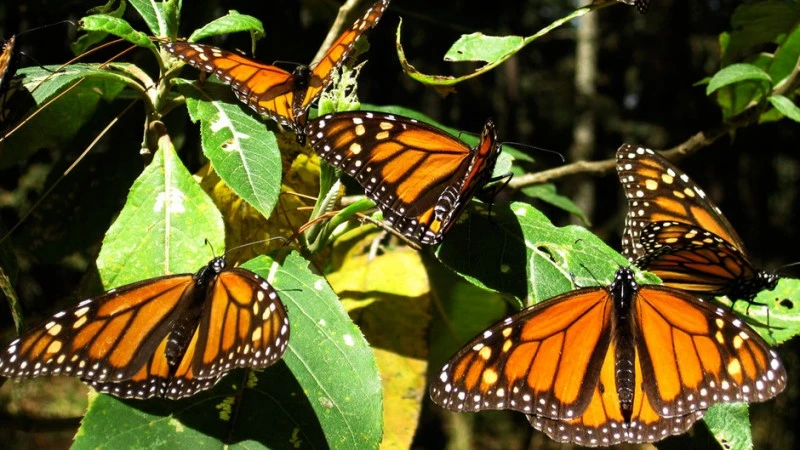
Unlike their ancestors, these butterflies have never flown more than a few hundred yards in their short lives. Yet without hesitation, they strike out across the vast northern lakes—marking just the first leg of one of the planet's greatest migrations. 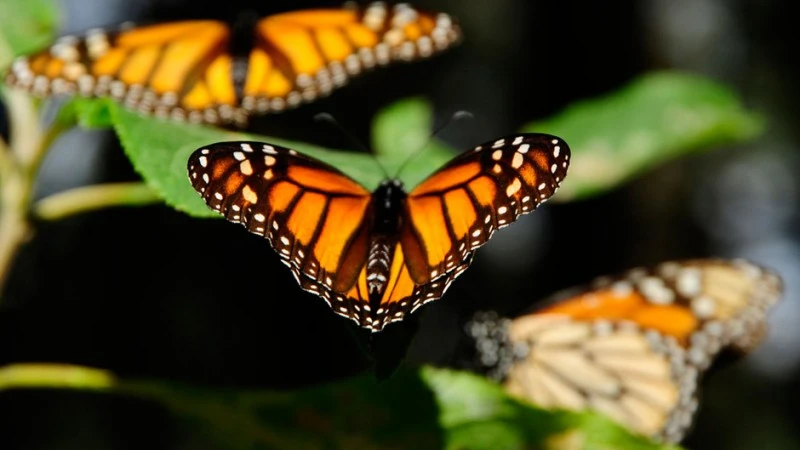
Soon, individual monarchs flying in from all across North America begin to converge. 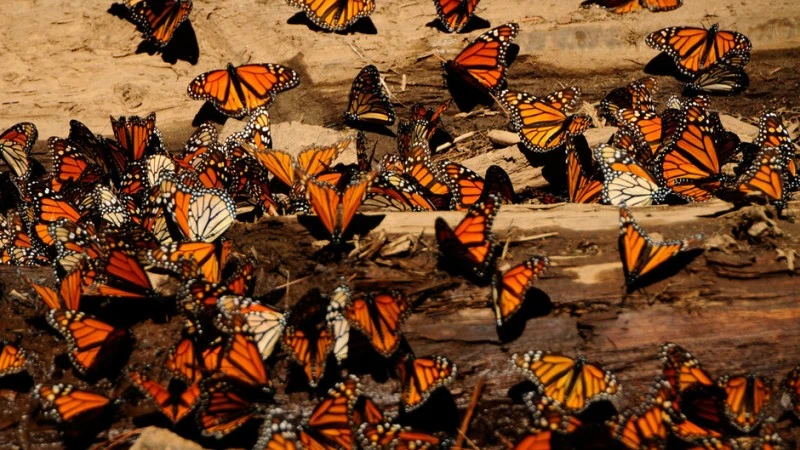
Butterflies east of the Rocky Mountains head south to Mexico, while their western counterparts journey to California, gathering in the evergreen groves around Santa Cruz and Pacific Grove. It is here that an extraordinary spectacle unfolds. 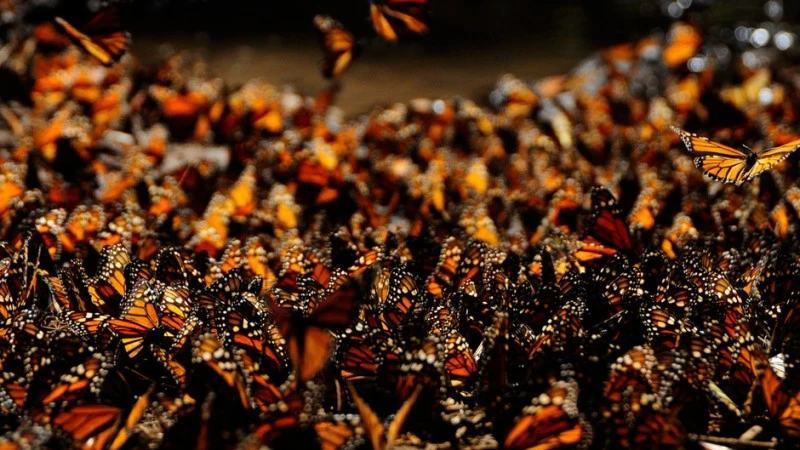
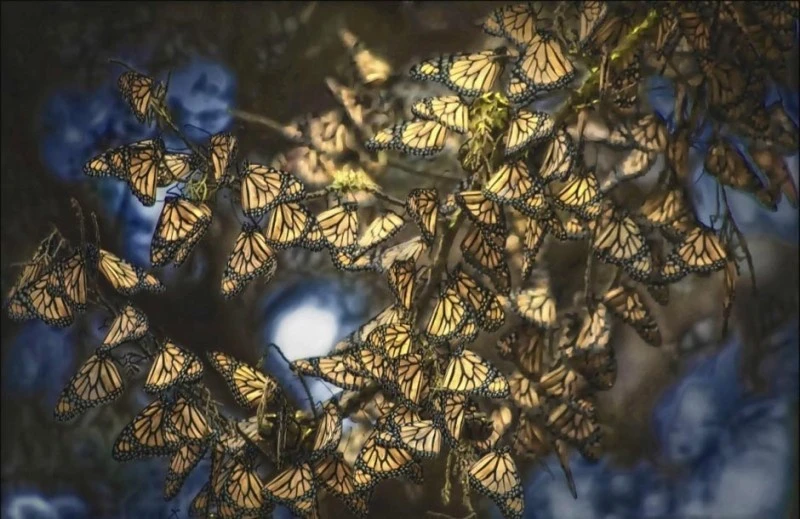
When they reach their destination, fortunate onlookers can witness countless monarchs clustering densely on every branch. 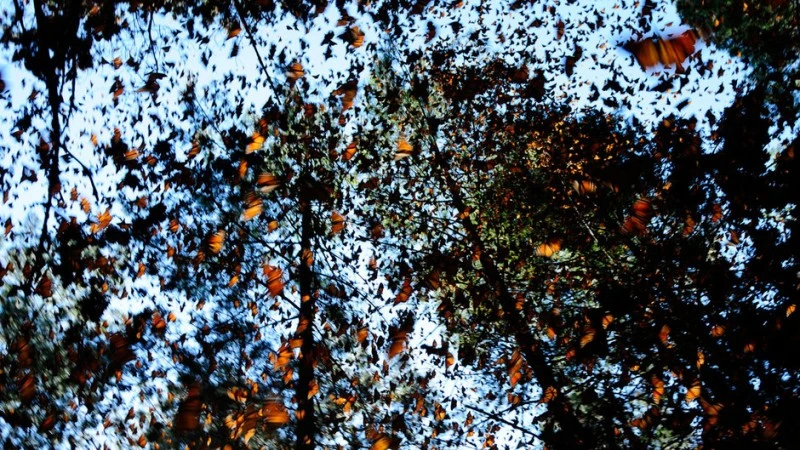
Monarchs flock here because while frost can occur, it is rarely as deadly as the harsh northern freeze. The local conditions offer perfect winter shelter. 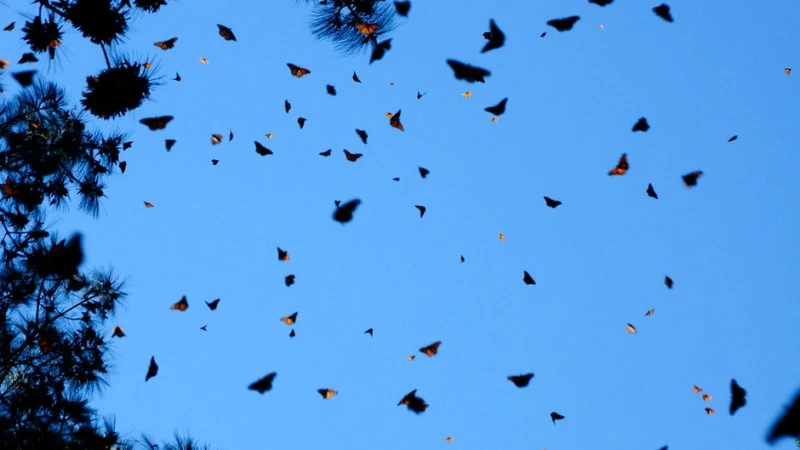
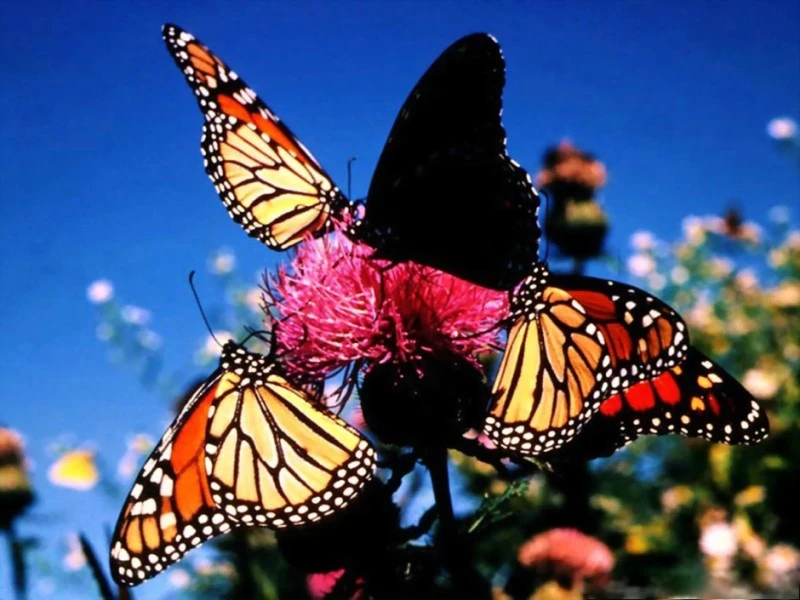
Although gathering in huge numbers offers safety, dormant monarchs remain easy prey—even with their toxic defenses. Certain bird species have learned to strip away the poisonous parts to eat the rest. Every year, birds devour hundreds of thousands of monarchs and displace many more, though this predation pales in comparison to the devastating impact of deforestation. 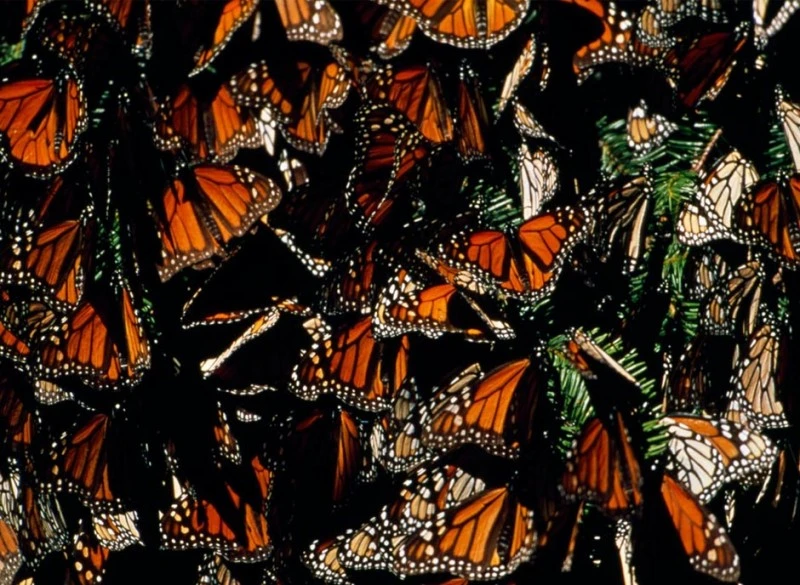
Any butterflies that fall from the branches must climb back up immediately—it is a matter of life and death. They shiver their wings to warm their flight muscles, trying to take off before freezing on the ground. The survivors cluster together in the trees for four long months until the spring warmth awakens them. 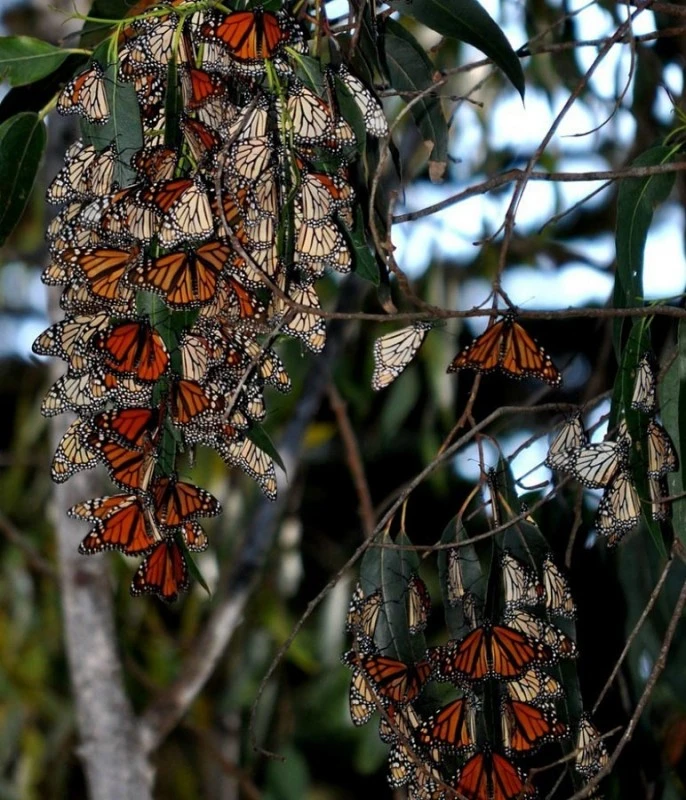
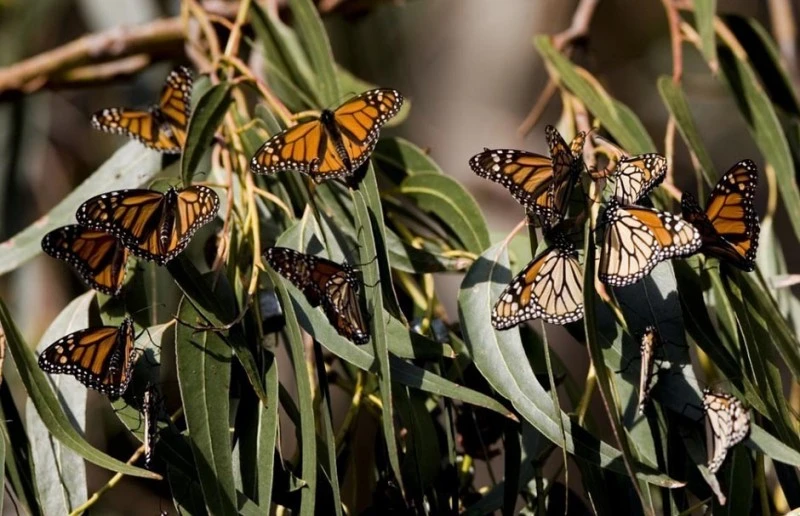
By human standards, a monarch butterfly's lifespan is fleeting. Those born in early summer live just two months. However, nature has equipped the late-summer generation with a unique survival mechanism for wintering over: diapause. This non-reproductive phase slows down the aging process, allowing these monarchs to survive through the winter. 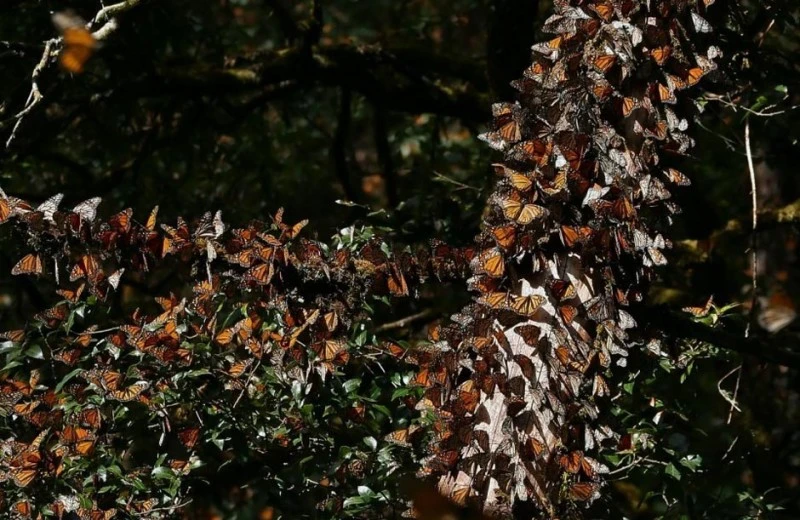
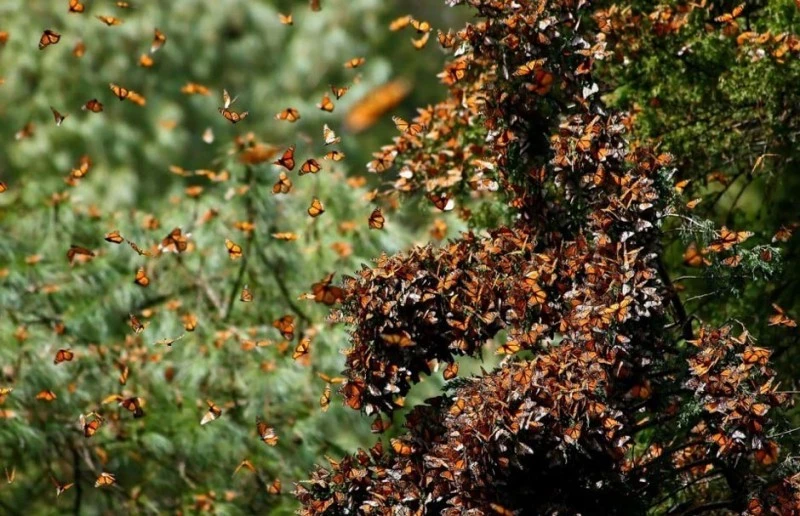
Most survive to drink their first sip of nectar four months later. As temperatures rise, more and more monarchs awaken and take flight. Soon they will head north, starting a cycle that will see their great-grandchildren return to these same trees next winter. 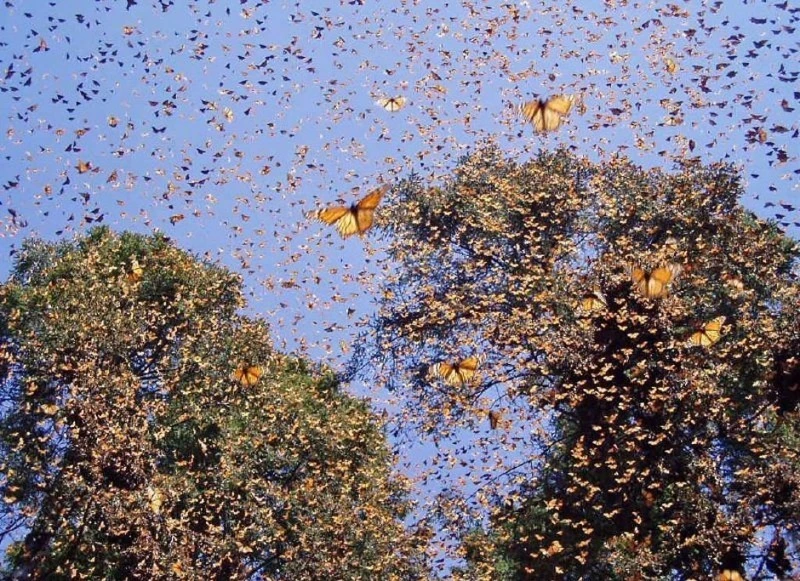
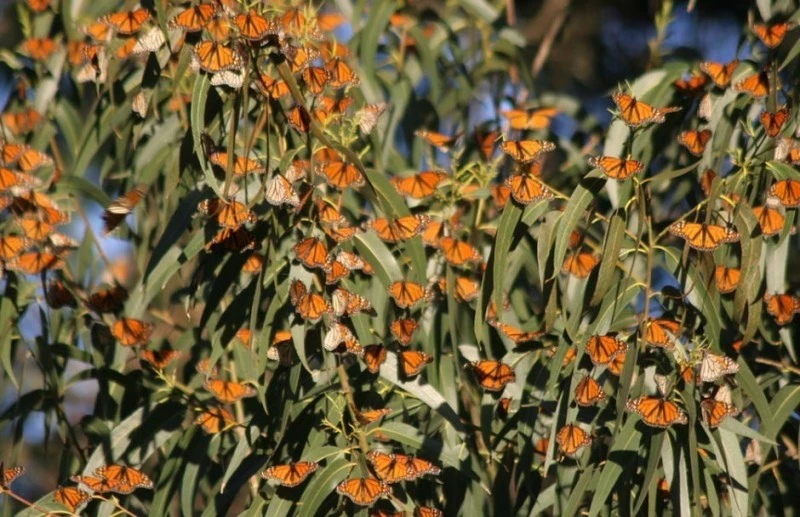
The overwintered adults don't have much time left. Before traveling too far, they seek out host plants to lay their eggs and mate. The caterpillar and chrysalis stages last about two weeks each, giving rise to a new generation ready to push further north. 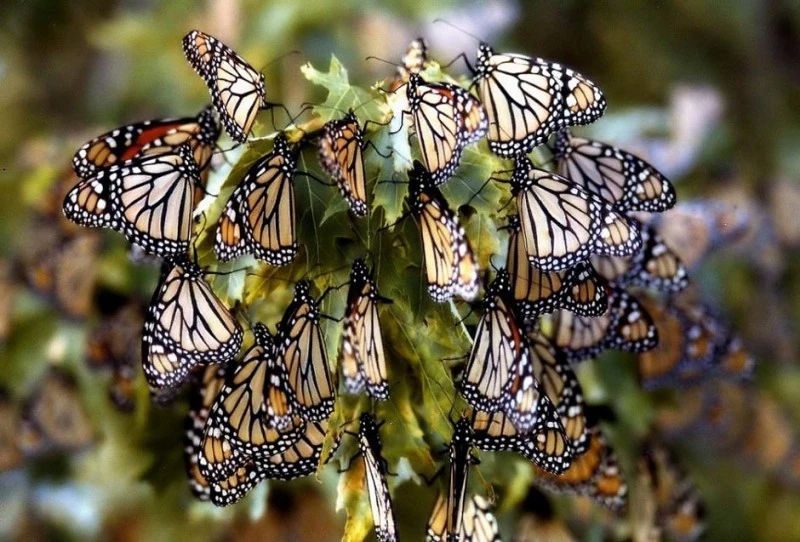
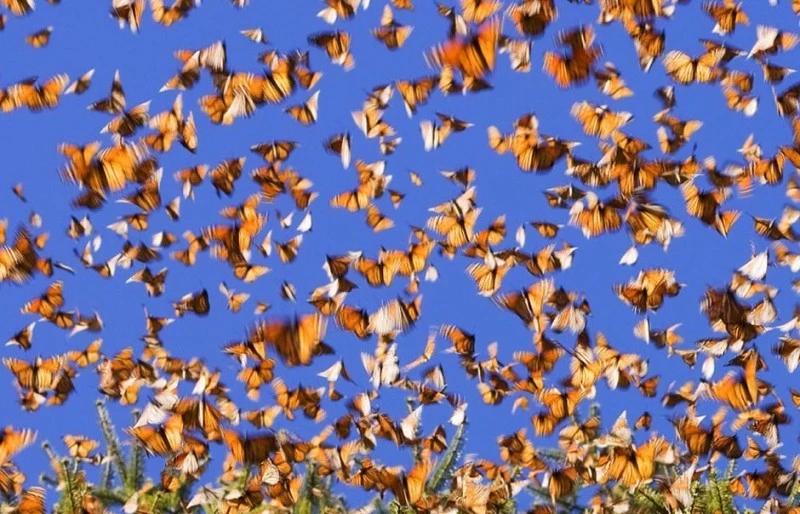
This new generation will then lay eggs of its own. It takes four successive generations to complete the full cycle, with only the fourth returning to the evergreen forests of California and Mexico. This ancient cycle has sustained monarchs for millennia—and long may it continue! 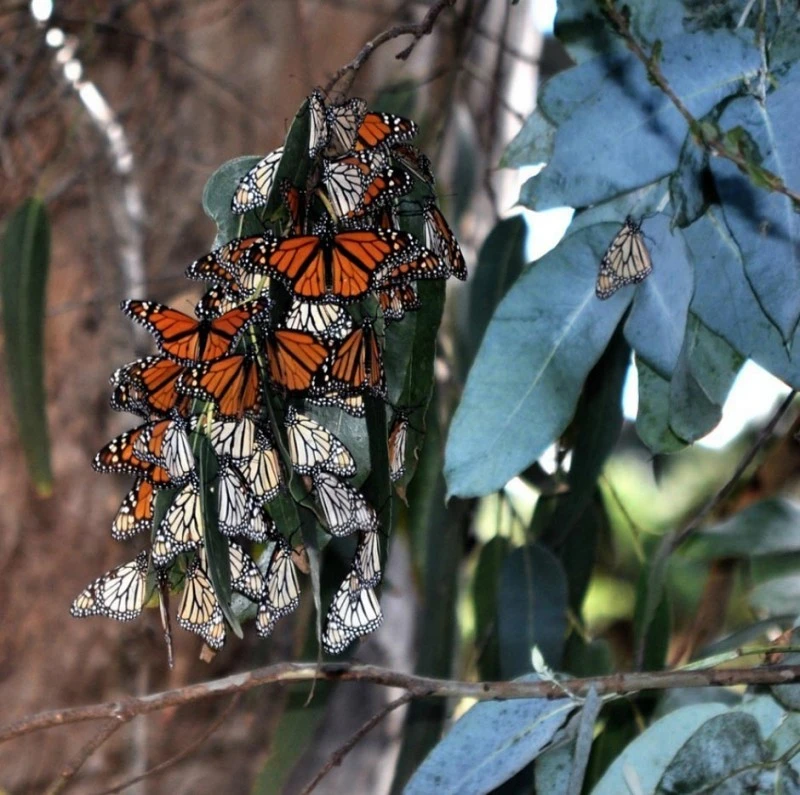
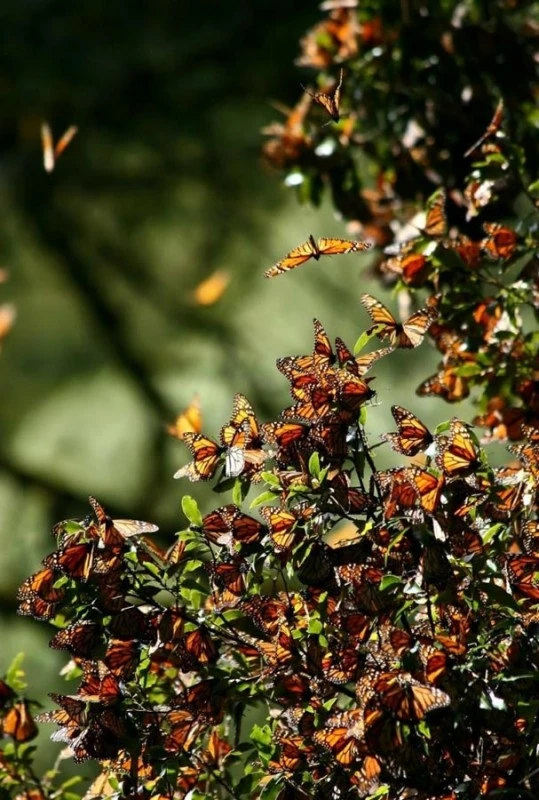
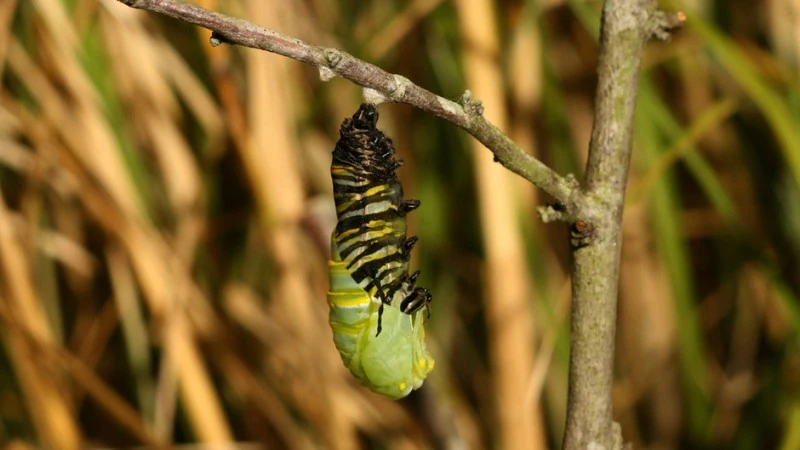
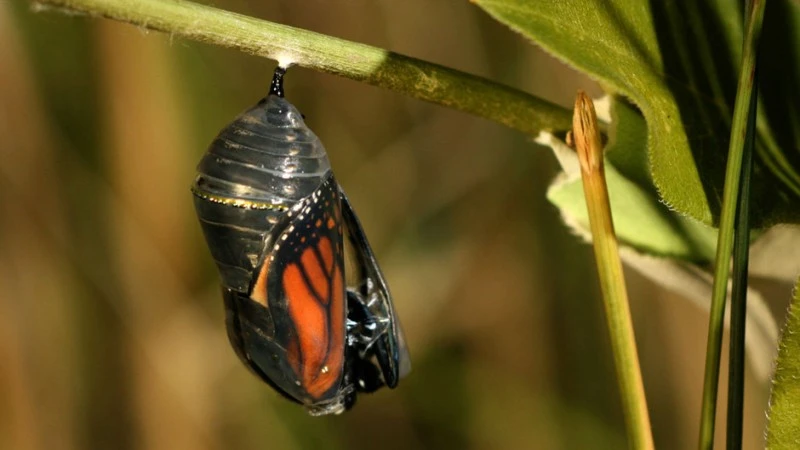
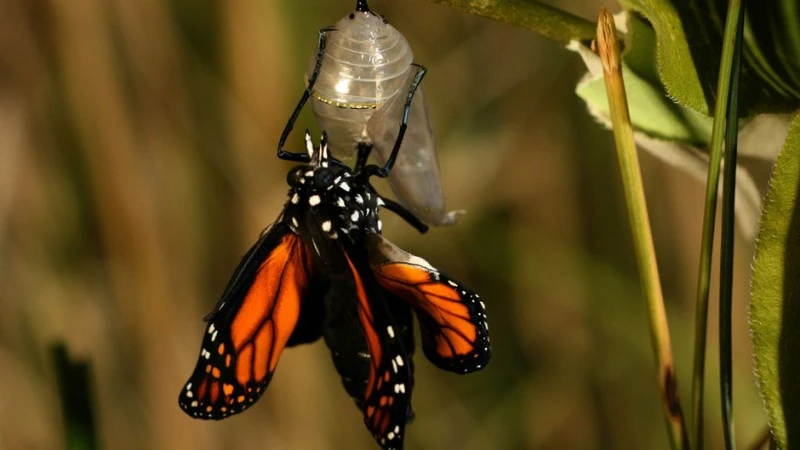
And here is a glimpse of a monarch emerging from its chrysalis—a slow, painstaking journey into the world. 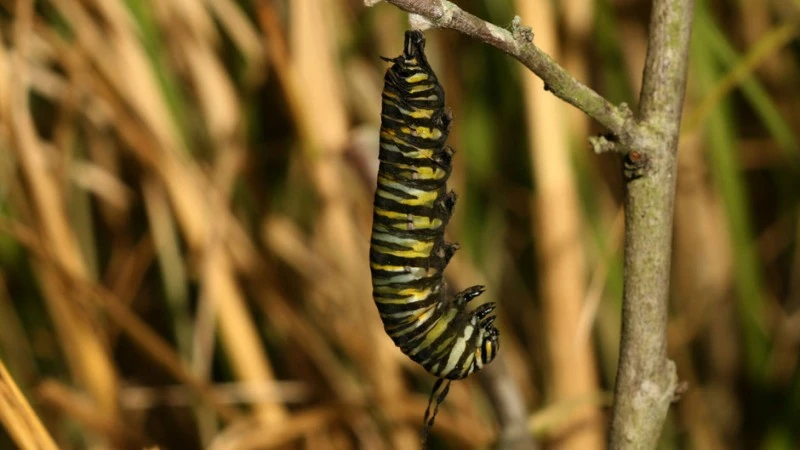
Add your comment
You might be interested in:















Persistence in achieving a goal

A biker prevented a hit-and-run driver from escaping

Not everyone is having fun on the amusement ride

The cutest lunch delivery ever

A book titled "A Guide to Rebuilding

Young women, Dancing and George Michael: nothing superfluous

An apology delivered with a running start

A steam locomotive for "big boys"

Bollywood never ceases to amaze
