Water Out of Thin Air: Brilliant Engineering, Ancient Burial Mounds, and a Belgian's Grand Failure (10 Photos + 1 Video)
Huge billboards and bottles of water extracted from thin air might seem like 21st-century breakthroughs, but the underlying principles are surprisingly simple—and the technology itself may date back to ancient times. 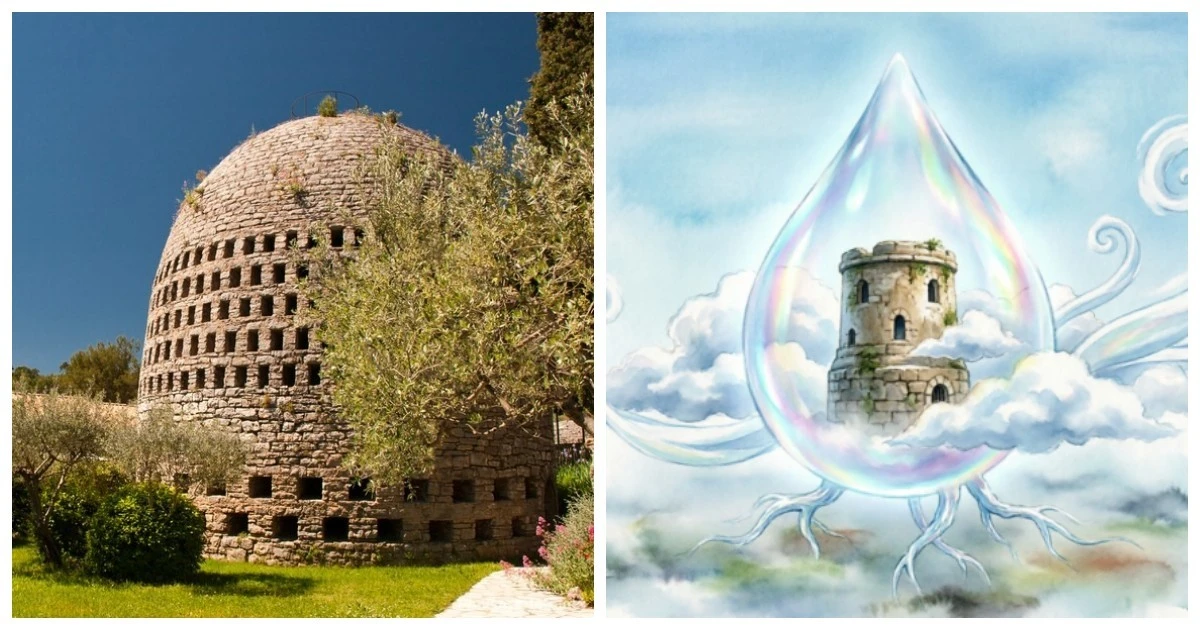
For a long time, it was believed that the ancient Greeks harvested atmospheric water on an industrial scale. This theory was sparked by a discovery made in 1900 by engineer Friedrich Zibold. While clearing Crimean forests, he stumbled upon thirteen massive piles of stones. 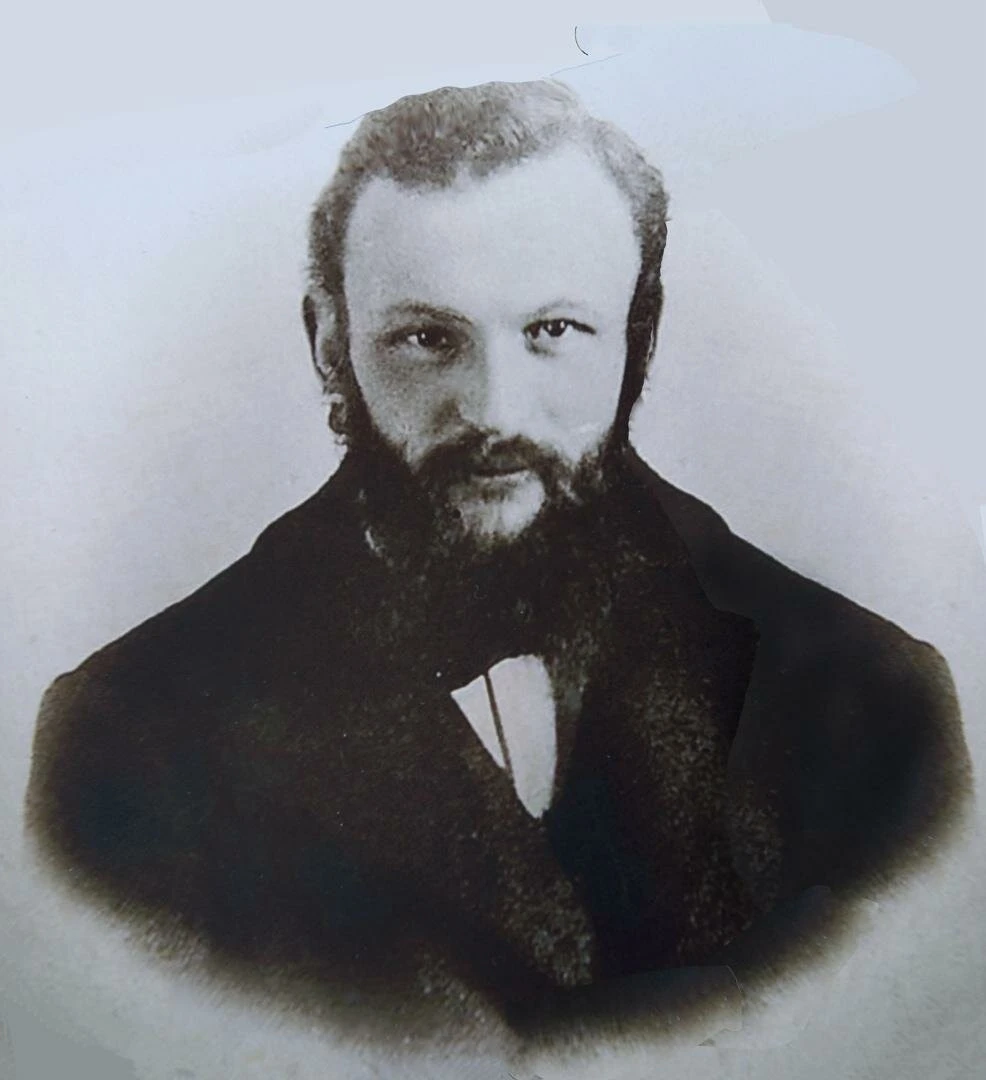
Friedrich Zibold, forester and scientist
Each conical pile stood 10 meters high and covered an area of over 900 square meters. Nearby, Zibold discovered fragments of clay pipes roughly 7.5 centimeters in diameter leading toward city wells and fountains. He concluded these stone pyramids were massive dew condensers supplying water to the ancient city of Feodosia. By his calculations, each of these "air wells" produced more than 55,400 liters of water a day. 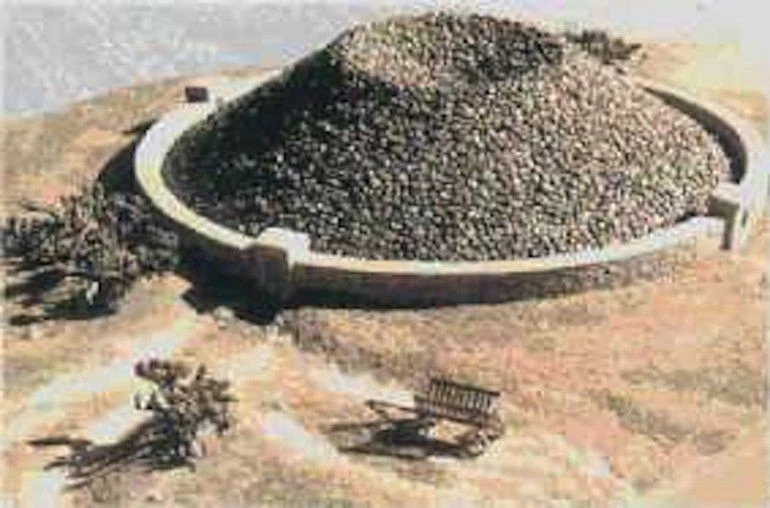
Model of Zibold's condenser
To test his theory, Zibold built his own condenser atop Mount Tepe-Oba near Feodosia. The structure was six meters tall, topped with an eight-meter basin surrounded by a wall to collect water. Strikingly, Zibold's condenser actually worked, yielding up to 360 liters of water daily. His experiments continued for three years until 1915, when leaks in the base forced him to halt testing. 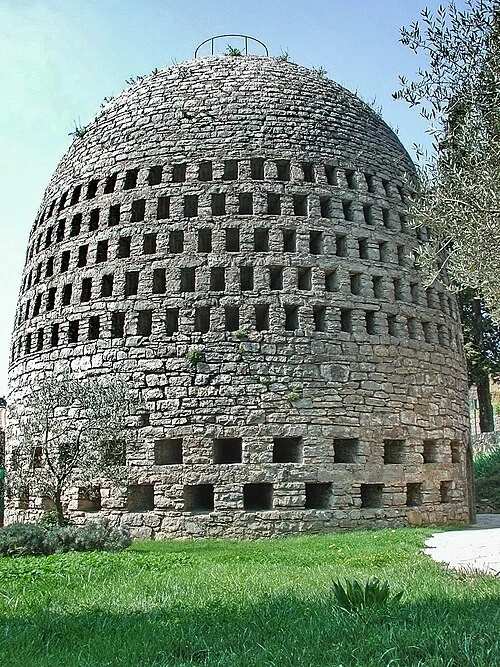
Knapen's air well
Modern research, however, debunked this captivating myth. What Zibold mistook for air wells were actually ancient Scythian and Greek burial mounds (kurgans), while the clay pipes were determined to be medieval and completely unrelated.
The success of Zibold's own experiment was largely a stroke of luck. Large-scale condensers are notoriously inefficient because they absorb daytime heat and fail to cool down enough overnight. Zibold's setup got lucky: the shape and arrangement of the stones created thousands of micro-gaps for excellent ventilation and rapid cooling, and local fog likely contributed a significant amount of moisture. 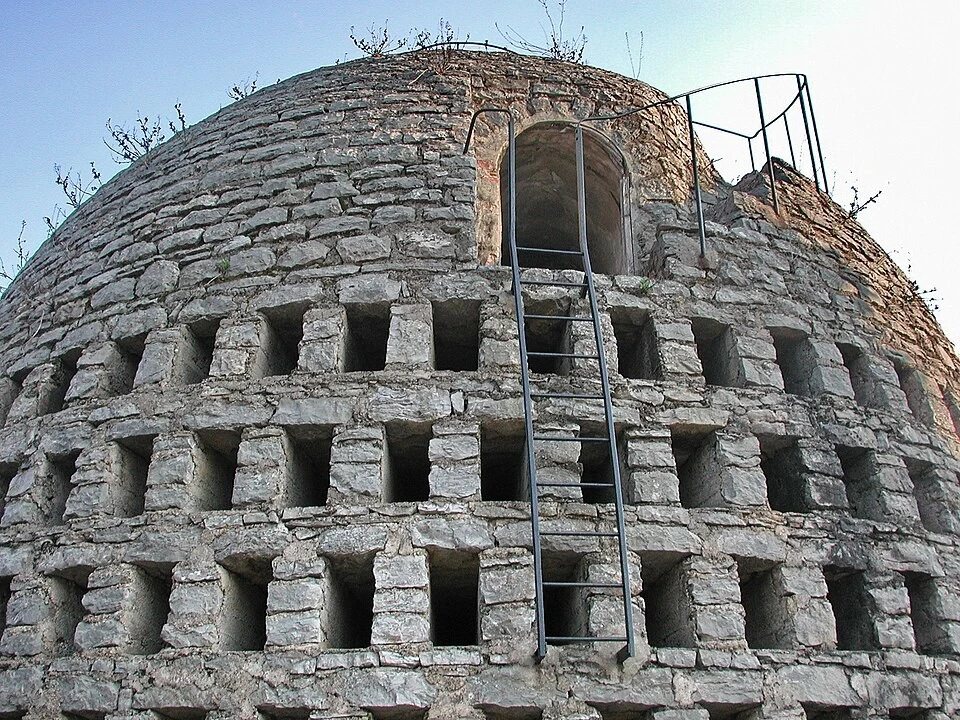
Still, the engineer's work inspired numerous researchers, including Belgian inventor Achille Knapen. In 1930–1931, atop a 180-meter hill in Trans-en-Provence, France, Knapen constructed his own air well—a 14-meter-tall structure with massive, three-meter-thick walls riddled with air vents. 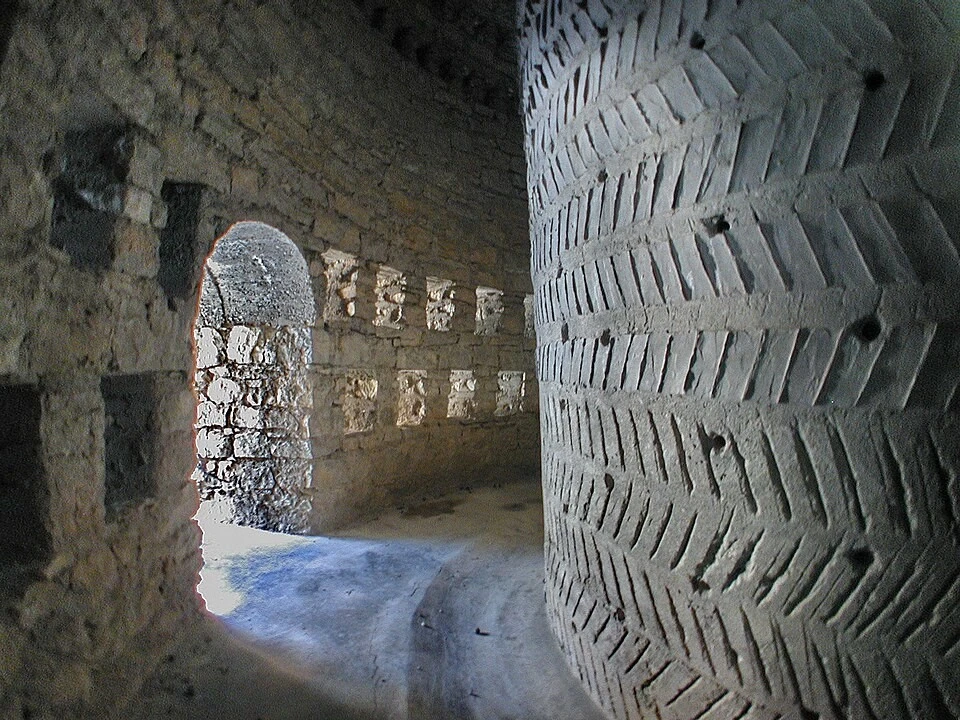
The working principle was straightforward: warm, humid daytime air would flow inside, cool down overnight, and condense on a colossal central concrete column, dripping into a collection basin. Knapen expected to harvest up to 30,000 to 40,000 liters of water per day. Reality proved harsh: the structure produced only a few buckets a day. The project was declared a failure and abandoned. 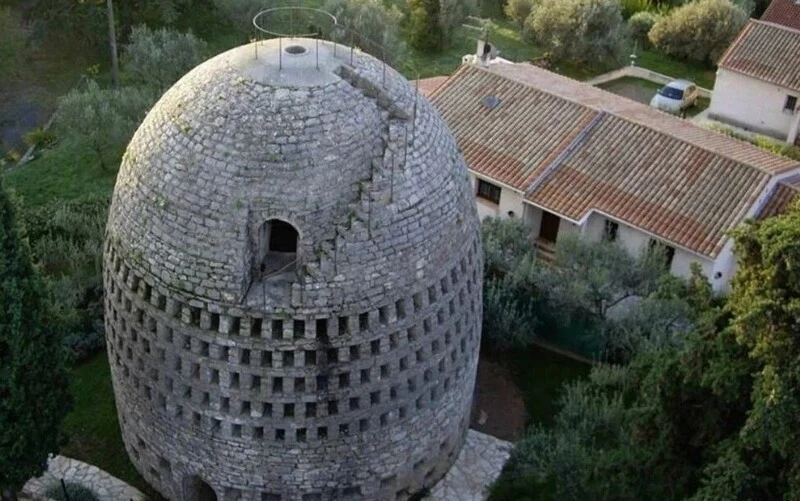
It was not until the second half of the 20th century that scientists fully understood the physics at play. Massive condensers like Knapen's were doomed to fail because they cooled down too slowly to condense moisture efficiently. Light, compact installations produce far superior results. 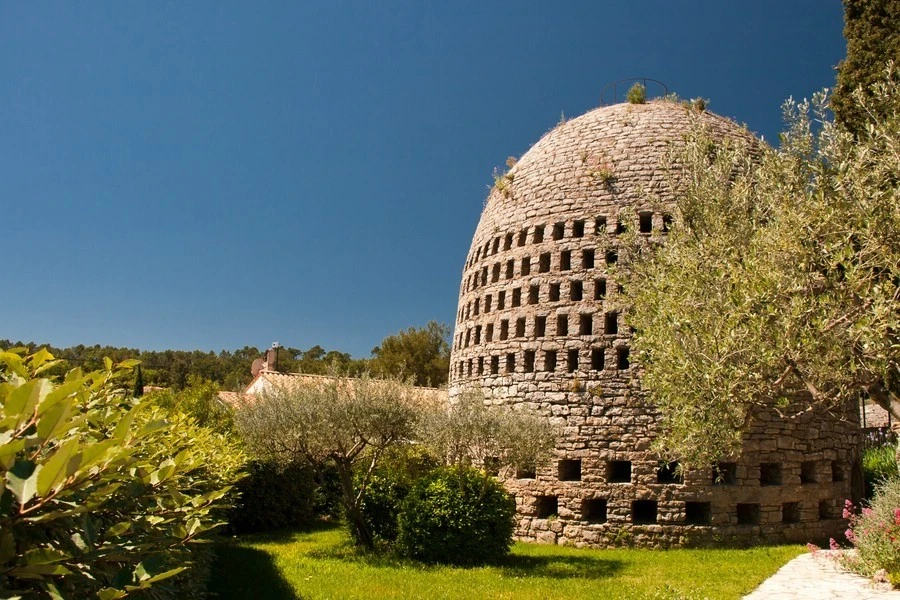
Though Knapen's air well was a fiasco, his vision did not fade away. Today, atmospheric moisture harvesting is experiencing a global resurgence. 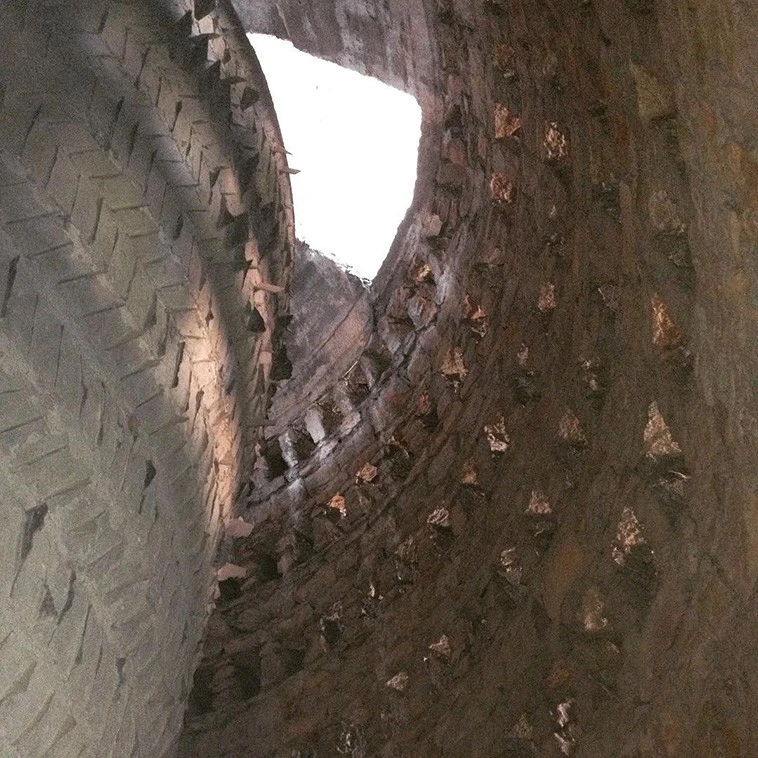
In the Chilean village of Chungungo, where annual rainfall is under six centimeters, fog collectors gather 15,000 liters of water each year. In Lima, Peru, giant fog nets harvest over 2,200 liters daily. In India, rooftop dew condensers have been running successfully for years. As climate change brings harsher droughts and dry spells, these ancient yet cutting-edge technologies could prove to be real lifesavers. 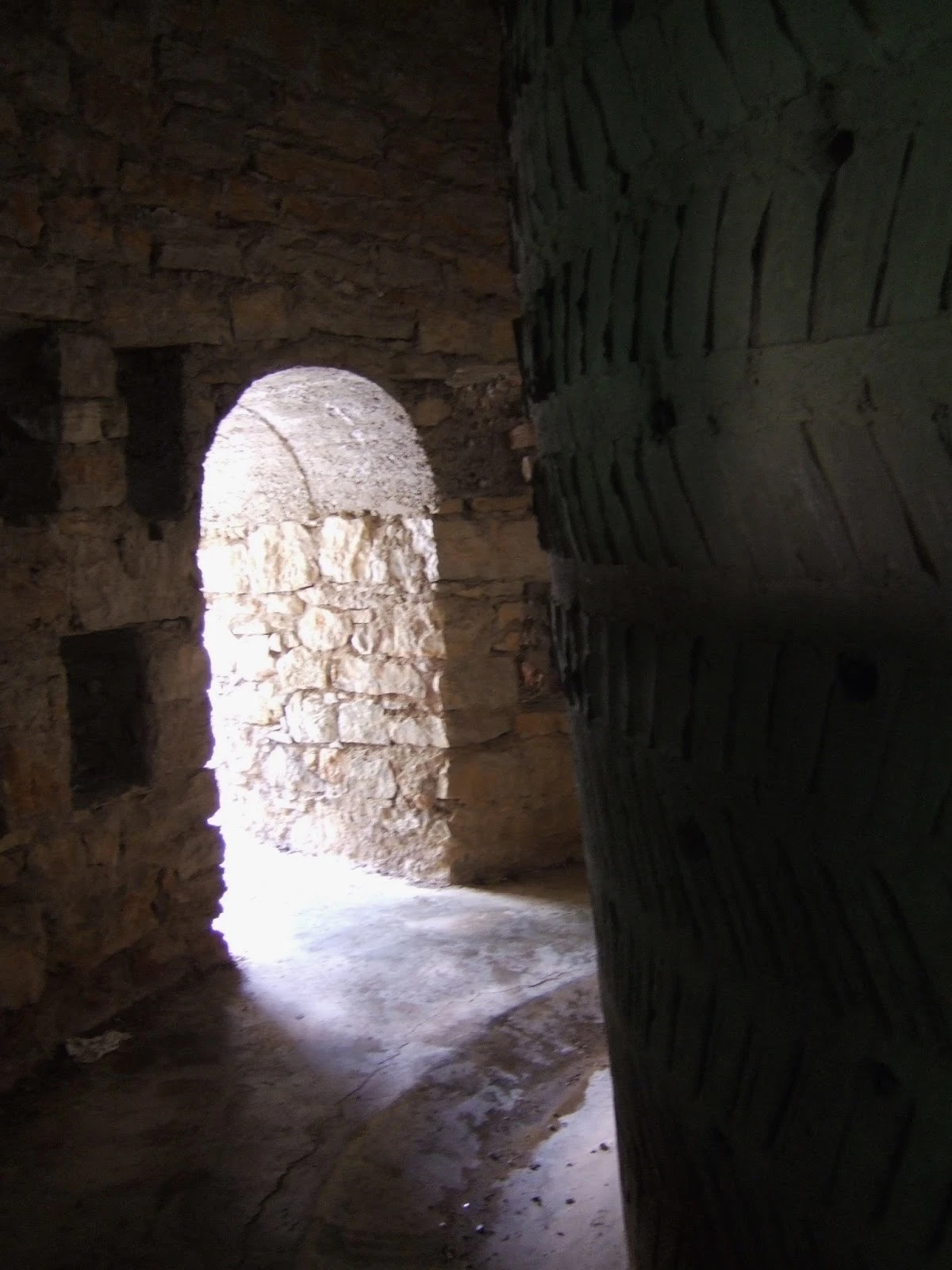
Today, Knapen's air well in Trans-en-Provence stands semi-abandoned yet impressive. Recognized as a local landmark and heritage site, it remains a silent monument to human ingenuity—and a testament to how failure often paves the path to innovation.