Megalodon: The Apex Predator of Ancient Oceans 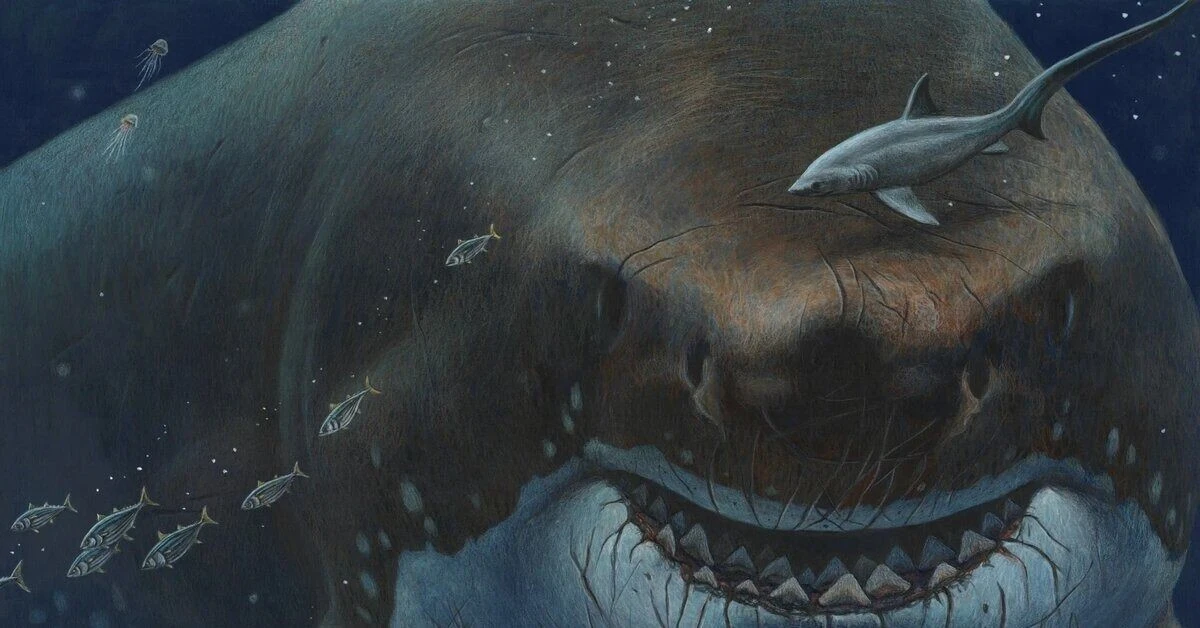
Picture an endless ocean stretching to the horizon—teeming with life, yet harboring a threat far beyond anything we know today. Ruling these ancient waters was the Megalodon (Carcharocles megalodon), a colossal shark whose very name became synonymous with primal power and terror. More than just a giant fish, it was a living legend that left an indelible mark on our planet's history. 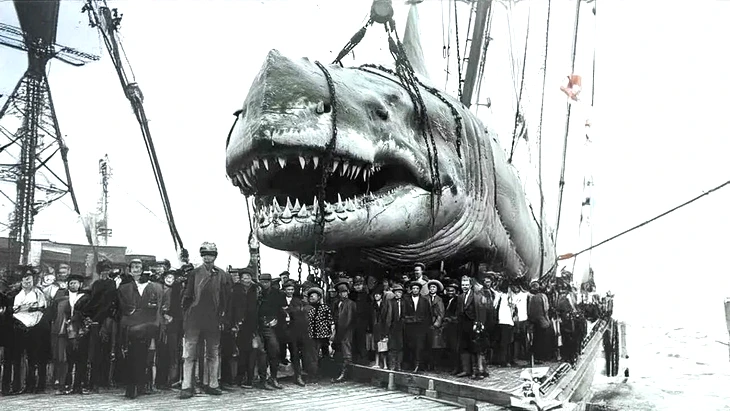
Astonishing Scale:
When you think of Megalodon, its colossal size immediately comes to mind. While we will never see a live specimen, fossil discoveries—mostly massive teeth—allow paleontologists to reconstruct its appearance. Conservative estimates place an adult Megalodon at 15 to 18 meters in length, with some scientists suggesting these behemoths could reach 20 meters or more. To put that in perspective, that is equal to the length of two large city buses parked end-to-end, or three adult elephants standing in a row.
Its body was massive and muscular, perfectly engineered for lightning-fast strikes and wrestling large prey. With a broad head, powerful tail, and mammoth fins, everything about the Megalodon declared it the absolute apex predator of its era. 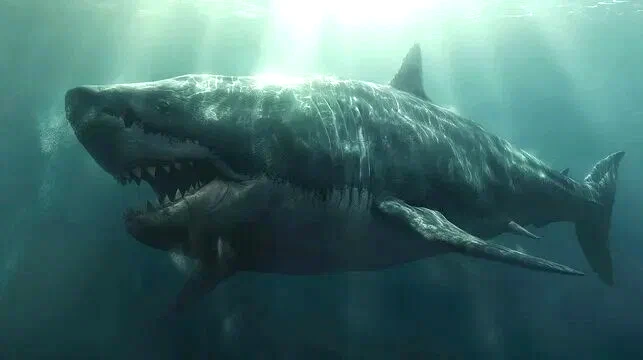
Teeth: The Ultimate Symbol of Terror:
The most striking evidence of the Megalodon's existence lies in its teeth. These massive, serrated triangular weapons could reach over 18 centimeters in length—larger than an adult human palm. Each tooth was designed to pierce thick whale hide and tear through flesh with ease. Megalodon possessed multiple rows of teeth that were constantly replaced as old ones wore down or fell out. Over a lifetime, a single shark could shed thousands of teeth, ensuring it remained a lethal killer into old age.
Diet and Hunting Tactics:
As a top-tier predator, Megalodon fed on the ocean's largest inhabitants. Its diet included whales, ancient ancestors of modern baleen whales, as well as seals, sea turtles, and other large marine life. Armed with crushing jaws and razor-sharp teeth, it made short work of even the formidable prey. 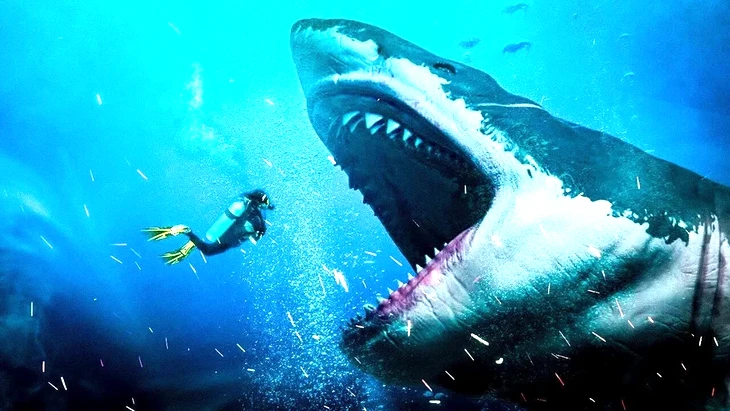
Researchers believe Megalodon relied on ambush tactics, lurking in the depths before launching a devastating burst of speed. Striking from below, it used its immense mass and speed to stun prey. Scientists also suspect Megalodon used its crushing force to break bones, leaving its prey helpless.
Habitat and Era:
Megalodon roamed warm oceans across the globe, preferring coastal zones and continental shelves. It thrived from roughly 23 to 3.6 million years ago during the Miocene and Pliocene epochs. This means Megalodon ruled the seas long before the arrival of humans and long after the dinosaurs vanished.
Causes of Extinction:
The reasons behind Megalodon's extinction remain a subject of active debate among scientists. The primary contributing factors are believed to be: 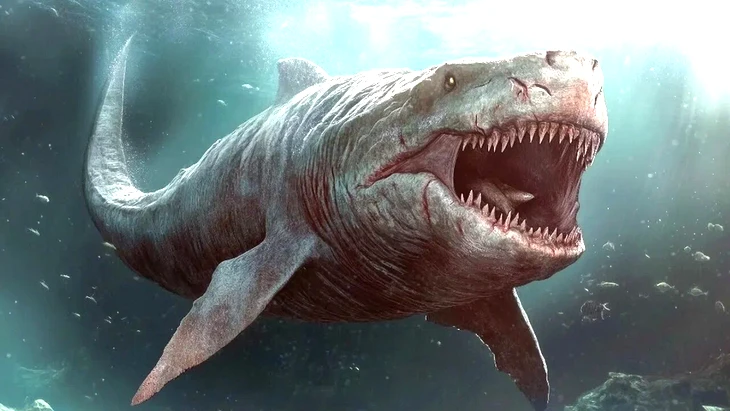
Climate change: Global cooling toward the end of the Pliocene led to dropping sea levels and altered ocean currents. This likely shrank the warm-water habitats Megalodon relied on and disrupted its food supply.
Competition from rival predators: The emergence of new marine predators, such as ancestors of modern great white sharks and killer whales, created fierce competition for resources.
Declining prey populations: Climate shifts and
the disappearance of large whale species—the cornerstone of Megalodon's diet—further compromised its survival.
Legacy and Cultural Impact: 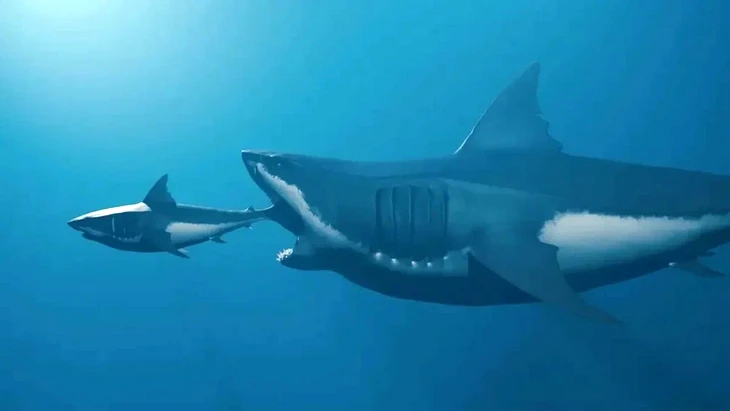
Despite its extinction, Megalodon has left an enduring legacy in both science and popular culture. It stands as an icon of prehistoric power and primal dread, inspiring authors, filmmakers, and artists. From nature documentaries to Hollywood blockbusters, Megalodon continues to captivate our imagination, reminding us how many secrets remain hidden in our planet's past.
In the scientific community, Megalodon remains a subject of intense study. Teeth and rare vertebral fragments unearthed around the globe allow researchers to reconstruct its anatomy, behavior, and ecological role. Studying Megalodon offers invaluable insights into shark evolution, ancient ecosystem dynamics, and the mechanisms of species extinction. 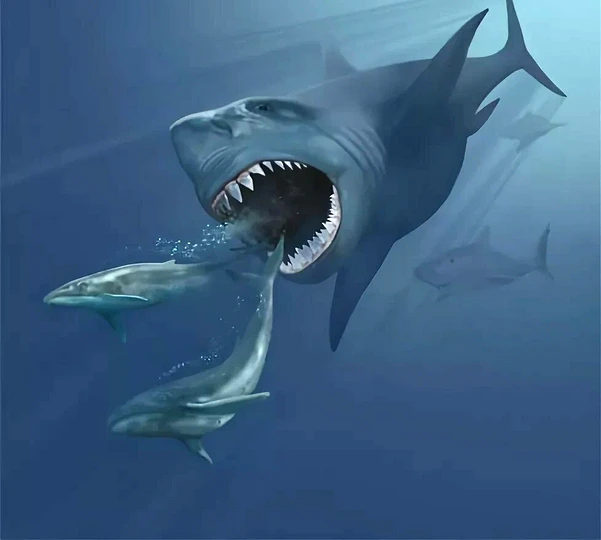
Megalodon was far more than just an extinct giant fish. It serves as a stark reminder that Earth harbors endless mysteries, and that even the most formidable creatures can vanish, leaving behind only echoes of their former glory. It was the king of ancient seas, and its legend lives on—a testament to the power of nature and the fragility of life. 
Add your comment
You might be interested in:


















20 Personal Photos of Celebrities That Ooze Vintage

Protective film Removing it with a power screwdriver

Precision carpentry

Global Sex Symbol: Rare Photos of Monica Bellucci (26

Straight Out of the '80s: Band Posters No One Would Ever

Animal Paws and Claws: 50 Photos That Will Surprise Even

When a child plays hide-and-seek at a professional level

America's Cheese Caves: How and Why the US Government

Fascinating Facts to Blow Your Mind (10 Photos)
