9 Dishes from Around the World The world's most popular foods, which are buried in the ground before being eaten (10 photos)
The cuisine of different countries can surprise, astound, and even shock. In our review, we've compiled the most interesting delicacies whose preparation involves burying them in the ground. This is necessary to ensure the dish undergoes a full fermentation cycle. The result is something far from always edible, but many people really enjoy it… 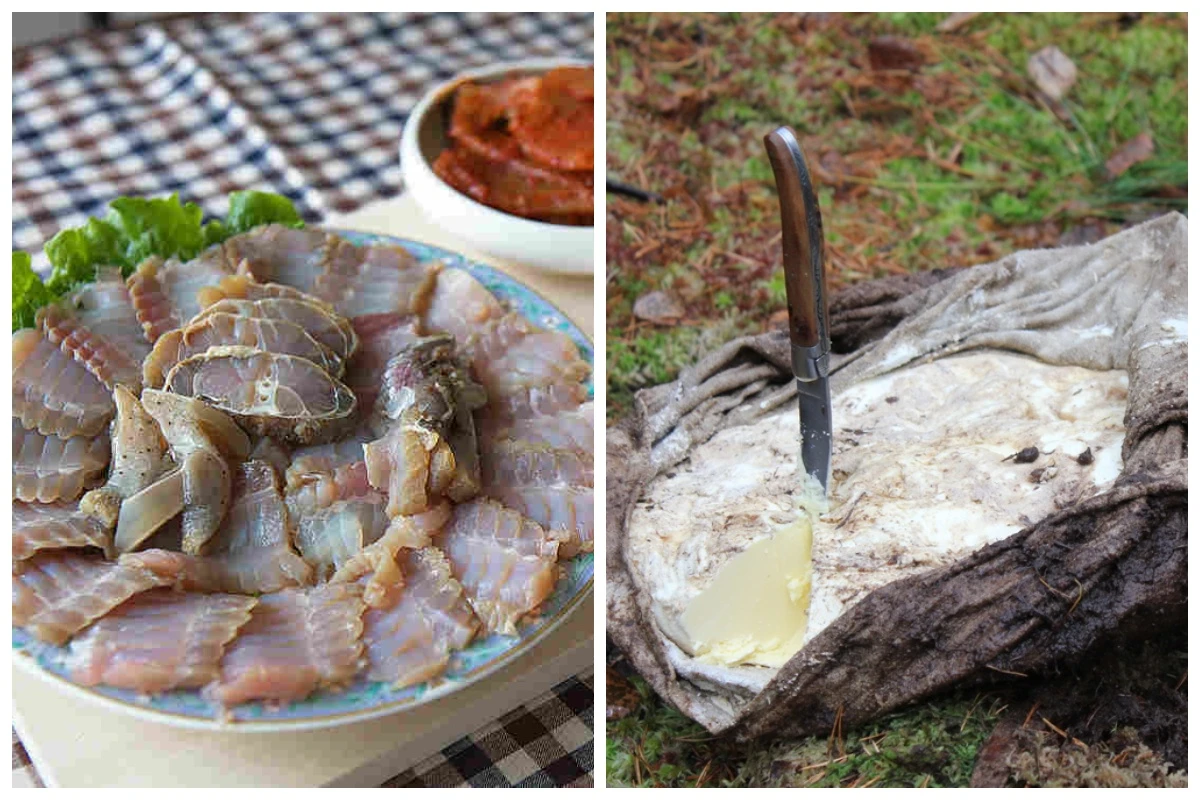
Hákarl 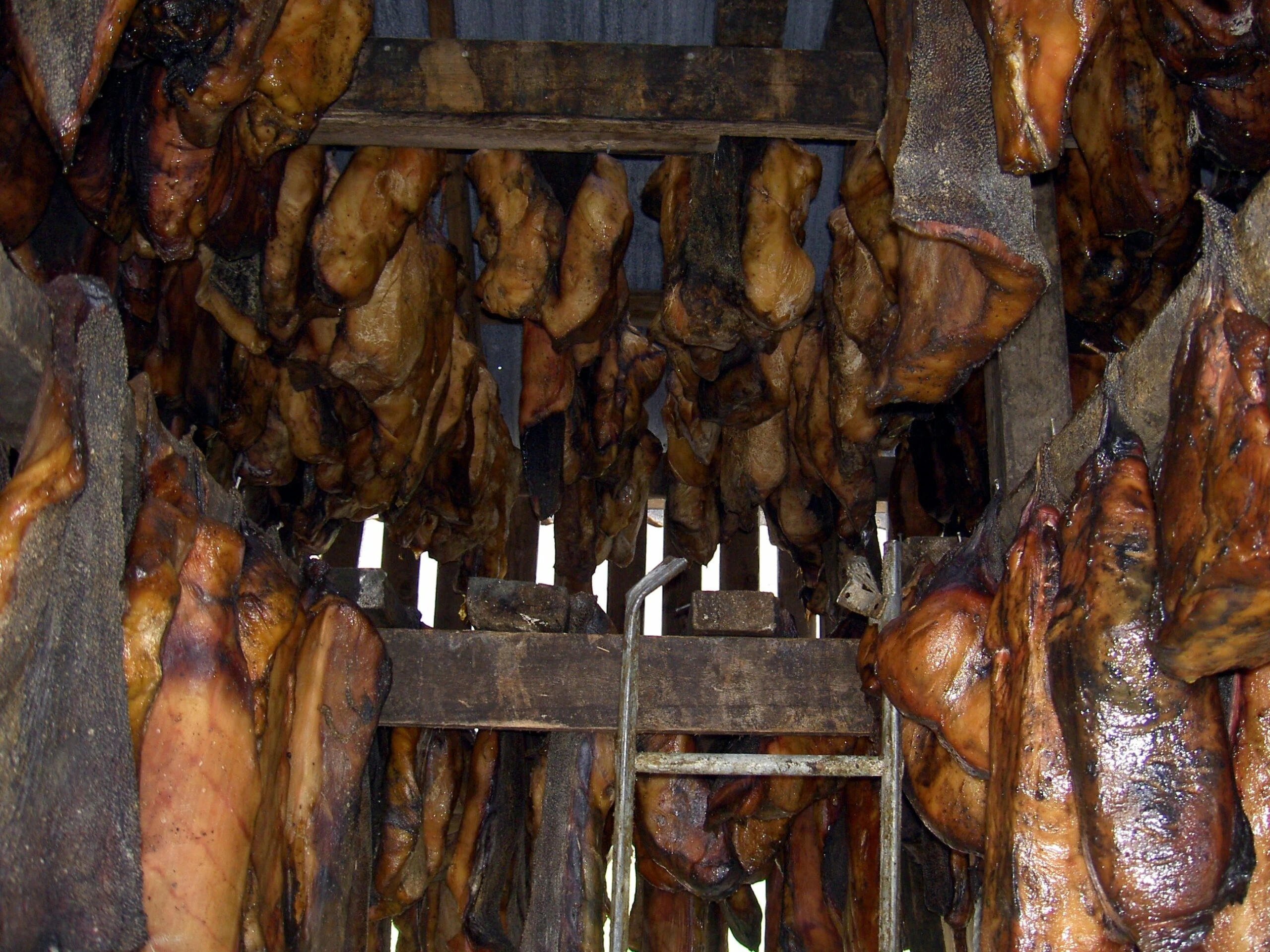
This dish is made for true Vikings, because the unprepared definitely won't want to eat it. Hákarl is made from the meat of the Greenland shark. Whether raw or fried, for example, it's poisonous because it's saturated with uric acid. So Icelanders have come up with a truly insane way to prepare it: they bury the shark carcass in the ground, wait for it to decompose, then take it out and hang it in the sun, where the meat ages for another four months. Serve!
Kopalhen 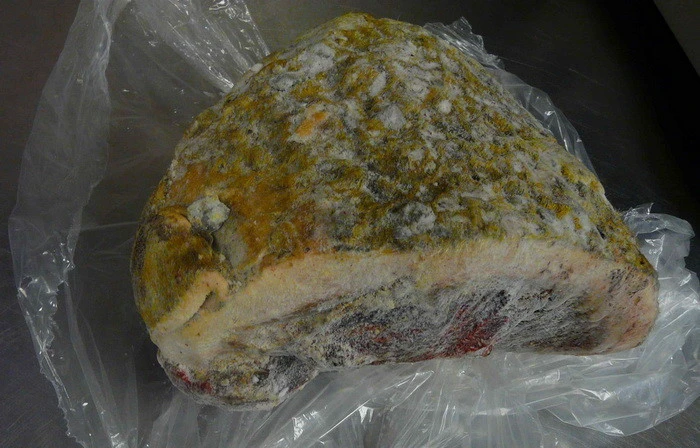
Kopalhen is a true Eskimo delicacy. The dish is prepared from the meat of an old, strong male reindeer. The animal is first kept on a starvation diet to empty its stomach, then strangled and placed in a swamp, covered with peat. Several months later, when the carcass has already decomposed, it is dug up and served immediately. Eskimos are accustomed to this, but for an unprepared person, rotten meat will not only cause nausea but also severe food poisoning, which can be fatal.
Century Eggs 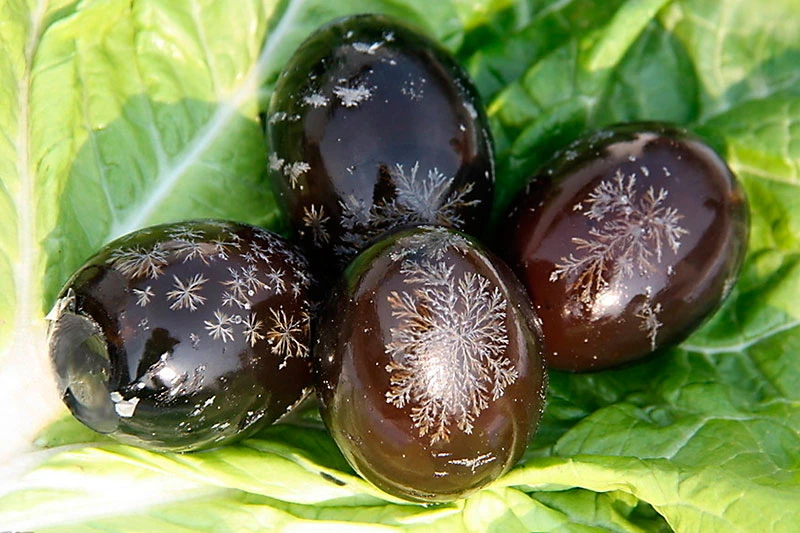
This delicacy originates from China. In this country, it is not only prized, but considered a true centerpiece of the table. The dish was named for its appearance, but in essence, it is ordinary rotten eggs preserved in ashes. To prepare this delicacy, the Chinese take ordinary goose eggs, sprinkle them with salt, coat them with a mixture of tea, lime, salt, ash, and clay, roll them in straw, and bury them in the ground. There they lie for 15-20 days until they reach the desired consistency: the whites are dark brown and translucent, and the yolk is dark and creamy, with a strong ammonia smell.
Gravlax 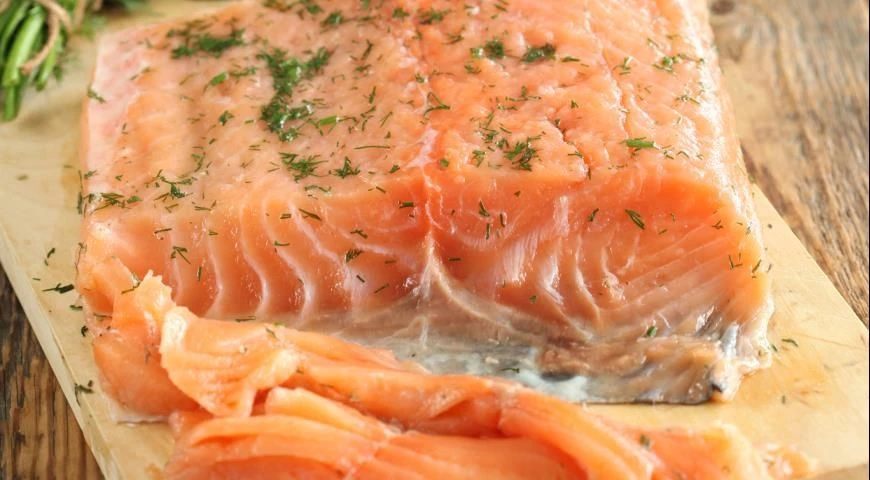
In Swedish, it means "buried salmon." Unlike rotten shark, this dish is quite tasty. Fresh fish is sprinkled with salt and spices and then buried in the ground for several days. It is then taken out and served. The meat is tender, well-salted, and delicious. Although this method is considered a relic of antiquity, a similar dish can still be found in some Scandinavian villages.
Kiviak 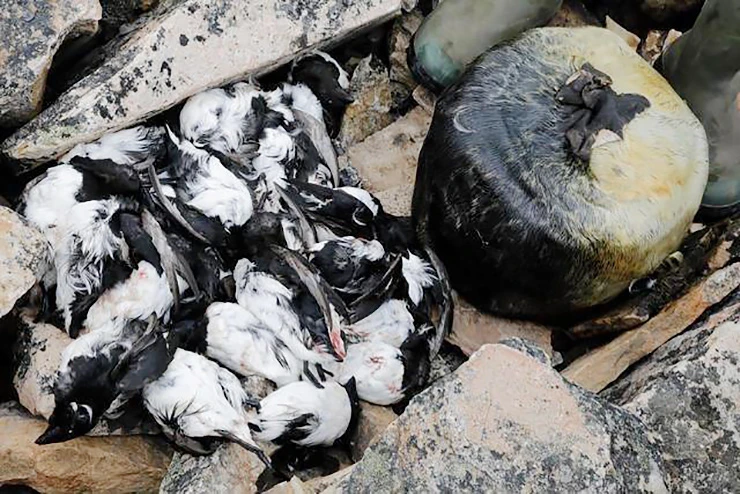
Kiviak is a traditional winter food of the Inuit people of Greenland, consisting of numerous small birds fermented in seal skin. Typically, 300-500 small carcasses, including beaks and feathers, are used to prepare the dish. They are placed in a seal casing and left in the ground for several months. The meat is then dug out, cleaned, and served. Kiviak is especially popular at weddings and birthdays.
Bog Butter 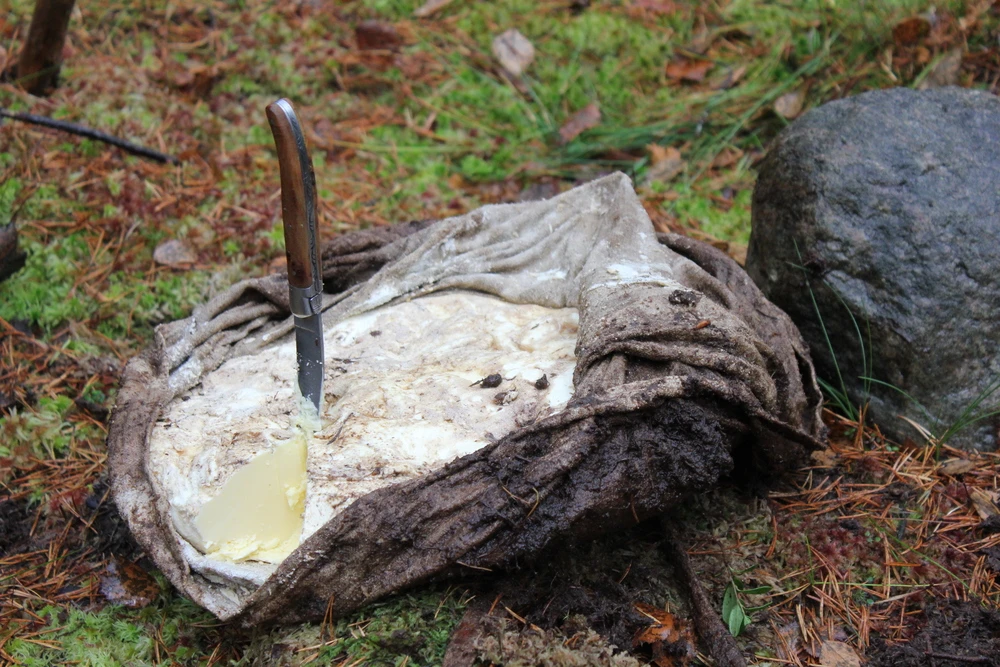
Bog butter was made in Ireland and Scotland in peat bog areas. Residents buried wooden boxes of butter in bogs and left it there for a very long time. Even today, similar "hiding places" are still found in the UK. The peat protects the butter from bacteria, so it is safe to eat. It acquires a Dorblu flavor and has just the slightest hint of mud and mold.
Hongeo 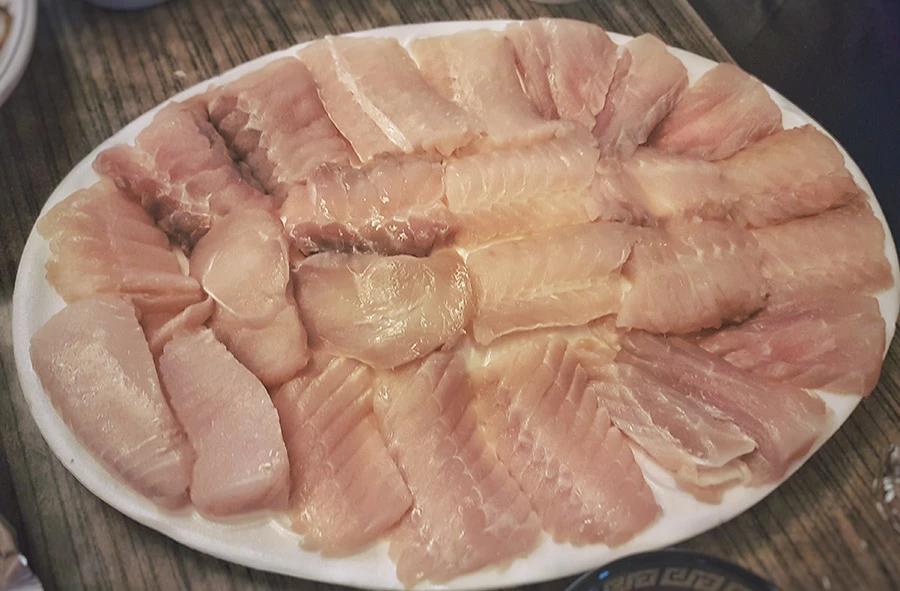
Streaks, like Greenland sharks, lack kidneys and urinary tracts, so their waste products are excreted directly through the skin, making them unfit for consumption. But Asians are quite inventive. Like the Scandinavians, they even came up with the idea of burying the stingrays. While the stern Vikings at least aired out the carcass, here the meat is served immediately. Those unlucky enough to try it say the smell is comparable to that of a public toilet in hot weather.
Tepa 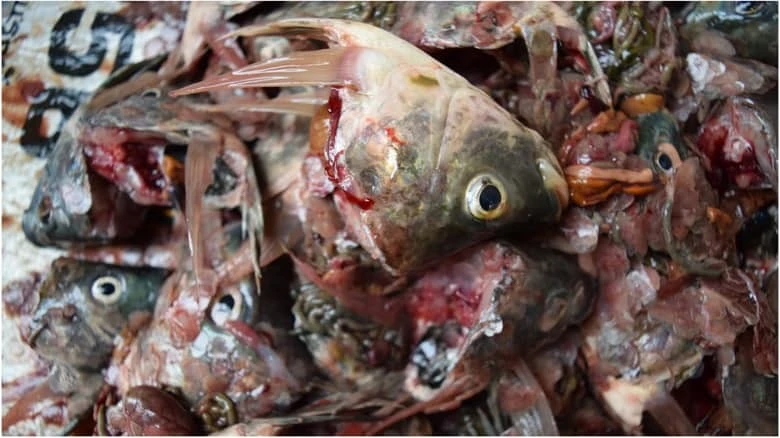
Tepa, or "stinking heads," is a traditional Alaskan Inuit dish. It's made from salmon heads, which are placed in a wooden barrel (sometimes with the entrails) and buried in the ground for several weeks. Unlike the previous versions, this isn't a delicacy, but rather a tribute to tradition. In the past, this dish was made with an effort to use up all the fish to avoid wasting food.
Akiaurus 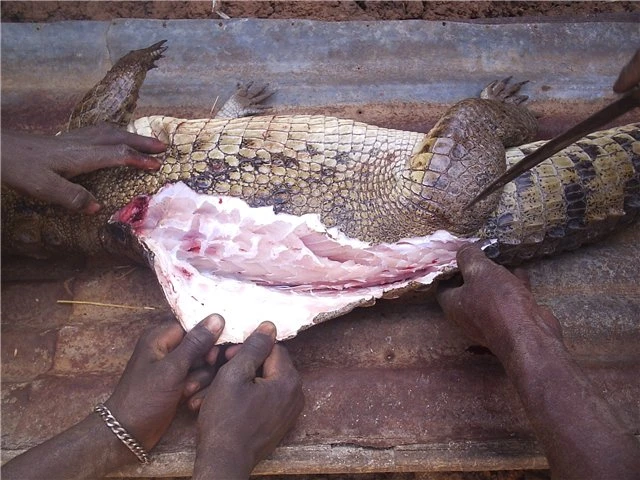
We've saved a delicacy from Africa for last. Many who have tried stewed or fried crocodile meat say it has a strong, muddy flavor. Well, African tribes eat it rotten, burying the carcass in the sand for several weeks. There, the meat begins to decompose and soften. The carcass is dug up and eaten by the entire tribe, with the first piece going to the leader and the second to the shaman.